
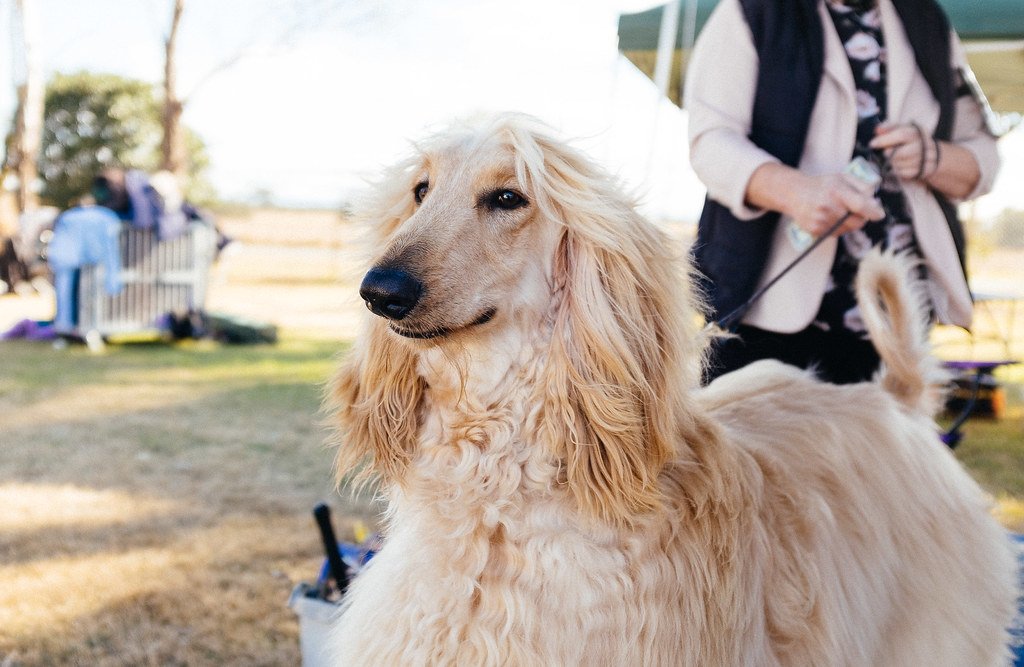
Not every dog that looks sweet and cuddly is automatically a great fit for families. Some breeds, while popular or adorable, come with quirks that might not mesh well with young kids or first-time dog owners. From high-strung temperaments to strong guarding instincts, these dogs often need experienced handling, firm training, and lots of socialization. That doesn’t mean they’re “bad” dogs—just that their needs may be misunderstood. Choosing the right breed is all about knowing your lifestyle, experience level, and what a dog really needs to thrive. It’s easy to fall for a cute face, but a little research can save a lot of stress later. After all, the best family pet is one that fits your home as much as your heart.
Akita: Majestic but Reserved
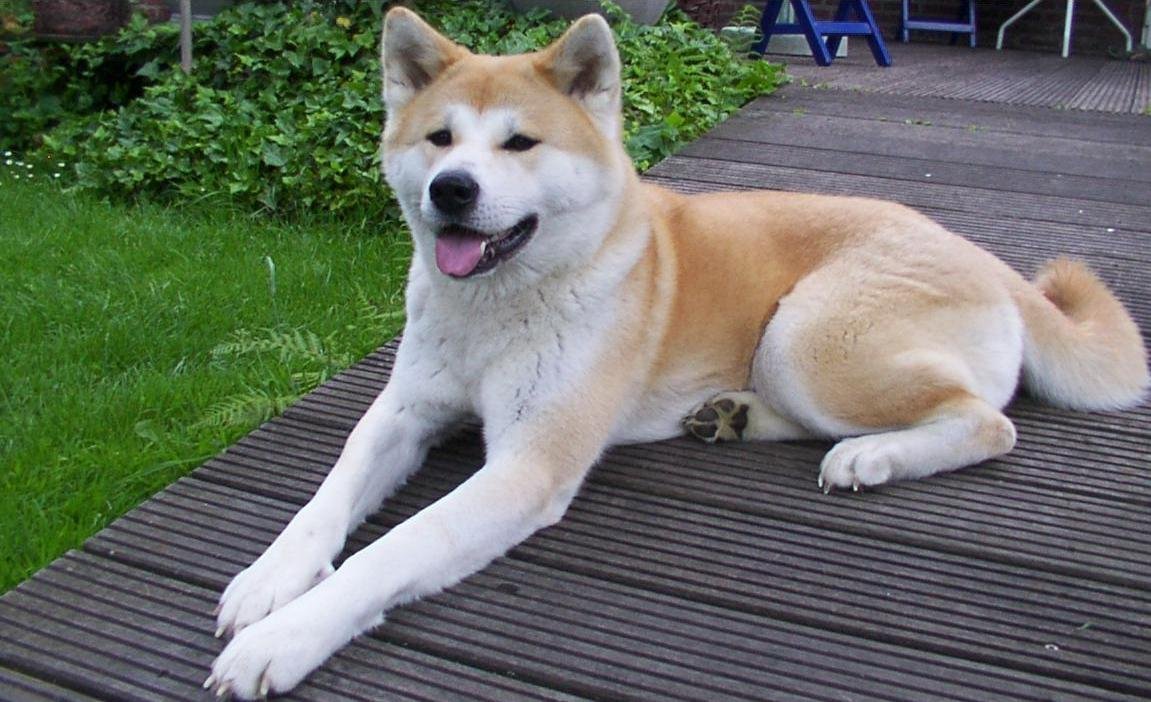
At first glance, the Akita looks like a fluffy teddy bear—majestic, powerful, and gentle. However, beneath that thick coat is a breed with a strong, independent streak and a natural suspicion of strangers. Akitas are deeply loyal to their families, but they can be aloof and sometimes even aggressive toward outsiders and other pets. They’re not always patient with children, especially if the kids are loud or overly playful.
Akitas require early and consistent training to manage their protective instincts. Without it, they might become territorial and exhibit dominant behaviors. This breed thrives in homes with experienced dog owners who understand how to assert respectful leadership. If you’re looking for a laid-back, go-with-the-flow companion for your kids, the Akita might not be the best match.
Chow Chow: The Lion Dog with a Mind of Its Own
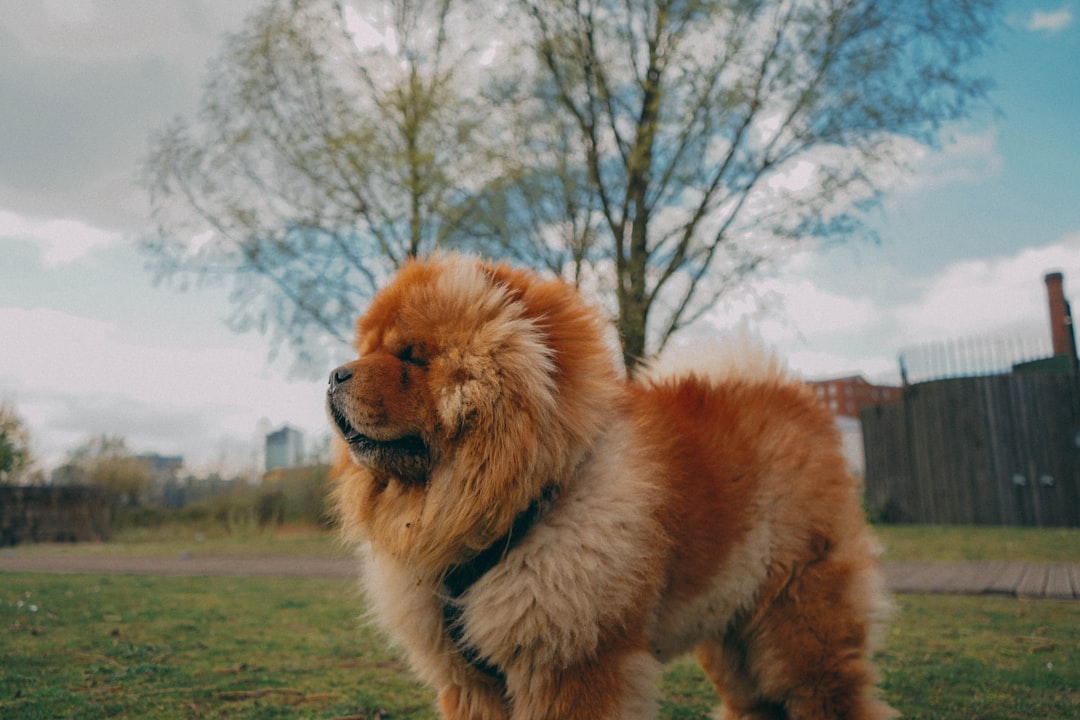
Chow Chows are striking, with their lion-like manes and dignified presence. Many people fall for their plush looks, but these dogs are famously independent and sometimes downright stubborn. They tend to bond closely with one person rather than the whole family and can be particularly wary of visitors.
Chow Chows also have a reputation for being less tolerant of rough play or unpredictable behavior from children. They don’t always appreciate hugs or being handled, and their aloofness can be mistaken for grumpiness. If you have young kids who love to cuddle and interact, a Chow Chow’s reserved nature may lead to disappointment—or even a growl or two.
Dalmatian: Spotted Friend or High-Energy Handful?
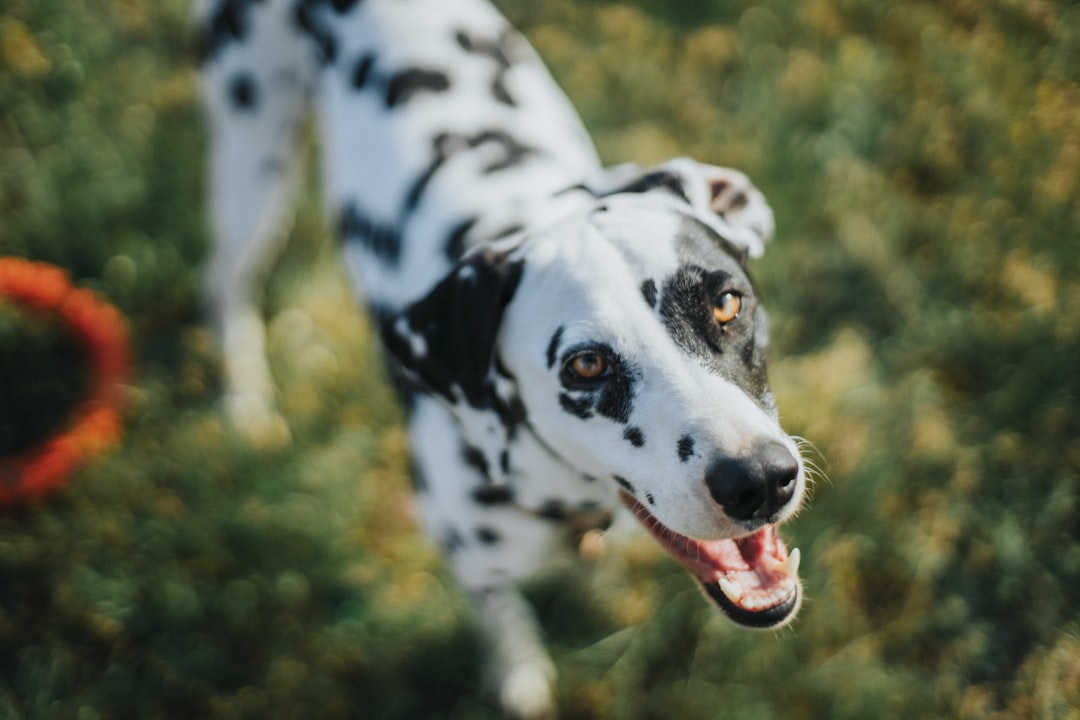
The Dalmatian’s iconic spots and friendly grin have made it a household name, especially after those famous movies. But in reality, Dalmatians are one of the most energetic and sometimes demanding breeds around. They need lots of exercise and mental stimulation, or they can become bored and destructive.
This breed also has a streak of sensitivity, making them prone to anxiety or defensive behavior if not properly socialized. Dalmatians can be nippy with children, especially if their boundaries aren’t respected. Their stamina and strong personalities mean they’re better suited for active families with older kids who understand how to treat dogs respectfully.
Siberian Husky: The Runaway Artist
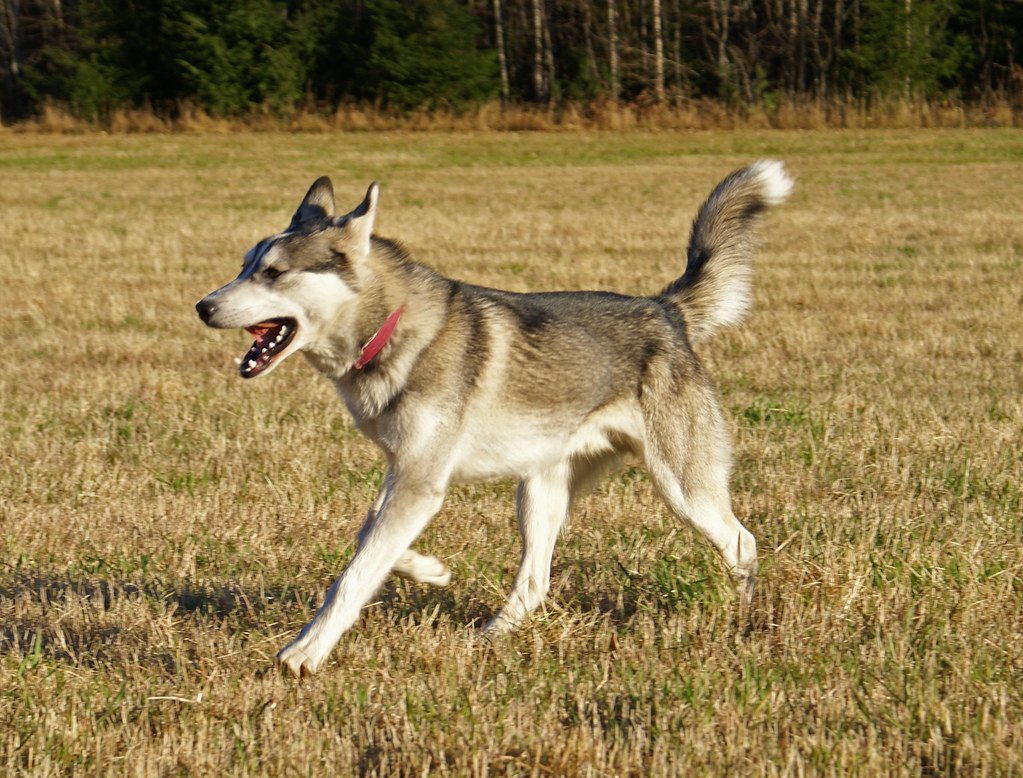
Siberian Huskies are breathtaking with their wolf-like looks and icy blue eyes. But behind their beauty lies an adventurous and mischievous spirit. Huskies are notorious for escaping fenced yards, digging holes, and running for miles if given the chance. They often see life as one big game and can be challenging to train.
For families with small children, Huskies may be too boisterous and unpredictable. They’re pack animals and need firm, consistent leadership—otherwise, they’ll quickly take charge. Their high energy is better matched with experienced dog owners and families willing to put in the work to keep them happy and safe.
Jack Russell Terrier: Endless Energy, Endless Challenges
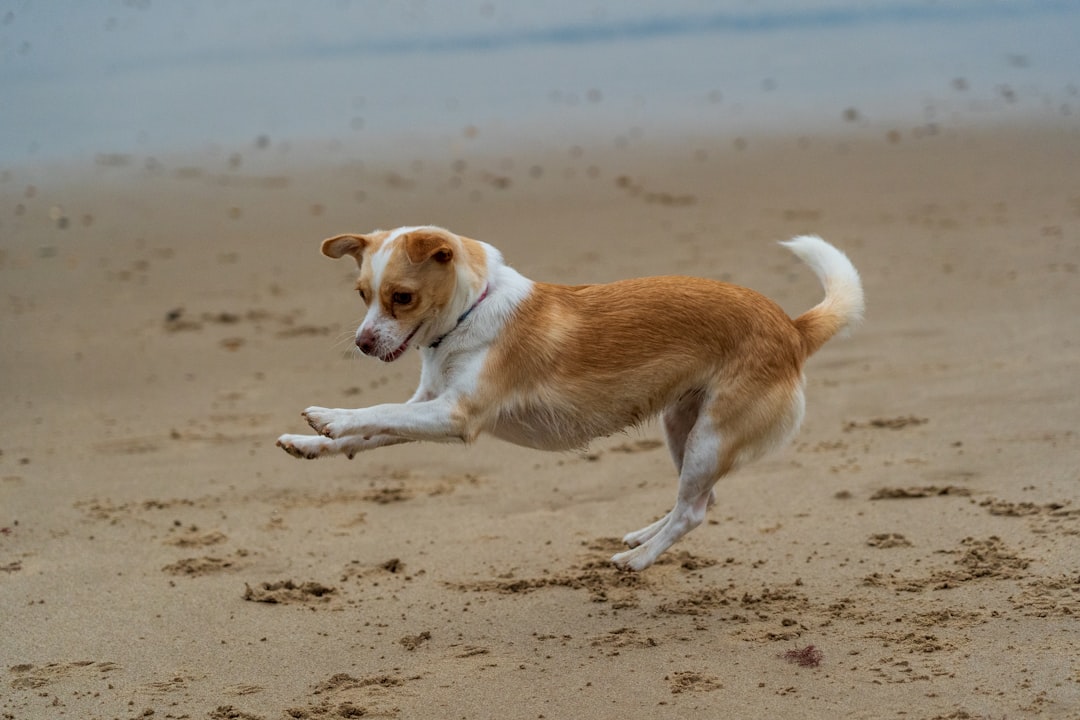
Don’t let their small size fool you—Jack Russell Terriers are like furry little firecrackers. Bred for hunting, they have boundless energy and sharp intelligence, which means they’re constantly on the lookout for something to chase or dig up. This can make them a handful in a busy family home.
Jack Russells can be snappy if handled roughly or if their personal space is invaded, making them less suitable for families with very young kids. They also require tons of exercise and mental stimulation, or they’ll invent their own fun—usually at your furniture’s expense. They’re best for active families who want a playful, spunky, but sometimes headstrong companion.
Shar Pei: Wrinkled, Reserved, and Protective
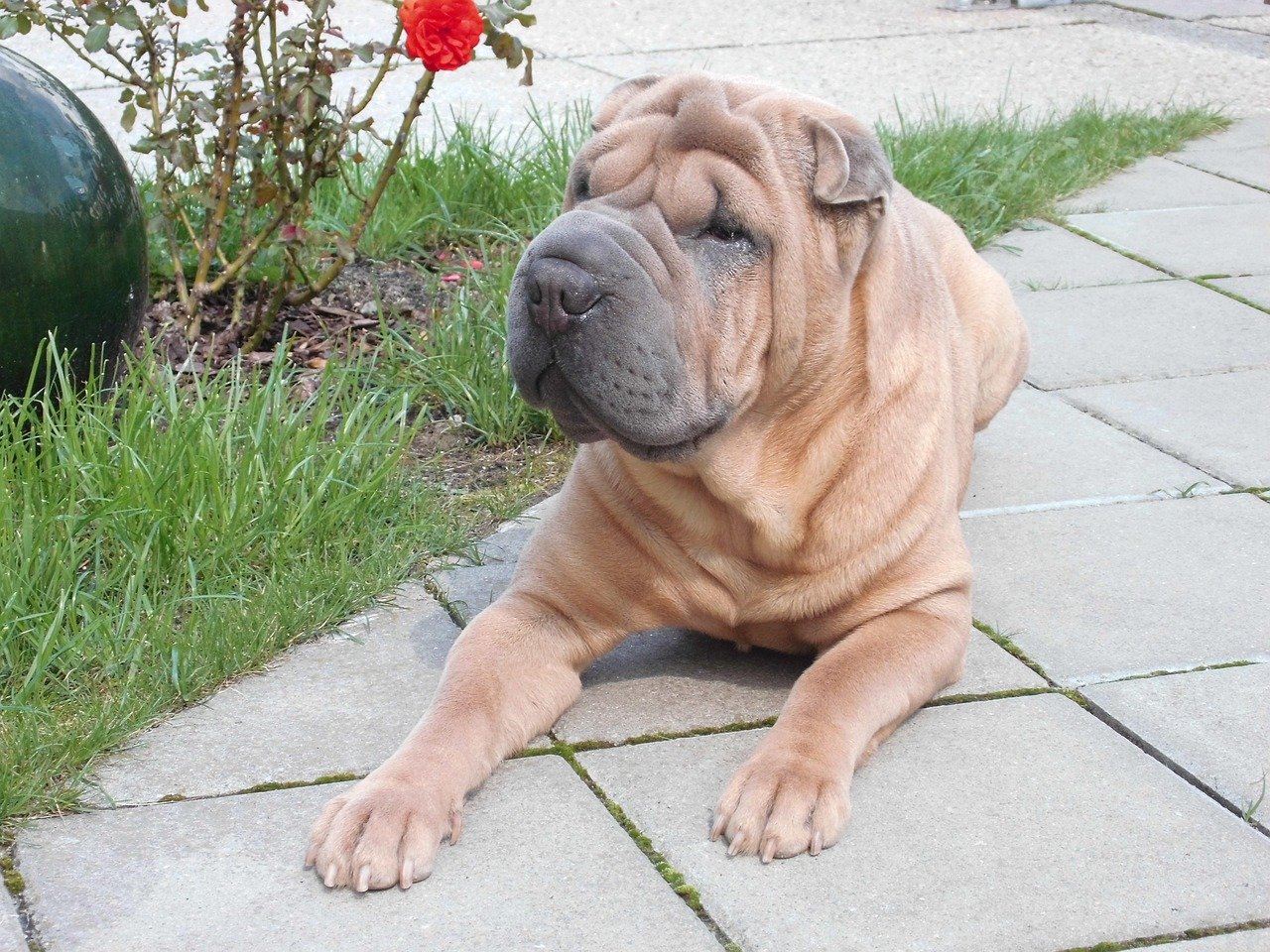
With their unique, wrinkly faces and somber eyes, Shar Peis look like they belong in an art gallery. But these dogs are naturally reserved and can be suspicious of strangers. They’re known for being fiercely loyal to their families, but sometimes this loyalty turns into protectiveness that can be a bit much for households with lots of visitors or children’s friends coming and going.
Shar Peis also aren’t always patient with loud noises or unpredictable behavior. Their standoffishness can make them less playful with children, and they need early socialization to ensure they don’t become overly wary or even aggressive. If you’re seeking a gentle, easygoing dog for a bustling home, a Shar Pei’s serious temperament may not fit the bill.
Weimaraner: The Velcro Dog Who Needs Constant Company
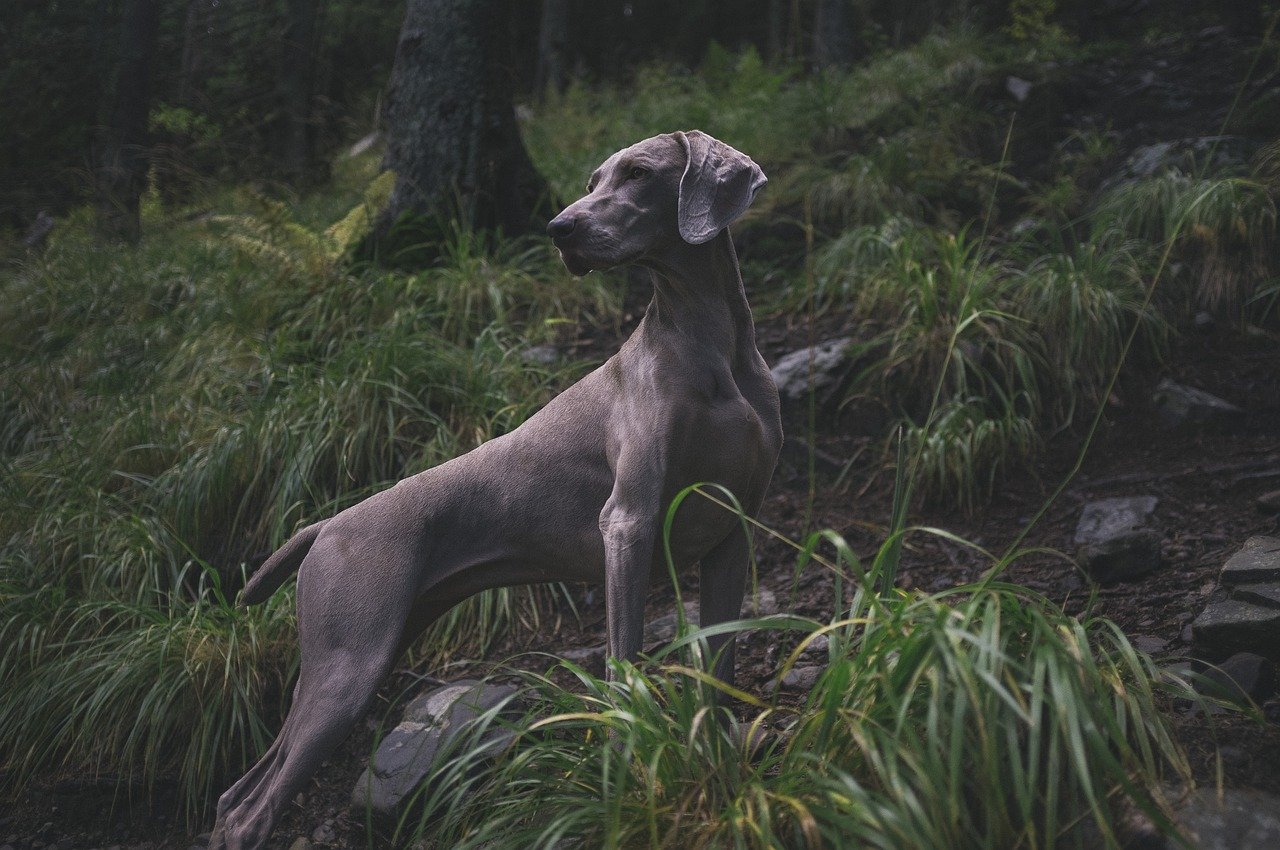
Weimaraners are gorgeous, athletic, and loyal—sometimes to a fault. They’re often called “Velcro dogs” because they want to be with their people all the time. While this can be lovely, it also means they suffer deeply from separation anxiety if left alone for long periods.
With their high energy and tendency to become destructive when bored or lonely, Weimaraners are not ideal for families who spend a lot of time away from home. Their exuberant nature can also be overwhelming for small children, and they require firm, consistent training to keep their intensity in check. They’re best for families who have plenty of time and energy to devote to a demanding companion.
Alaskan Malamute: Strength and Stubbornness Combined
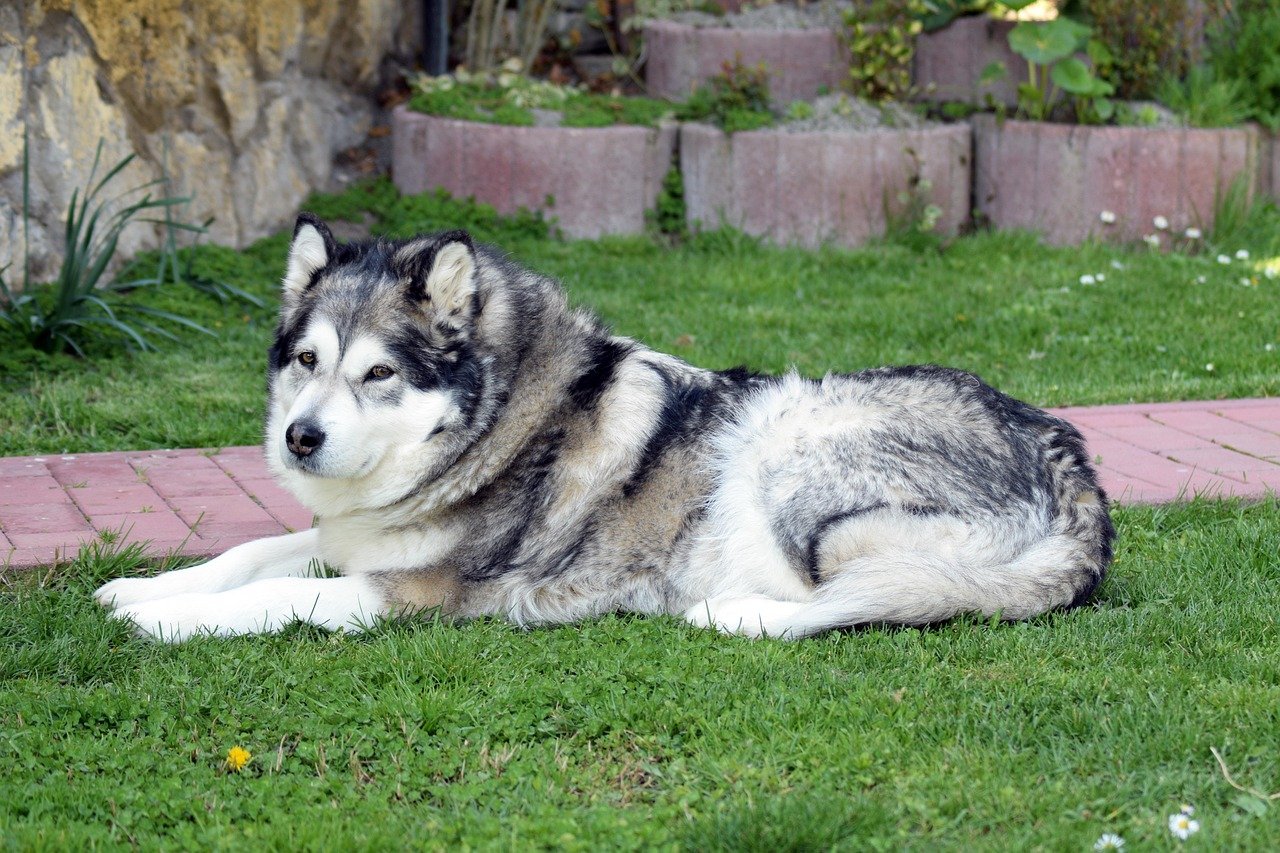
Alaskan Malamutes are big, beautiful, and built for strength. While they look similar to Huskies, Malamutes are even more powerful and independent. Their stubborn streak can make training a challenge, and they’re known for testing boundaries, especially with inexperienced owners.
These dogs need plenty of space and exercise, and they’re not always gentle with young kids. Their size alone can be intimidating, and accidental knocks or rough play can easily happen. Malamutes also have a strong prey drive, so they may not get along with other pets like cats or smaller dogs. For families looking for a gentle playmate, the Malamute’s bold personality may prove too much.
Afghan Hound: Graceful, Aloof, and Not Always Patient
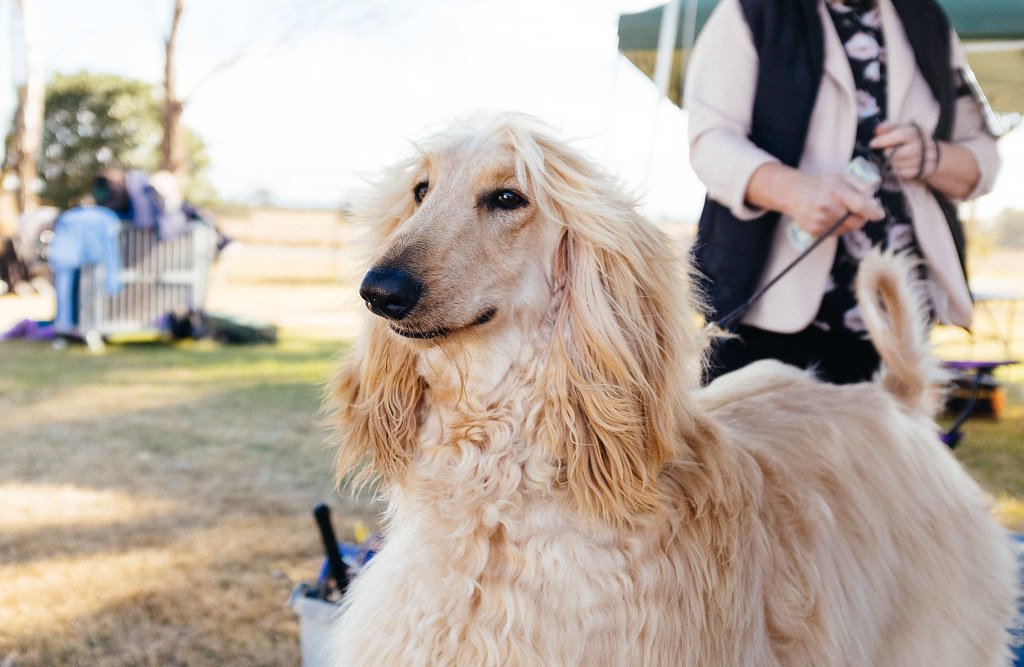
The Afghan Hound is the epitome of canine elegance, with flowing locks and a proud, dignified presence. But don’t let their beauty fool you—these dogs are famously aloof and sometimes even indifferent to their families. They aren’t the kind of dog who lives for constant affection or playtime.
Afghan Hounds can be sensitive, and their independent nature means they aren’t always eager to please. They move to their own rhythm and can be easily startled by loud noises or sudden movements, which makes them less suitable for homes with young or rambunctious children. They’re happiest in a calm, stable environment with older kids who respect their need for space.
Basenji: The Barkless, Mischievous Wonder
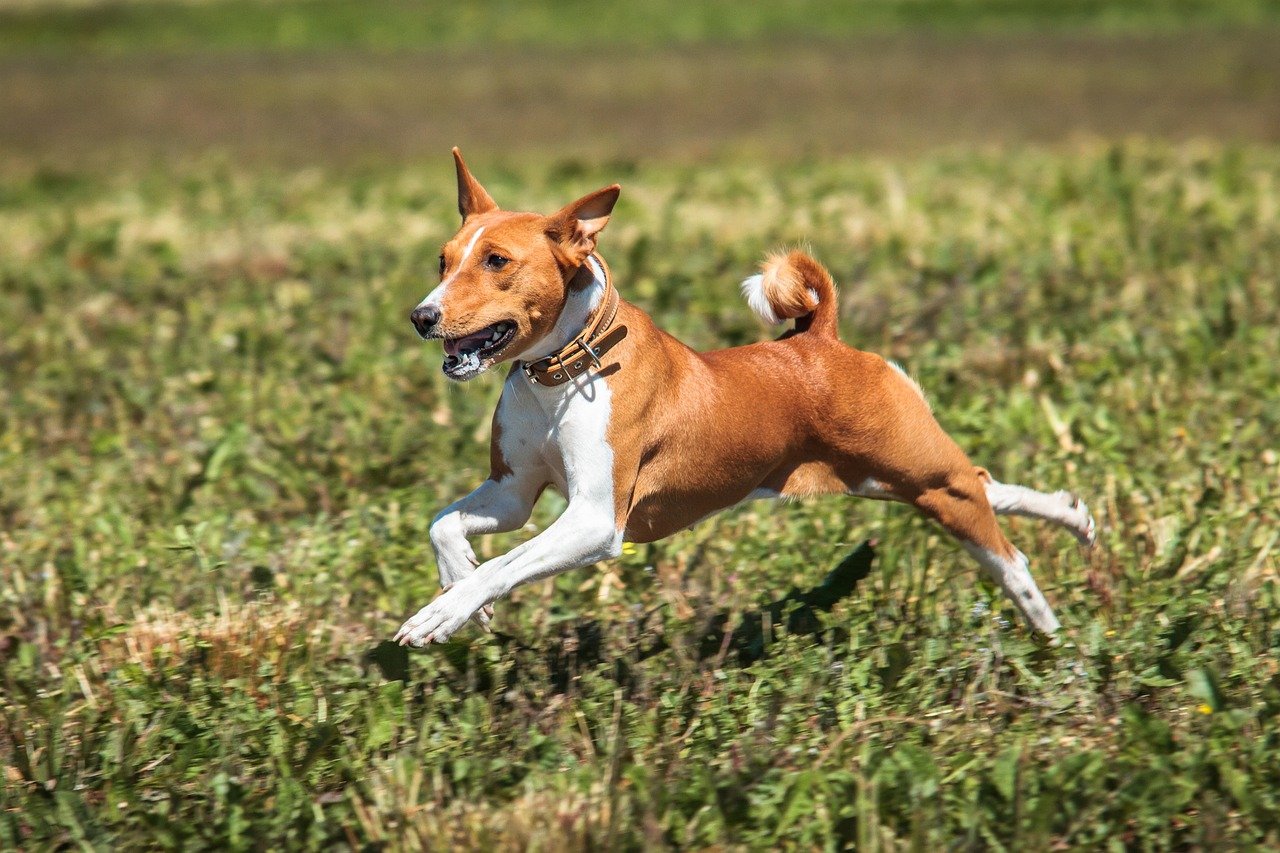
Famous for their lack of barking, Basenjis are often praised as the perfect quiet companion. But what they lack in noise, they make up for in mischief. These clever dogs are escape artists, often finding ways to slip under fences or outsmart their owners.
Basenjis can be reserved and don’t always enjoy being handled. They’re fast, agile, and have a strong prey drive, which can mean trouble for families with smaller pets. Their high intelligence also means they need plenty of mental stimulation to keep from getting bored—and bored Basenjis are notorious for causing chaos in the home.
Shiba Inu: Cute but Cunning
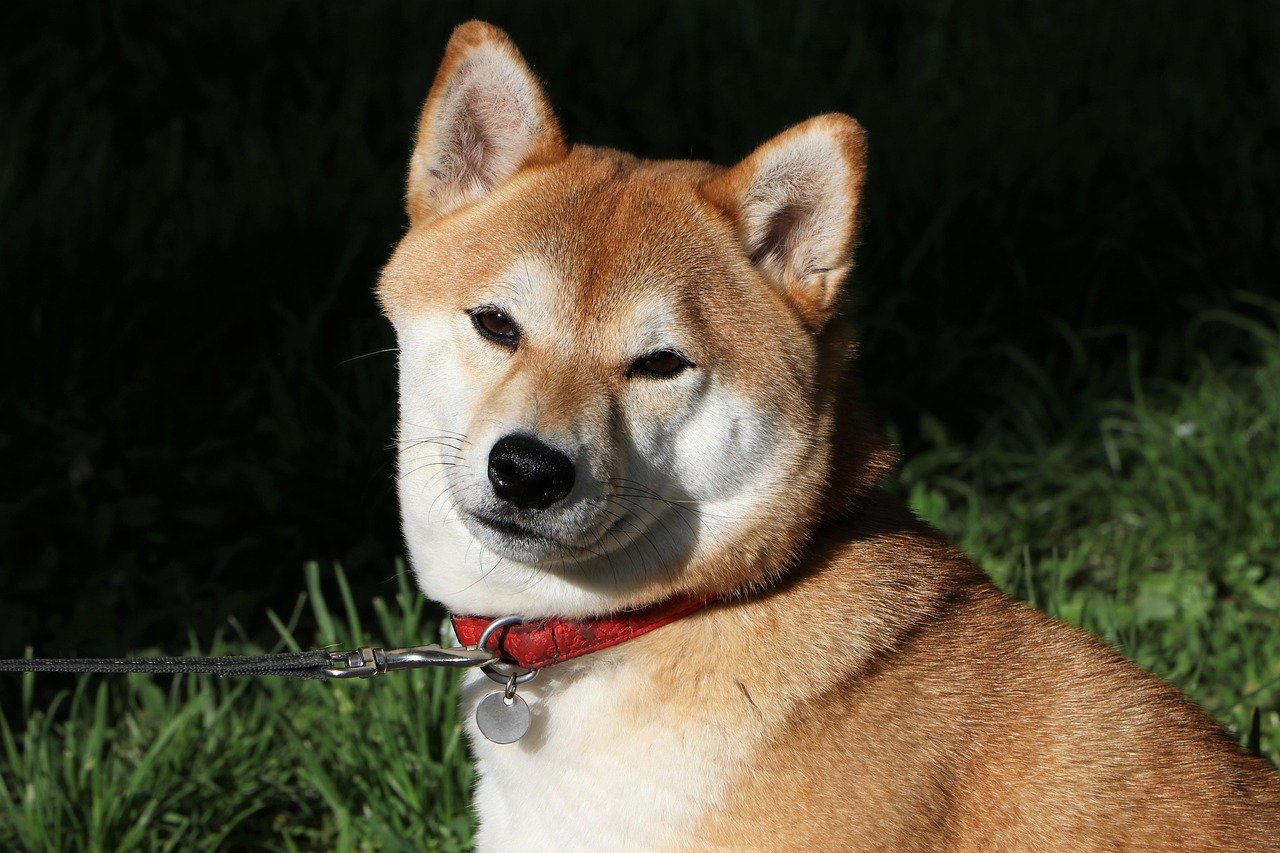
With their fox-like appearance and charming expressions, Shiba Inus have become internet sensations. But these little dogs pack a punch when it comes to attitude. They’re fiercely independent and sometimes seem to believe they’re the ones running the household.
Shiba Inus can be aloof and don’t always appreciate cuddles or handling, especially from young children. Their stubbornness can make training a challenge, and if their needs aren’t met, they may act out by ignoring commands or even escaping. They do best with patient, experienced owners who can provide firm boundaries and understand their unique quirks.
Doberman Pinscher: Loyal but Demanding

Dobermans are sleek, intelligent, and incredibly loyal. They’re often seen as protectors and thrive when given a job to do. However, their strong guarding instincts can make them wary of strangers and sometimes overly protective of their families.
These dogs need early socialization and consistent training to ensure they don’t become territorial or aggressive, especially around children’s friends or guests. Their energy and intensity can be overwhelming for families with young kids or first-time dog owners. Dobermans are wonderful companions for those who understand their needs, but they’re definitely not the set-it-and-forget-it type.
Australian Cattle Dog: The Tireless Worker
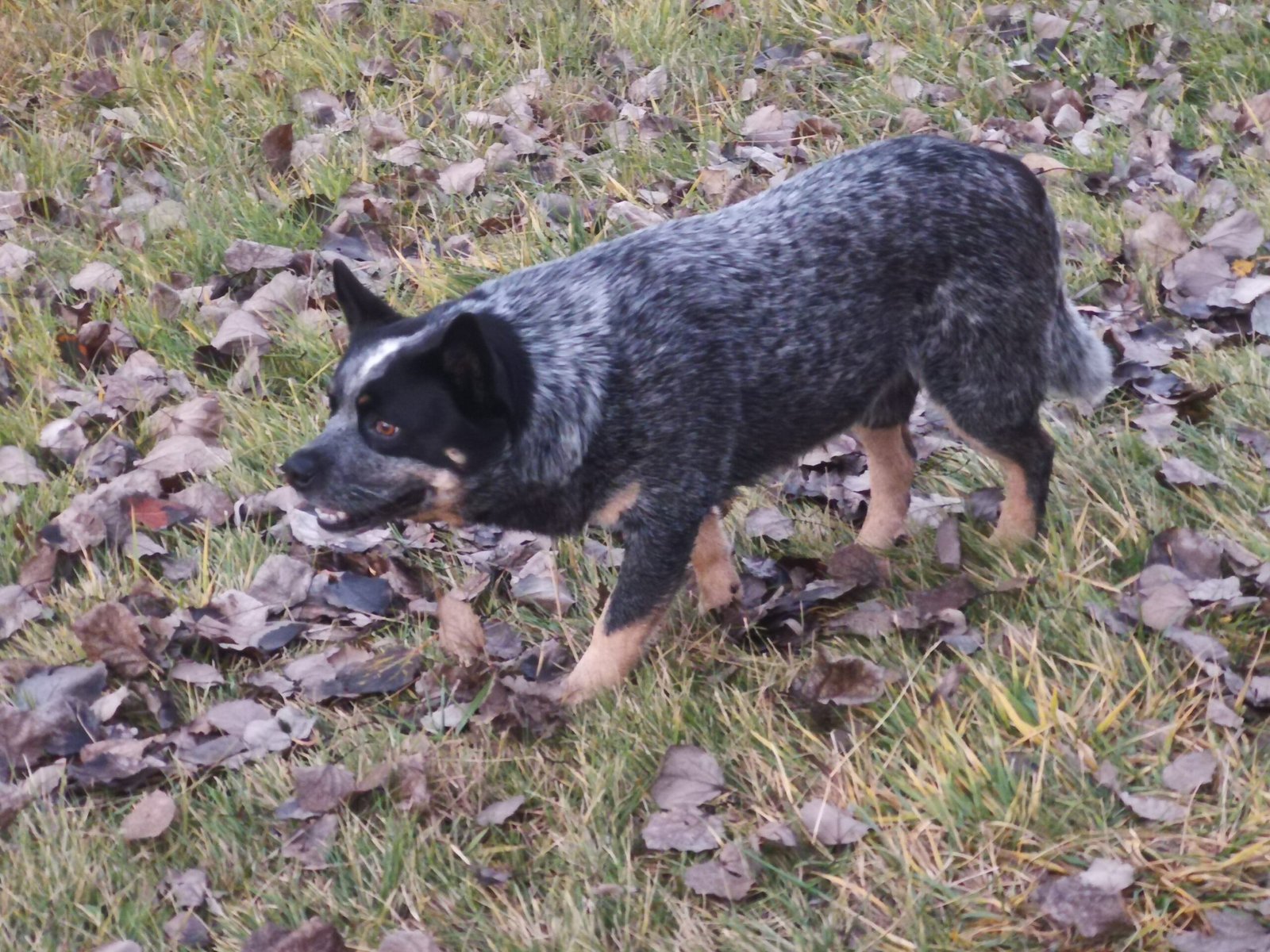
Australian Cattle Dogs are world-class herders, bred to work all day long. They’re incredibly intelligent and energetic, which means they need constant mental and physical stimulation. In a family setting, this drive can translate into herding behavior, like nipping at heels or trying to corral children.
Their intensity isn’t always a good match for young families, as they may not tolerate roughhousing or unpredictable play. Without enough activity, Cattle Dogs can develop destructive habits or become frustrated. They thrive best in homes with plenty of space and active owners who can keep up with their endless energy.
Dogo Argentino: Powerful and Protective
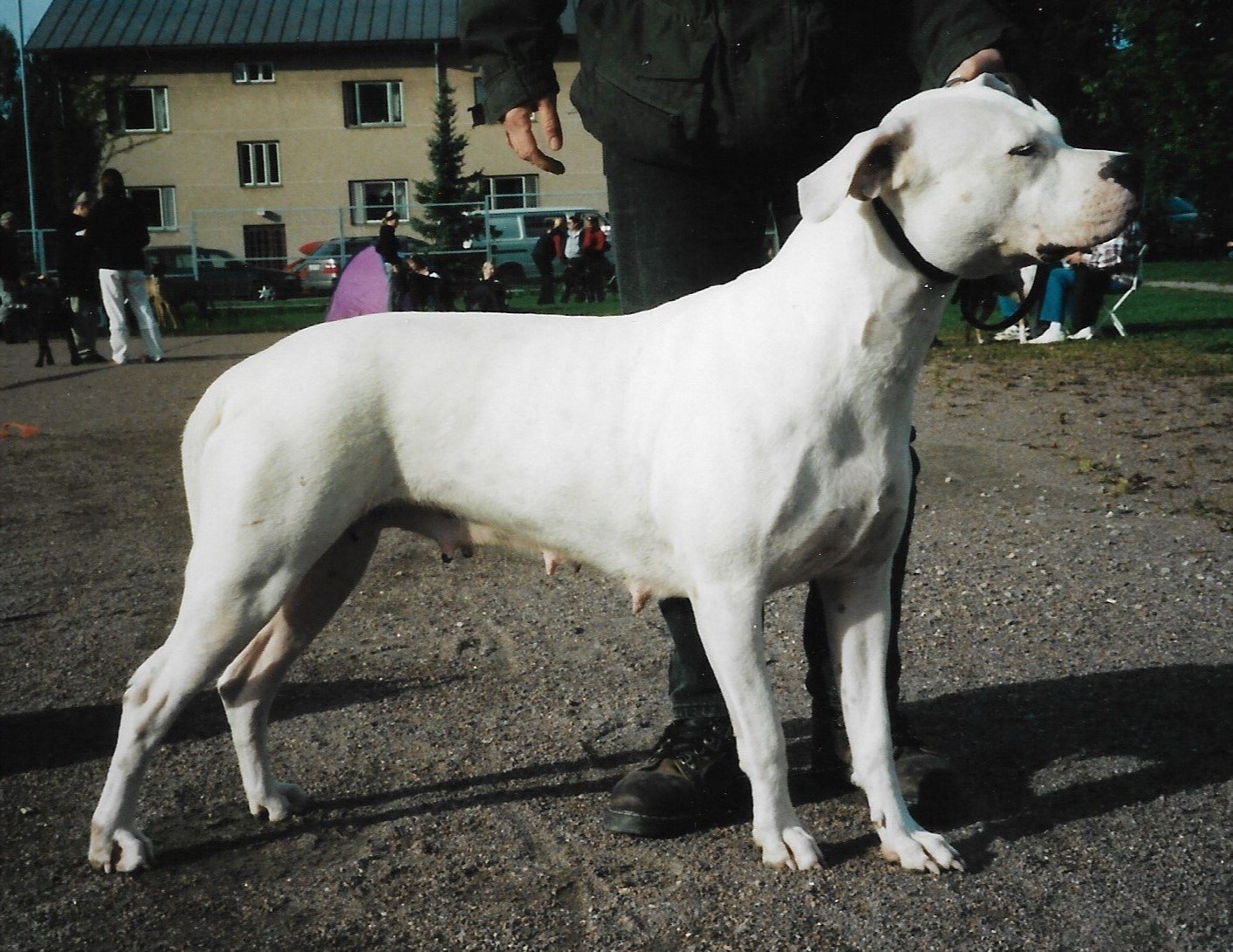
The Dogo Argentino is a strikingly handsome breed, originally developed for big-game hunting. These dogs are muscular, confident, and loyal—but their strength and territorial instincts can be a challenge for families. They require firm, experienced handling and early socialization to prevent aggression toward strangers or other animals.
Dogos can be affectionate with their families, but their powerful build and high prey drive make them less suitable for homes with small children or other pets. They need a confident owner who can provide structure and clear boundaries. Without it, their protective streak can become overwhelming.
Borzoi: Graceful but Sensitive
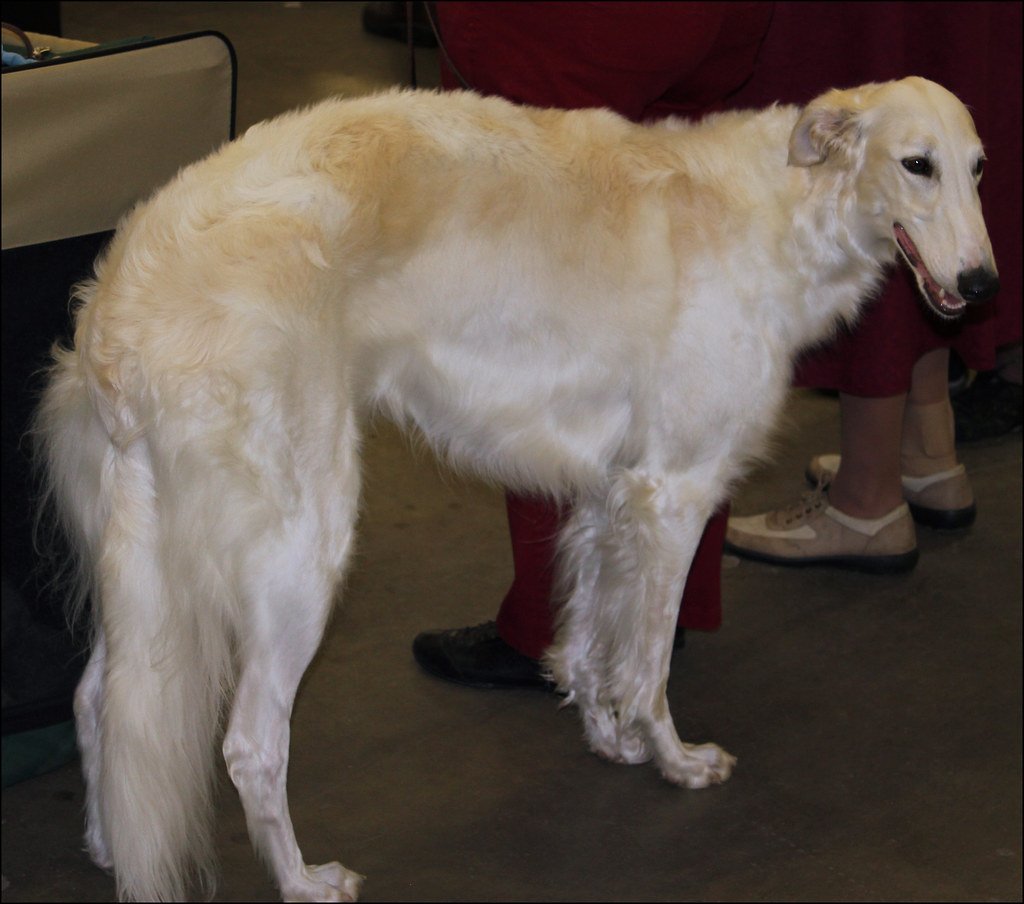
The Borzoi is a vision of elegance, with a silky coat and gentle manner. However, beneath that grace is a sensitive soul that can be easily overwhelmed by loud noises or chaotic environments. Borzois are independent and sometimes aloof, preferring quiet companionship to rowdy play.
Their size and delicate build mean they’re not always comfortable around small children, who may be too rough or unpredictable for their liking. Borzois require patience and gentle handling, making them better suited for calm households with older kids who understand how to respect their space and temperament.
Even the most lovable-looking pups can have personalities that don’t quite match a busy family lifestyle. It’s not about labeling breeds as “bad,” but about understanding their unique needs and behaviors. With the right training, environment, and experience, many of these dogs can still make amazing companions. The key is being honest about what you can offer — and choosing a pup who’ll truly thrive in your home.


