
Your dog trusts you to keep them safe. They look up at you with those sweet eyes, tail wagging, completely unaware of the hidden dangers lurking in everyday corners of your home. It’s a responsibility that feels heavy sometimes, especially when you realize that items you handle without a second thought could seriously harm your beloved companion.
The truth is, our homes weren’t designed with canine safety in mind. Things we consider harmless or even beneficial for ourselves can be downright deadly for dogs. Their curious noses, relentless chewing habits, and tendency to taste test everything make them vulnerable in ways we might not expect. I’ve seen too many frantic calls to poison control centers that could have been avoided with just a little awareness.
What follows might surprise you. Some of these items seem so ordinary that you’d never guess they pose a threat. Let’s dive in.
Chocolate: The Classic Culprit That Still Catches People Off Guard

Everyone knows chocolate is bad for dogs, right? Yet it remains one of the leading causes of pet poisoning, especially around holidays. Chocolate contains theobromine, a chemical toxic to dogs, with darker and more concentrated varieties posing higher risks.
Think about it this way: that innocent dark chocolate bar on your coffee table could send your pup to the emergency room. Even a little bit of chocolate can cause diarrhea and vomiting, while larger amounts can trigger seizures, irregular heart function, and even death. The symptoms can appear within hours, and by then, every minute counts.
Xylitol: The Silent Sweetener Hiding in Plain Sight

Here’s where things get really scary. Xylitol, found in many sugarless gums and candies, can be extremely dangerous for dogs, with even small amounts leading to rapid and life-threatening declines in blood sugar levels and possible liver failure.
Check your pantry right now. That sugar-free peanut butter you bought? It might contain xylitol. So could your toothpaste, mouthwash, and certain baked goods. Dogs are extremely sensitive to xylitol, and some sugar-free sweets and gums have potentially toxic amounts per piece, making any amount consumed a risk. The scariest part is how quickly it acts. Your dog could go from perfectly fine to dangerously hypoglycemic in under an hour.
Grapes and Raisins: Nature’s Mysterious Threat
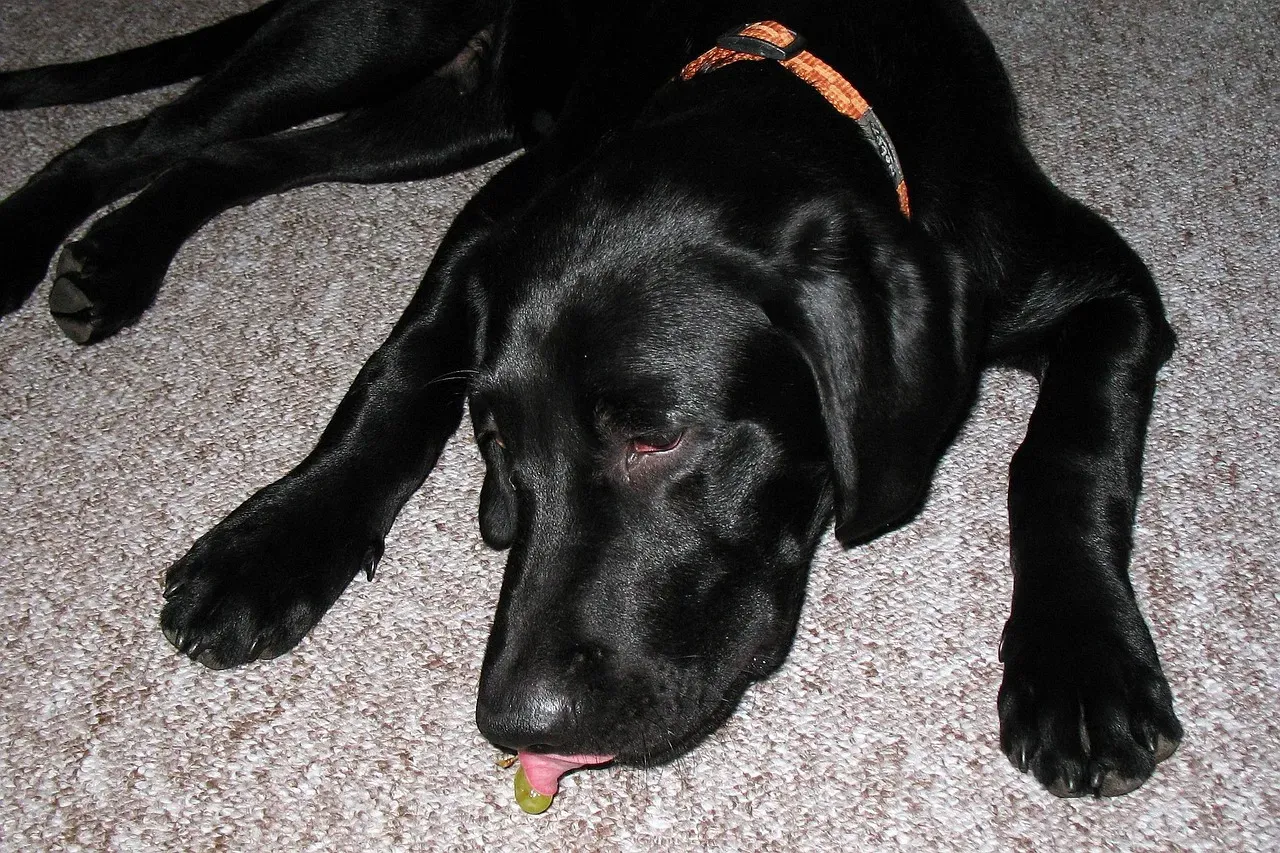
Nobody really knows why grapes are so toxic to dogs. Scientists haven’t pinpointed the exact compound responsible, though recent research points to tartaric acid. Raisins and grapes are often overlooked as being dangerous for dogs, but small amounts can result in kidney failure.
What makes this particularly tricky is the unpredictability. Even a small amount can make dogs seriously ill, though some dogs appear much more sensitive to grape toxicity than others. You might drop a grape on the floor during snack time, and that single grape could be enough. Within a day, your dog could become lethargic and start showing signs of kidney damage.
Onions and Garlic: The Allium Family’s Dark Side
Most people don’t realize that the entire onion family poses serious risks. All onion-family foods, including chives, garlic, and leeks, can cause a dangerous form of anemia when ingested in sufficient amounts.
Garlic deserves special mention because it’s everywhere. Garlic is five times more toxic to dogs than the rest of the Allium plants and can create anemia in dogs, causing pale gums, elevated heart rate, weakness, and collapse. The sneaky thing about onion and garlic poisoning is that symptoms might not show up for days, giving you a false sense of security.
Human Medications: Pills That Save Us Can Kill Them

We keep medicine around like it’s nothing. A bottle of ibuprofen on the nightstand. Tylenol in the bathroom cabinet. Over-the-counter medications like acetaminophen, ibuprofen, and naproxen are not formulated for pets, and even small amounts can be toxic.
Ibuprofen is toxic to dogs because their bodies metabolize the drug differently than humans, with signs of toxicosis occurring when as little as half a 200 mg pill is given to a 25-pound dog. That means one pill could be fatal to a small dog. Keep your medications locked up high, and never assume a closed bottle is dog-proof.
Household Cleaning Products: Chemical Burns Waiting to Happen

That fresh clean smell might signal danger for your dog. Many household cleaning products, such as floor and countertop sprays and toilet bowl cleaners, contain toxic ingredients like chlorine bleach or formaldehyde that can make dogs sick.
Bleach, ammonia, toilet bowl cleaners, and drain openers can cause chemical burns in the mouth and throat and internal damage if ingested. Even inhaling fumes can pose risks. I always make sure my dogs are in another room when I’m cleaning, and I wait until all surfaces are completely dry before letting them back in.
Batteries: Tiny Power Sources with Devastating Potential
Remote controls, toys, watches, all these gadgets use batteries that could seriously harm your dog. Alkaline batteries contain dangerous ingredients like sodium or potassium hydroxide, and when a dog punctures or swallows a battery, acidic material can severely scald the dog’s mouth and cause other tissue damage.
The danger isn’t just from swallowing them whole. Batteries contain harmful chemicals that leak out when pets bite or chew on them and can lead to serious internal burns. Keep battery-operated devices out of reach and dispose of old batteries immediately.
Antifreeze: The Sweet Poison in Your Garage

This one terrifies me because dogs are actually attracted to it. Antifreeze contains ethylene glycol, which is highly toxic to animals even in small amounts, and its sweet smell and taste can lure pets into drinking it.
Small spills from changing fluids or a leaky radiator can leave dangerous puddles in the garage or driveway that your pet might lap up. Even a tiny amount can be fatal. If you suspect your dog has ingested antifreeze, you need to get to a vet immediately. Time is absolutely critical with this toxin.
Macadamia Nuts: An Unexplained Canine Kryptonite

Macadamia nuts are one of the most poisonous foods for dogs, causing vomiting, increased body temperature, inability to walk, and lethargy. Veterinarians still don’t fully understand why these nuts are so toxic.
All it takes is a few macadamia nuts to poison a midsize dog. Symptoms can show up within just a few hours. Imagine your dog suddenly unable to stand or walk properly, and you’re left frantically trying to figure out what happened. That cookie mix with macadamia nuts needs to be stored securely.
Cooked Bones: Not the Natural Treat You Think

People assume bones are natural for dogs, but cooked bones are actually really dangerous. Cooked bones can easily splinter and in large quantities cause constipation or at worst, a perforation of the gut which can be fatal.
Those leftover chicken bones from dinner? They need to go straight in the trash with a secure lid. Turkey and chicken bones can splinter and obstruct the bowels or damage the stomach or intestines. The splinters can puncture organs and cause life-threatening infections. Raw bones might be okay under supervision, but never give your dog cooked bones.
Essential Oils: Aromatherapy That’s Anything But Calming for Dogs
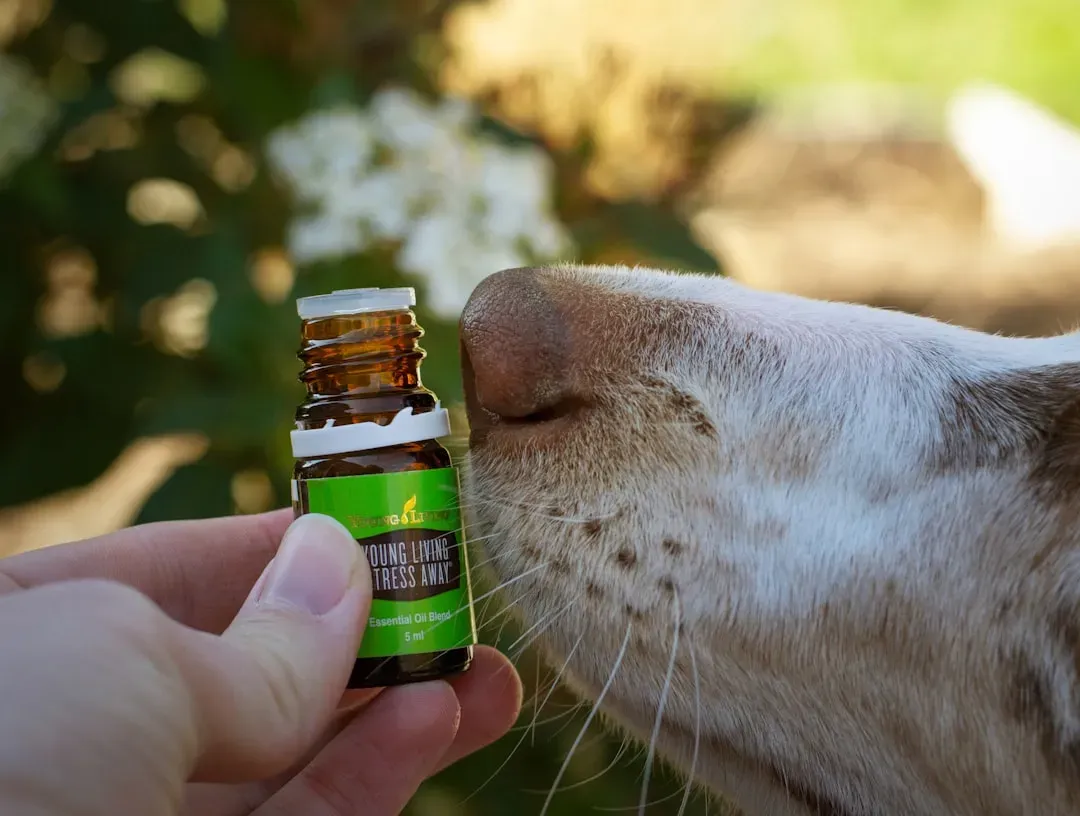
The wellness trend of essential oils has created a new hazard for our pets. Dogs are more sensitive to certain essential oils, which are not safe alternatives to flea and tick preventatives due to their high risk of toxicity.
Diffusing oils in your home might seem harmless, but dogs can experience serious reactions. Symptoms can include drooling, vomiting, difficulty breathing, and neurological issues. Tea tree oil, in particular, is highly toxic to dogs. If you use essential oils, keep them completely away from your pets and ensure proper ventilation.
Alcohol: Even Tiny Amounts Pack a Punch
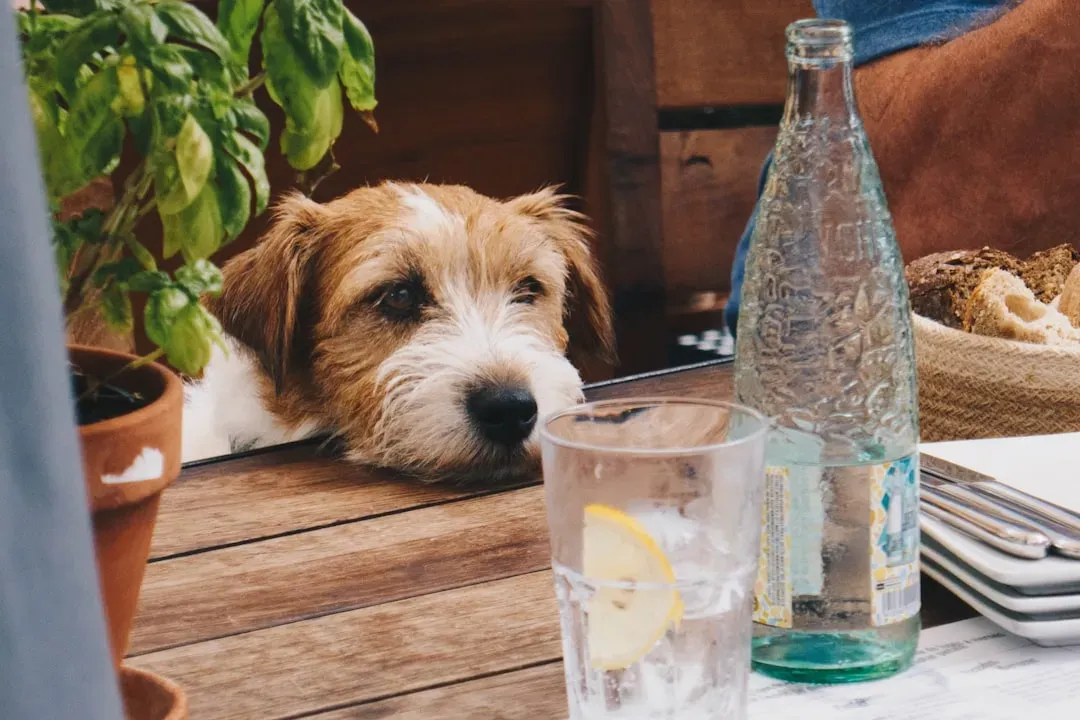
Alcohol is significantly more toxic to dogs than to humans, and even small quantities of alcoholic beverages and food products may cause vomiting, diarrhea, decreased coordination, central nervous system depression, difficulty breathing, tremors, blood changes, coma and even death.
Think about that spilled beer or the rum-soaked cake left on the counter. Dogs metabolize alcohol completely differently than we do, and their smaller size means even a little bit can cause serious intoxication. Keep all alcoholic drinks well out of reach, and be extra vigilant during parties when drinks might be left unattended.
Rodent Bait: Designed to Kill, and It Doesn’t Discriminate

Rat and mouse baits are designed to kill rodents through uncontrollable bleeding, brain swelling, or sudden kidney failure, and these poisonous products affect all mammals, including pets, the same way, with illness signs often not visible until hours or days later.
The cruel irony is that these products are deliberately made to smell and taste appealing. Rodent bait is scented and flavored to attract rats and mice, so dogs mistake it for food or treats and consume large quantities. By the time symptoms appear, treatment may already be too late. If you absolutely must use rodent control, place it in areas completely inaccessible to your dog.
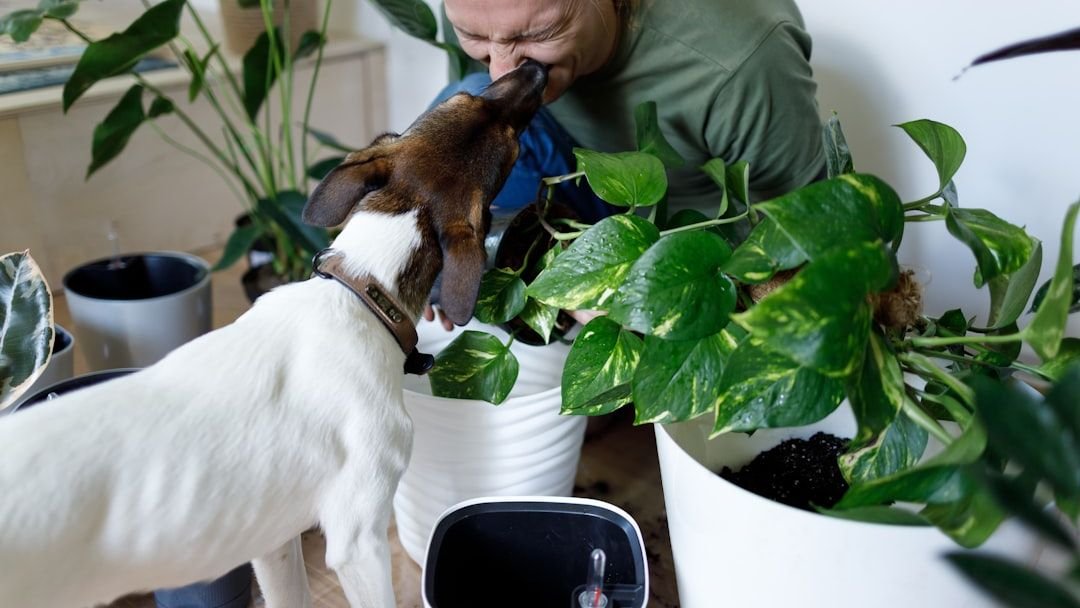
Certain Houseplants: Beautiful to Us, Deadly to Them
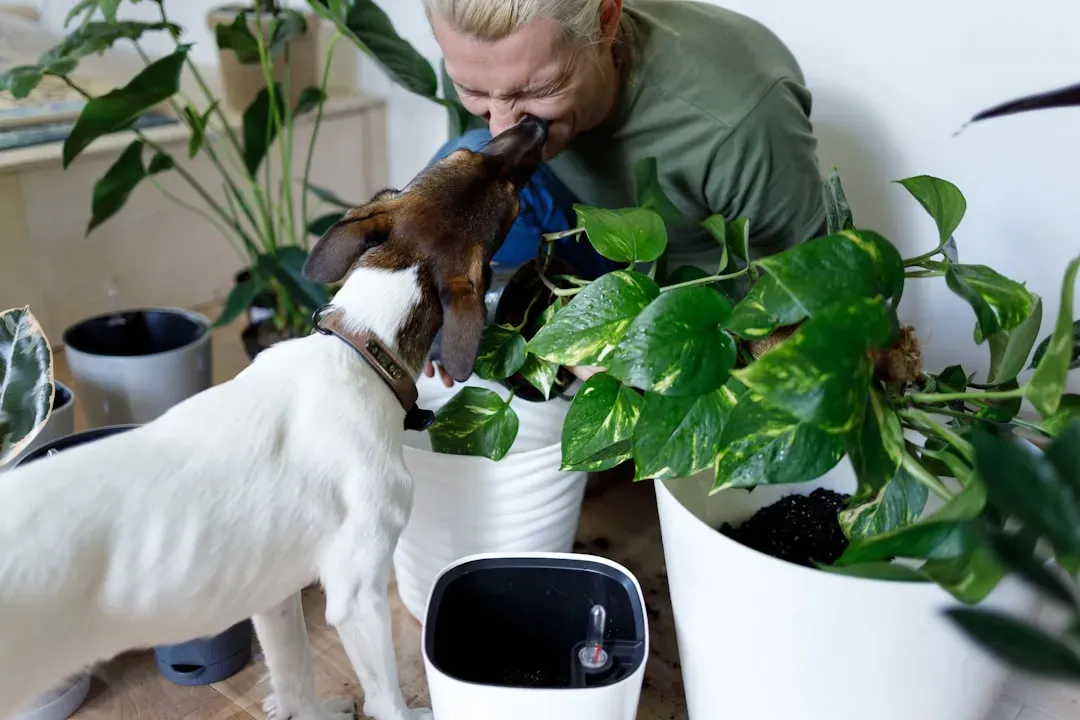
Your home décor could be harboring silent dangers. The same plants that breathe life into your space could put your dog’s health and safety at risk, with some being downright deadly and others causing oral irritation and digestive upset when consumed.
Sago palms are particularly deadly. Lilies are toxic to cats but many other common houseplants pose risks to dogs as well. Houseplants including philodendron, sago palm, chrysanthemum, and snake plants are poisonous to dogs and cats. Before you bring any new plant home, research whether it’s safe for pets, or better yet, stick to pet-friendly varieties.
Raw Bread Dough: A Rising Danger in Your Kitchen

This one surprises most people. Raw bread dough contains yeast that produces ethanol, which can cause a toxic reaction in dogs. The danger is twofold and genuinely frightening.
The fermenting yeast gets rapidly absorbed in the bloodstream producing enough ethanol to cause alcohol poisoning, and the dough can rise as it moves through the digestive system, potentially twisting the stomach, a situation that can lead to death. If you’re baking, keep that rising dough well away from curious noses. The warm, yeasty smell is incredibly appealing to dogs.
Keeping Your Home Safe Without Living in Fear

Look, I know this list feels overwhelming. You might be looking around your home right now feeling anxious about all the potential hazards. Here’s the thing though: awareness is power. Accidental poisoning in dogs occurs frequently, even with the most attentive pet parents, but when ingestion is suspected or confirmed, time is extremely important and prompt veterinary treatment can save a pet’s life.
Keep emergency numbers handy, including your vet and poison control hotlines. Know the signs of poisoning, which can include vomiting, diarrhea, lethargy, tremors, seizures, or unusual behavior. Never induce vomiting until you speak with a vet or poison control, as some substances cause more damage coming back up.
Create safe spaces by using cabinets with childproof locks, keeping trash cans secured with locking lids, and storing dangerous items up high. Prevention really is the best medicine. Our dogs depend on us to protect them from dangers they can’t understand. With a little vigilance and some smart household management, you can keep your furry friend safe while still maintaining a comfortable home for everyone. What small changes will you make today to protect your pup?


