
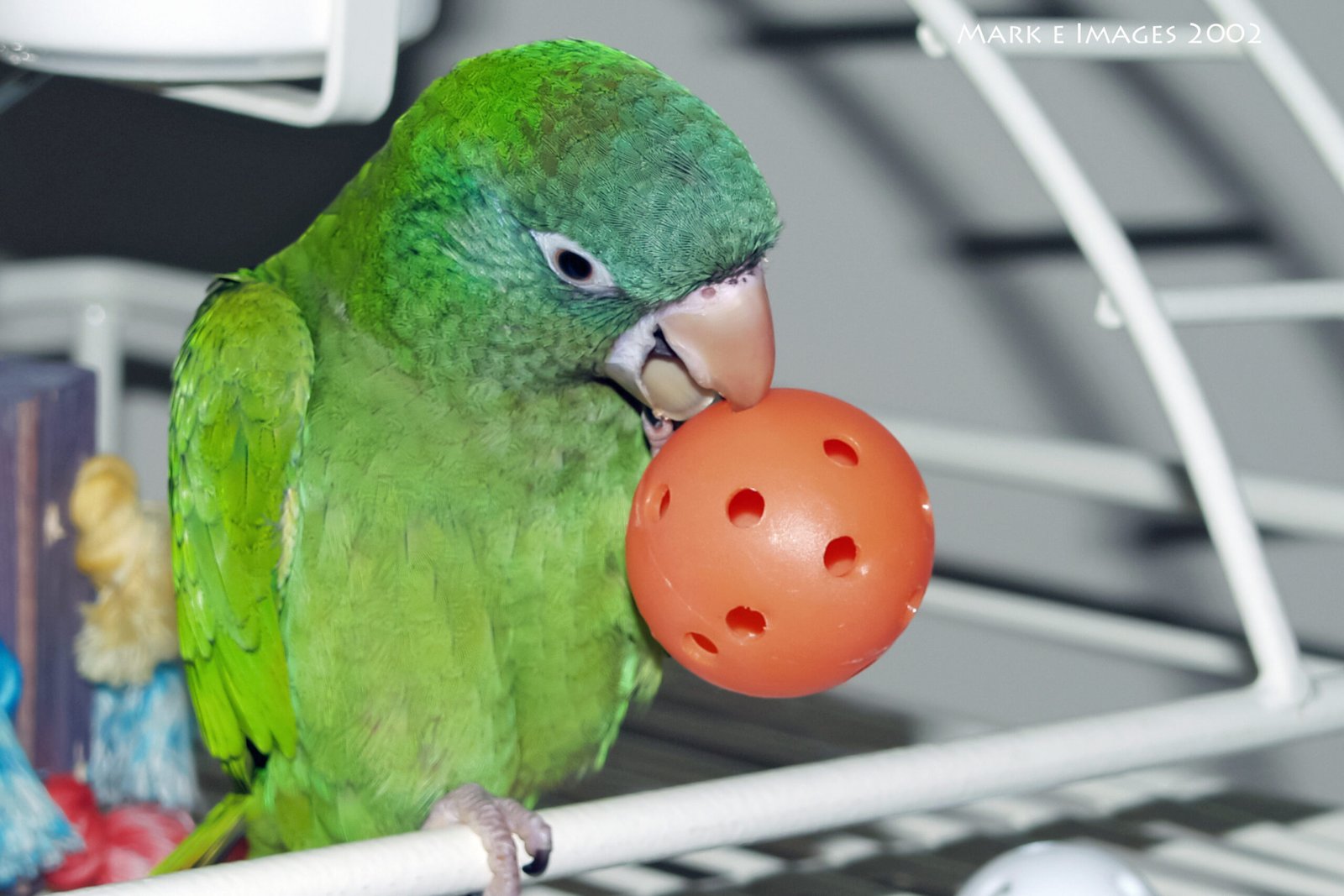

Introducing new toys to your pet bird is a great way to keep them mentally stimulated—but safety comes first! Always choose toys made from bird-safe materials, avoiding anything with toxic paint, sharp edges, or small parts they could swallow. Start by letting your bird explore the toy outside the cage to ease any fear or stress. Keep an eye on how they interact with it, and rotate toys regularly to keep things fresh and fun. With the right precautions, playtime becomes a safe and exciting part of your bird’s routine!
Choose Bird-Safe Materials Only
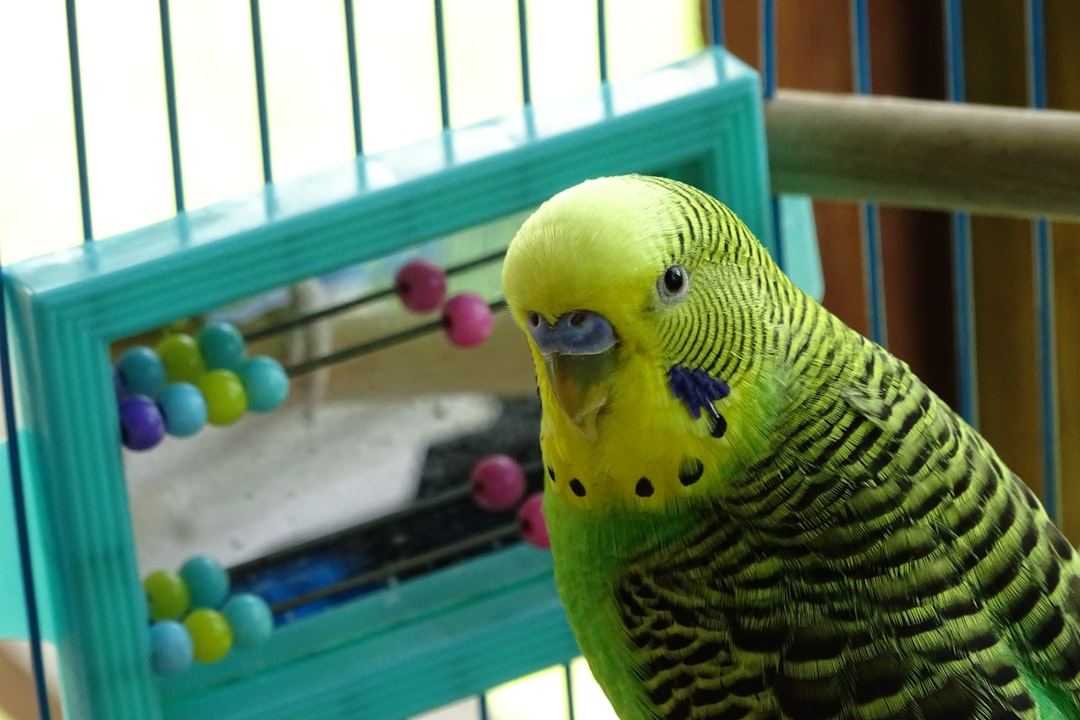
The first rule of thumb is to always pick toys made from safe materials. Birds love to chew and shred, so anything toxic can quickly end up in their system. Avoid toys with lead, zinc, or cheap plastics—these can be dangerous if ingested. Instead, look for toys made from untreated wood, stainless steel, vegetable-tanned leather, or food-grade plastic. Even colored toys can be a problem if the dyes aren’t bird-safe. If you’re ever unsure, remember: when in doubt, leave it out. Your bird’s health is worth more than any fancy gadget.
Inspect for Small or Loose Parts
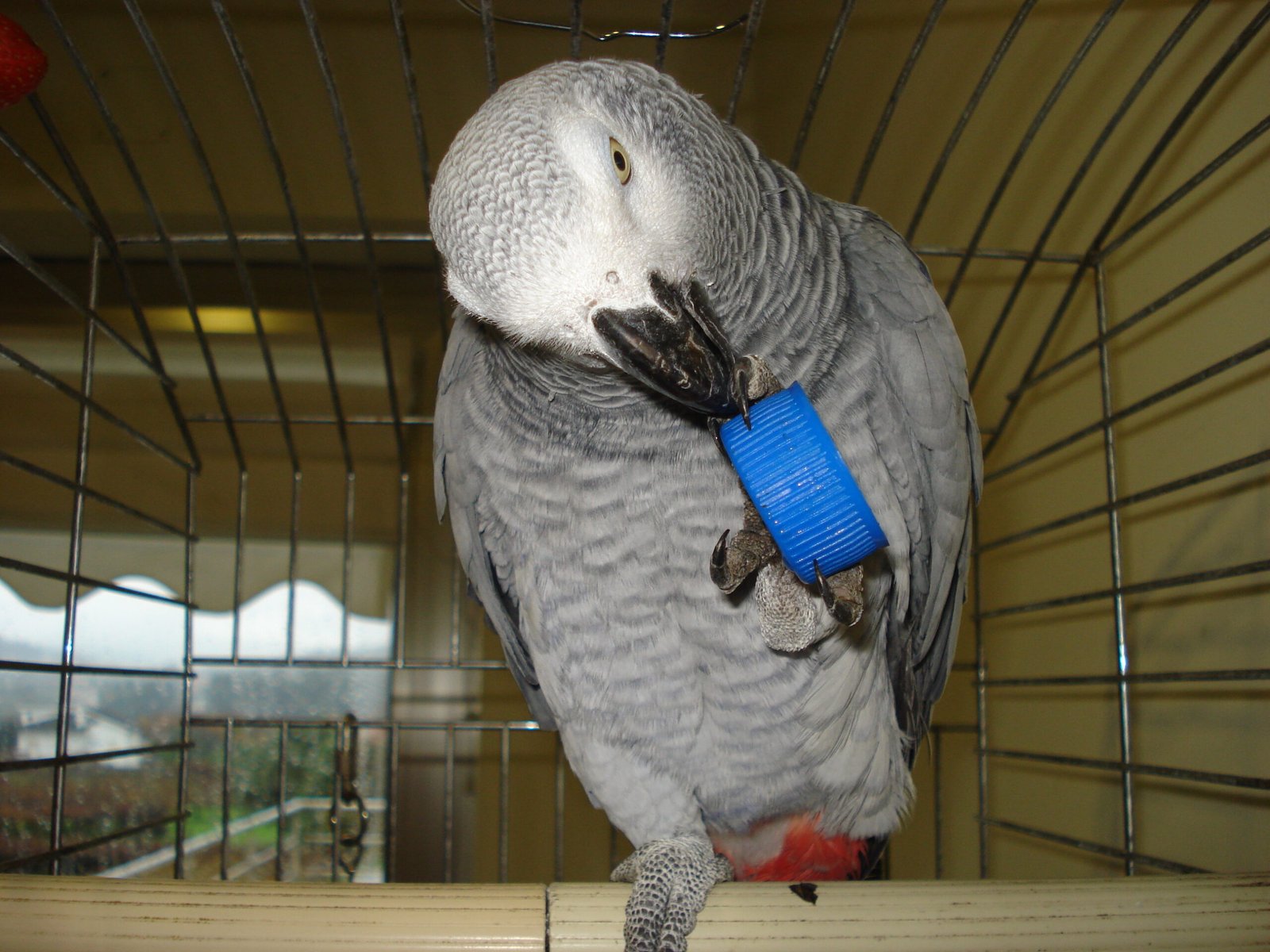
Birds are curious and persistent, so even the tiniest bead or bell can spell trouble. Before giving your bird a new toy, check for any small, detachable parts that could be swallowed or choked on. Pay special attention to poorly fastened chains, clips, or buttons. Run your fingers over the toy and tug gently on any parts that look like they might come off. If you find anything questionable, remove it or choose another toy. Safety always comes first, even if it means sacrificing a little bit of fun.
Avoid Sharp Edges and Points
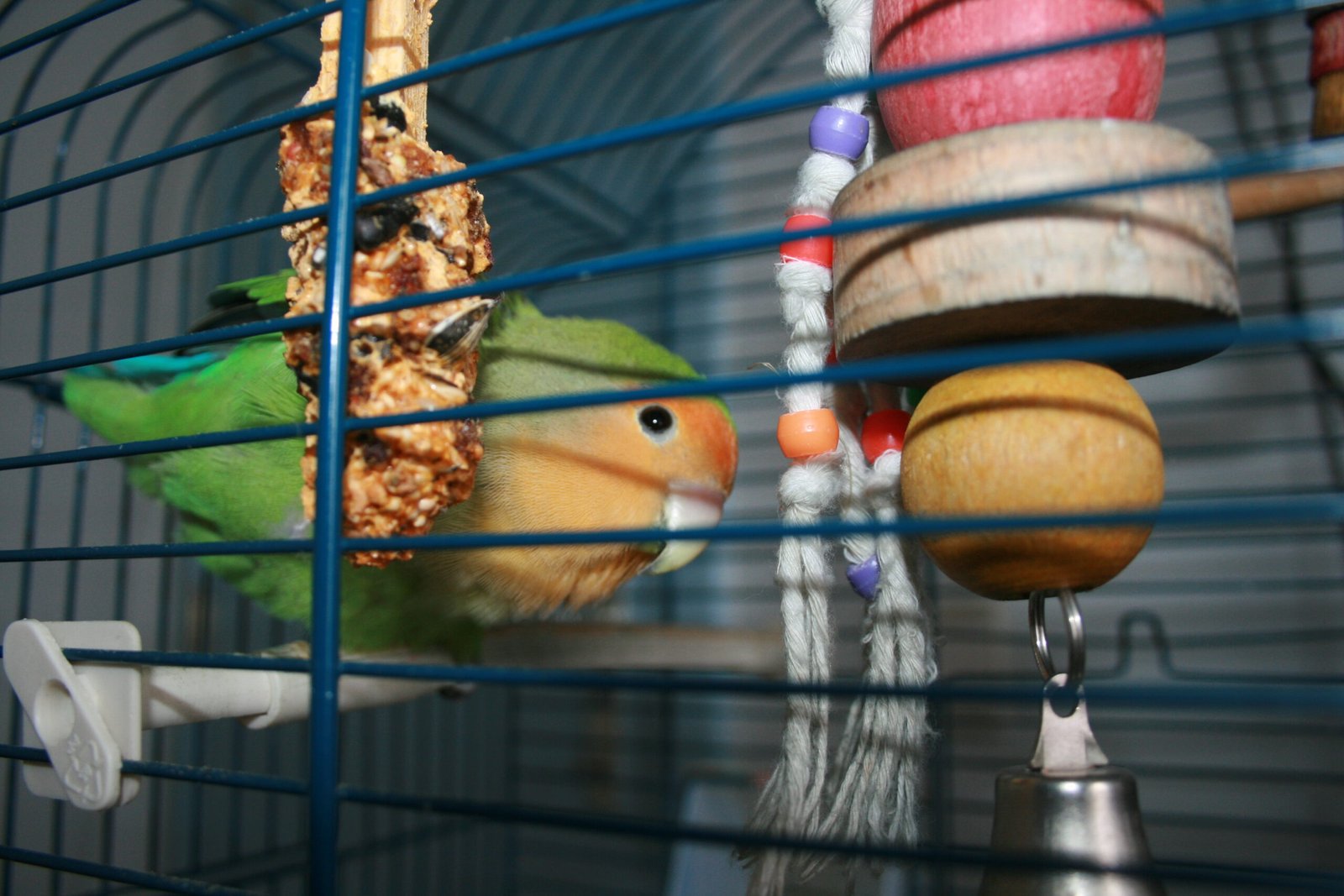
Birds’ beaks and feet are delicate, so sharp edges can cause cuts or injuries. Carefully examine each toy, feeling for splinters, rough corners, or exposed wires. Metal toys should be smoothly welded and wooden toys should be sanded down. Even a tiny sharp spot can lead to a painful wound or infection. If you wouldn’t want to touch it with your hand, your bird definitely shouldn’t be playing with it.
Check for Toxic Paints and Dyes

Bright colors are appealing—to both birds and humans—but not all paints and dyes are created equal. Only choose toys colored with non-toxic, bird-safe pigments. If the packaging doesn’t specify, don’t take the risk. Birds love to nibble, and any paint that flakes off could end up in their stomach. It’s always better to stick to toys that are labeled as safe for birds, or even opt for natural, unpainted items when you’re unsure.
Start with Short Supervised Play Sessions

Introducing a new toy is just like introducing a new friend: go slow and stay close at first. Allow your bird to explore the toy while you’re watching. Observe how they interact—do they chew, tug, or try to swallow parts? Supervision gives you a chance to catch any potential dangers before they become problems. If your bird seems confused or scared, don’t force it. Sometimes, a little patience goes a long way in building trust and excitement.
Introduce One Toy at a Time

It’s tempting to spoil your bird with a pile of new toys all at once, but too much too fast can be overwhelming. Birds can become stressed by sudden changes in their environment. By giving them one toy at a time, you help them adjust and reduce anxiety. This slower approach also lets you monitor their reactions and ensure each toy is truly safe and enjoyable. Think of it as savoring one treat at a time instead of gobbling up the whole box.
Monitor for Allergic Reactions
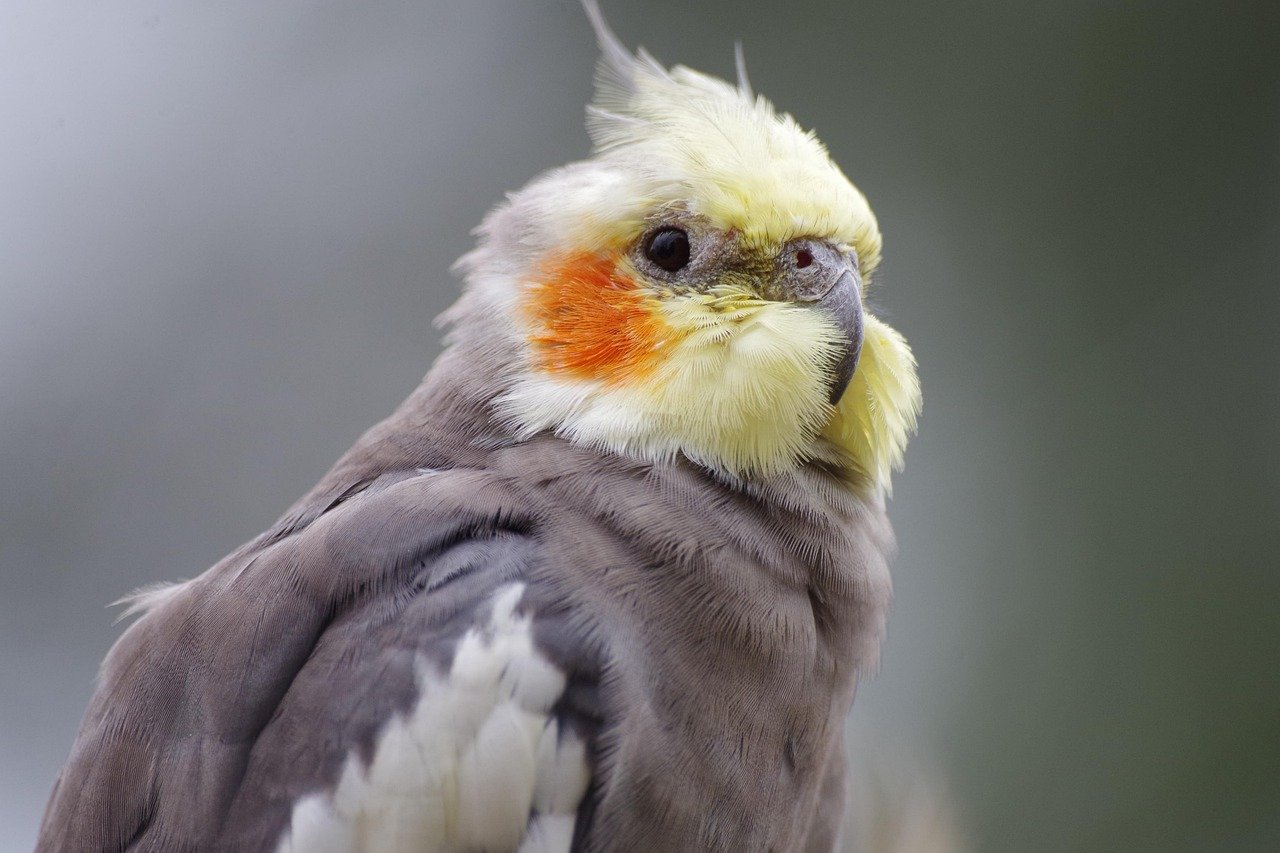
Just like people, birds can have sensitivities or allergies. After introducing a new toy, keep an eye on your bird for signs of itching, sneezing, or watery eyes. Sometimes, even natural materials like certain woods or fibers can cause a reaction. If you notice anything unusual, remove the toy right away and consult your vet. Your bird’s comfort is more important than any novelty.
Rotate Toys Regularly
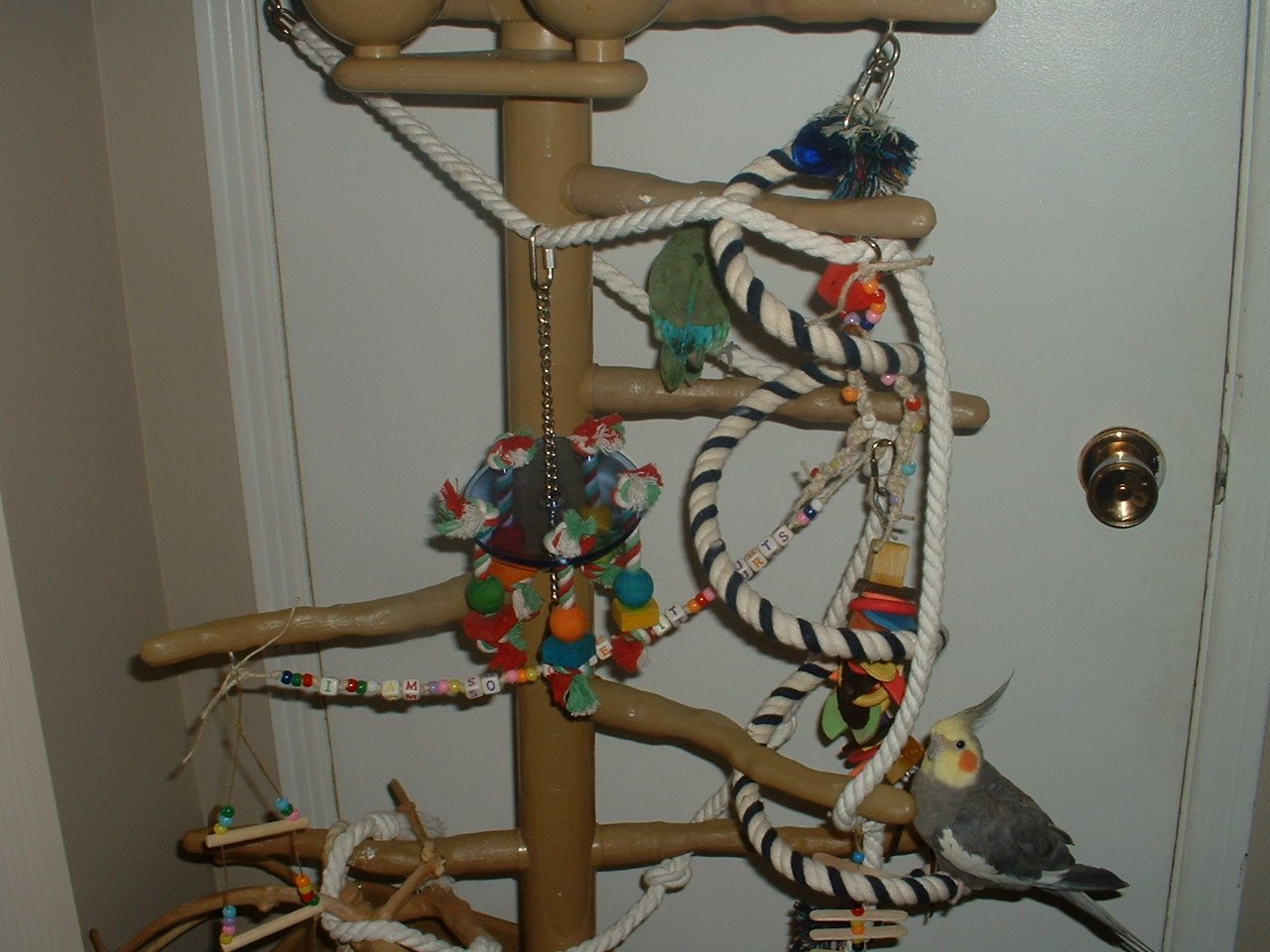
Birds are smart and need variety, but old toys can become worn out and unsafe over time. Rotating toys keeps things fresh and exciting, but also gives you a chance to inspect each one before it goes back in the cage. Check for wear and tear, fraying, or broken parts before reintroducing a toy. This habit not only boosts safety but also keeps your bird mentally engaged, preventing boredom and destructive behaviors.
Choose the Right Size for Your Bird
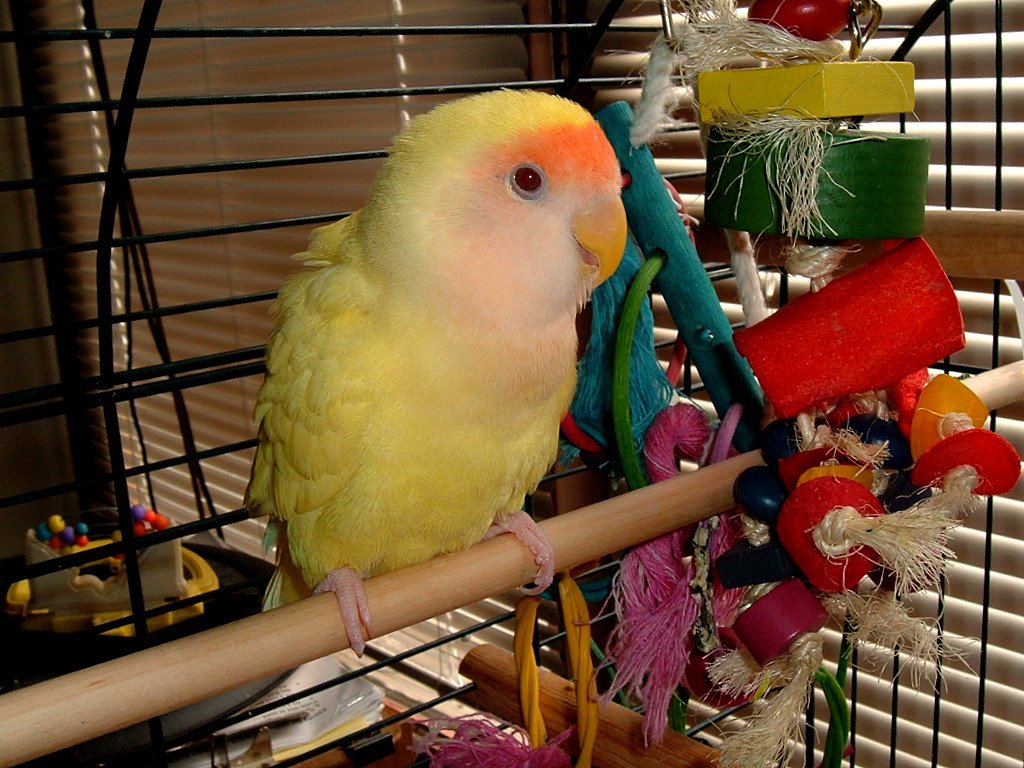
Size matters more than you might think when it comes to bird toys. A toy designed for a macaw could be too big and intimidating for a budgie, while a tiny bell for a parakeet could choke a cockatoo. Always choose toys that are appropriate for your bird’s species and size. If you’re unsure, ask your avian vet or a knowledgeable pet store employee. Remember, the right fit makes playtime both safer and more fun.
Avoid Strings and Threads That Can Tangle
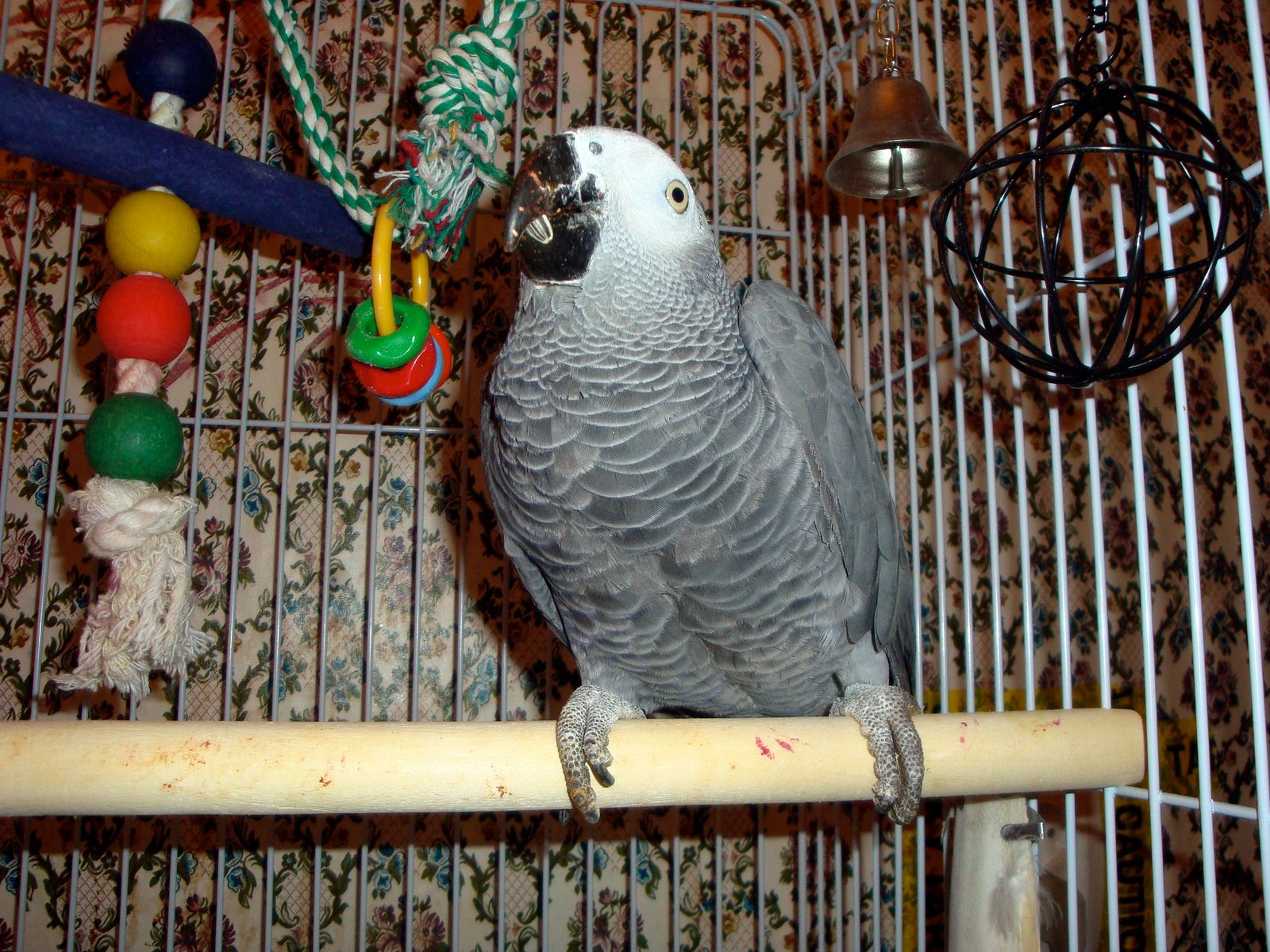
Birds love to preen and pull at fibers, but long strings, threads, or ropes can quickly become hazards. They can wrap around toes, legs, or even your bird’s neck, causing injuries or worse. Look for toys with securely attached, short fibers, and avoid anything that unravels easily. If you notice fraying or loose threads, trim them or replace the toy altogether. It may seem dramatic, but it only takes a second for an accident to happen.
Sanitize New Toys Before Use

Even if a toy looks sparkling clean out of the package, it could still carry dust, chemicals, or germs from the factory. Always wash and rinse new toys thoroughly before giving them to your bird. Use hot water and bird-safe disinfectant, avoiding anything with strong perfumes or residues. Allow toys to dry completely before placing them in the cage. This extra step is a simple way to protect your bird from unseen dangers.
Beware of Bells and Clappers
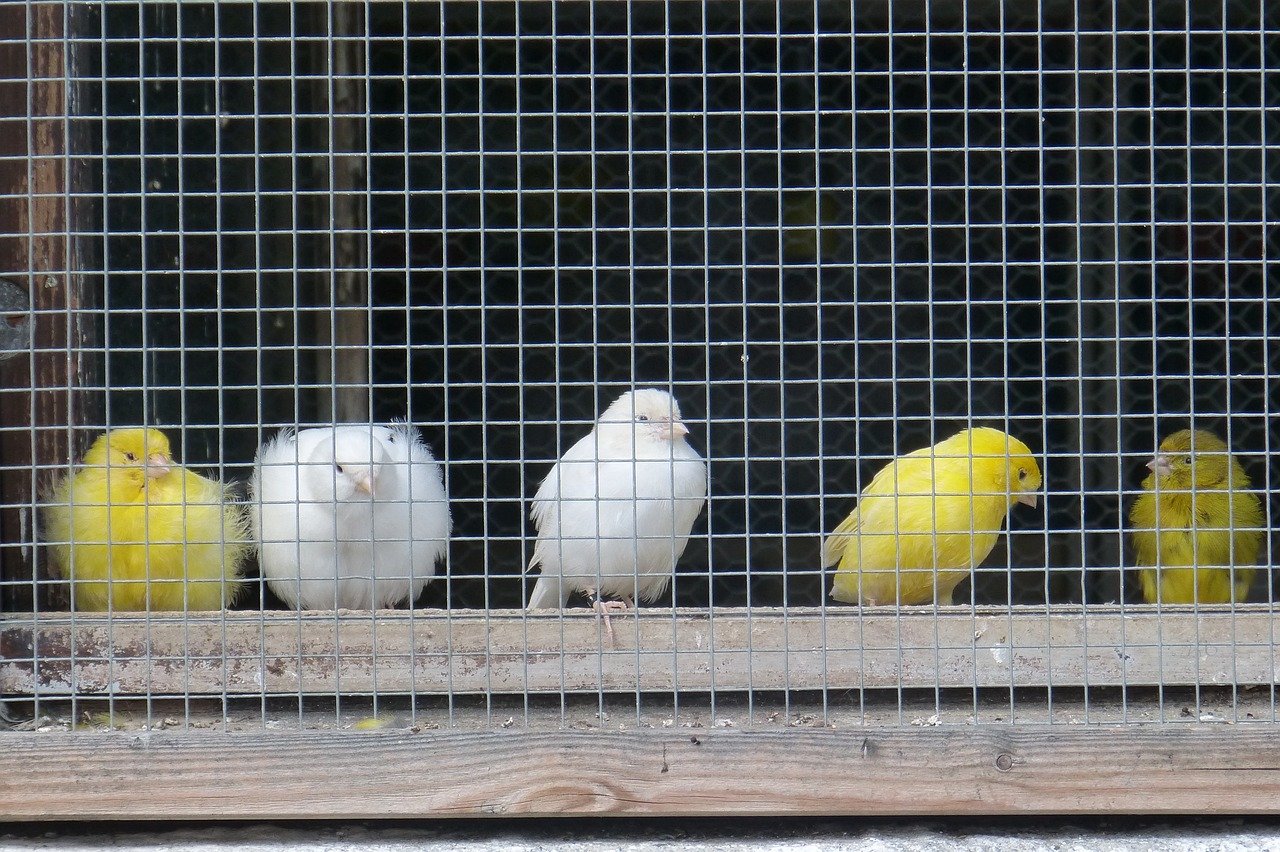
Many birds are enchanted by the ringing of a bell, but the clapper inside can be a hidden hazard. Some birds are clever enough to remove and swallow small metal pieces, leading to serious health issues. Always inspect any bell toy to ensure the clapper is securely fastened, or opt for designs without removable parts. If your bird is a notorious “toy destroyer,” bells may not be the best choice at all.
Watch for Fearful or Aggressive Reactions

Not every toy is a hit with every bird. Some birds may become frightened or even aggressive toward a new object in their space. If your bird fluffs up, hisses, or tries to attack the toy, remove it and try again later. Sometimes, placing the toy outside the cage for a few days can help your bird get used to it. Just like people, birds need time to warm up to new experiences.
Check for Safe Fastening Mechanisms

How a toy attaches to the cage is just as important as the toy itself. Avoid toys with sharp hooks, open-ended chains, or clips that can pinch toes or beaks. Instead, look for toys with closed, bird-safe clips or sturdy knots. Give each attachment a gentle tug to ensure it won’t come loose or drop unexpectedly. A secure toy is a safe toy, and your bird deserves nothing less.
Trust Your Instincts and Know Your Bird

Above all, you know your bird better than anyone. If something about a toy doesn’t feel right, trust your gut. Some birds are gentle and delicate, while others are determined to demolish anything in their path. Tailor your choices to your bird’s personality and play style. Your careful attention and love are the greatest safety tools you have.
Keeping your pet bird safe while they play is just as important as keeping them entertained. By choosing the right toys and introducing them carefully, you’re helping your feathered friend stay happy, curious, and injury-free. A little observation and some smart choices go a long way. With your care and attention, toy time becomes a fun and enriching part of their daily routine!


