
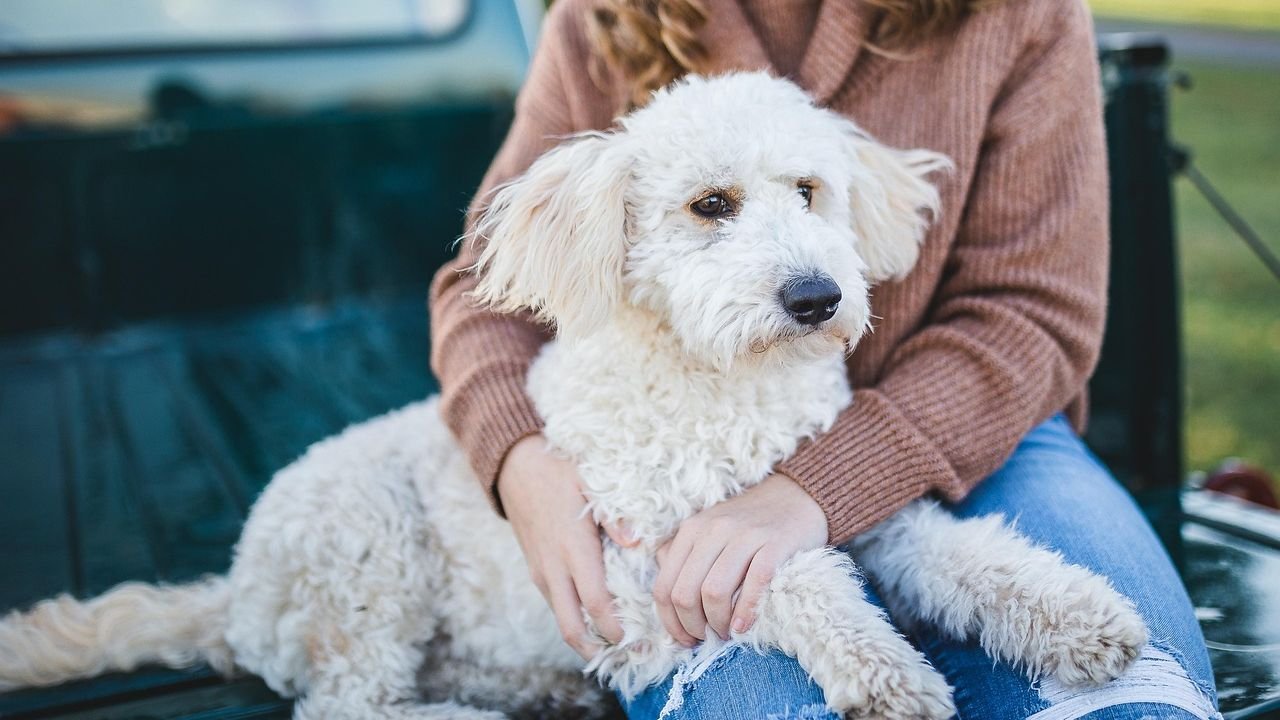
There is something deeply moving about watching your dog race across the backyard, ears flapping, tongue out, completely lost in the joy of the moment. It stops you. It makes you smile. It makes you wonder – is this what pure happiness looks like?
Most dog parents genuinely love their dogs. That part is never the question. The real question is: does your dog actually feel it? Are they thriving, or just surviving? Dog happiness isn’t just about those big moments – it’s about the everyday signs, subtle cues, and healthy habits that keep your dog feeling safe, loved, and engaged. And the truth is, our dogs are constantly communicating with us through their bodies, their routines, and their behavior. We just need to know how to listen.
This article is your guide to doing exactly that. Fifteen real, research-backed signs your dog is genuinely living their best life – plus practical tips on how you can help get them there and keep them there. Let’s dive in.
1. Their Tail Tells a Story of Pure Joy
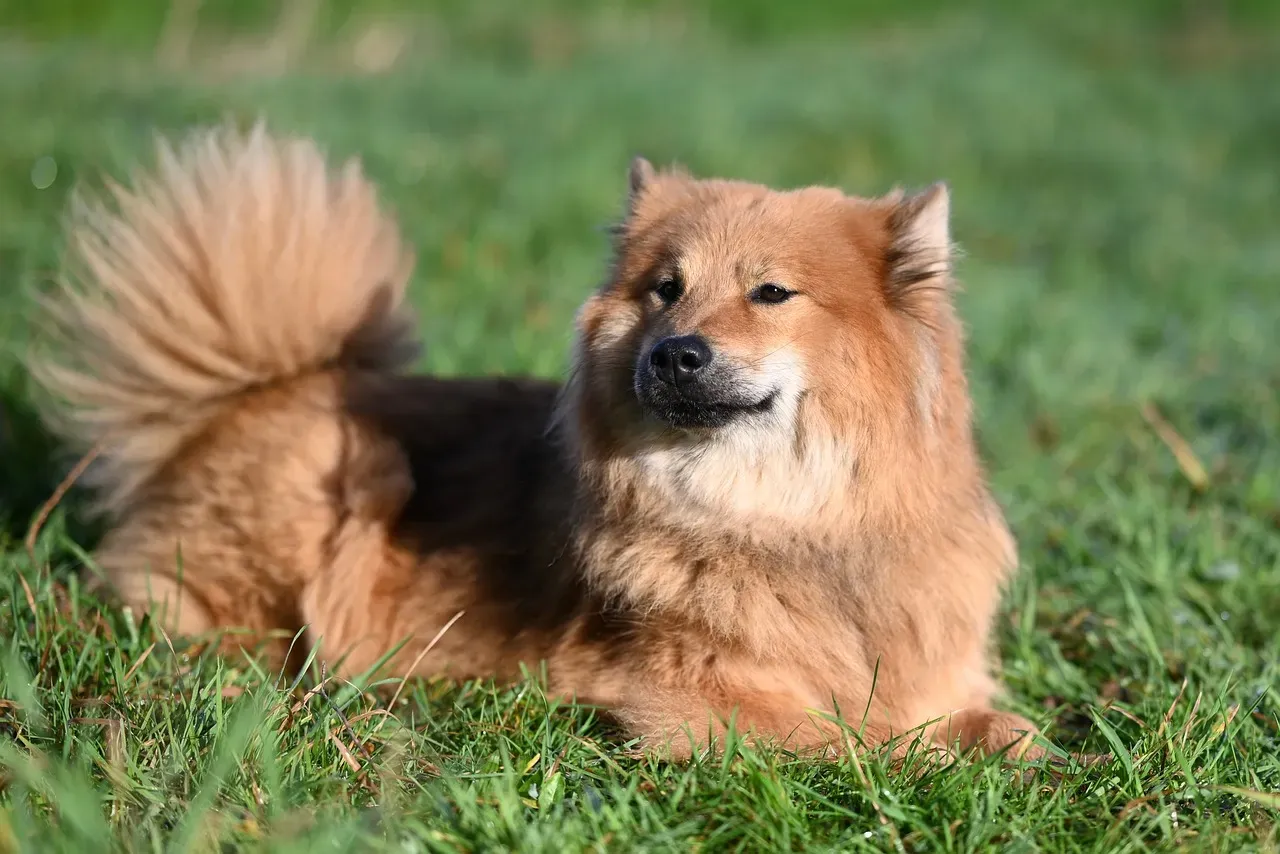
Let’s start with the most obvious one, because honestly, it never gets old. A wagging tail is one of the most obvious signs of a happy dog. When your dog’s tail wags freely and enthusiastically, it’s a sign they’re comfortable, content, and excited about their surroundings. It’s their version of a smile, a laugh, and a fist bump all in one.
Here’s the thing though – not all tail wags are created equal. Each dog breed has a different relaxed tail position, but a happy dog will generally raise it slightly. If the tail seems to be raised pretty high, this could indicate agitation or over-stimulation. On the other hand, if a dog seems tense or their body is stiff, these are signs of discomfort. A low, fast wag combined with a relaxed body is the sweet spot you want to see. Think of it like reading punctuation – the wag alone doesn’t tell the whole sentence.
2. Their Body Is Loose, Wiggly, and Gloriously Relaxed

A happy dog is loose, wiggly, and relaxed. Their tail flows naturally, their ears rest comfortably, and their mouth is slightly open, sometimes even with that silly tongue hanging out. When a dog is content, they don’t hold tension in their body. Think of it like that friend who walks into a room and just owns it – totally at ease, no guard up.
If your dog seems relaxed in their posture and not tense or stiff, this is a good indication they are feeling good. Loose shoulders, soft eyes without a fixed gaze, and a dose of “wiggliness” or pure “flopped-outness” are all clues that your dog’s feeling super chill. To help your dog stay this way, keep their environment predictable, calm, and free from unnecessary stress triggers. A dog that can fully relax at home is a dog that truly feels safe.
3. They Have a Healthy, Enthusiastic Appetite
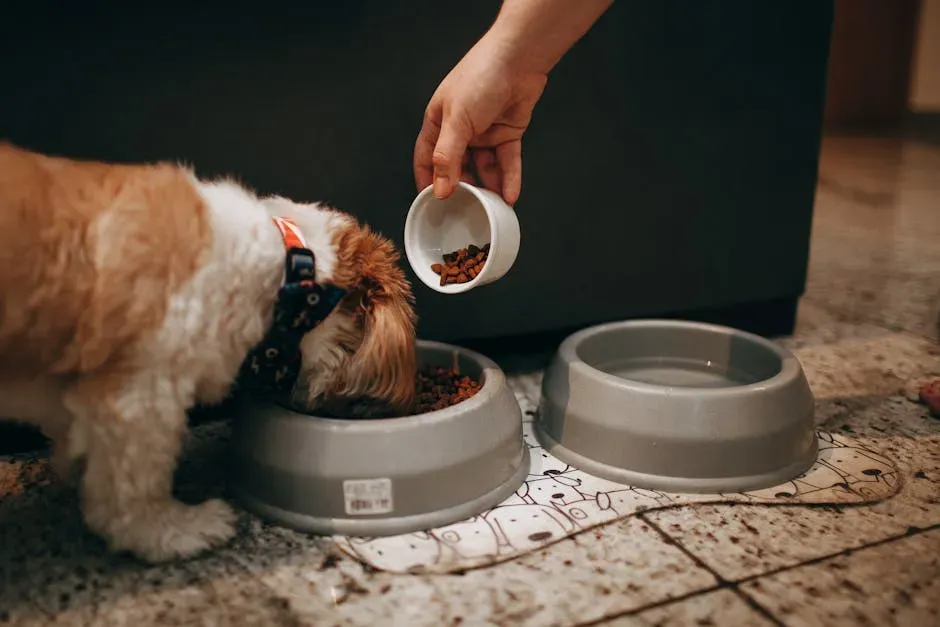
Oh, the kibble dance. If you’ve ever seen your dog spin in circles the moment you reach for the food bag, you already know this one. A dog with a good appetite is usually a dog that feels good inside and out. Happy dogs tend to eat with enthusiasm and show excitement during mealtime. It’s not just about gobbling up their food; it’s how they react when you open the food bin or when their bowl hits the floor. A consistently healthy appetite can indicate physical wellness and emotional balance.
Regardless of how quickly they eat, dogs that are content and feeling well will have good appetites. A change in their eating behavior is a sign of potential unhappiness or illness. So pay close attention to shifts in appetite, even subtle ones. If your dog was once a chow hound and suddenly loses interest, that’s worth a vet visit. Make sure they eat a healthy, balanced diet appropriate for their life stage and specific needs. Food is more than fuel – for dogs, it’s one of life’s great pleasures.
4. Their Eyes Are Bright, Clear, and Full of Curiosity
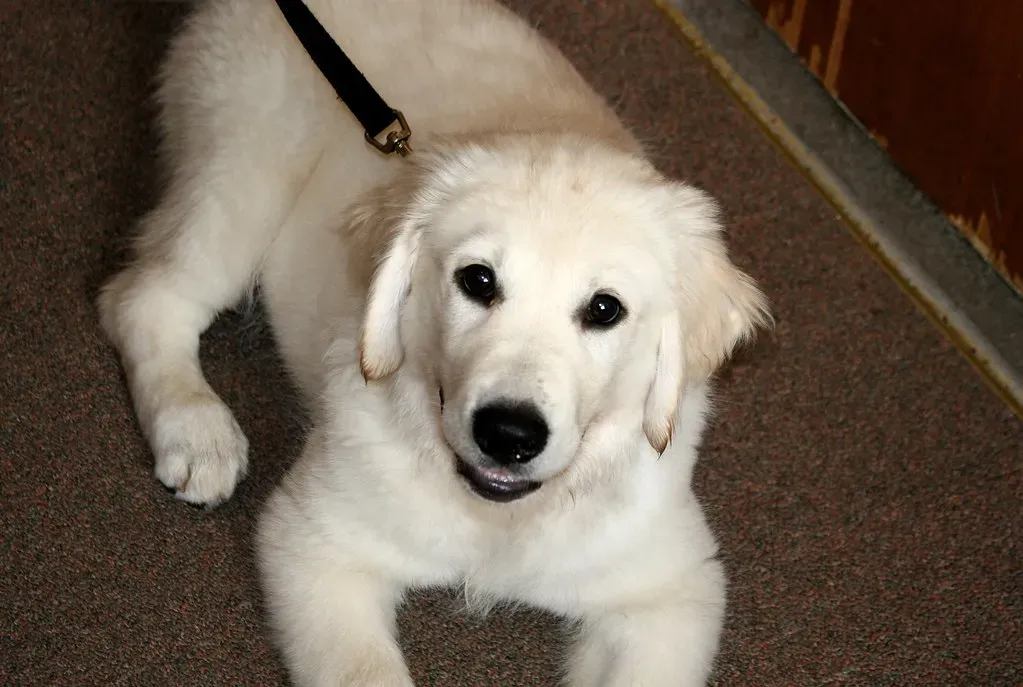
Look into your dog’s eyes. Honestly, really look. Healthy, bright, clear eyes ensure your dog’s thriving. When their eyes sparkle with curiosity and life, they’re engaged and excited about the world around them. Dull or cloudy eyes, on the other hand, can signal discomfort or health issues, so those vibrant peepers are worth celebrating. Eyes are genuinely windows into how your dog is feeling.
When a dog is happy, their eyes and eyelids will be open and relaxed, their gaze will be soft, and they will blink often. Narrowed eyes and a hard gaze can indicate aggression, while wide eyes, particularly if the whites are showing, could mean your dog is frightened. You can help maintain healthy eyes with regular vet checkups and keeping fur trimmed away from the eye area. It sounds small, but clear, bright eyes are one of the most telling health signals your dog has.
5. They Sleep Deeply and Peacefully
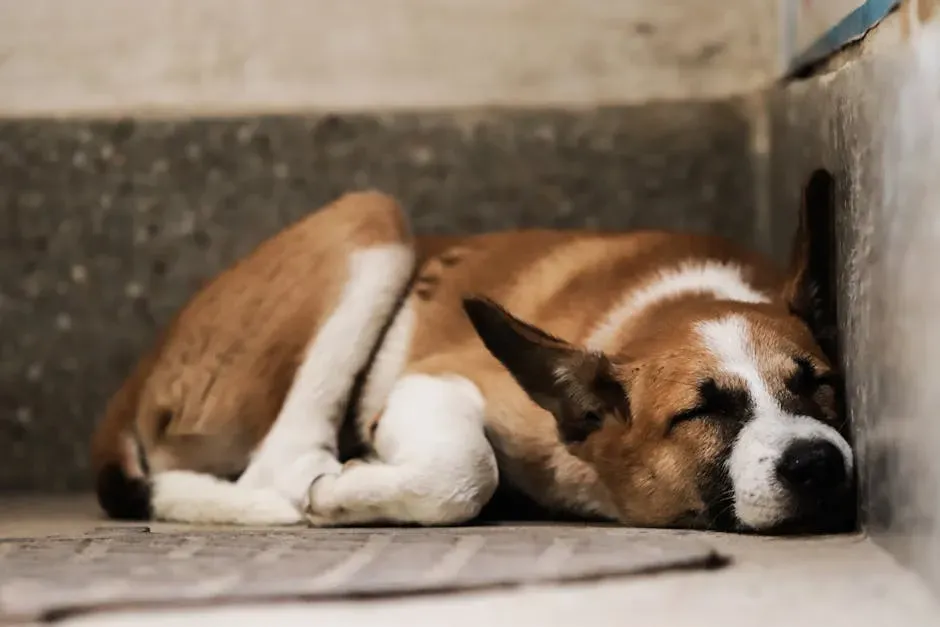
Here’s a number that surprises most people. Healthy, happy adult dogs usually sleep for up to 16 hours a day. That sounds like a lot, but think about it – dogs don’t have Netflix to binge. Rest is genuinely one of their most important jobs. A dog sprawled out, belly exposed, snoring away in the middle of the living room floor? That’s a dog who feels completely safe.
Dogs that feel safe, healthy, and emotionally balanced tend to sleep soundly. Good sleep is a cornerstone of a dog’s health and happiness. Dogs that sleep soundly through the night and enjoy daytime naps generally thrive. Proper rest allows their bodies to recharge and contributes to emotional stability. If your dog seems restless, pacing at night, or sleeping much less than usual, that warrants attention. Provide a comfortable, consistent sleeping space and keep nighttime routines calm and predictable.
6. They Initiate Play Like It’s Their Favorite Job

Play is joy in motion. Whether it’s tossing a toy in the air, zooming around the yard, or nudging you with a ball, dogs in a good emotional state will initiate fun. If they suddenly stop playing, don’t brush it off – it could point to pain, anxiety, or unmet needs. A dog who brings you their rope toy and does that bouncy little bow? They’re thriving.
If your dog’s body is loose and wiggly, with no stiffness, that typically means they’re having a good time. One of the best examples of this is the “play bow,” where your dog stretches their front legs out, butt in the air, and tail wagging away. Encourage daily play sessions, even short ones. It’s not just exercise – it’s communication. Every game of fetch is your dog saying, “I feel good, and I love being with you.” I think that’s one of the most beautiful things about dogs, honestly.
7. Their Coat Is Shiny, Soft, and Well-Kept
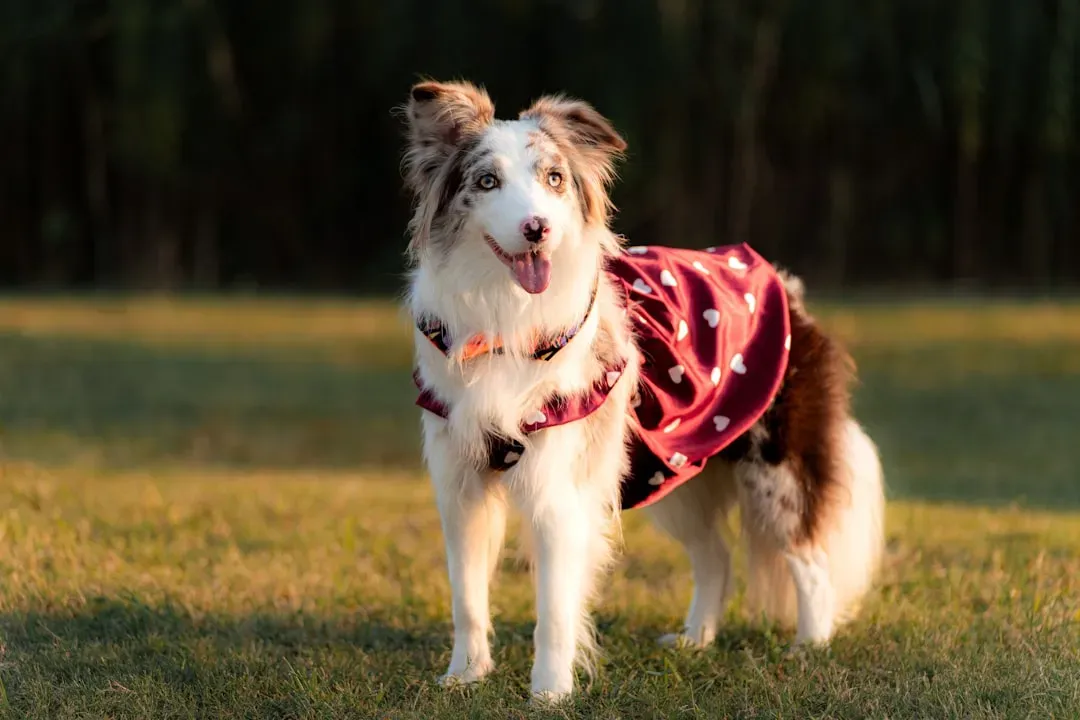
A dog’s coat is like a health report card you can see without running a single test. A bright, shiny coat indicates more than just healthy hair – it’s a key indicator of overall health. When your dog’s fur looks lustrous and feels good to touch, it usually means their diet, hydration, and overall wellness are all working together beautifully.
Your canine’s coat condition is usually a good indicator of their health status. Note the lustre and texture of your dog’s coat in normal conditions, so you’ll have a yardstick to measure possible ill health by. Dull, patchy, or excessively shedding coats can point to nutritional deficiencies, allergies, or underlying conditions. Regular grooming, a protein-rich diet, and adequate hydration all contribute to that gorgeous coat. Think of brushing time as bonding time – your dog will likely agree.
8. They’re Genuinely Curious About the World Around Them
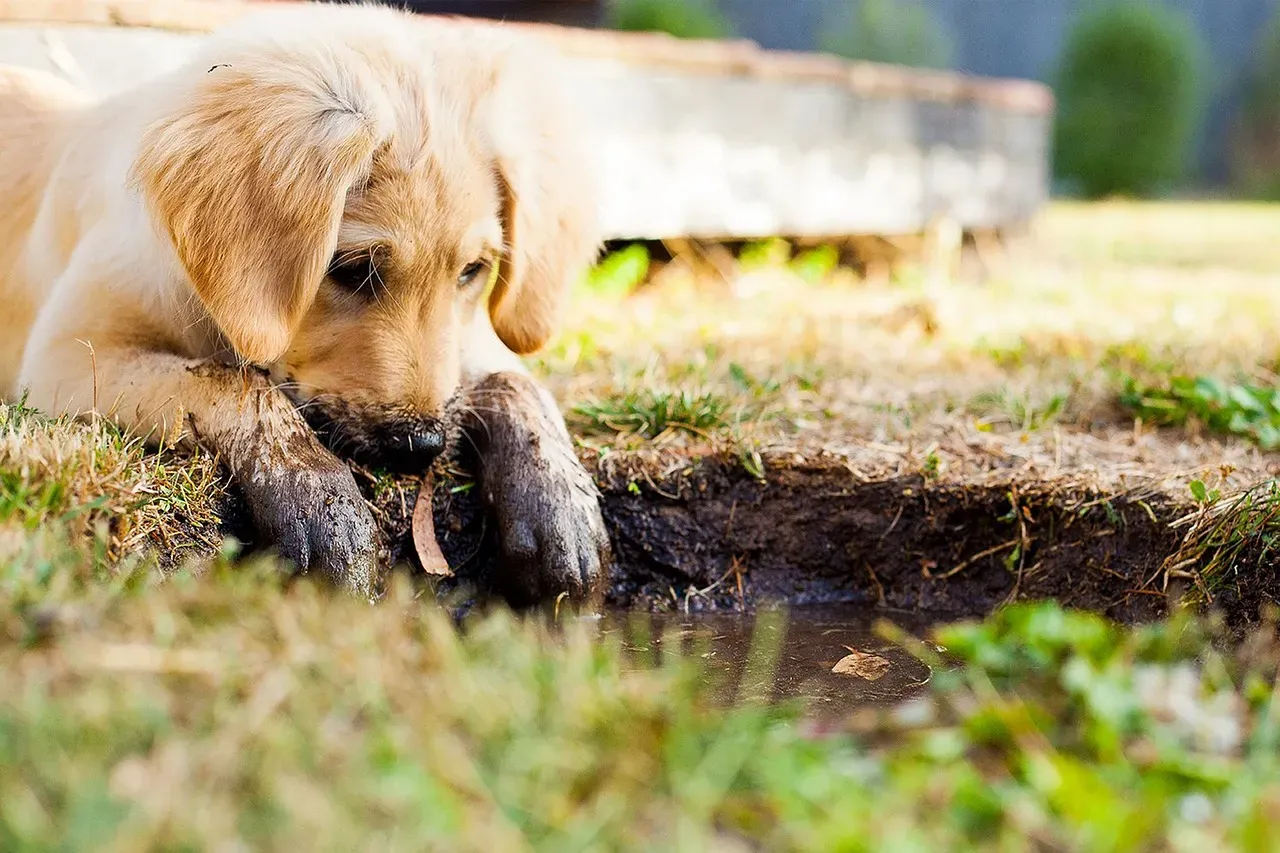
Curiosity is another strong indicator of a happy dog. Content pups are eager to explore new environments, sniff new smells, and investigate anything that piques their interest. You might notice this on walks when your dog pauses to sniff every lamppost or bush like they’re a private detective solving a mystery. Let’s be real – those sniff stops aren’t delays. They’re your dog reading the neighborhood newspaper.
Thriving dogs enjoy interacting with their humans, other pets, and even new people. They show curiosity by exploring their environment and engaging in social activities. Dogs that feel confident and secure are more likely to display this friendly, adventurous behavior. Their interest in the world around them signals a happy, well-adjusted mindset. You can nurture this by taking different routes on walks, introducing new safe toys, and giving your dog opportunities to explore new smells and spaces regularly.
9. They Come Back to You When Called
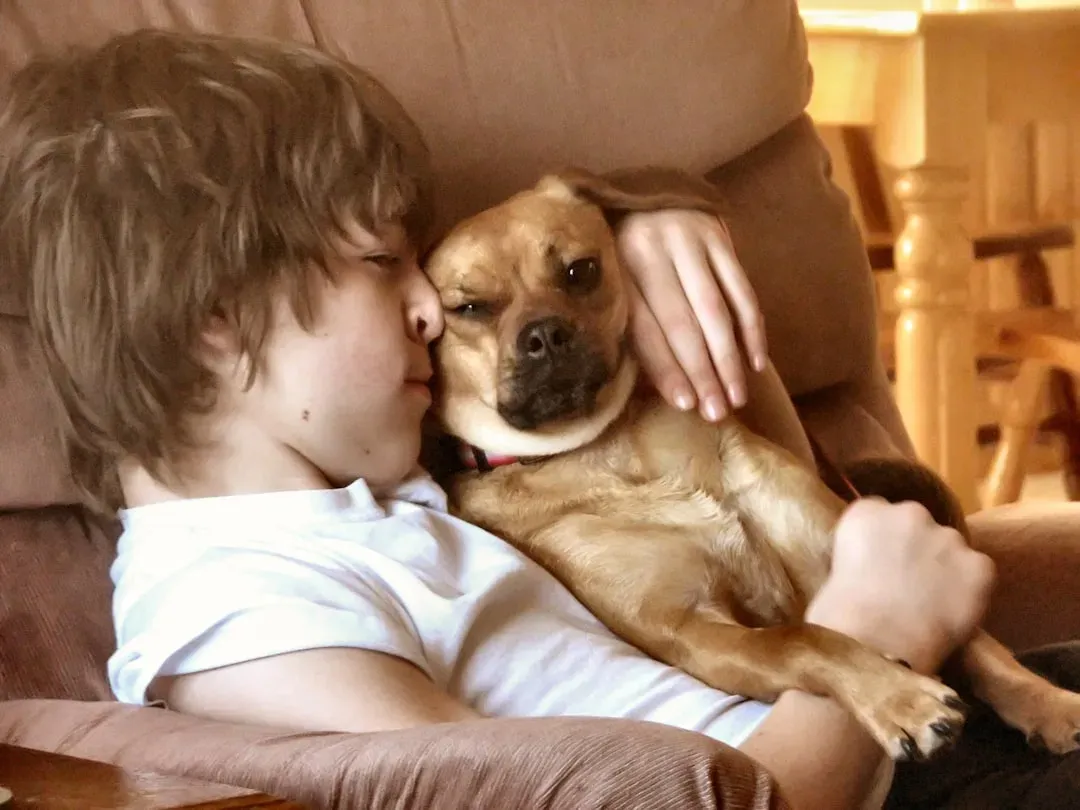
This one is worth pausing on. If your good girl always comes back to you the moment you call her name, it means that she finds you way cooler than whatever she was after – and that’s a sign of a very happy dog. I know it sounds crazy, but in a world full of squirrels and fascinating smells, choosing you every single time? That’s devotion. That’s trust. That’s a deeply secure dog.
Strong recall is built on consistent, positive reinforcement training. Positive reinforcement training (rewarding desired behavior) is supported by both behavior science and welfare research. It tends to produce more reliable, less stressful results than aversive or punishment-based methods. It improves trust between dog and human, reduces fear. Practice recall in safe, low-distraction areas and always make coming to you the best decision your dog ever made – treats, praise, the whole celebration. Never punish a dog for eventually coming back after they strayed. That only teaches them to hesitate next time.
10. They Seek Out Your Company and Physical Contact
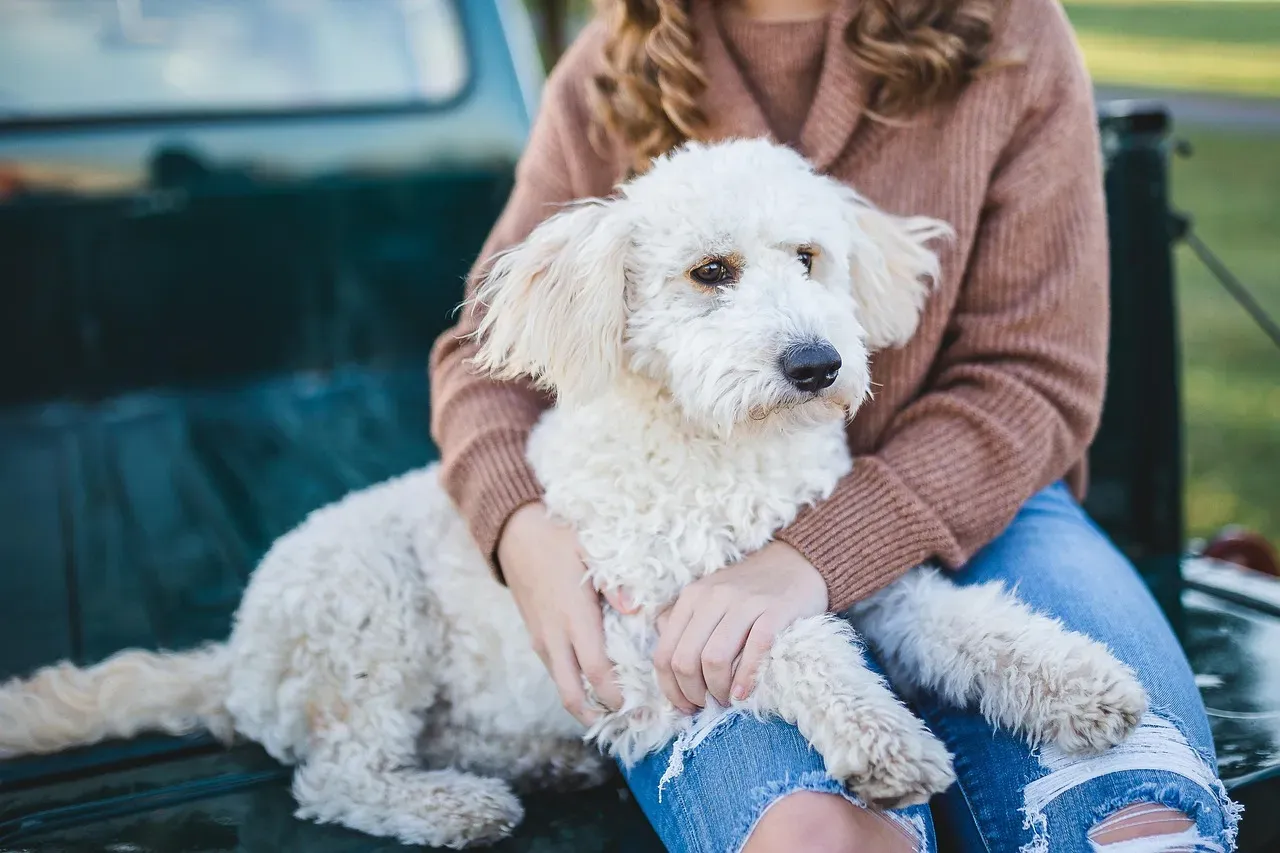
Dogs are pack animals at heart, which means they love being around their family, whether that’s you, other humans, or even fellow pets. They might follow you from room to room, nudge you for belly rubs, or curl up next to you on the couch. These little gestures show they feel safe, loved, and bonded to you. That shadow following you from the kitchen to the bathroom? Not weird. Totally adorable, actually.
Happy dogs make a lot of body contact. If your dog reacts, stays close, or even leans in toward your hand during petting, they’re enjoying the contact. Staying just out of reach or walking away could be a sign they need more space. Dogs thrive on companionship. Spend quality time with your dog every day, providing attention and affection. These activities can help strengthen your bond and contribute to their happiness. Even just sitting together quietly counts. Presence is powerful for dogs.
11. They Greet You Like You’re the Best Thing That Happened All Day

You could have been gone five minutes. Doesn’t matter. When your dog greets you with excitement, it’s a sign of its love and happiness. Whether it’s wagging tails, joyful jumps, or playful spins, these enthusiastic greetings mean they value your presence. That eruption of pure happiness at the door is one of the most genuine things you will ever witness. Treasure it every single time.
Enthusiastic greetings are a sign of secure attachment. A dog who is anxious, depressed, or unwell may greet you more subdued or not at all. If your normally social dog starts avoiding you, hiding in another room, or staying in their crate more than usual, it could be a sign of stress, anxiety, or even discomfort. To keep that greeting energy alive, make your arrivals warm and consistent. Get down on their level. Let them have their moment. You are, after all, their whole world.
12. They Maintain a Healthy Weight for Their Breed
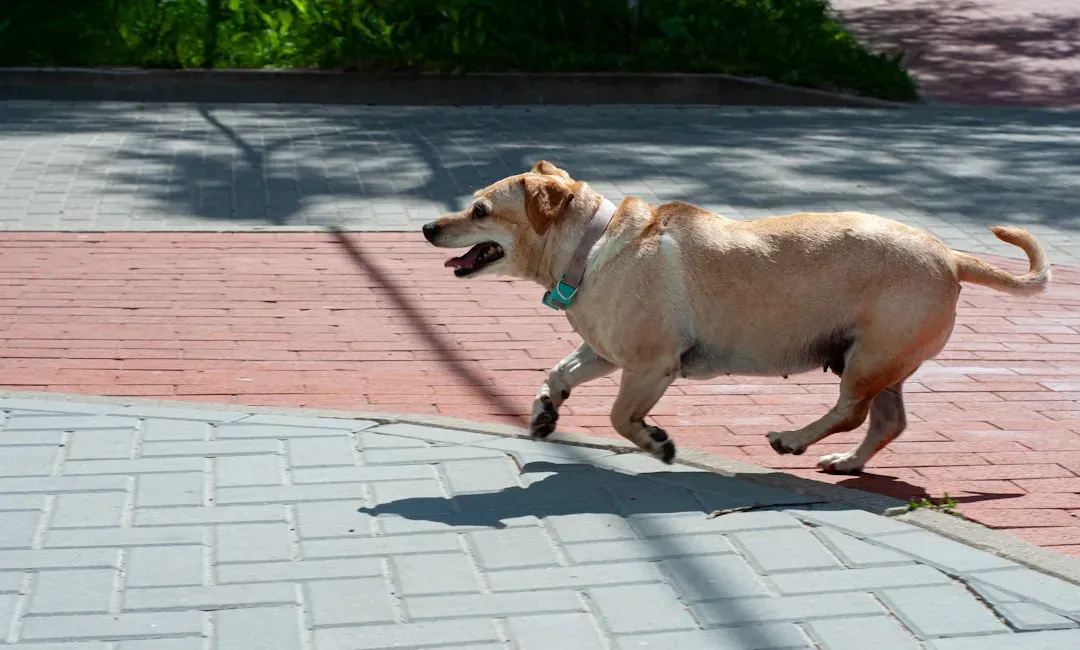
This is one most pet parents overlook – and honestly, it’s understandable because those puppy eyes make saying no nearly impossible. Maintaining a stable weight is vital to the health of your dog. Weight should be appropriate for the dog’s breed and age without sudden loss or gain. A dog at a healthy weight moves more freely, plays longer, and generally feels better across the board.
Pet owners often fail to spot when their pets have become overweight, despite vets seeing increasing signs of it. In the US, a significant number of dogs are classified as overweight or obese. Obesity in dogs can lead to joint stress, heart problems, and shortened lifespan. You can help by measuring meals (no free-feeding), choosing age-appropriate food, and keeping treats to roughly a tenth of their daily calories. Regular check-ups with the vet will help you understand the ideal weight for your specific breed and monitor any changes that might occur.
13. Their Behavior Is Calm, Consistent, and Mostly Mischief-Free

Here’s the thing – a well-adjusted, happy dog is rarely a destructive one. Another indicator of your dog’s psychological state is the absence of destructive behaviors. Emotionally stable and well-adjusted dogs typically do not exhibit excessive chewing, unnecessary aggression, or other destructive behavior. These behaviors are often linked to stress, anxiety, or boredom. Maintaining a routine that includes ample physical and mental stimulation helps prevent these behaviors.
A dog who suddenly starts chewing furniture, barking excessively, or acting aggressively is sending a message. Pain, illness, or injury often show up first as behavior changes. Pacing, panting, withdrawing, sleeping more, or suddenly acting aggressive are all signs. Dogs can’t tell us when their joints ache or their stomach hurts, so behavior is a key early warning sign. If your dog’s behavior shifts noticeably, start with a vet visit before assuming it’s “just bad behavior.” The body often speaks before you know there’s a problem.
14. They Get Regular Mental Stimulation and Respond With Enthusiasm
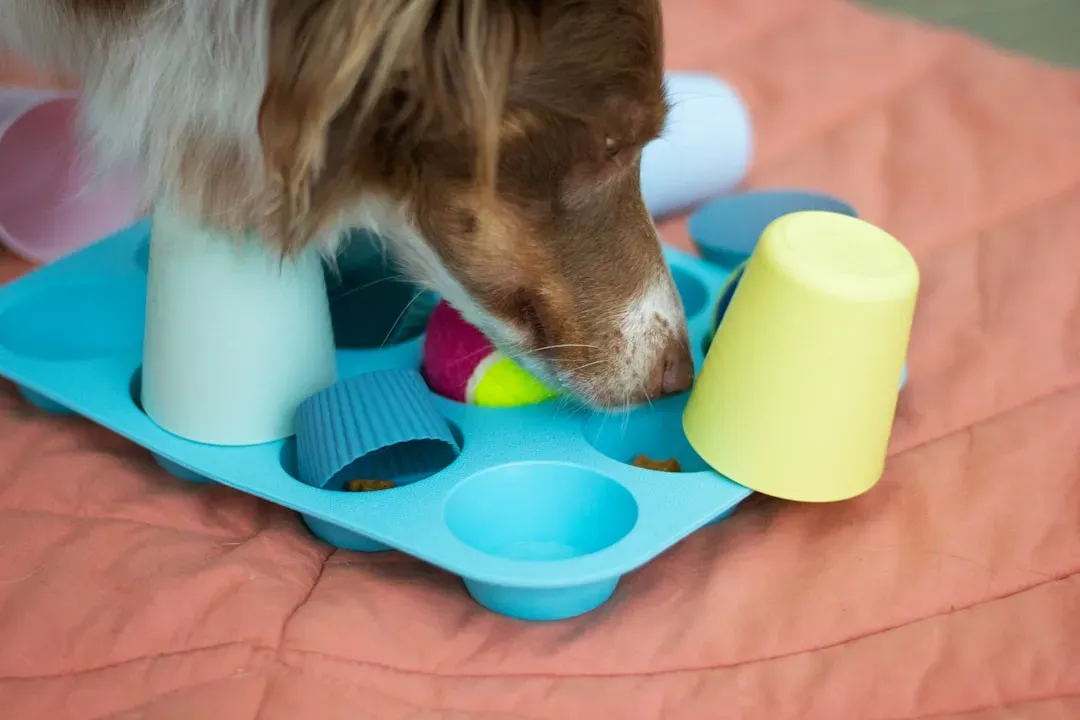
Physical exercise gets all the credit, but mental stimulation deserves just as much love. Mental enrichment keeps dogs sharp and prevents boredom-related behaviors like chewing furniture or digging. Puzzle toys, snuffle mats, and even hiding treats around the house turn snack time into a brain game. Think of it like a gym session for your dog’s mind – and honestly, a tired brain makes for one deeply content pup.
Interactive toys, food puzzles, and training sessions are all great examples of mental stimulation for your dog. These activities can prevent boredom and promote a sense of accomplishment in canines. Activities like obedience classes and learning new tricks can also strengthen the bond between you and your dog! Even just teaching your dog a new trick once a week can make a measurable difference in their overall happiness. Positive experiences such as feeling comfortably satiated after eating, enjoying the sensation of lying in a soft bed, feeling strong while running fast and playing happily with their family all contribute to positive animal welfare and wellbeing.
15. They Follow a Consistent Routine and Thrive Within It
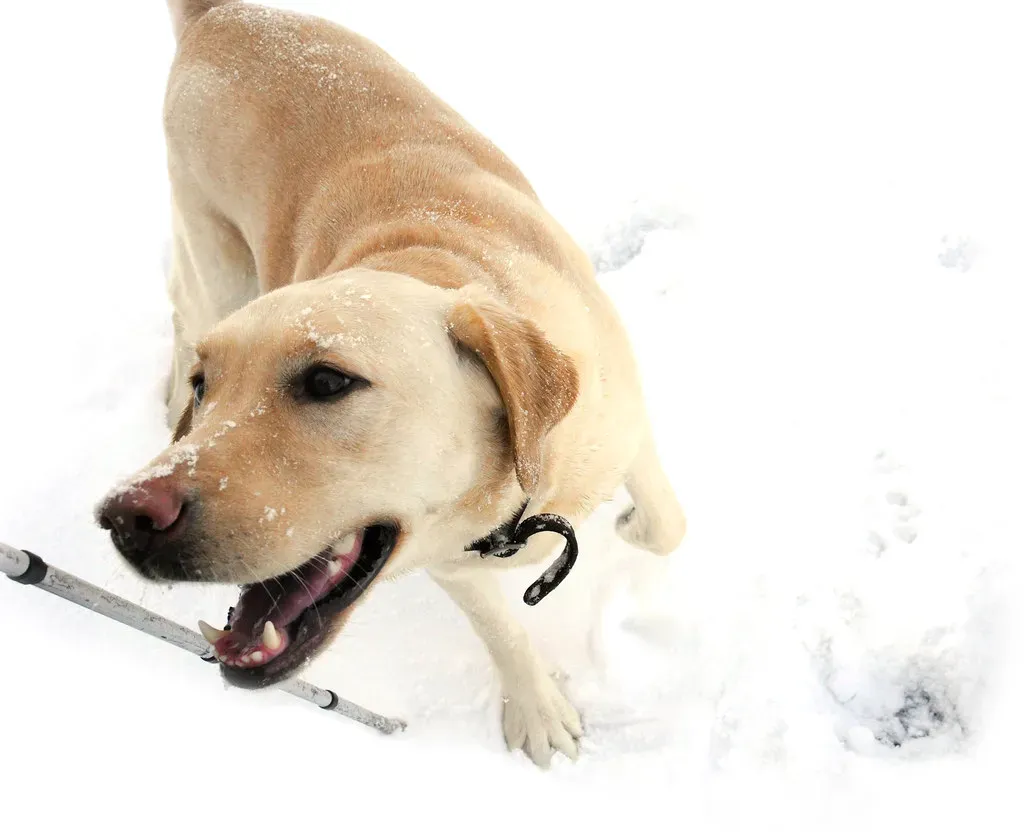
Dogs are not spontaneous adventurers at heart – they’re creatures of habit who bloom in predictability. Dogs thrive on knowing when meals, walks, and rest times will happen. Consistency is the foundation of a happy dog’s life. Regular feeding times, daily walks, and grooming sessions create a sense of stability and trust. Dogs love routine as it helps them feel loved and secure. A dog who knows what to expect is a dog who can relax fully.
Routine also makes it far easier to notice when something is off. A dog is a creature of habit who tends to behave consistently in any given circumstance, so any change from their normal behaviour may be the first sign that they are ill. It is important, therefore, for a dog owner to observe their pet carefully when they are in good health and behaving normally, so they can spot any deviation from the usual pattern. Regular vet checkups are also a must! They help you stay on top of your pup’s health issues or catch any problems early. Routine isn’t boring for dogs. It’s love made practical.
A Final Thought for Every Dog Parent Reading This

You made it to the end, which tells me everything I need to know about you – you genuinely care. It’s not just about integrating dogs into our lives – it’s about shaping our lives to meet their needs, too. Just like us, dogs have basic emotional and physical needs. Meeting those needs doesn’t require a perfect life or an endless budget. It requires attention, consistency, and love expressed in the language your dog actually understands.
If your dog checks off most of these signs, celebrate that. You’re doing an incredible job. If there are a few areas where you’d like to do better, that awareness alone puts you miles ahead. While dogs can’t tell us in words when something’s wrong, they’re constantly sending signals through their body language, behavior, and routines. Learning to spot these early can help you step in before small issues become big problems. Your dog doesn’t need perfection. They need you – present, caring, and paying attention.
So here’s your question to sit with today: which of these 15 signs made you think of your dog first? Tell us in the comments – we’d love to hear about the beautiful, ridiculous, completely irreplaceable dog in your life.


