
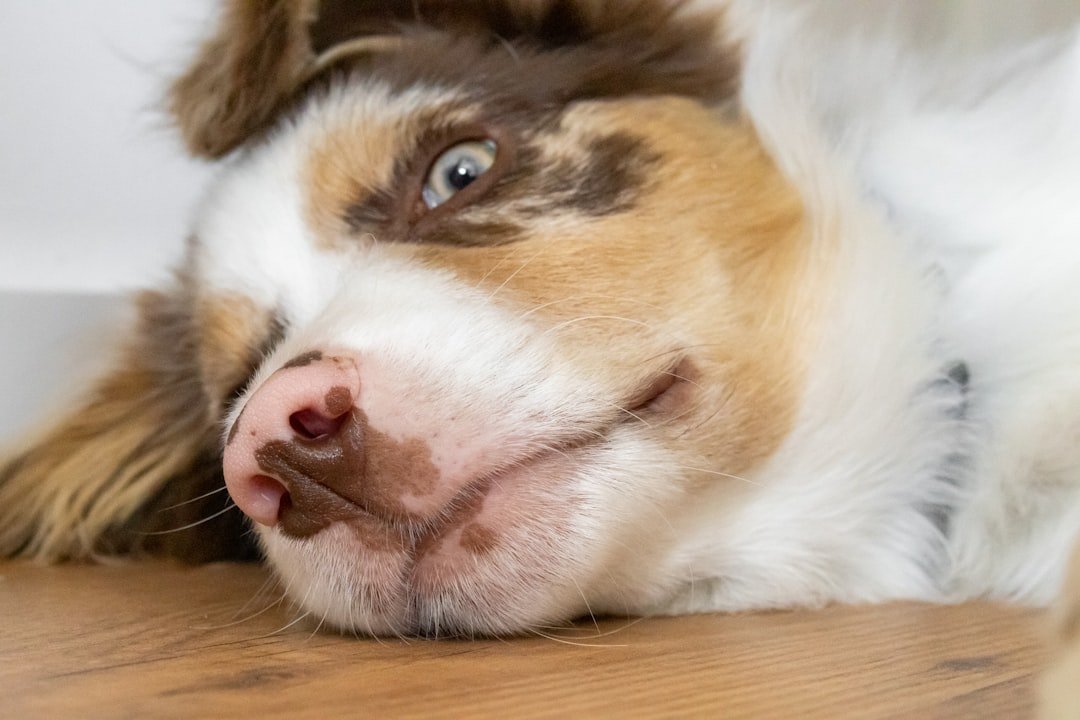
Living with a dog should be one of life’s greatest joys. That warm welcome at the door, the excited tail wagging, the unconditional love – it’s what every dog owner dreams of. But what happens when those dreams don’t match reality? What if your four-legged companion isn’t as happy as you think they are?
The truth might surprise you. Dogs are remarkably skilled at hiding their unhappiness, often suffering in silence while we remain blissfully unaware. They can’t exactly sit us down for a heart-to-heart conversation about their feelings, but they’re constantly communicating through their body language and behavior. The challenge is learning to recognize these subtle – and sometimes not so subtle – cries for help.
Your Dog Avoids Eye Contact Like You’re a Stranger
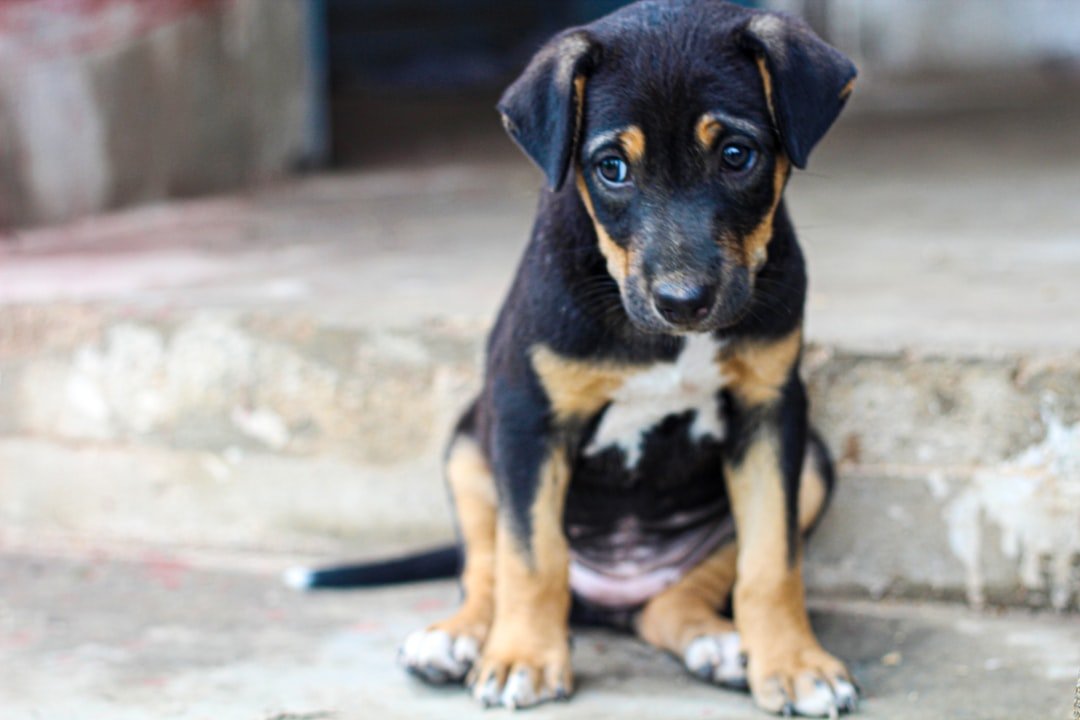
Eye contact is an important signal for dogs. When dogs feel stressed, they will pointedly look away and avoid eye contact. If your dog consistently looks away when you try to make eye contact, this isn’t shyness – it’s distress.
If your dog turns away from you, it is a sign that they may be unhappy. A happy dog will meet your gaze with soft, relaxed eyes, while a miserable one will actively avoid looking at you as if you’re the source of their discomfort.
They Hide From You More Than They Seek You Out
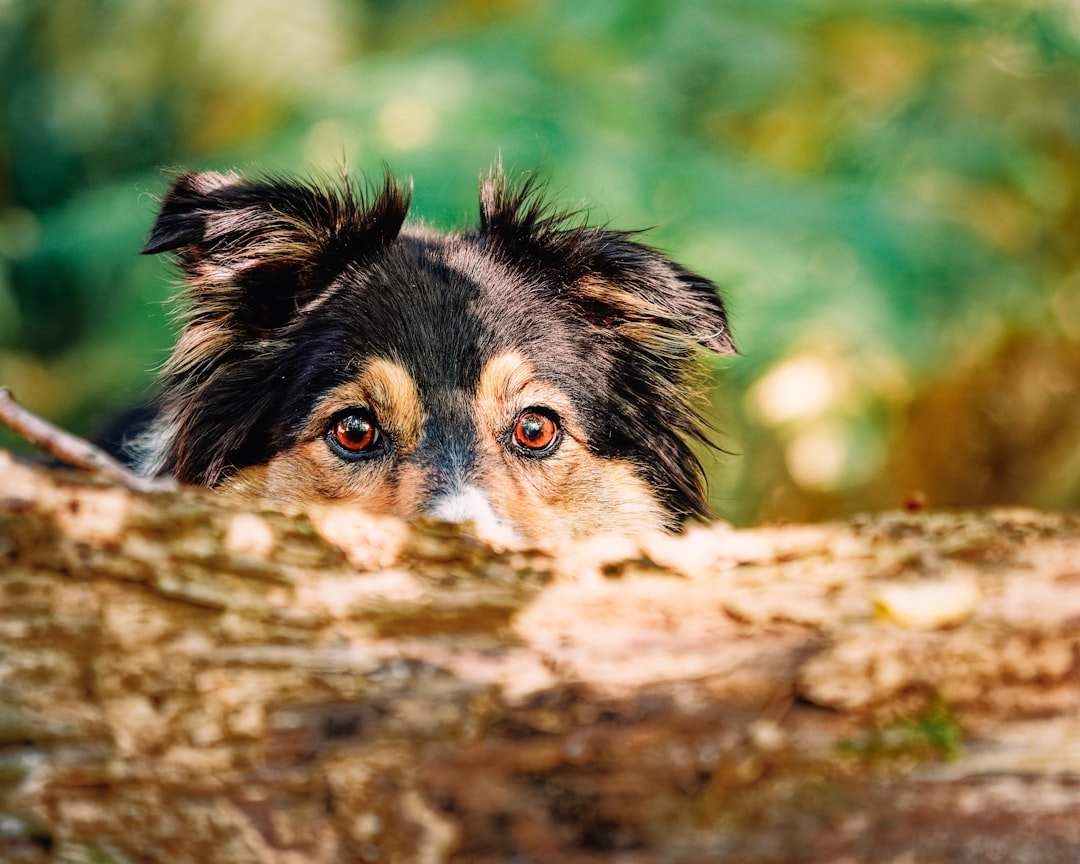
Your dog might move away or actively try to avoid whatever is worrying them. Bear in mind that in some situations it might be you that they are worried about, or someone you are with. Some dogs will try to hide or withdraw from a situation. When dogs consistently seek out hiding spots instead of your company, it’s a red flag.
If your dog is unhappy at something or someone making them stressed, they may try to hide behind you or another object, or take themselves off to another area if they can. Let them do this and don’t follow them or push the interaction, as your dog is letting you know they need a time-out. Your dog should want to be near you, not constantly escaping to another room.
Excessive Pacing Like They’re Trapped in a Cage
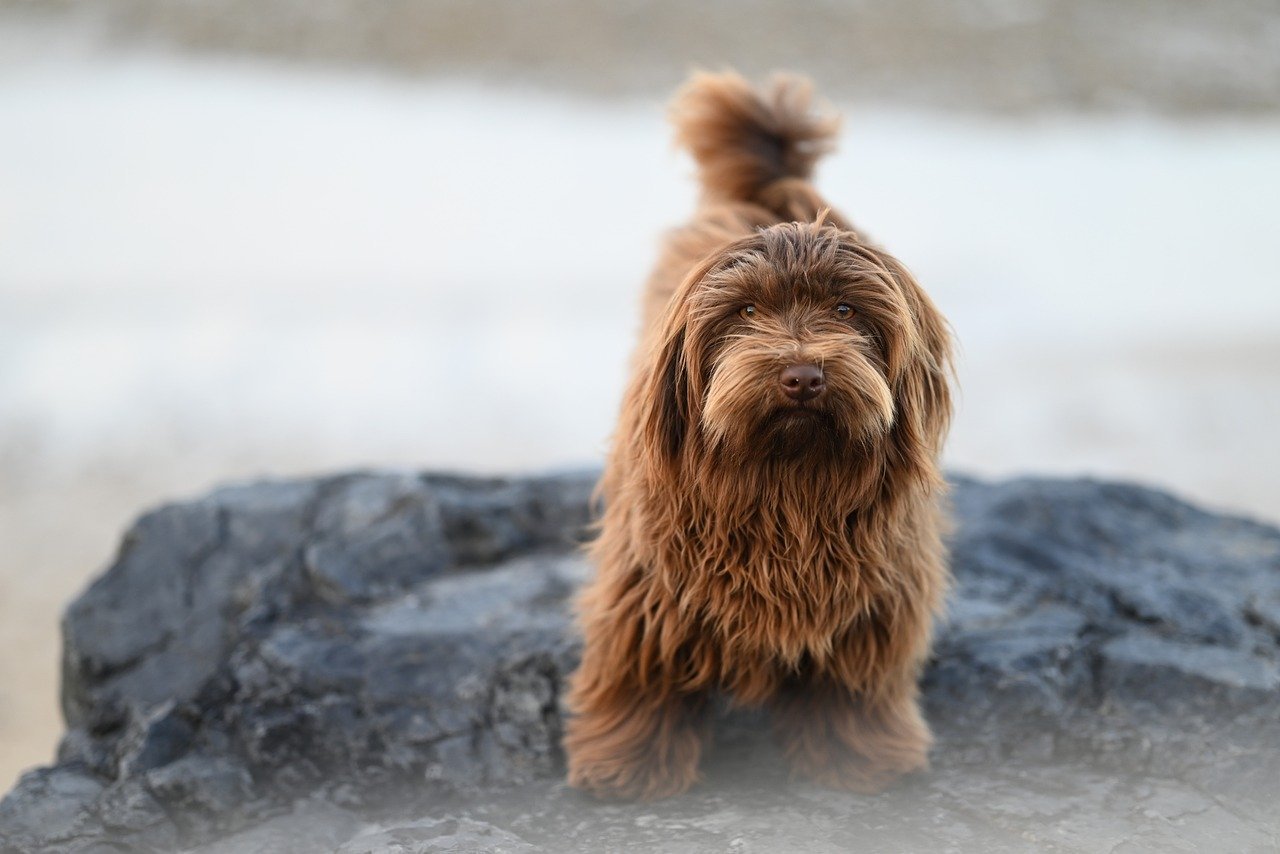
When dogs are pacing back and forth, it’s a sign they can’t settle down because something is stressing them. If this happens during mealtimes or for short periods, it might not be a big deal. But, noticing when your dog engages in this behavior can give you clues as to what’s triggering their anxiety.
Some dogs pace when they are agitated or frightened. Some dogs walk a repeated path around the exam room while waiting for the veterinarian to come in. If your dog paces constantly throughout your home, they’re telling you they feel trapped and uncomfortable in their environment.
Their Body Language Screams “Help Me”
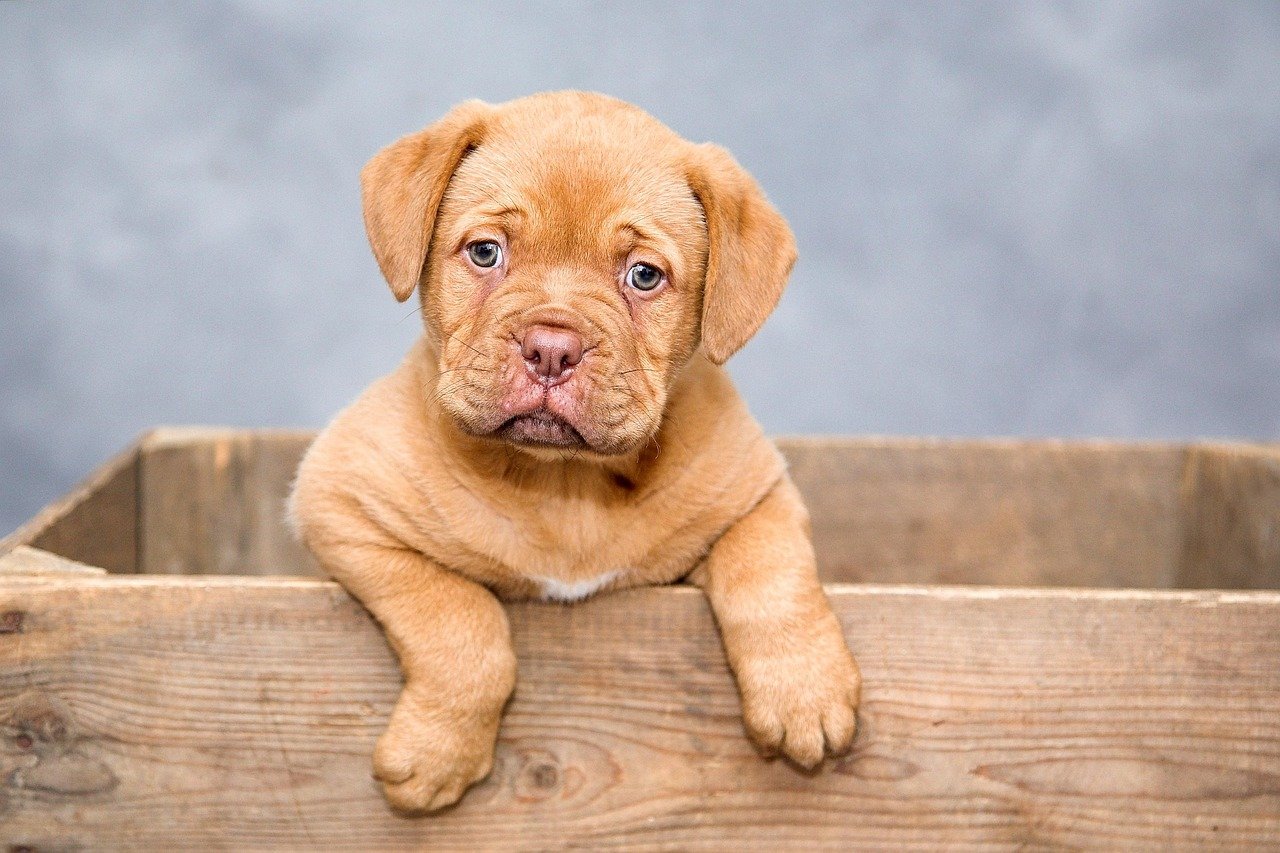
A worried dog will also look tense rather than relaxed in the way that they hold themselves. They might shrink away, hold their head low and avoid eye contact by looking away If your dog goes very still, like a statue, that usually means they’re getting really uncomfortable
Dog is standing but body posture and head position is low. Tail is tucked under, ears are back and the dog is yawning. When your dog consistently carries themselves with this posture around you, they’re practically begging for relief from whatever is making them miserable.
Stress Yawning That Has Nothing to Do With Being Tired
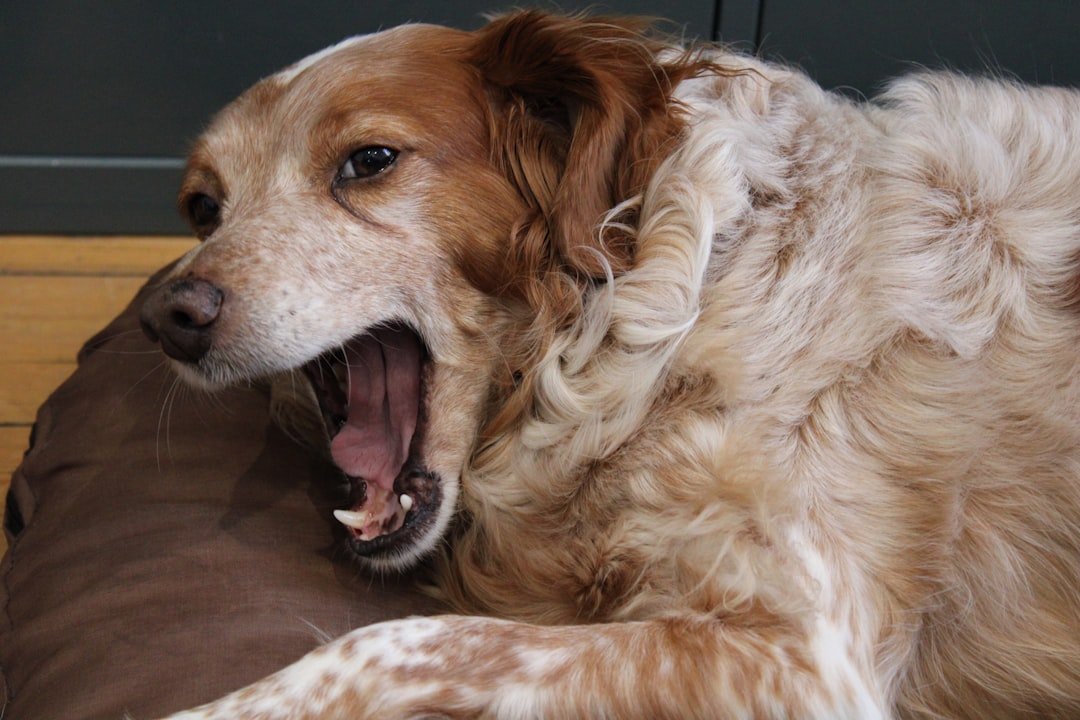
Dogs yawn when they are tired or bored, and they also yawn when stressed. A stressful yawn is more prolonged and intense than a sleepy yawn. If your dog is yawning repeatedly when they should be alert and engaged, they’re using this as a coping mechanism.
Yawning and lip licking may be an early sign of stress, particularly when accompanied by a tight mouth and often a whining sound These stress signals often happen together, creating a clear picture of a dog in distress.
Destructive Behavior When You’re Around
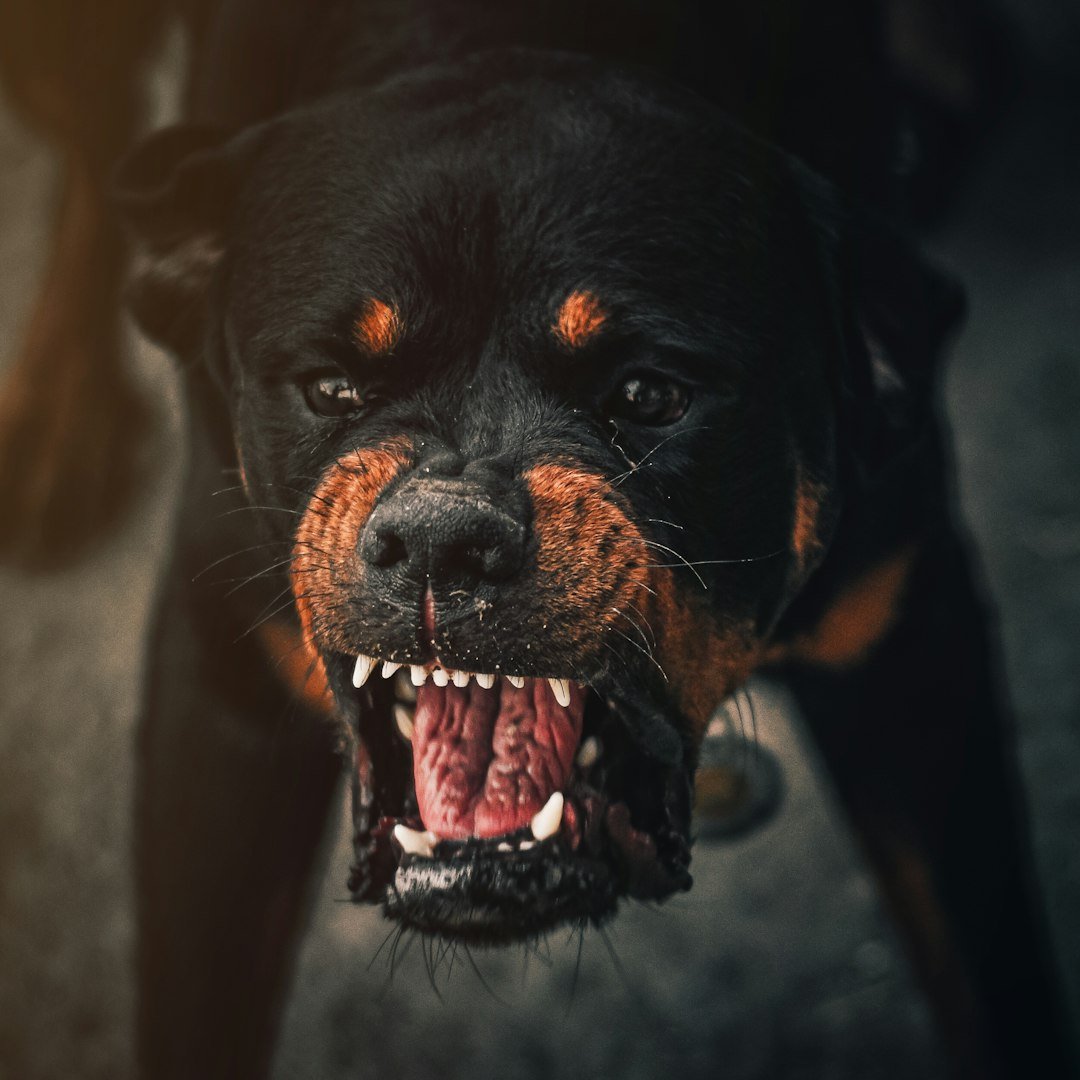
One of the most common complaints of pet parents is that their dogs are disruptive or destructive when left alone. Their dogs might urinate, defecate, bark, howl, chew, dig or try to escape. But when this destructive behavior happens even when you’re home, it’s a different story entirely.
A bored dog can often lead to a stressed, unfulfilled dog – especially in working breeds. A dog without a job or purpose can lead to them coming up with their own “work” which often includes destructive habits or compulsive behaviors, like excessive chewing or digging. Your presence should calm destructive tendencies, not enable them.
They Flinch or Cower When You Approach
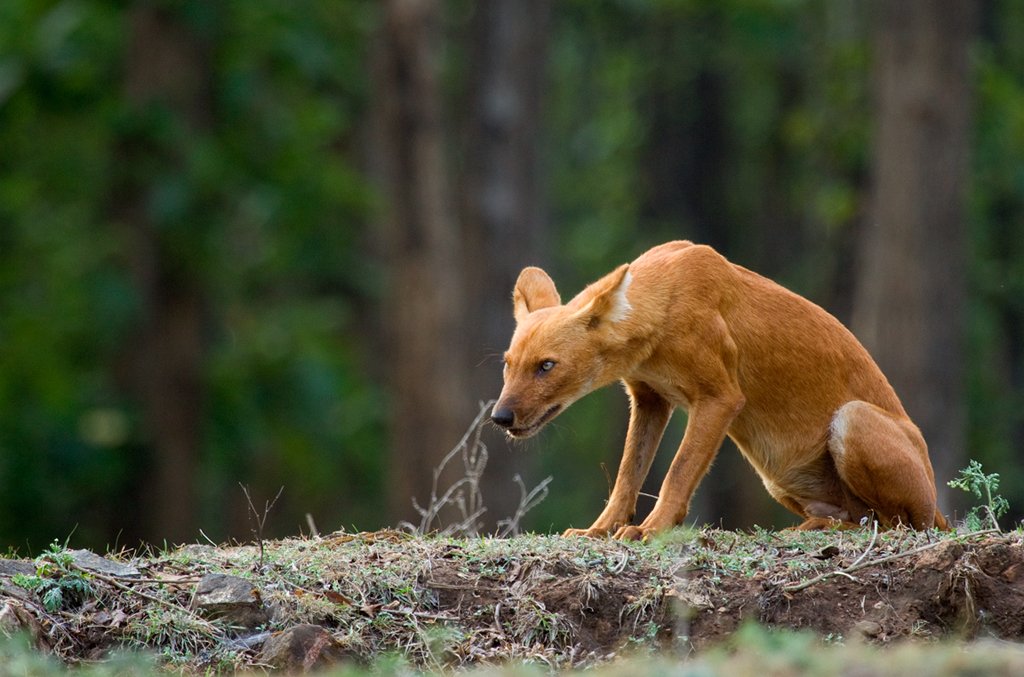
Consider a cowering dog hunched low to the ground. That’s a sign of fear or stress. The dog may be trying to get away from something, and the posture makes the dog appear smaller.
When your own dog cringes at your approach, it’s heartbreaking evidence that they associate you with negative experiences. If a healthy dog with no orthopedic problems shifts their weight to the rear legs or cowers, they may be exhibiting stress. When scared, dogs may also tuck their tails or become rigid.
Excessive Shedding Without Seasonal Changes
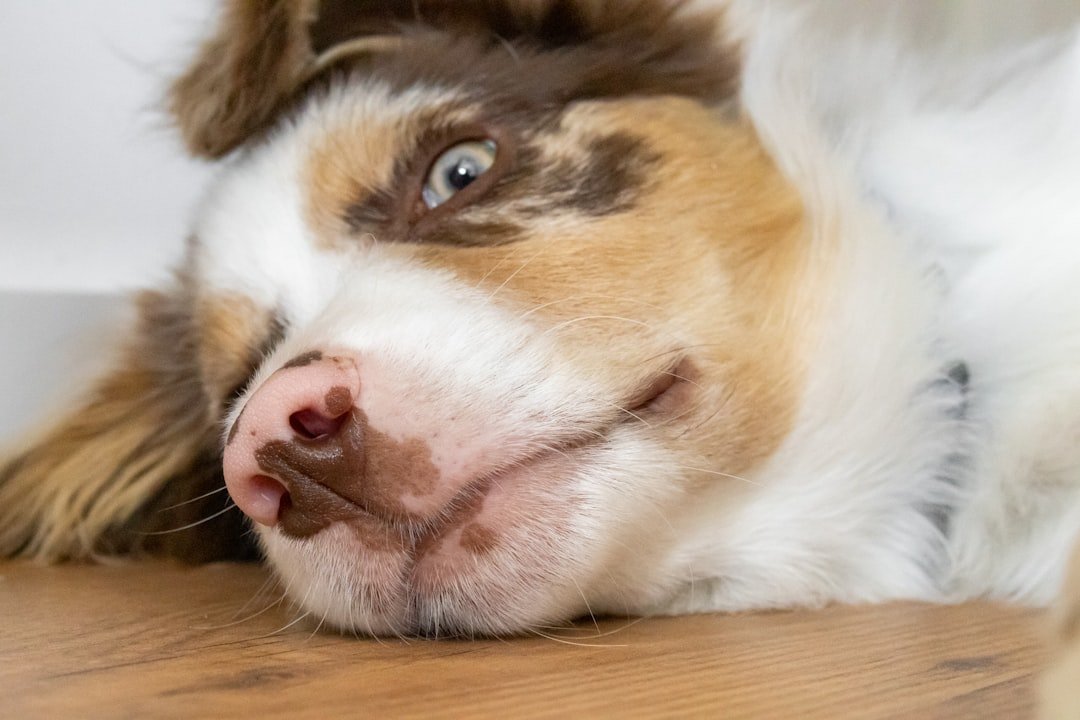
Show dogs that become nervous in the show ring often “blow their coat”. Dogs also shed a lot when in the veterinary clinic. If your dog is leaving hair everywhere around your home – more than usual – their stress levels might be through the roof.
A frightened or stressed dog may also shed more than usual. This isn’t the normal seasonal shedding you’d expect, but rather a stress response that indicates your dog is genuinely unhappy in their living situation.
Lip Licking and Drooling When There’s No Food Around
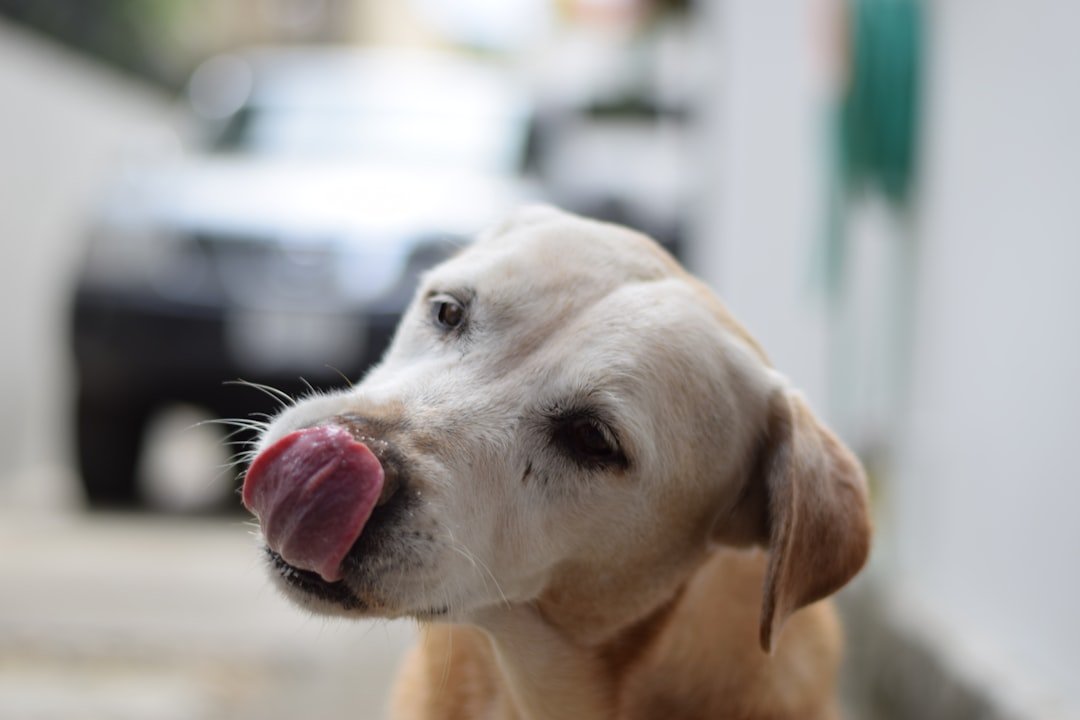
Dogs may also drool and lick excessively when nervous. This nervous habit is one of the most obvious signs that your dog is struggling emotionally. Watch for the frequency – stressed dogs will lick their lips almost compulsively.
Drooling when no food is present can also be a sign of extreme fear or stress. If your dog is constantly licking their lips or drooling around you, they’re trying to self-soothe because they feel anxious.
They Freeze Like a Statue When You Speak
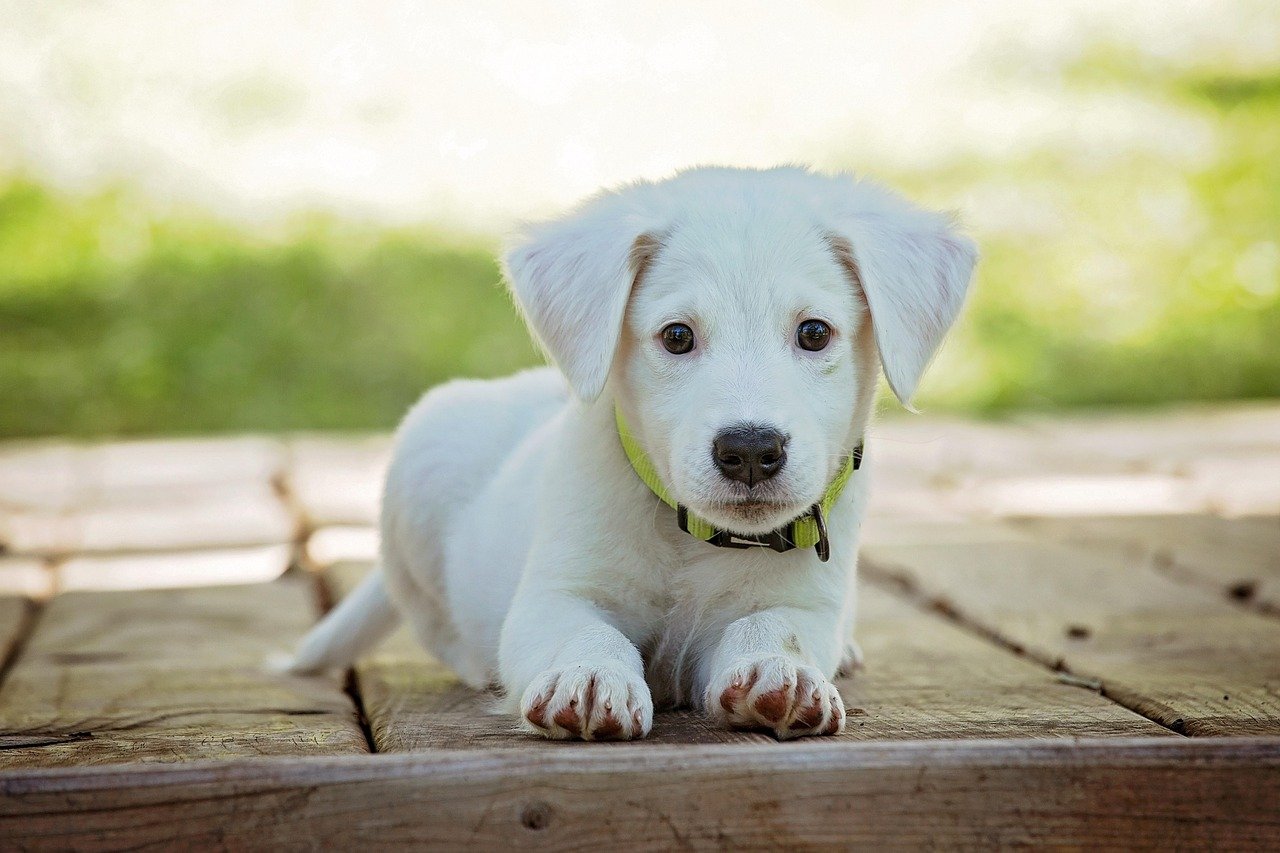
A dog freezes if they’re scared or guarding something, such as food or a toy, or if they feel cornered. This is a low-level warning sign on the ladder of dog aggression. Not respecting this warning can lead to escalation of growling, snapping, and potentially biting.
Dogs typically freeze right before they snap or bite. When your dog goes completely still at the sound of your voice or your presence, they’re essentially putting up a warning sign that they’re extremely uncomfortable.
Their Ears Are Constantly Pinned Back Against Their Head

Their ears may be pinned back against their head. And if their ears are pulled back and flat on their head, they are feeling scared or stressed. Ears positioned this way around you specifically indicates they view you as a threat or source of anxiety.
On the other hand, a dog with a tense posture and ears pinned straight back is probably feeling extremely scared. Consider separating them from whatever is frightening them at the moment. Unfortunately, in this case, you might be what’s frightening them.
Whale Eyes – Showing the Whites of Their Eyes
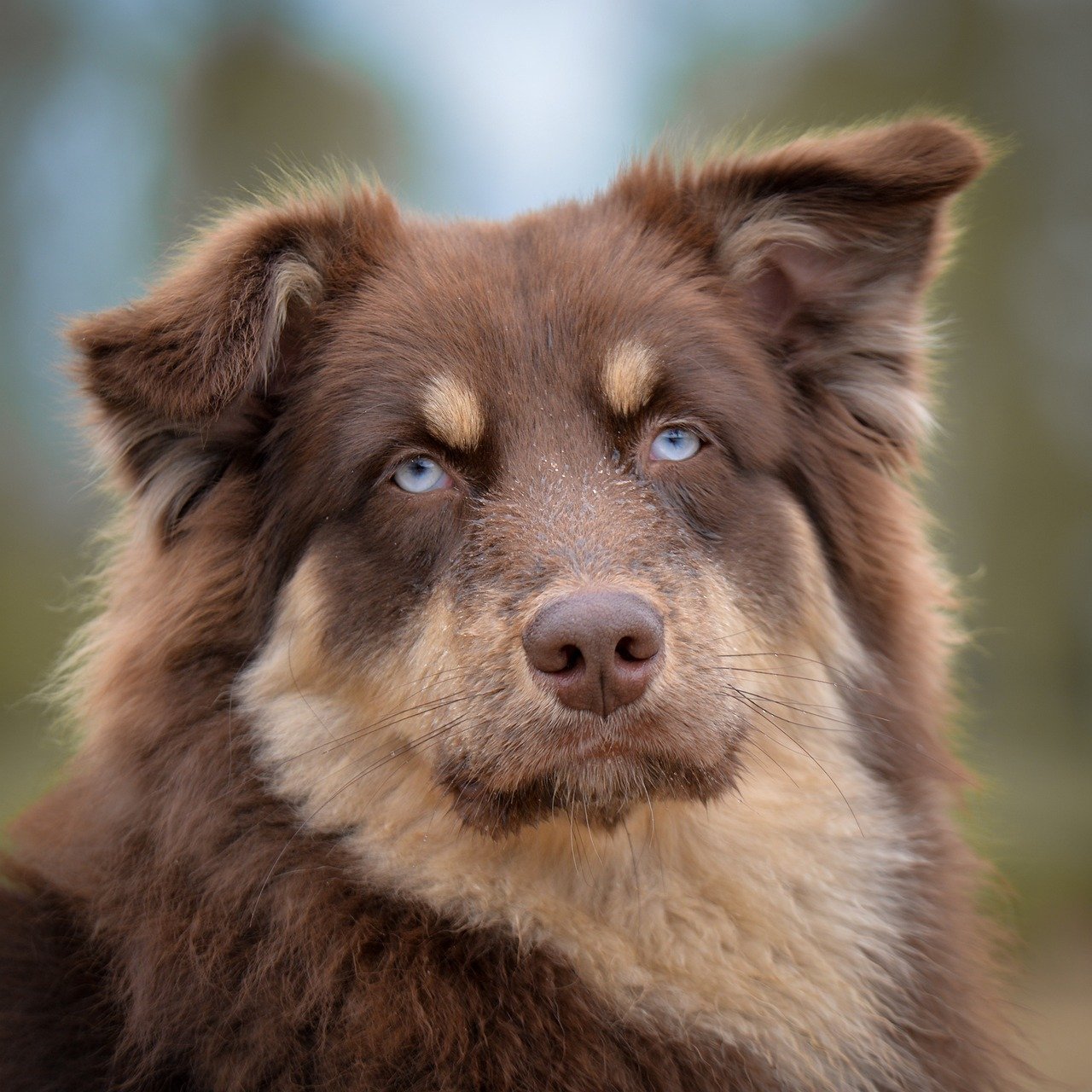
Stress signs to look for include whale eye (when dogs reveal the whites of their eyes), tucked ears or tail, raised hackles, lip-licking, yawning, and panting. This distinctive look happens when dogs feel cornered or extremely anxious.
The “half-moon” refers to the white arc that is often seen when a dog is stressed and trying to hold it in. (Also referred to as “whale eye”) When you see this expression regularly, your dog is essentially screaming for help without making a sound.
Changes in Eating Habits or Complete Loss of Appetite
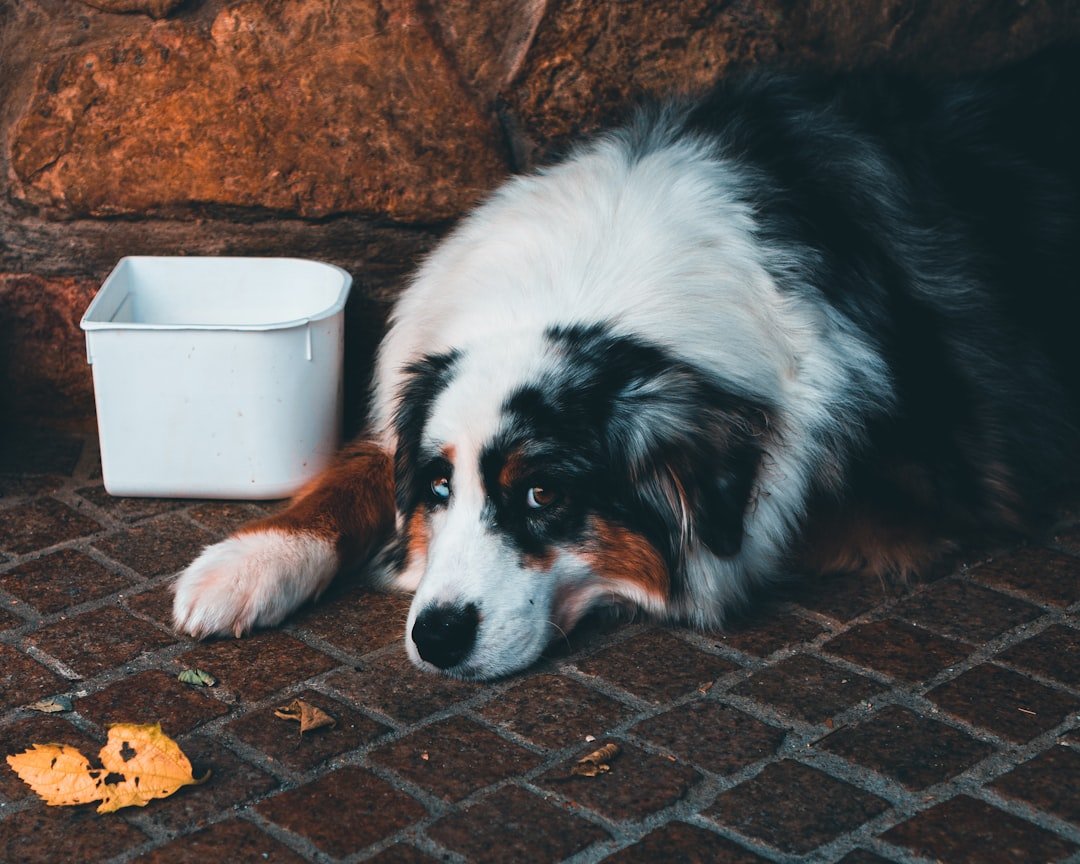
A stressed or miserable dog often shows dramatic changes in their relationship with food. They might eat significantly less than usual, or conversely, stress-eat everything in sight. Some dogs will refuse treats that they previously loved, while others might guard their food more aggressively.
When a dog loses interest in their favorite foods or treats, it’s often because their stress levels are so high that nothing feels safe or enjoyable anymore. This is particularly concerning because food is typically one of a dog’s greatest motivators.
Excessive Vocalization or Complete Silence
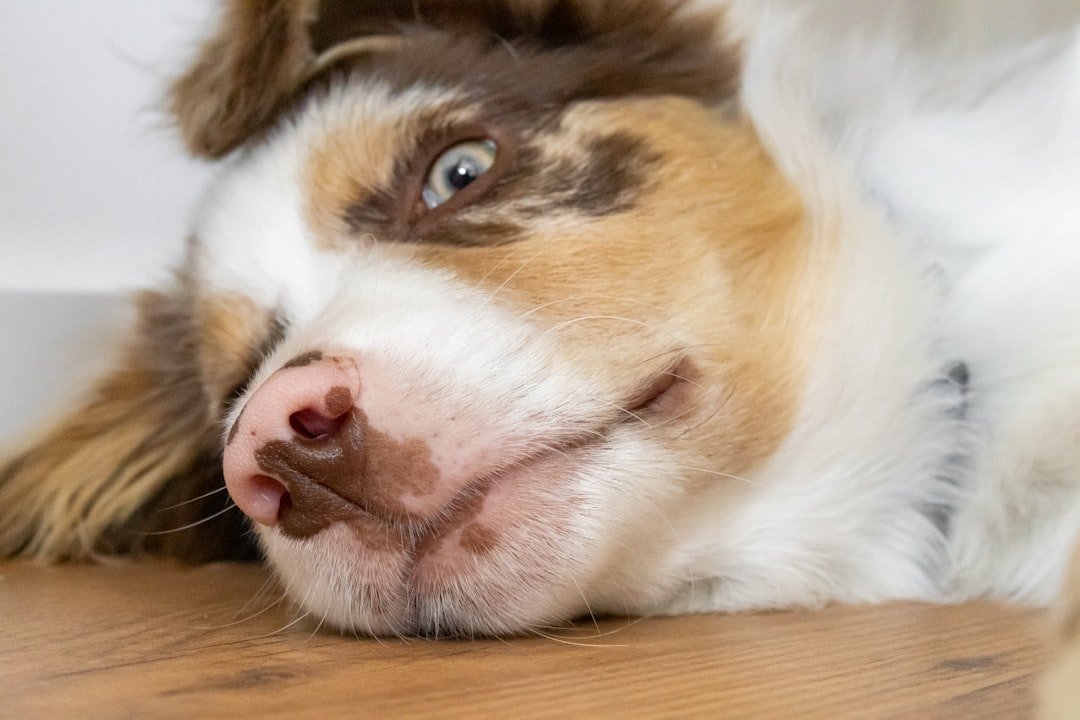
Vocalization is normal self-expression in dogs but may be intensified when they are under stress. Many dogs cannot control their whining when they feel stressed, as it’s more of an automatic response. However, it’s a clue for humans that something in the environment is causing anxiety.
On the flip side, some miserable dogs go completely silent, withdrawing into themselves. Both extremes – excessive whining, barking, or howling, and complete silence from a normally vocal dog – indicate emotional distress.
They Show Signs of Depression and Lethargy

Just like humans, dogs can experience depression when they’re consistently unhappy in their environment. They might sleep more than usual, show no interest in activities they once enjoyed, or seem to move through life without any spark of joy or enthusiasm.
An anxious dog is an unhappy dog. You can change that by adding consistency and predictability to your dog’s life. A depressed dog will show little interest in walks, toys, or interaction, preferring to remain curled up and disengaged from the world around them.
Conclusion

Recognizing these signs doesn’t make you a bad dog owner – it makes you a responsible one who’s willing to face difficult truths. Paying attention to your dog’s stress signals can help avoid bigger issues, both medical and behavioral, down the line. Severe stress in dogs can become long-term, intense anxiety or fear that affects their quality of life.
The good news is that most of these issues can be addressed with patience, understanding, and often professional help from a veterinary behaviorist. Your dog’s happiness matters, and acknowledging their misery is the first step toward creating a better life for both of you.
Did you recognize your own dog in any of these signs?


