
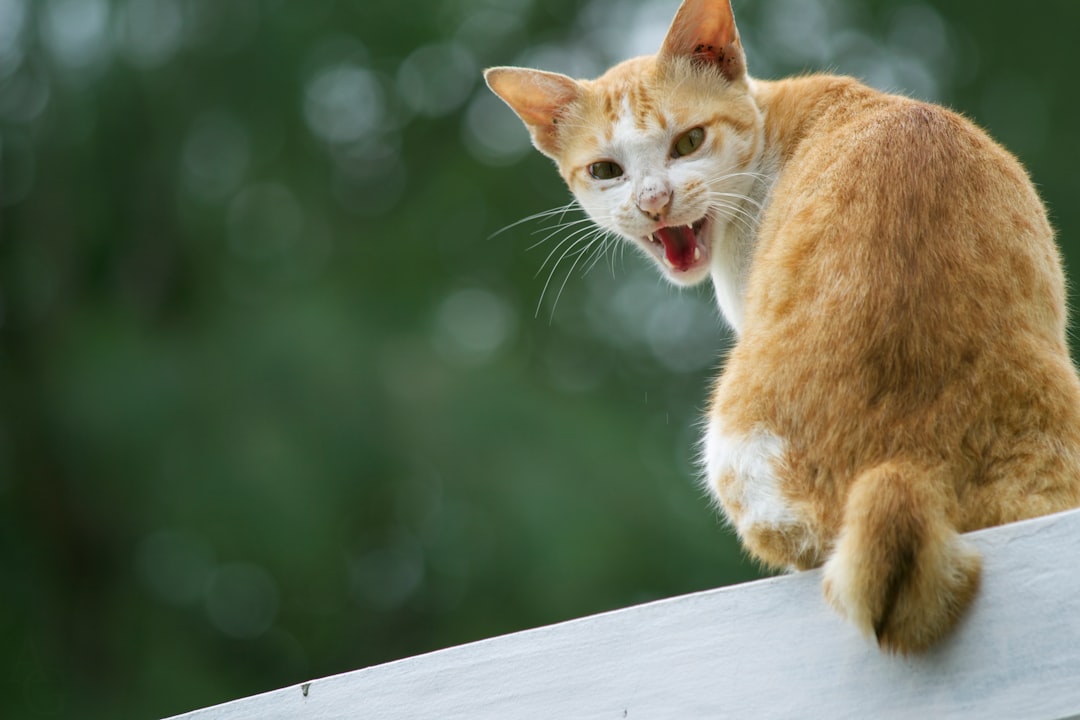
Have you ever wondered if your cat is trying to tell you something, but you just can’t put your finger on what it is? Cats are famous for their mysterious personalities, but behind those bright eyes and twitching tails, they’re often sending messages about how they feel—especially when they’re anxious. The signs aren’t always obvious; sometimes, they’re so subtle you might miss them if you blink. But understanding these quiet signals can be the key to helping your furry friend feel safe and happy. Let’s unlock the secret language of anxious cats and discover how you can make their world a little less scary.
1. Excessive Grooming
Cats may not vocalize their worries the way humans do, but that doesn’t mean they aren’t feeling anxious. In fact, many felines express their stress through subtle behaviors that are easy to miss or misinterpret. From changes in grooming habits to odd hiding spots and shifts in appetite, your cat may be trying to tell you something’s wrong—without making a sound.
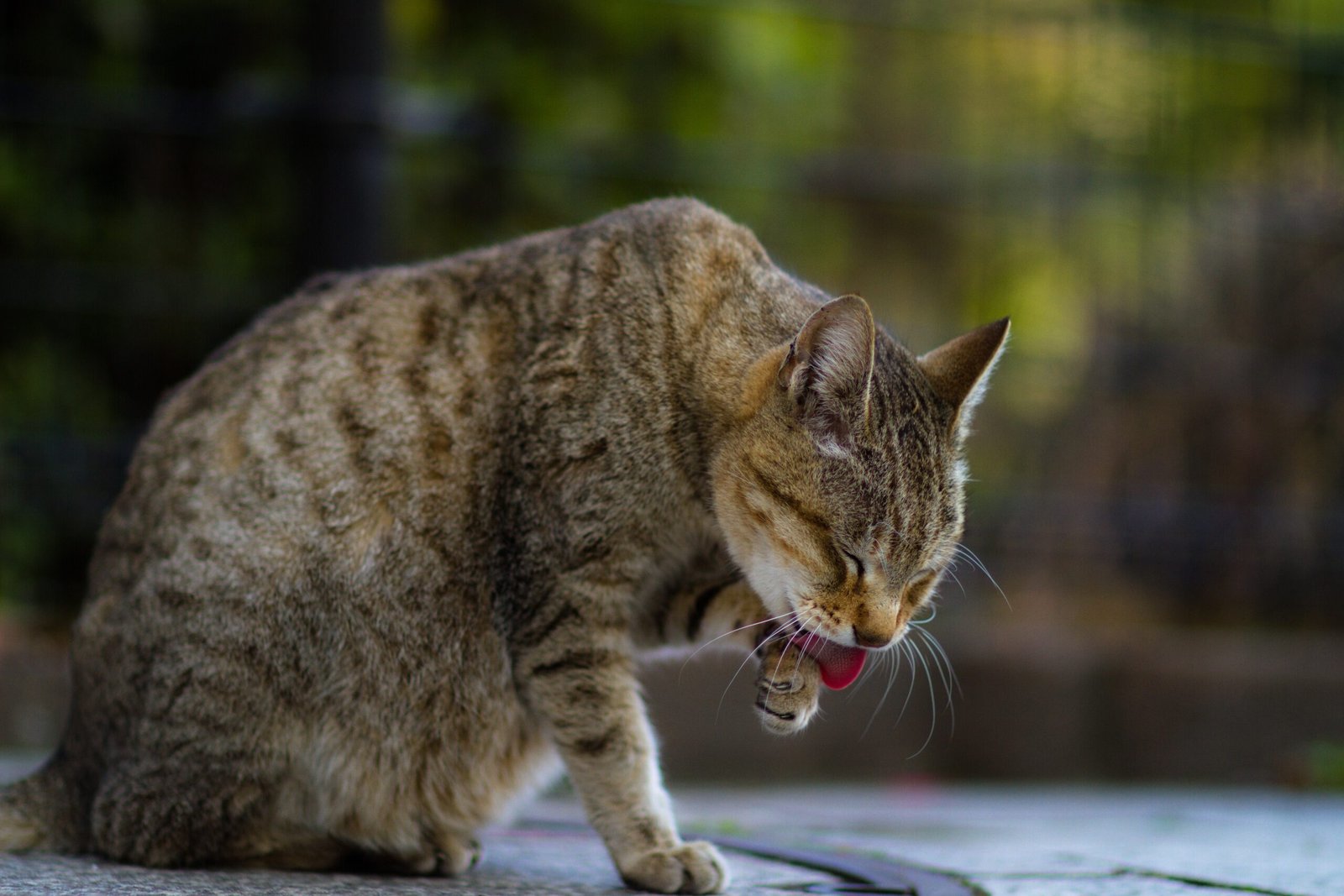
When a cat starts licking or cleaning itself more than usual, it’s not just about staying tidy. This behavior can be one of the first signs of anxiety. You might notice bald spots or red, irritated skin where your cat has over-groomed. Think of it like someone biting their nails when nervous—it helps them cope, but it can go too far. If you spot your cat licking the same area repeatedly, it’s time to ask why. Providing new toys, extra affection, or even a calming pheromone spray can help. Creating a peaceful environment with hiding spots can also ease their stress and break this nervous habit.
2. Hiding More Than Usual
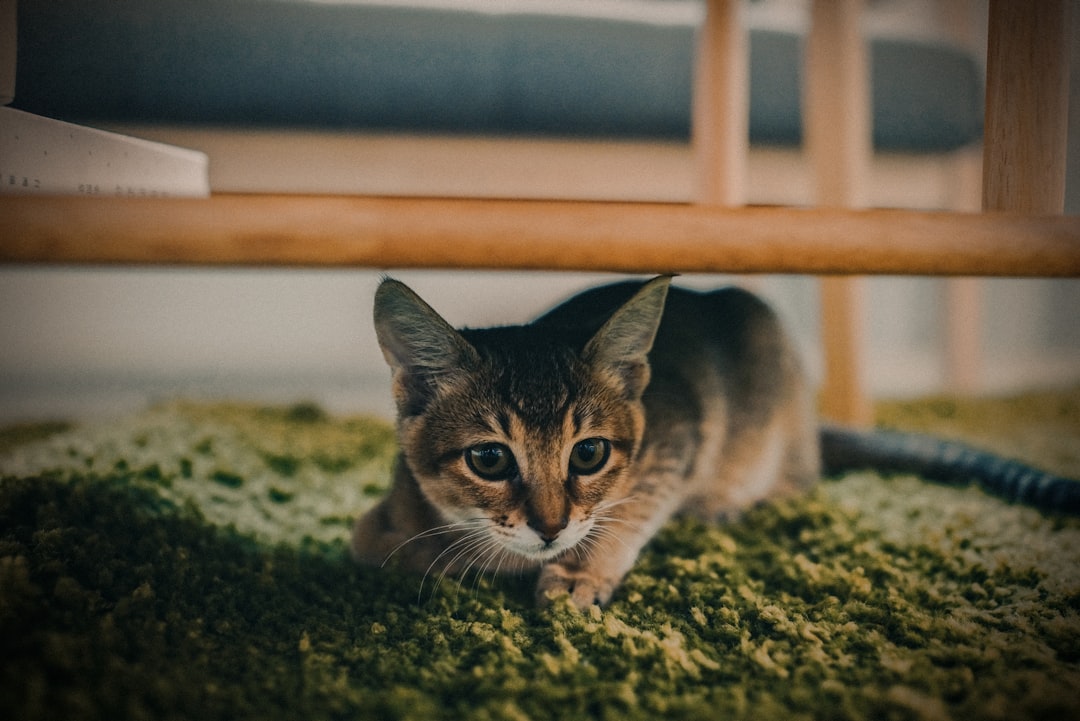
Cats love a good hideout, but if your once-social kitty is suddenly disappearing under beds or behind furniture, it could be anxiety talking. This behavior is their way of escaping what’s making them uncomfortable, whether it’s a loud noise, a new pet, or even a change in routine. Try to identify any recent changes in your home. Offer them quiet, cozy places where they can feel safe, but don’t force them out. Gentle coaxing with treats and soft words can encourage your cat to come out when they’re ready.
3. Sudden Aggression
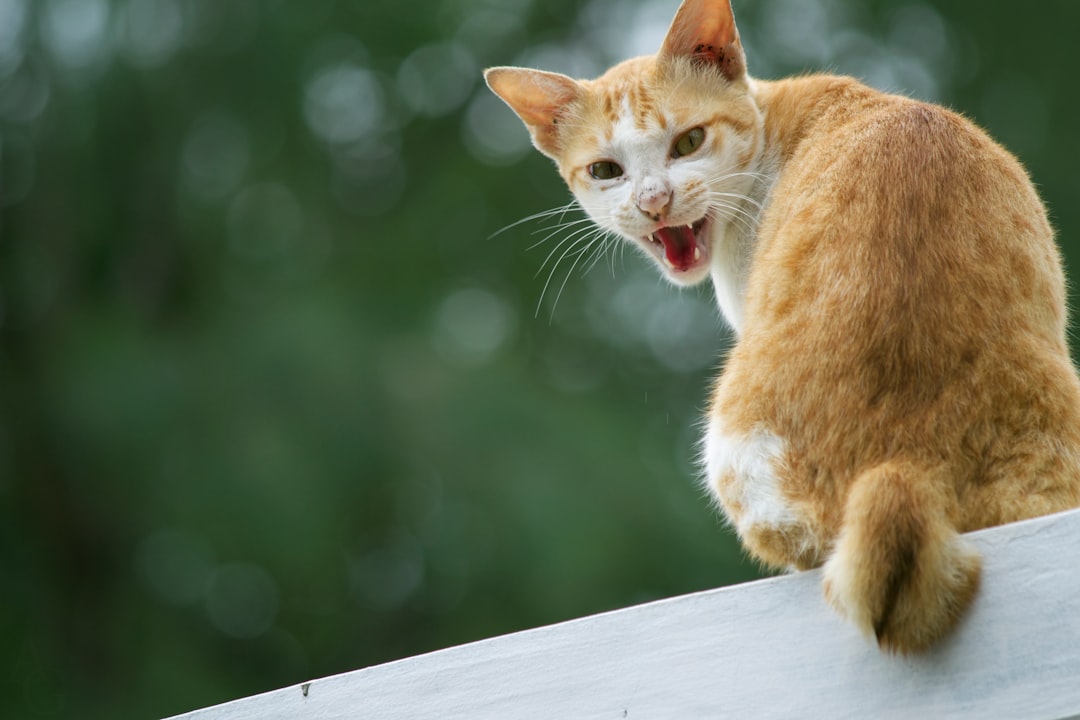
A cat that hisses, swats, or bites out of the blue might not be angry—they could be scared. Anxiety can make even the sweetest cat lash out. It’s like being on edge and snapping at someone without meaning to. If your cat’s behavior shifts suddenly, look for stressors like new animals, visitors, or loud sounds. Give your cat space and avoid punishment, which can make things worse. Instead, use gentle reassurance and stick to a predictable routine to help them regain their sense of control.
4. Changes in Appetite
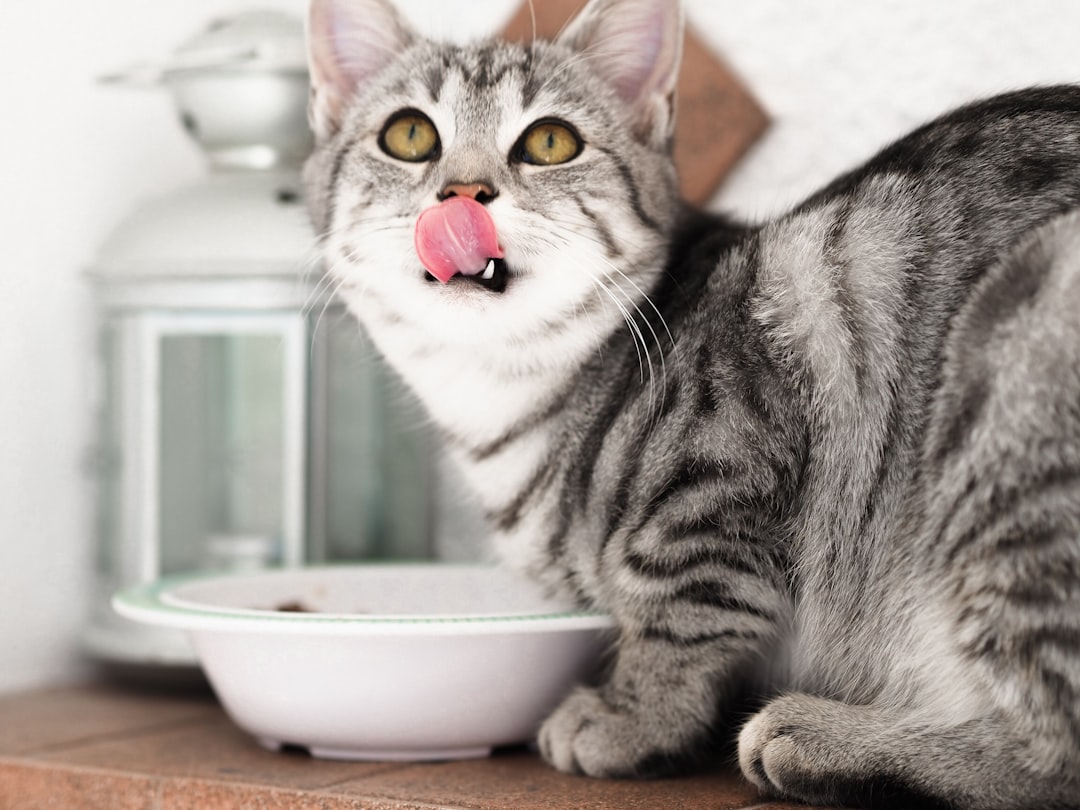
Did your cat’s eating habits suddenly change? Skipping meals or gobbling food too quickly can both signal anxiety. Like people, some cats lose their appetite when stressed, while others eat to self-soothe. Watch for patterns—did something change in the household before your cat’s appetite shifted? Try to keep meal times consistent and offer high-value treats to encourage eating. If the problem continues, a vet visit is a good idea to rule out medical issues.
5. Increased Vocalization
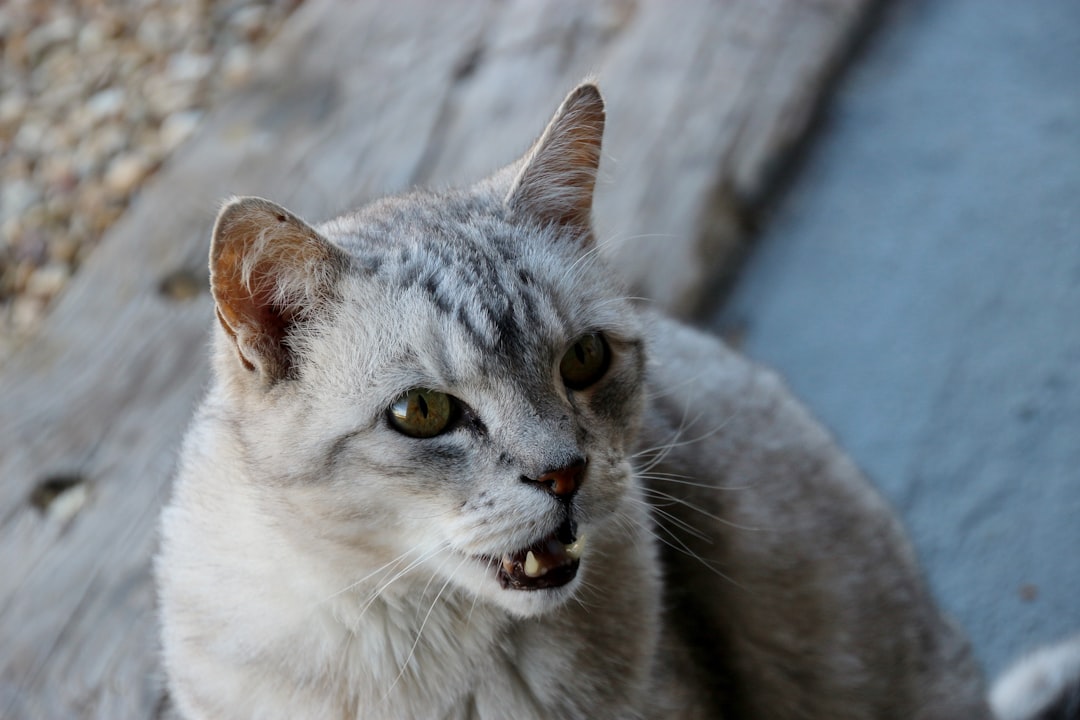
Some cats are naturally chatty, but if your quiet cat suddenly starts meowing, yowling, or crying more, pay attention. Vocalizing is a way for them to express discomfort or seek reassurance. It’s their way of saying, “I need help!” Soothing your cat with gentle talk, petting, or even calming music can provide comfort. If the vocalization continues, try to identify specific triggers, like certain people, noises, or times of day, and address them directly.
6. Litter Box Accidents
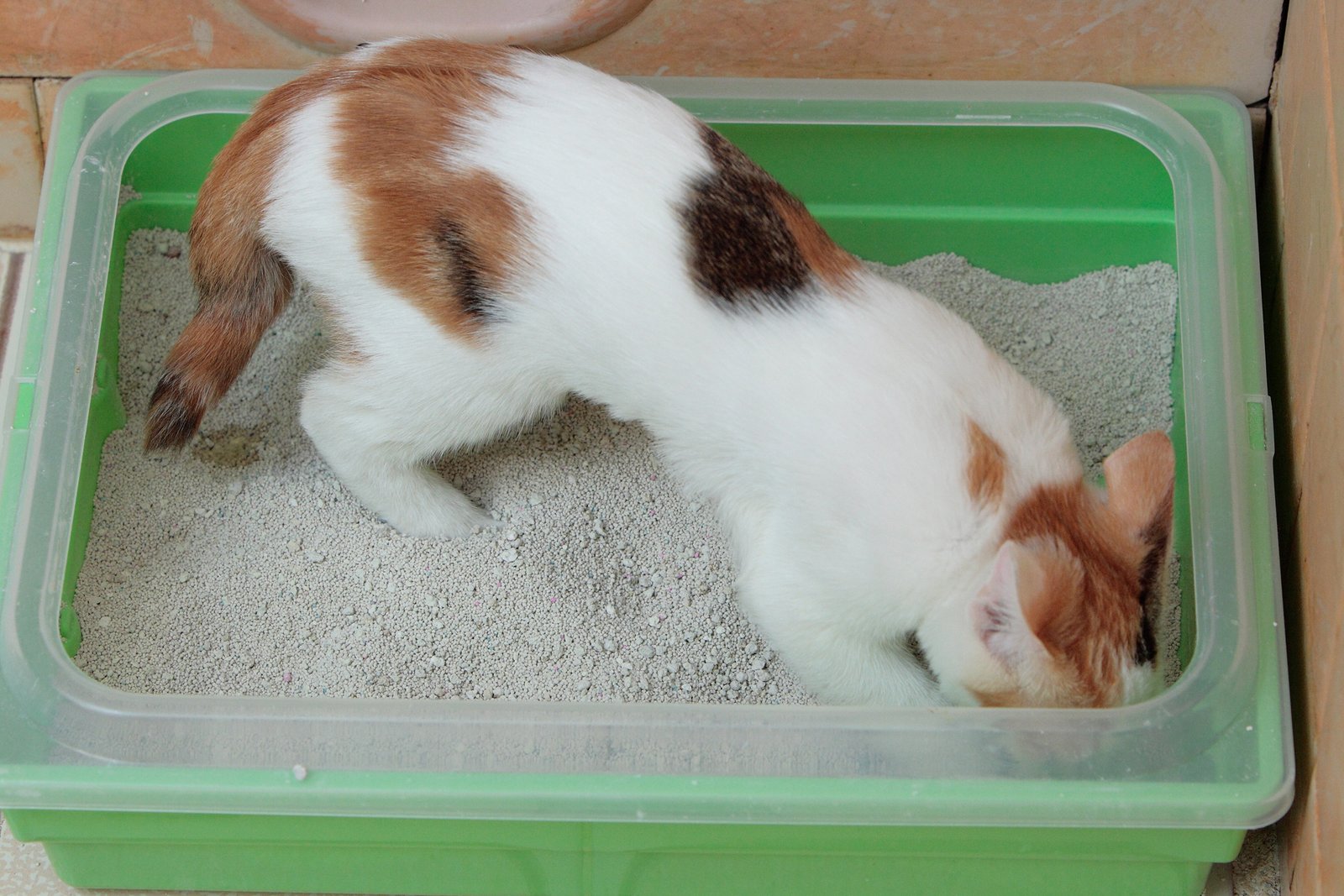
When a cat starts missing the litter box, it’s often more than just a mess—it’s a message. Anxiety can cause cats to urinate or defecate outside their box, especially if something about their environment has changed. Maybe the box was moved, or there’s a new scent in the home. Make sure the litter box is clean, in a quiet spot, and easy to access. Sometimes, adding an extra box or using a different type of litter can help. Reassure your cat, and never punish them for accidents.
7. Restlessness or Pacing
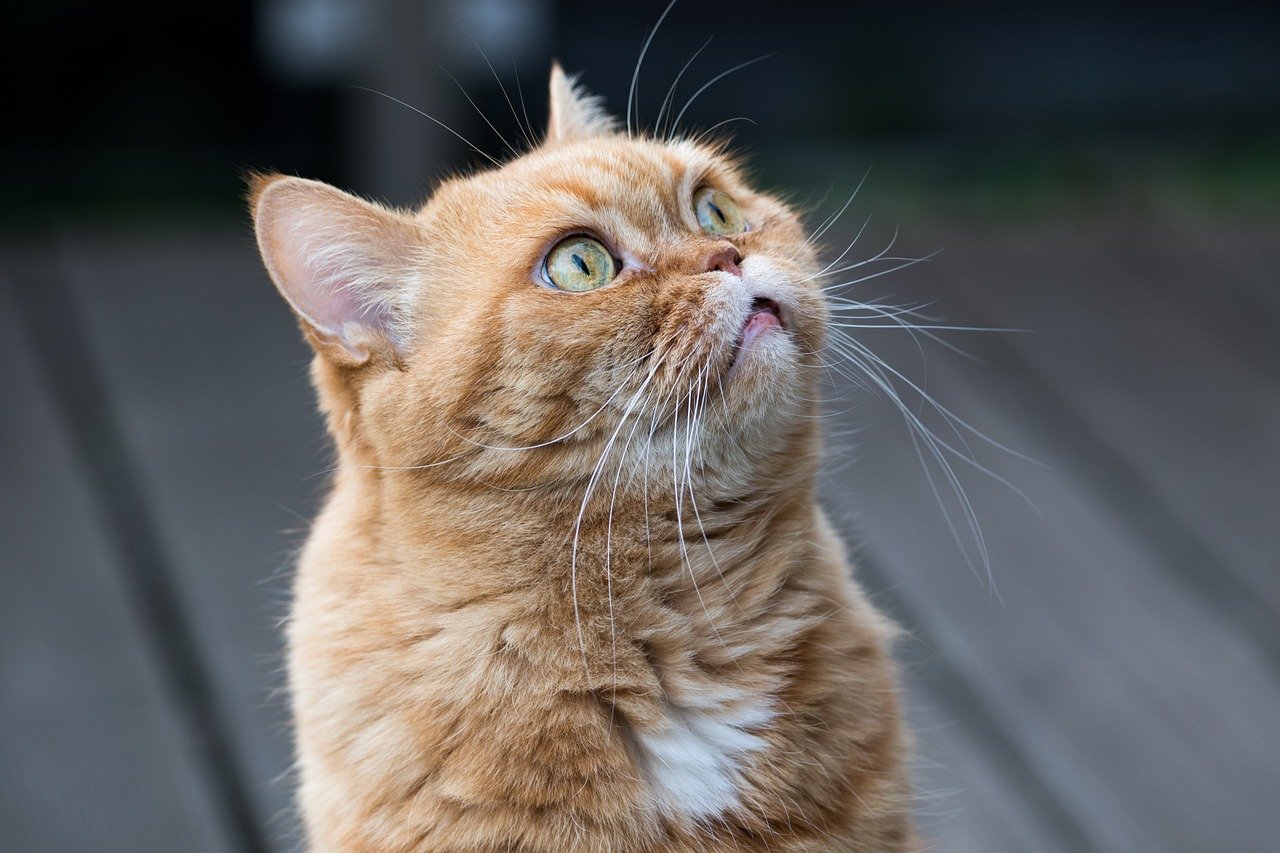
Is your cat suddenly unable to settle down, pacing back and forth or moving from room to room? This restlessness is often a sign of underlying anxiety. Imagine feeling too nervous to sit still—cats feel the same way. Creating a calm, predictable environment with plenty of enrichment can help. Interactive toys, scratching posts, and window perches provide healthy outlets for nervous energy. Try to keep noise and activity levels low, especially if your cat seems overwhelmed.
8. Tail Flicking or Twitching
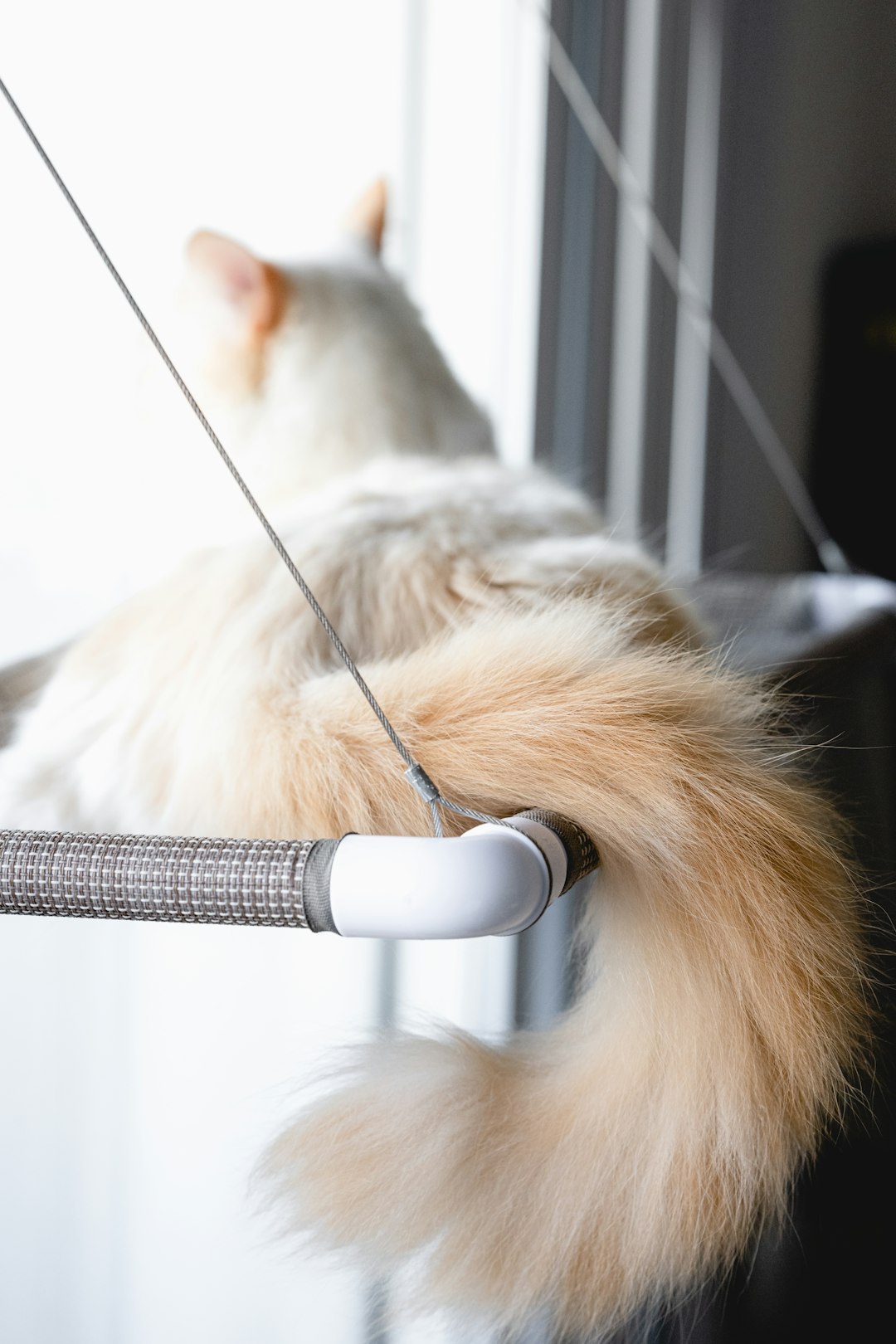
A cat’s tail is like a mood barometer. When they’re anxious, their tail might flick or twitch, even when they’re not playing. This subtle sign is easy to miss, but it’s their way of releasing nervous tension. Watch your cat’s body language for other clues, like flattened ears or wide eyes. If you notice these signs, give your cat space and avoid handling them until they seem calmer. Soft music or a darkened room can help them relax.
9. Loss of Interest in Play
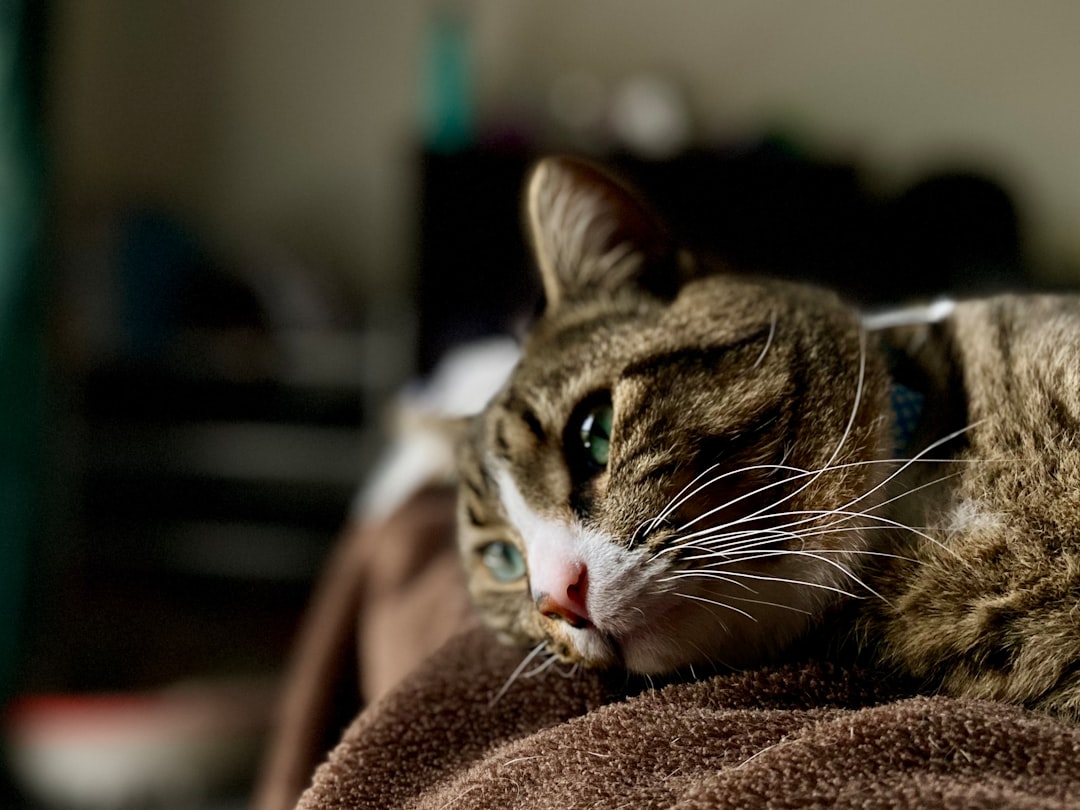
If your cat suddenly ignores their favorite toys or stops engaging in playtime, it could be a sign of stress. Anxiety can sap a cat’s motivation to have fun, making them seem lethargic or uninterested. Encourage gentle play with interactive toys, but don’t force it. Sometimes, simply sitting near your cat and talking softly can help them feel more secure and willing to engage again. Routine is key—try to keep play sessions at the same time each day.
10. Excessive Scratching
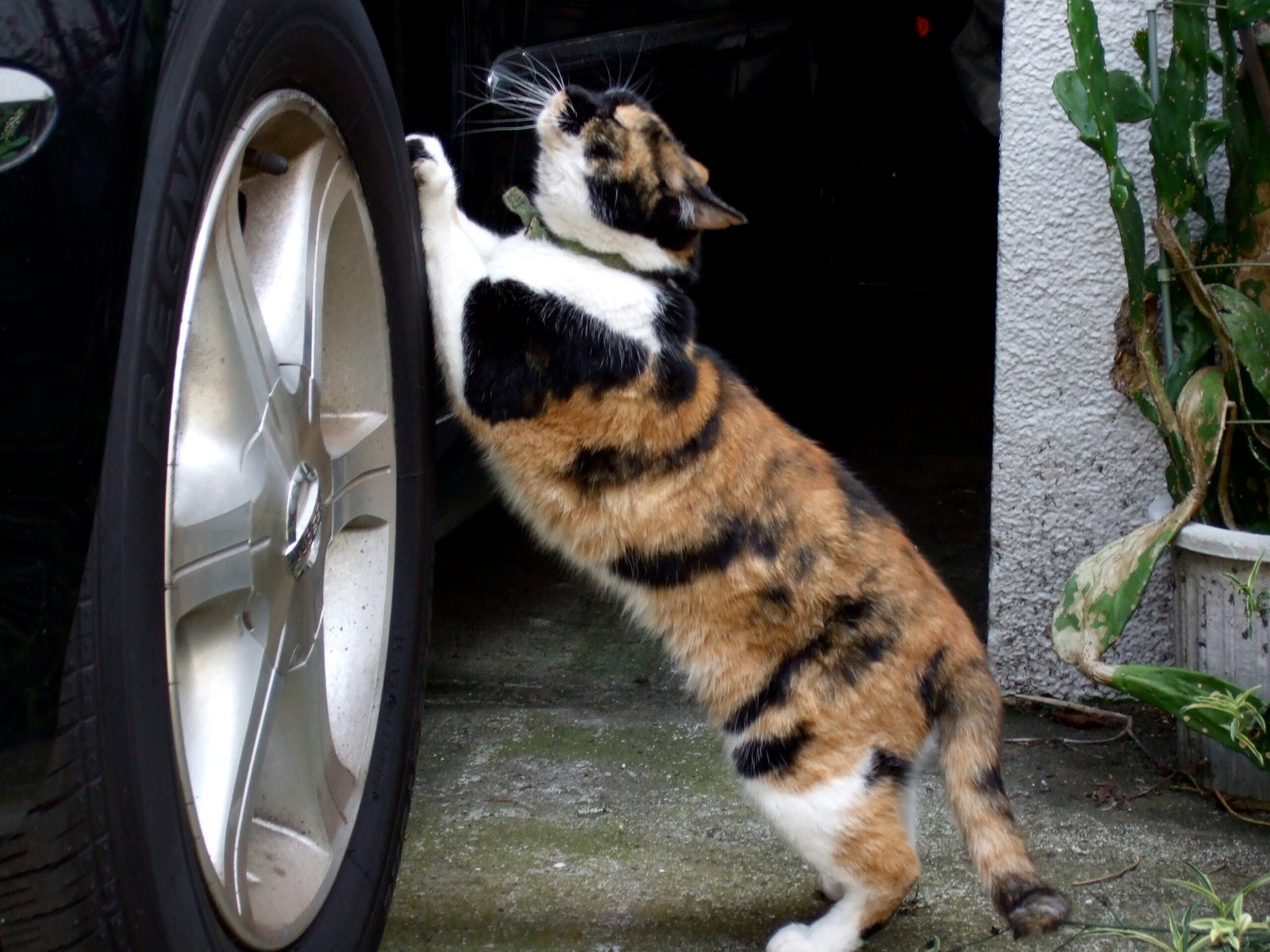
Scratching is normal cat behavior, but if your cat starts clawing at furniture, doors, or walls more than usual, it might be a sign of anxiety. This activity helps them mark territory and relieve stress. Offer more scratching posts or pads, and reward your cat for using them. Placing posts near their favorite spots or by windows can make them more appealing. If scratching becomes destructive, try using deterrent sprays on off-limits areas.
11. Trembling or Shaking
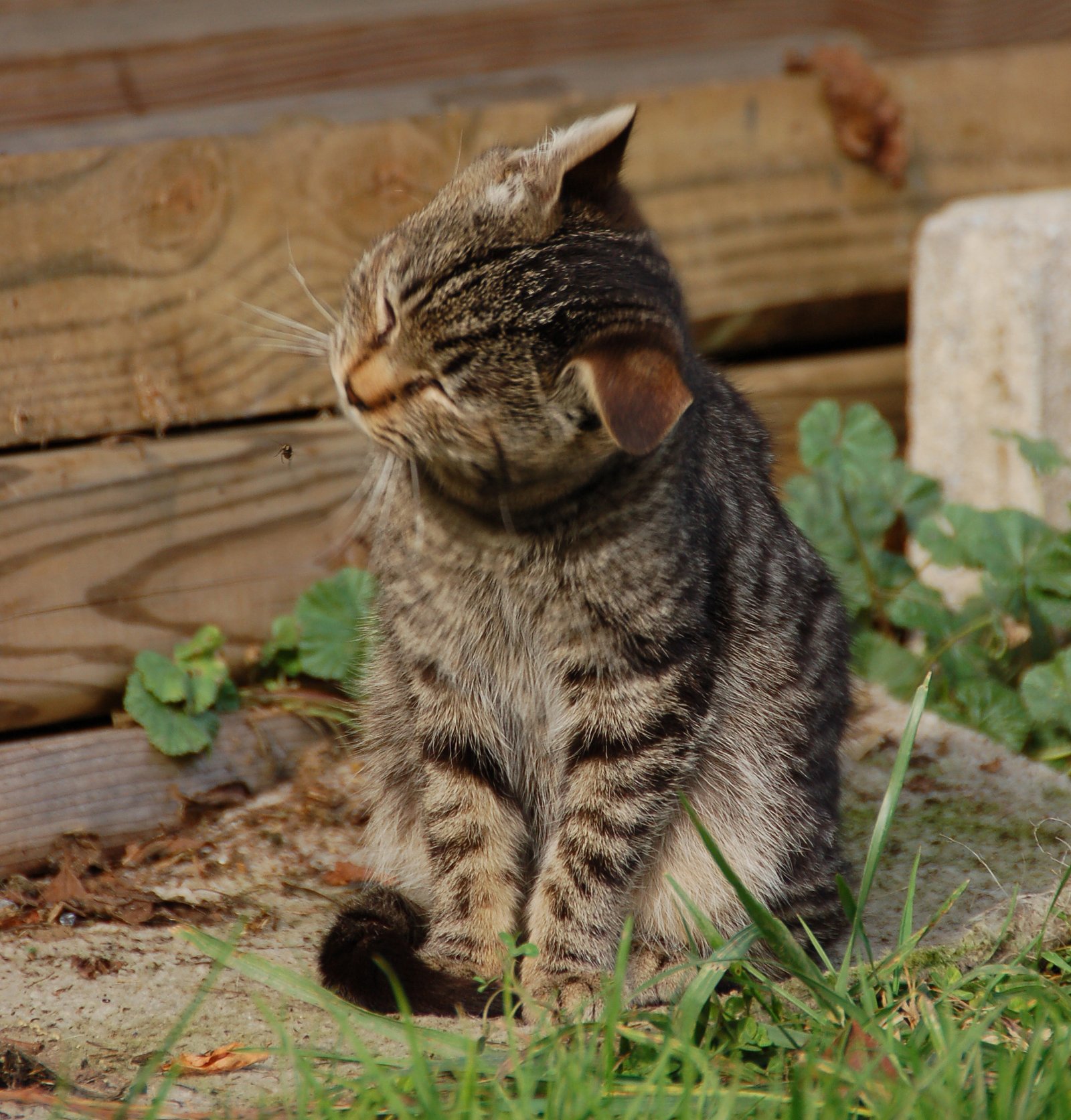
It can be heartbreaking to see your cat tremble or shake, but it’s a clear sign they’re feeling overwhelmed. This physical reaction is often triggered by fear, loud noises, or unfamiliar people. When you notice your cat trembling, move slowly and speak softly. Provide a warm, safe space where they can retreat, like a covered bed or box. Consider using a calming pheromone diffuser to create a more soothing environment.
12. Flattened Ears
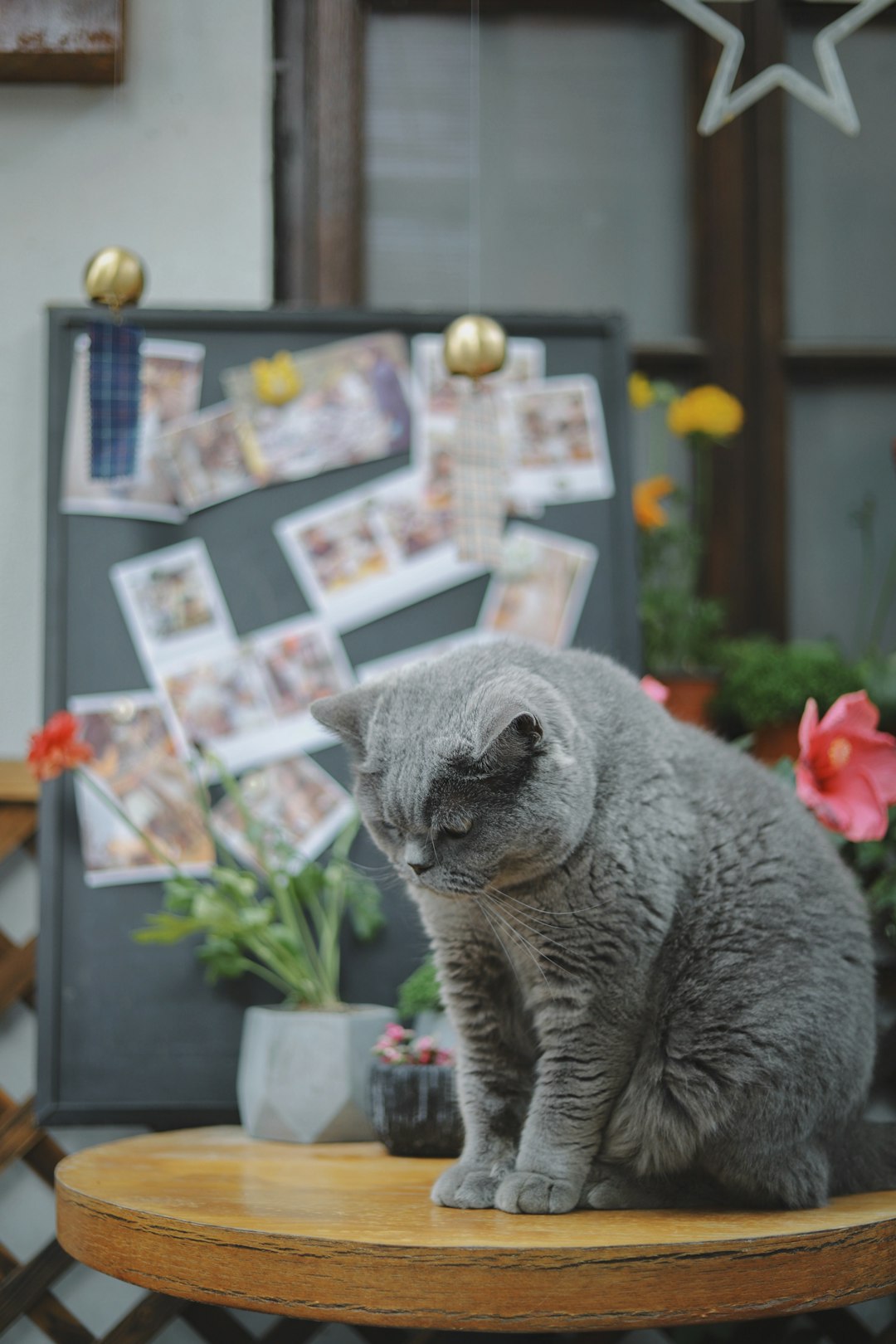
Watch your cat’s ears, as they can be surprisingly expressive. Ears flattened against the head usually signal fear or anxiety. This subtle gesture often goes unnoticed, but it’s your cat’s way of saying, “I’m not comfortable.” Try to identify what’s causing the discomfort—maybe it’s a visitor, a sudden noise, or another animal. Remove the trigger if possible, and let your cat come to you when they’re ready. Patience and gentle encouragement go a long way.
13. Dilated Pupils
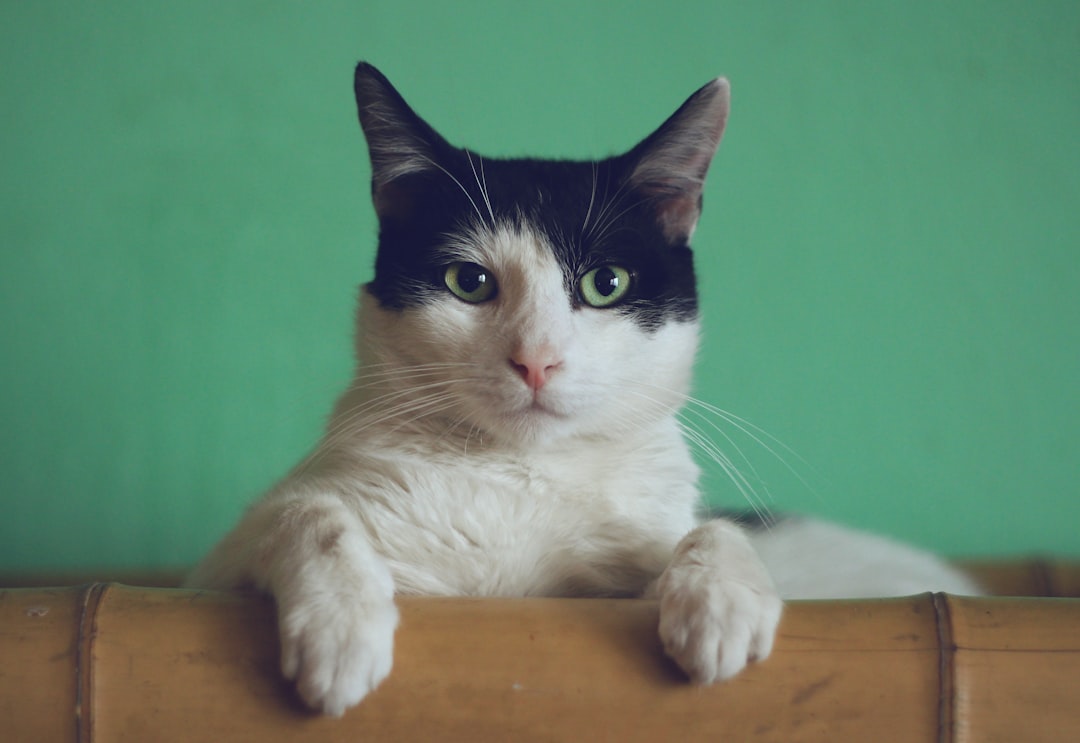
Wide, dilated pupils in a calm environment often mean your cat is anxious or scared. It’s a classic “fight or flight” response, priming them to react quickly. This can happen during thunderstorms, unfamiliar visits, or even new furniture arrivals. Lower lights and quiet sounds can help your cat feel safer. Avoid making sudden movements, and offer treats or toys to redirect their attention and ease their nerves.
14. Clinginess or Seeking Constant Attention
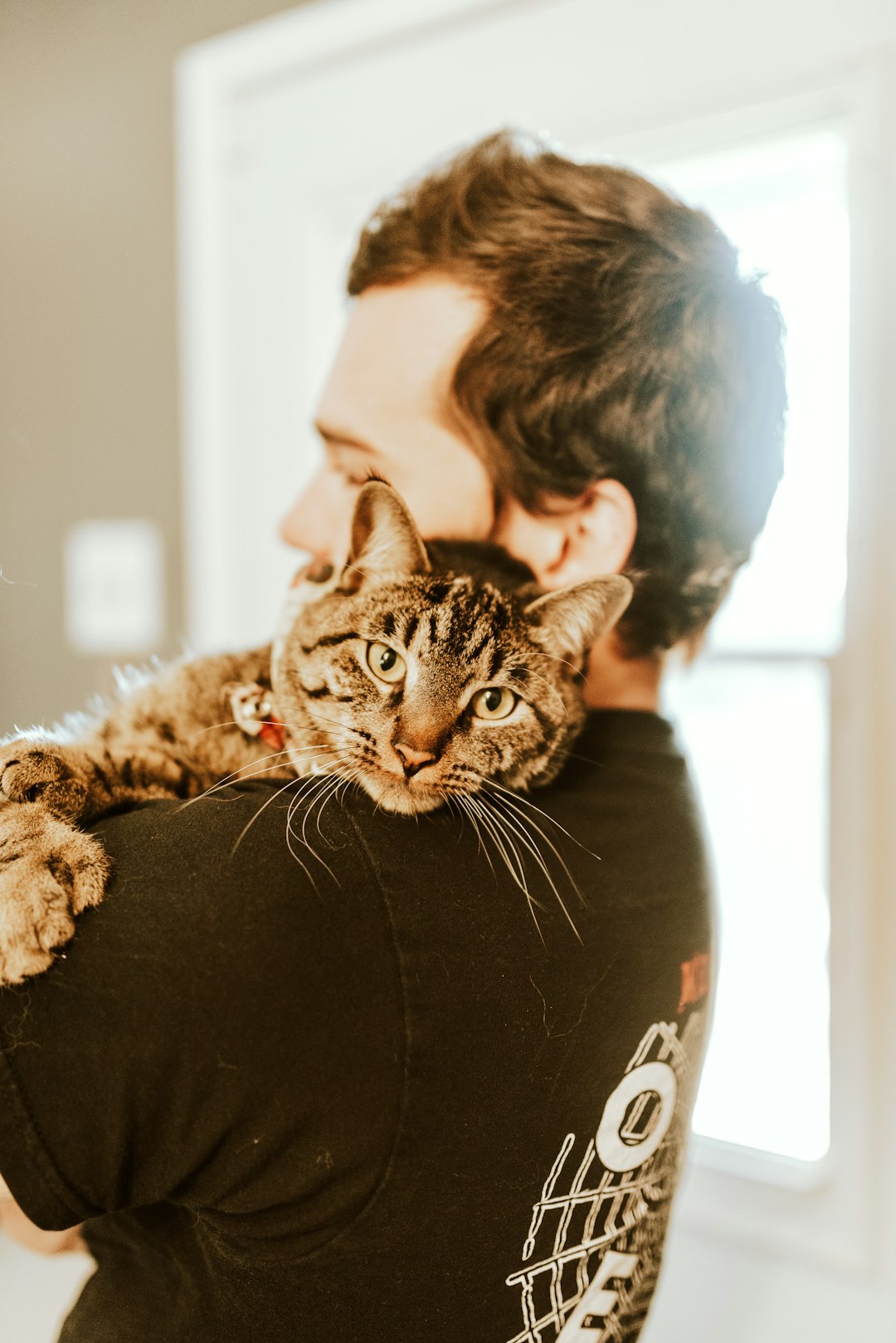
Sometimes, anxiety makes cats more needy than usual. If your independent feline suddenly shadows your every move or insists on constant cuddles, they may be seeking comfort. While it’s sweet, it’s also a sign they’re not feeling secure. Spend quality time with your cat, offering gentle petting and kind words. Try not to reinforce the anxious behavior, but reassure them with a calm presence and regular routines.
15. Changes in Sleeping Patterns
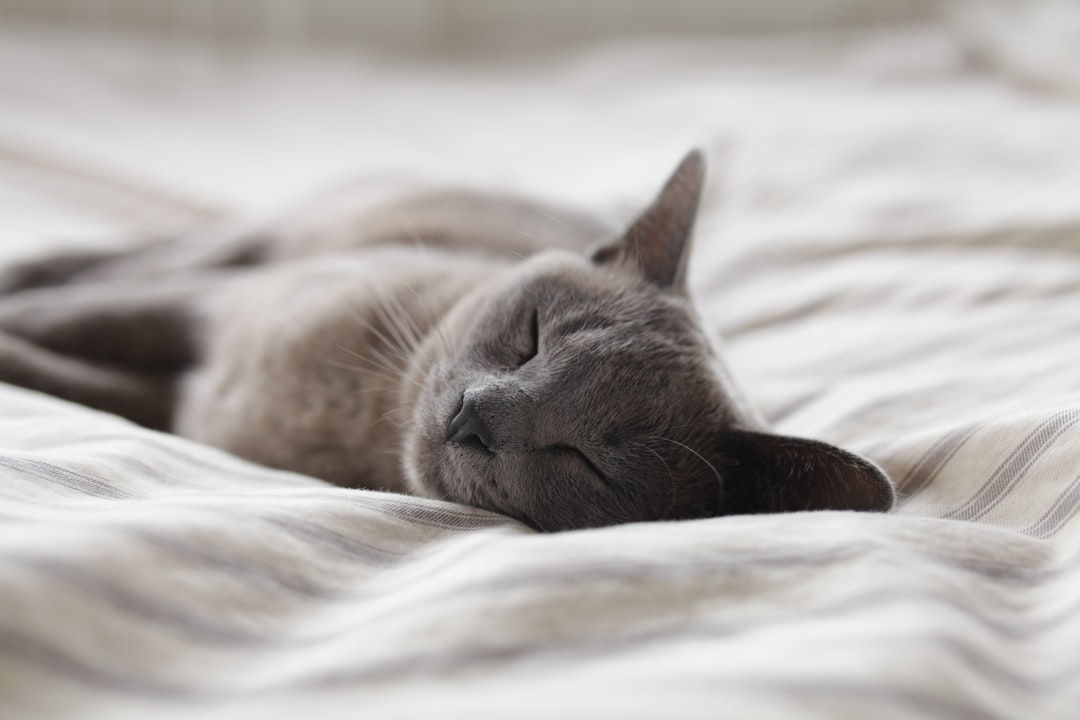
Cats are famous for their naps, but anxiety can disrupt their usual sleep cycles. You might notice your cat sleeping more or less than normal, or choosing strange places to nap—like inside a closet or under furniture. These changes often indicate they’re not feeling safe. Make sure your cat has quiet, cozy sleeping spots away from busy areas. Establish a bedtime routine with soft lighting and gentle play to help them wind down and feel secure.
Understanding these subtle signs of anxiety in cats can make all the difference in their happiness and health. By tuning in to your cat’s quiet signals and offering comfort, you can create a peaceful home where your feline friend truly feels at ease.


