

There is something quietly magical about the moment you stop thinking of your dog as just a pet and start seeing them as a true member of your family. Maybe it was the way they curled up beside you during a rough week. Maybe it was how they tilted their head when you spoke, as if every word actually mattered to them. Whatever it was, it changed everything.
The truth is, how you relate to your dog shapes every single thing about your shared life together. It shapes their health, their behavior, their happiness, and yes, even how long they live. Science is now catching up to what dog lovers have known in their hearts for years. Let’s dive into what really happens when you open that door, pull your dog into the fold of your family, and love them like they deserve.
1. Your Dog Becomes Noticeably Calmer and More Secure

When a dog is treated like a valued family member, something shifts in them at a fundamental level. Psychologists believe the relationship between human and canine is a bidirectional attachment bond, resembling the typical human caretaker and infant relationship. Dogs will even seek out their caretaker as a means to cope with stress, and the caretaker’s absence can trigger separation anxiety to varying degrees.
In plain terms, your dog feels safe because of you. Studies have shown that dogs exhibit behaviors akin to secure attachment when their owners are present, such as reduced stress and increased exploration. Think of it like this: a child who knows they are loved explores the playground freely. A dog who knows they are cherished does the same.
2. The Oxytocin Loop Between You Both Gets Stronger

Here’s the thing that genuinely blew my mind when I first read it. New research shows that when our canine companions stare into our eyes, they activate the same hormonal response that bonds us to human infants. It is not a metaphor. The actual chemistry of parent-child bonding is happening between you and your dog.
The physical act of petting a dog stimulates the release of oxytocin, the “love hormone,” which fosters feelings of bonding and trust. This is the same hormone released during human-to-human affectionate interactions, solidifying the powerful emotional connection people feel with their dogs. So every long cuddle session is literally rewiring both of you for deeper connection.
3. Your Stress Levels Drop in Ways That Surprise You

Interacting with animals has been shown to decrease levels of cortisol, a stress-related hormone, and lower blood pressure. Other studies have found that animals can reduce loneliness, increase feelings of social support, and boost your mood. , you interact with them more, which means these benefits compound over time.
One theoretical rationale for dogs’ stress-reducing benefits is the dog’s ability to provide non-judgmental social support, improve positive affect, and provide a calming presence. Honestly, there are days when my dog has done more for my mental state than anything else on my to-do list. No judgment, no agenda, just presence.
4. Your Dog’s Behavior Improves Dramatically

Positive reinforcement revolves around the principle of rewarding good behavior rather than punishing the bad. , you naturally lean into this approach. You talk to them. You guide them patiently. You celebrate their wins, even the small ones.
It is not about control or dominance. It is about creating a safe, structured, and emotionally consistent environment where your dog learns how to behave because they trust you, not because they fear you. Dogs thrive on routine and clarity, and those who live with clear rules and expectations become far more balanced, confident, and respectful. A loved, guided dog is almost always a well-behaved dog.
5. You Start Walking More Without Even Thinking About It
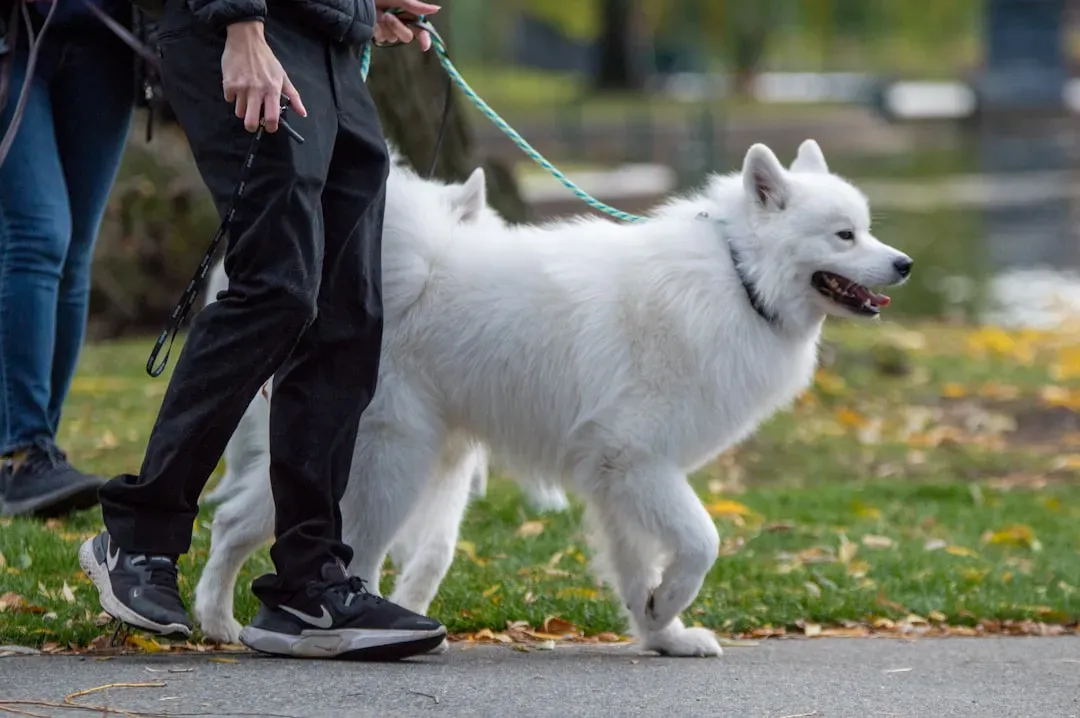
Let’s be real, most of us did not get a gym membership and stick to it. Yet somehow, dog ownership nudges us into daily exercise without much resistance. Higher levels of attachment to dogs have been associated with a greater likelihood of walking the dog and spending more time on those walks, compared with those with a weaker bond.
Studies have shown that dog owners are roughly a third more likely to achieve the recommended levels of physical activity than non-dog owners. Bringing a dog into the home can improve adherence to an exercise regime, enhance fitness, and reduce body fat in its human coinhabitants. So your dog is, in a very real sense, your most dedicated personal trainer.
6. Your Heart Health Genuinely Improves
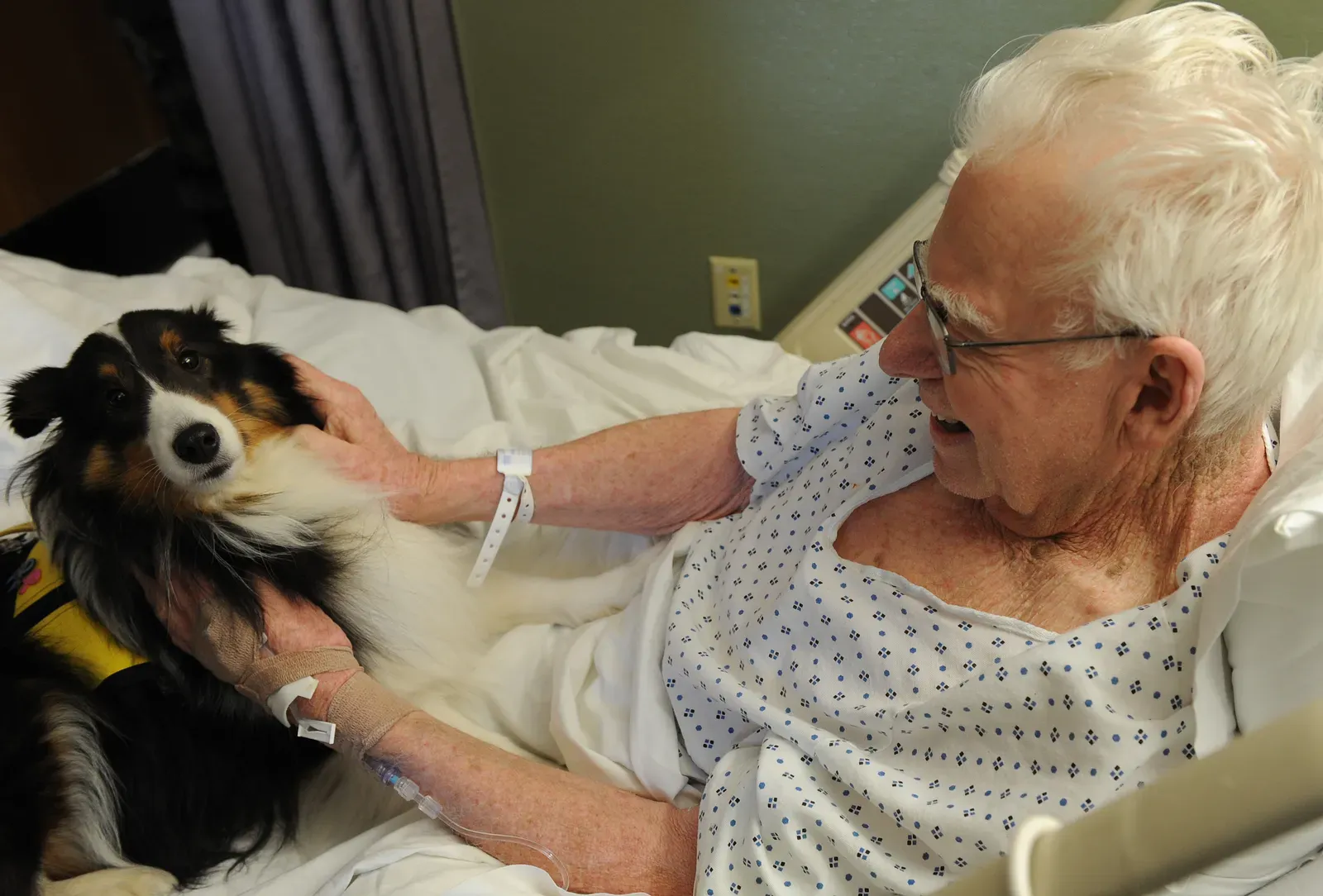
This one is not just feel-good talk. A landmark study from Sweden analyzed the effects of dog ownership on cardiovascular mortality in a nationwide cohort of over 3.4 million individuals, followed over 12 years. In single-person households, dog ownership was associated with significantly lower risks of both all-cause mortality and cardiovascular mortality.
The changes in brain chemistry that make us feel calm and happy when we pet a dog also lower blood pressure and heart rate, much like often-recommended strategies such as meditation and deep breathing for cardiovascular health. You could call your dog a daily meditation practice with fur. That is not crazy. That is just science.
7. Your Dog Lives Longer Because of How You Love Them
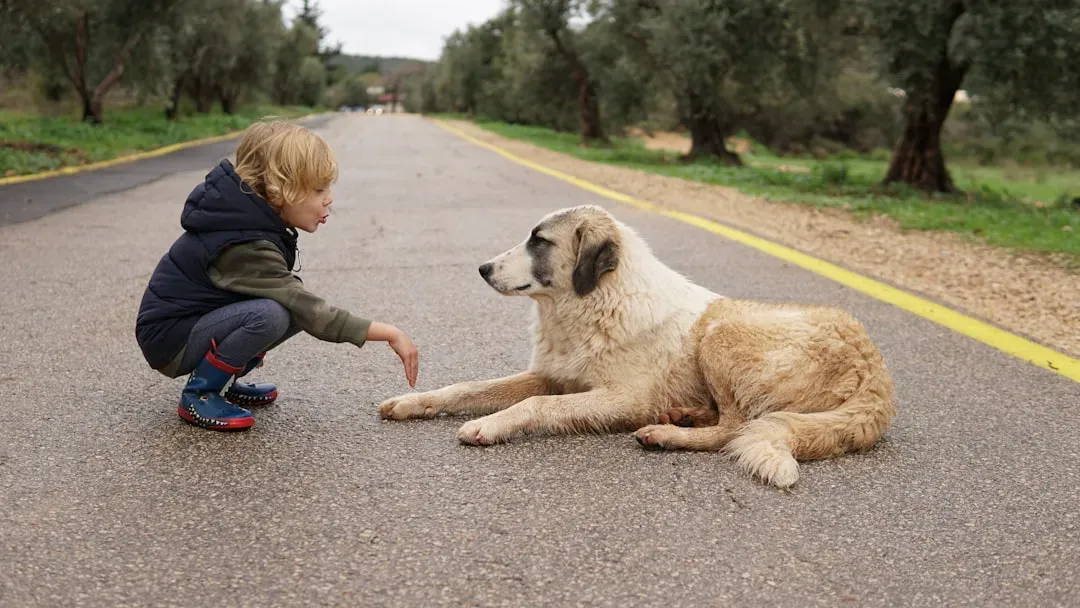
This one hits deep, especially for any of us who have lost a dog too soon. Well-socialized dogs with strong emotional bonds experience less stress, and reduced stress levels can lead to a longer, healthier life. The love you pour in comes back in extra time with them.
A 2023 paper found dogs regularly evaluated by a vet were roughly a third less likely to develop chronic diseases. Researchers have further discovered that social connectedness can have a profound impact on a dog’s well-being. Dogs that had more human and animal friends had fewer owner-reported medical diagnoses like osteoarthritis, allergies, and gastrointestinal diseases. Treating your dog like family means vet visits happen, diet is taken seriously, and social needs are met. All of that adds up to years.
8. You Feel Less Lonely, Even in Hard Seasons
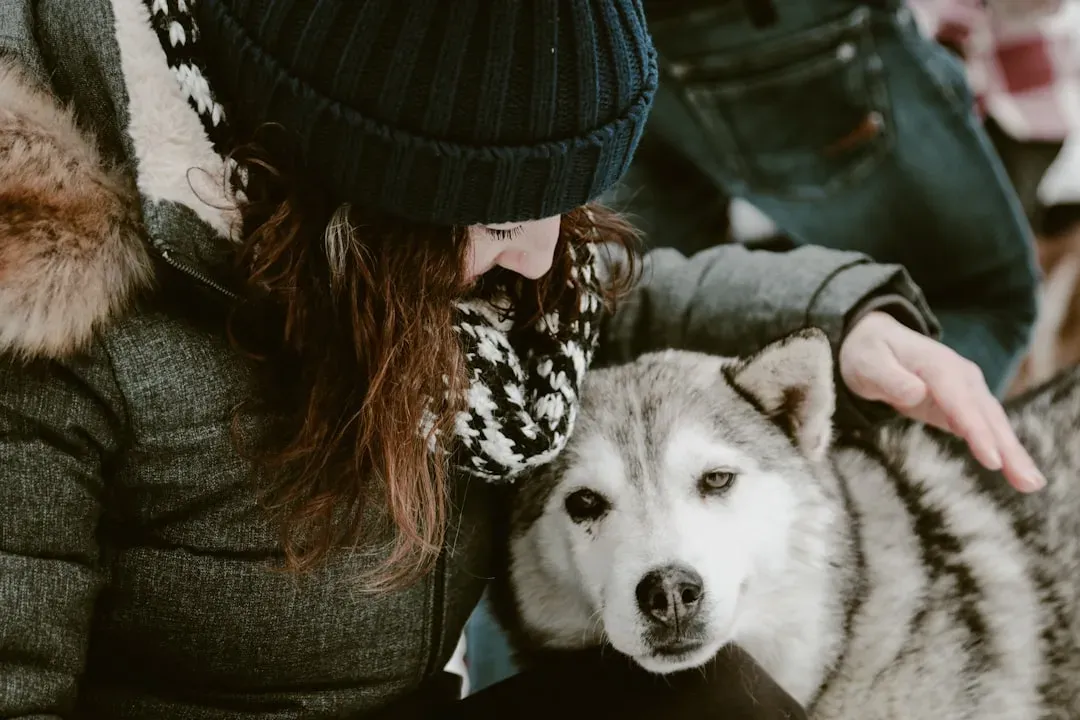
There is a reason so many people talk about their dog as the one who got them through a divorce, a job loss, or a long illness. A dog’s presence provides dependable companionship that helps children and adults alike feel emotionally supported. For families who face long work hours or social isolation, dogs help fill emotional gaps through unconditional affection and attentive presence.
Unlike human relationships, dogs offer nonjudgmental companionship, creating a safe space for emotional vulnerability. Dogs provide consistent companionship, which fosters a sense of stability and predictability that is soothing to the attachment system. They do not care about your career status or whether you texted back. They just want to be near you.
9. Your Mental Health Gets a Quiet, Steady Boost

Research suggests that viewing pets as family members benefits mental and physical health and improves social connectedness. It is not a dramatic overnight transformation. It is more like a slow, steady tide of good chemistry that builds over months and years of daily connection.
Along with oxytocin, dopamine, a neurotransmitter associated with pleasure and reward, is released during human-dog interactions. This creates a sense of happiness and satisfaction, reinforcing the desire for more positive interaction. These chemical releases lower levels of cortisol, effectively reducing anxiety and promoting relaxation. It is, honestly, a pretty beautiful system when you think about it.
10. Your Dog Becomes More Socially Intelligent

Dogs that are treated like family members are talked to, taken places, and exposed to other people and animals. All of this enriches their emotional vocabulary in ways that matter. Research suggests dogs are sensitive to our emotional states as well as our social gestures, and they can communicate with us using complex cues such as gaze alternation.
Social friendships stimulate dogs and keep them cognitively engaged. Research shows that dogs living in enriched environments, with stimulating toys and lots of playtime, were mentally sharper later in life. Researchers posited that enrichment promotes the generation of new neural pathways that keep a canine’s brain healthy and adaptable. A loved dog is essentially a smarter, more emotionally attuned dog.
11. You Become More Socially Connected to Your Community

I know it sounds a little unexpected, but your dog is quietly working as your social ambassador. A person walking a dog is often seen as more approachable and is in fact more likely to be engaged in casual conversation in public than a person walking alone.
Findings have revealed that pet owners were significantly more likely to know people in their neighborhoods, while dog owners in particular were more likely to consider a neighbor a friend and to feel socially supported. Over 40 percent of pet owners agreed that their pet had helped them get to know their neighbors, and over 80 percent of dog walkers said they talk to other pet owners while walking their dog. Your dog is, without trying, building your village.
12. Children in Your Home Learn Empathy and Responsibility
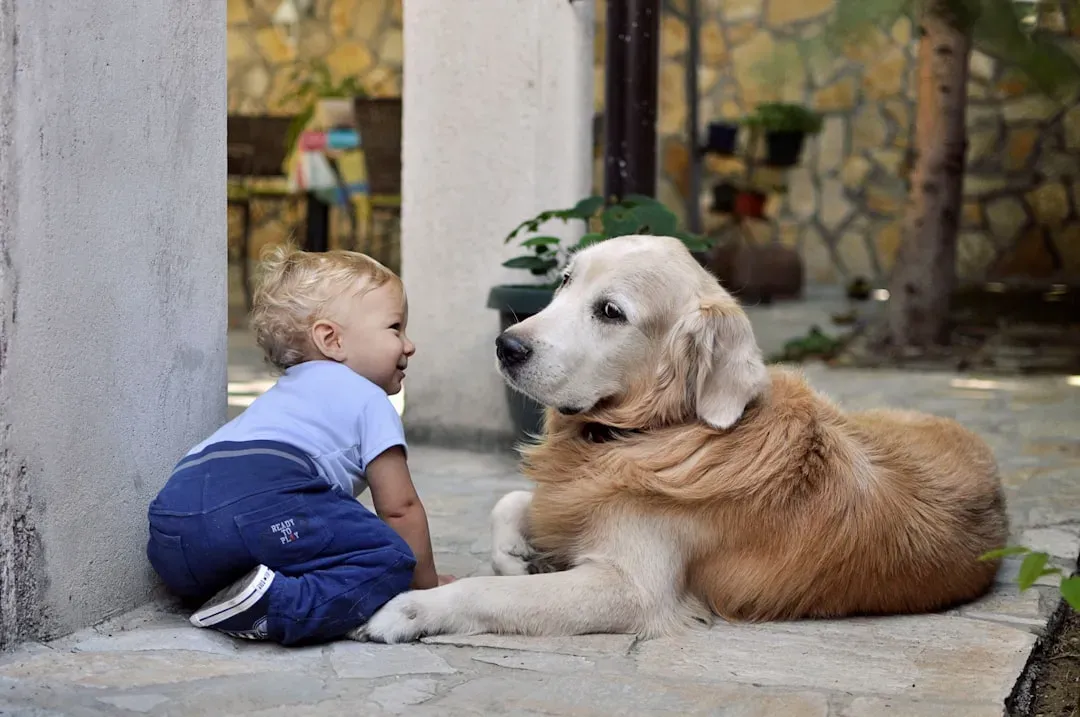
This is one of the most underrated gifts a family dog can give. Caring for a dog helps children learn empathy, patience, and responsibility. Daily tasks such as feeding, grooming, and playing with the dog reinforce cause-and-effect learning in children.
A study found that children aged two to five who lived with a dog showed more prosocial behaviors such as sharing and cooperating with siblings. These findings align with broader human-animal bond research indicating improved emotional intelligence and reduced aggression in dog-owning children. That is not a small thing. That is character being shaped, one dog walk at a time.
13. Your Dog Becomes Attuned to Your Emotions Like a Compass

When your dog is deeply woven into your family life, something remarkable starts to happen. They begin to read you. Dogs are known for their attunement to human emotions. They can sense when their owners are sad or anxious and often respond with comforting behaviors such as physical proximity, licking, or nuzzling.
Research suggests dogs are sensitive to our emotional states, as well as our social gestures. Some people call it instinct. Some call it a superpower. Either way, a dog who is truly part of your family develops this gift to a remarkable degree, becoming almost like a living emotional barometer in your home.
14. The Whole Family Feels a Deeper Sense of Purpose and Routine
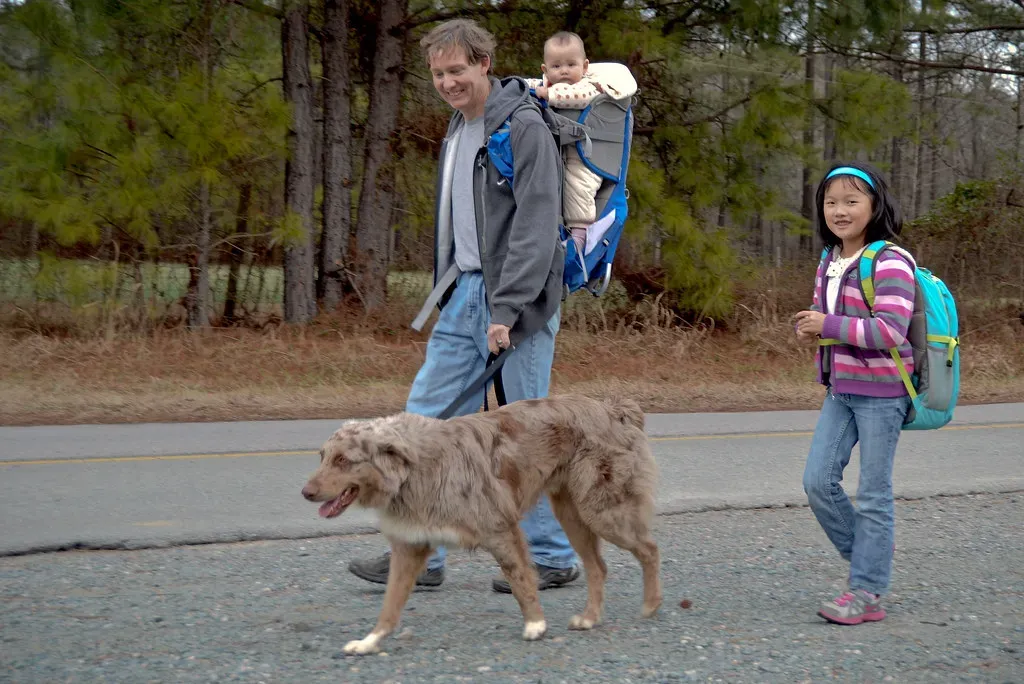
Dogs need feeding, walking, playing, and tending. And honestly? That structure is good for people too. The routine and responsibility of caring for a dog can provide structure and purpose, particularly beneficial for individuals dealing with mental health challenges.
The responsibility of caring for a dog instills a sense of purpose and routine, further enhancing overall well-being. Think about it like having a small, joyful anchor to your day. You have to get up. You have to go outside. You have to show up. There is something quietly powerful about that kind of accountability built on love.
15. The Bond You Build Becomes One of the Most Meaningful of Your Life
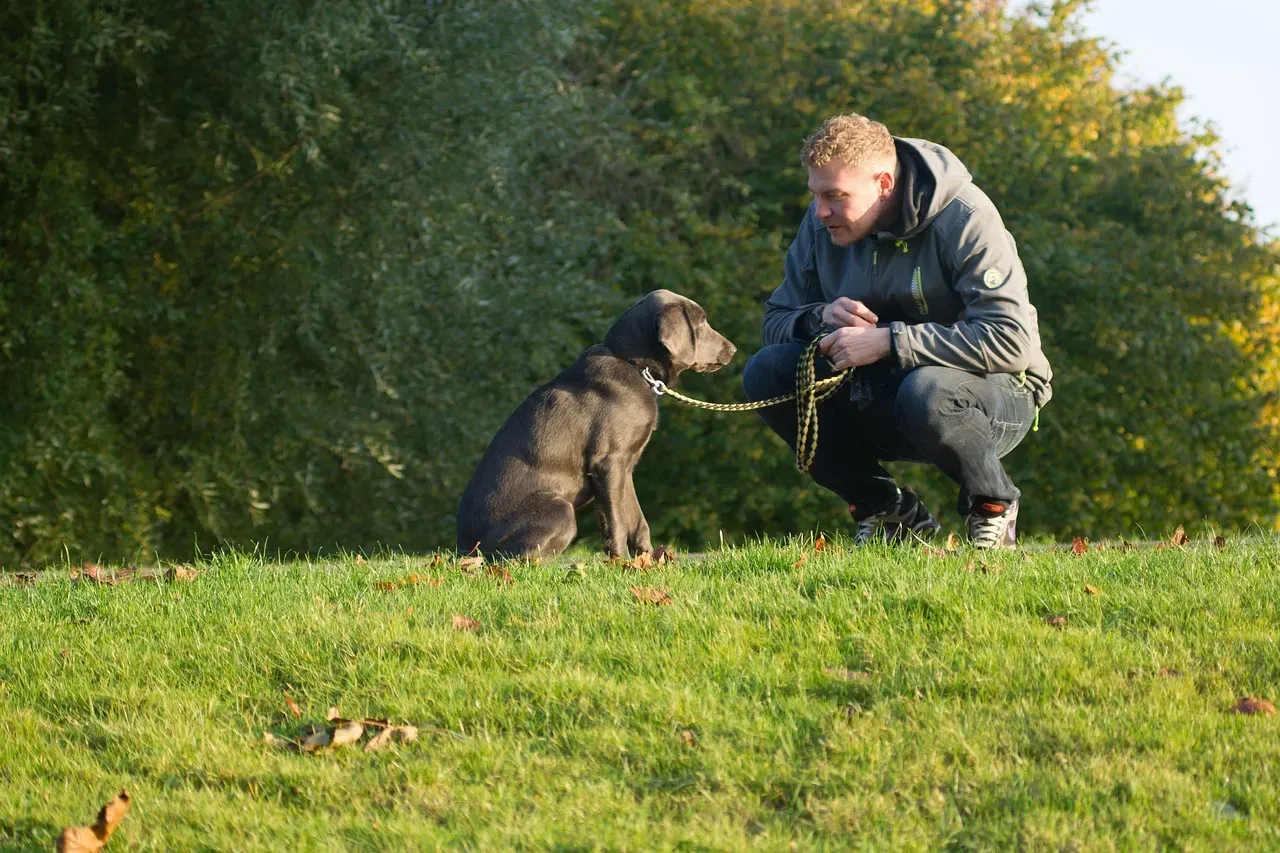
Research has demonstrated that dog owners often report higher satisfaction and emotional support from their dogs compared to most human relationships, with the notable exception of bonds with their own children. That is extraordinary when you sit with it for a moment.
Gradually, in many cultures, the primary role of dogs has become that of companions, leading to a bond characterized by loyalty, trust, and amity. This is possible because dogs developed the ability to form attachments with us in ways that we easily recognize and respond to, similar to the ways we bond with one another as humans. , you are not anthropomorphizing or being sentimental. You are participating in one of the oldest and most beautiful partnerships in human history.
A Final Thought Worth Sitting With
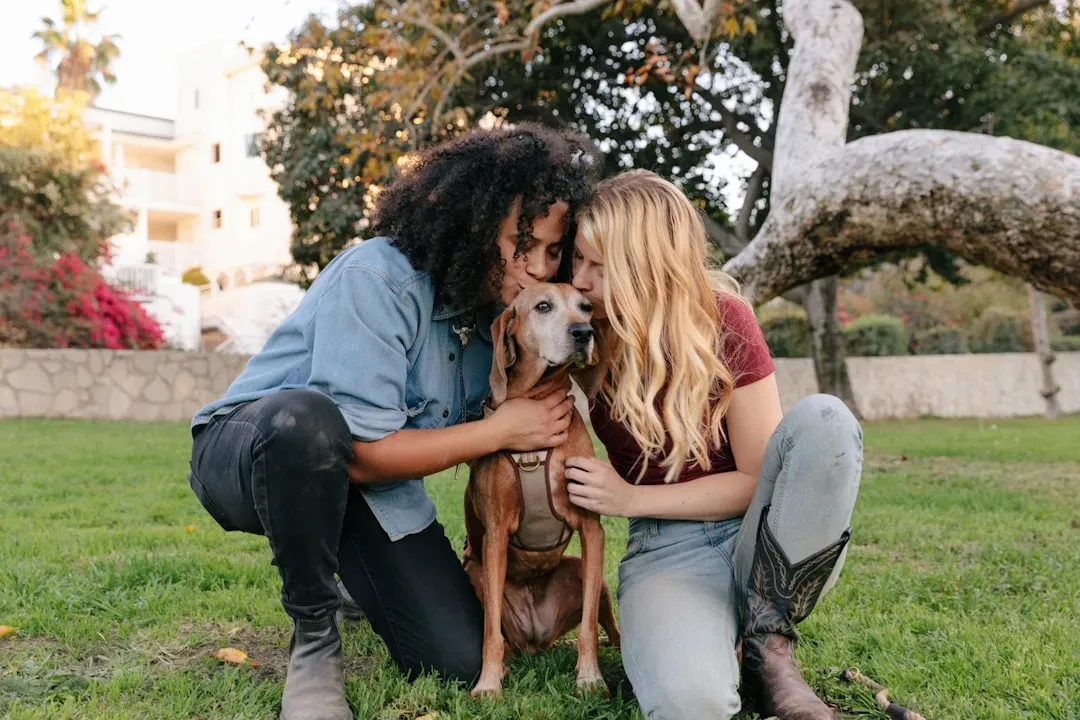
Treating your dog like family is not about spoiling them or crossing the line into losing sight of their needs as a dog. It is about showing up for them. Meeting their emotional, physical, and social needs with the same intention and care you would bring to any relationship that matters.
The rewards are not one-sided. Your health improves, your mood lifts, your home feels fuller, and your dog thrives in ways that are visible and measurable. Humans gain stress relief, emotional stability, and enhanced social bonding, while dogs enjoy a calmer, more secure emotional state. It is a rare kind of relationship where both parties are genuinely, deeply better for the other.
So the next time someone raises an eyebrow at how much you love your dog, you can smile knowingly. Science has your back, your dog has your heart, and honestly, that is more than enough. What is one small way you plan to make your dog feel even more like family starting today? Tell us in the comments, we would love to hear your story.


