

You brought them home. Maybe their tail was low, maybe they pressed themselves against the wall, maybe they refused to eat. Or perhaps they bounced around nervously, unable to settle. Every rescue dog tells a different story, and not all of those stories are easy to read at first.
Here’s the thing though – most people who adopt a rescue dog have their hearts absolutely in the right place. The problem isn’t love. It’s some very natural, very human mistakes that can accidentally slow a dog’s healing, sometimes without us even realizing it. The good news? Every single one of them is avoidable. Let’s dive in.
1. Rushing the “Getting to Know You” Phase
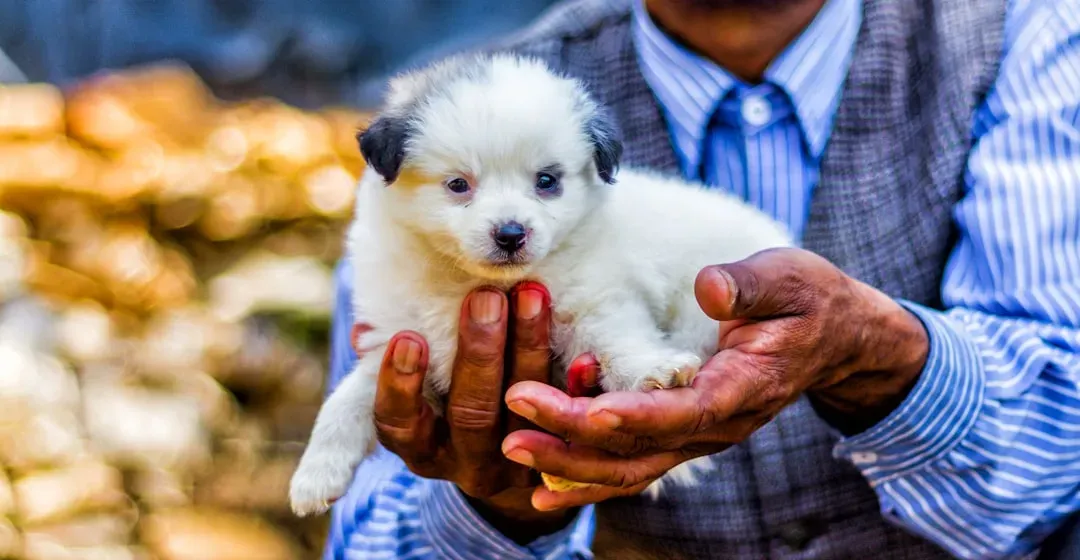
During the first three days, your newly adopted dog will likely feel extremely overwhelmed. It’s completely normal for them to act scared, barely eat or drink, hide in a crate or under furniture, or test your boundaries with their behavior. Imagining this from the dog’s perspective is helpful – it’s like being dropped into a stranger’s house with no explanation, no familiar smells, and no way to communicate your confusion.
One of the best frameworks to follow is the 3-3-3 rule: three days, three weeks, and three months, considered rough transition periods in your dog’s process of becoming comfortable in their new home. Not every dog will follow this rule exactly, and some may take less or more time to settle in. Be patient. Healing doesn’t run on your schedule.
2. Punishing Fear-Based Behavior
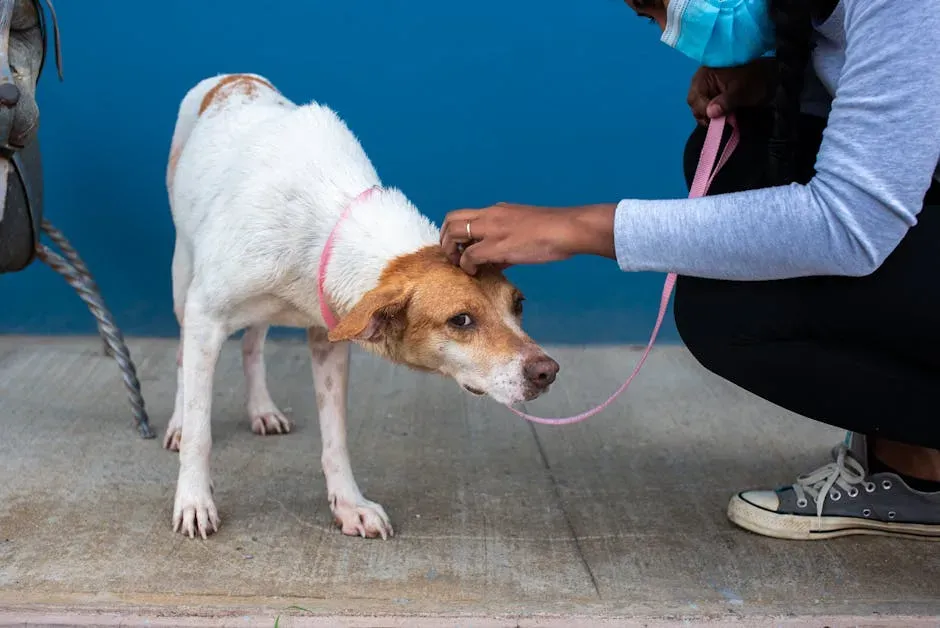
Never punish a fearful dog for being scared – they aren’t being stubborn, they’re surviving. When a rescue dog growls, hides, or snaps, they are not “misbehaving.” They are communicating the only way they know how. Punishing that communication shuts down the one language they have.
Signs of distress can include growling, barking, snapping, or biting. It’s important to recognize that this behavior is not a sign of a “bad” dog, but rather a coping mechanism developed to survive in a threatening environment. Proper training and a compassionate approach can help address and reduce these behaviors. Respond with calmness, not correction.
3. Forcing Physical Contact
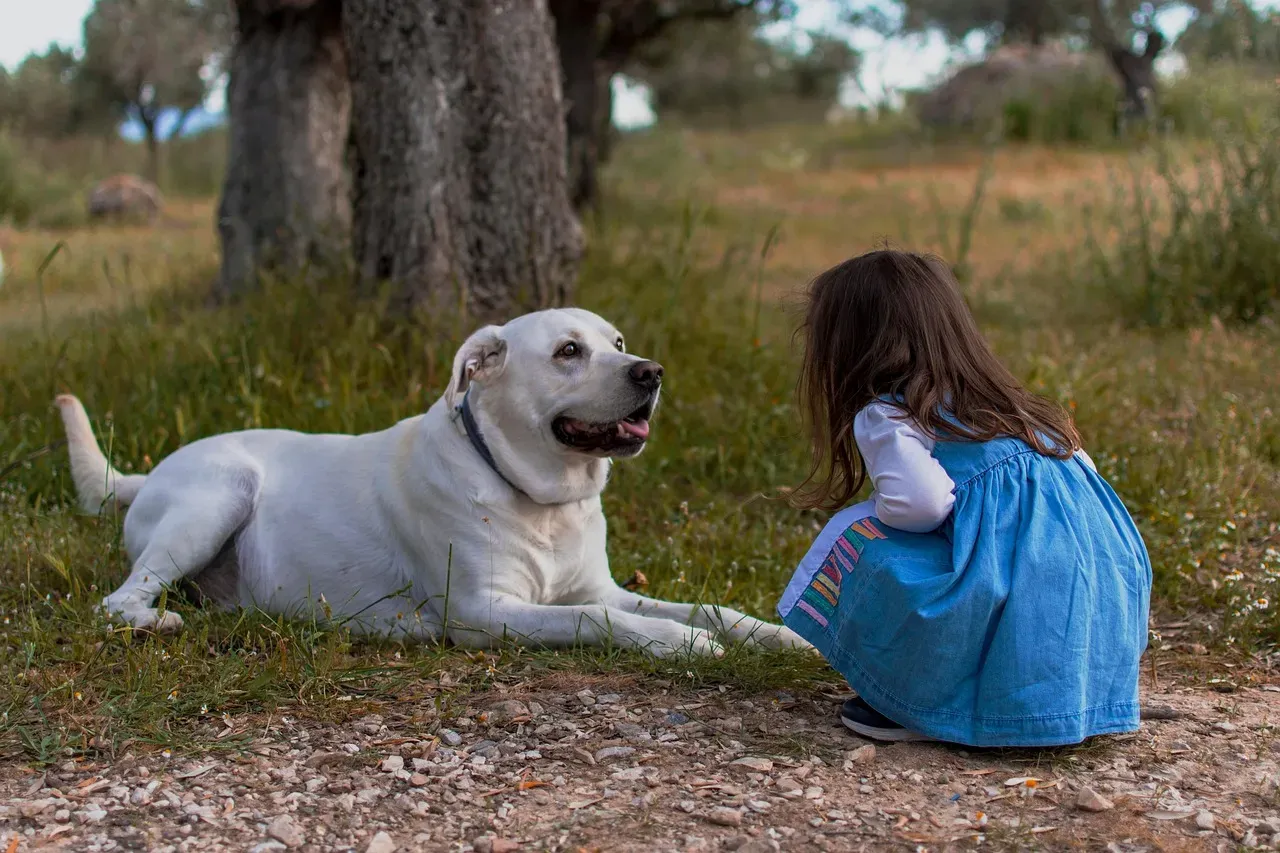
Some dogs don’t want to be touched, so you shouldn’t touch them. All of us have the desire to comfort the animal, but the key is to observe carefully and ask what this particular dog wants – what is he asking us to do or not do, based on his body language and response to our presence? Honestly, this is one of the hardest things for dog lovers to do. Holding back feels unnatural when all you want to do is hug them.
If you have a shy dog, try sitting in the middle of the floor, avoiding eye contact. Keep calm and speak in a warm, happy voice until your new dog gains some confidence. As their curiosity takes over they’ll come closer. Extend an outstretched hand, palm up, with a small treat in the center and let your dog take it from your palm. Let them come to you. Every time they do, it’s a gift.
4. Overwhelming Them with Visitors Early On
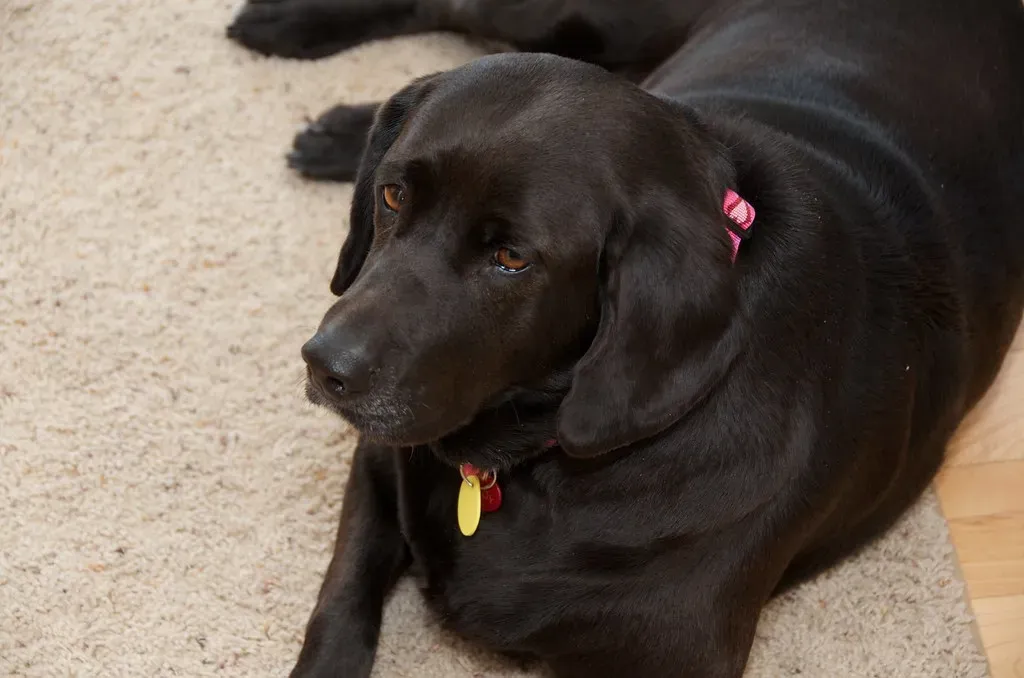
Avoid having guests until your new dog is more settled. This allows the dog time to bond with you, their new family, and learn the routine. The first interactions in the home should be calm and quiet. Think of it this way – your home is a new country to them, and you are the only familiar face. Flooding that safe zone with strangers early on can reset progress significantly.
Your rescue dog has a lot to explore and learn about in their new home, so too many new faces and personalities could be overwhelming for them. For the first few days, it might be best to keep your rescue dog separate from other pets and young children. As they adjust to their surroundings, you can gradually show them their new family members. Give them breathing room first.
5. Skipping the Vet Check
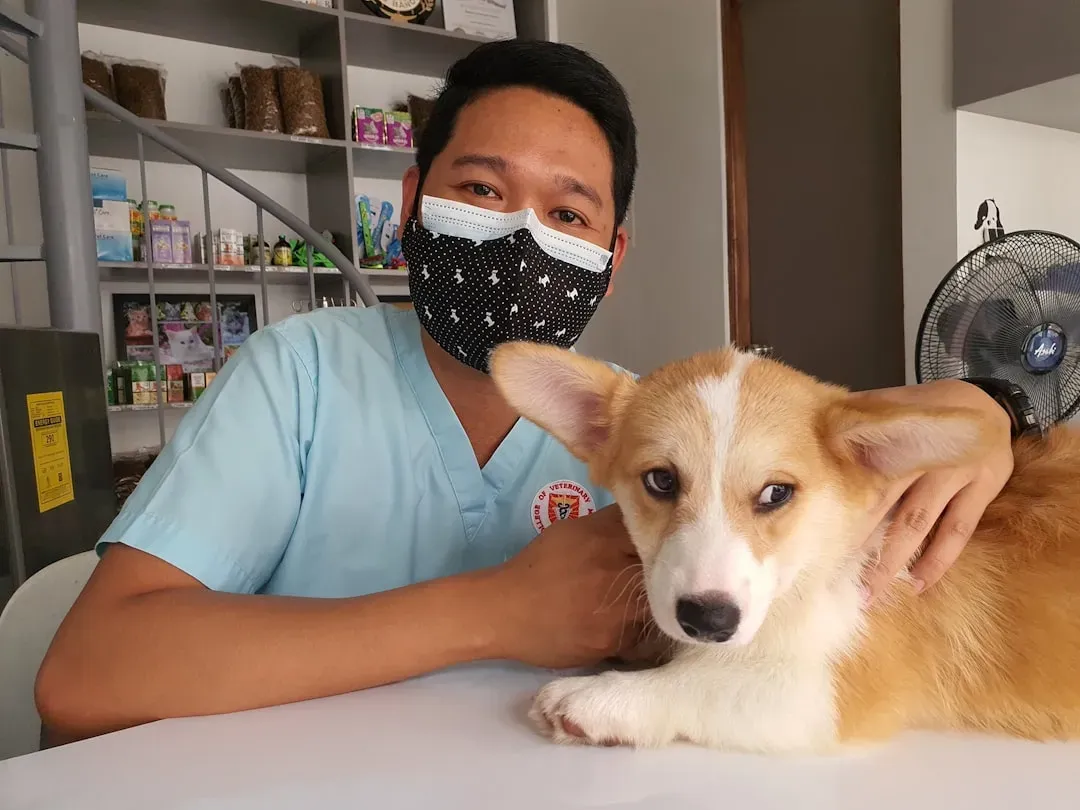
Trauma can manifest in physical symptoms. Dogs may experience weight loss, poor coat condition, or frequent illnesses due to stress impacting their immune system. Additionally, they may have gastrointestinal issues such as diarrhea or vomiting, which can be stress-related. Physical neglect or abuse from their past can also result in visible scars, wounds, or other health issues that need medical attention. Regular veterinary check-ups and a proper diet can help address these physical manifestations of trauma.
A vet visit is an important item to have on your checklist when adopting a rescue dog. Many dogs encounter high-stress situations in the shelter, and may have been neglected or found on the streets. This can come with a variety of health issues ranging from fleas and ticks, to being underfed or having illnesses such as kennel cough. A dog in physical pain simply cannot heal emotionally – both must be addressed together.
6. Ignoring Their Body Language
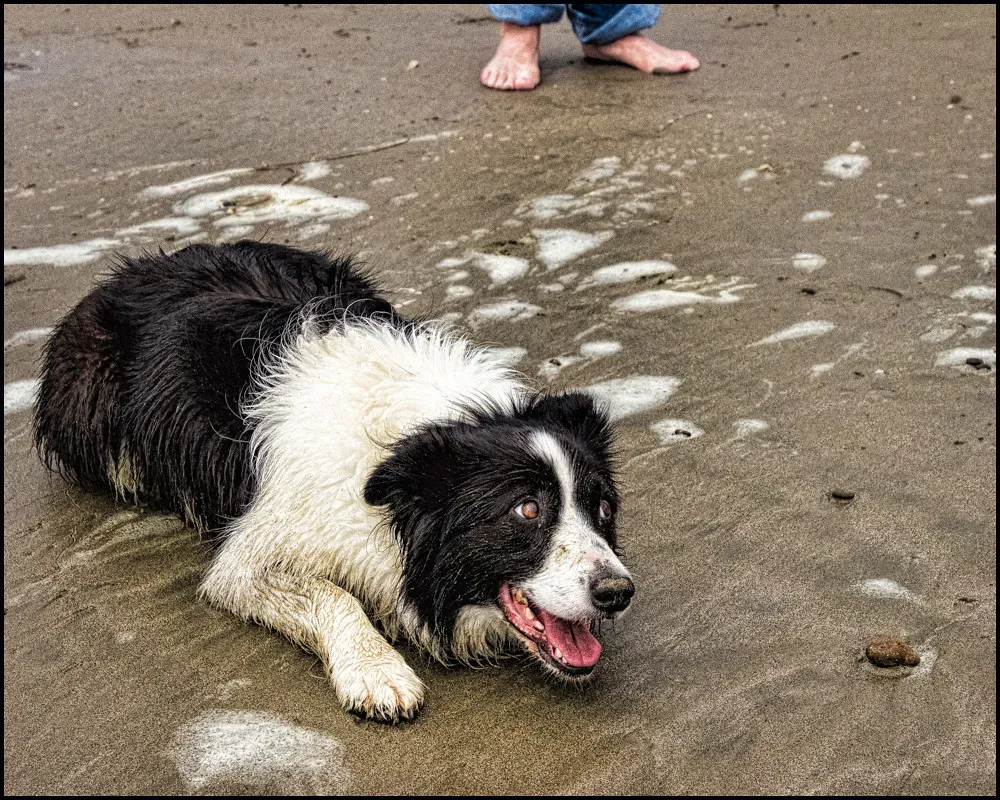
Traumatized dogs are more likely to excessively bark, show fearfulness on walks, react in an extreme way to noises, and display food and toy possessiveness and attention-seeking behavior. These aren’t quirks or personality traits to simply tolerate. They are signals. A dog tucking their tail, yawning excessively, licking their lips, or whale-eyeing you is asking for a little more space.
To identify when your approach is successful, look for relaxed body language, interest in normal activities like food-based enrichment and toys, interaction with other dogs or with people, and deep, restful sleep. Those signs of ease? That’s how you know you’re getting it right. Celebrate them quietly and keep going.
7. Removing Their Safe Space
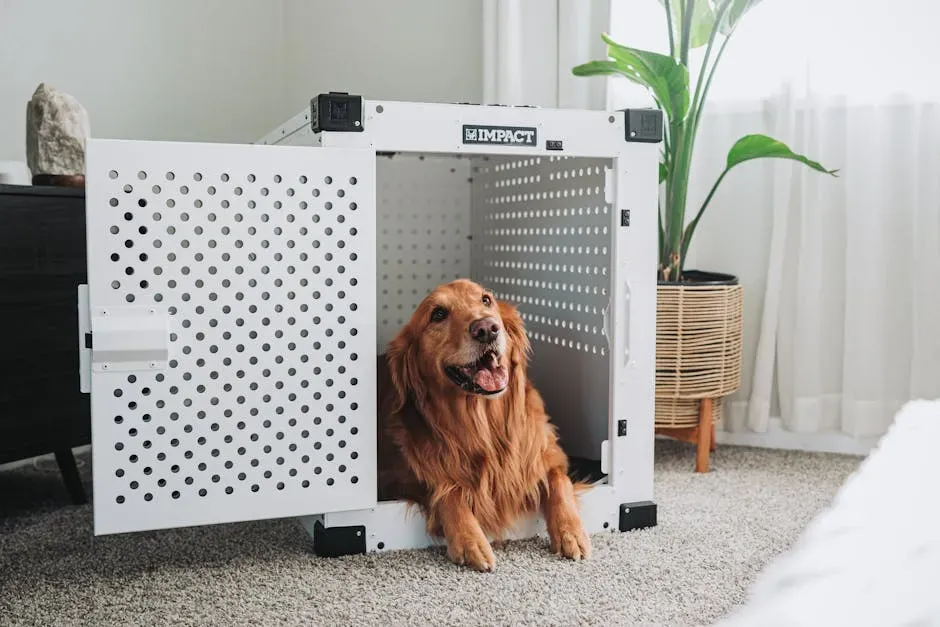
After a stressful event, it’s crucial to offer your dog a calm, safe environment where they can relax. Aim for this space to be free from additional stressors to allow them to decompress fully. That crate, that corner bed, that tucked-away spot under the stairs – these are not signs of a dog being antisocial. That is their sanctuary, and it matters enormously.
When your dog is in its safe space, please do not disturb them or allow other family members to do so, as this could make your dog feel cornered. As your rescue pup becomes more confident and feels more at home, they might let other pets or children join them in their safe space. That graduation happens on their timeline, not yours.
8. Using Punishment-Based Training Methods

Attempts to dominate a dog, cause them pain, or force their compliance can cause trauma. Because these experiences can leave lasting marks, there’s a growing movement of fear-free and force-free professionals who are working to change the way dogs are handled, making care less frightening, less forceful, and far less likely to traumatize them. For a rescue dog who may have already experienced harsh handling, punishment-based training can be devastating.
Positive reinforcement is your most effective tool for building trust and teaching your dog that social situations lead to good experiences. By consistently rewarding desired behaviors, you create a foundation of safety and confidence for your dog. This is especially important if they’re dealing with fear or anxiety. Keep training sessions short, cheerful, and loaded with high-value rewards. Think chicken. Think cheese. Think success.
9. Ignoring Stress Triggers

A traumatized animal has a higher likelihood of becoming re-traumatized if they re-encounter major stressors. Understanding your companion’s triggers is beneficial in helping prevent these episodes. Maybe it’s men in hats, maybe it’s raised voices, maybe it’s a broom being picked up. Whatever the trigger, knowing it helps you manage the environment before things escalate.
Having a clear understanding of what triggers your pet’s fear or anxiety will help you avoid it and develop a behavior modification plan. Until you can start on a treatment program, it’s important to avoid your pet’s known triggers, as continual exposure will only cause your pet to suffer and can increase their level of fear. Avoidance isn’t failure. It’s management, and management buys healing time.
10. Throwing Them Into the Deep End Socially

Dogs who have experienced abuse or trauma may become easily frightened or anxious, particularly around unfamiliar people, animals, or environments. They lack emotional resilience. Tossing a fearful rescue dog into a busy dog park or a loud family barbecue hoping they’ll “get used to it” is a bit like expecting someone who’s terrified of heights to heal by being pushed off a ledge.
Socialization is important, but it must be done thoughtfully with rescues. Gradually introduce them to new sights and sounds. Start with quiet walks in your neighborhood before heading to a busy park. Small, successful exposures build real confidence. Big, chaotic ones often just confirm their worst fears.
11. Projecting Your Own Anxiety onto Them
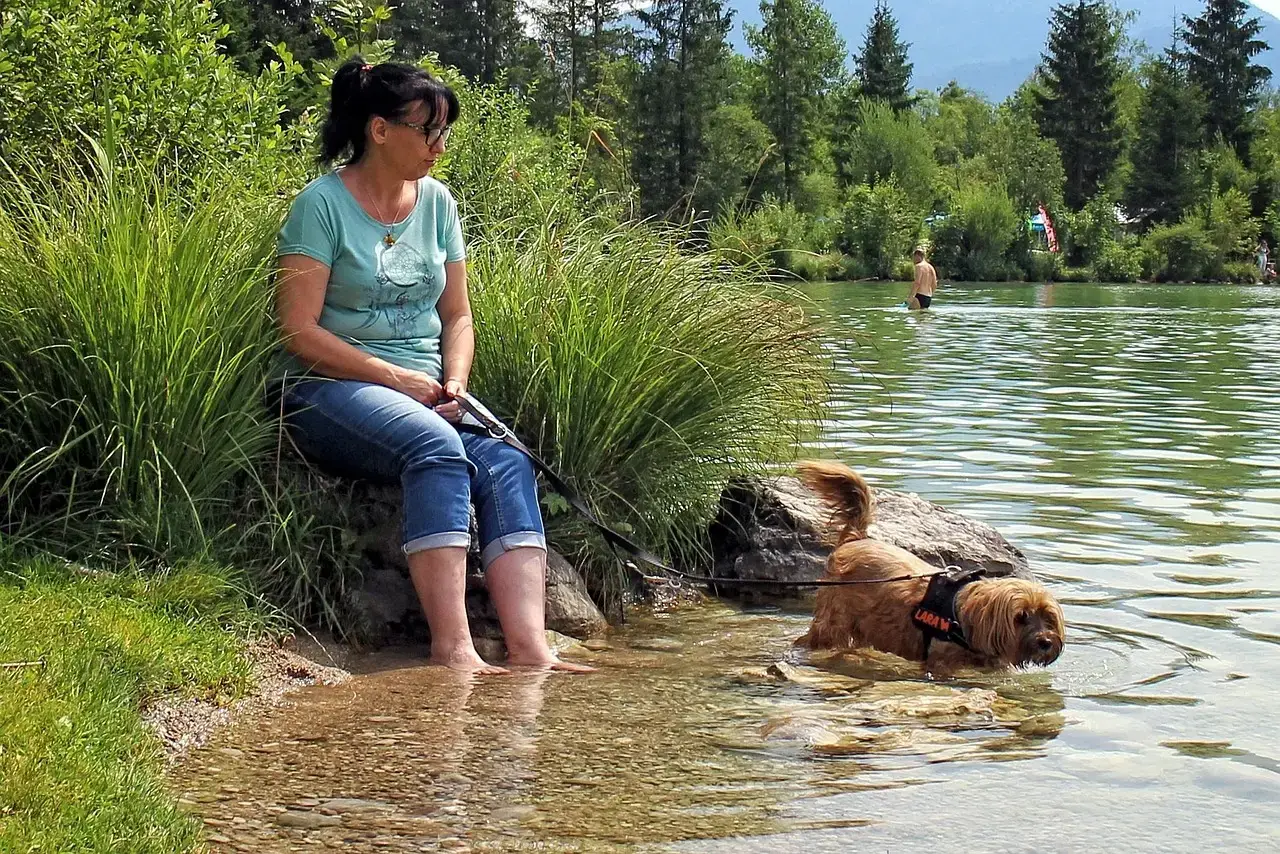
Our posture, voice tone, body tone, and pheromones are speaking to our dog all the time. If you’re anxious, stressed, frustrated, or even just distracted, they sense that and take their lead from you. Though it can be tough in the early days, try to exude calm confidence during training – it can have a huge impact on how they respond. This is especially challenging in the early weeks when you’re desperately hoping everything goes smoothly. Yet your dog needs you to be their anchor, not another wave.
Dogs pick up on our emotions, so if you’re anxious or stressed, they’ll feel it too. This can make their anxiety worse. Practice calm breathing. Slow down your movements. Speak softly. It genuinely helps, not just the dog, but you too.
12. Abandoning Routine
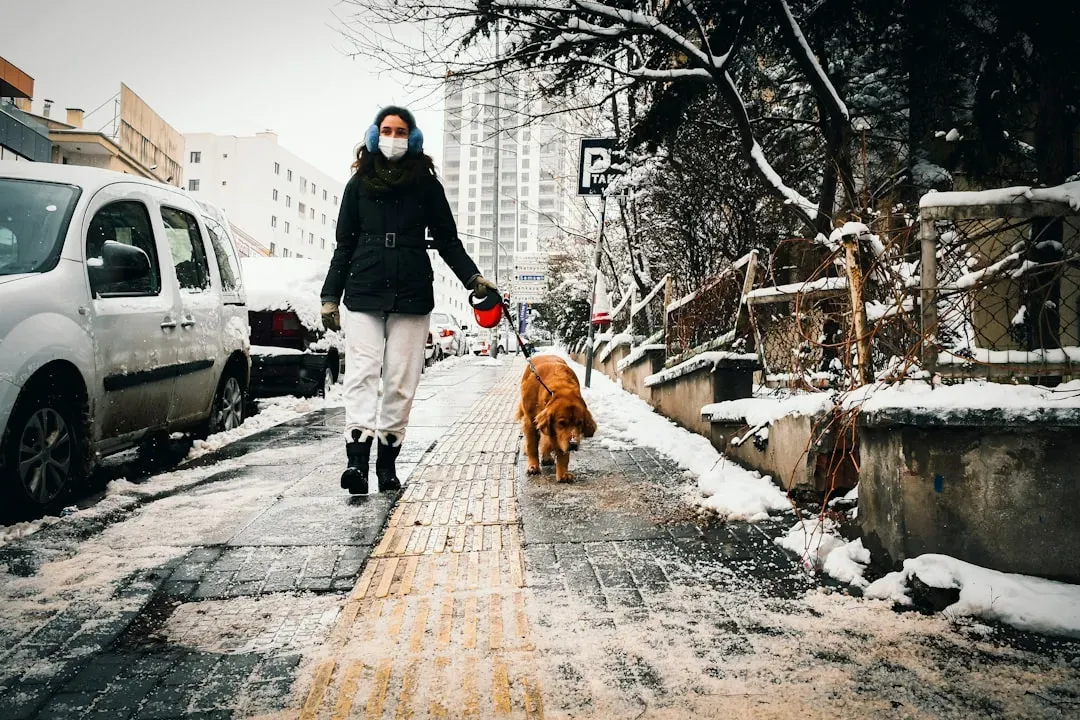
Routine can be soothing and reassuring to pets and people alike. When you bring a rescue pup home, you should try to create a routine for them as soon as possible. That means setting a time for when they eat, when they go for walks, and when the lights go out at night. By creating a routine, you’ll make your dog feel calm and allow them to feel reassured that they know when their next meal is coming.
Rescue dogs thrive on structure, so establish a regular routine from the start. Set consistent times for meals, walks, and potty breaks. This helps your dog feel more secure, as they will begin to understand what to expect throughout the day. Think of routine as your dog’s emotional safety net. Without it, every day feels like uncertainty all over again.
13. Expecting Linear Progress

Just because it seems like they are adapting doesn’t mean they won’t have a regression and feel high levels of stress a couple of days later. Traumatic events live in the body and can be triggered unexpectedly. This is one of the hardest emotional realities of rescue dog ownership. You think you’ve turned a corner, and then something seemingly small – a car backfiring, a stranger’s scent – sends them spiraling back.
It’s normal for rescue dogs to have setbacks during the settling-in process. Accidents may happen, or they might revert to shy or fearful behavior temporarily. Stay patient and consistent, knowing that each step forward is progress toward a more confident and happy dog. Setbacks are not failure. They are simply part of the journey, and they don’t erase the progress already made.
14. Delaying Professional Help
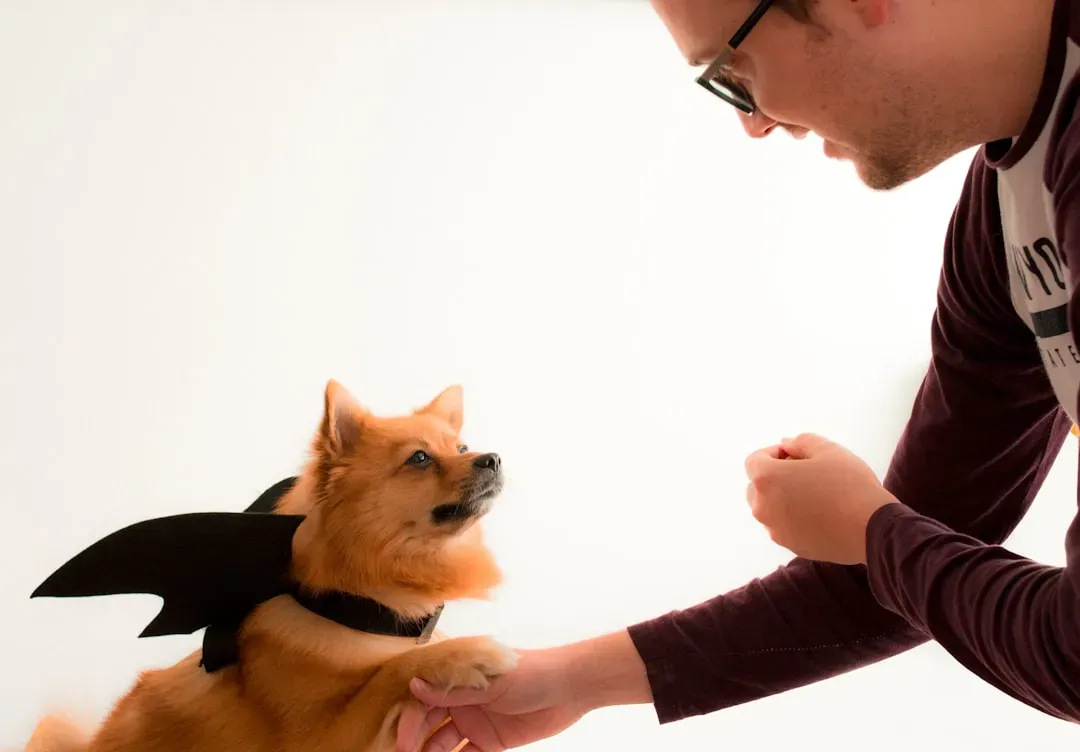
Desensitization and counter-conditioning is an effective treatment for fear and anxiety-related disorders. However, these techniques need to be applied correctly. When used incorrectly, they can cause a worsening of the animal’s fears. This exercise should only be done under the supervision of a veterinary behaviorist or certified applied animal behaviorist. There’s real risk in trying to DIY complex trauma work without proper guidance.
Certified dog behaviorists play a crucial role in working with dogs affected by PTSD. They focus on complex emotional and trauma-related behaviors, conduct thorough assessments to understand a dog’s history, identify triggers, and design personalized treatment plans. Force-free trainers prioritize building trust and ensuring safety, creating a supportive environment for learning and emotional recovery. Asking for help is never a sign of failure. It’s one of the most loving things you can do.
15. Giving Up Too Soon

The adjustment period is specific to the dog. Although a dog who hasn’t undergone trauma may adjust to something in days, it can take an abused dog three to six months or more to adjust to a new environment, new people, and so on. I know it sounds daunting. But think about what that dog has already survived. They haven’t given up. They’re trying every single day.
Trauma isn’t erased with commands – it heals through compassion, time, and safe, predictable environments. Progress may be slow, but each milestone is proof that love is working. Celebrate these moments – they’re signs of transformation. A first tail wag. A voluntary cuddle. Eating calmly from your hand. These aren’t small things. They are everything.
The Takeaway: Healing Is a Love Language
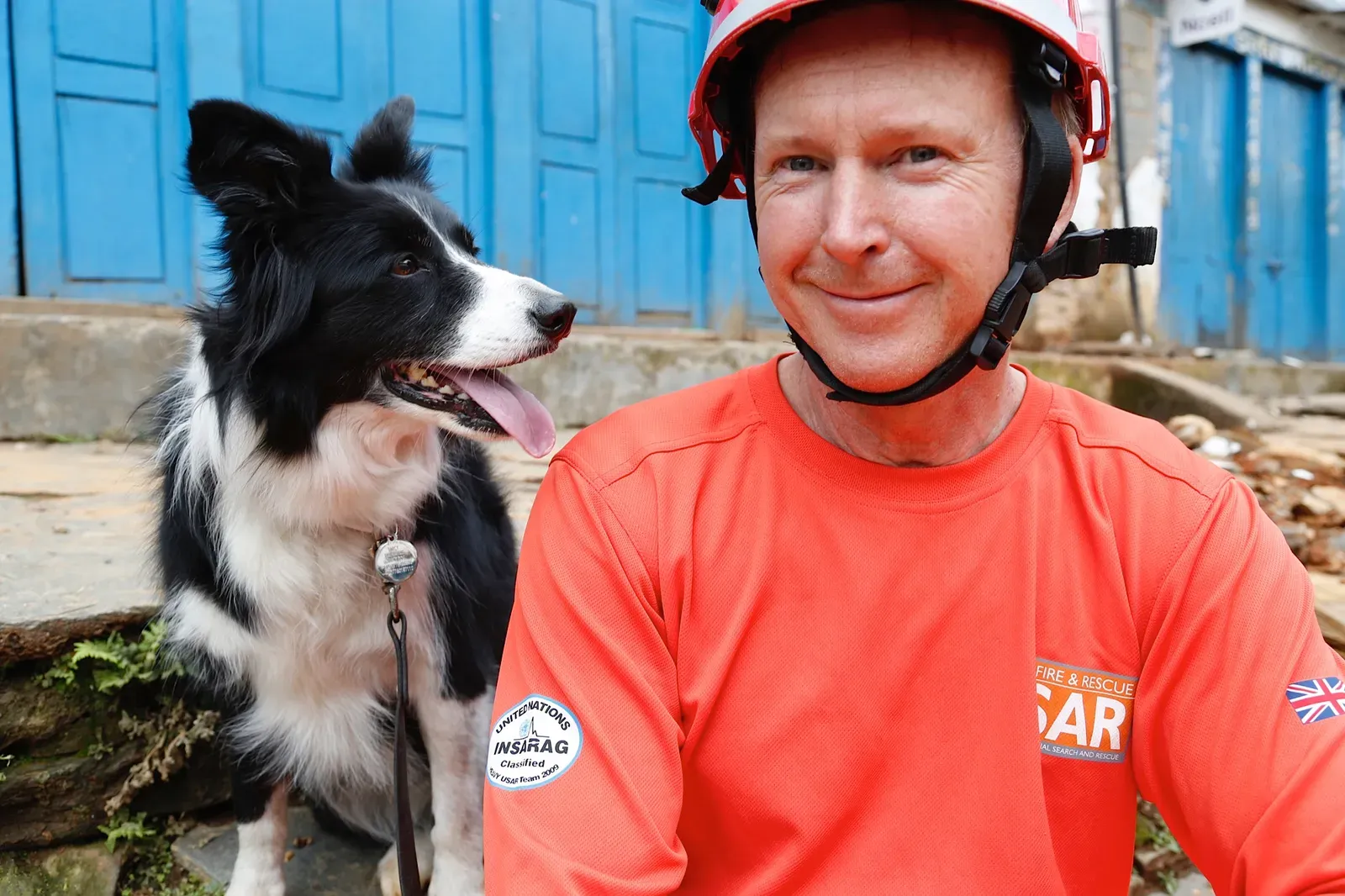
Rescue dogs don’t come with a reset button. They come with a history, a nervous system shaped by experiences you may never fully understand, and a heart that still, somehow, wants to trust again. That’s remarkable when you really think about it.
The 15 things on this list aren’t rules meant to make you feel guilty. They’re invitations to show up differently, more patiently, more gently, more intentionally. Every single day you choose to be consistent, calm, and kind is a day that dog learns the world is a little safer than it used to be.
Your rescue dog chose you too, in every quiet way a dog can. What would you be willing to do differently starting today?


