
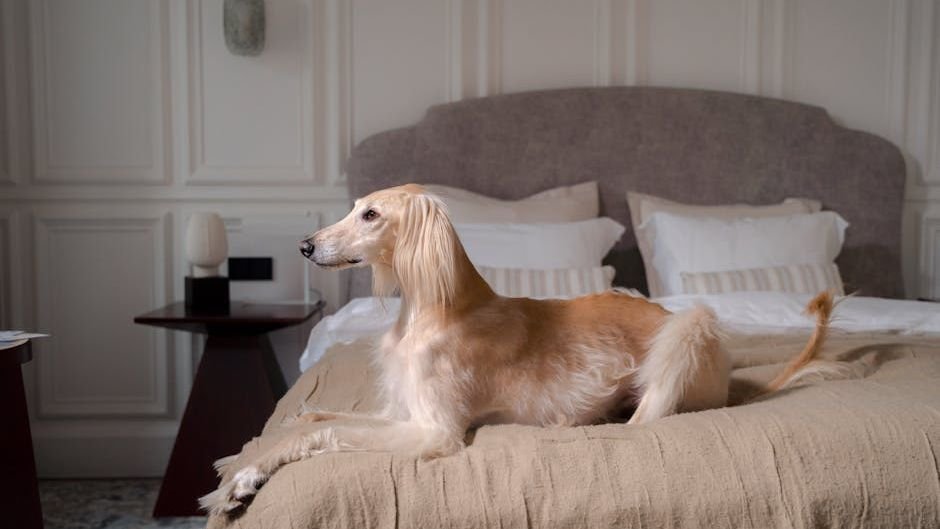
There’s a specific kind of chaos that comes with owning a dog who just refuses to behave. You call their name. They look at you. Then they go back to doing exactly what they were doing before. Sound familiar? If you’re nodding your head right now, welcome to the club. Dog ownership, especially with certain breeds, can feel like a full-time job wrapped in fur, puppy eyes, and a wagging tail that makes you forgive everything immediately.
The breeds on this list are notoriously troublesome. They dig, escape, bark, steal socks, and occasionally ignore every command you’ve ever tried. Yet somehow, their owners wouldn’t trade them for anything. So let’s dive in and meet the 15 lovable troublemakers who have stolen hearts all over the world.
1. Siberian Husky: The Beautiful Escape Artist
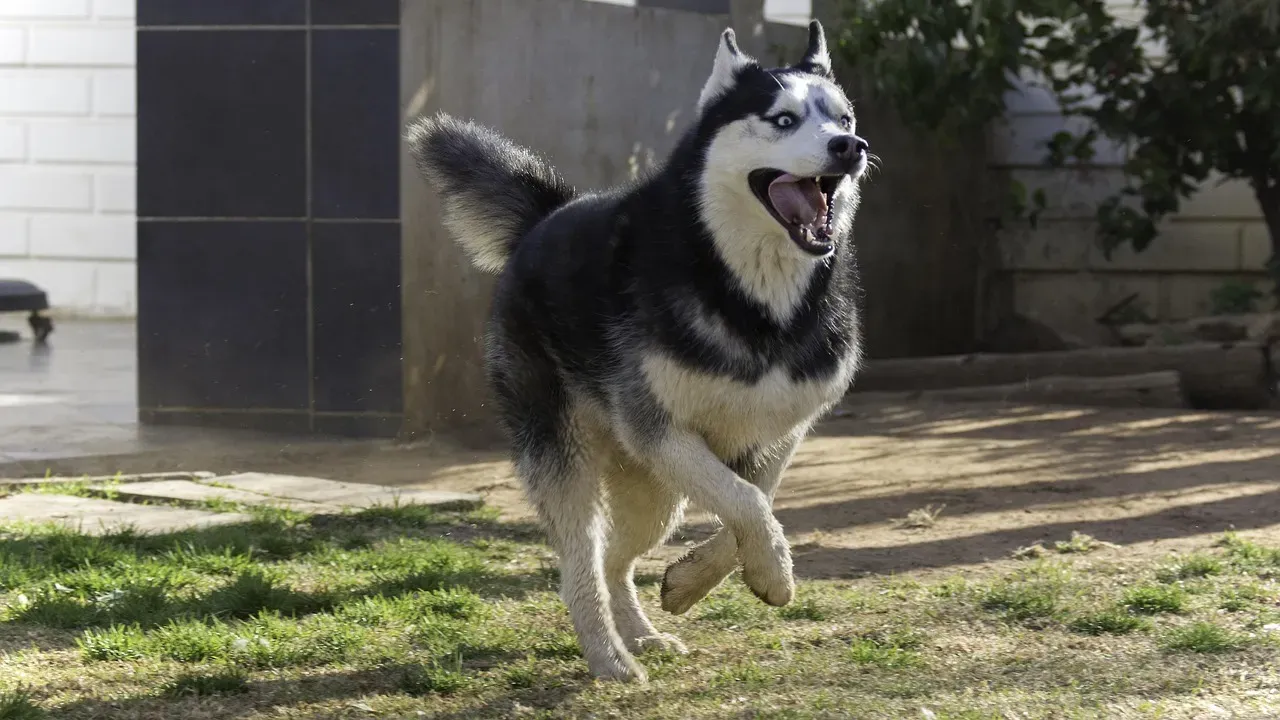
Huskies are demanding, strong-willed, and stubborn, making training them anything but a walk in the park. They were developed to be sled dogs capable of traversing long distances, which means their endurance and independent streak run deep. If you’ve ever watched a Husky completely ignore a perfectly good recall command just to go investigate a smell across the yard, you know exactly what I’m talking about.
If Houdini was a dog, he’d be a Siberian Husky. These dogs are notorious escape artists who require plenty of dedicated training and a secure environment to keep their escapades in check. They are also extremely vocal dogs who love the sound of their own voice and aren’t afraid to express their feelings through whines, chirps, or howls. That howling at 2 AM? Just their way of saying hello. Sort of.
2. Beagle: The Nose That Never Listens
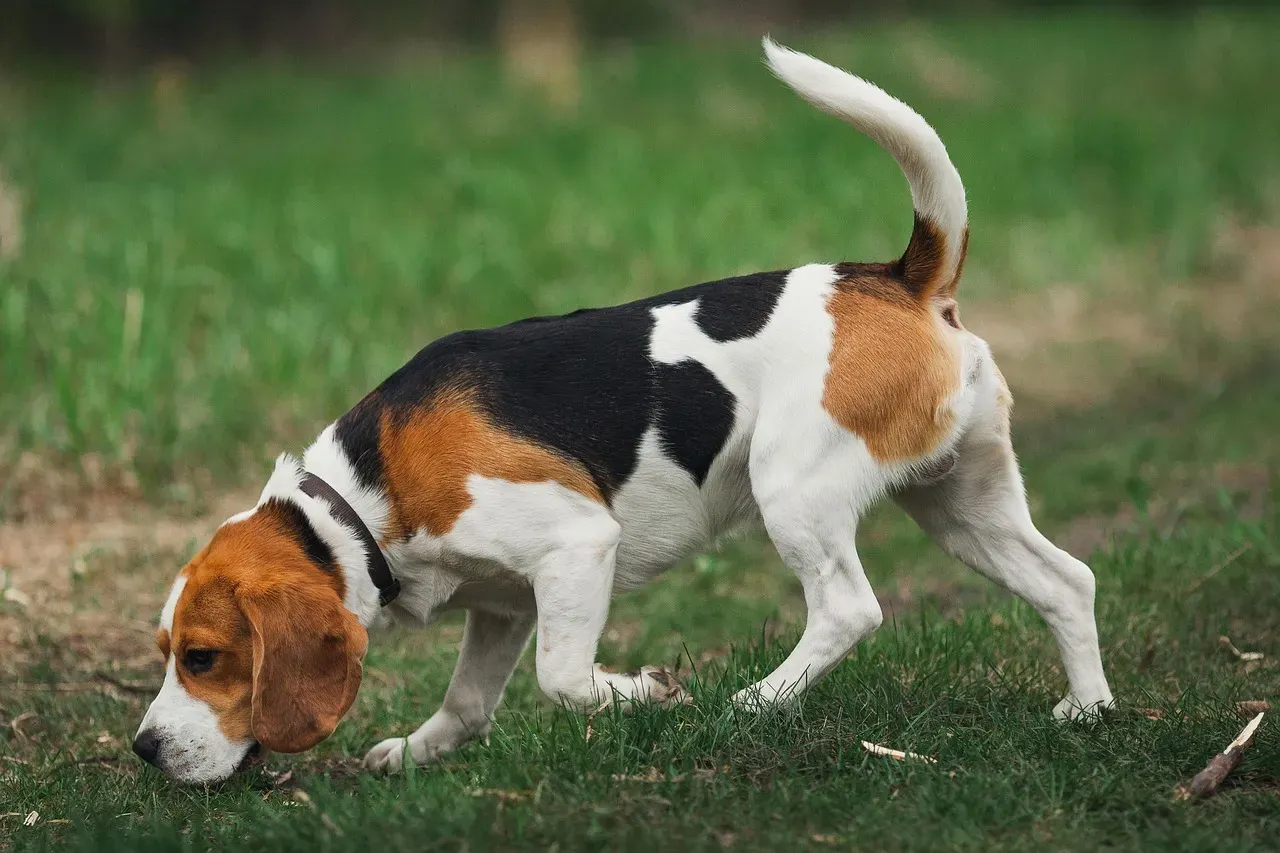
The Beagle is one of the best family dogs around, which is no surprise considering their happy-go-lucky nature and utter cuteness. As sweet and friendly as this breed is, they aren’t always the easiest to train. Most of the reason comes down to a common hound problem: getting distracted by scents and wanting to trace the source. Honestly, watching a Beagle follow a trail with laser focus is both impressive and incredibly frustrating.
Beagles are highly stubborn, apart from being friendly, playful, and curious. They have a strange trait of running into anything they find adventurous and ignoring commands. Despite being one of the most stubborn dogs, a Beagle will make an excellent pet for your family. The good news is that the Beagle is incredibly food-motivated, so having high-value rewards on hand during training will help immensely.
3. English Bulldog: The Lovable Couch Rebel

With their wrinkly mugs, squat build, and signature waddle, Bulldogs are impossible to mistake for any other breed. Don’t let that grumpy face fool you. These chunky charmers are loyal, lovable, and full of personality. They’re the kind of dog that will happily sprawl across your lap, all 50 pounds of them, convinced they’re still a lapdog.
Bulldogs can be exceptionally stubborn, and they won’t budge a muscle if they’re not interested in what you want them to do. Even if their stubbornness doesn’t get in the way of their training, they tend to be slow learners with a low work ethic. Training a Bulldog is like reasoning with a toddler in a dog suit. They need motivation, patience, and clear boundaries. You’ll get there. Eventually.
4. Jack Russell Terrier: Small Body, Giant Chaos
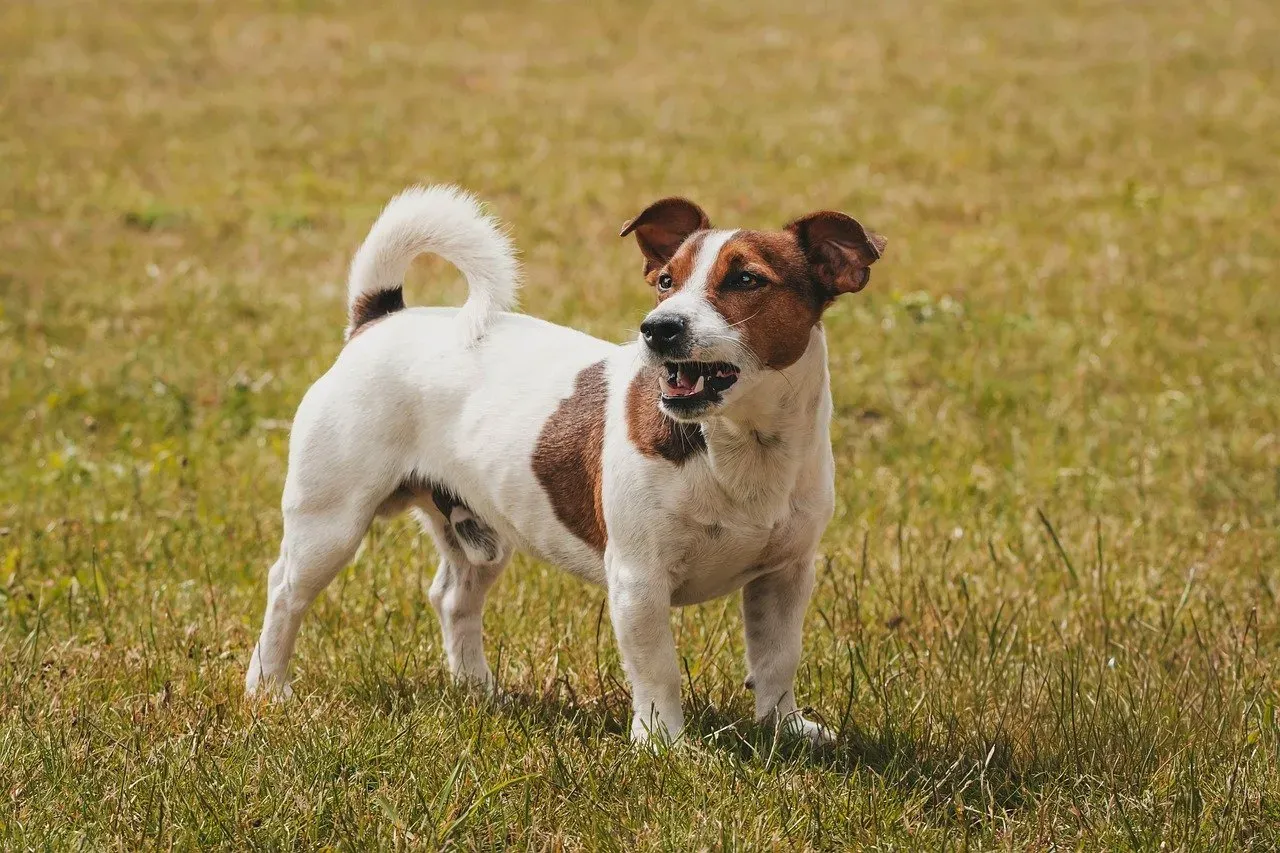
Jack Russell Terriers are feisty and energetic. They may be little, but they have big-dog personalities. Their spirited nature makes them best suited for active households and families with older children. Don’t let the cute compact body fool you. This little dog has the energy of three dogs combined, and it will be put to use whether you plan for it or not.
The traits and skills that make Jack Russells excellent hunting dogs, including digging, barking, and their aggressive nature, are often interpreted as bad habits that cause people to give them up. They require a long-term commitment to obedience, activity, exercise, and entertainment. These terriers need at least an hour of exercise every day. Without adequate stimulation, they can develop behavioral problems due to boredom or frustration, often resulting in excessive barking.
5. Dachshund: The Tiny Dog with Enormous Attitude
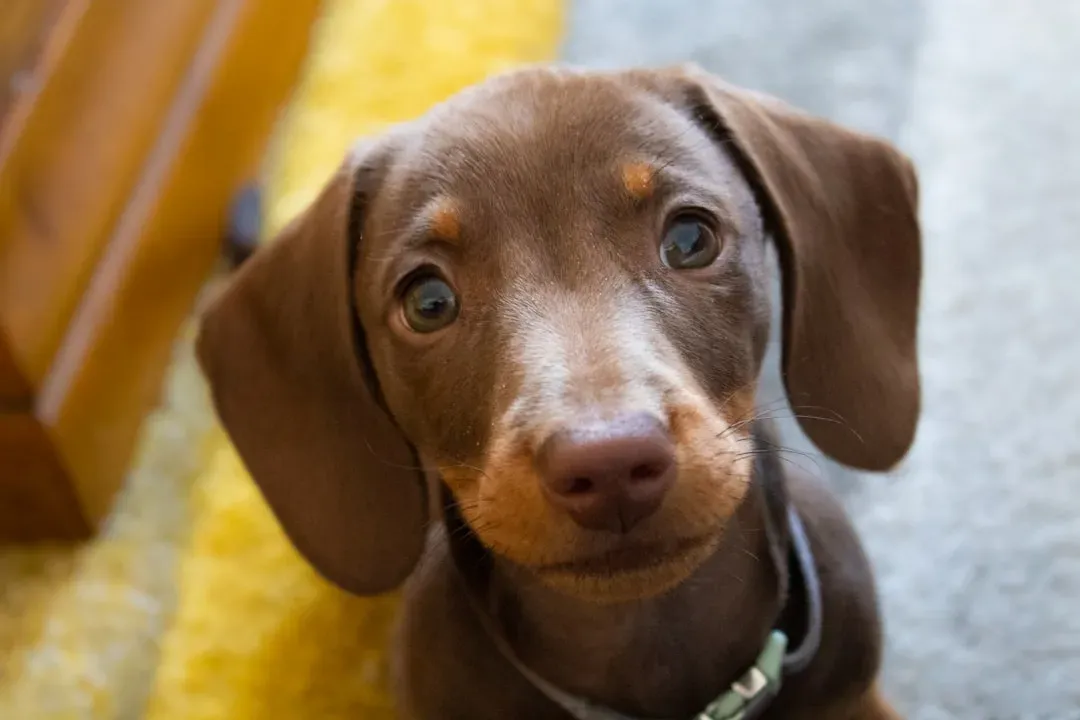
Dachshunds pack a lot of personality into their small, long-bodied frames. Built to chase badgers underground, they have a natural urge to dig and explore. Despite their size, they carry themselves like much bigger dogs, confident, bold, and full of energy. You’ll often find them sneaking off with socks or hiding toys in the oddest places, then looking totally innocent when caught.
This breed, typically known for hunting badgers, is courageous and livelier than any other dog. It is stubborn, which comes from its fearlessness. It is determined to do whatever it wants or likes and can never be tamed with commands. They’re smart but have a stubborn streak, so training takes patience and fun, reward-based methods. Because they’re prone to back problems and gaining weight, regular walks and mentally stimulating games are a must.
6. Chow Chow: The Royal Who Makes the Rules
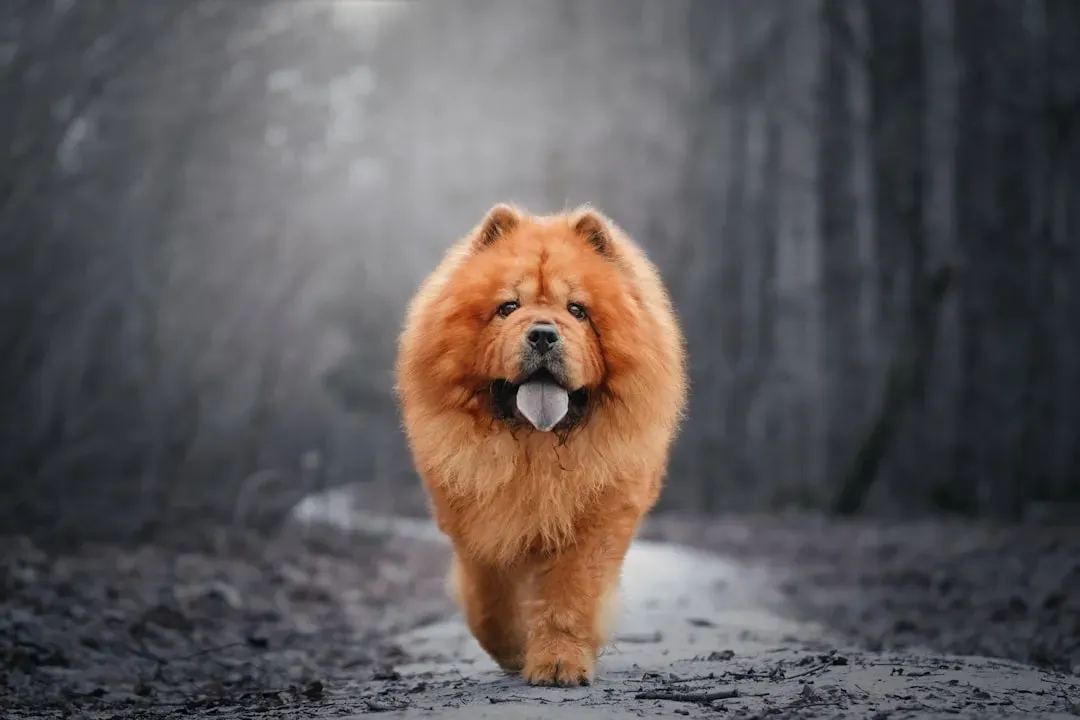
Despite their teddy-bear appearance, Chow Chows can be surprisingly territorial and strong-willed, which can lead to aggression if not handled properly. They’re loyal to their family but often suspicious of strangers, and they tend to decide who they love and when they want affection, on their own royal schedule. Think of them as the cat of the dog world, but fluffier and with a stronger bite force.
Chow Chows are not just distinctive in appearance but also in personality. They tend to be aloof and very independent, which can make training a challenge. Chow Chows are not naturally inclined to obedience. Instead, they’re independent thinkers who value autonomy. When trained and socialized correctly, the Chow Chow is a loyal, clean, and surprisingly calm housemate, almost regal in its composure.
7. Akita: The Fierce Protector Who Ignores You
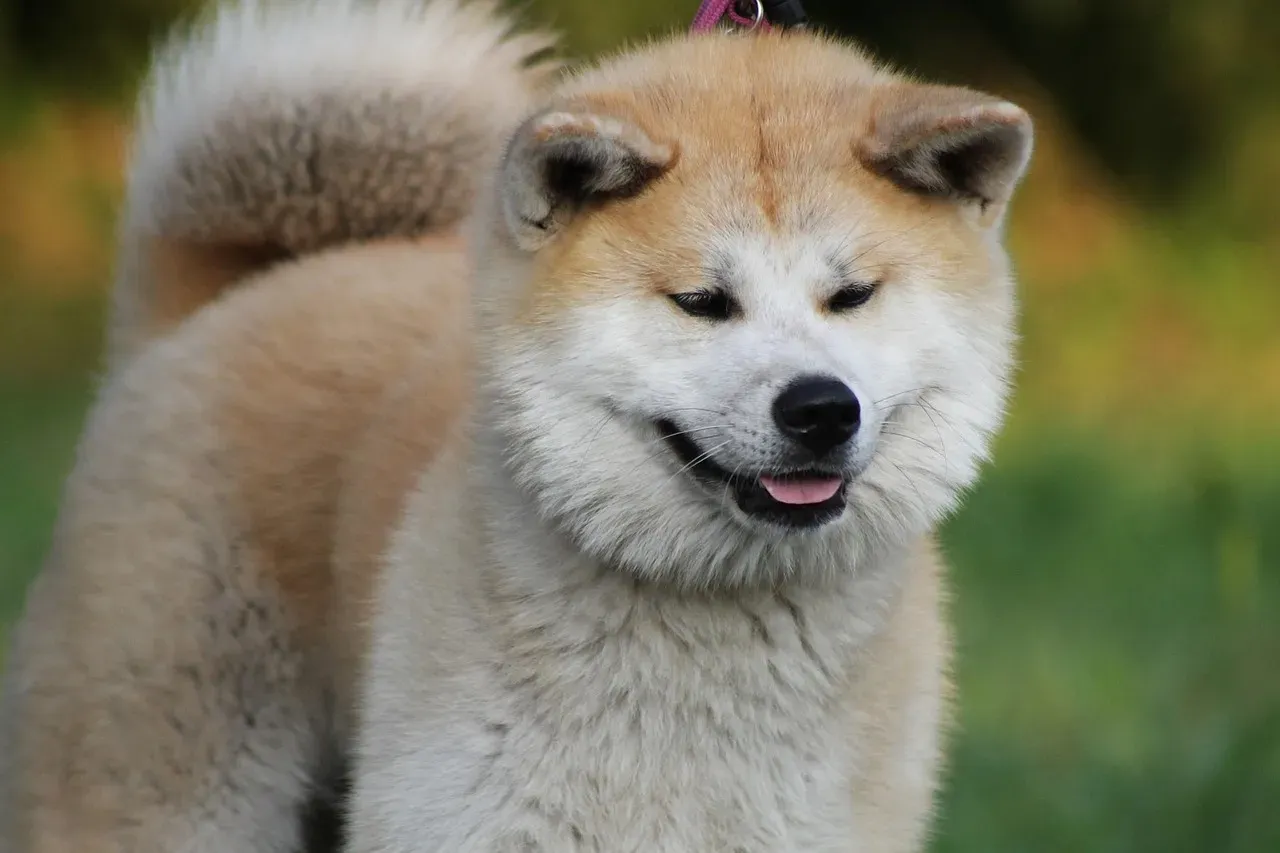
Akitas were bred to hunt big game, so they have a strong prey drive and can be aggressive if not adequately socialized and trained. Highly protective by nature, these dogs are often wary of strangers and do not always get along with other dogs. It takes an experienced pet parent to keep Akitas grounded and trained.
Akitas are known for their strong-willed and independent personalities. They were originally bred for guarding and hunting, which required them to make their own decisions. That independent decision-making is charming on a hiking trail. It’s less charming when you’re trying to get them off the couch. Experienced owners know training requires patience, consistency, and firm but fair leadership. Independent breeds respond best to training methods that respect their intelligence.
8. Rottweiler: The Misunderstood Gentle Giant
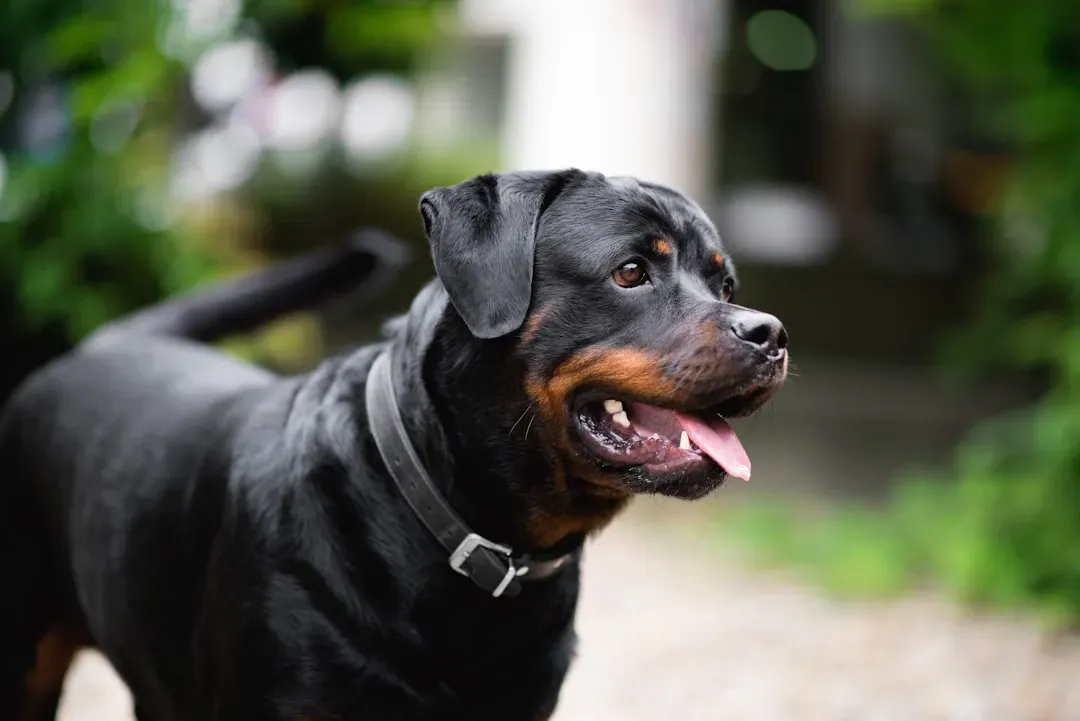
The Rottweiler was originally bred to drive and protect livestock that accompanied Roman legions across Europe. Over time, their intelligence, endurance, and protective nature made them invaluable working dogs. Today, Rottweilers continue to excel as herders, reliable guard dogs, police and service dogs, and affectionate family companions.
The key to training a Rottweiler is early socialization and consistent, firm training. They can be stubborn and become overly protective if not trained correctly. This breed requires an owner who understands the importance of establishing clear leadership and boundaries. Despite their intimidating appearance, Rottweilers can be gentle giants with children and affectionate family dogs when raised with care and respect. For first-time dog owners, they might be a bit too much muscle and mindset to handle.
9. Border Collie: Too Smart for Everyone’s Good
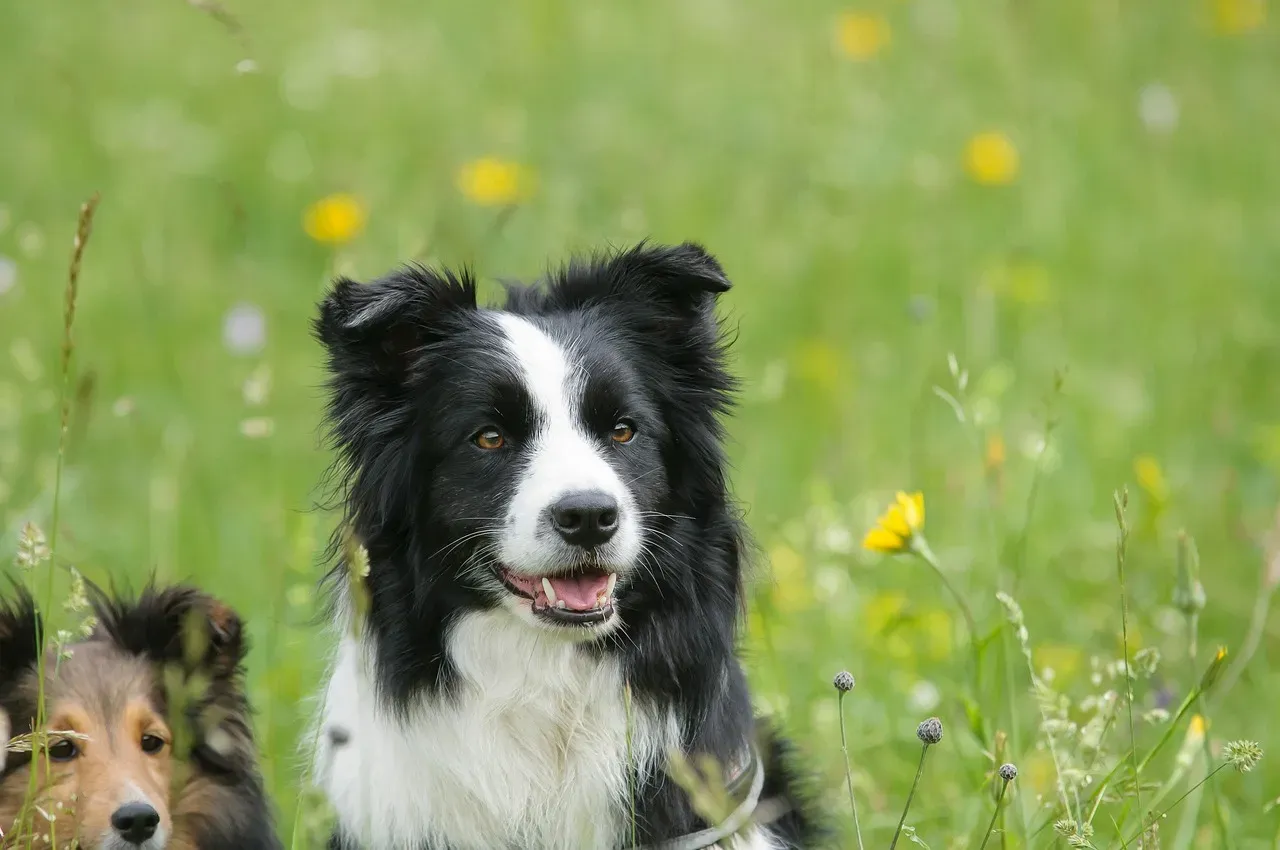
Border Collies first came to prominence by using their smarts and energy to excel at herding livestock. Today, the breed sits atop the most famous dog-intelligence ranking, and the highly publicized accomplishments of individual Border Collies like Chaser, who learned more than 1,000 words, burnish the dogs’ brainy reputation. The problem? That intelligence needs somewhere to go.
When Border Collies are not challenged, they get bored, and the dog ends up with negative behaviors that owners are not able to resolve, often ending up in a shelter in search of a new home. Border Collies can achieve great things when challenged, leading to a close, rewarding relationship with the right owner. If you don’t devote enough time and energy to your Border Collie, the result can be a miserable, destructive housemate.
10. Afghan Hound: The Supermodel Who Won’t Sit
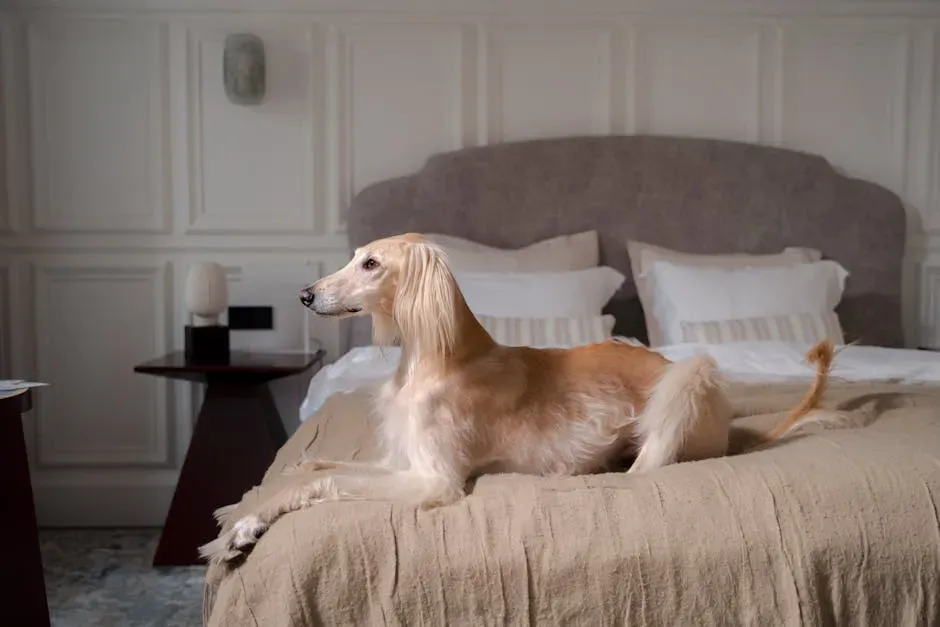
The Afghan Hound is basically the supermodel of the dog world, tall, graceful, and rocking a silky coat that turns heads everywhere. Originating from the rugged mountains of Afghanistan, these ancient hunters were bred to think and act independently, which explains their bold and strong-willed temperament today.
While they have a noble heart and will serve their kingdom with utmost loyalty, they are renowned for having a will of their own. They are individualistic to the point of stubbornness, and at times can be extremely aloof, making it hard to grasp and maintain their attention. These aspects make training a heck of a challenge. These high-energy pups need plenty of exercise and love to run. So unless you’re ready to sprint after them, keep that leash handy.
11. Basset Hound: The Droopy-Eyed Drama Queen
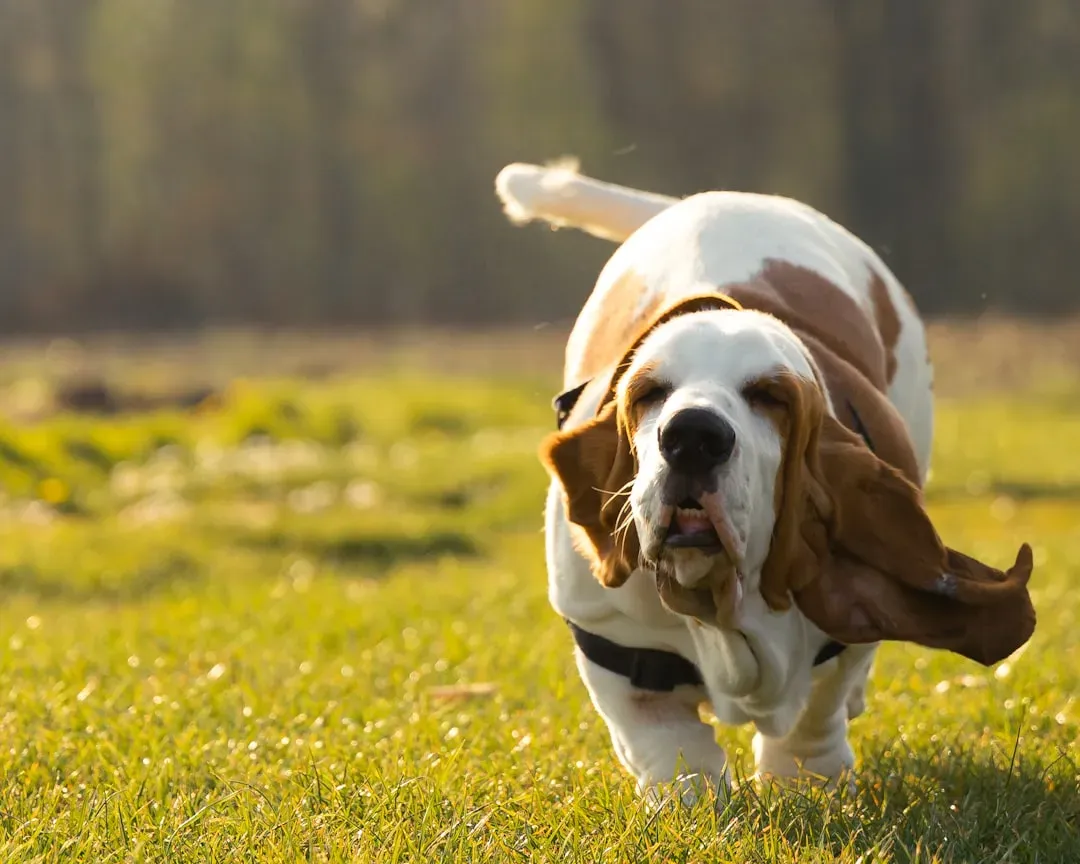
The Basset Hound is a wonderful pet due to their laidback and charming nature, but they can be tough to train. Because they’ve been bred to focus on a scent without any distractions, they can quickly lose focus if a smell catches their attention during training. These pups also have a stubborn streak and can be on the independent side, so they don’t always listen to commands.
Basset Hounds are adorable but can be stubborn, especially when it comes to housebreaking. Their keen sense of smell often distracts them during training sessions. Positive reinforcement and patience are key with this breed. Celebrate even the smallest successes with treats, enthusiastic praise, and playful interactions. I think every Basset owner has experienced the unique joy of watching their dog dramatically flop down and refuse to move. You can’t help but laugh.
12. Basenji: The Dog Who Sounds Like No Other
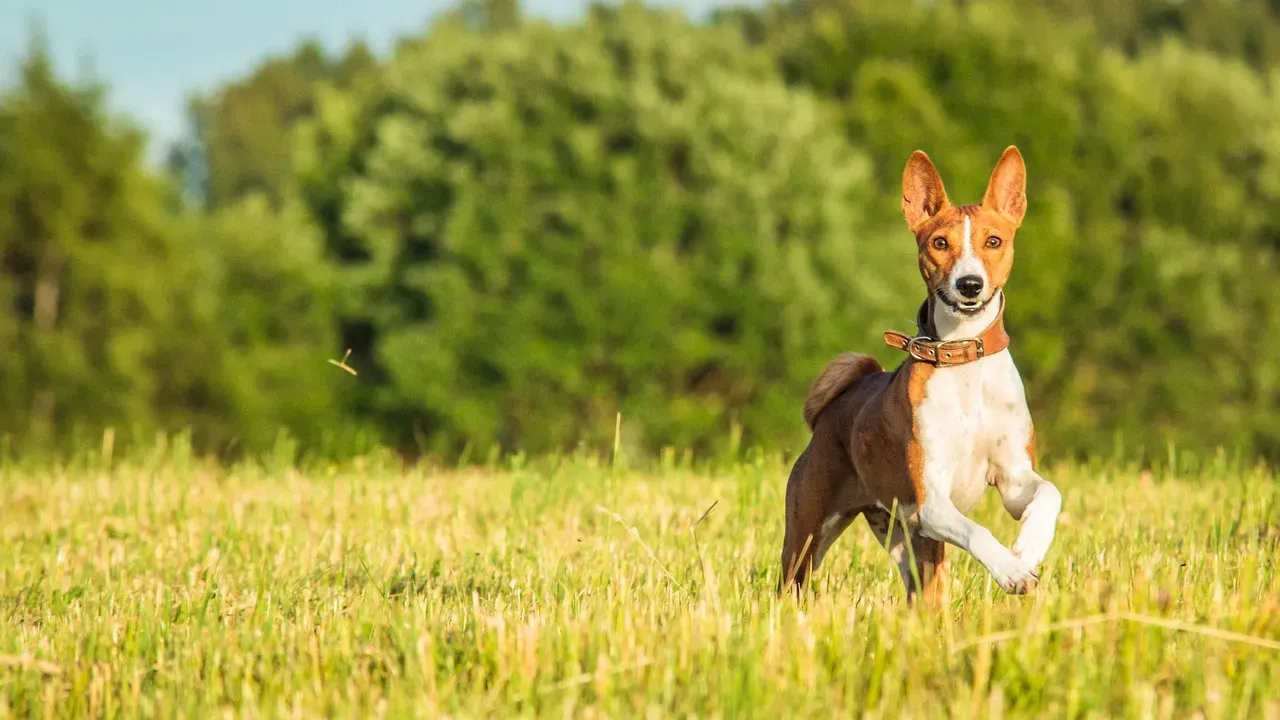
Basenjis are one of the oldest dog breeds. They are hunting dogs famous for their intelligence, adaptability, and lack of “doggy smell.” They’ve often been compared to cats due to their love for keeping themselves well-groomed. They’re also famous for being the only dog breed that doesn’t bark in the traditional sense, yodeling instead. Which is adorable, until it isn’t.
Basenjis are known for their cat-like personalities, being both independent and intelligent. This breed is notoriously difficult to train due to their stubborn nature. They are curious and easily bored, requiring creative training techniques to keep them engaged. Despite their challenges, Basenjis are incredibly loyal and affectionate with their families. That’s the thing about these dogs: the more you understand them, the more you adore them.
13. Alaskan Malamute: The Powerhouse With a Plan of Its Own
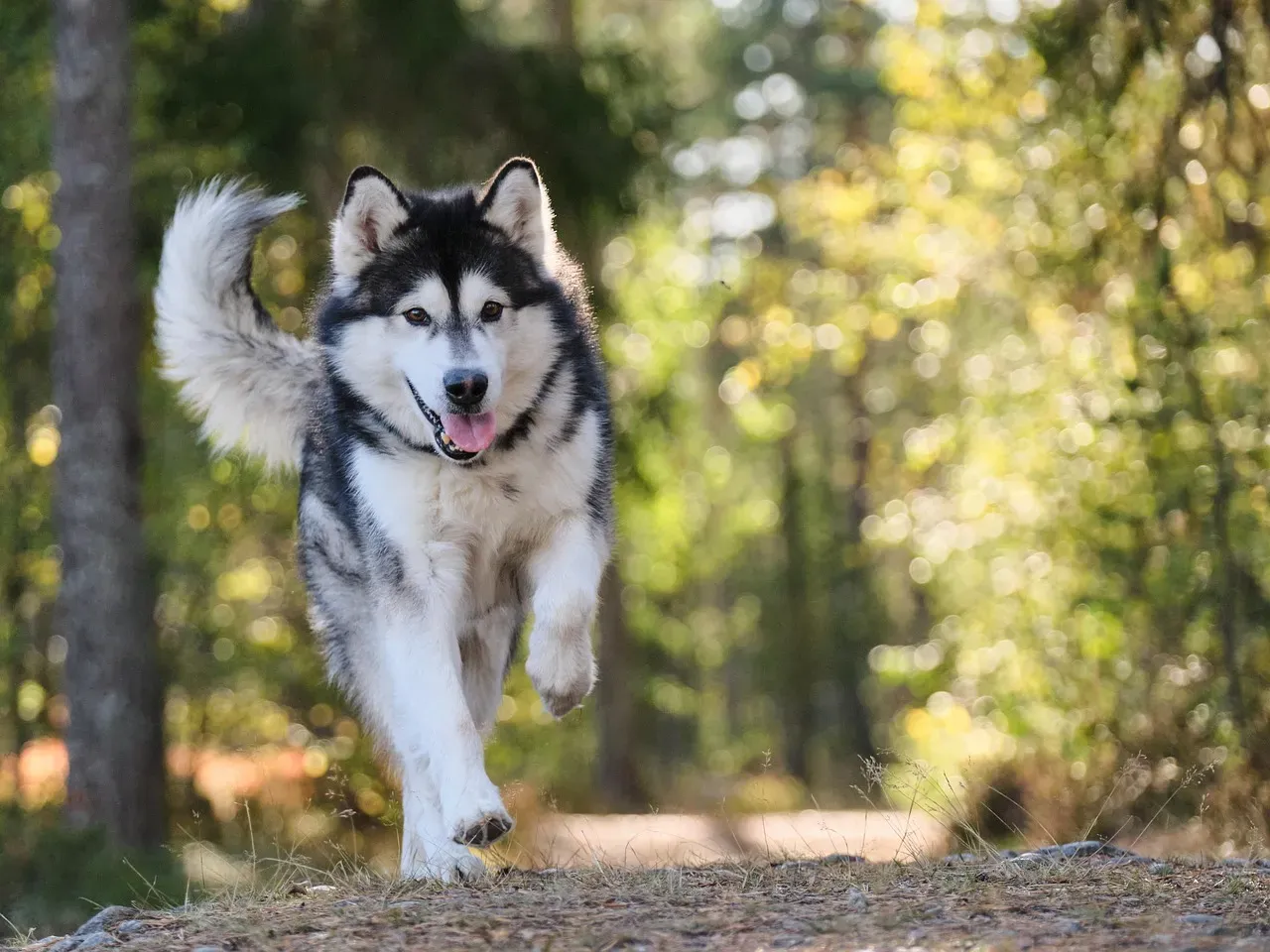
The Malamute is a gorgeous dog similar to the Husky. These pups are bred for cold weather and are known for their hard-working natures and loyalty. They are also known for their extreme independence, stubbornness, high prey drive, and dominant streak. All that combined equals a tough-to-train canine.
Alaskan Malamutes are powerful, hardworking dogs built for endurance and cold climates. They are genetically prone to hip dysplasia, a condition that can cause chronic pain and mobility issues if not managed early. These dogs aren’t highly motivated by rewards, like treats or even praise, adding to the challenge. If you own a Malamute, you’re going to need a professional trainer to help you out. Yet somehow, that enormous fluffy face makes every frustrating training session feel worth it.
14. Chinese Shar-Pei: The Wrinkled Wall of Stubbornness
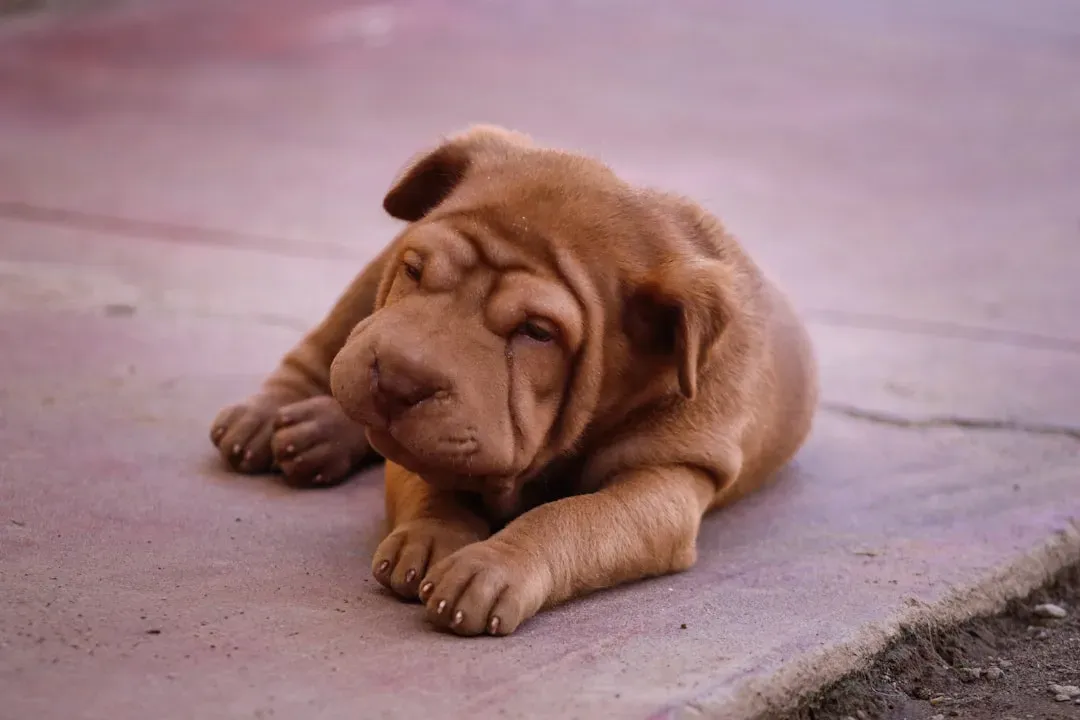
While Chinese Shar-Peis have serious cuddle potential, their unique personality might not be the best fit for every family. These independent pups can be a bit aloof with strangers and territorial over their loved ones. For families who understand and respect their boundaries, Shar-Peis can be incredibly loyal and devoted. They just require a confident, experienced owner who can establish themselves as the pack leader.
Training a Chow Chow to behave properly can be a difficult task, and Shar-Peis share similar traits. They are a dominant breed and can often be stubborn. Their temperament can also lean toward the aggressive side, especially with strangers or other animals. They are also known to get jealous easily and crave a lot of attention. Start socialization early and stay consistent. They’ll reward your patience tenfold.
15. American Pit Bull Terrier: The Misunderstood Sweetheart

Pit Bulls are often seen as lovable, loyal companions with those big puppy eyes and heart-melting smiles. Beneath their sweet looks lies a breed with a long and controversial history. Despite their rough reputation, many Pit Bulls are total sweethearts when raised in loving, responsible homes. The real issue isn’t the breed itself but who owns them and how they’re handled.
Although Pit Bulls can be among the most loving, loyal, and friendly dogs, they can be quite temperamental. They also often don’t know how powerful they are, and it can be difficult to teach them to play gently and learn their own strength. Early socialization, proper training, and providing adequate mental and physical stimulation are crucial for the well-being and overall behavior of any dog, regardless of breed. Give a Pit Bull the right home, and you’ll have a best friend for life.
Every Troublesome Dog Deserves a Patient Owner
Let’s be real: none of these dogs are bad dogs. Every single one on this list has made someone laugh, healed someone’s lonely afternoon, and shown up with unconditional love, even when they also just dug up half the garden. Troublesome behavior, in almost every case, is rooted in instinct, unmet energy, or a simple need for guidance.
While these breeds are renowned for being the hardest dogs to train, there is no untrainable pup. The breeds listed above just require more dedication, patience, and perseverance. As long as you know what to expect, are able to meet their needs, and are equipped with the right knowledge, any “difficult” breed can make for a loyal and loving companion.
Honestly, I think the troublesome ones teach us the most. They push us to be more patient, more creative, and more committed. If you’re thinking about bringing home one of the most stubborn breeds, don’t worry. With patience, consistency, and maybe a few extra treats, these hardheaded companions can become loyal and loving pets. The bond you build with a “difficult” dog is one you’ll carry forever.
Which of these lovable troublemakers sounds most like your dog? Drop a comment and let us know!


