
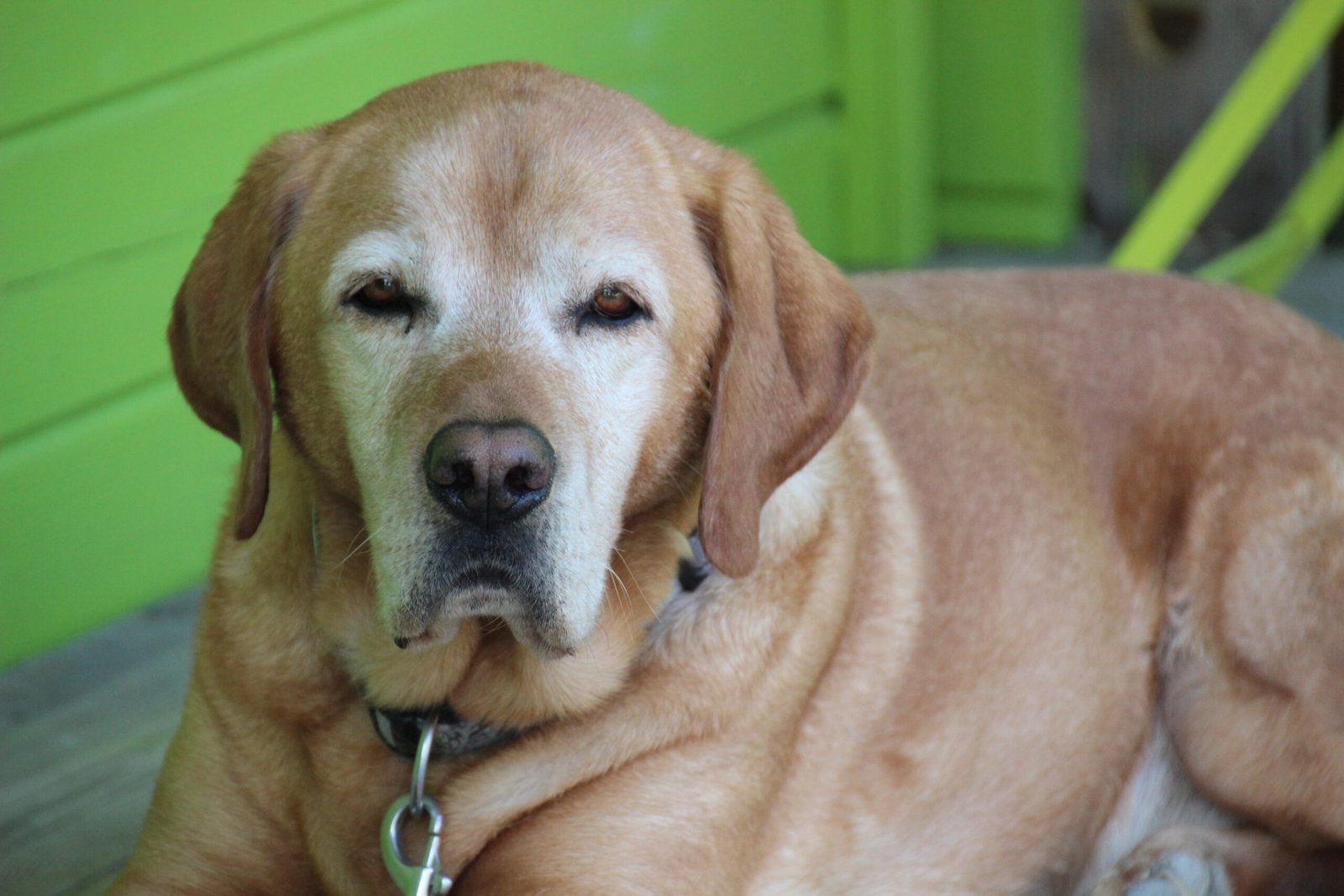
Have you ever looked at your dog and wondered where the time went? One day, they’re bouncing off the walls, tail wagging furiously, and the next, they’re content to nap in the sun for hours. Dogs grow older much faster than we do, and those changes can sneak up on us. Each wag, bark, and cuddle tells a story of how they’ve changed—and how our love for them deepens with every passing year. If you’re a dog lover, you know that adapting to these changes isn’t just about their comfort; it’s about honoring the journey you share. Let’s explore 15 surprising ways dogs transform as they age—and what you can do to keep their golden years truly golden.
Slower Energy and Playfulness
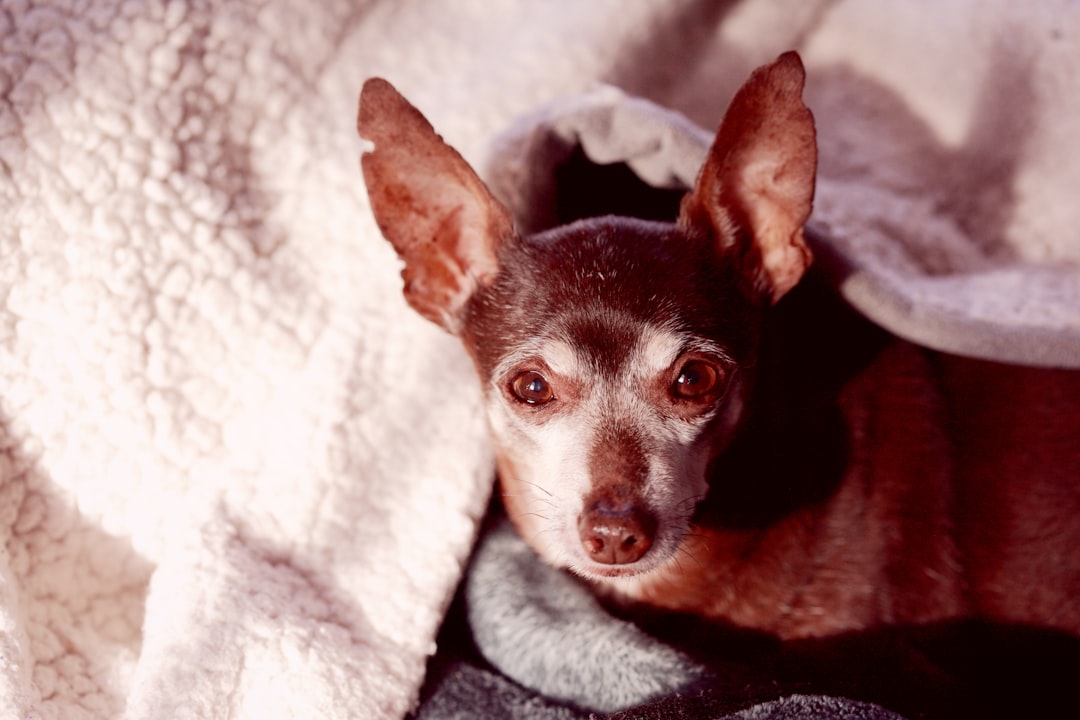
The zoomies may not last forever. As dogs grow older, their boundless puppy energy starts to wane. Walks get slower, fetch sessions become shorter, and they might prefer lounging in a cozy spot over chasing a ball. This isn’t laziness—it’s a natural part of aging. Owners should adapt by adjusting exercise routines to match their dog’s stamina, opting for shorter walks or gentle play. It’s important to watch for signs of fatigue and never push them too hard. Instead, focus on quality time together, like gentle strolls or interactive puzzle toys. Offering encouragement and celebrating their efforts, even if they’re smaller than before, helps keep spirits high.
Graying Fur and Changing Appearance
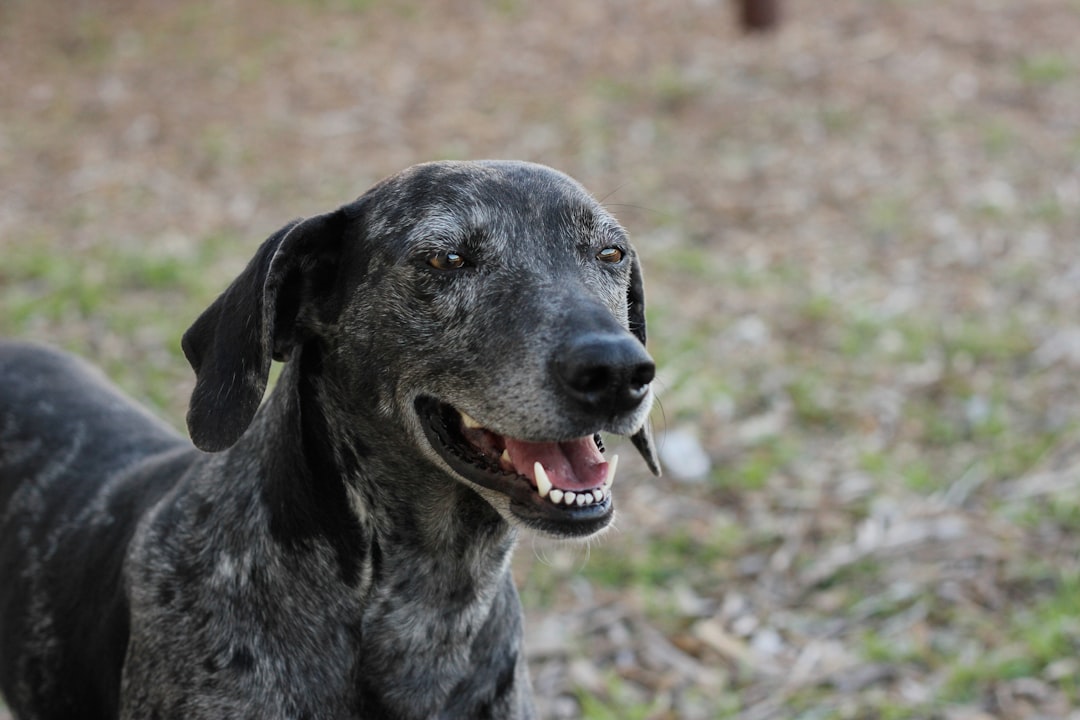
You might notice silvery hairs around your dog’s muzzle, chest, or paws. Just like us, dogs can go gray as they age, and their coats may thin or become duller. Sometimes, their eyes may appear cloudier, though this isn’t always a cause for concern. While these changes are usually cosmetic, they can tug at your heartstrings, reminding you of all the years you’ve shared. Owners can help their dogs look and feel their best with regular grooming, gentle brushing, and occasional baths. Using a soft brush and being mindful of sensitive spots can turn grooming into a bonding moment. Remember, every silver hair tells a tale of loyalty and love.
Joint Stiffness and Mobility Issues

Older dogs often experience joint stiffness—especially in larger breeds. Climbing stairs or jumping onto furniture may become challenging, and you might see your dog hesitate before standing up. Arthritis and hip dysplasia are common culprits. Owners should consider providing orthopedic bedding, ramps for easier access to favorite spots, and traction mats on slippery floors. Gentle massages or warm compresses can offer comfort, and working with your vet to manage pain is crucial. A little support goes a long way in helping your dog stay mobile and happy.
Changes in Appetite and Weight
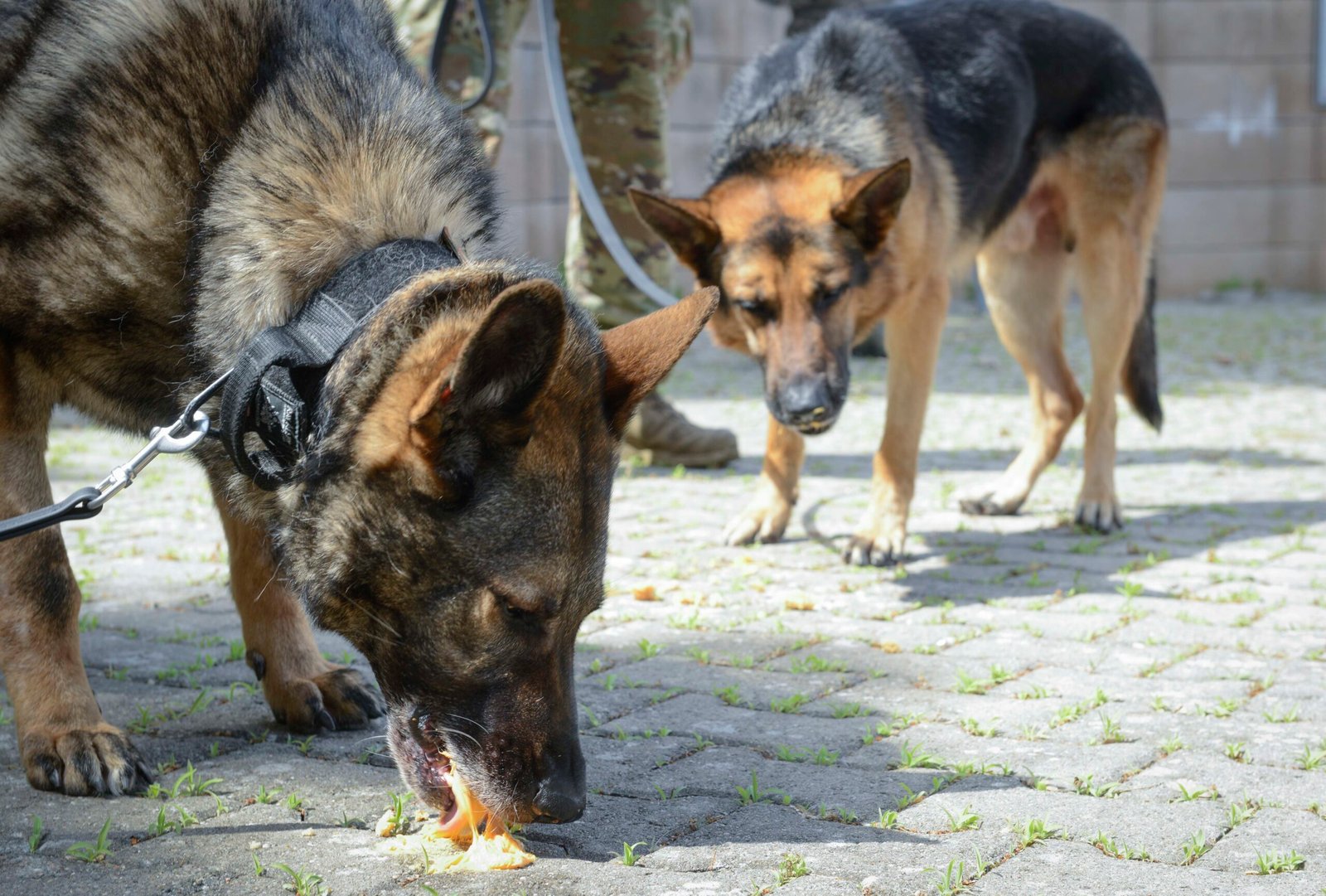
Aging can bring shifts in appetite. Some dogs may eat less due to dental discomfort or a slower metabolism, while others gain weight because they’re less active. Owners must monitor their dog’s eating habits closely. Switching to a senior diet formulated for older dogs helps provide the right nutrients and calories. Regularly checking your dog’s weight and consulting your vet about meal portions or supplements can prevent health issues. Treats are okay, but moderation is key. Remember, maintaining a healthy weight is a gift that keeps on giving.
Hearing and Vision Loss
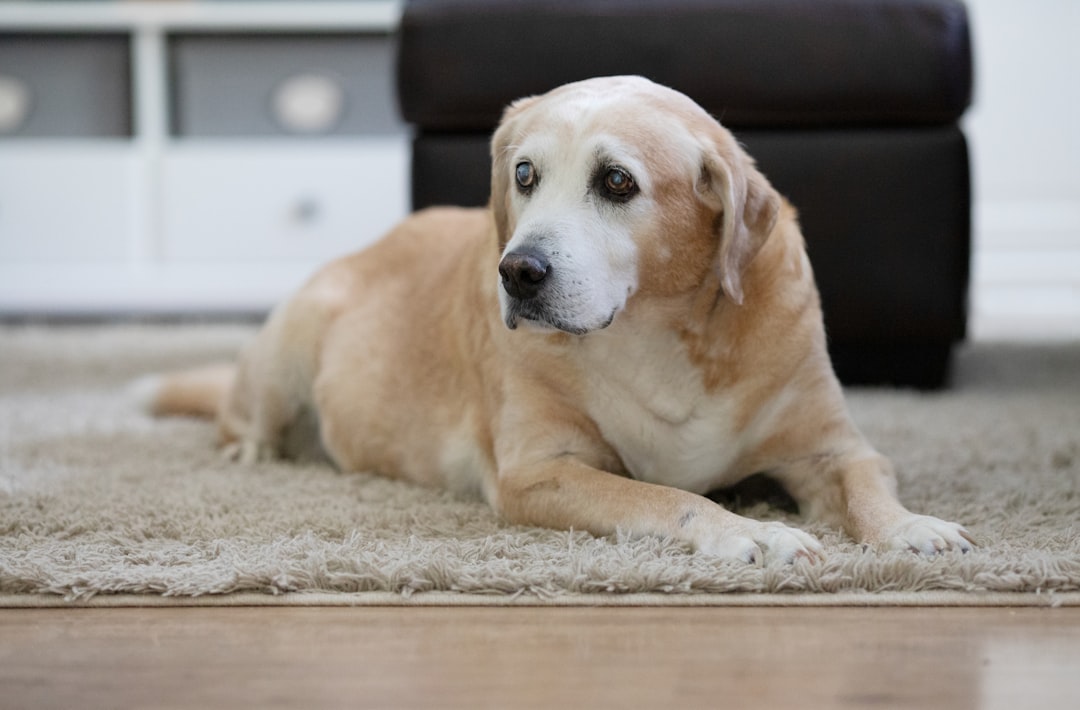
You might notice your dog doesn’t respond as quickly to your call or bumps into furniture. Hearing and vision loss are natural parts of aging. Dogs may become startled more easily or seem confused in new environments. Owners should adapt by using hand signals, keeping the home environment consistent, and avoiding rearranging furniture. Using toys with strong scents or textures can help keep them engaged. Approaching your dog gently and speaking in a calm, reassuring voice can ease any anxiety. Love truly is the language they never forget.
Increased Sleeping and Napping
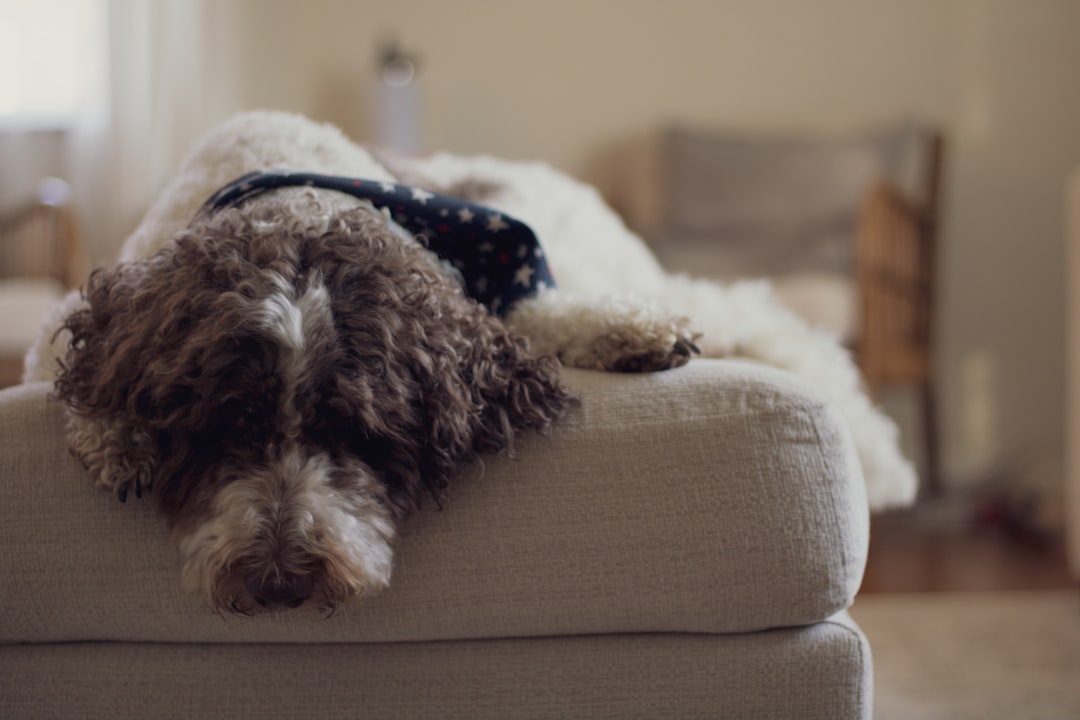
Senior dogs often sleep more, sometimes up to 18 hours a day. They tire easily and need extra rest to recover from daily activities. While it’s tempting to wake them for playtime, it’s important to let them snooze undisturbed. Provide soft, supportive beds in quiet areas so your dog can nap in peace. If your dog is restless at night or has trouble getting comfortable, a vet checkup is wise. Their dreams may be filled with memories of the adventures you’ve shared.
Behavioral Changes and Anxiety
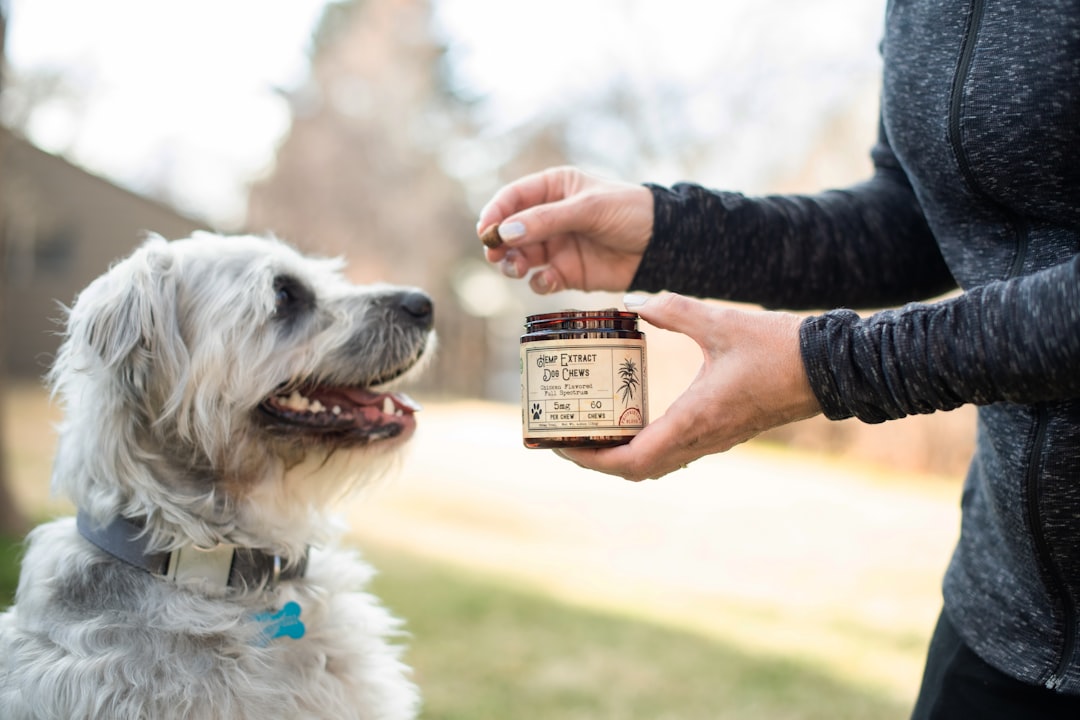
Aging can bring about new behaviors, like increased clinginess, confusion, or anxiety. Some dogs might pace, whine, or seem disoriented, especially in the evening—a phenomenon known as “sundowning.” Owners can ease these changes by maintaining a predictable routine, offering gentle reassurance, and using calming aids such as pheromone diffusers or soothing music. Creating a peaceful environment with familiar scents and objects can help your dog feel secure. Remember, patience and empathy are your greatest tools.
Dental Health Decline
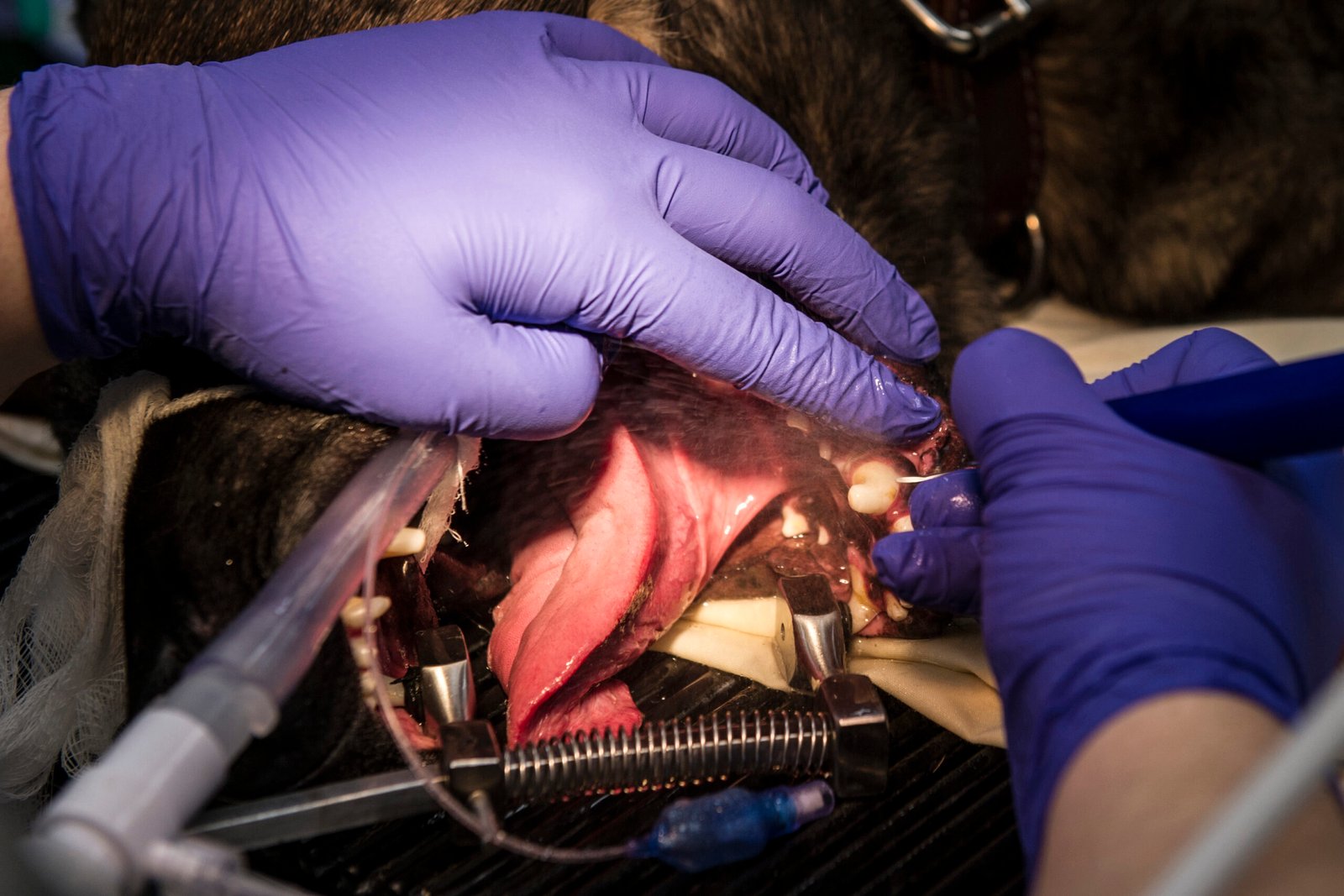
Dental problems are common in older dogs, leading to bad breath, difficulty eating, or even tooth loss. Gum disease can cause pain and affect overall health. Owners should check their dog’s mouth regularly for signs of trouble and schedule professional cleanings as recommended by their vet. Brushing your dog’s teeth at home or offering dental chews can help keep their mouth healthy. A healthy mouth means more tail wags and fewer vet bills.
Weaker Immune System
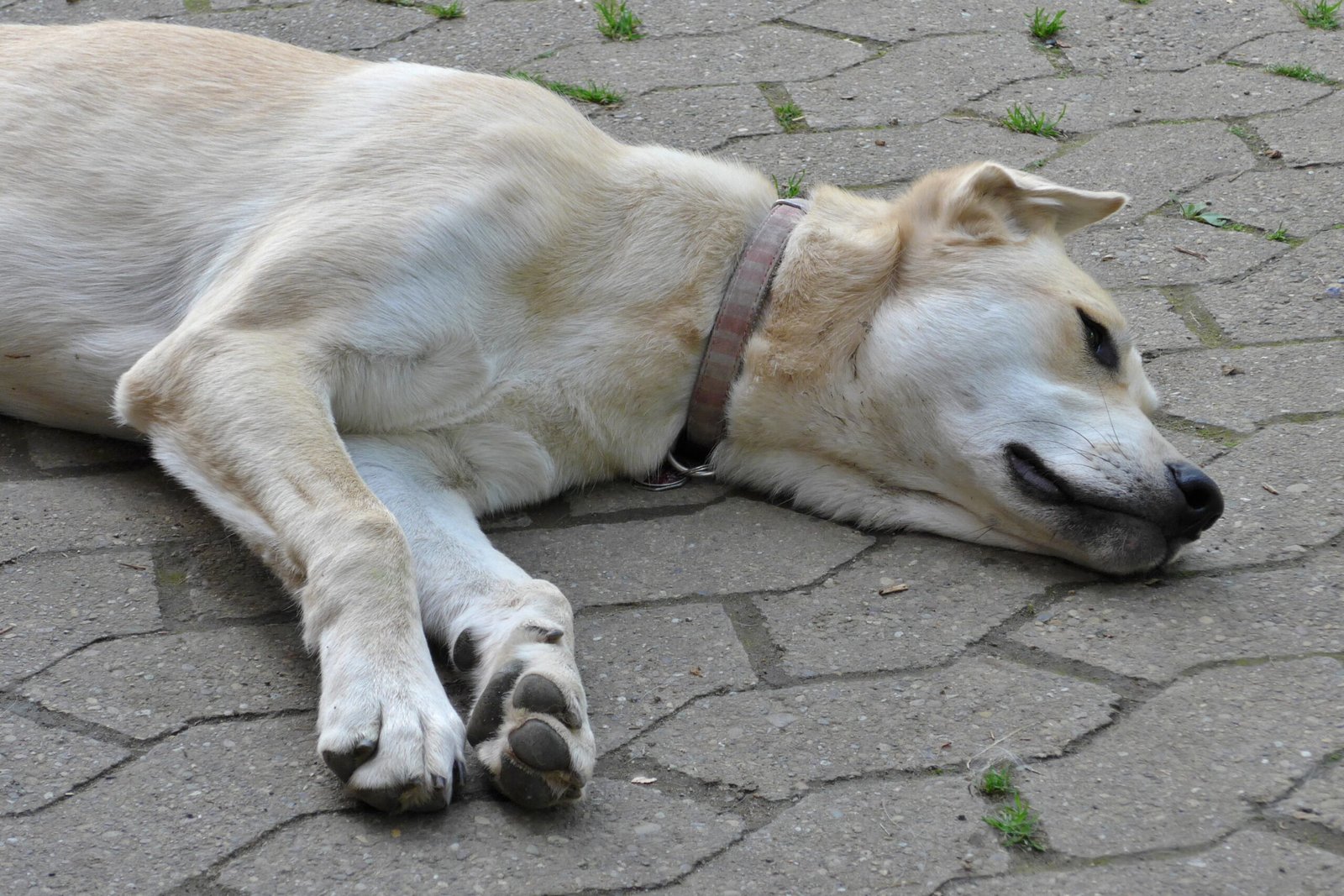
As dogs age, their immune system weakens, making them more vulnerable to infections and illnesses. They may take longer to recover from minor ailments. Owners should keep up with regular vet visits, vaccinations, and preventive care. It’s wise to avoid exposing senior dogs to sick animals or stressful environments. Feeding a balanced diet rich in antioxidants can support immune health. A little extra care goes a long way in keeping them safe and sound.
Digestive Changes and Sensitivities
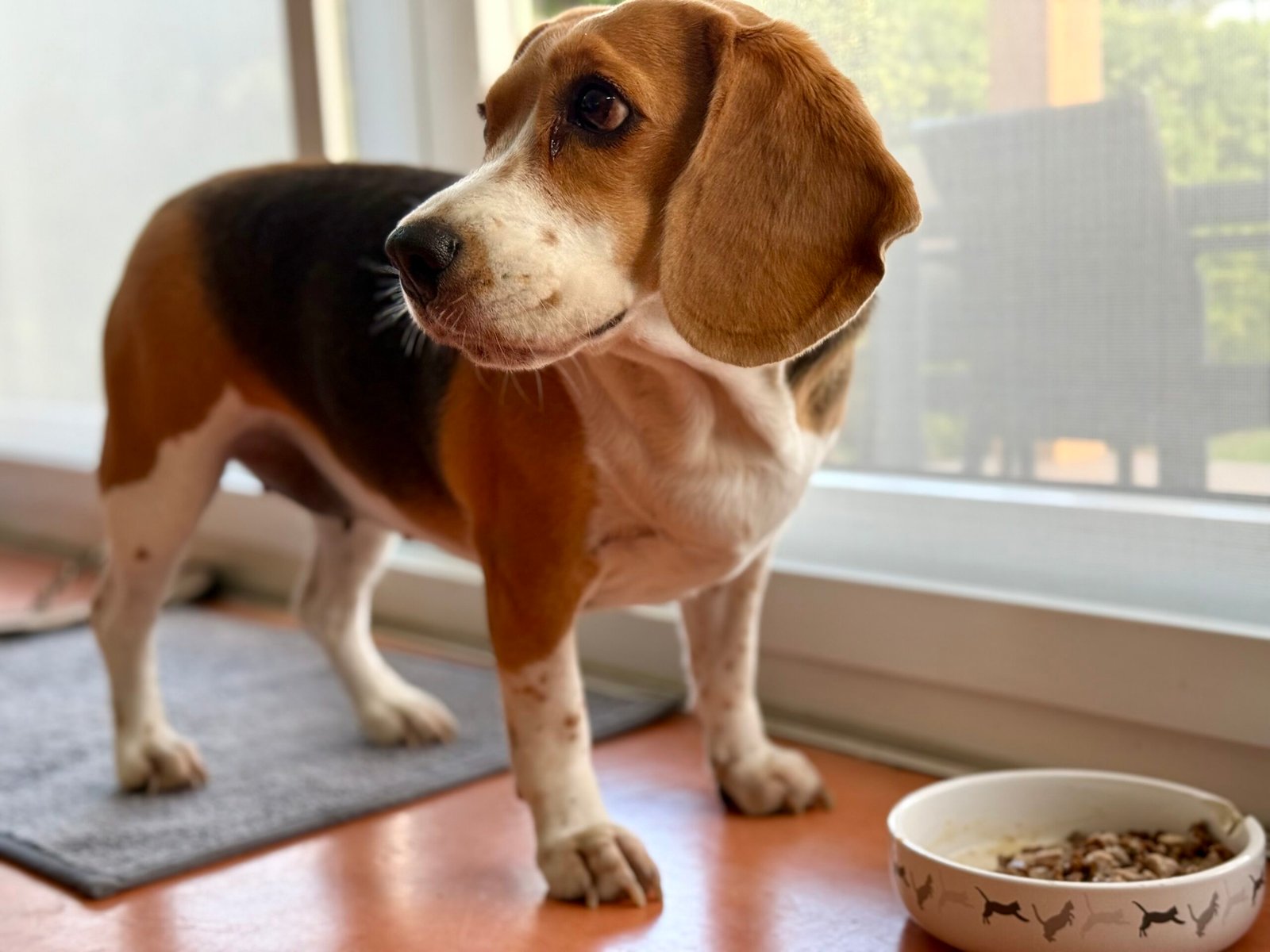
Older dogs can develop sensitive stomachs or experience changes in digestion. They may vomit more easily, have diarrhea, or become pickier eaters. Owners should consider feeding smaller, more frequent meals and choosing easily digestible foods. Adding probiotics or digestive enzymes (with your vet’s guidance) can help soothe tummy troubles. Watch for signs of discomfort after meals and be willing to adjust their diet. Keeping their digestive system happy helps them enjoy every meal.
Decreased Interest in Socializing
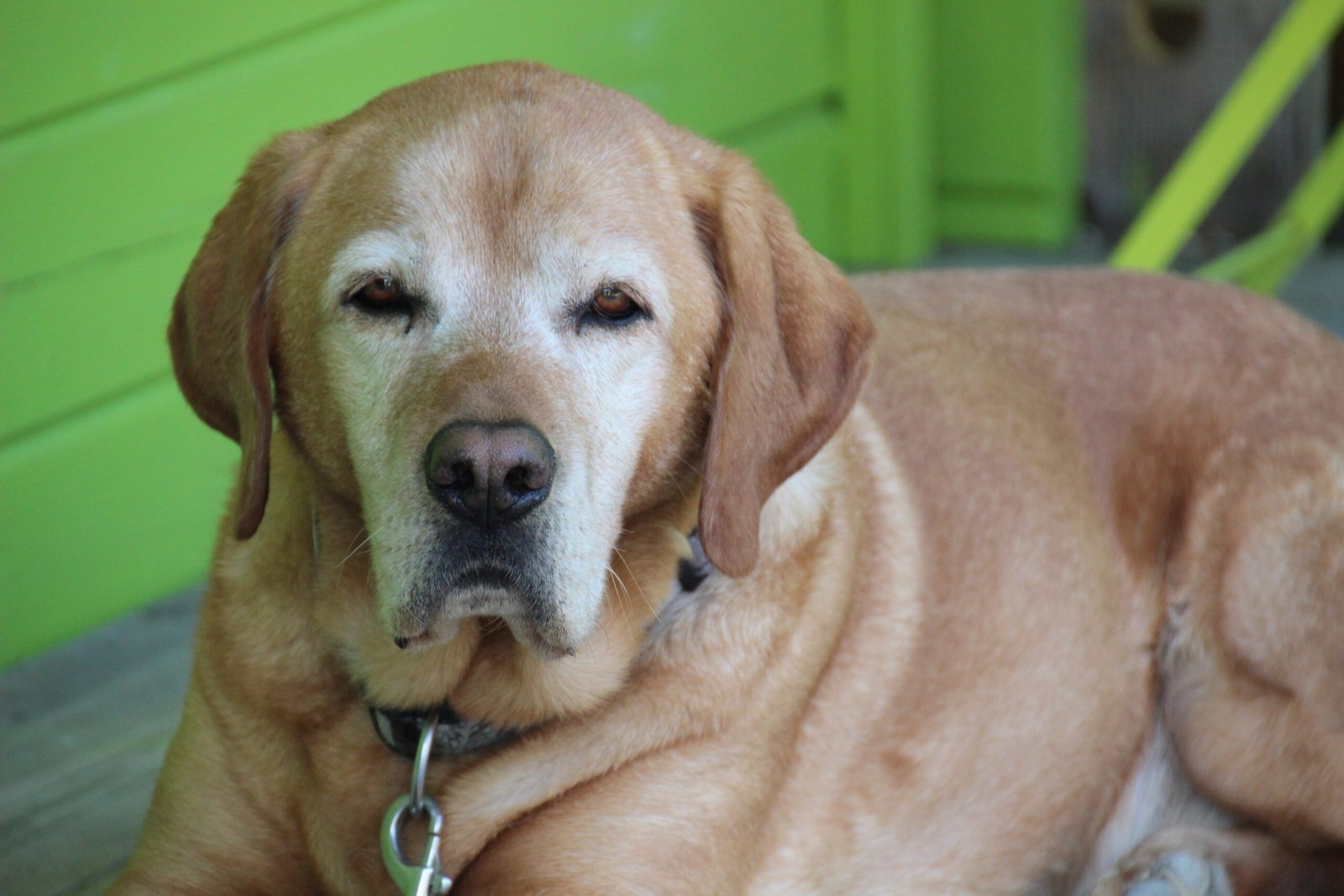
The life of the party may become a homebody. Senior dogs often lose interest in rowdy playdates or crowded parks, preferring the company of their family. They might become less tolerant of puppies or noisy environments. Owners should respect these preferences, offering calm, one-on-one interactions and gentle introductions to new situations. Inviting quiet friends or arranging peaceful outings can still enrich their social life. Sometimes, the best company is the one that’s always been by their side.
Temperature Sensitivity
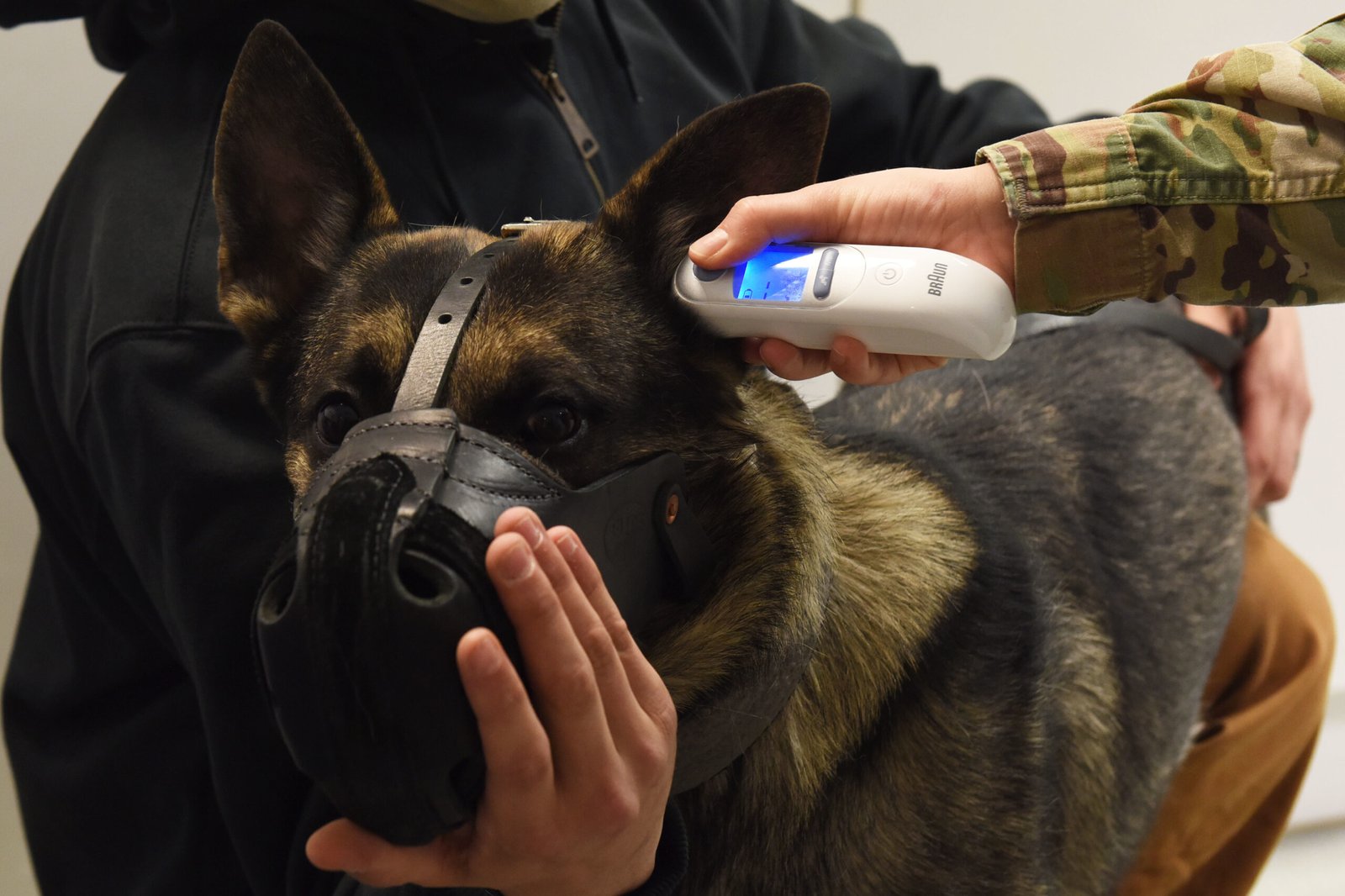
Older dogs struggle to regulate their body temperature, making them more sensitive to heat and cold. You might notice your dog shivering in winter or panting more in summer. Owners should provide cozy blankets and heated beds during colder months, and ensure access to shade and fresh water in the heat. Avoid strenuous activity in extreme temperatures, and watch for signs of overheating or chilling. Comfort is key—think of yourself wrapping a loved one in a warm hug.
Incontinence and House Training Challenges
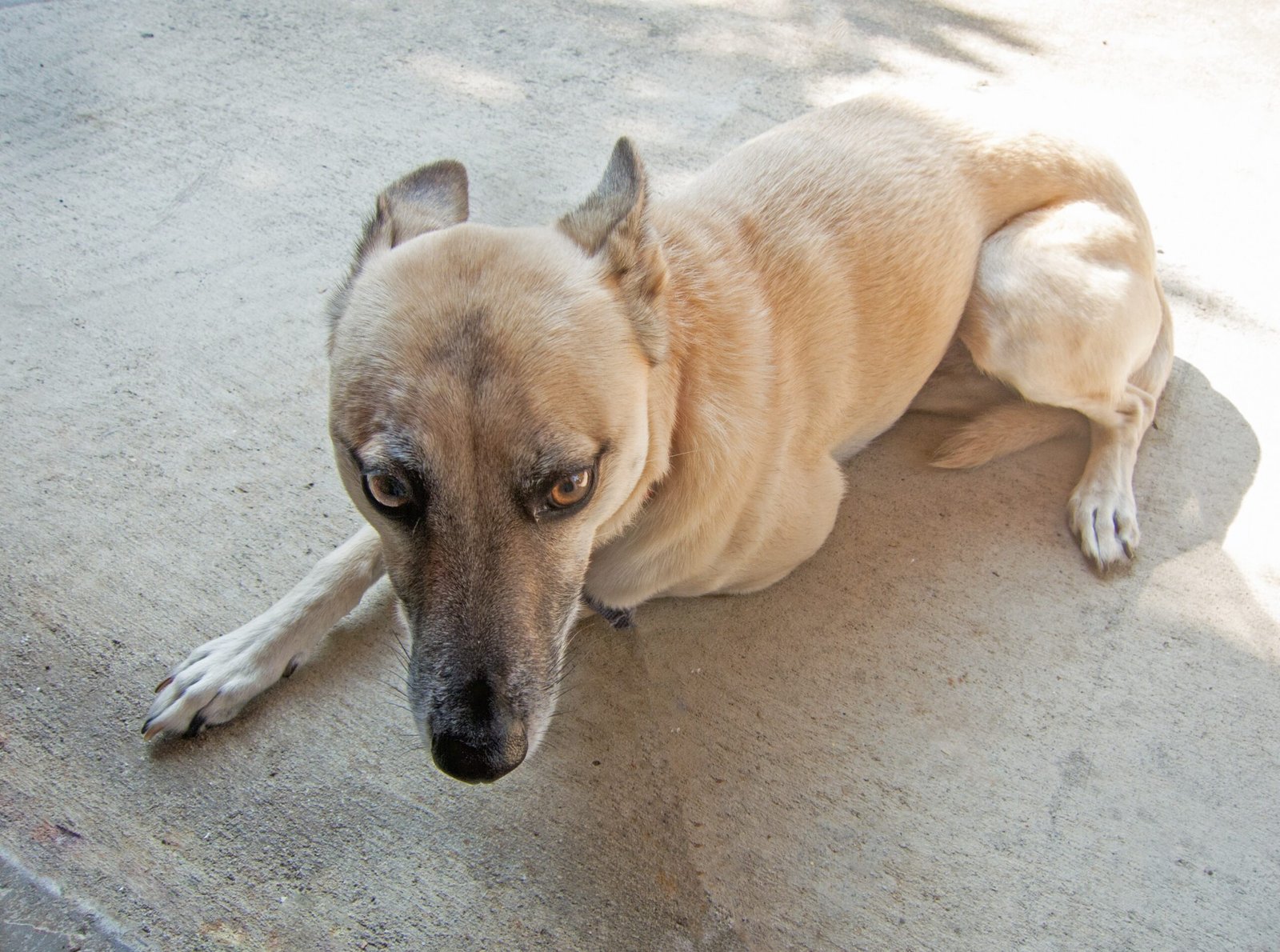
Even the best-trained dog can develop accidents as they age. Incontinence isn’t deliberate—it’s often due to weakened bladder muscles or medical issues. Owners should offer frequent potty breaks and use waterproof bedding or puppy pads if needed. Never punish accidents; instead, consult your vet to rule out treatable conditions. Gentle reminders and extra patience help preserve your dog’s dignity and confidence.
Changes in Vocalization
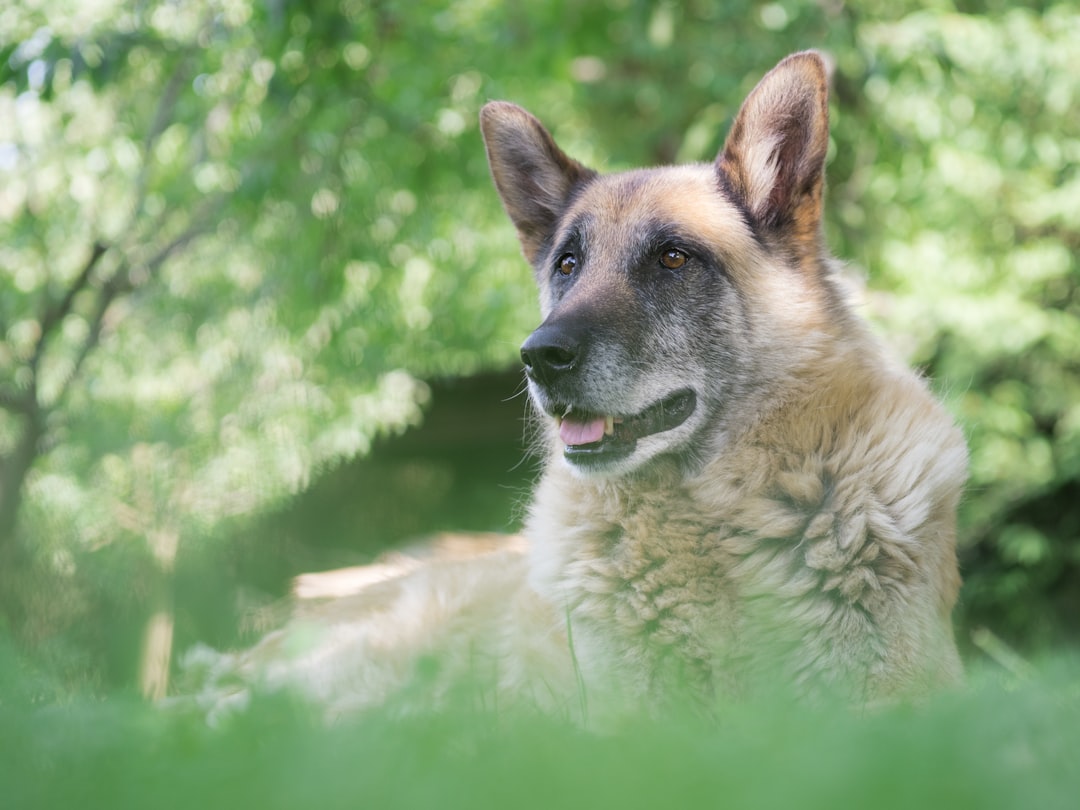
Senior dogs may bark more—or less—than before. Some develop a hoarse or quieter bark, while others seem to “talk” more due to anxiety, confusion, or hearing loss. Owners should pay attention to the reasons behind these vocal changes. If your dog is barking more, it could be a sign they need reassurance or a vet visit. Responding calmly and investigating the cause helps keep communication strong between you and your furry friend.
Needing More Love and Understanding
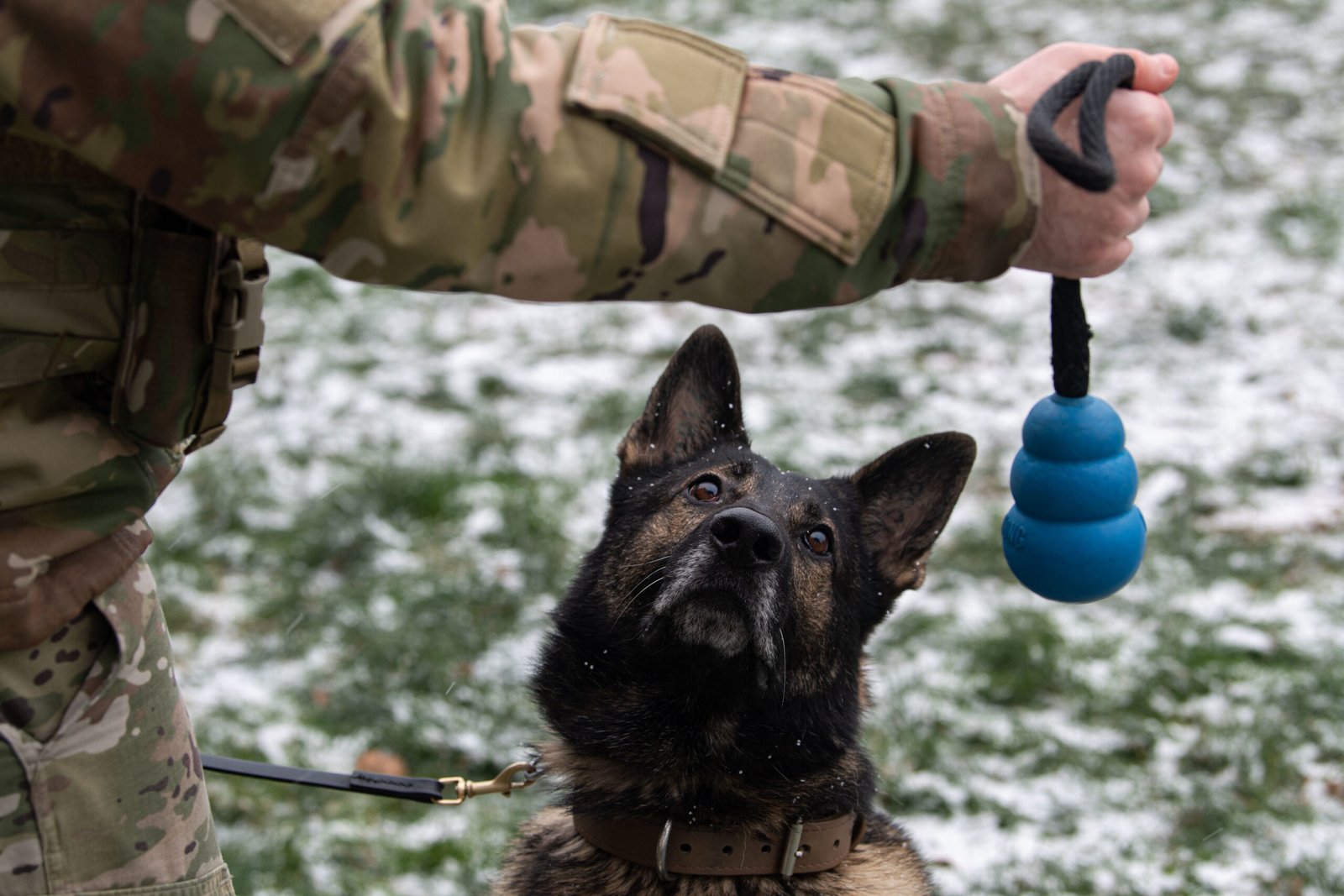
Above all, aging dogs crave your affection and patience. They may become more attached, seeking your presence and reassurance. Owners should cherish these moments, offering gentle strokes, soothing words, and extra time together. Celebrating their achievements, no matter how small, reminds them they’re cherished. Your love is the anchor that steadies them as they navigate the changes of aging.
Being Their Advocate in Health Decisions
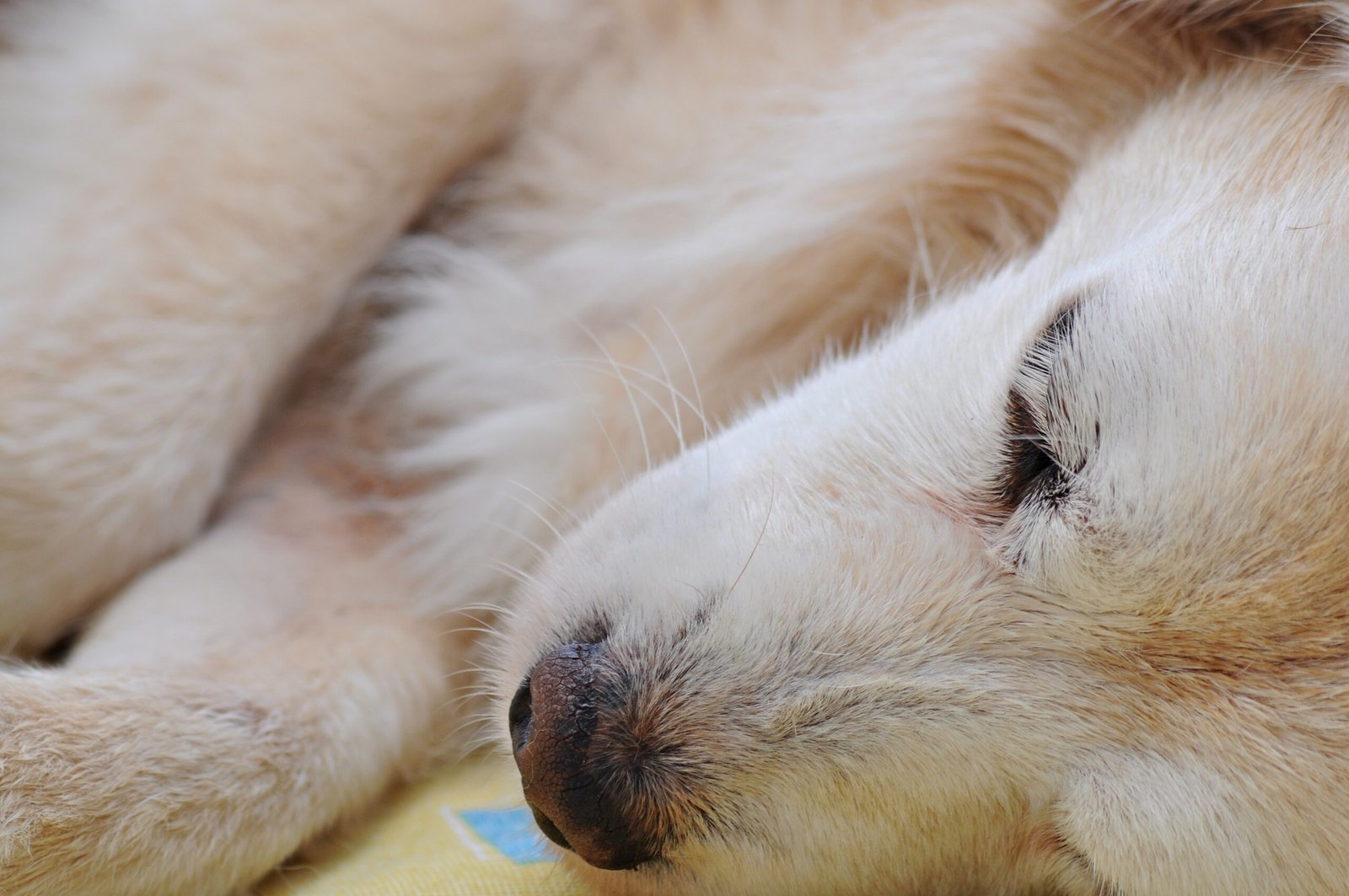
As dogs age, medical decisions become more frequent and sometimes difficult. Owners must be their dog’s voice, balancing quality of life with treatment options. Regular vet check-ups, open conversations about pain management, and thoughtful end-of-life planning are acts of deep love. Trust your instincts and remember that your dog’s comfort and happiness are what matter most. Every choice you make is a promise to honor the bond you share.
What changes have you noticed in your aging dog—and how have you adapted?


