
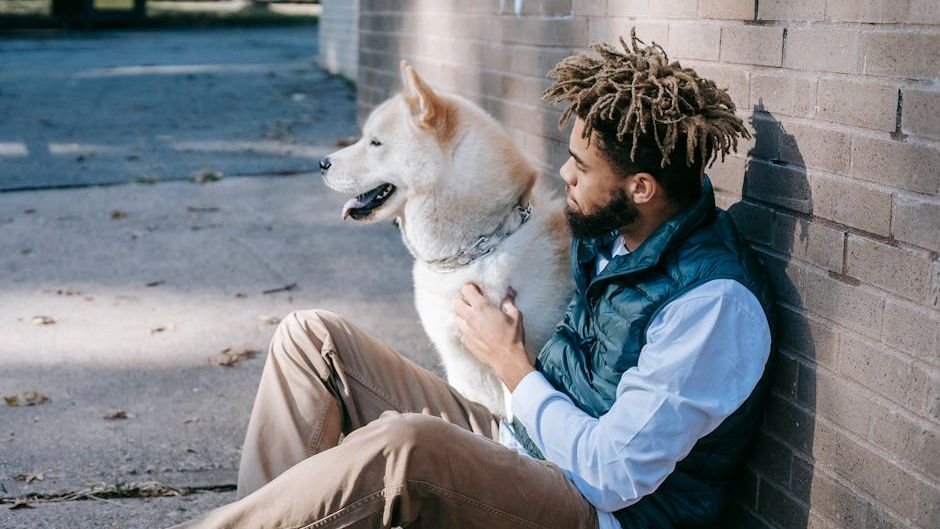
There is something deeply sacred about the final chapter of a dog’s life. It’s messy and heartbreaking, yes. But it’s also full of quiet moments of connection that most dog owners don’t fully recognize until they look back. Your dog is communicating something profound in those last weeks and months, reaching out in every way they know how.
While dogs likely do not understand death the way humans do, they are highly perceptive, able to detect changes in their own body and in the behavior of others. They respond to shifts in the emotional environment and physical sensations. In other words, they feel it coming. They just can’t say it out loud.
What they do instead is show you. Through every nudge, every long gaze, every time they curl up just a little closer than usual, they are telling you something. These 15 behaviors are their way of holding on, and your guide to holding back. Let’s dive in.
1. They Become Unusually Clingy and Shadow You Everywhere
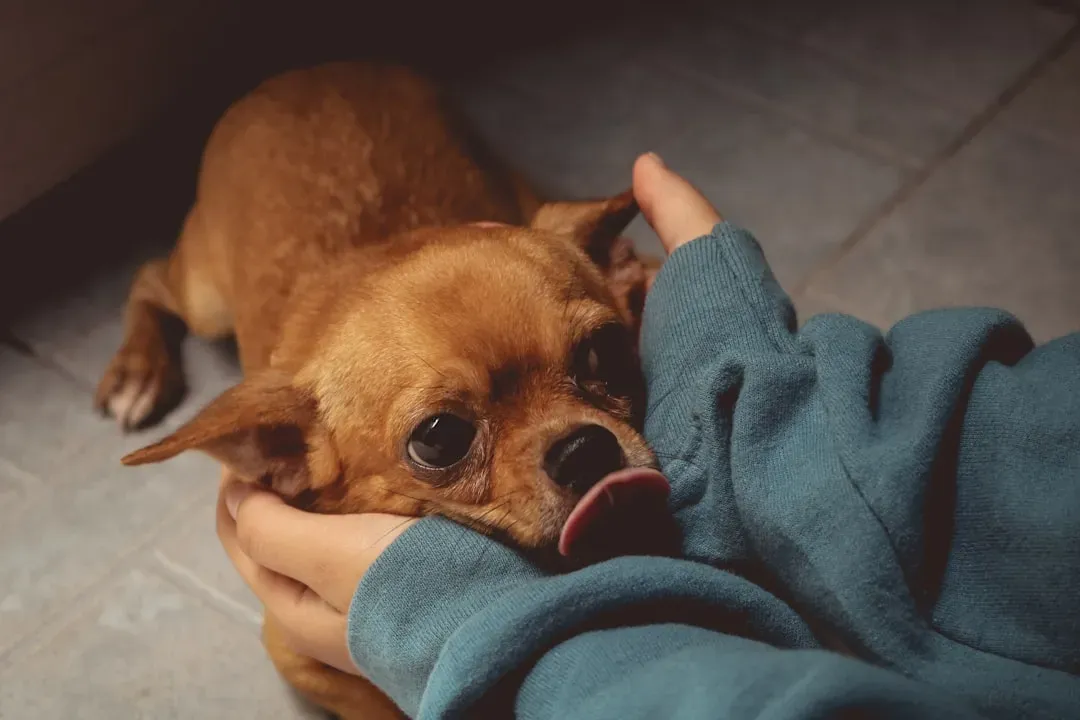
One of the earliest and most heart-tugging signs is when your dog suddenly refuses to leave your side. I think most people chalk this up to “they just love me today,” but it runs a lot deeper than that.
One of the earliest and most noticeable shifts in behavior can be a change in your dog’s usual social interactions. Some dogs may become excessively clingy, constantly seeking your attention, following you from room to room, and becoming anxious when left alone.
This increased clinginess, where dogs seek constant companionship and reassurance from their owners, can be interpreted as a way of seeking comfort and expressing their bond. If your dog suddenly insists on being in the same room as you, even following you to the bathroom, take it as a love letter, not a nuisance.
2. They Seek Out Your Touch More Than Usual
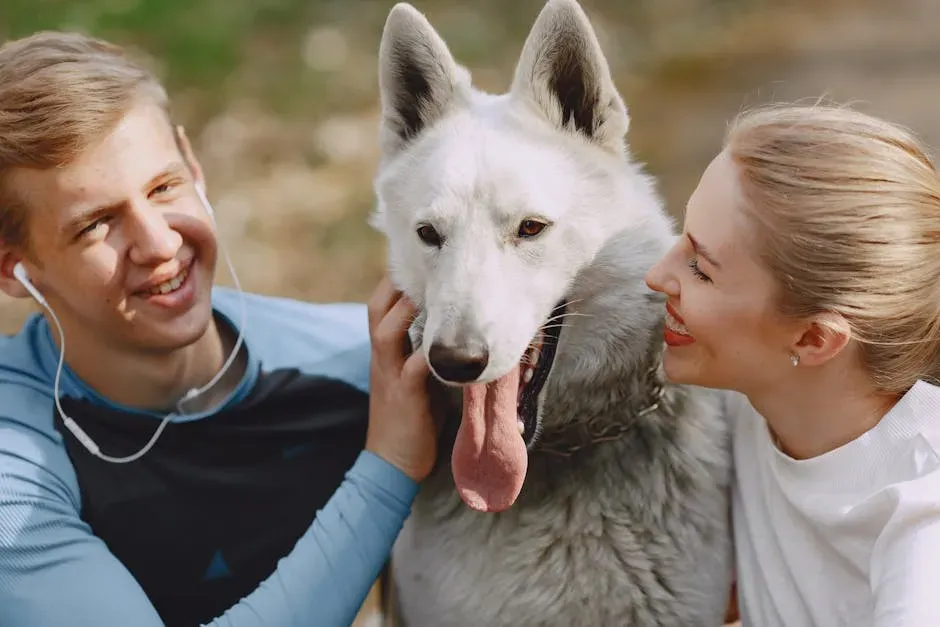
You know that feeling when you place your hand on your dog’s back and they melt into you? In the final stretch of life, that craving for physical contact intensifies. It’s their version of holding your hand.
Becoming more affectionate and seeking constant proximity to their owners, as if seeking comfort and reassurance, is a common behavioral shift near end of life. Think of it like a child needing a hug during a thunderstorm. Your warmth, your scent, your presence is their safe place.
The best thing you can do? Let them have it. Sit on the floor with them. Place a hand gently on their side. Providing gentle interaction, laying near them, light petting, or soft speaking can make an enormous difference in how peaceful and loved they feel.
3. They Choose to Sleep at Your Feet or Pressed Against You
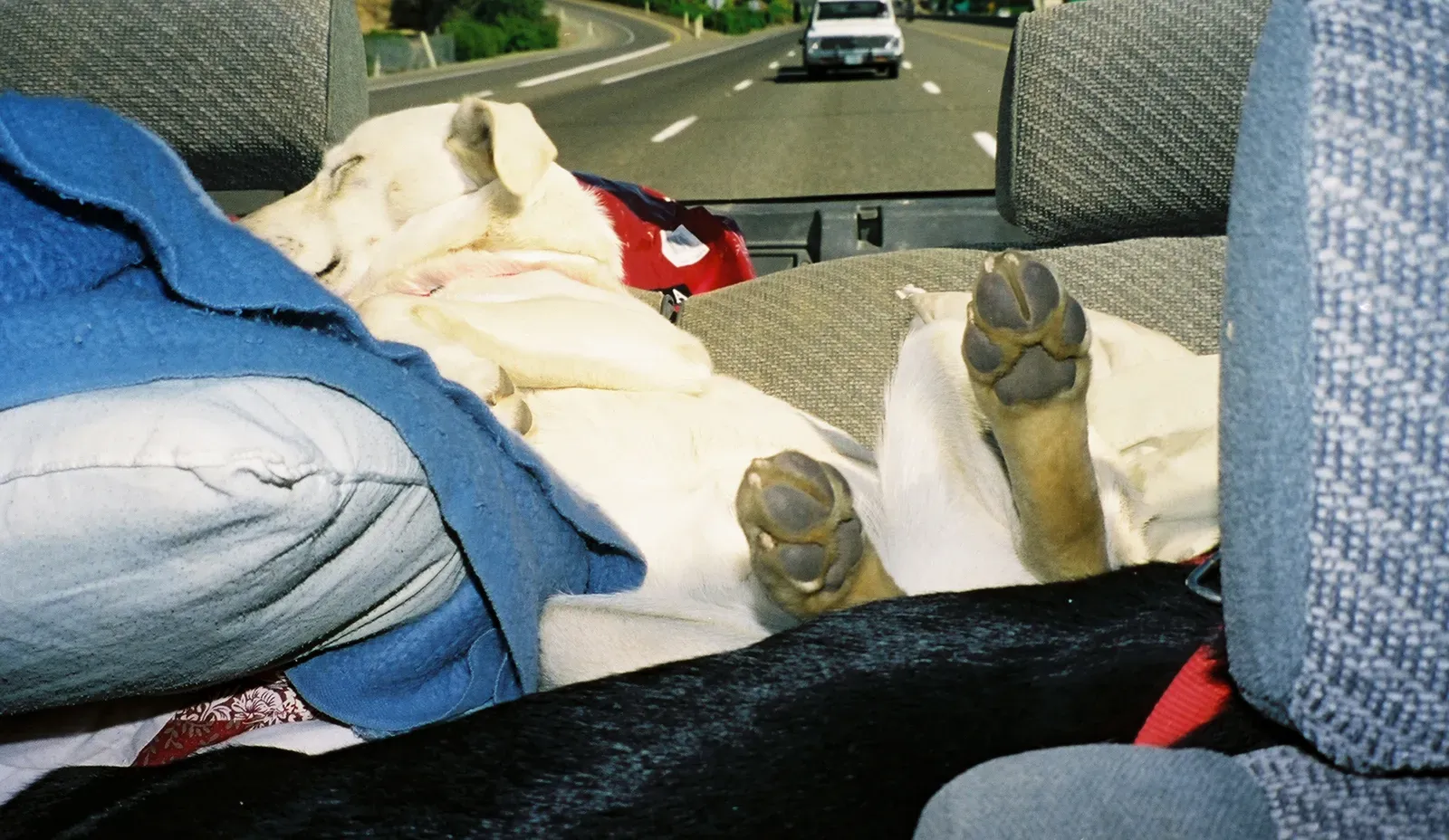
Dogs that used to sleep in their own bed across the room may suddenly choose to sleep draped over your feet or pressed firmly against your leg at night. It catches you off guard the first time it happens.
If your dog has a favorite blanket, toy, or an item of clothing that smells like you, keep those nearby to comfort them. Your scent is a source of deep reassurance for them, which is exactly why they want to stay physically close, especially during sleep.
This shift in sleeping location isn’t random. It’s your dog anchoring themselves to the one thing that makes the world feel safe. Honor it by making the space comfortable and accessible for them.
4. They Follow You With Their Eyes
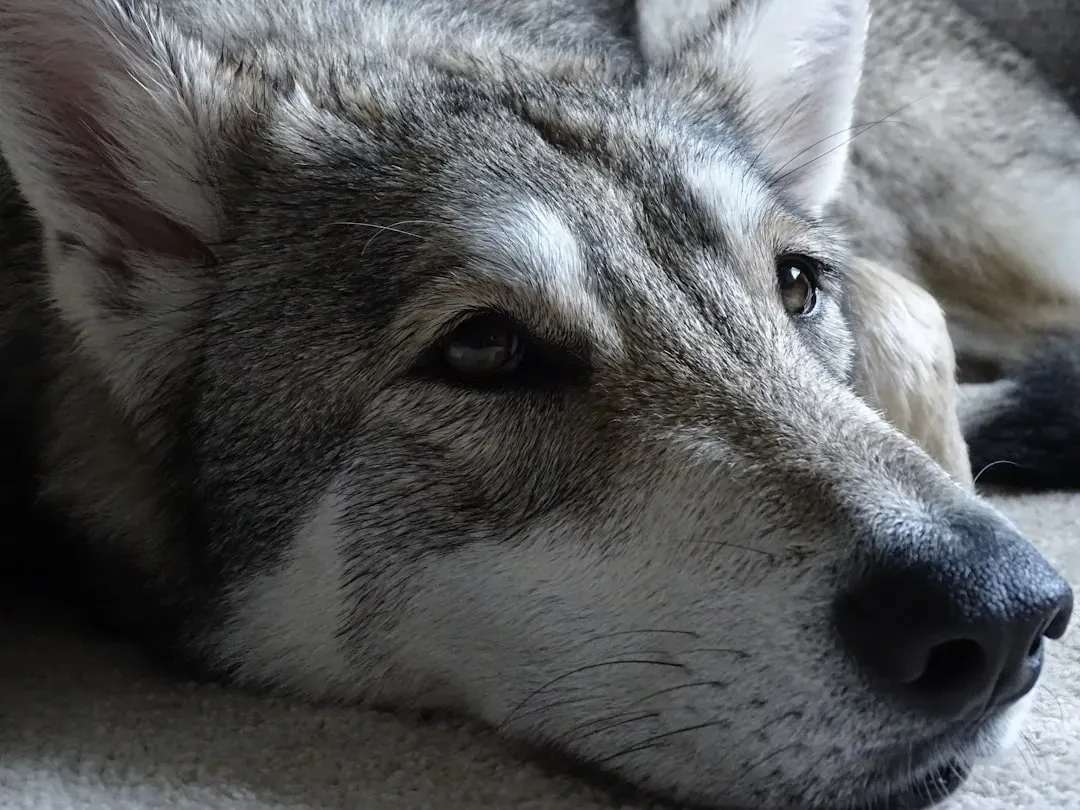
Sometimes the clinginess isn’t physical. Sometimes it’s just a gaze. You walk across the room, and your dog’s eyes track every step you take, even if their body can’t follow anymore. Honestly, that is one of the most emotionally loaded things you’ll ever witness.
Many pet parents seem to sense when something is off with a pet’s overall energy or expressions. Trust your gut as a pet owner, especially if other signs of dying are present or your pet has a diagnosis that makes dying more likely.
When their body starts to fail them but their love for you hasn’t dimmed one bit, their eyes become their only way of staying close. Make sure you meet that gaze. Speak gently. They are listening, even when it seems like they’re not.
5. They Lose Interest in Food but Perk Up When You Hand Feed Them
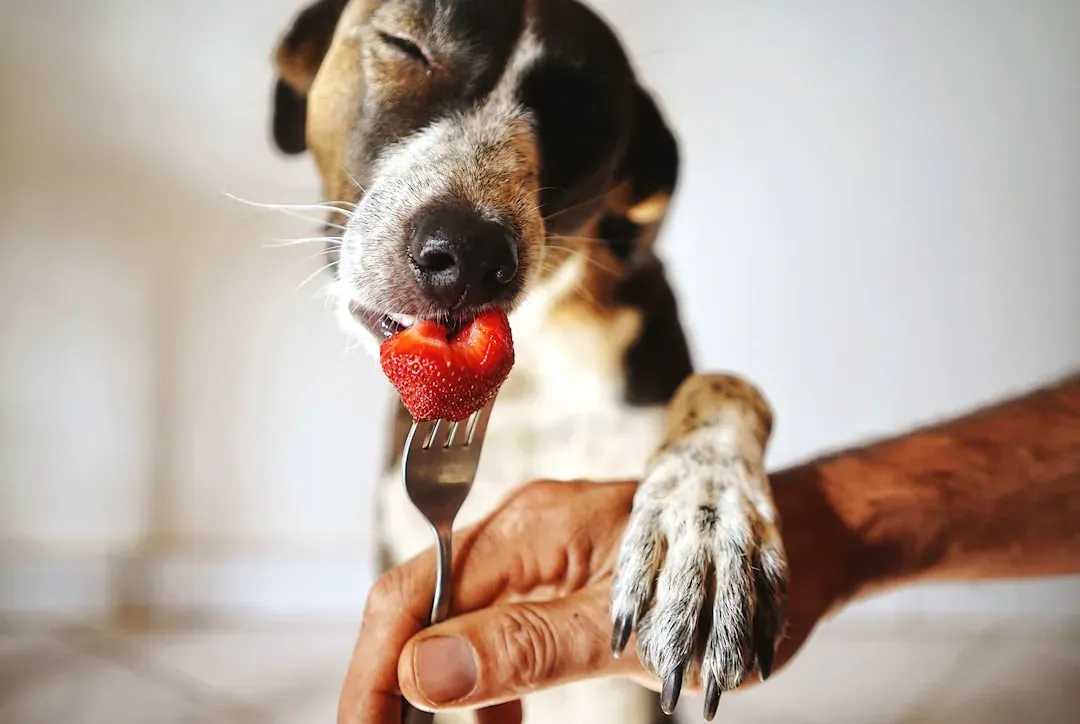
Here’s the thing about appetite changes near end of life: they’re very real, but they don’t always mean your dog has completely given up on eating. Often, the difference is who is offering the food.
Pets may lose interest in food or water as vital organ functions begin to shut down. Your dog may be reluctant to approach their food bowl, but continue to take treats, or they may stop eating altogether.
When a dog takes food directly from your hand even after ignoring their bowl, they’re not being picky. They’re being close to you. Offering small, appealing meals and water within easy reach but without forcing food is a gentle and compassionate approach that respects both their physical limits and their emotional needs.
6. They Start Sleeping More but Want You Nearby While They Rest

Excessive sleep is one of those signs that many owners initially wave off as “just old age.” Sometimes it is. But when it’s paired with a strong preference for sleeping near you specifically, something deeper is going on.
Lethargy is a common sign and dog behavior before death. As a dog nears their end of life, they will usually sleep more and become disinterested in going for walks or other usual activities.
Support your dog by providing more dog beds or comfortable places to rest around the house, with toys and their favourite blankets. Place a soft bed near your usual sitting spot. Bring their resting area into the living room where you spend your time. Proximity equals peace for them right now.
7. They Become More Vocal or Unusually Quiet

Some dogs whimper softly, whine for no obvious reason, or make low vocalizations you’ve never quite heard from them before. Others go almost completely silent. Both are meaningful. Both deserve attention.
Changes in vocalization patterns can provide insights into a dog’s comfort level, pain, or emotional state as their time draws to a close. This may include vocalizing, whining, or whimpering more due to discomfort, becoming unusually quiet or ceasing to bark, or emitting low-pitched howls if experiencing a decline in their mental faculties.
If your dog suddenly starts crying in the night or seems to be calling out to you, go to them. Don’t wait until morning. These moments of reaching out are precious, and sometimes brief. A gentle voice and a steady hand can calm them more than any medication.
8. They Seek Out Warmth and Your Body Heat Specifically

Older and ailing dogs often struggle to regulate their body temperature. It’s a physiological reality that most owners don’t know about. So when they curl into you or seek the warmest spot in the house, there’s a biological reason behind it.
Dying dogs will find it difficult to regulate their body temperatures. They lose control over their bodily functions and grow vulnerable to becoming hot or cold.
Try to keep your dog comfortable by avoiding extreme temperatures. If you live in the heat, keep your pup in the shade and provide cool water. Provide a cozy bed by a warm spot or a pet-safe heating pad if you live somewhere cold. Your body warmth isn’t just comforting, it’s actually helping them feel physically better.
9. They Check on You More Frequently Throughout the Day
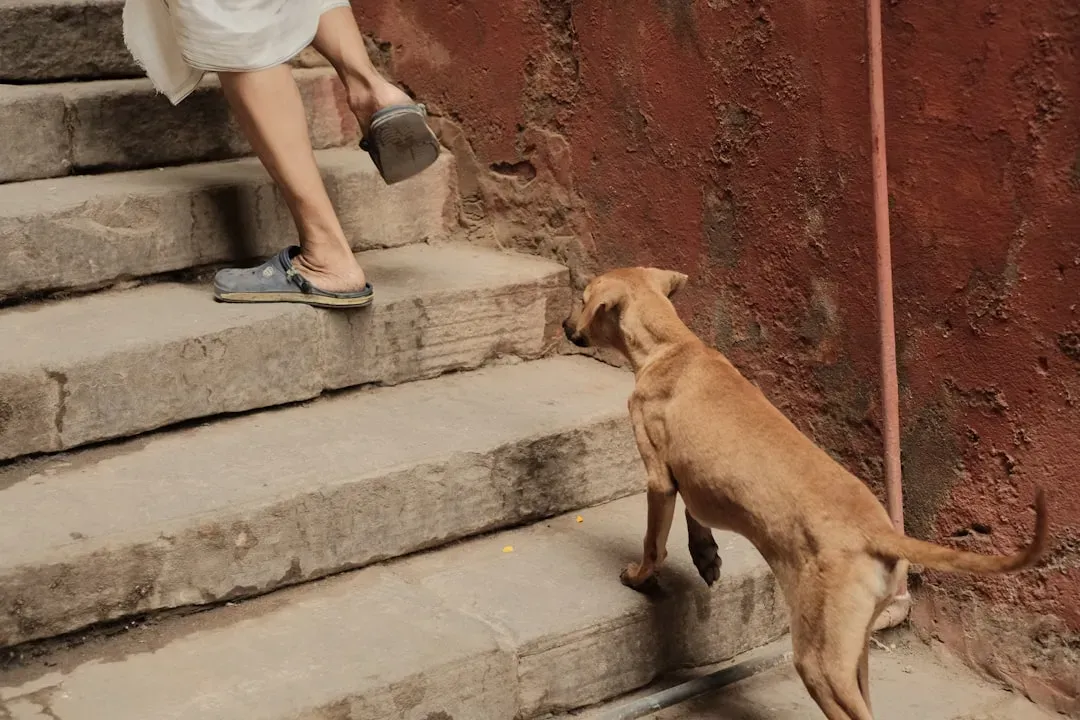
This one surprises people. You’d expect a dying dog to be focused entirely on their own discomfort, right? Yet many dogs in their final weeks will still come to check on their humans, nudging a hand, resting a chin on a knee, doing a little patrol of the house to find you.
Dogs pick up on our emotions, and whatever you are feeling they are likely feeling too. So try to stay in a warm, loving, attentive, close, intimate frame of mind. It’s a two-way street of emotional sensing.
Honestly, this behavior floors me every single time I hear about it from dog owners. Even while their own body is failing, they’re still looking after you. That’s the depth of the bond. Acknowledge it. Thank them for it.
10. They Bring You Their Favorite Toy or Object
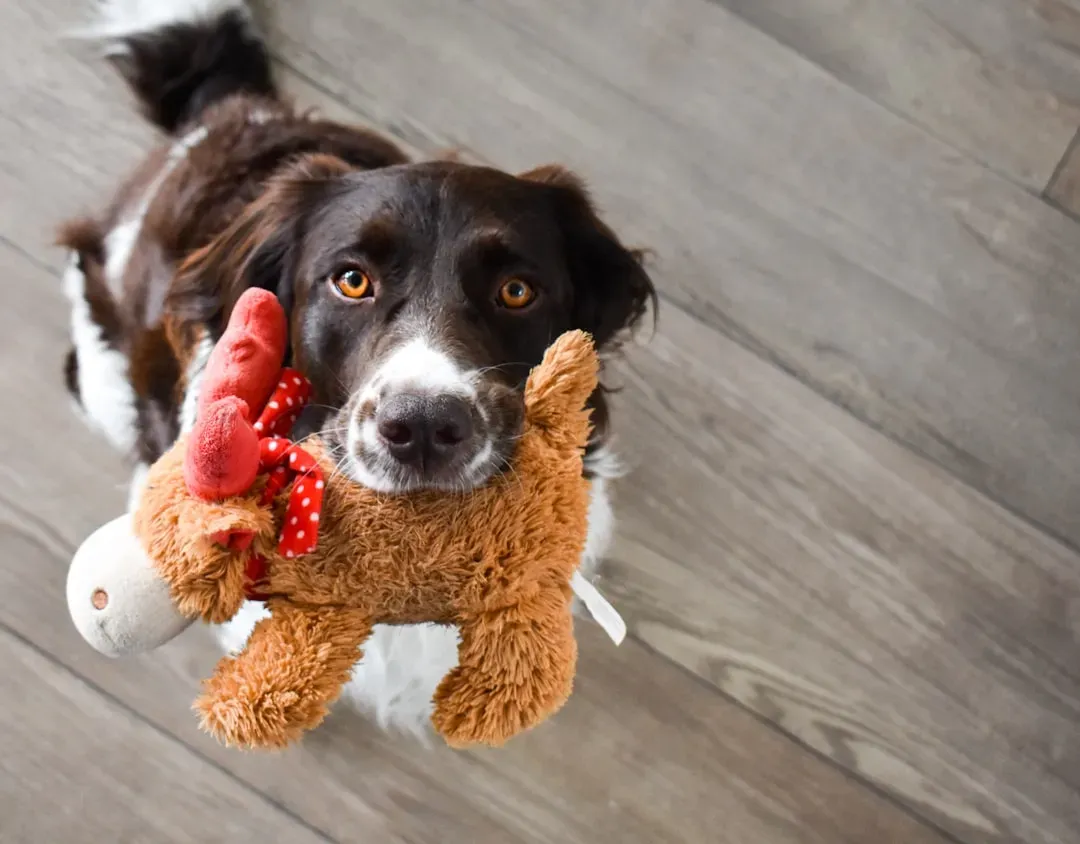
Not all dogs do this, but for those that do, it tends to leave owners completely undone. A dog that brings you their beloved squeaky toy or their chewed-up blanket in their final days is doing something quite remarkable.
It’s a form of gift-giving rooted in their desire for closeness and connection. Think of it like a child handing you a drawing. It’s not about the object. It’s about the moment of shared attention, the look exchanged, the bridge between you.
The best thing you can do for yourself and your dog is to listen, observe, and offer comfort and help as needed. How much time you have left is less important than how much closeness and love you give each other in whatever time you have left. Accept the toy. Play gently. Sit with them in that moment.
11. They Show Signs of Restlessness at Night but Want You Close
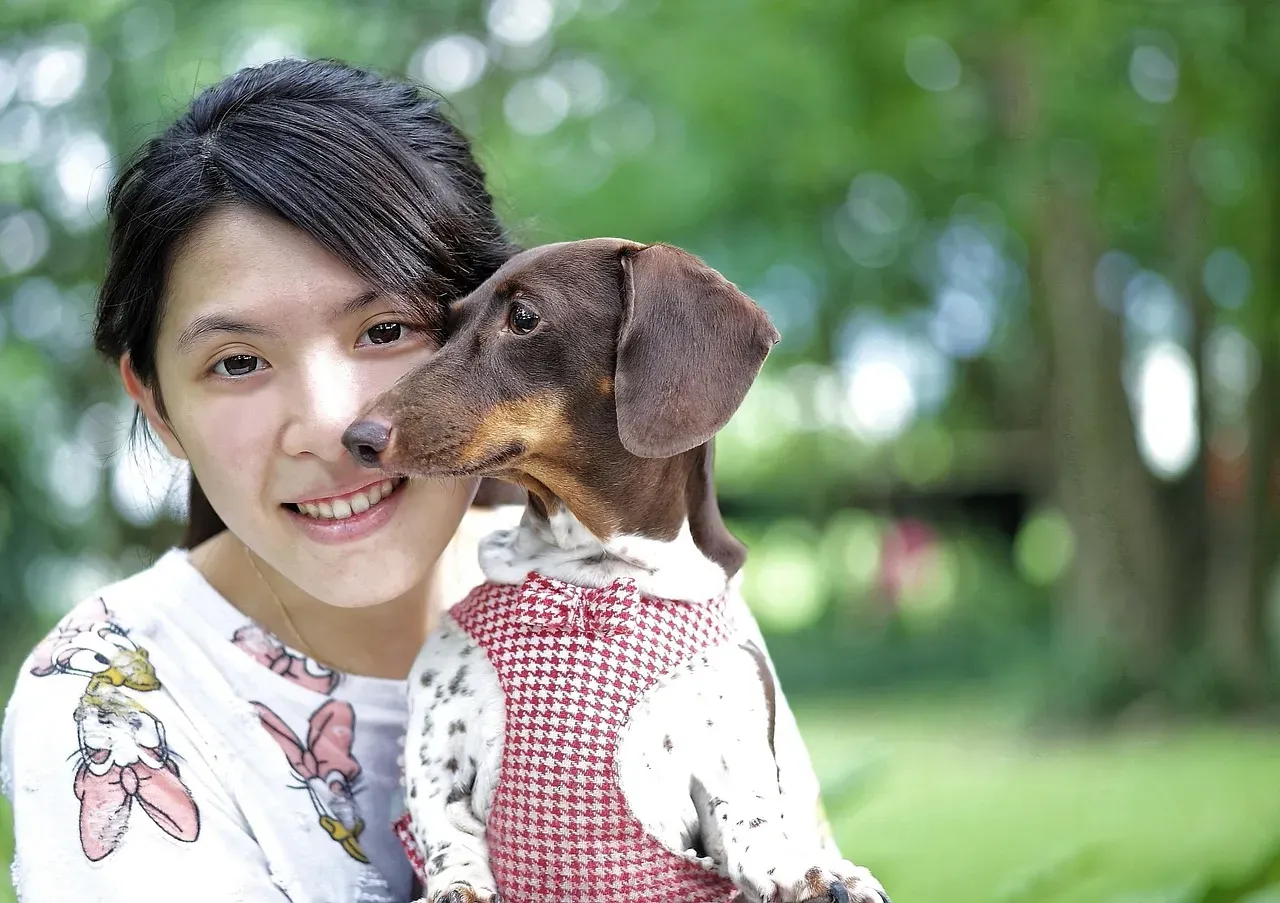
Nighttime can become a difficult stretch for dogs nearing the end of life. They may pace, seem unable to settle, get up and lie down repeatedly. What often helps them finally rest is your nearness.
A dog’s emotional state can become more fragile as their final journey nears, leading to heightened anxiety or apprehension. They may become restless, unable to settle in one spot, or engage in repetitive pacing, even at night.
Try sleeping on the couch near them, or moving a mattress to the floor if needed. It sounds extreme, but those calm nights you give them matter. Creating a calm, familiar space free from loud noises and filled with soft bedding goes a long way in making rest possible.
12. They Show Disinterest in Everything Except Being Near You
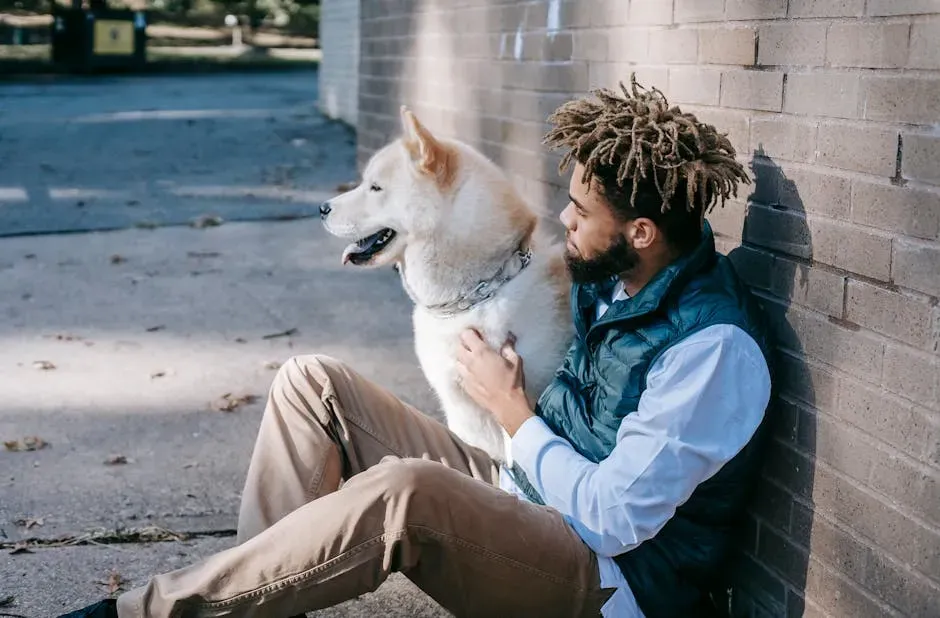
Your dog used to lose their mind over squirrels, walks, other dogs at the park. Suddenly none of it matters anymore. The one thing that still registers on their radar? You.
A noticeable decline in interest in previously enjoyed activities and surroundings is a significant behavioral change that indicates a dog’s diminishing vitality. It’s not depression in the human sense. It’s a natural shifting of priorities as their world narrows.
Let’s be real, this is hard to watch. Your playful, energetic companion is a shadow of themselves. But the silver lining is beautiful: even as the world fades for them, you remain. Your presence is still the brightest thing in their narrowing world. That’s extraordinary.
13. They Go Through Moments of Unusual Calm and Deep Connection
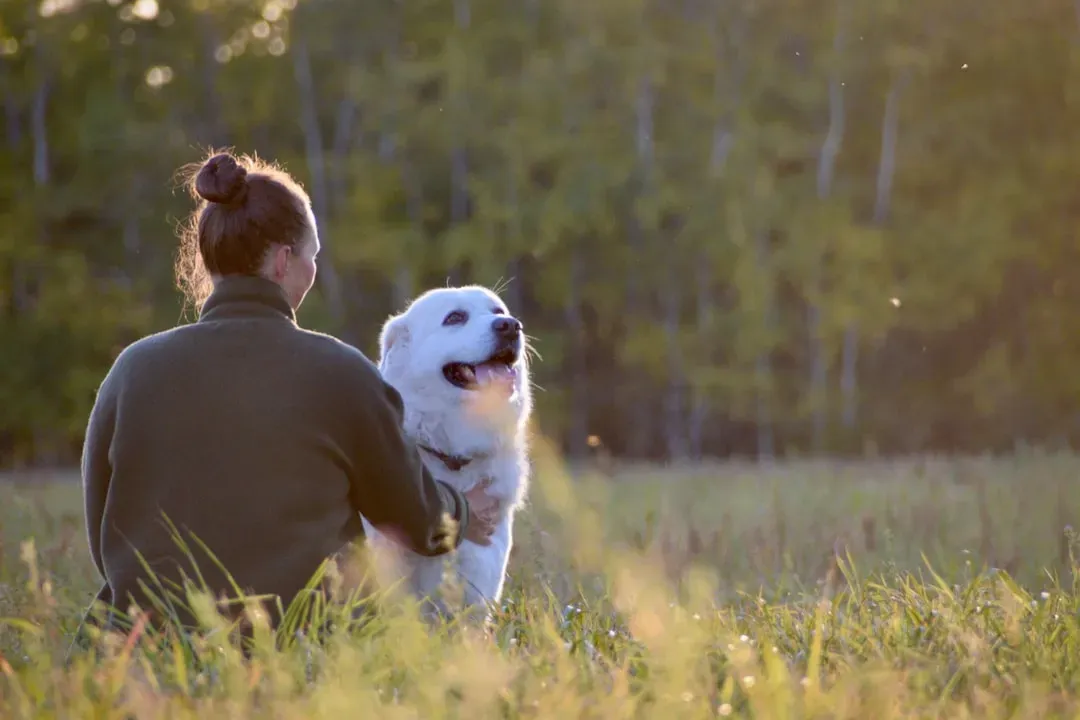
Many dog owners report something surprising in the days before their dog passes: a window of unusual peace and awareness. The dog looks deeply into your eyes, seems fully present, almost serene. It can feel profound and hard to explain.
These signs signal discomfort or cognitive decline, but they also offer pet parents insight into their dog’s physical and emotional state during their final transition. Sometimes what looks like a sudden improvement is actually a quiet gathering of presence.
As you spot these changes, you can create meaningful, peaceful final experiences filled with love and comfort rather than confusion and distress. If you get one of these clear, connected moments, put down your phone. Be fully there. Let it be enough.
14. They Show Physical Signs That Signal the Final Approach

Beyond emotional behaviors, the body itself communicates clearly. Knowing what to look for helps you respond with care rather than panic, and ensures your dog isn’t suffering unnecessarily.
A dog nearing the end of life often shows symptoms including significant appetite loss, extreme lethargy, difficulty maintaining balance, respiratory changes, and disinterest in activities. Labored or shallow breathing due to fluid buildup in the lungs or weakening respiratory muscles, and open-mouth breathing even when not warm, can indicate difficulty getting enough oxygen.
If you are seeing signs of declining health, take this information with you to your vet to discuss your options. They may say that your dog can go into palliative care, or they may suggest hospice or euthanasia. Never wait and wonder alone. Your vet is your partner through this.
15. They Find Ways to Stay in Your Space, Even When Movement Is Hard

This one breaks you a little. A dog that can barely stand will still drag themselves to whatever room you’re in. They’ll inch closer on the floor. They’ll lift a heavy head to rest it on your foot. It costs them something to do it. They do it anyway.
Declining mobility and reduced activity are clear indicators of a dog’s deteriorating physical strength and energy. This may include reluctance to stand, walk, or even shift positions due to pain, or unsteadiness and stumbling when they attempt to move.
Staying close by, as your presence can be the most comforting thing for your dog in their distress or confusion, works both ways. You staying close to them is just as healing as them staying close to you. Sit on the floor. Go to where they are. Remove the distance entirely.
A Final Word: Honor Every Moment They Reach for You
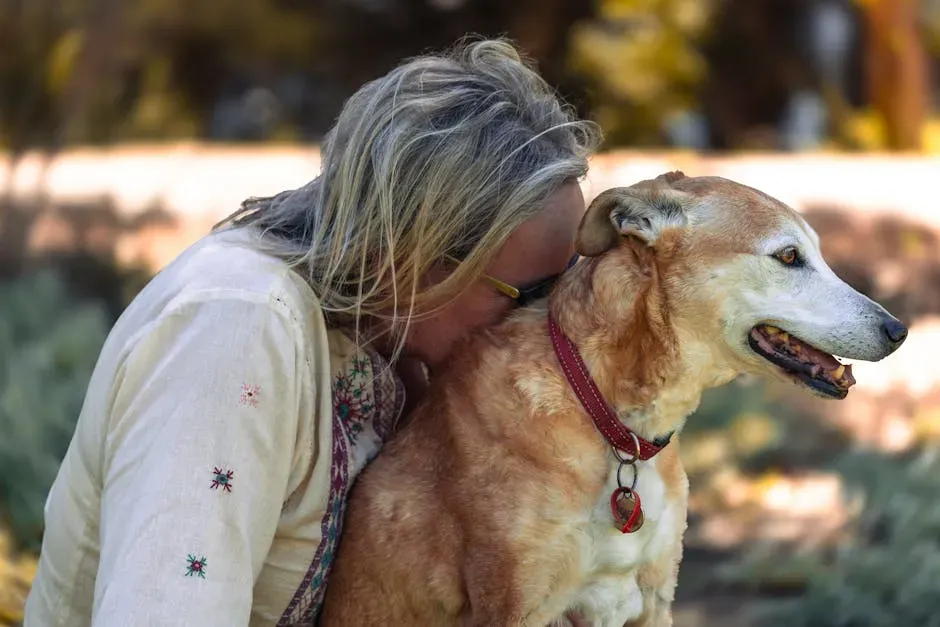
Here’s what I want you to take away from all of this. Every behavior described above is your dog saying the same thing in fifteen different languages: “I love you. Stay with me. I need you near.”
Signs that a pet is nearing the end of their life may not be obvious, and you may struggle to recognize or accept them. While subtle or profound changes in appetite, behavior, or mobility can indicate that your dog is dying, each pet’s journey is unique. There is no single script. Your dog will write their own.
Facing the signs your dog is dying can feel overwhelming. However, it’s also an opportunity to love them and offer security, dignity, and comfort in return for a lifetime of loyalty. That’s the whole job now. Not fixing, not curing. Just being there, fully and freely, for as long as you both have.
The Rainbow Bridge is a beautiful idea, not because it tells us what happens after, but because it reminds us of the bond that never really breaks. Your dog has spent their whole life trying to stay close to you. In their final days, they’re doing it one more time. Let them find you there.
Did you recognize any of these signs in your own dog, past or present? Share your story in the comments. Someone else reading this right now needs to know they’re not alone.


