
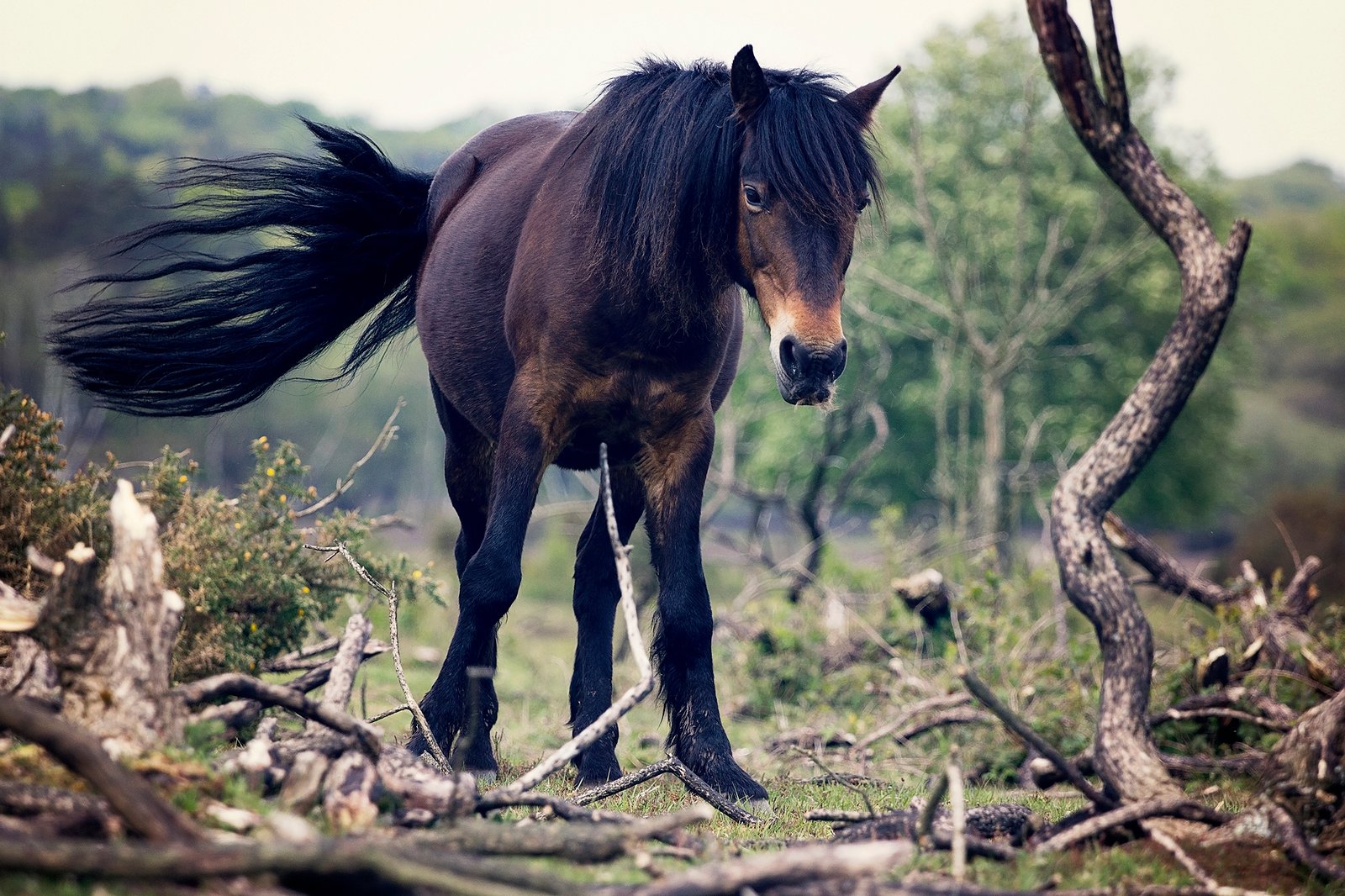
Have you ever looked into a horse’s eyes and wondered what’s going on in that gentle giant’s heart? Horses are more than just beautiful creatures—they’re deeply emotional beings, capable of feeling everything from anxiety and loneliness to pure, unfiltered joy. For those who love horses, understanding their emotional language is like unlocking a secret world. Let’s dive into the fascinating ways horses speak with their bodies, faces, and voices to show us exactly how they feel.
Restless Pacing
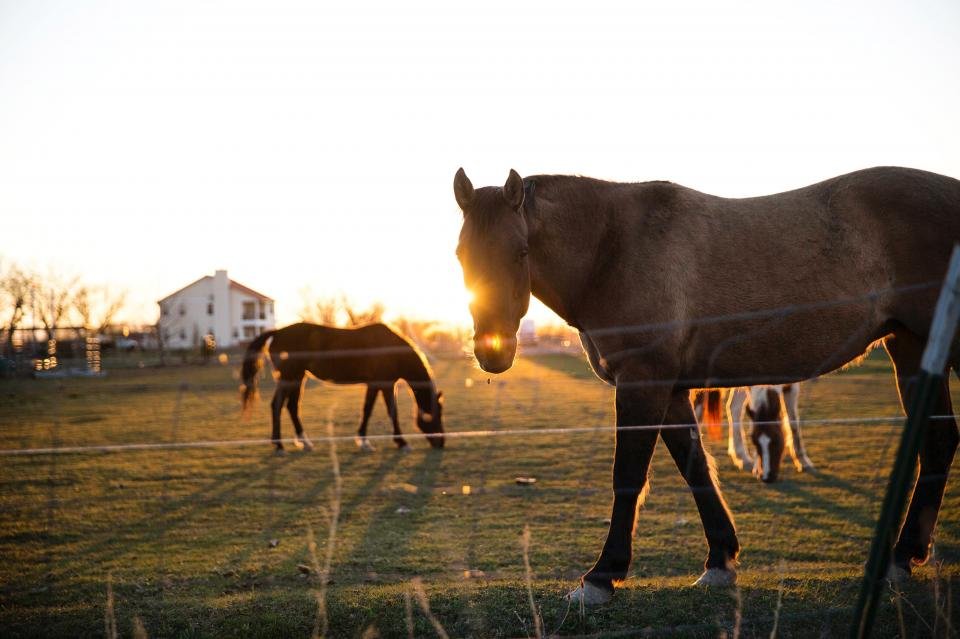
When a horse feels anxious or unsettled, it often starts pacing around its stall or paddock. This behavior isn’t just a quirky habit; it’s a clear sign of inner turmoil. Horses may walk in circles, back and forth, or along the fence line, wearing down paths in the dirt. Pacing can be compared to how people tap their feet or walk around when they’re nervous. It’s an urgent, repetitive movement that tells observers something isn’t quite right. If left unaddressed, pacing can lead to health issues, making it vital for horse owners to recognize and address the source of the stress. This sign is a window into a horse’s emotional world—one that begs for understanding and care.
Whinnying and Calling Out
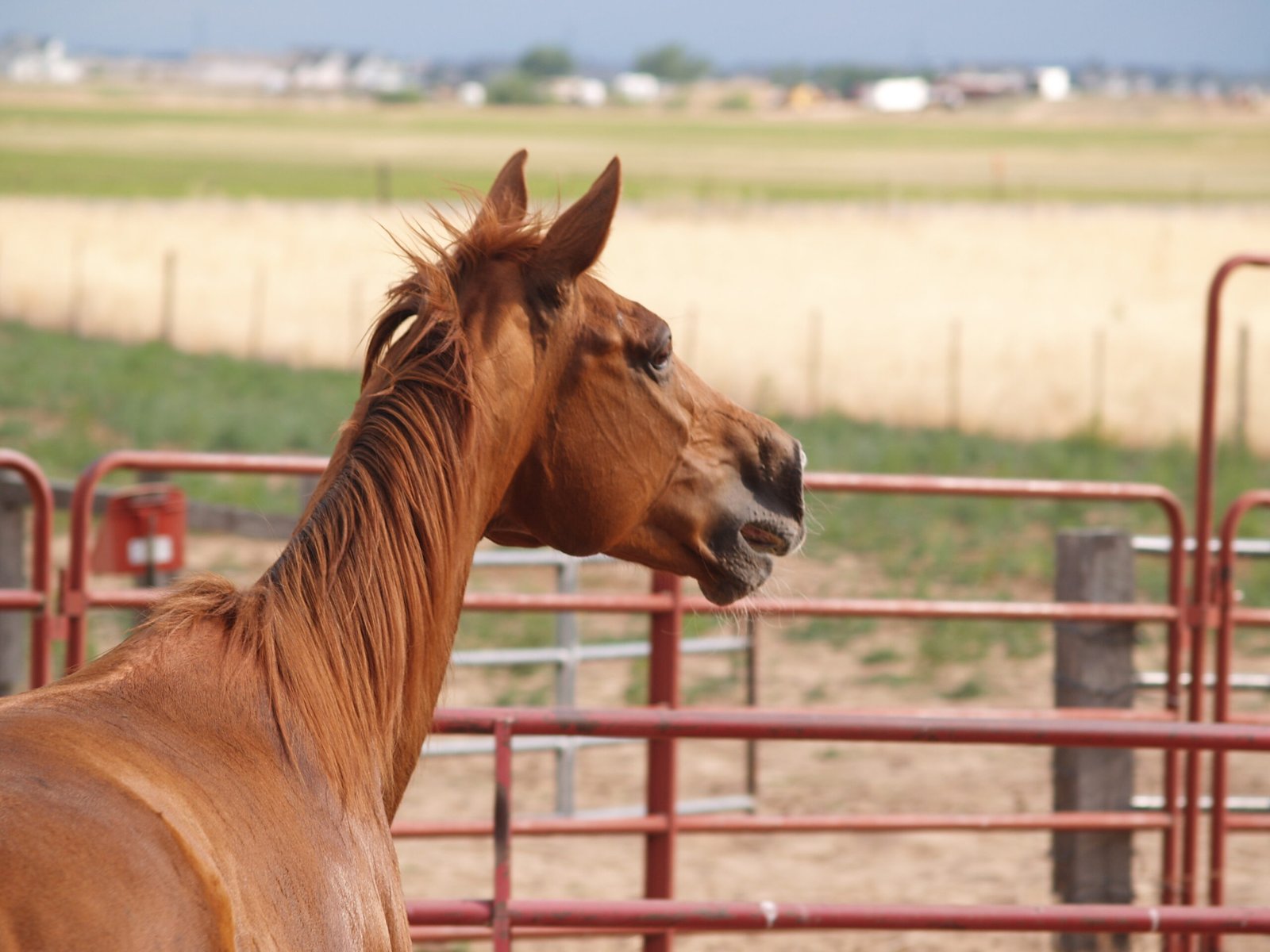
Horses use their voices for more than just making noise. A loud whinny or persistent neigh often means a horse is feeling lonely or searching for a friend. Imagine being left alone in a room—most people would call out for company, and horses do the same. Their calls can be high-pitched and urgent, echoing across fields or stables. This vocal communication is especially common when a horse’s companion leaves, highlighting their social nature. These sounds are pleas for connection, and they tug at the heartstrings of anyone who listens closely.
Pinning Ears Back
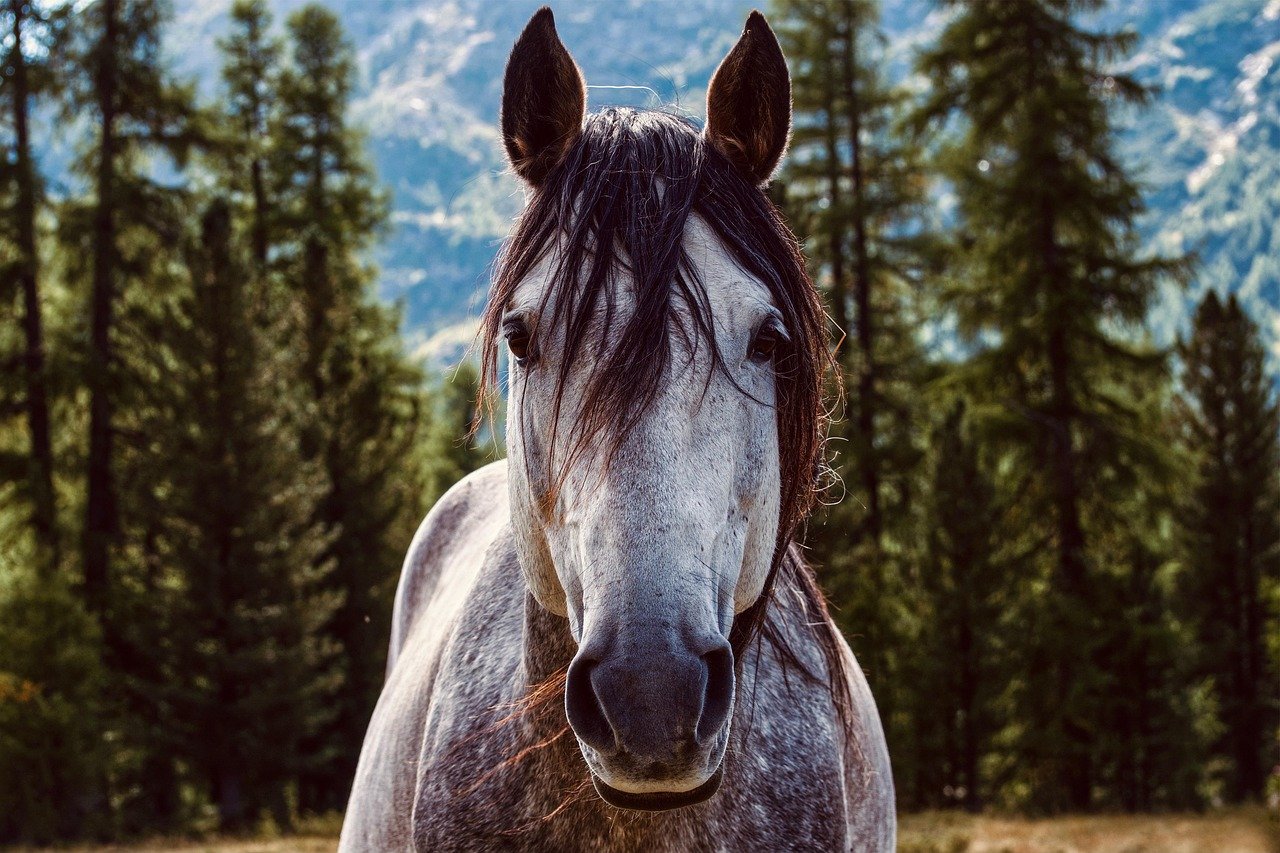
A horse’s ears are like emotional antennas. When a horse pins its ears flat against its head, it’s usually a sign of irritation, fear, or even anger. This gesture is unmistakable and serves as a warning to others—stay back, I’m not happy. Sometimes, horses pin their ears when they’re nervous or anxious, especially in unfamiliar situations. For riders and caretakers, noticing pinned ears can prevent misunderstandings or even accidents. It’s a powerful, silent way for horses to express discomfort or distress, reminding us to pay attention to their feelings.
Tail Swishing
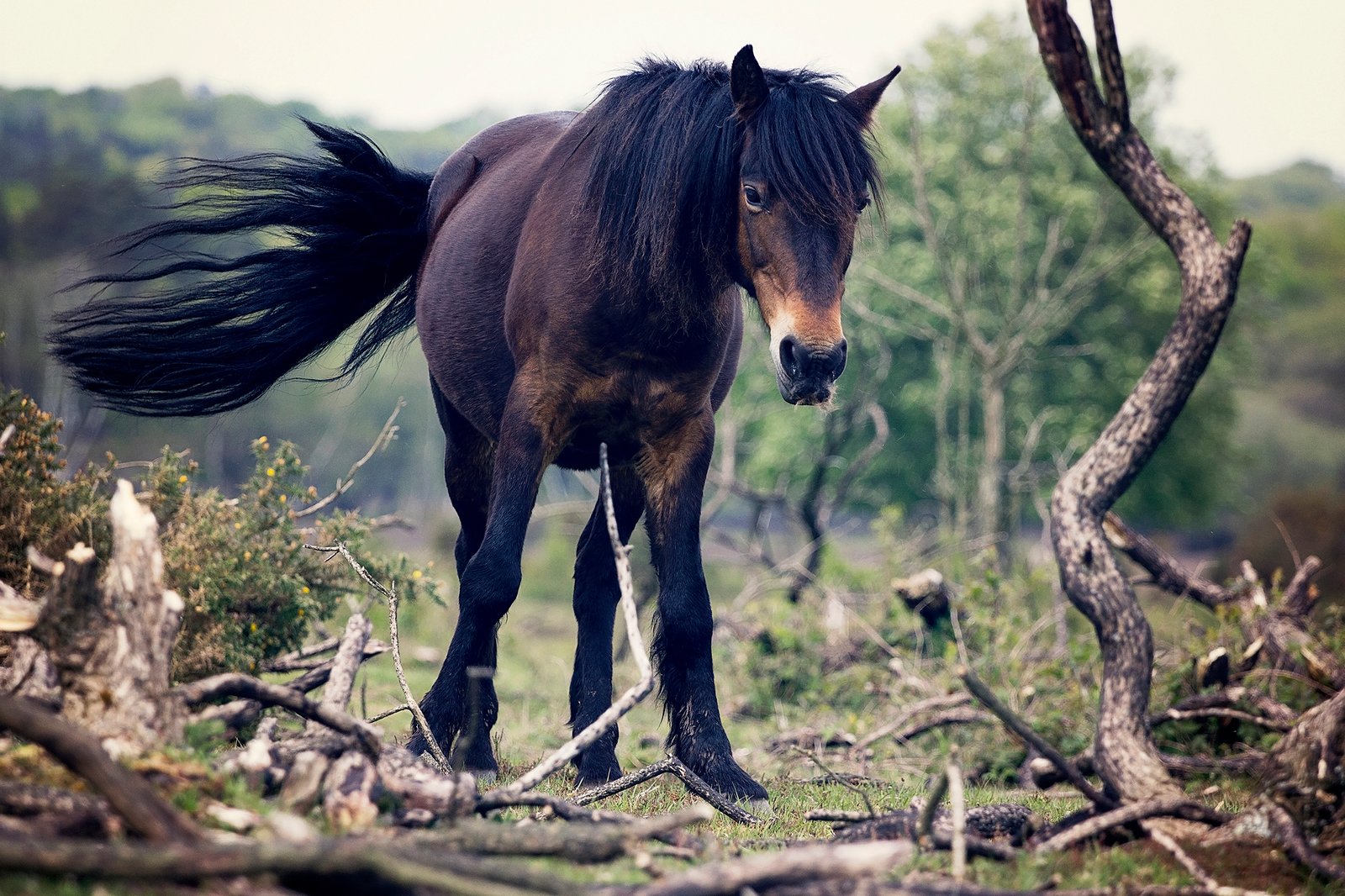
A horse’s tail is more than just a fly-swatting tool—it’s a barometer for mood. When a horse swishes its tail rapidly or more frequently than usual, it could signal frustration, anxiety, or agitation. In some cases, a horse might swish its tail in response to discomfort, such as an ill-fitting saddle or annoying insects. But when the tail moves with tense energy during certain situations, it often means the horse is feeling unsettled. Observing the rhythm and force of tail swishing helps caretakers understand what’s going on inside the horse’s mind.
Frequent Pawing
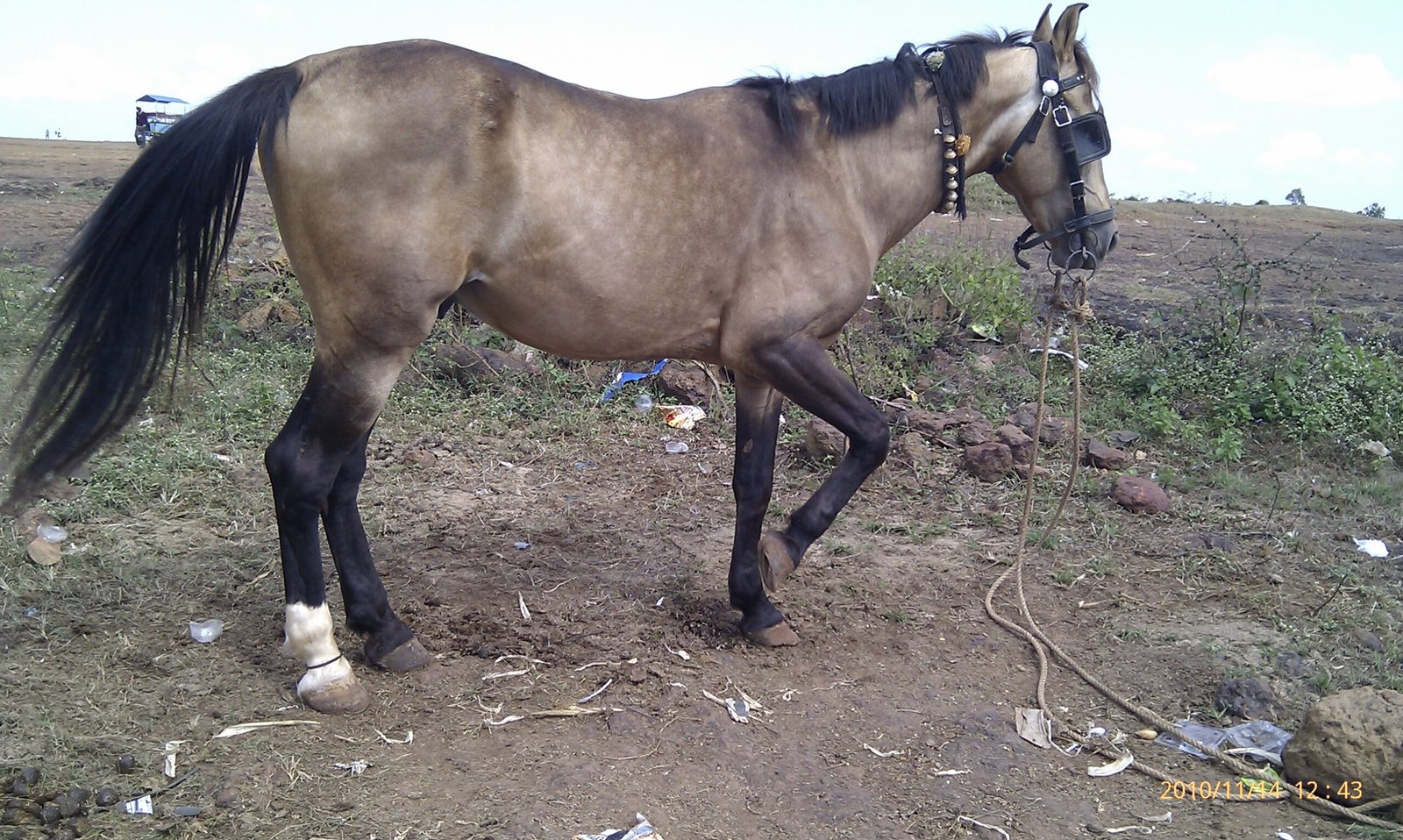
Pawing at the ground isn’t just about boredom. When horses dig at the dirt with their hooves, they might be feeling anxious, impatient, or even a bit lonely. This action is similar to people drumming their fingers on a table when anxious. Sometimes, pawing happens before feeding time, but if it’s frequent or intense, it signals emotional unrest. Pawing can even indicate a need for attention. By tuning into these movements, horse lovers can spot when their equine friends need extra comfort.
Wide Eyes and Flared Nostrils
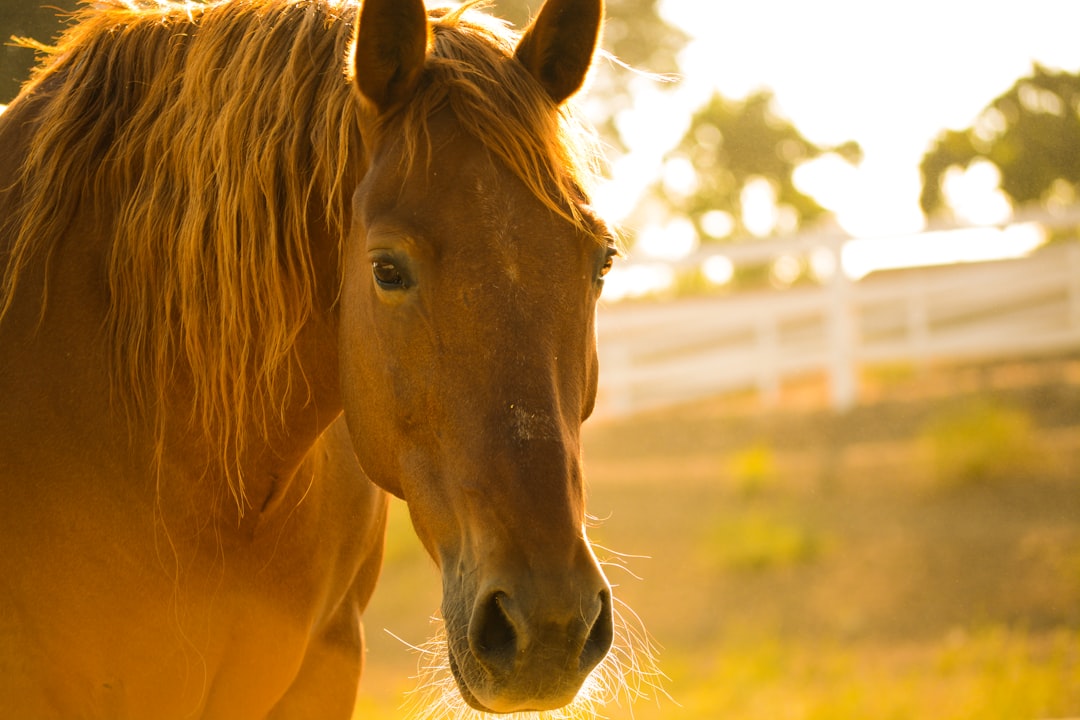
Nothing says “I’m on high alert” quite like a horse with wide, staring eyes and flared nostrils. These classic signs of fear or anxiety happen when a horse encounters something unfamiliar or threatening. The whites of their eyes may show, and their nostrils widen as they breathe faster, ready to bolt if needed. This reaction is rooted in their instincts as prey animals—always ready to spot danger and flee. When horses display these physical cues, it’s a clear cry for reassurance and calm.
Drooping Head and Lips

On the flip side, a horse showing joy or relaxation often lets its head drop and its lips hang loosely. This soft, almost sleepy posture is the ultimate sign of contentment. If you’ve ever seen a horse “doze” in the sun, with a relaxed lower lip and half-closed eyes, you’ve witnessed genuine equine happiness. This posture means the horse feels safe and satisfied, surrounded by trusted companions or caretakers. It’s a heartwarming sight for anyone who cares for these gentle souls.
Excitable Prancing
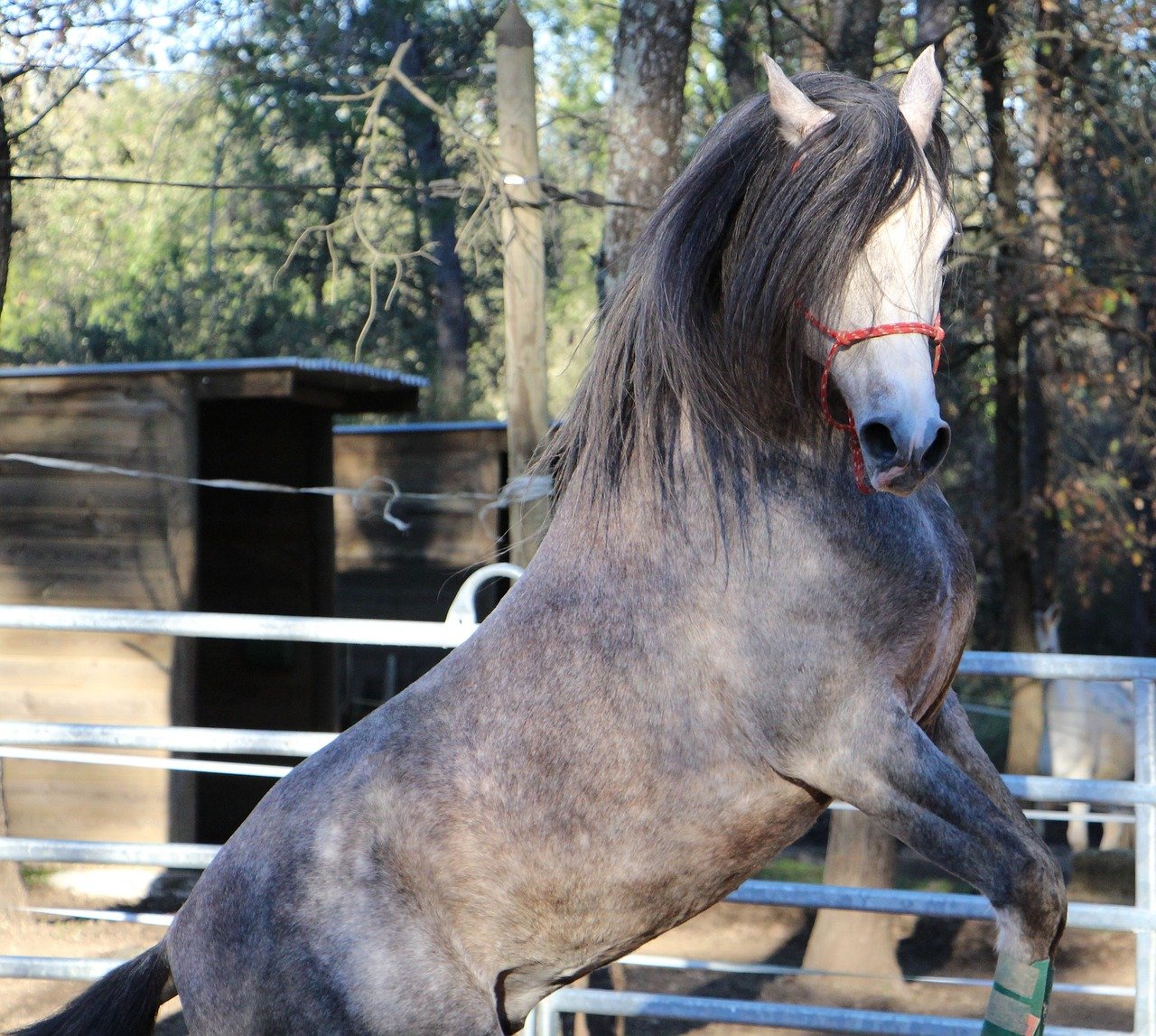
When a horse is happy or eager, it might prance, lifting its legs higher and strutting around with energy. Prancing is a joyful, almost playful behavior, like a child skipping down the street. Horses often prance when they see a friend, anticipate a treat, or get ready for a ride. The movement is light, bouncy, and full of life, signaling excitement and positive energy. Watching a horse prance can be infectious, making even the most stoic observer smile.
Leaning Into Touch

Physical affection matters to horses, just as it does to people. When a horse leans into a human’s touch, it’s showing trust, comfort, and even love. A gentle rub on the neck or withers can mean the world to a horse, and their response—closing their eyes, sighing, or pressing against your hand—speaks volumes. This behavior highlights their need for connection and reassurance, especially during stressful times. It’s a simple gesture, but it’s one of the most powerful ways horses communicate their emotional needs.
Loss of Appetite

Emotional distress can affect a horse’s eating habits. When horses are anxious, lonely, or depressed, they may lose interest in food. Skipping meals or nibbling without enthusiasm is a red flag for caretakers. This change in behavior is similar to how people sometimes lose their appetite when sad or worried. Watching for changes in eating patterns helps spot emotional struggles early, allowing for timely intervention and support.
Self-Isolation
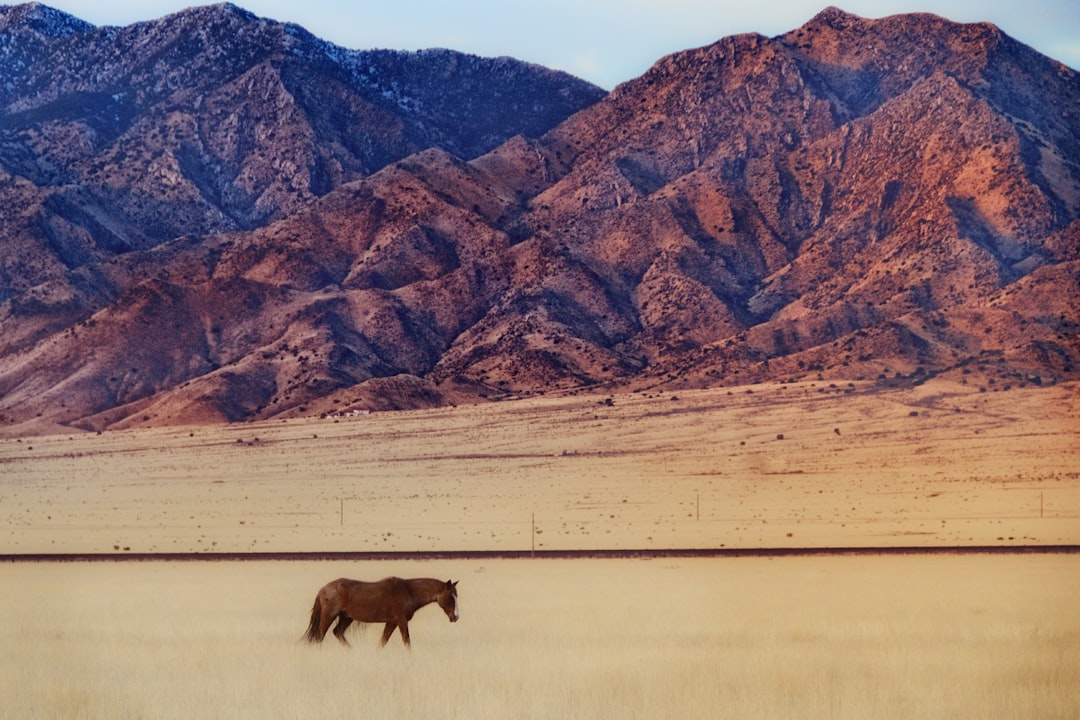
Horses are naturally social creatures, so when one chooses to stand alone, it’s often a sign of emotional pain. Whether due to anxiety, illness, or grief, self-isolation is a quiet cry for help. You might notice a horse lingering at the far end of a field or keeping a distance from the herd. This behavior is particularly poignant after the loss of a companion, reflecting a deep sense of loneliness. Recognizing self-isolation is crucial for horse lovers, reminding us to offer companionship and care when it’s needed most.
Playful Nipping

Not all nipping is bad behavior. Horses sometimes nip playfully at each other or at trusted humans as a sign of affection or excitement. It’s their way of saying “let’s play” or “I like you,” much like puppies mouthing each other. Of course, it’s important to distinguish between playful and aggressive nipping, but when done gently, this behavior is a form of joyful interaction. It reflects a happy, secure horse who feels comfortable expressing itself.
Excessive Sweating
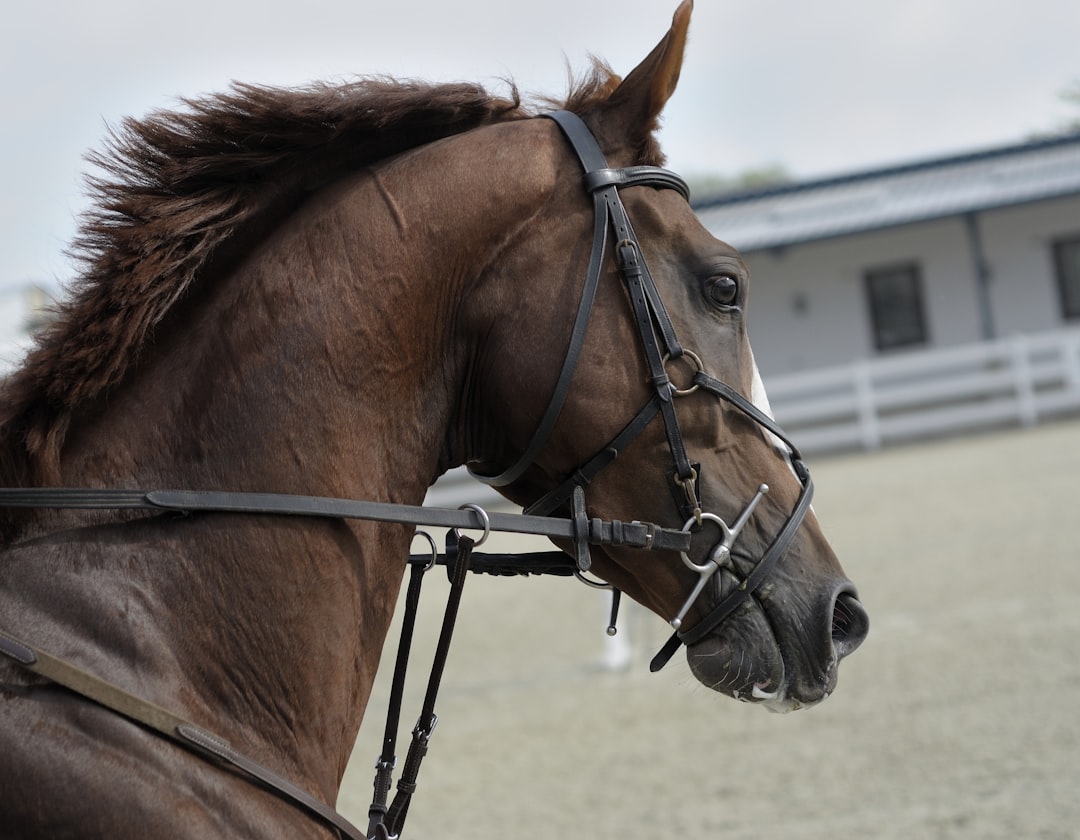
Sweating isn’t just a response to heat or exercise—horses can sweat when they’re scared or anxious, too. If a horse breaks out in a cold sweat, especially without physical exertion, it’s a sign of emotional stress. The neck, flanks, and chest are common areas to watch. Excessive sweating can signal fear before a storm, during travel, or in the presence of unfamiliar people or objects. By noticing this physical response, caretakers can identify and address sources of anxiety before they escalate.
Soft Blowing and Sighing
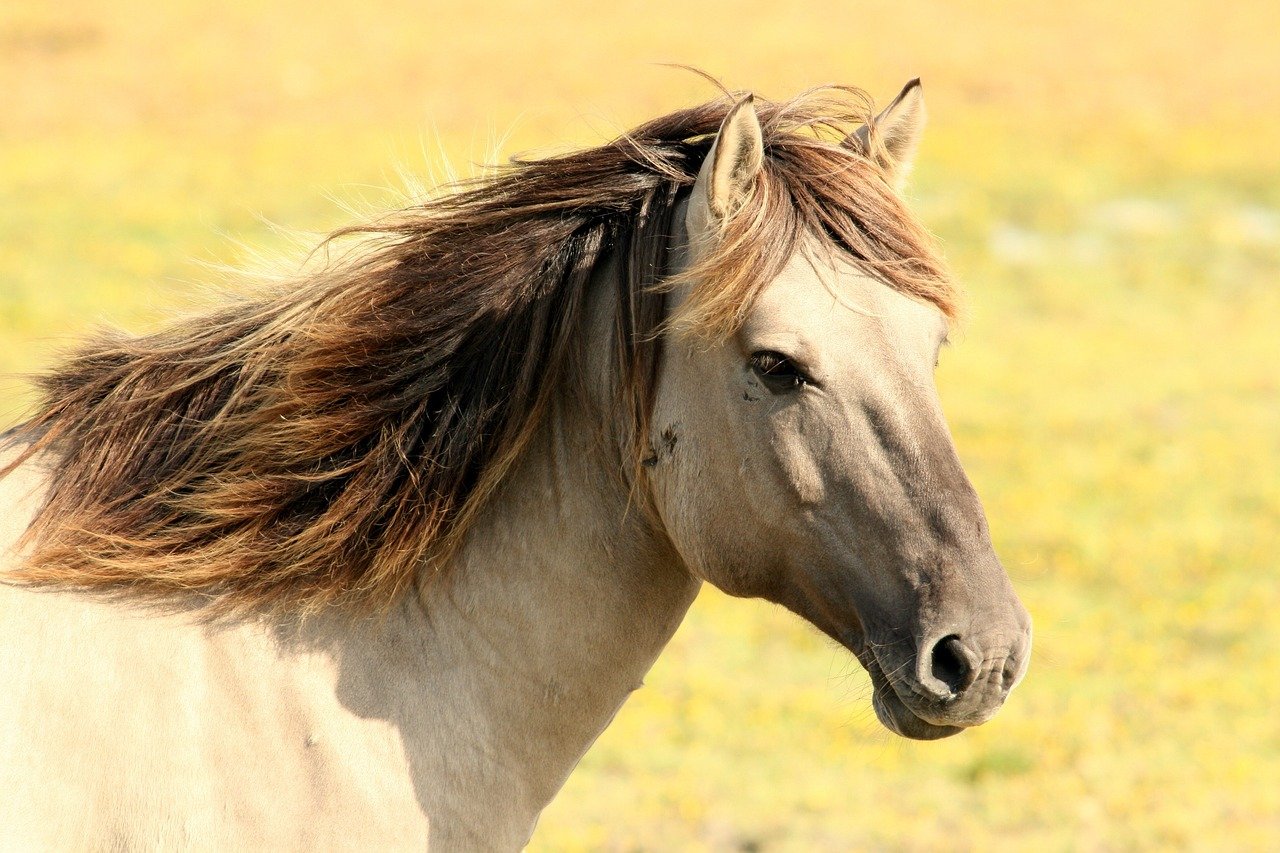
A content horse often exhales deeply, making a soft blowing or sighing sound. This gentle noise is music to a horse lover’s ears, signaling relaxation and happiness. Horses might sigh after a good grooming session, a peaceful ride, or while basking in the sun. These sounds are the equine equivalent of a person letting out a deep breath after a stressful day—a clear indication that all is well in their world.
Mirroring Human Emotions
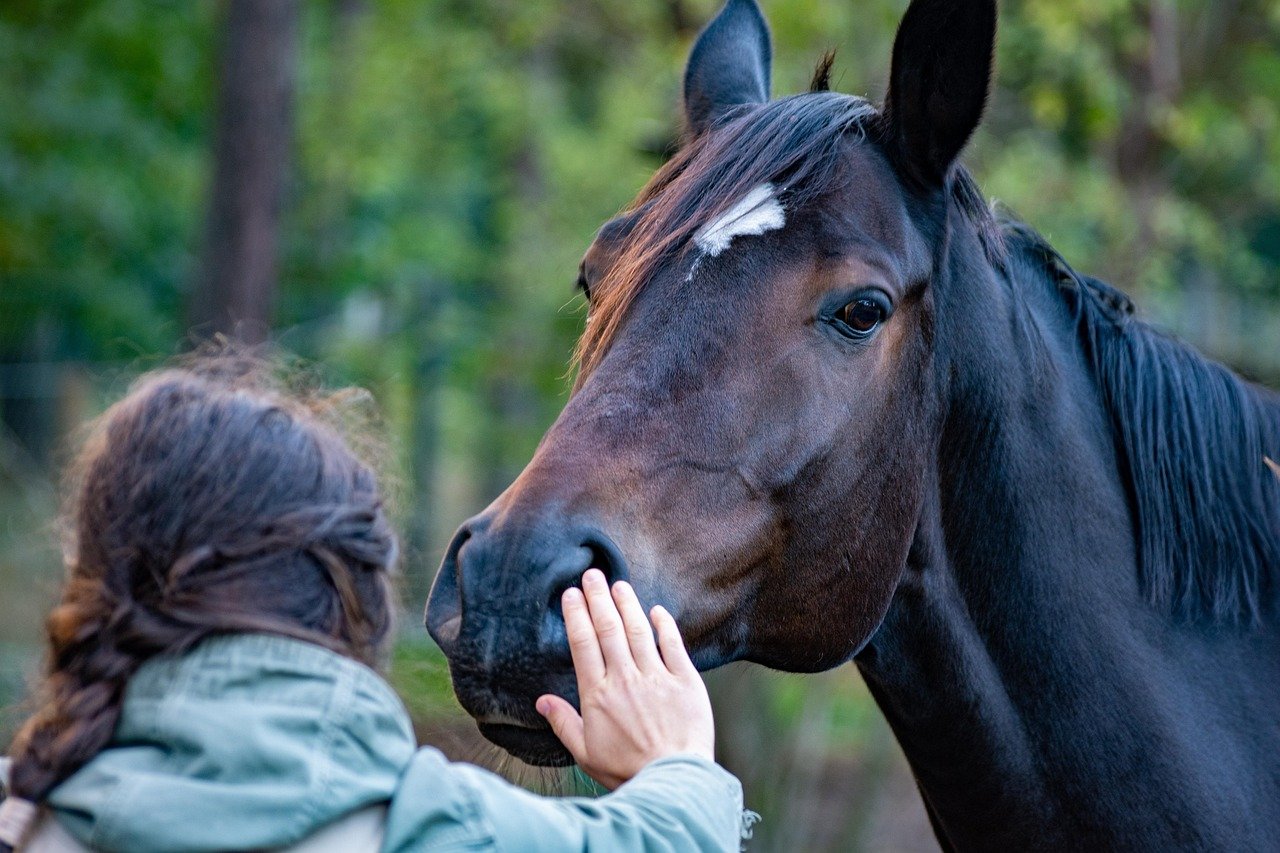
It’s astonishing how horses often reflect the emotions of the people around them. A nervous rider can make a horse tense, while a calm, happy caretaker can soothe a troubled animal. Horses pick up on subtle cues—tone of voice, body language, even breathing patterns. This emotional mirroring shows just how sensitive and empathetic horses can be. It’s as though they have an emotional radar, always tuned in to the feelings of those they trust.
Horses may not speak our language, but they’re incredibly expressive when it comes to their emotions—if we’re paying attention. From anxious tail swishes to joyful whinnies, every movement tells a story. Learning to read these cues deepens your connection and helps you care for them in a more meaningful way. Because at the heart of it, understanding your horse’s feelings is the key to a truly trusting bond.


