

Isn’t it amazing how two dogs can be so different, yet both steal your heart in an instant? Picture a tiny Chihuahua curled beside its owner or a majestic Great Dane bounding across a field—these beautiful differences go far beyond appearance. Every wag, every bark, and, yes, even every trip to the vet, can be influenced by your dog’s breed. For devoted dog lovers searching for the secrets behind their furry friend’s health and longevity, understanding these breed-specific factors is truly eye-opening. Get ready to discover the hidden ways your companion’s breed shapes their life, health, and happiness.
Genetic Predispositions: The Blueprint of Breed Health
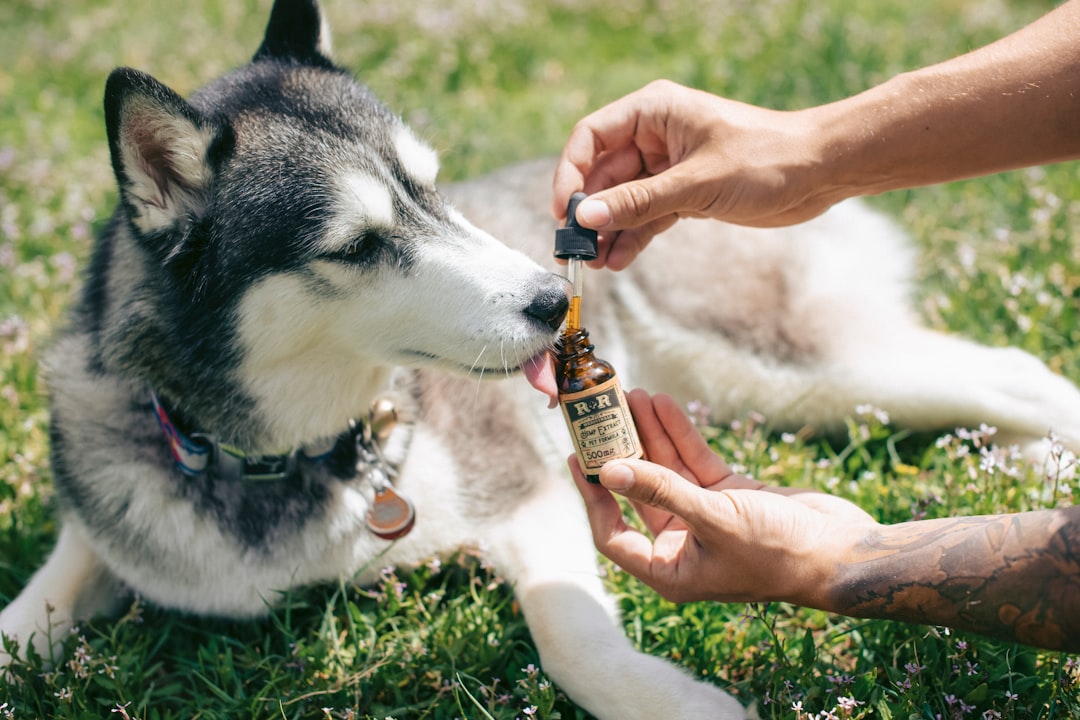
Every dog breed carries a unique genetic code—a blueprint passed down through generations. This genetic inheritance plays a huge role in determining which health problems a dog might face. For example, Golden Retrievers are more likely to develop cancer, while Dachshunds often battle back issues due to their long spines. These inherited risks mean that certain breeds may require extra checkups or special diets from a young age. Knowing your dog’s genetic vulnerabilities can empower you to take preventative steps, such as early screening for breed-specific diseases. It’s almost like having a glimpse into your dog’s future, giving you the power to take action before problems arise. Being aware of your dog’s genetic predisposition can ultimately save you both heartbreak and money.
Size Matters: Why Bigger Isn’t Always Better for Lifespan

It’s a shocking truth for many dog lovers: smaller breeds often outlive their larger counterparts. While a Chihuahua may reach the ripe old age of 18, a Saint Bernard might only make it to 8 or 9 years. The reason lies in biology—larger dogs grow faster and age more quickly, putting extra stress on their organs and joints. This rapid growth can lead to early onset of diseases like arthritis or heart problems. Smaller breeds, on the other hand, tend to have slower metabolisms and less strain on their bodies, which often translates to a longer, healthier life. If you’re dreaming of many years with your canine companion, breed size is a crucial detail to consider.
Brachycephalic Breeds: Breathing Issues and Life Quality

Pugs, Bulldogs, and Shih Tzus—these breeds are famous for their adorable squished faces. But that flat-faced cuteness comes at a price. Brachycephalic breeds often struggle with breathing difficulties, thanks to shortened airways and narrow nostrils. This can make exercise, hot weather, or even a simple nap risky for them. Over time, poor oxygen intake can lead to fatigue, overheating, and even life-threatening emergencies. Owners of these breeds must be vigilant about temperature, exercise, and weight, as extra pounds only make breathing harder. It’s a reminder that sometimes, the features we find endearing can carry hidden health challenges.
The Impact of Breed on Joint and Bone Health

Certain breeds are more likely to suffer from joint and bone conditions, such as hip dysplasia in German Shepherds or elbow dysplasia in Labradors. These issues can cause pain, limping, or even lameness, especially as your dog ages. Genetics play a big role, but so do lifestyle factors like exercise and weight management. Early diagnosis and proper care can make a world of difference, often allowing dogs to lead active lives despite their predisposition. Specialized diets, supplements, and physical therapy can all help support strong bones and flexible joints. Being proactive about joint health can add years of happy, pain-free playtime to your dog’s life.
Breed and Cancer Risk: The Silent Threat
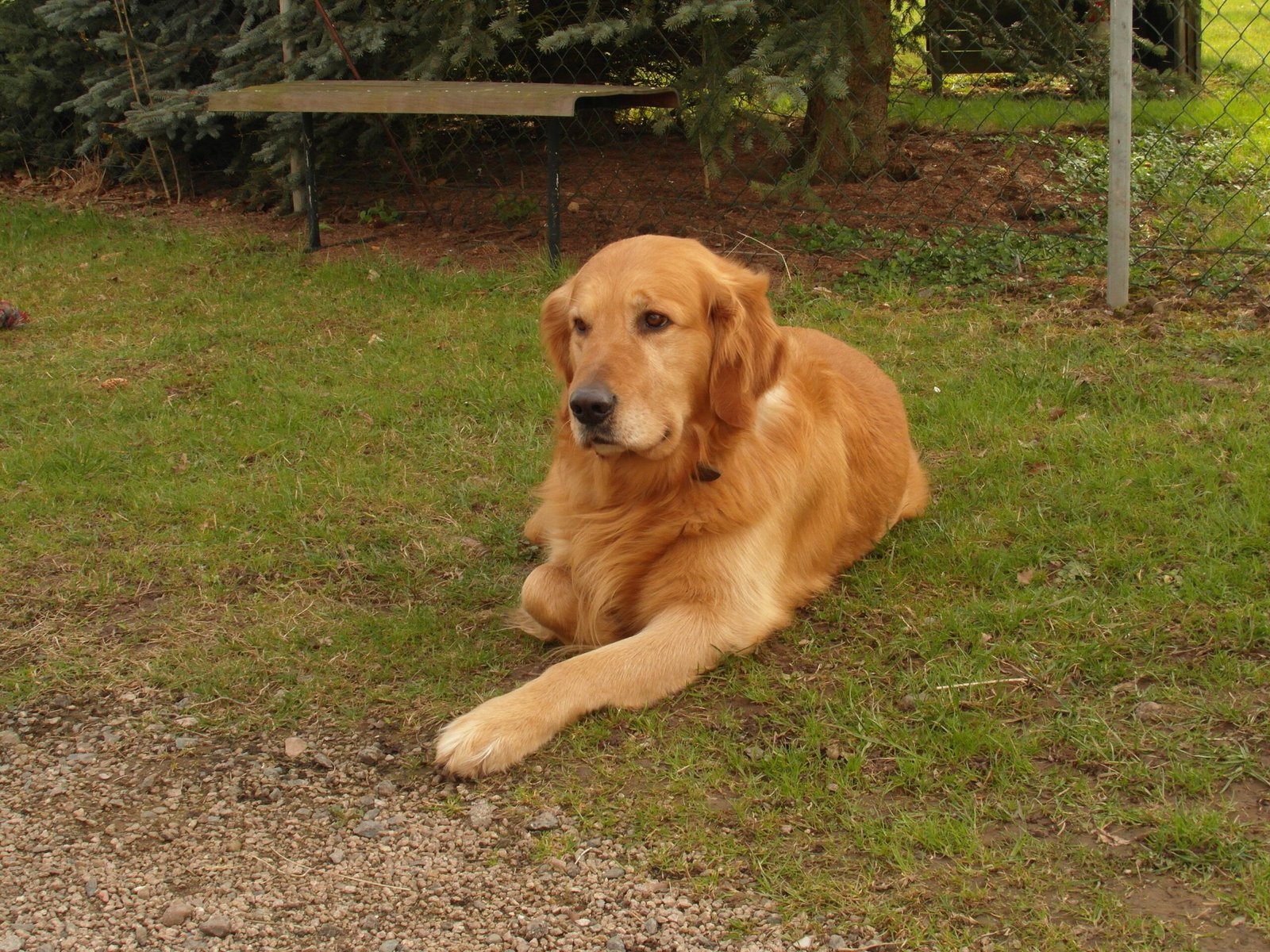
Cancer is a word no pet owner wants to hear, but unfortunately, some breeds are more prone to it than others. Boxers and Golden Retrievers, for instance, have higher rates of certain cancers like lymphoma and hemangiosarcoma. This increased risk means that regular vet visits and early detection are critical for these breeds. Even seemingly healthy dogs may hide symptoms until the disease is advanced, making vigilance key. Knowing your dog’s risk can help you catch early warning signs, like lumps or weight loss, before it’s too late. While not every diagnosis is preventable, awareness can give your dog a fighting chance.
Obesity and Breed: Some Dogs Are Born to Be Chubby

It might surprise you, but certain breeds are genetically wired to gain weight more easily. Beagles, Labradors, and Cocker Spaniels often have insatiable appetites and slower metabolisms, which can quickly lead to obesity. And just like in people, excess weight in dogs can trigger a host of health problems, from diabetes to heart disease and joint pain. Owners of these breeds need to be extra mindful about portion sizes, treats, and exercise routines. A healthy weight isn’t just about looks—it’s a crucial part of giving your dog a longer, happier life. Sometimes, saying “no” to those begging puppy eyes is the kindest thing you can do.
Heart Health and Breed Sensitivity
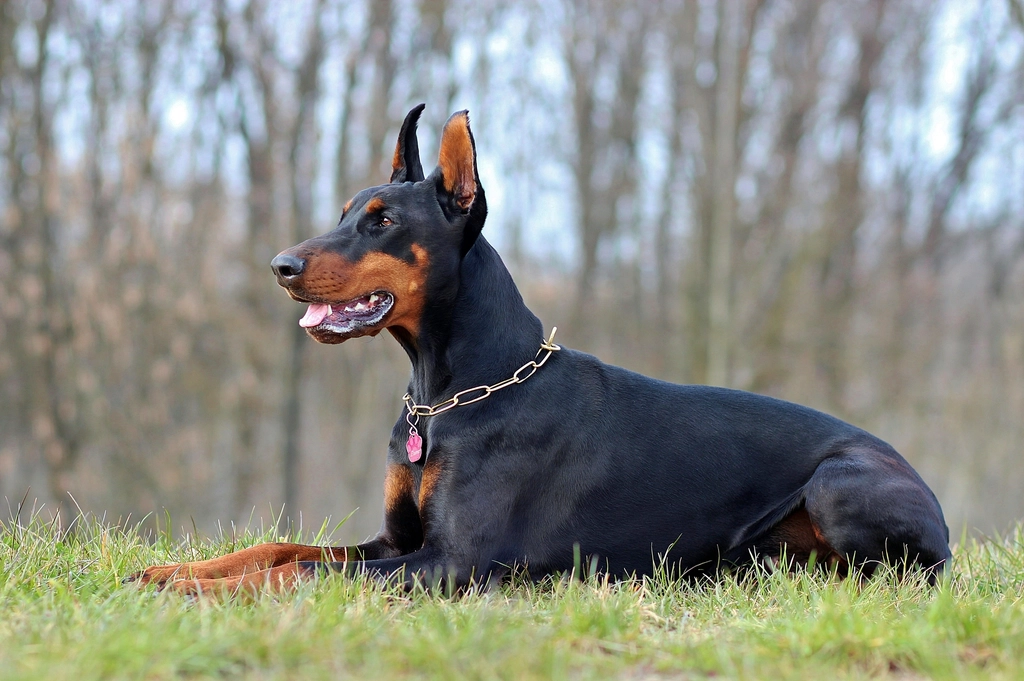
Some breeds carry a heavy burden when it comes to heart disease. Cavalier King Charles Spaniels, Dobermans, and Boxers are all especially prone to conditions like mitral valve disease or dilated cardiomyopathy. These heart problems can develop silently, with symptoms only appearing once the disease has progressed. Early screening and regular checkups are vital for these breeds, as timely treatment can greatly improve both quality and length of life. Simple lifestyle changes—like maintaining a healthy weight and providing moderate exercise—can also make a big difference. Being aware of your dog’s heart health is an act of love that can add precious years to your time together.
Breed and Skin Troubles: Itching for Answers

Itchy skin, rashes, and allergies are common complaints among certain breeds. Bulldogs, West Highland White Terriers, and Dalmatians all have a reputation for sensitive skin. These issues can range from mild irritation to severe infections, often requiring special shampoos, diets, or medications. Allergies to food, pollen, or even household cleaners can trigger flare-ups, making daily life uncomfortable. For these breeds, regular grooming and prompt attention to any skin changes are essential. While skin problems can be frustrating, attentive care can keep your dog comfortable and looking their best.
Eye Health: Clear Vision or Cloudy Future?

Some dogs are especially vulnerable to eye conditions, thanks to their breed’s unique facial structure or genetic heritage. Cocker Spaniels, Poodles, and Siberian Huskies, for example, are prone to cataracts or progressive retinal atrophy. These issues can lead to partial or total blindness if not caught early. Regular eye exams and quick attention to symptoms like redness or cloudiness can help preserve your dog’s vision. In some cases, surgery or medication can slow the disease’s progress. Keeping an eye—literally—on your pet’s peepers is an important part of breed-specific care.
Dental Health: Not All Breeds Are Equal

Did you know that small breeds like Yorkies and Chihuahuas are more likely to suffer from dental disease? Their tiny mouths are often crowded, making it easy for plaque and tartar to build up. Left untreated, dental disease can cause pain, tooth loss, and even heart or kidney problems. Larger breeds, while less prone to dental crowding, aren’t immune to oral health issues. Regular brushing, dental chews, and professional cleanings can make a huge difference. For some dogs, a healthy mouth truly is the gateway to a longer life.
Breed and Susceptibility to Infectious Diseases
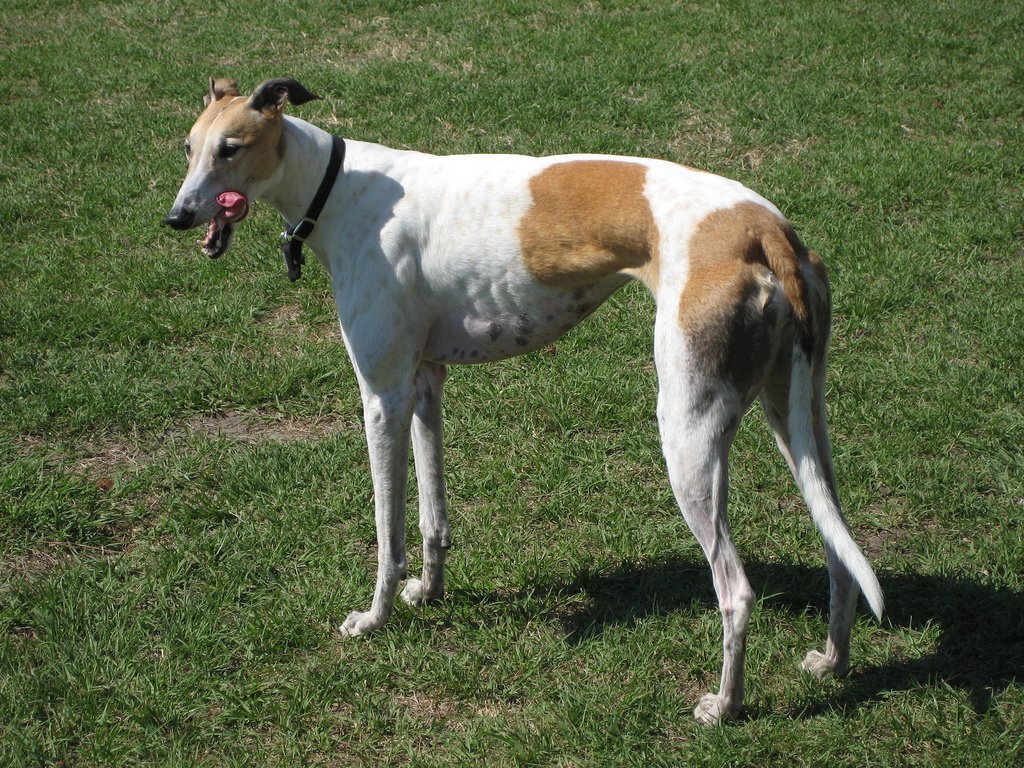
Believe it or not, some breeds are naturally more susceptible to certain infections. For example, Greyhounds and Whippets have thinner skin, making them more prone to cuts and subsequent infections. Some working breeds, like Border Collies, might face higher risks from tick-borne diseases due to their active, outdoor lifestyles. Vaccinations and preventative medications are especially important for these at-risk breeds. Owners should also be vigilant about checking for wounds, parasites, or unusual symptoms. Understanding your dog’s unique vulnerabilities helps you stay one step ahead of illness.
Behavioral Health: The Mind Matters, Too

Breed doesn’t just shape a dog’s body—it influences their mind as well. Some breeds, like Border Collies or German Shepherds, are so intelligent and energetic that boredom can lead to anxiety or destructive behavior. On the other hand, breeds bred for companionship, such as Cavalier King Charles Spaniels, may struggle with separation anxiety. Mental health is just as important as physical health, and breed can guide you in providing the right stimulation and socialization. Regular play, training, and affection can help keep your dog’s spirit as healthy as their body.
Endocrine Disorders and Breed Links

Certain breeds are more likely to develop conditions like hypothyroidism or Cushing’s disease, which affect hormone balance. Breeds such as Golden Retrievers, Dobermans, and Dachshunds often find themselves battling these hidden illnesses. Symptoms can be vague—think weight gain, lethargy, or skin changes—making early detection tricky. Routine blood tests and keen observation are vital for catching these issues before they cause lasting damage. For many dogs, lifelong medication can manage symptoms and restore vitality, proving that a diagnosis isn’t the end of the world.
Reproductive Health: Breed and Birthing Complications

Some breeds face unique challenges when it comes to reproduction. Bulldogs and other flat-faced breeds often require cesarean sections due to the shape of their heads and narrow birth canals. Larger breeds may be prone to complications like uterine infections or, in males, testicular cancer. Responsible breeding practices and regular veterinary care are essential for managing these risks. Spaying or neutering can also prevent many reproductive health issues. Understanding your breed’s reproductive quirks ensures you’re prepared for whatever life brings.
Breed and Immune System Strength

Last but not least, a dog’s breed can influence how strong—or fragile—their immune system is. Some breeds, like Standard Poodles or Miniature Schnauzers, are prone to autoimmune diseases that make them more vulnerable to illness. Others might have robust immune systems that help them bounce back quickly from infections. Diet, exercise, and regular vet visits are important for all dogs, but especially for breeds with weaker immune defenses. By supporting your dog’s immune health, you’re giving them the best shot at a long, happy life.
Your dog’s breed can say a lot about their potential health risks and how long they might be around to share belly rubs and adventures. From size and genetics to activity levels, each breed comes with its own care needs. Knowing what to expect helps you stay ahead with vet visits, diet, and exercise. The goal? A healthier, happier life—no matter the breed. A little knowledge goes a long way in giving your pup the best shot at a long, tail-wagging journey with you.


