

Have you ever noticed your dog pacing, trembling, or hiding when you leave the room? For some breeds, anxiety is more than just a passing mood—it’s a daily struggle that can affect their happiness and health. If you’ve ever wished you could ease your dog’s worries and watch them bloom with confidence, you’re not alone. Many devoted dog lovers grapple with the heartbreak of seeing their furry friends so unsettled. But there’s hope! Understanding which breeds are most prone to anxiety—and learning how to help—can turn stress into joy for both you and your loyal companion.
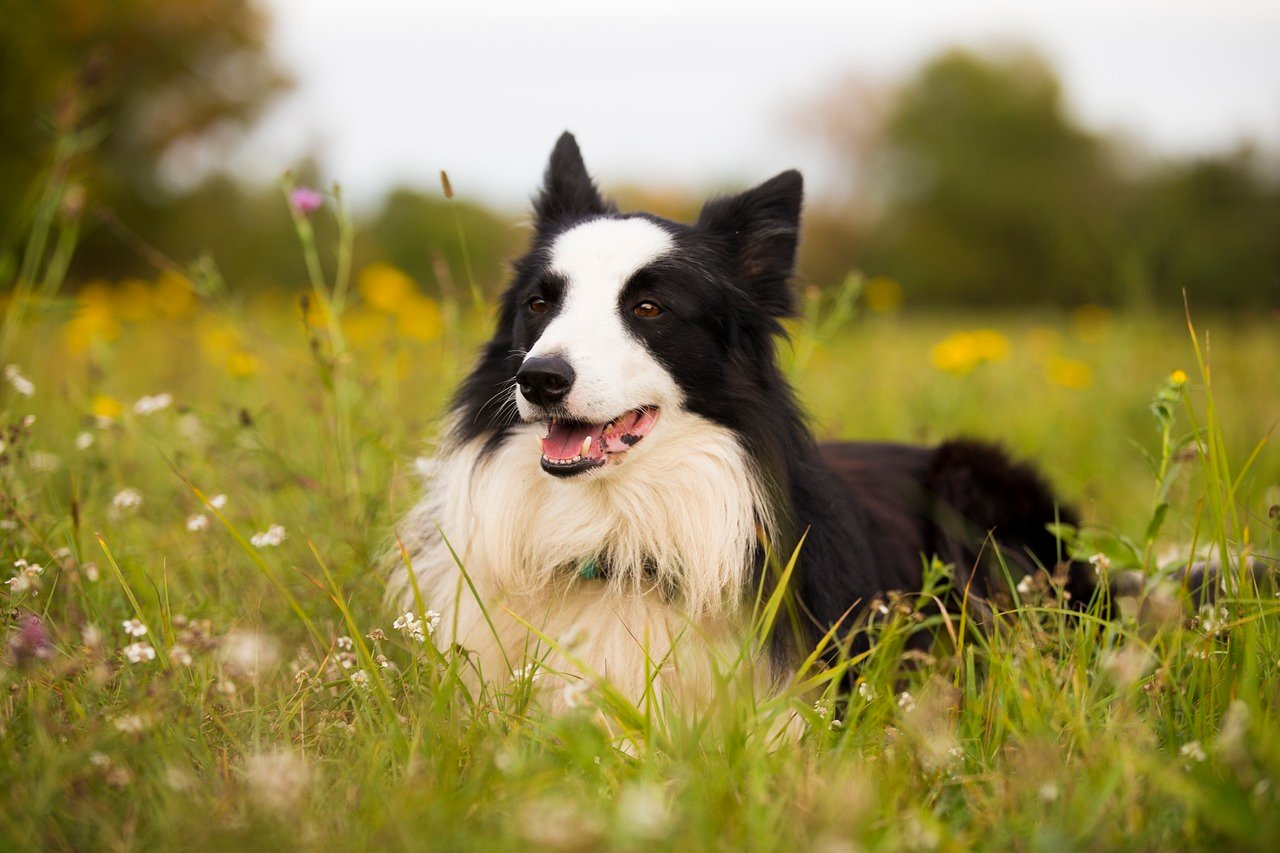
Border Collie
While every dog can experience stress from time to time, some breeds are more prone to anxiety due to their genetics, temperament, or history of close human bonding. From separation anxiety to fear of loud noises or new environments, these sensitive pups often need extra care and support to feel safe and secure. Understanding which breeds are most vulnerable to anxiety—and how to help them cope—can make a world of difference in their well-being.
Border Collies are known for their intelligence and boundless energy, but these same traits can make them prone to intense anxiety. They’re incredibly sensitive to their environment and can become distressed when left alone or when their minds aren’t kept busy. This breed thrives on routine and mental stimulation, so a lack of activity often leads to nervous behaviors like excessive barking or destructive chewing. Owners should engage Border Collies in puzzle games, agility training, or regular herding activities to channel their energy positively. Establishing a predictable routine and offering plenty of affection can also ease their worries. These dogs often crave a job and a sense of purpose, so giving them responsibilities—even small ones—can make a world of difference. If anxiety persists, consult with a vet about behavior modification strategies. Remember, a tired Border Collie is a happy one.
German Shepherd
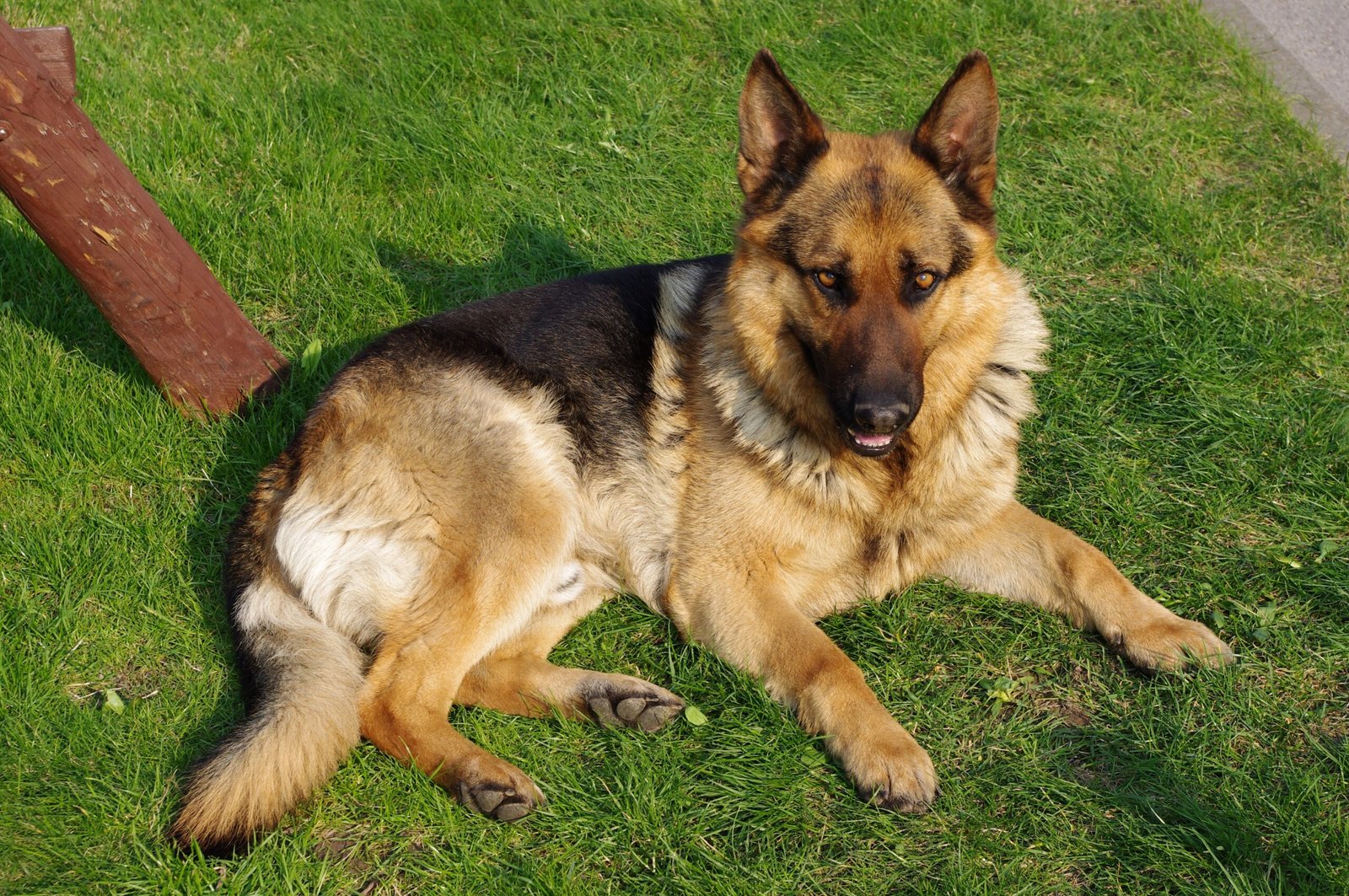
German Shepherds are loyal and protective, but their devotion often makes them feel deeply anxious when separated from their favorite humans. They’re particularly susceptible to separation anxiety, which can manifest in whining, pacing, or destructive acts like chewing furniture. These dogs benefit from consistent training and lots of socialization from a young age. Teaching your German Shepherd to spend time alone gradually can help build their confidence. Enrichment toys, interactive games, and long walks are excellent ways to occupy their mind and body. If you need to leave them for extended periods, consider hiring a dog walker or arranging playdates. For severe cases, a professional dog trainer or animal behaviorist can teach coping techniques. The key is patience and understanding—your loyal companion just wants to know you’ll always come back.
Vizsla
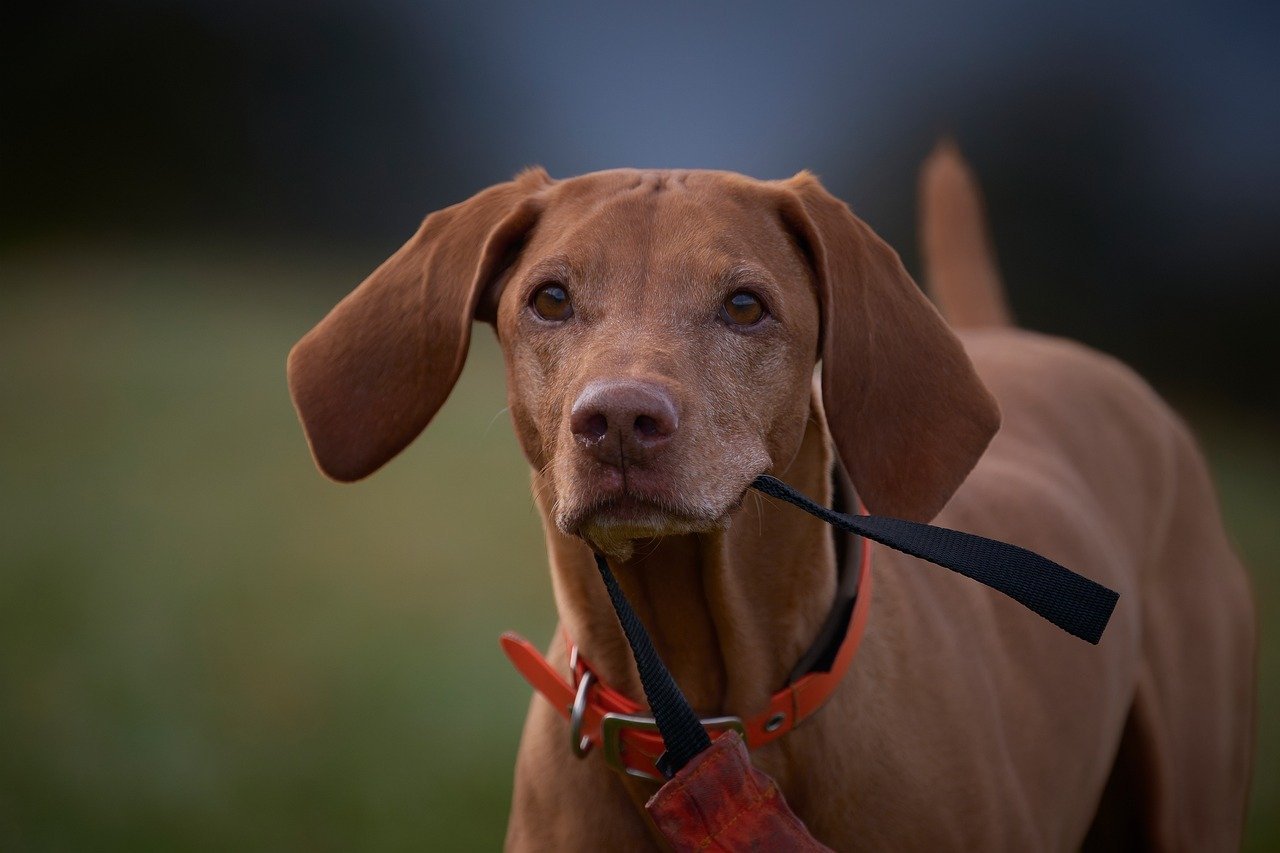
Nicknamed the “Velcro dog,” the Vizsla is famous for its affectionate and attached nature. This breed forms deep bonds with their family and often feels lost without constant companionship. When left alone, Vizslas can become anxious, leading to barking, digging, or even trying to escape the house. To help them feel secure, provide plenty of physical affection and interactive playtime. Leaving behind an item with your scent can offer comfort when you’re away. Training sessions that use positive reinforcement can also boost their self-assurance. Regular exercise is crucial—a tired Vizsla is far less likely to worry. If their anxiety becomes overwhelming, try calming products like anxiety jackets or soothing music. Most importantly, never punish anxious behavior, as this can deepen their distress.
Labrador Retriever
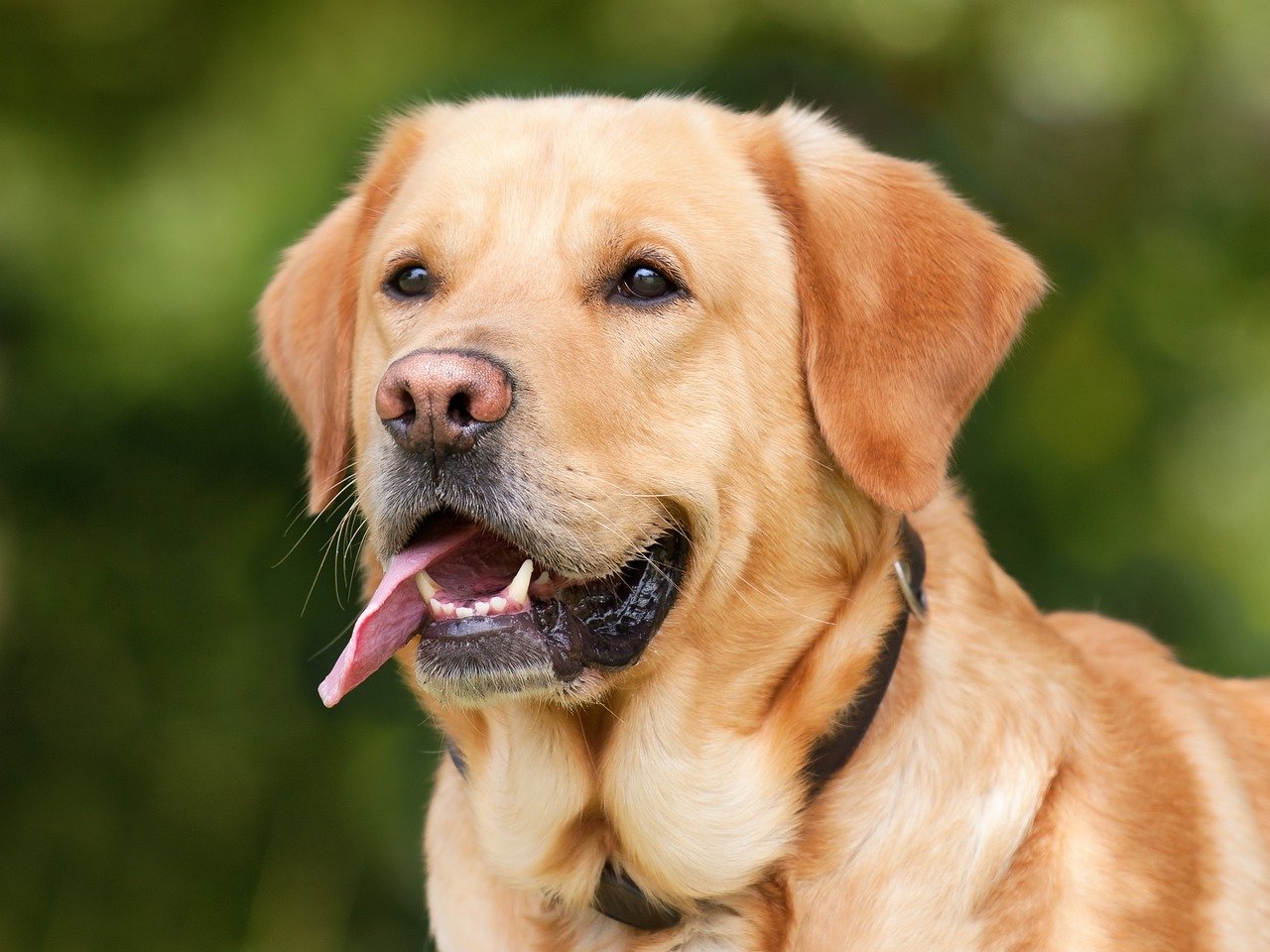
Labrador Retrievers are adored for their friendly, eager-to-please demeanor, but they’re also sensitive souls who sometimes struggle with anxiety. Changes in routine, loud noises, or being left alone for long periods can cause them to worry. Labs respond best to consistent schedules and gentle reassurance. When anxiety strikes, comfort them with their favorite toys or treats. Regular exercise—especially swimming, if possible—can help burn off nervous energy. Socialization with other dogs and people also boosts their confidence. If your Lab shows signs of stress, create a safe, cozy space where they can retreat when overwhelmed. Training with positive reinforcement helps them feel secure and valued. With understanding and patience, most Labradors learn to cope and thrive even in new or stressful situations.
Jack Russell Terrier
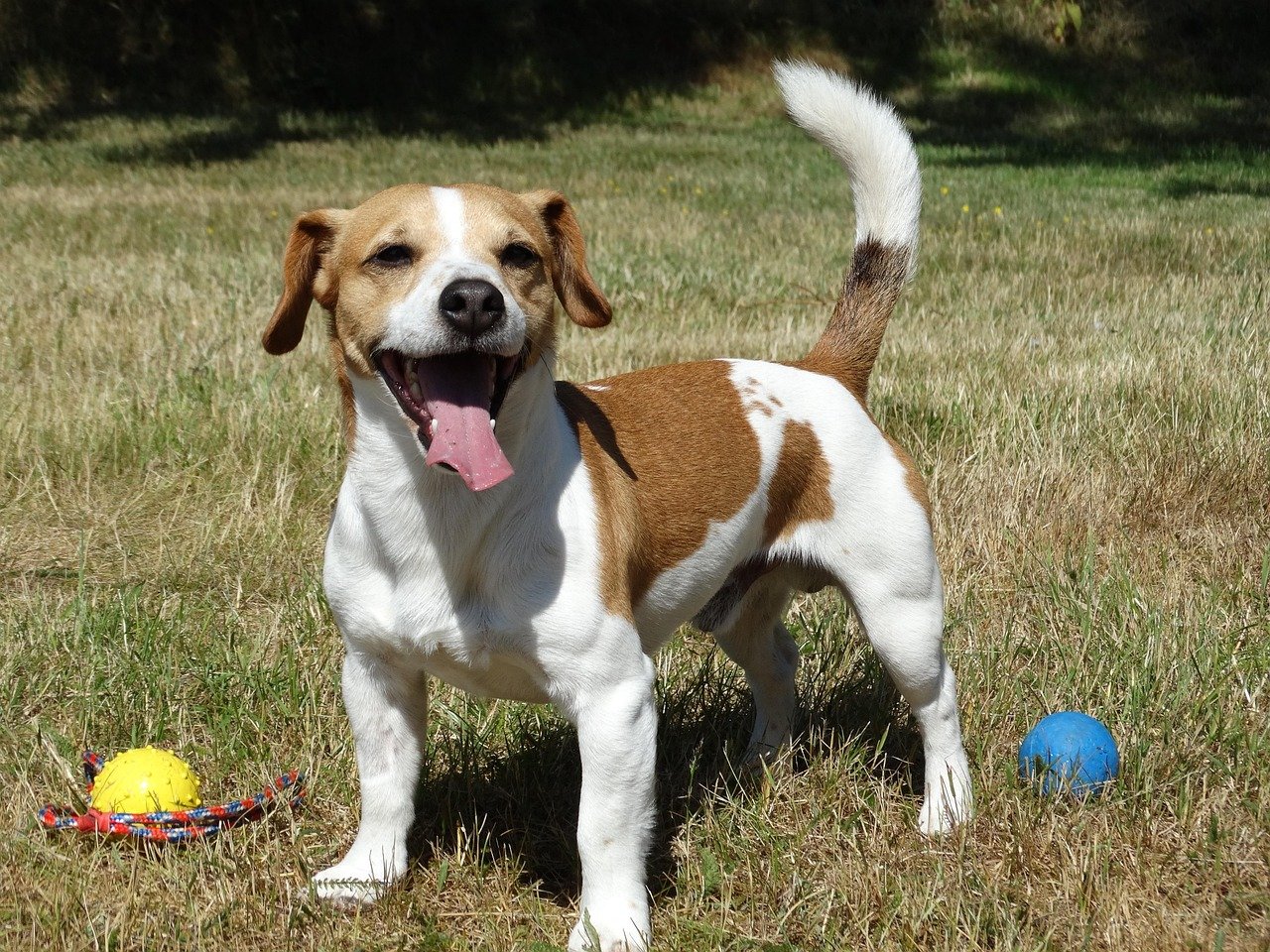
Jack Russell Terriers are energetic and clever, but their high-spirited nature can sometimes tip into anxiety. They’re easily bored and may develop nervous habits like barking, digging, or chewing if not kept mentally and physically engaged. These dogs need daily challenges and interactive games to stay content. Short training sessions that challenge their intelligence can do wonders for their confidence. Routine is crucial—knowing what to expect reduces their stress. When left alone, leave behind puzzle toys or safe chews to occupy their attention. Socializing them with other dogs and people from an early age helps prevent anxiety. If your Jack Russell seems particularly nervous, try calming aids like a thunder shirt or relaxing background music. Remember, a busy Jack Russell is a happy Jack Russell.
Bichon Frise
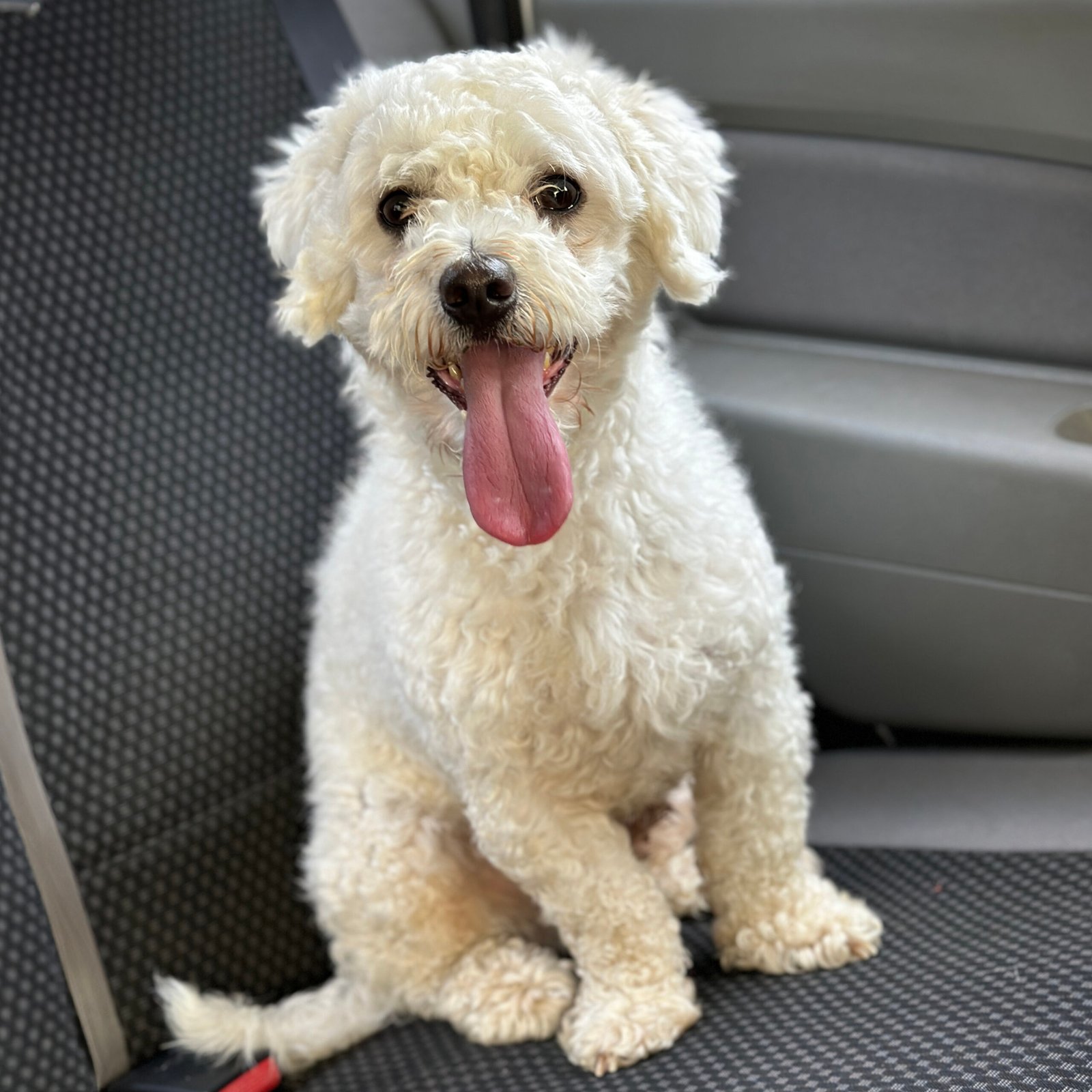
Bichon Frises are cheerful and affectionate, but they have a sensitive side that makes them vulnerable to anxiety. These little fluffballs thrive on companionship and can become deeply distressed when left alone. Separation anxiety is common and may show up as barking, whining, or accidents in the house. To help them cope, practice leaving for short periods and gradually increase the time you’re away. Provide a comfort object, like a blanket or toy with your scent. Positive reinforcement training can build their independence and self-confidence. Regular playtime and gentle grooming sessions offer both physical and emotional comfort. If anxiety remains a problem, consult a vet for advice on behavior modification or possible calming supplements. The Bichon’s gentle spirit blossoms best with patience and love.
Cocker Spaniel
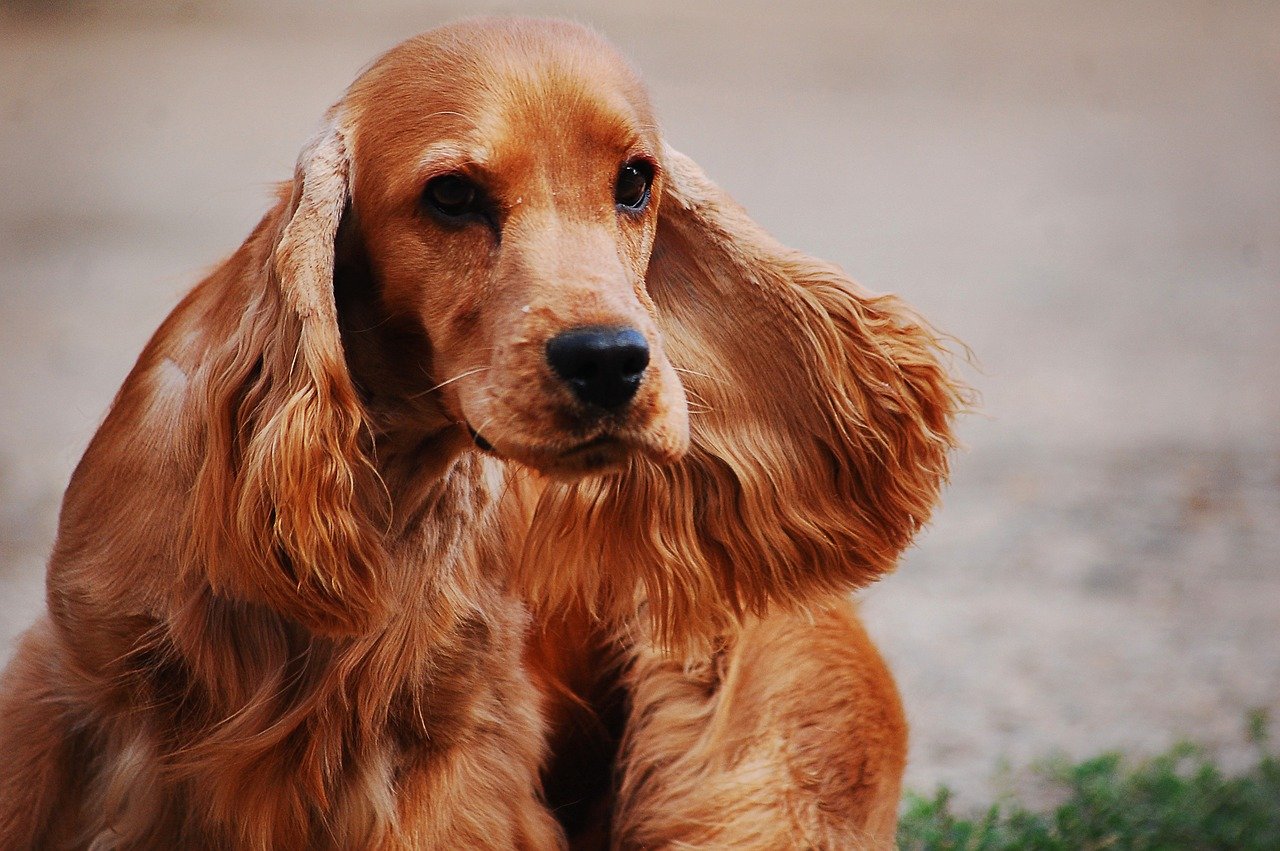
Cocker Spaniels are sweet-natured and loyal, but their sensitivity can make them anxious in unfamiliar situations. Loud noises, new environments, or changes in routine can easily unsettle them. Comfort your Cocker Spaniel by maintaining a predictable schedule and offering plenty of affection. Early socialization helps build their confidence, making them less likely to react fearfully to new experiences. If your Cocker Spaniel is particularly nervous, try using calming pheromone diffusers or gentle music to soothe them. Regular exercise and playtime can also help release tension. Never scold them for fearful behavior—instead, reward calmness and bravery. With understanding and gentle guidance, your Cocker Spaniel can learn to relax and enjoy life’s adventures.
Chihuahua
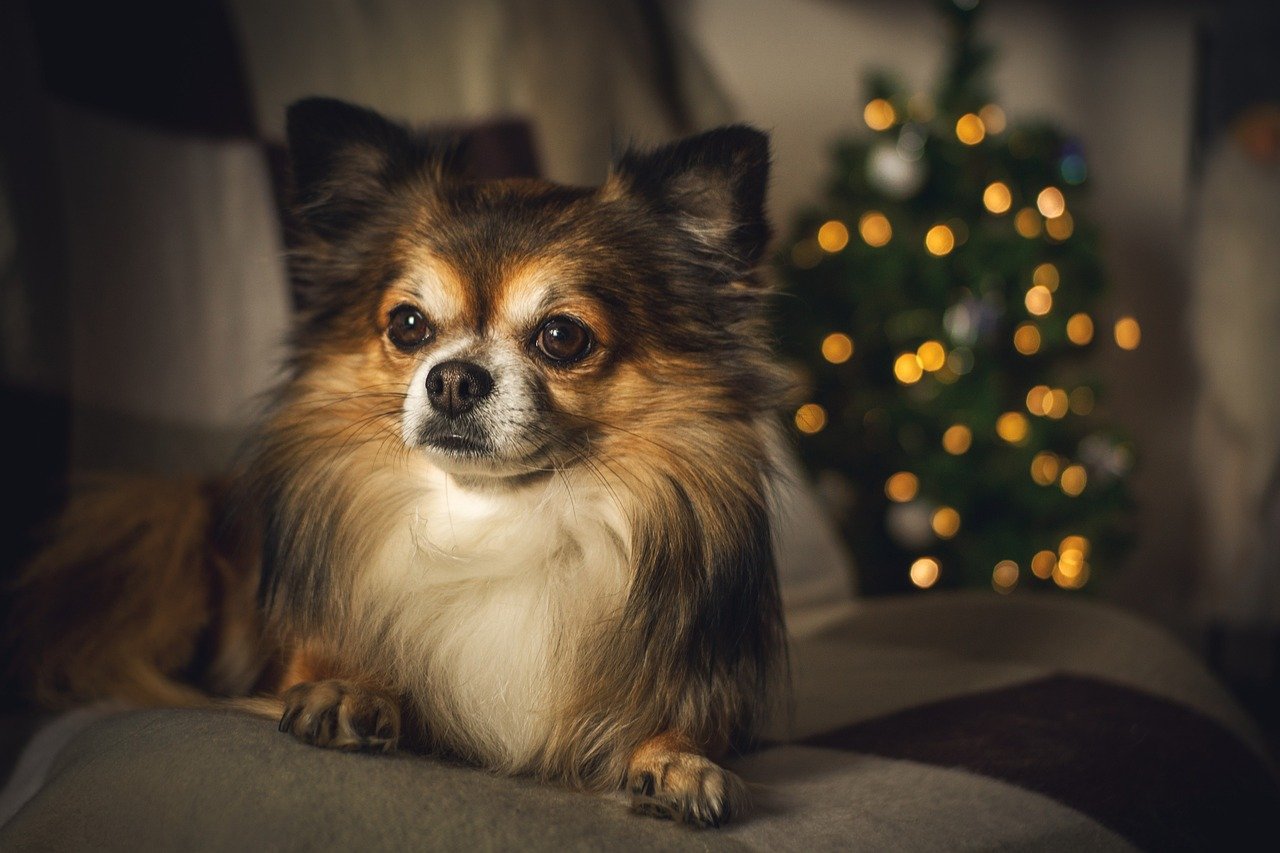
Despite their tiny size, Chihuahuas have big personalities—and sometimes, big worries. They’re known for being alert and protective, but this can easily turn into nervousness, especially around strangers or other animals. Chihuahuas often benefit from gradual socialization and gentle introductions to new experiences. Creating a safe, cozy space just for them can help them feel secure. Carrying a favorite blanket or toy can also provide comfort in stressful situations. Consistent routines and calm environments are key for their well-being. If your Chihuahua barks excessively or trembles often, try calming techniques like massage or soothing background sounds. Remember, even the bravest little dogs sometimes need a gentle hand—and lots of reassurance.
Australian Shepherd
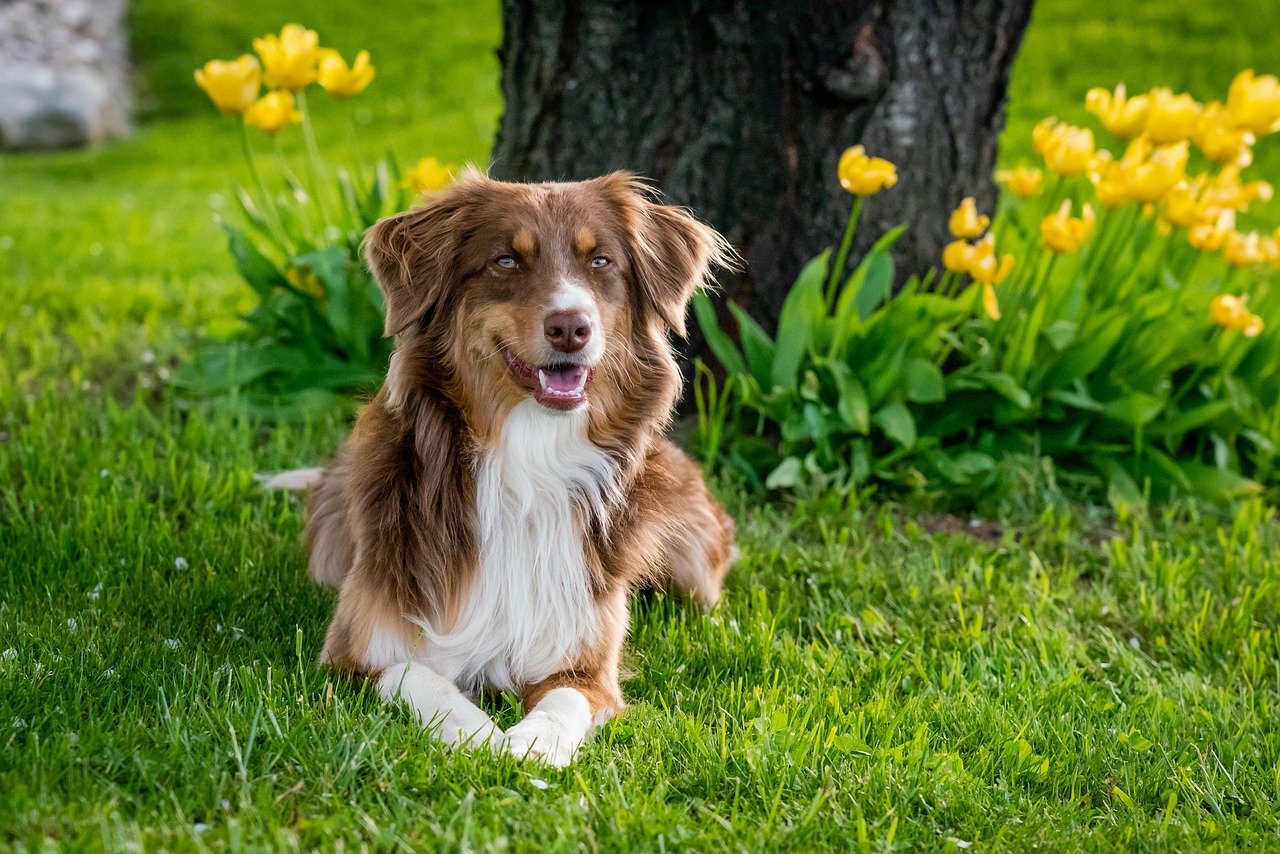
Australian Shepherds are brilliant and hardworking, but their eagerness to please can make them prone to anxiety. They’re highly attuned to their owner’s emotions and can pick up on stress or tension. When left alone or under-stimulated, they may develop nervous habits like chewing, barking, or pacing. Keeping them busy with agility training, herding games, or advanced obedience exercises helps channel their energy. These dogs thrive with structure and clear expectations, so establish a daily routine. Socialization with other dogs and exposure to new environments from a young age helps build their confidence. If your Aussie seems anxious, provide interactive toys and regular exercise to prevent boredom. Above all, show patience—these sensitive souls respond best to kindness and encouragement.
Cavalier King Charles Spaniel
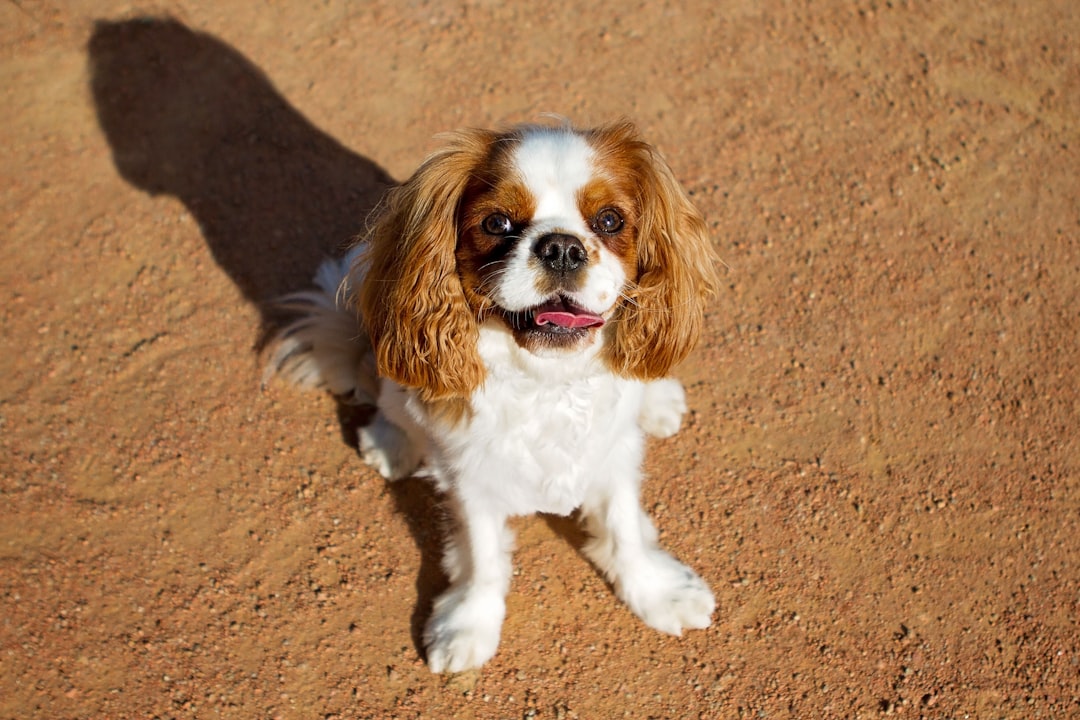
Cavalier King Charles Spaniels are gentle lap dogs who form deep attachments to their families. Their loving nature, while endearing, makes them susceptible to separation anxiety. They may whine, bark, or become destructive when left alone for too long. To help them feel secure, slowly accustom them to spending time alone with positive reinforcement. Provide plenty of soft bedding and comfort items in a quiet area. Interactive toys or treat puzzles can distract them from loneliness. Regular cuddle sessions and calm, reassuring voices go a long way to soothe their worries. If anxiety persists, consider consulting a professional trainer for specialized advice. Remember, these dogs simply want to feel close to the people they love most.
Italian Greyhound
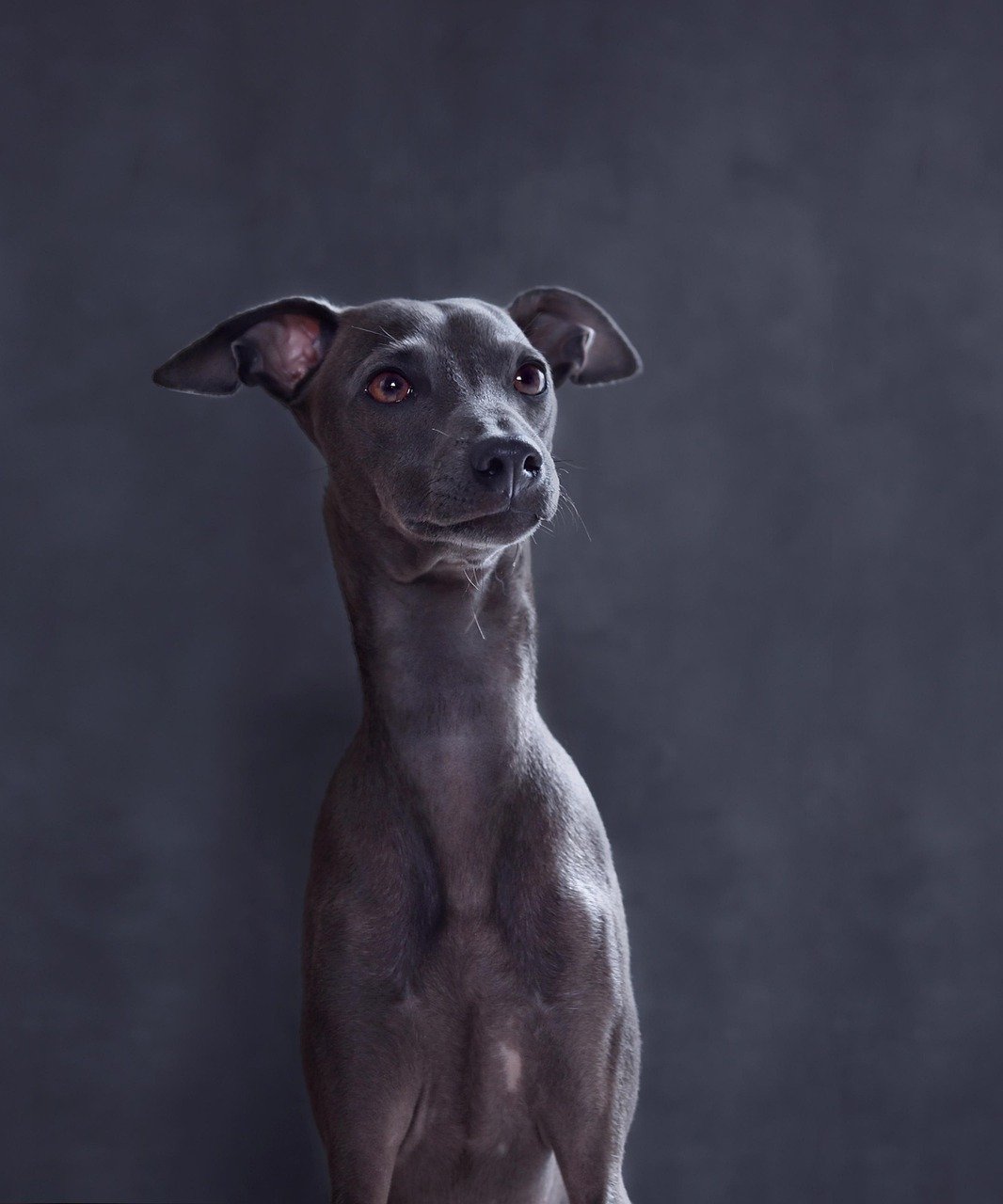
Italian Greyhounds are elegant, sensitive, and often more anxious than their larger cousins. They dislike loud noises, sudden changes, and being left alone. Their thin coats and delicate frames make them physically vulnerable, which sometimes translates into emotional insecurity. To help your Italian Greyhound thrive, provide a warm, soft bed and a quiet retreat from household chaos. Gentle handling and positive reinforcement training build their confidence. Short, frequent walks and playful games help release nervous energy. Socialize them with calm, friendly dogs to prevent fearfulness. If they seem particularly anxious, try anxiety wraps or calming pheromone sprays. With patience and gentle care, these graceful dogs can blossom into loving companions.
Miniature Schnauzer
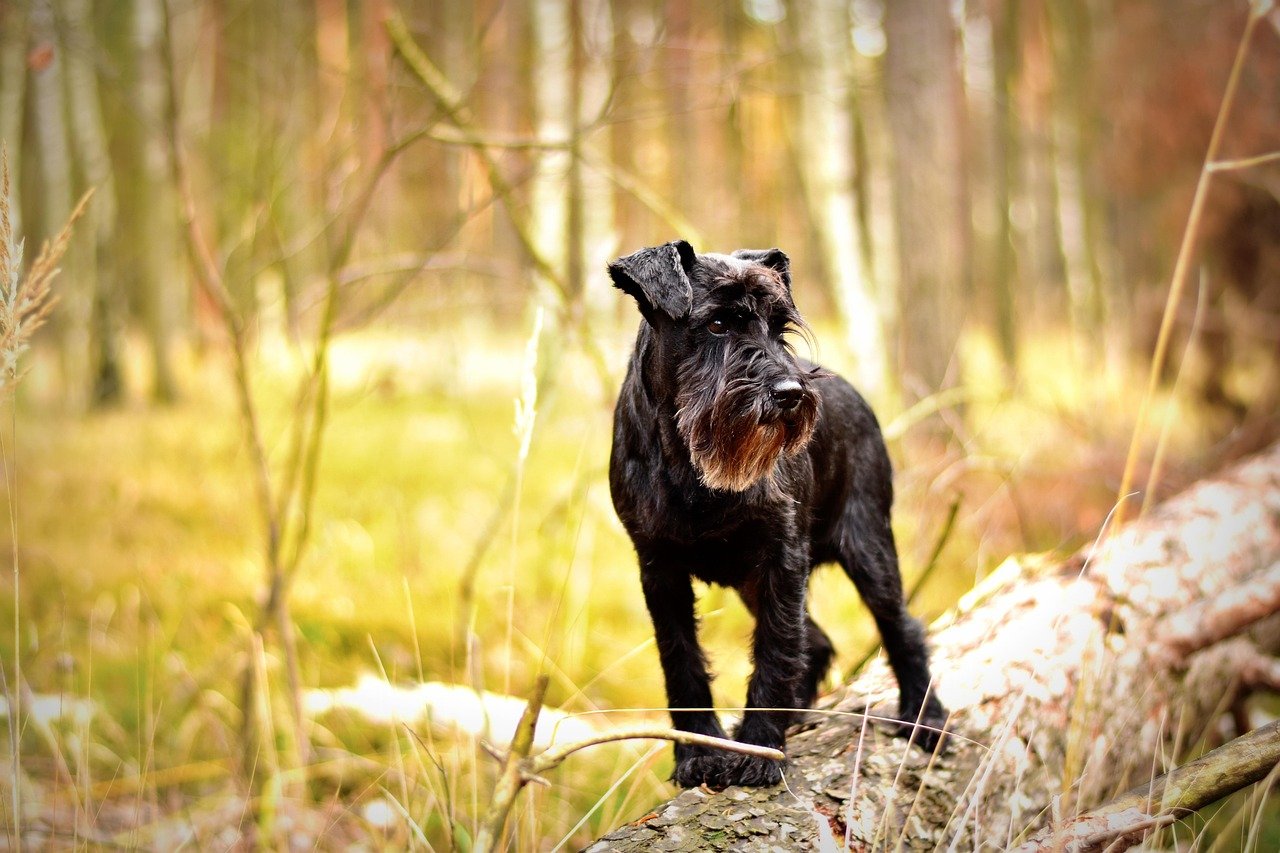
Miniature Schnauzers are lively, intelligent, and deeply devoted to their families. However, their attachment can sometimes lead to anxiety, especially when routines change or their owners are away. Signs of anxiety may include barking, pacing, or even obsessive behaviors like licking. To help them adjust, maintain a consistent schedule and offer lots of praise for calm behavior. Provide interactive toys and daily walks to keep them stimulated and relaxed. Early socialization reduces the risk of nervousness around other pets or people. If your Schnauzer struggles with severe anxiety, talk to your vet about possible solutions, such as behavior modification or calming supplements. Remember, these brave little dogs need reassurance and gentle guidance to feel safe.
Poodle (Toy, Miniature, Standard)
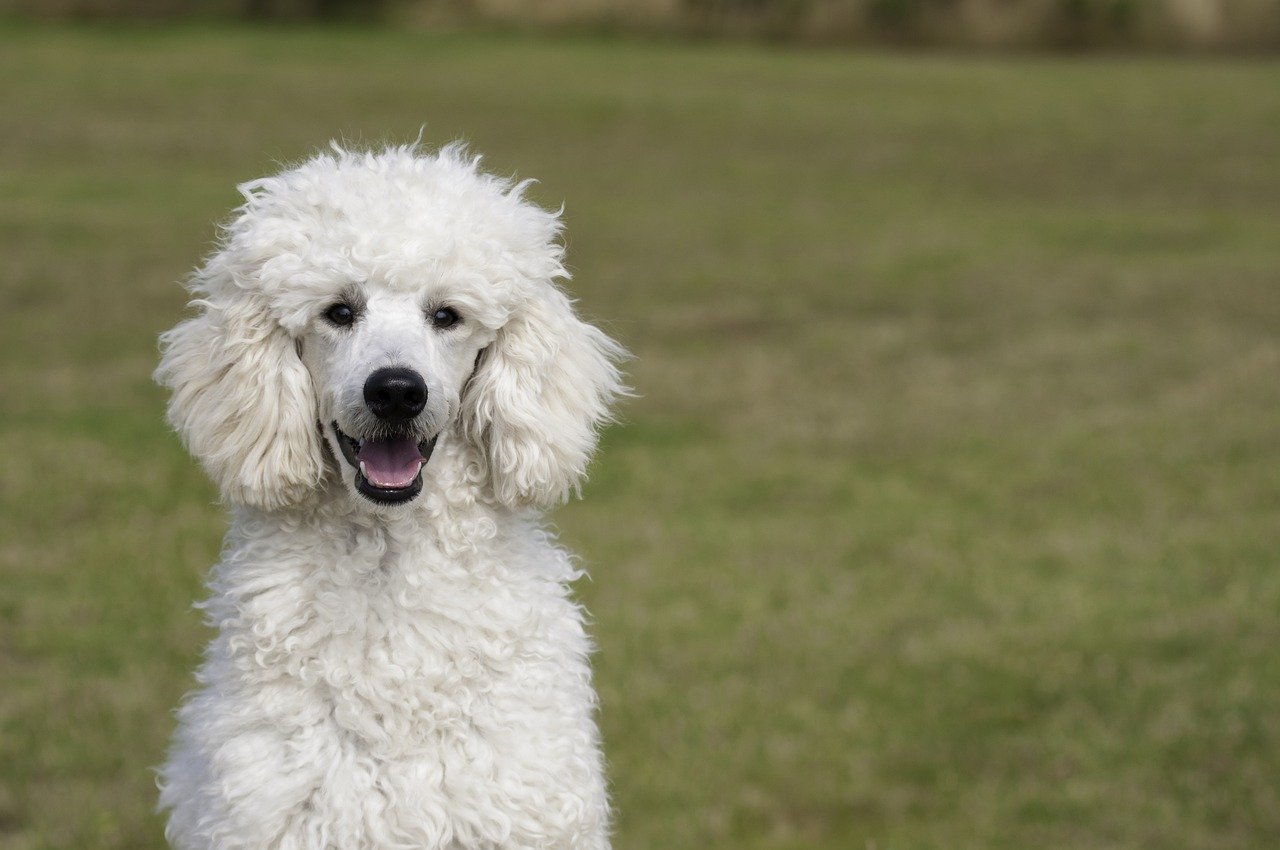
Poodles of all sizes are known for their intelligence and sensitivity, which can unfortunately make them prone to anxiety. Changes in their environment, loud noises, or lack of mental stimulation can trigger stress. Establishing a predictable daily routine helps them feel secure. Engage their minds with puzzle toys, obedience training, or dog sports like agility. Poodles love being close to their humans, so quality time together is essential. If they seem nervous, provide a safe space where they can retreat and relax. Calm, confident handling reassures them during stressful moments. For ongoing anxiety, consult a professional trainer or behaviorist for tailored advice. With the right support, Poodles can turn their worries into wagging tails.
Yorkshire Terrier
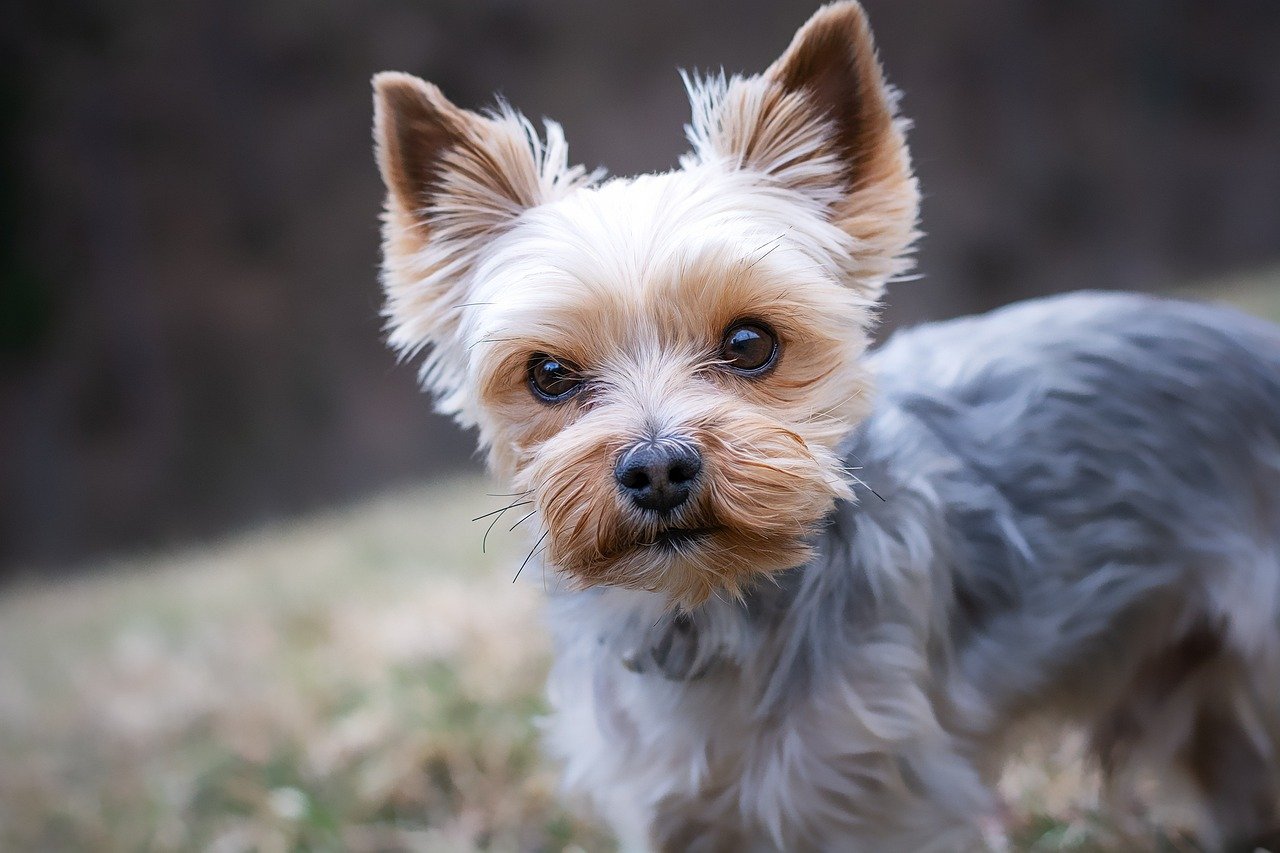
Yorkshire Terriers are bold and charming, but their small size often hides a sensitive heart. They’re prone to anxiety, especially when exposed to too much noise or chaos. Yorkies thrive in calm, structured environments with plenty of attention from their owners. Gradual socialization helps prevent nervousness around strangers or new situations. Offer comfort through familiar routines, soft bedding, and gentle cuddles. If your Yorkie shows signs of distress, try calming aids like pheromone diffusers or soothing music. Training sessions using positive reinforcement can boost their confidence. Remember, even the feistiest Yorkie sometimes needs a safe lap and a reassuring word.
Shih Tzu
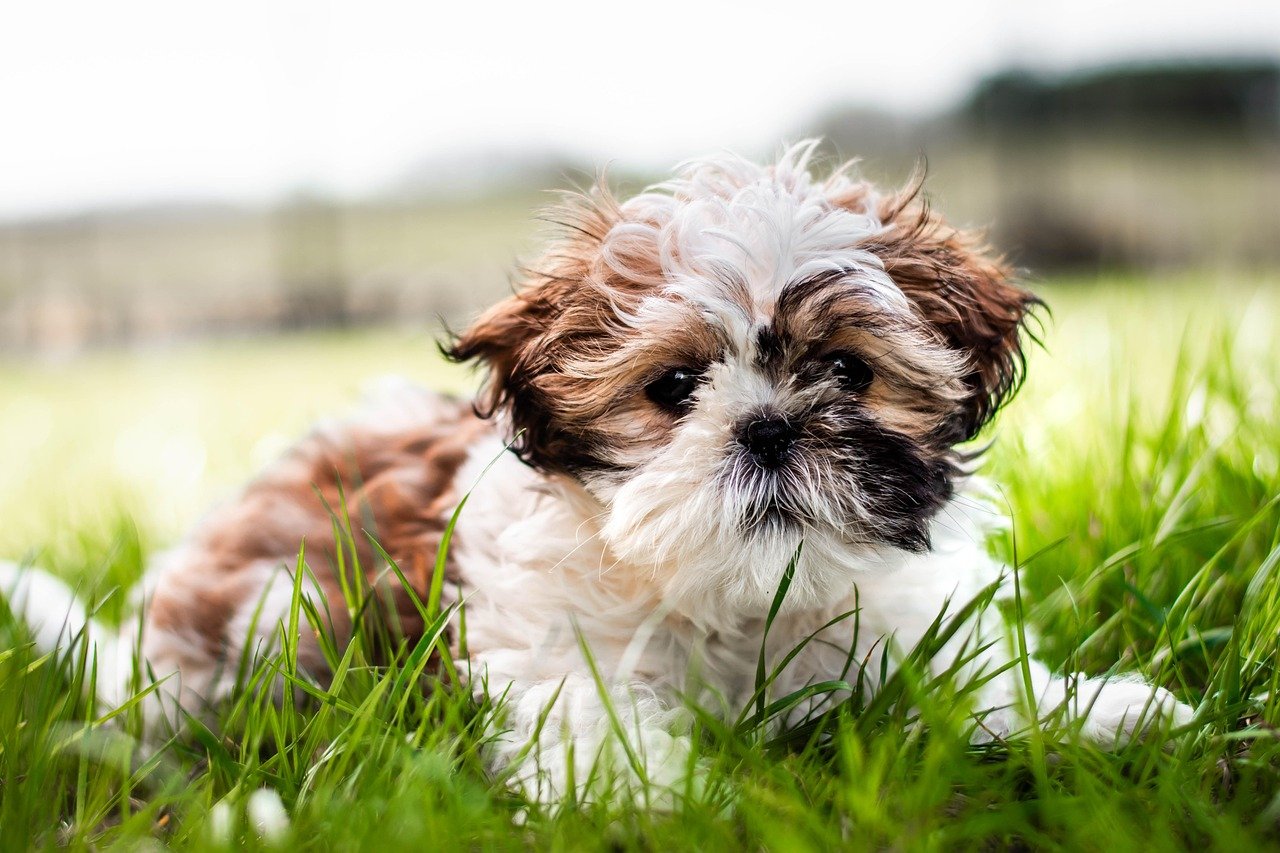
Shih Tzus are affectionate companions who love being near their people, but this devotion sometimes leads to anxiety when left alone. They may bark, whine, or become withdrawn if separated for long periods. To help your Shih Tzu feel secure, introduce alone time gradually and reward calm behavior. Provide cozy bedding and favorite toys to make their space inviting. Keep their routine consistent and avoid sudden changes whenever possible. Regular play sessions and gentle grooming can offer both physical comfort and emotional reassurance. If anxiety persists, consult a veterinarian for advice on calming products or behavioral techniques. Above all, patience and understanding are key with this sensitive breed.
Dalmatian
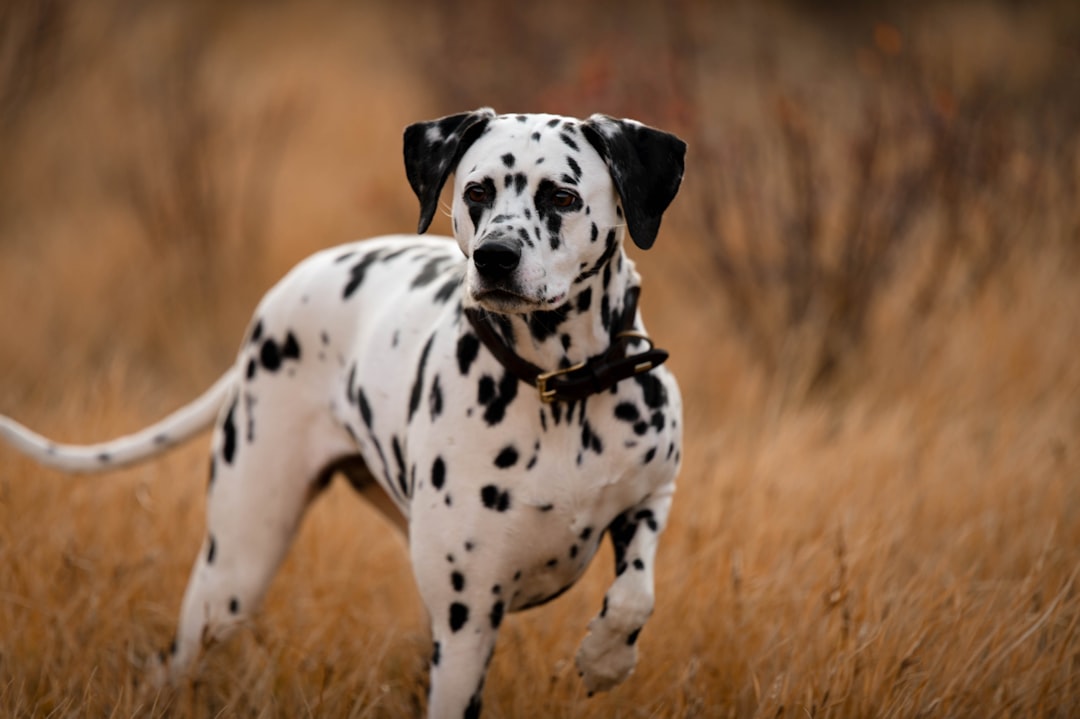
Dalmatians are energetic, intelligent, and deeply attached to their families, making them susceptible to anxiety when bored or left alone. They may express their stress through hyperactivity, barking, or digging. To help a Dalmatian thrive, provide plenty of exercise and mental stimulation—long walks, agility courses, or fetch games are ideal. Keep their environment structured and predictable, with regular feeding and playtimes. Socialization with other dogs and people helps reduce nervousness. Offer comfort through favorite toys and lots of praise for calm behavior. If anxiety persists, try calming supplements or consult a behavioral specialist. With the right support, Dalmatians can turn their anxious energy into joyful enthusiasm.
Anxiety doesn’t make a dog any less lovable—it simply means they need a bit more understanding and support to feel secure. Whether it’s through structured routines, calming products, positive reinforcement, or extra companionship, helping an anxious dog thrive is all about patience and empathy. By recognizing the unique emotional needs of these 16 breeds, you can build a stronger, more trusting bond and create a safe, comforting environment where your dog feels truly at ease.


