
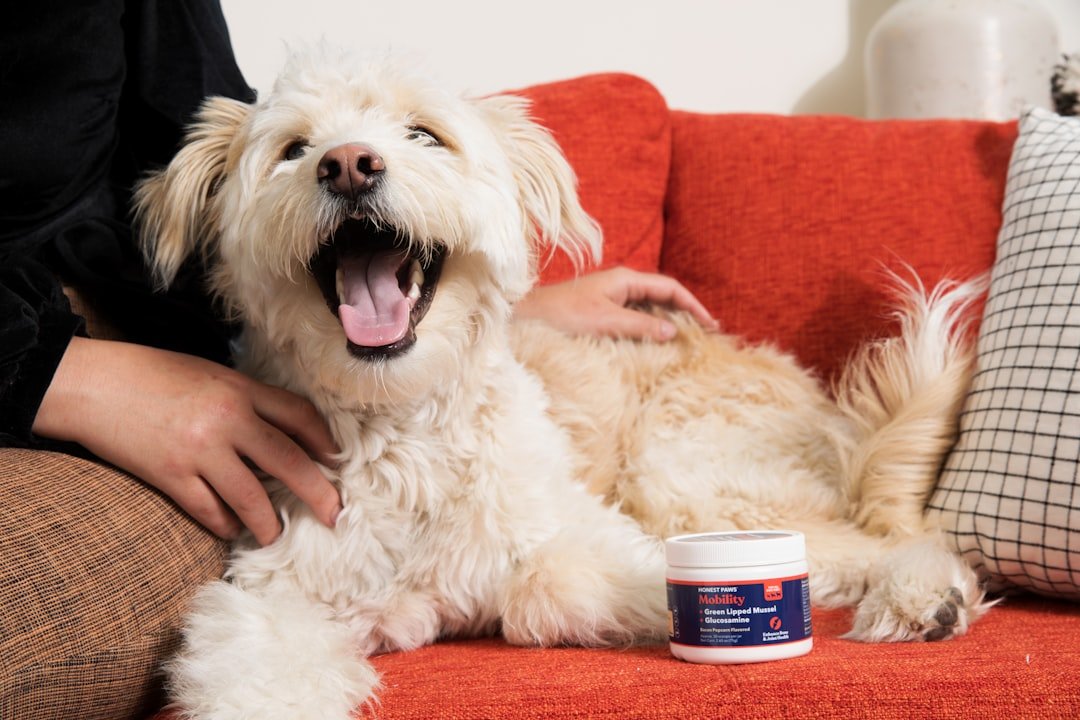
Dogs instinctively hide discomfort to appear strong, a survival trait from their wild ancestors that complicates detection for modern pet owners. Recent research underscores this challenge, revealing that even experienced guardians frequently overlook key behavioral cues. A study published early this year examined how people interpret canine signals, emphasizing the need for heightened awareness to ensure timely veterinary care.[1]
Why Pain Recognition Matters Now More Than Ever
Overlooked pain not only prolongs suffering but also heightens risks like unpredictable aggression during interactions. Researchers surveyed 647 participants, including 530 dog owners, who rated 17 specific behaviors via an online questionnaire and case scenarios. The findings showed dog owners excelled at spotting obvious mobility issues but faltered on nuanced changes.[1]
This gap persists despite rising pet ownership rates. Non-owners sometimes proved equally or more perceptive on subtle cues, such as a dog turning its head away or freezing in place. Personal experience with a dog’s prior pain improved sensitivity, yet broad education remains essential for better welfare.[1]
Overt Indicators That Demand Immediate Attention
Clear signals like limping or reluctance to move trigger quick responses from most owners. Participants consistently linked these to pain, reflecting everyday observations during walks or play. Hesitant paw lifting and reduced activity topped recognition lists, as they disrupt normal routines.[1]
Stiffness upon rising, trouble with stairs, or an arched back also stand out. Veterinary sources reinforce these as mobility red flags, often tied to arthritis or injury. Owners reported such changes most frequently in senior dogs, where age-related wear accelerates issues.[2]
Fluctuating moods and personality shifts further alert guardians, prompting vet visits that catch problems early.
The 17 Behaviors from the Groundbreaking Study
The research pinpointed 17 signs, blending bold and understated varieties. Owners rated overt ones highly but dismissed subtler actions as stress or quirks. Here is the complete list for reference:
- Change in personality
- Hesitant paw lifting
- Fluctuating mood
- Reduced play
- Turning the head or body away
- Freezing
- Licking surfaces
- Lip or nose licking
- Yawning
- Air sniffing
- Increased blinking
- Increased grooming
- Increased scratching
- Coat changes
- Changed look
- Reduced activity
- Withdrawal or reduced sociability
Nose licking, yawning, and air sniffing ranked lowest, often seen as benign. Yet these persist as early warnings before escalation.[1]
Subtle Cues That Slip Past Even Seasoned Owners
Nighttime restlessness and sudden clinginess baffled nearly half of respondents in scenario tests. Shadowing family members or shortening walks signaled discomfort, yet many attributed them to aging or boredom. Increased grooming or blinking similarly evaded notice until advanced stages.[1]
Behavioral shifts like irritability, panting at rest, or hiding compound the issue. Dogs may tremble, lick wounds excessively, or snap at touch – hallmarks veterinarians urge tracking via notes or videos. Lethargy and appetite loss round out common oversights, masking conditions from dental woes to internal injuries.[3][2]
Coat dullness or glazed eyes provide visual hints, while vocal groans emerge sporadically.
Steps Owners Can Take for Proactive Care
Daily monitoring transforms vague hunches into actionable insights. Track patterns in a journal: note mobility hesitations, social withdrawal, or sleep disruptions. Consult veterinarians promptly, armed with evidence for diagnostics like x-rays.[2]
Avoid human medications, which prove toxic. Early intervention boosts recovery odds, especially for chronic issues. Experience sharpens instincts, so share observations with fellow owners to build collective vigilance.
Recognizing pain early safeguards bonds and longevity. This study reminds us: subtle shifts hold the real story.[1]
Key Takeaways
- Dog owners spot overt signs like limping but miss subtleties such as yawning or clinginess.
- Monitor 17 behaviors daily, from personality changes to reduced sociability.
- Act swiftly with vet visits – document changes for accurate diagnosis.
What subtle sign have you noticed in your dog lately? Tell us in the comments.


