
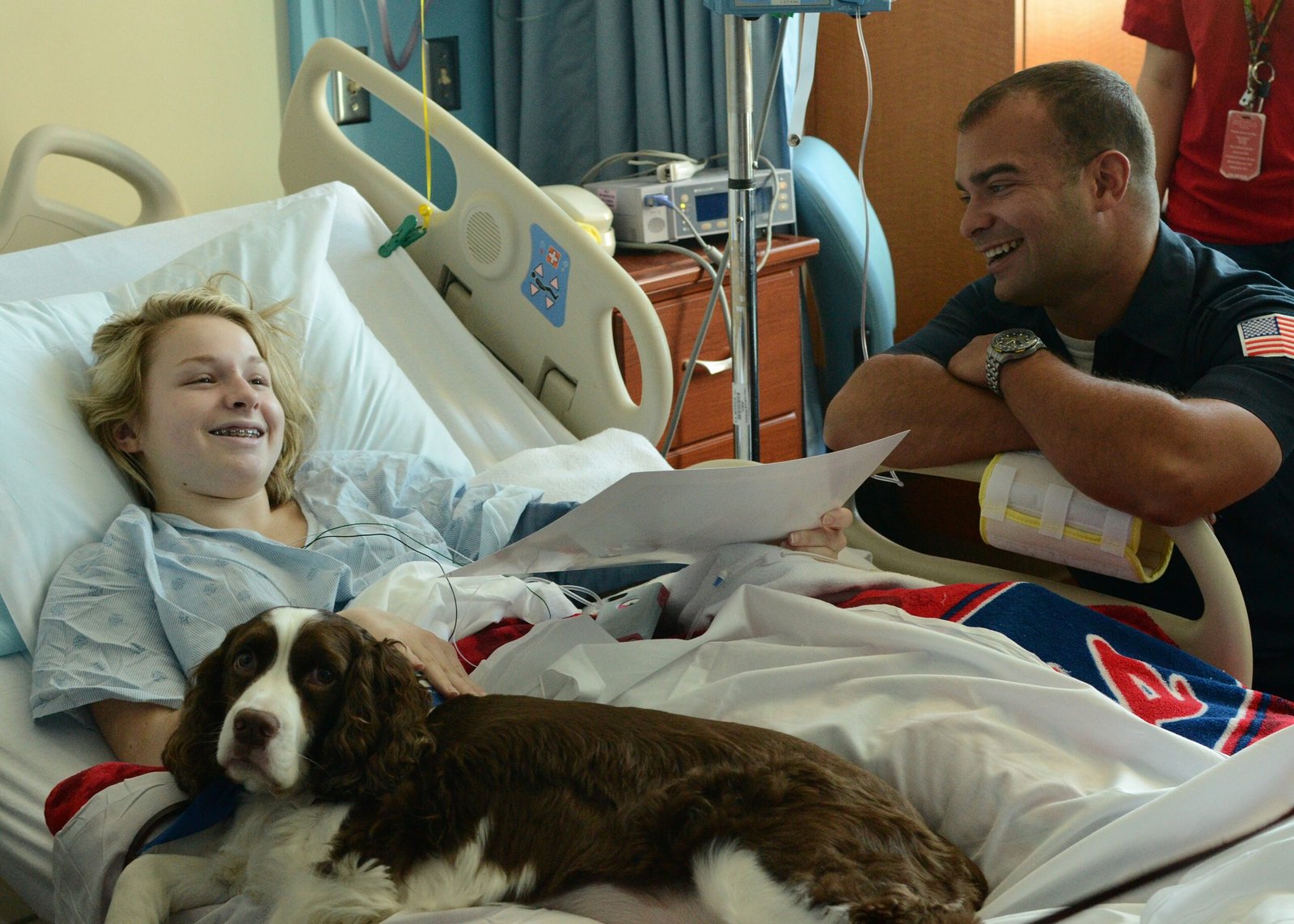
Have you ever wondered why some dogs just seem to have a magical touch when it comes to comforting people? It’s almost as if they’re born with a superpower for spreading happiness and healing. In a world where stress and worry can feel overwhelming, therapy dogs are like bursts of sunshine, quietly changing lives with every wag of their tail. From bustling hospitals to quiet nursing homes, these amazing canines bring hope, laughter, and warmth wherever they go. If you’ve ever dreamt of sharing your life with a dog that gives back in the most heartwarming way, read on—these 18 dog breeds are natural-born therapy heroes!
Labrador Retriever

Labrador Retrievers are often the first breed that comes to mind when people think of therapy dogs, and there’s a good reason for that. With their outgoing personalities, gentle nature, and boundless patience, Labs are practically made for comforting humans. They’re incredibly intuitive, sensing when someone needs a little extra love or a furry shoulder to cry on. Labradors are also highly trainable, which makes them ideal for the structured world of therapy work. Whether they’re visiting children in hospitals or providing companionship to seniors, their easygoing demeanor and friendly face bring instant comfort. Plus, their playful spirit can coax a smile from just about anyone, even on the toughest days. It’s no wonder Labradors are therapy dog superstars!
Golden Retriever
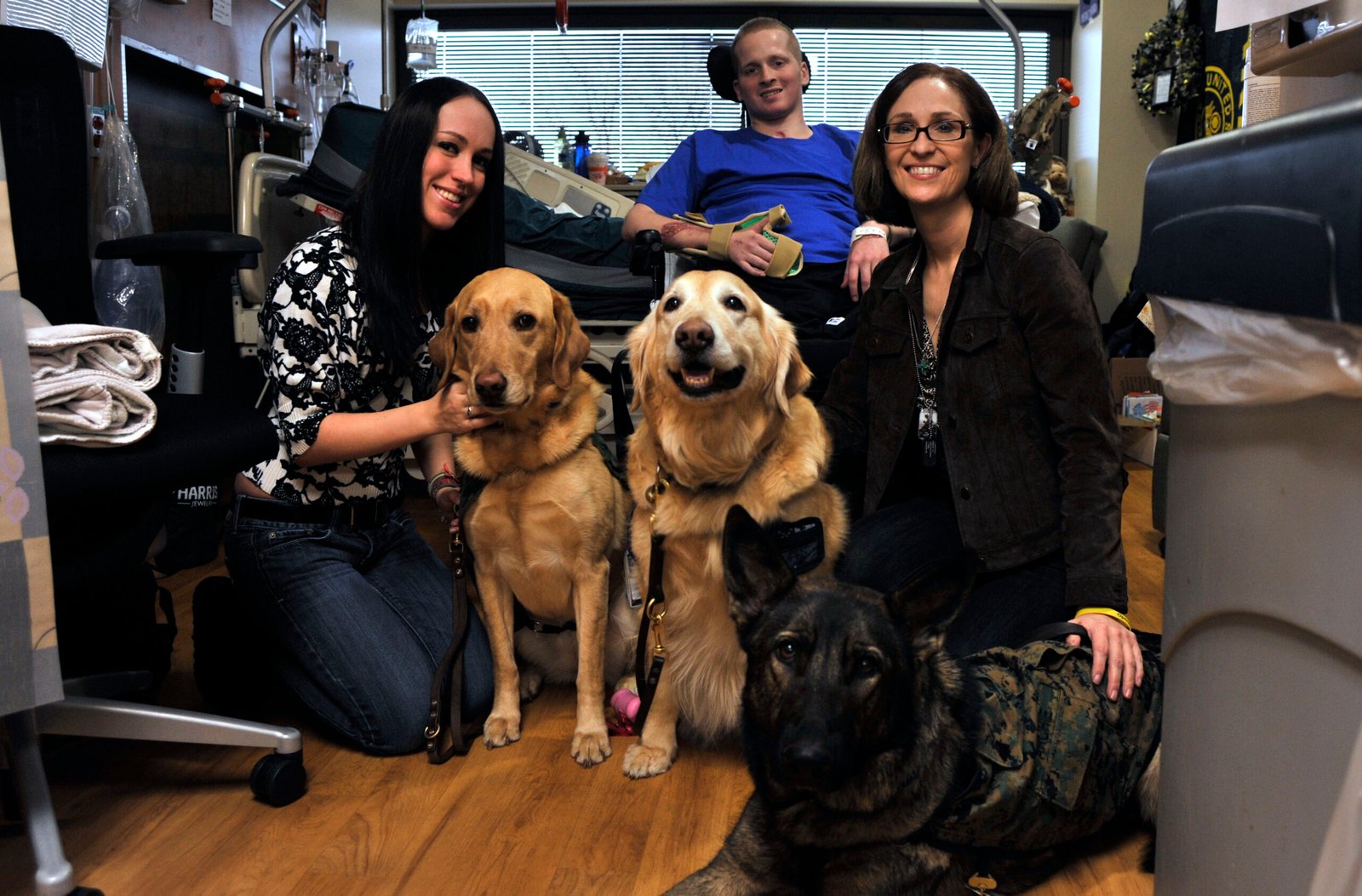
Golden Retrievers are like rays of sunshine personified in dog form—always cheerful, endlessly patient, and deeply empathetic. Their soft golden coats are perfect for petting, which is a therapy session in itself! Goldens are renowned for their ability to remain calm in chaotic environments, making them perfect visitors for busy hospitals or bustling schools. They have a special knack for connecting with people of all ages, from giggling children to the elderly. Their gentle approach can melt away fear and bring comfort to those facing tough times. Goldens thrive on human interaction and love nothing more than making new friends. With their wagging tails and soulful eyes, Golden Retrievers are natural healers at heart.
Poodle
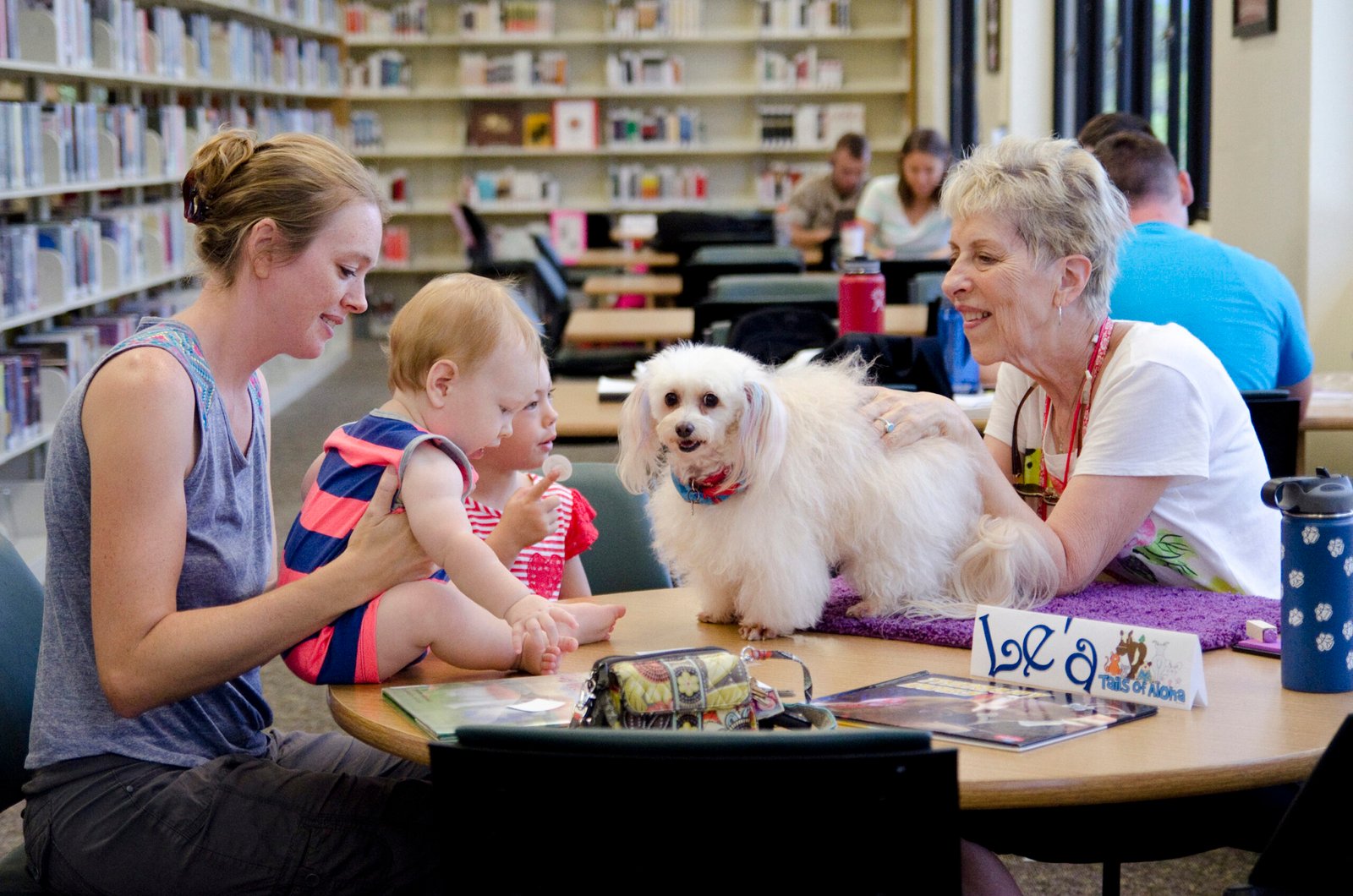
Poodles, whether standard, miniature, or toy, are surprisingly versatile therapy dogs. Their hypoallergenic coats make them a great choice for people with allergies, ensuring that no one misses out on furry cuddles. Poodles are highly intelligent and pick up on training quickly, which is essential for therapy work that requires good manners and a calm presence. They’re also sensitive to human emotions and can often sense when someone needs comfort. Poodles are gentle but playful, making them popular with children and adults alike. Their unique look and graceful demeanor often bring smiles wherever they go. With a poodle by your side, therapy sessions are always a little brighter.
Cavalier King Charles Spaniel
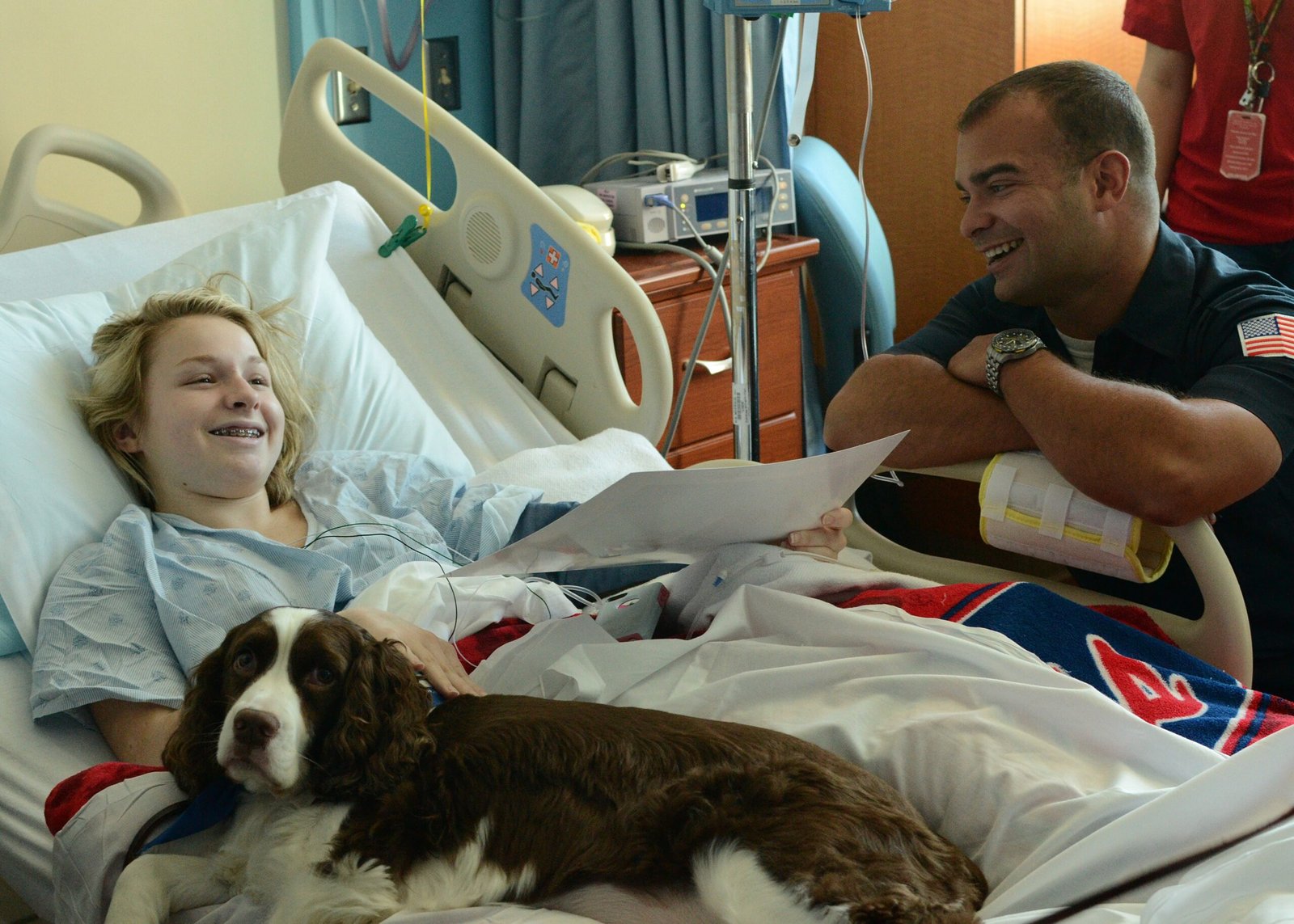
Don’t let their royal name fool you—Cavalier King Charles Spaniels are down-to-earth sweethearts who live for cuddles and companionship. Their small size makes them perfect for lap therapy, especially for those who may be bedridden or in wheelchairs. Cavaliers are known for their affectionate nature and deep connection to their humans. They have an uncanny ability to sense sadness or anxiety, responding with gentle snuggles and big, soulful eyes. Their soft, silky coats and calm demeanor make them irresistible therapy partners. Whether in a hospital or at home, Cavaliers spread comfort wherever they go.
Beagle
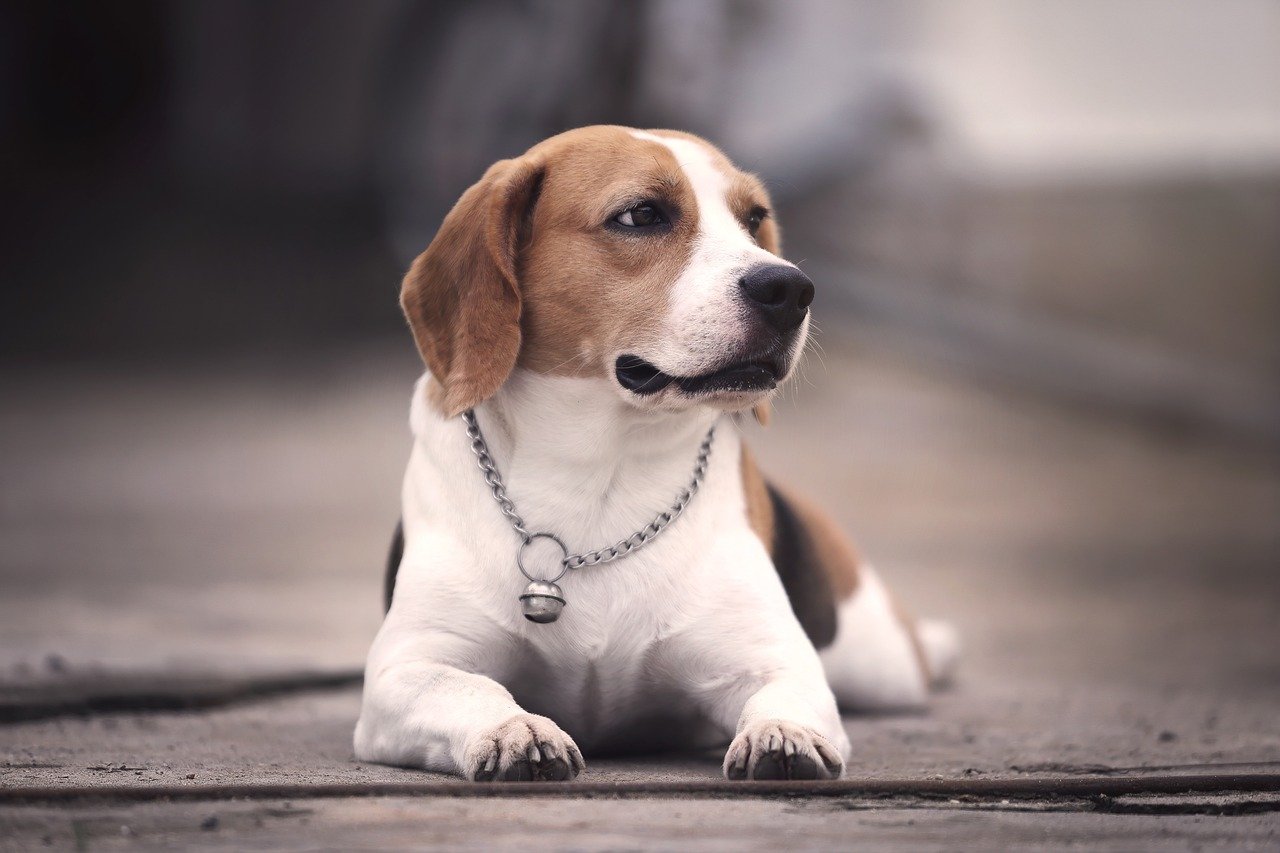
Beagles may be famous for their noses, but their hearts are just as remarkable. With their floppy ears and joyful personalities, Beagles have a knack for making therapy visits feel like playtime. They’re especially good with children, thanks to their patient and tolerant nature. Beagles are curious and love to explore, which makes them adaptable to new environments—an important trait for therapy work. Despite their small-to-medium size, they have big personalities and an endless supply of affection. Their happy-go-lucky spirit is contagious, bringing laughter and joy to everyone they meet. Beagles truly prove that comfort can come in the cutest of packages.
Pembroke Welsh Corgi
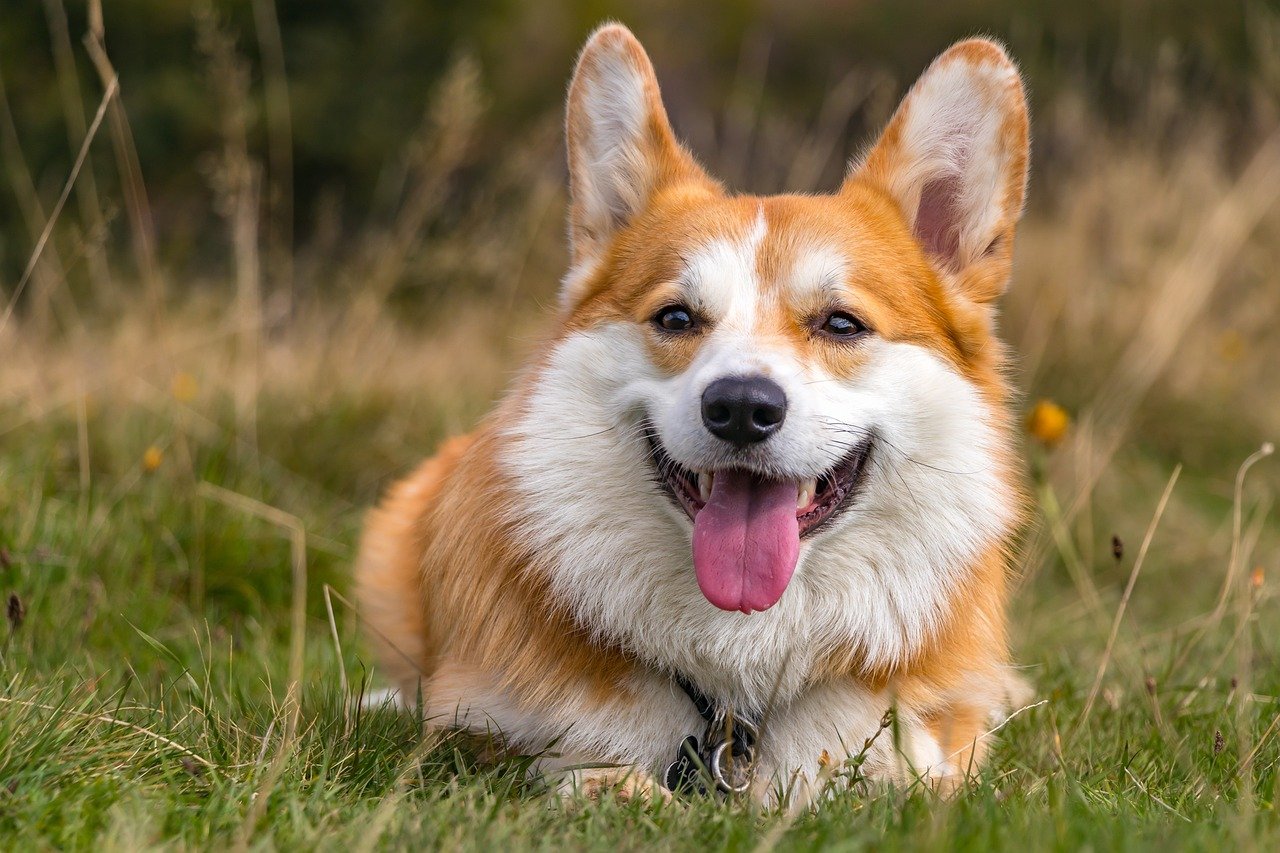
Pembroke Welsh Corgis are as charming as they are adorable. With their short legs, perky ears, and constant smiles, Corgis are instant mood-lifters. They’re known for being affectionate and loyal, always eager to please their humans. Corgis are also surprisingly intuitive, picking up on the emotions of those around them. Their manageable size makes them suitable for therapy work in a variety of settings, from schools to senior centers. Corgis are playful but gentle, striking the perfect balance for therapy visits. Their unique appearance and bubbly personalities ensure they’re always the center of attention—exactly where they love to be.
Collie
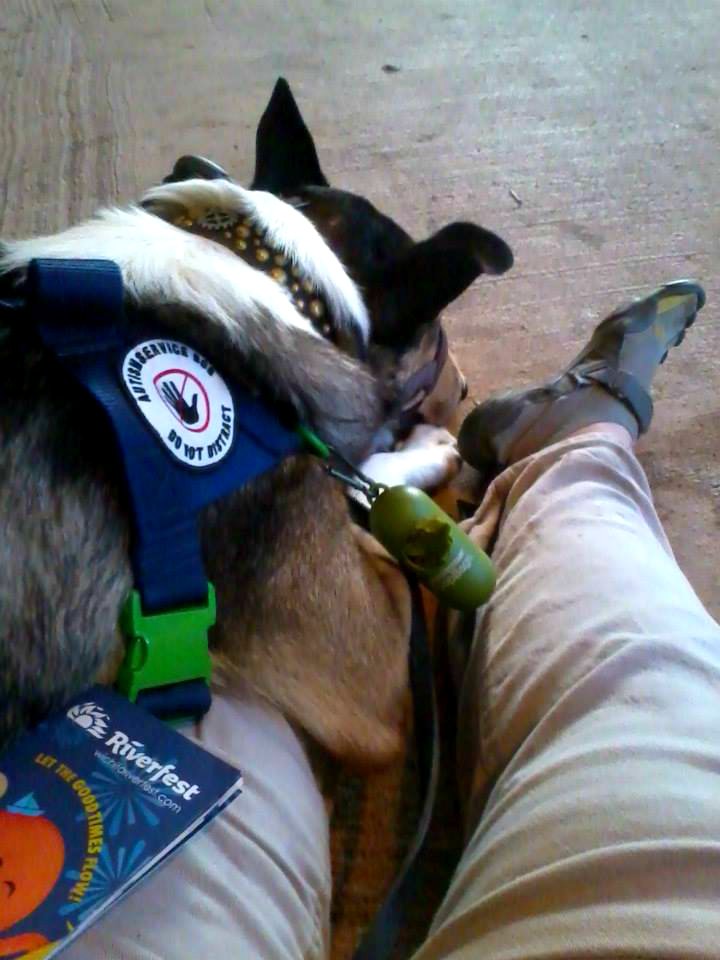
If you remember Lassie, you already know that Collies are famous for their loyalty and intelligence. These gentle giants are incredibly sensitive to human emotions, making them excellent therapy dogs. Collies are patient with children and adults alike, and their calm demeanor helps put people at ease. They’re quick learners and respond well to training, which is crucial in therapy environments. Their flowing coats and expressive faces make them a comforting presence, perfect for snuggling. Collies seem to have a sixth sense for knowing who needs a little extra love, making them true therapy legends.
Greyhound
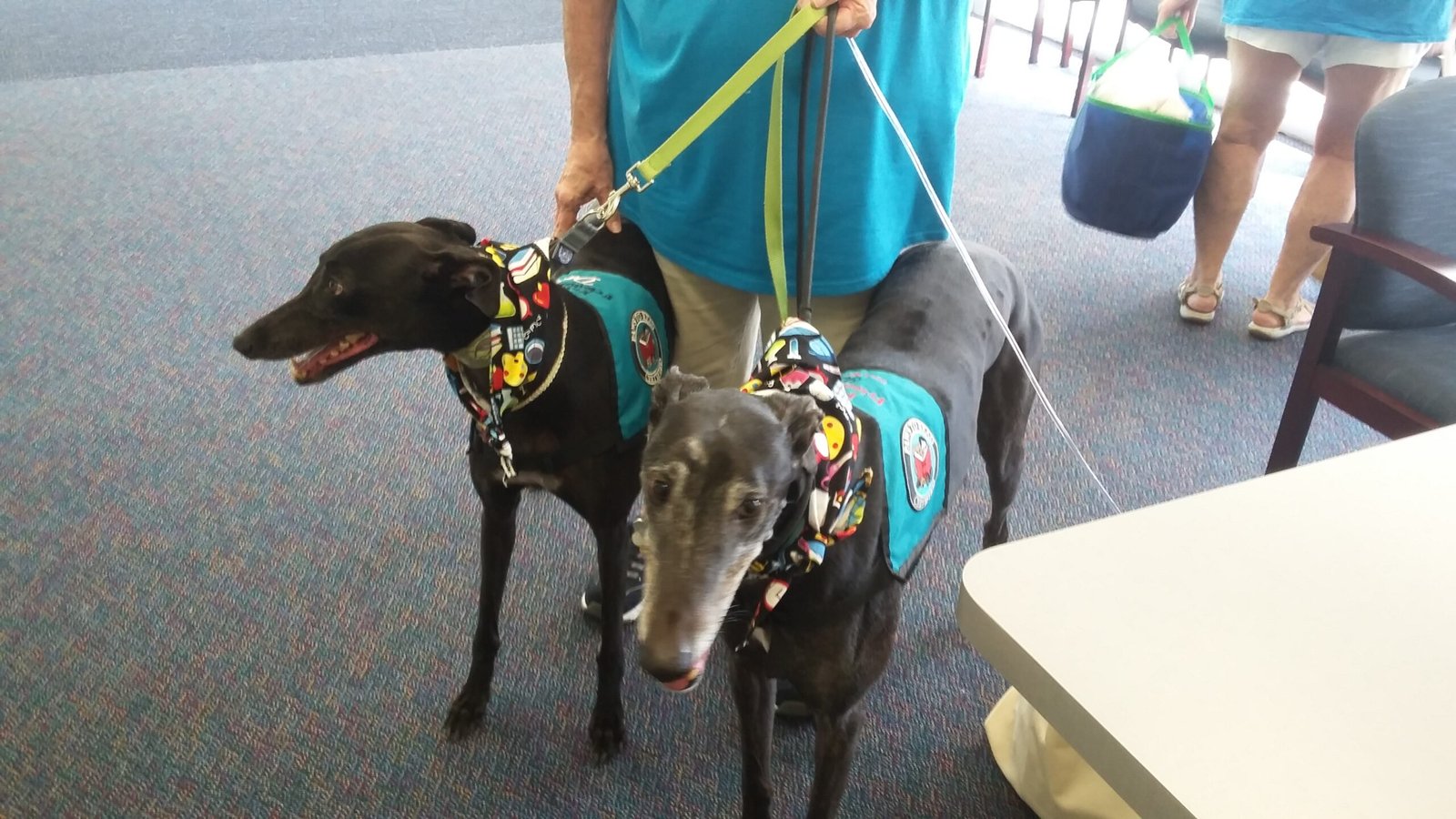
Greyhounds might surprise you as therapy dogs, but their gentle nature and quiet loyalty make them naturals. Despite their reputation as racing dogs, Greyhounds are actually big couch potatoes who love lounging and cuddling. Their calm temperament is ideal for therapy work, especially in settings where a soothing presence is needed. Greyhounds are affectionate but not overwhelming, making them perfect for those who may be nervous around dogs. Their elegant appearance often sparks curiosity and conversation, breaking the ice during visits. With a Greyhound by your side, tranquility is sure to follow.
Boxer
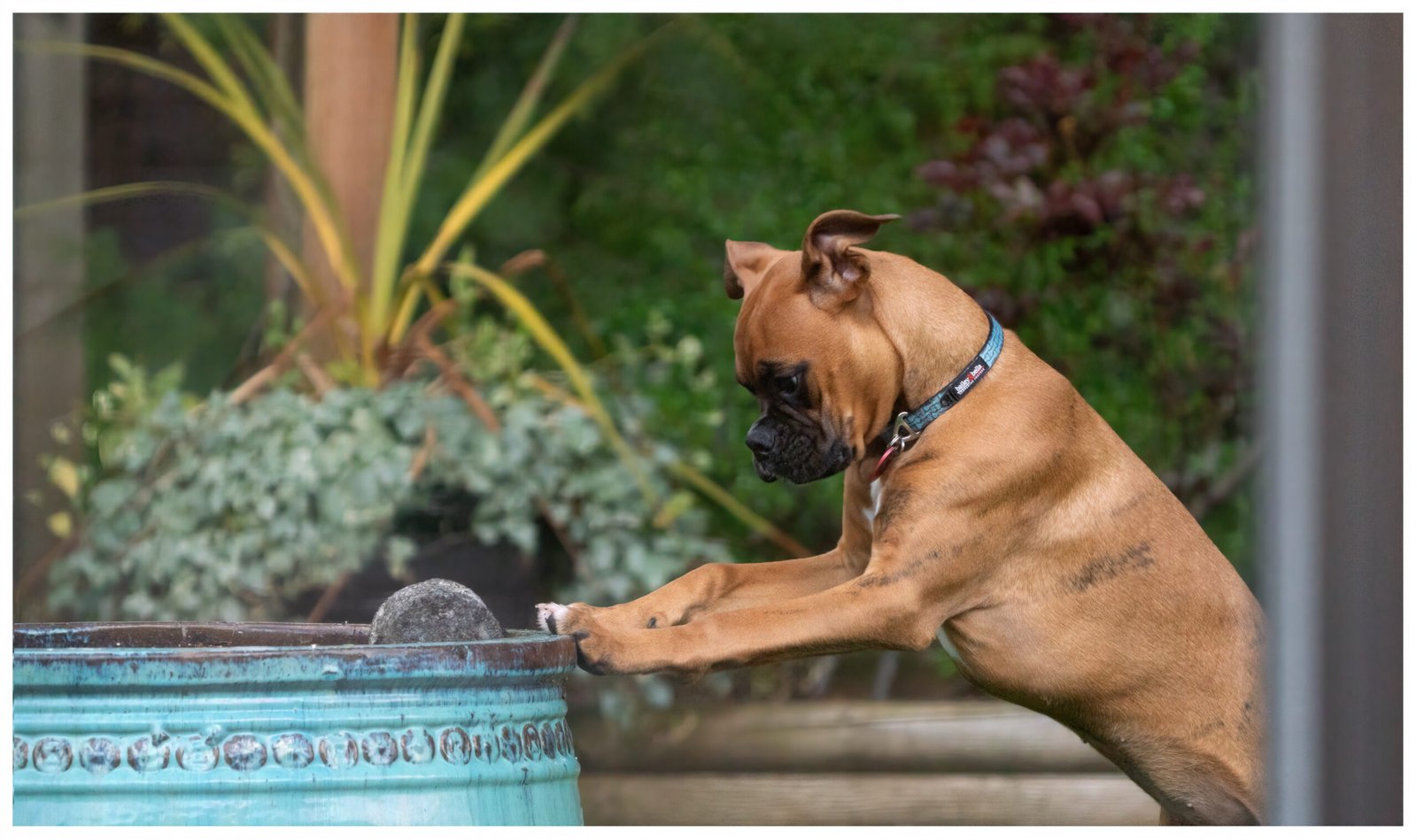
Boxers are bundles of energy and affection, always ready to spread joy wherever they go. Their playful personalities make them a hit with children and adults alike. Despite their muscular build, Boxers are gentle souls who thrive on human connection. They’re incredibly patient and have a goofy sense of humor that can lighten any mood. Boxers are also very protective, making people feel safe and cared for during therapy sessions. Their expressive faces and enthusiastic greetings are impossible to resist. With a Boxer, you get a therapy dog who brings both comfort and laughter.
Pug
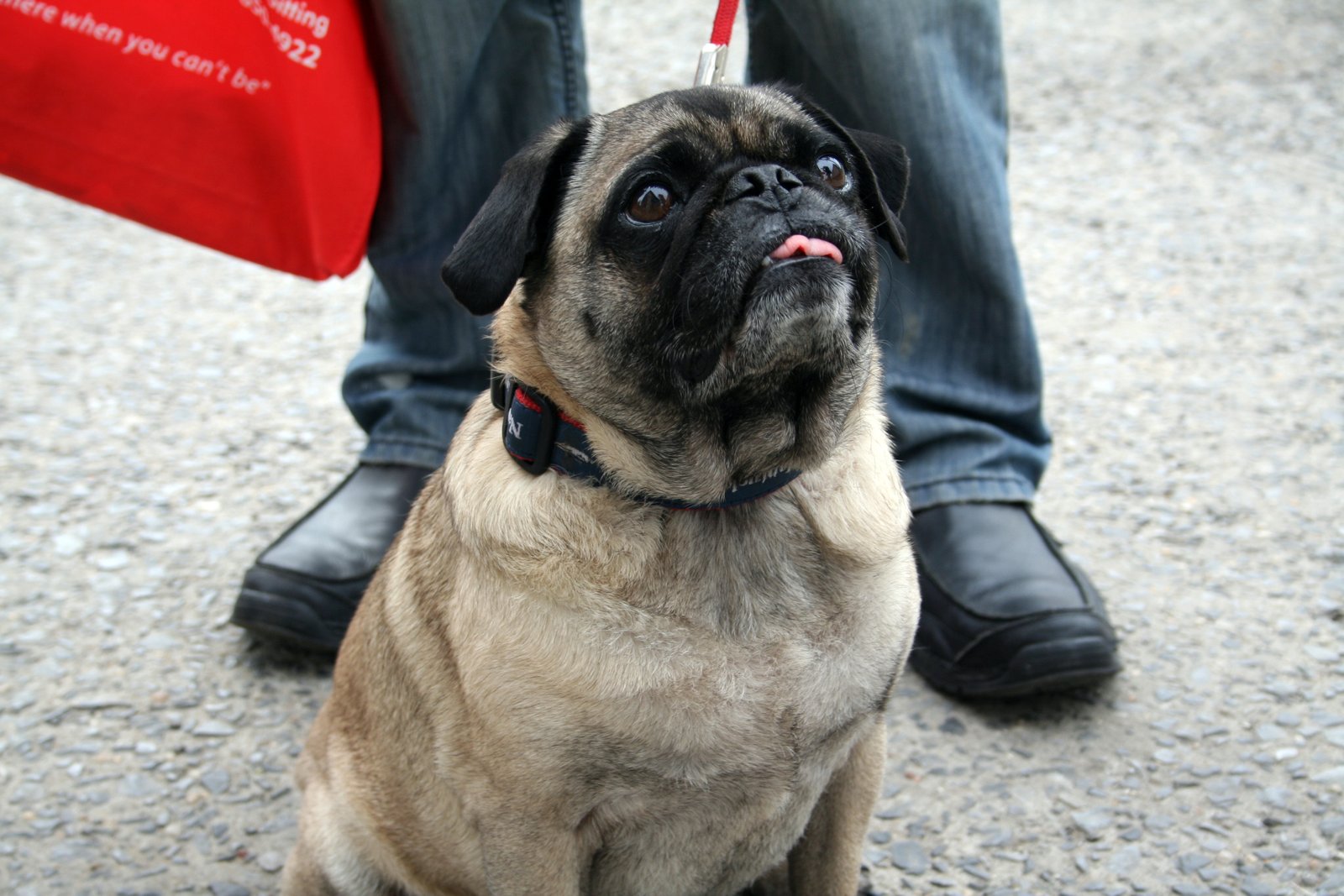
Pugs are little comedians with hearts of gold. Their squishy faces and big, round eyes make them instantly lovable, and their affectionate nature seals the deal. Pugs are known for their adaptability, fitting comfortably into any environment, from busy hospitals to quiet homes. They love being around people and are happiest when snuggled up on someone’s lap. Pugs have a way of making people laugh, often with their silly antics and snorts. Their small size makes them ideal for visiting those who may not be able to handle a larger dog. With a Pug, every therapy session comes with a dose of giggles.
German Shepherd
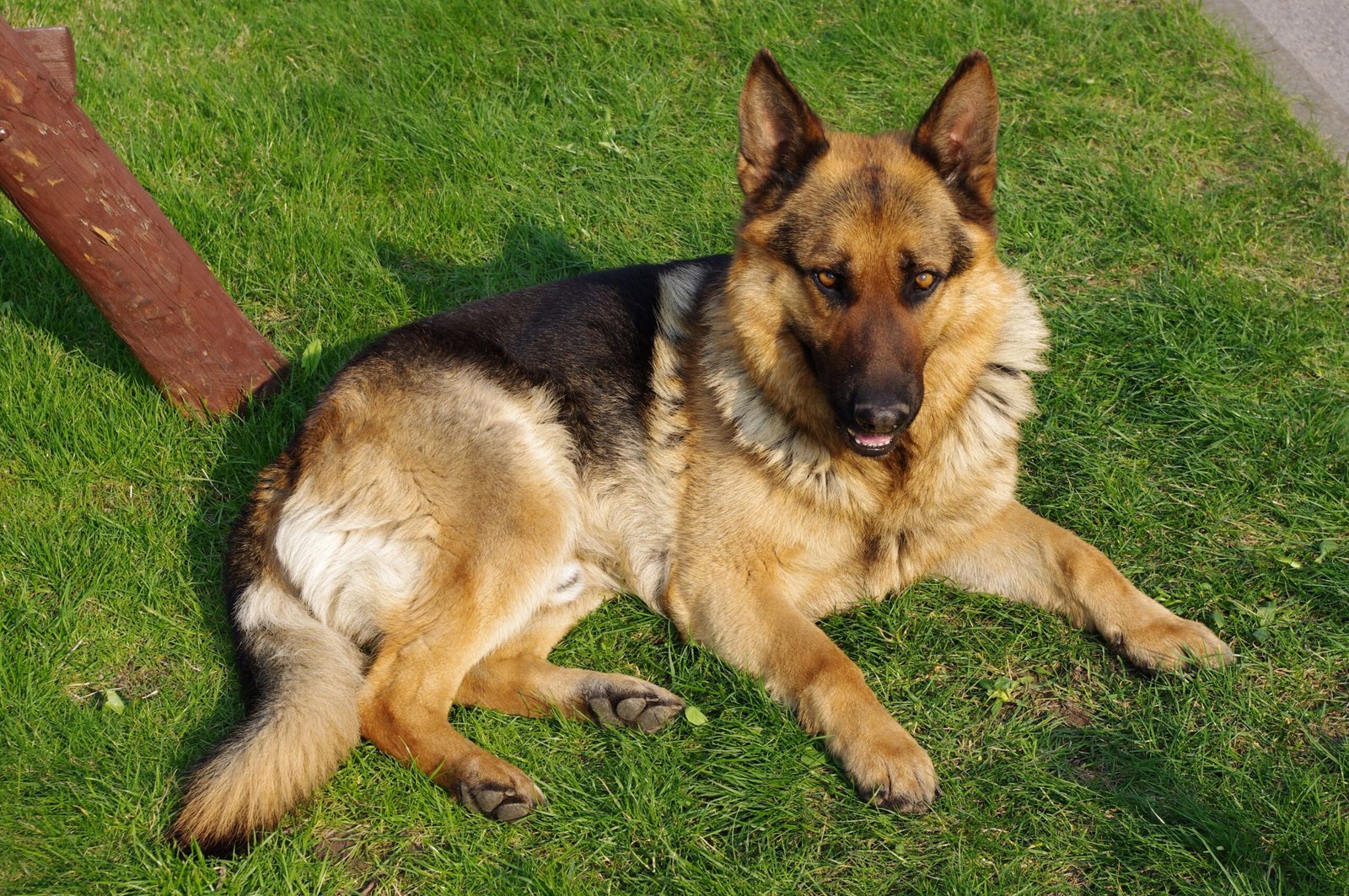
German Shepherds are famous for their intelligence and loyalty, but they’re also incredibly compassionate. These dogs are quick learners, making them easy to train for the specific needs of therapy work. German Shepherds are protective without being aggressive, offering a sense of security to those they visit. Their calm presence can be deeply reassuring, especially for people struggling with anxiety or fear. Shepherds are also very intuitive, often knowing exactly when someone needs a comforting paw. Their majestic appearance and gentle nature make them stand out in any therapy setting. When a German Shepherd walks into the room, you can almost feel the tension melt away.
French Bulldog
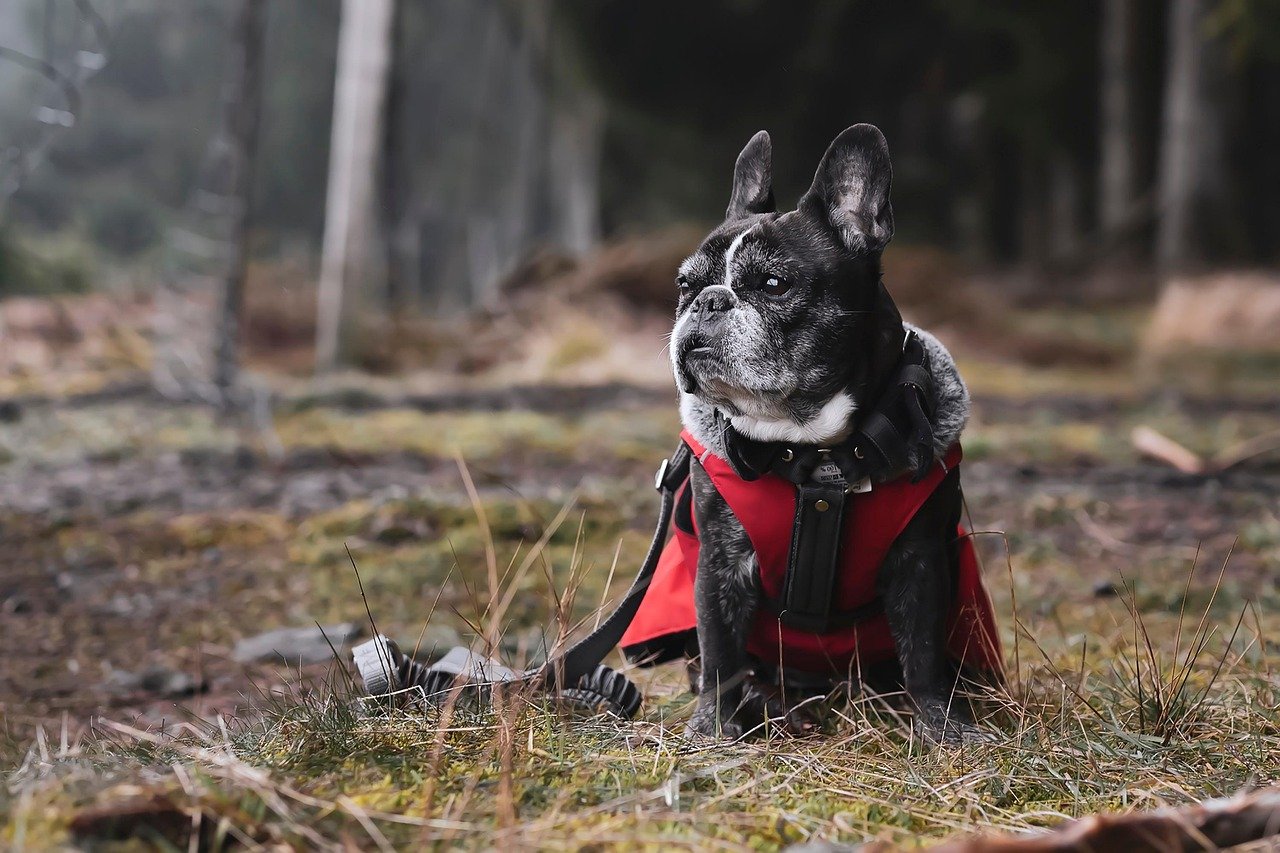
French Bulldogs might be small, but their personalities are larger than life. These dogs are affectionate, patient, and love to make new friends. Frenchies are perfect for therapy work thanks to their adaptability and easygoing nature. They aren’t easily startled and handle new situations with calm curiosity. Their cute, bat-like ears and expressive faces are instant conversation starters, helping to break the ice during therapy visits. French Bulldogs love to snuggle and are content just being close to their humans. Their sturdy build and gentle temperament make them suitable for all ages, from children to seniors.
Bernese Mountain Dog
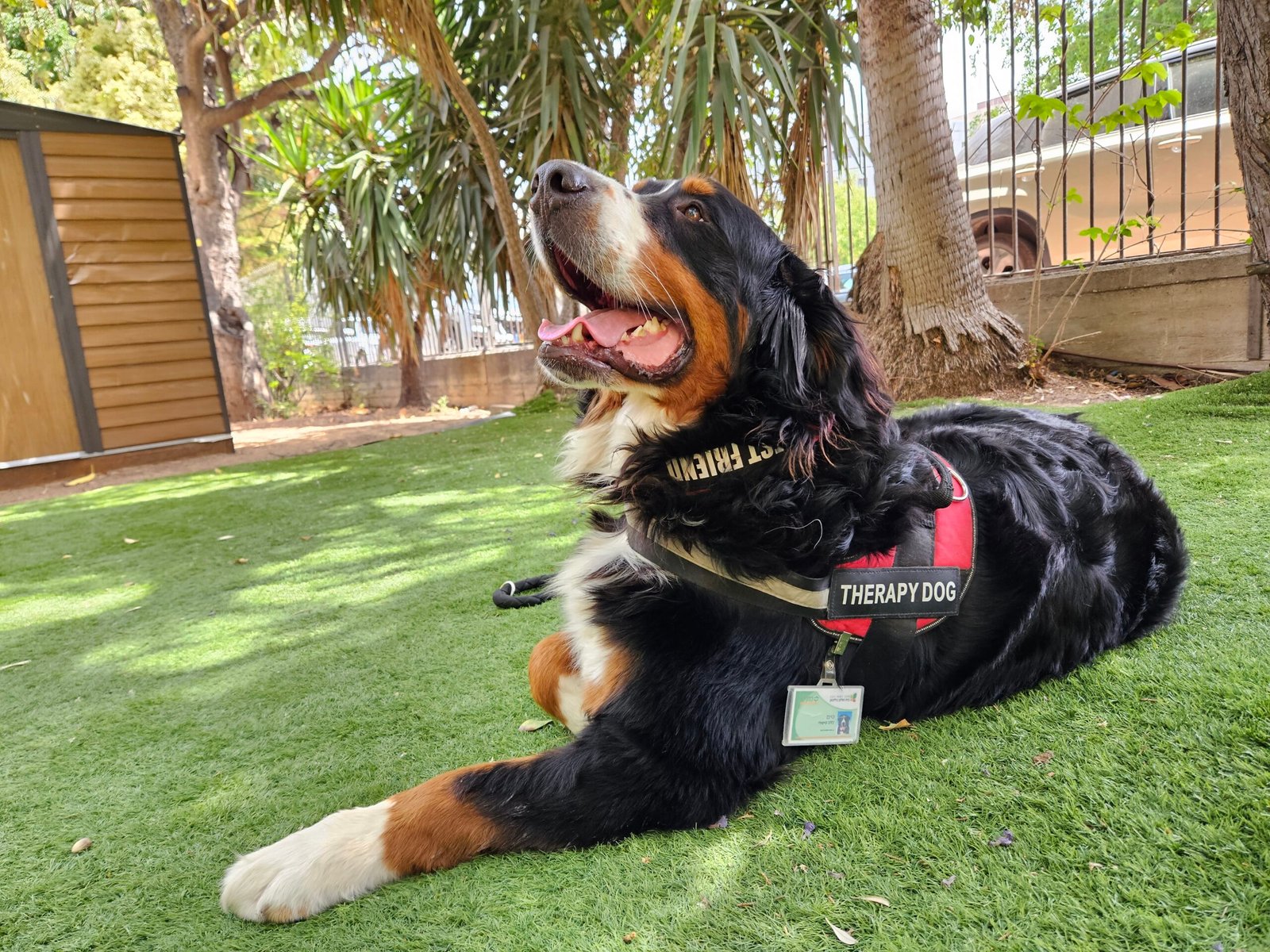
Bernese Mountain Dogs are gentle giants with hearts as big as their paws. Despite their large size, they are incredibly gentle and calm, making them ideal for therapy work. Bernese love people and are especially patient with children and the elderly. Their thick, fluffy coats are perfect for petting, and their affectionate nature brings comfort to those in need. Bernese Mountain Dogs are also very intuitive, often sensing when someone is feeling low and responding with extra cuddles. Their calm presence can help soothe anxiety and bring a sense of peace to any room. With a Bernese by your side, you’ll always feel cared for.
Shih Tzu
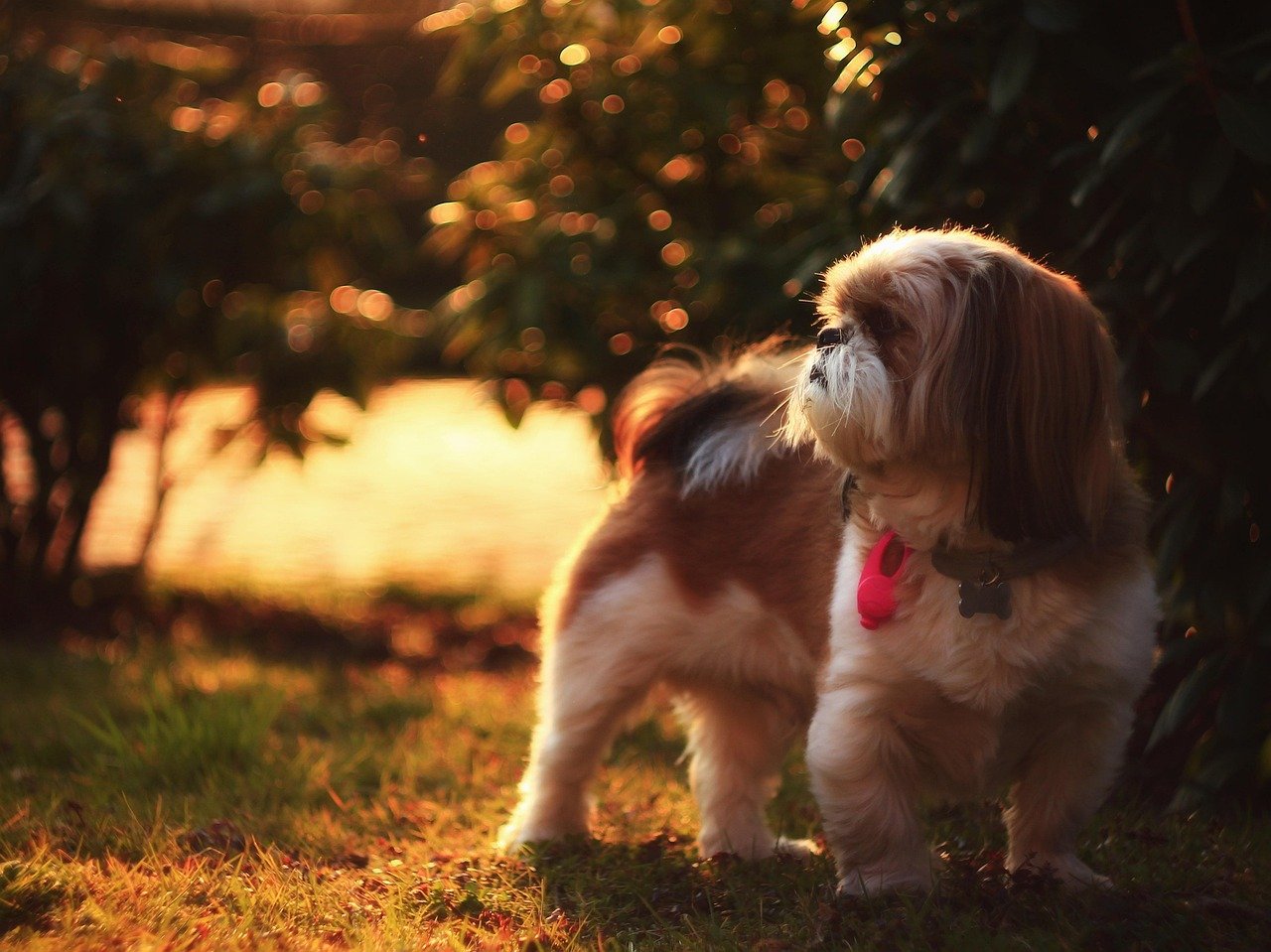
Shih Tzus may be small, but their capacity for love is enormous. These dogs are known for their affectionate and friendly personalities. Their small size makes them perfect for lap therapy, and their long, silky coats are soothing to touch. Shih Tzus are adaptable and thrive in a variety of environments, from hospitals to private homes. They’re excellent with children and the elderly, offering gentle companionship and endless snuggles. Their cheerful disposition can brighten even the darkest day. Shih Tzus truly show that great things come in small, furry packages.
Newfoundland
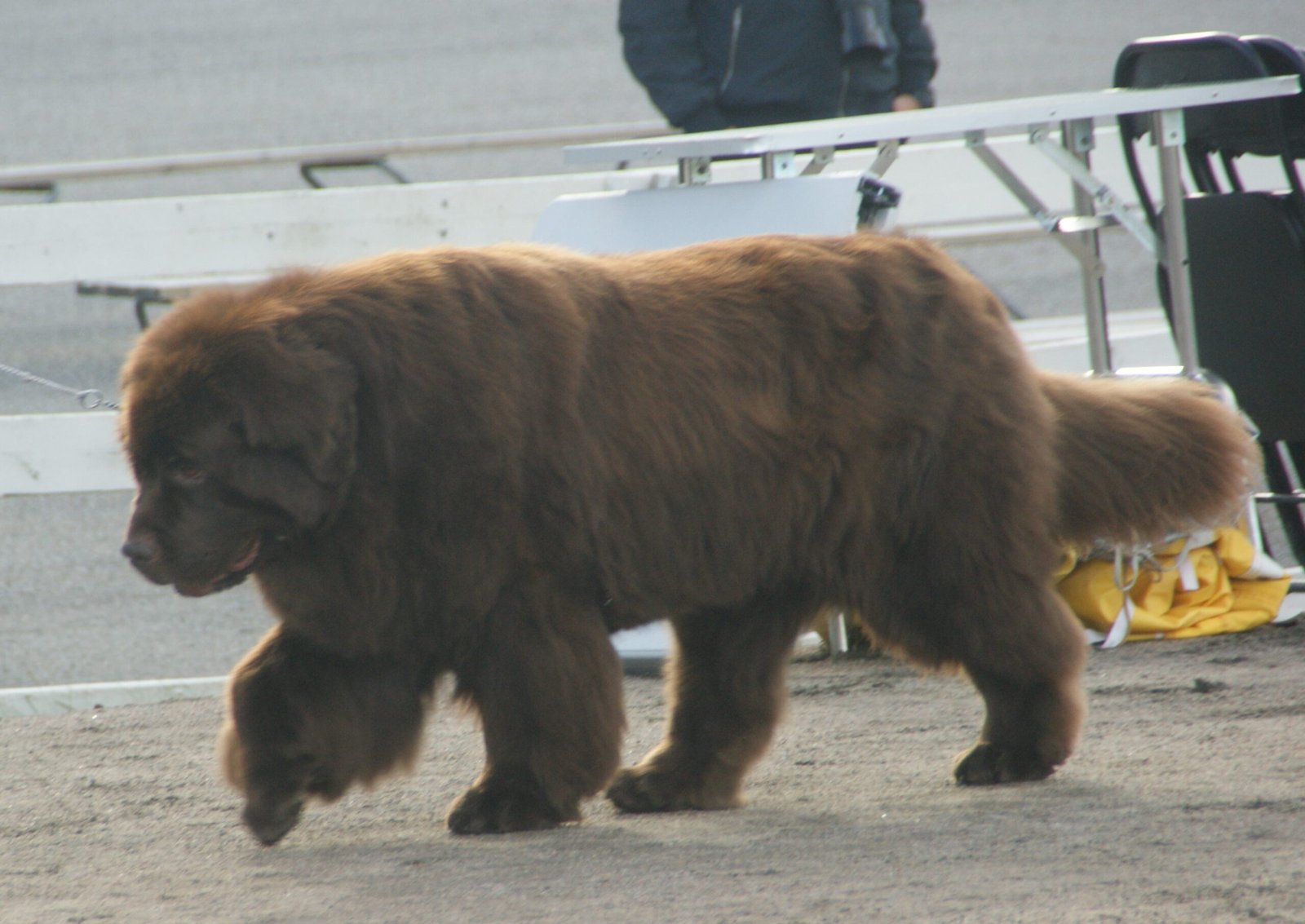
Newfoundlands, often called “Newfies,” are known as gentle giants. These massive dogs have a calm, sweet nature and are incredibly patient. Newfies are especially good with children, often referred to as natural-born babysitters. Their thick, fluffy coats and soulful eyes invite hugs and cuddles. Despite their size, Newfoundlands are gentle and careful, making them perfect for therapy work. They have a soothing presence and are quick to offer comfort to anyone in distress. Having a Newfoundland by your side feels like being hugged by a big, furry cloud.
Bichon Frise
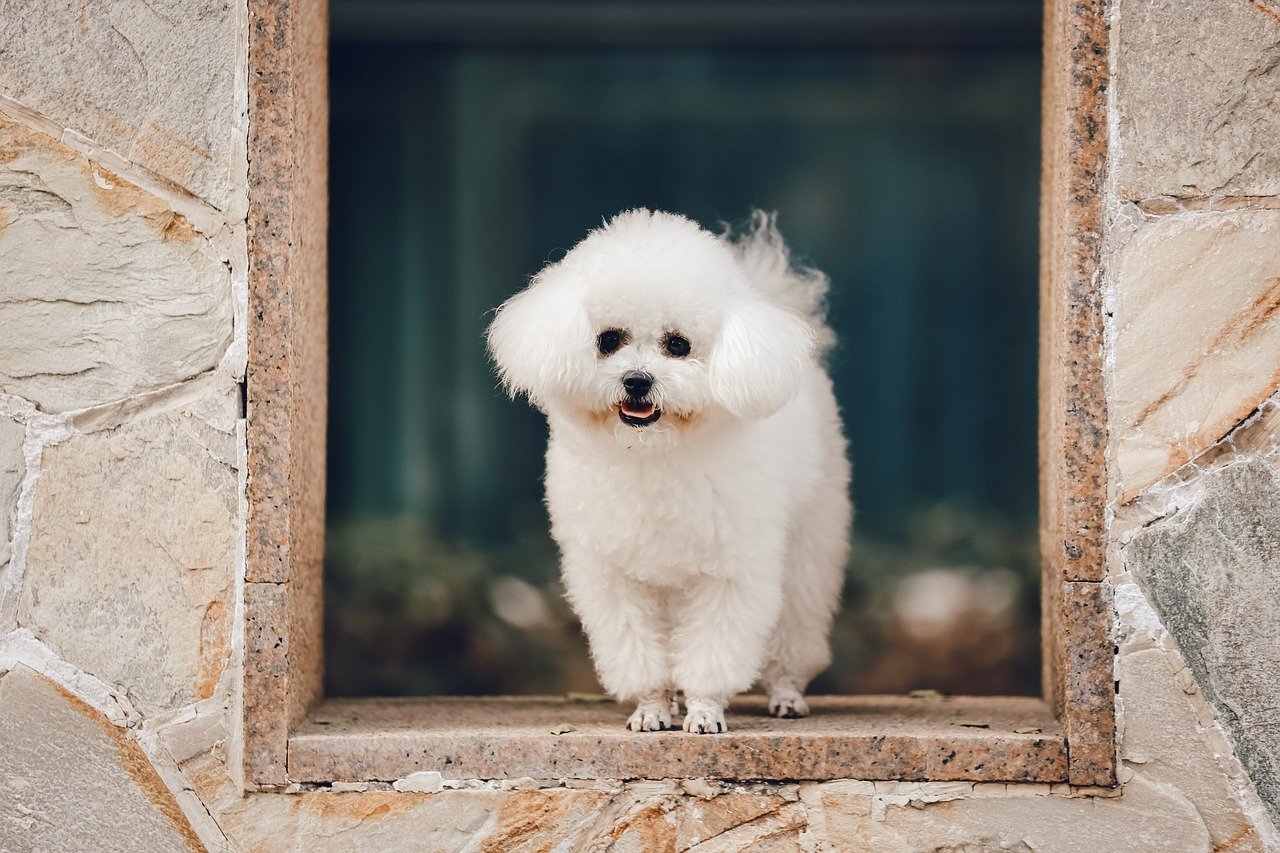
Bichon Frises are little balls of joy, always ready to spread happiness and love. Their hypoallergenic coats make them a great choice for therapy in allergy-sensitive environments. Bichons are playful and affectionate, thriving on human interaction. Their small size makes them perfect for lap therapy, and their cheerful personalities are contagious. Bichon Frises are adaptable and easy to train, making them ideal for various therapy settings. Their fluffy white coats and bright eyes are sure to bring smiles wherever they go. With a Bichon Frise, therapy visits always feel like a celebration.
Great Dane
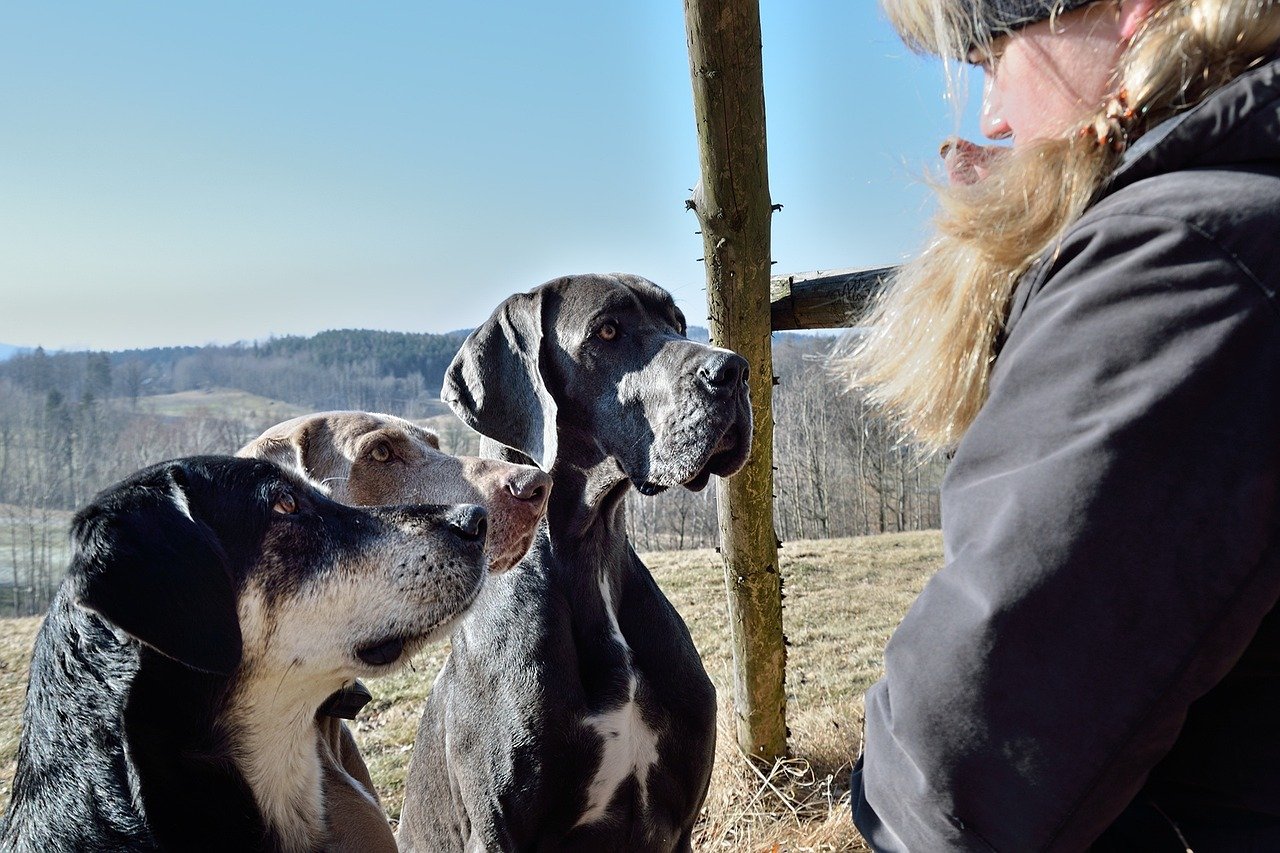
Great Danes are gentle giants who make a big impression wherever they go. Despite their towering size, Danes are known for their calm and patient nature. They’re incredibly affectionate and love being close to people, often leaning in for hugs. Great Danes are especially good with children and the elderly, offering a sense of stability and comfort. Their large size can be reassuring, especially for those who feel vulnerable. Danes move gracefully and are surprisingly gentle, making them ideal for therapy work. With a Great Dane by your side, you’ll always feel protected and loved.
Australian Labradoodle
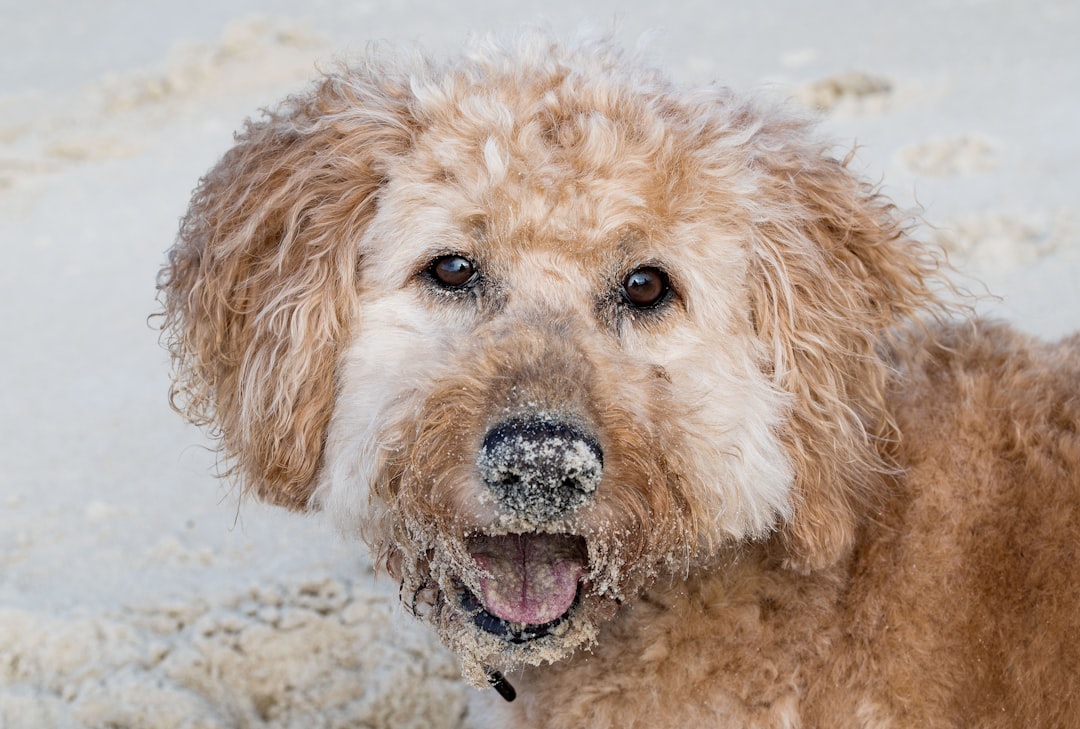
Australian Labradoodles are a delightful mix of intelligence, affection, and hypoallergenic coats. Bred specifically for therapy and service work, these dogs excel at understanding and responding to human emotions. Labradoodles are playful and friendly, making them popular with everyone they meet. Their calm demeanor and eagerness to please make training a breeze. Australian Labradoodles are adaptable and thrive in various therapy environments, from hospitals to schools. Their soft, curly coats are perfect for petting, and their joyful personalities light up any room. With an Australian Labradoodle, every day feels a little brighter.
Havanese
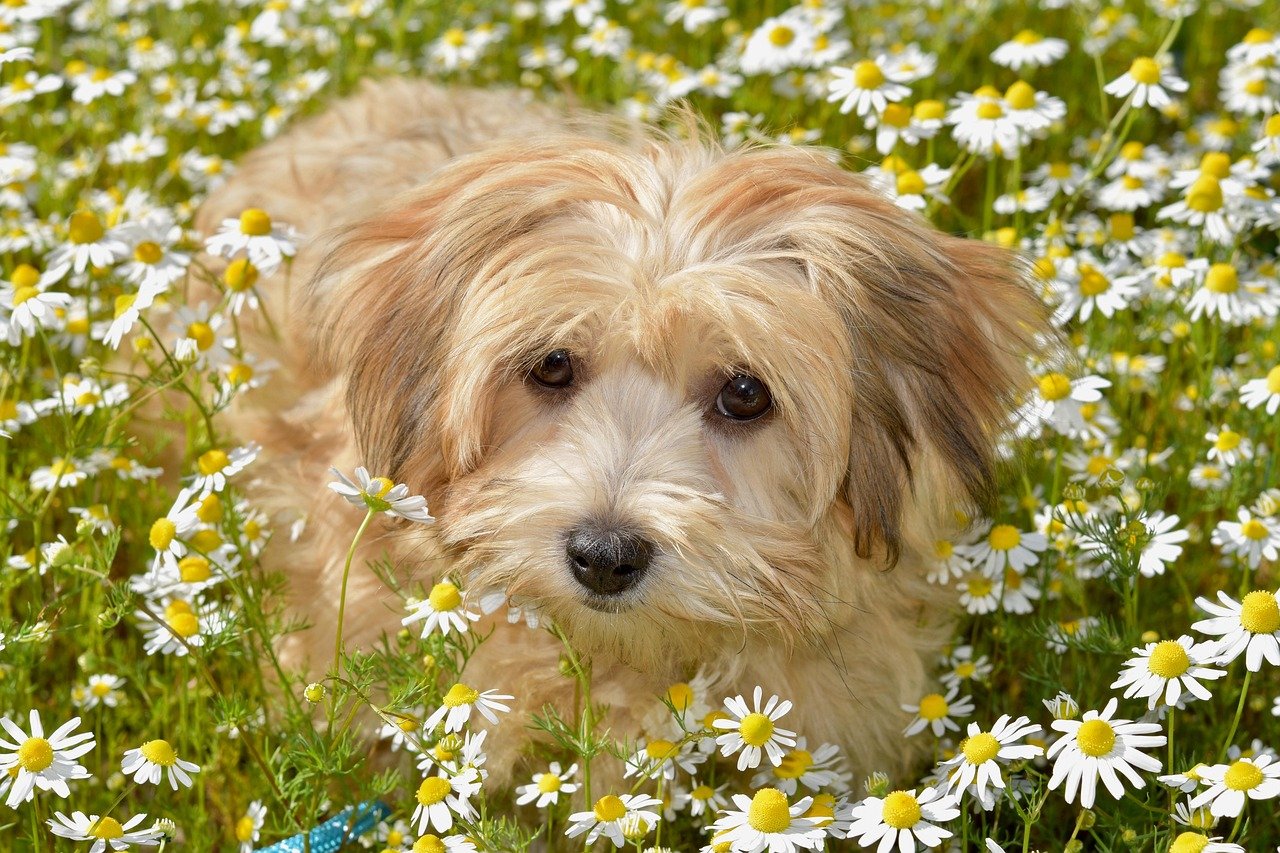
Havanese dogs may be small, but they are packed with charm and warmth. These little companions are known for their affectionate nature and desire to be close to people. Havanese are adaptable and thrive in different therapy settings, from bustling hospitals to quiet nursing homes. Their silky coats and gentle demeanor make them perfect for lap therapy and cuddling. Havanese are quick learners and eager to please, making them easy to train for therapy tasks. Their playful antics and loving nature bring smiles to faces young and old. With a Havanese around, you’re guaranteed a daily dose of happiness.


