
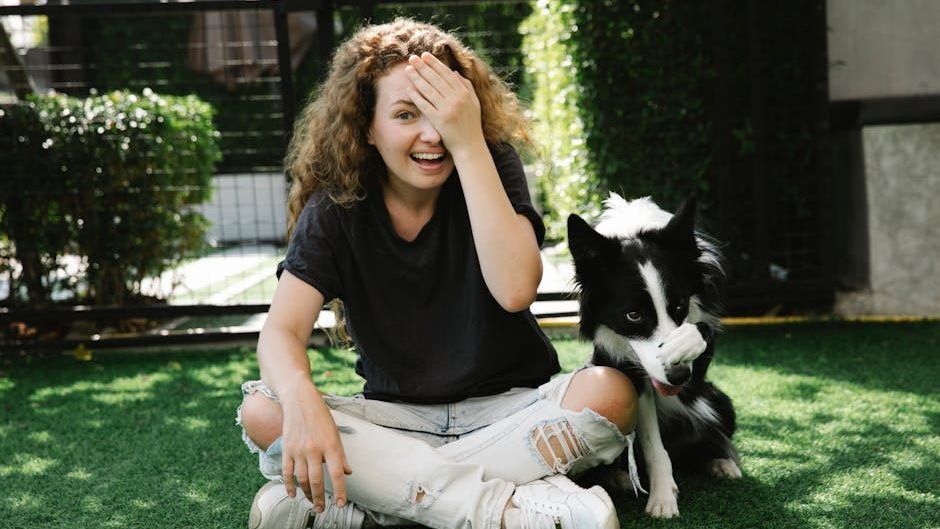
Your dog is watching you right now. Maybe they’re stretched out nearby, one ear tilted in your direction, tracking your every move. It looks simple, even sweet. But underneath that fur and those soulful eyes is an emotional creature who constantly reads the world around them, searching for signals that say: “You’re okay. You’re safe.”
Here’s the thing most people don’t realize. While domestication has made dogs capable of forming deep social attachments with humans, it didn’t immunize them from fear, anxiety, or uncertainty. A dog’s sense of safety isn’t something that comes factory-installed. It has to be built, day by day, through small, intentional acts of love.
The good news? You don’t need fancy gadgets or hours of extra time. Some of the most powerful things you can do for your dog are surprisingly tiny. Let’s dive in.
1. Give Them a Space That Belongs Only to Them

Every dog needs a retreat. Not a timeout corner, not a punishment spot, but a genuine safe haven they can call their own. Every dog needs a place where they can retreat and feel safe. This is especially important for rescue dogs who might feel overwhelmed in a new environment. Designate a quiet area and set up a cozy corner with a bed or crate where your dog can relax undisturbed.
Think of it like your dog’s bedroom. Crate training, when done correctly, can be a great way to provide your dog with a secure den-like environment where they can feel safe. Make sure the area is quiet, away from heavy foot traffic or loud noises, and spacious enough for your dog to stretch out comfortably. Respecting that space, never using it as punishment, makes it truly theirs.
2. Stick to a Daily Routine
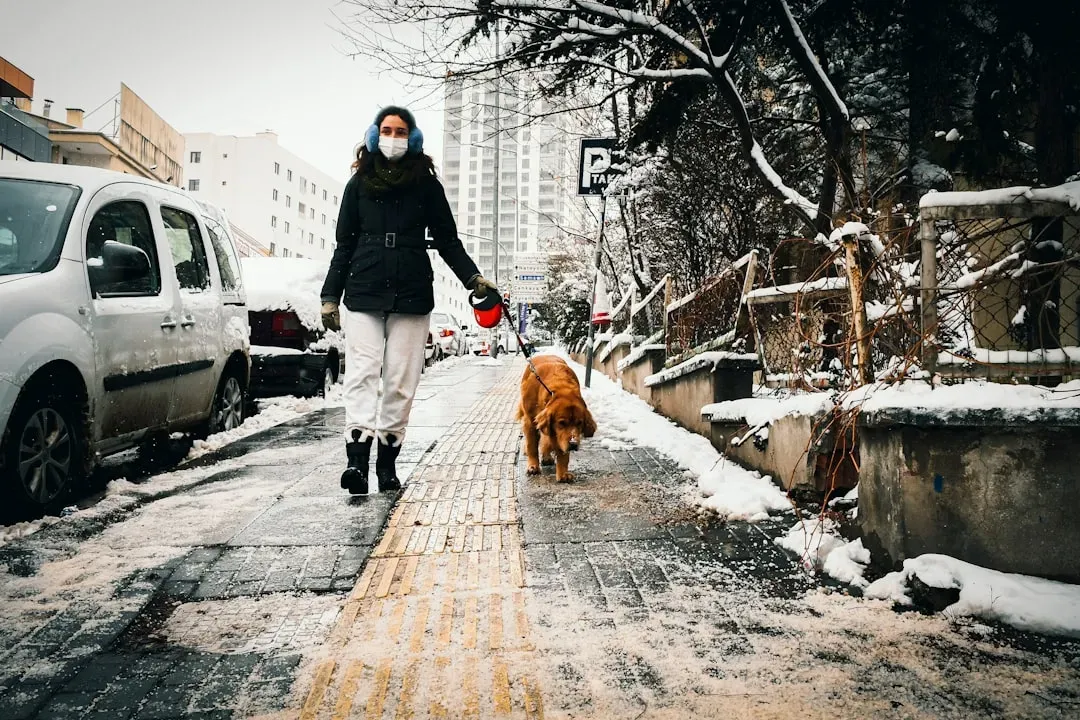
Dogs are basically living, breathing creatures of habit. I know it sounds almost too simple, but the predictability of a daily schedule does something remarkable for a dog’s nervous system. Dogs read the clock better than we think. A steady routine tells your dog: you are safe, I am here, life is stable. That predictability lowers cortisol, reduces barking and pacing, and boosts focus during training.
Keeping a consistent schedule for feeding, walks, and playtime can make your dog feel secure and loved. A predictable routine helps reduce anxiety and stress, making your dog happier and healthier. When your dog can anticipate what comes next, their whole world becomes less threatening. That is a gift you give them every single morning.
3. Use a Calm and Gentle Voice
Your dog may not understand every word you say, but they are absolutely fluent in tone. A sharp, raised voice, even if you’re not angry at them, registers as a threat in their world. While dogs may not understand every word we say, they can pick up on our tone and body language. Speak to your dog in a loving and calm voice, and use consistent signals for commands. This form of communication fosters a sense of security and understanding between you and your pet.
Honestly, there’s real science here. A soft voice slows down a dog’s heart rate in tense moments. Next time you see your dog getting anxious at the vet or during a thunderstorm, lower your voice, almost to a whisper. Watch what happens. It’s remarkable.
4. Make Gentle Eye Contact
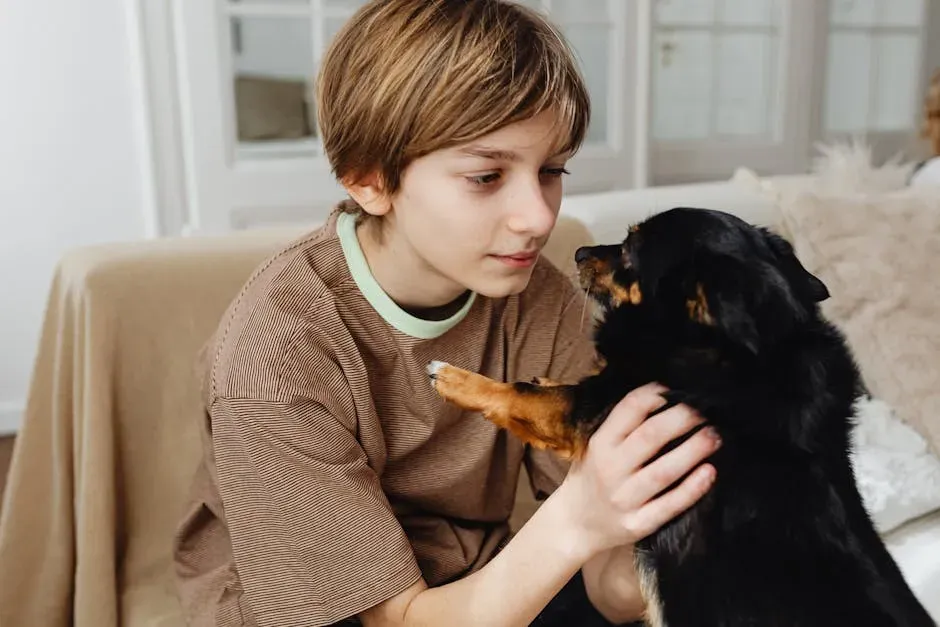
Soft, warm eye contact with your dog is one of the most underrated ways to say “I love you” in dog language. Along with mindful cuddles, our furry friends also appreciate eye contact. Gazing into your eyes can make your pooch feel great and strengthen the bond between the two of you. In fact, holding eye contact with their favorite humans causes dogs to release 130% more oxytocin (the love hormone) than when looking at something else, research shows.
There’s an important distinction to make here, though. Soft, relaxed eye contact is warm and bonding. With humans they feel comfortable around, dogs often display relaxed eye contact that is brief and soft rather than fixed or avoidant. Their eyes may appear to smile with a slightly narrowed shape and relaxed surrounding muscles. A hard, fixed stare is an entirely different message. Keep it gentle, keep it loving.
5. Learn and Respect Their Body Language
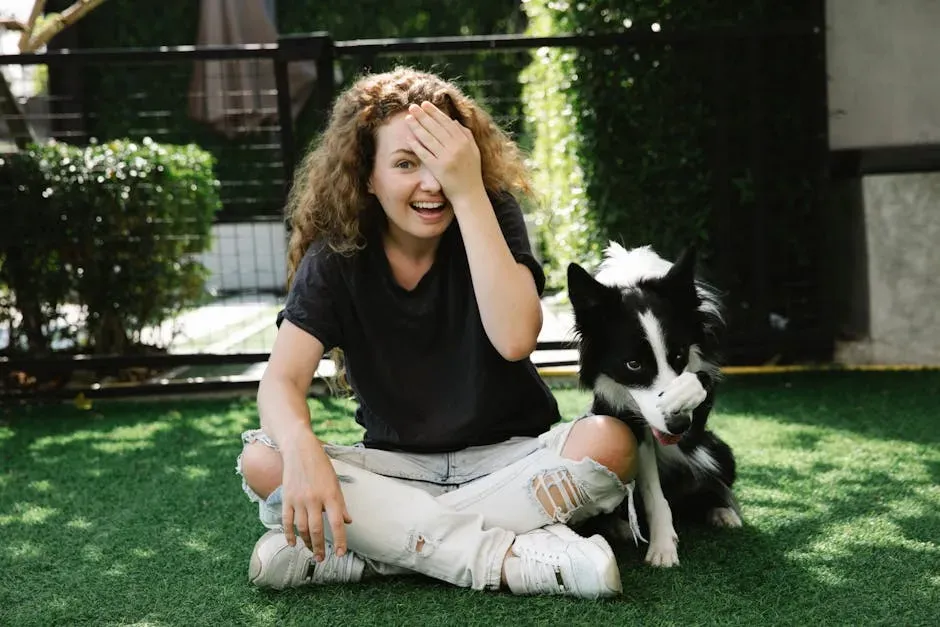
Your dog is talking to you all the time. The question is whether you’re listening. Dog communication, much like human communication, is on a continuum from whispering to screaming. Initial whispers of fear may be subtle, like a slight hesitation, a lip lick, or turning the head away. If they are ignored or misinterpreted, behaviors over time tend to become more pronounced.
Your dog speaks with their body. When you notice and respond to those signals, your dog feels seen and safe. That safety builds trust. Something as small as moving your dog away from a crowded situation when you notice them yawning nervously can mean everything. It says: I see you, and I’ve got you.
6. Offer Consistent Physical Touch
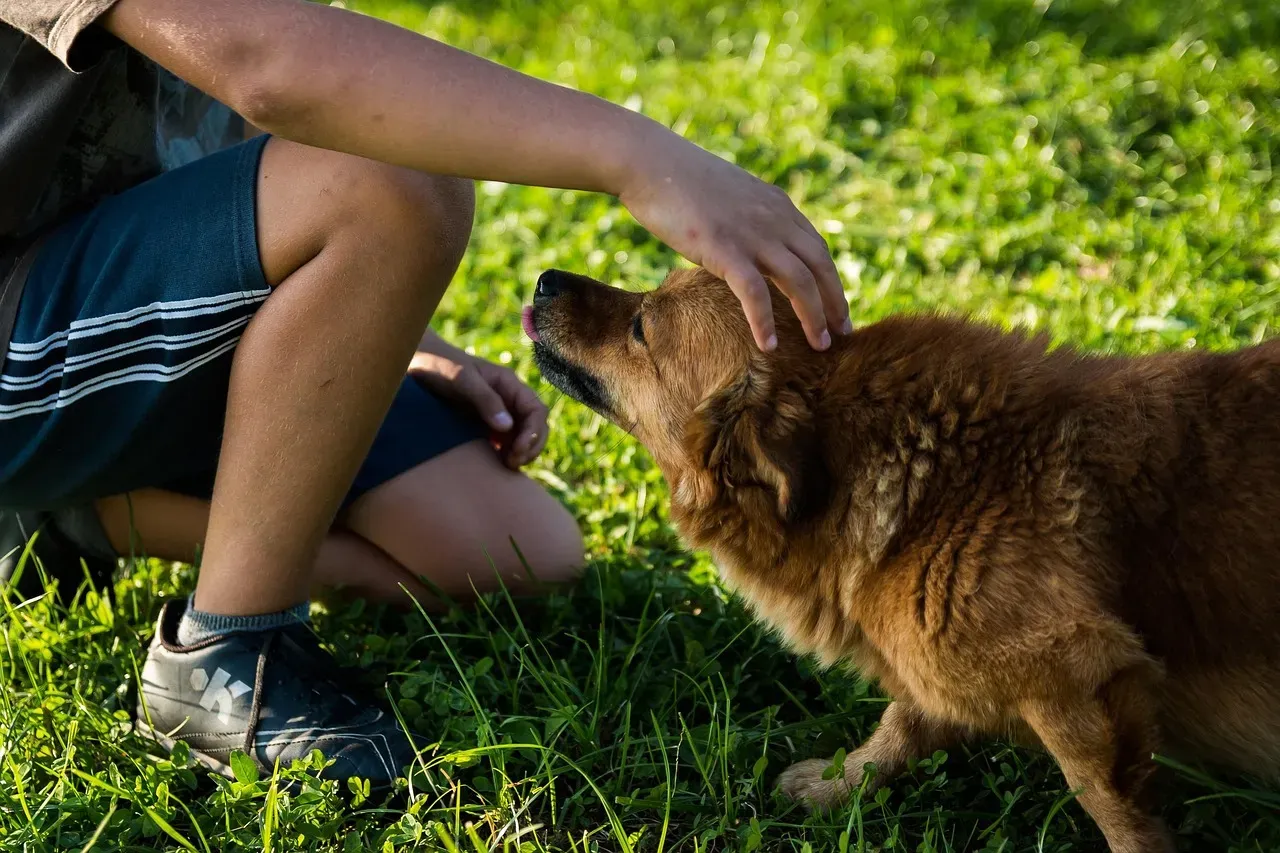
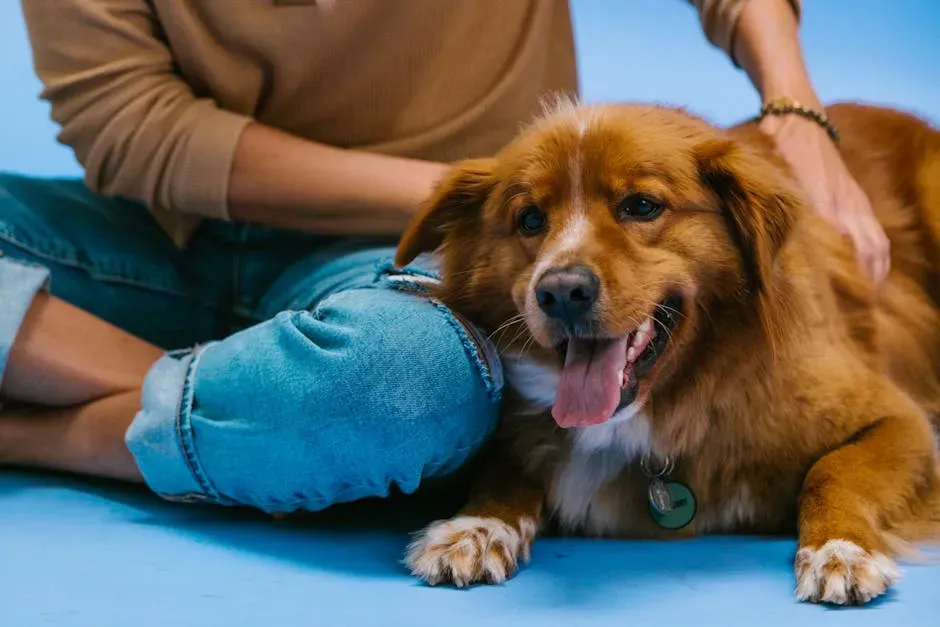
Physical contact isn’t just affectionate. For dogs, it’s deeply grounding. Snuggling on the couch, sitting on the bed, or meeting your best friend on the floor for some belly rubs is a nice, relaxing way to bond with your dog. This intentional physical contact can create a sense of safety and comfort that lets them know they are an important part of your pack.
Massaging your dog helps them relax and lets you check their body for any lumps, cuts, or sore spots. So those slow, mindful petting sessions actually serve double duty. You’re bonding and doing a mini health check at the same time. Not bad for a Sunday afternoon on the couch, right?
7. Never Punish, Always Redirect
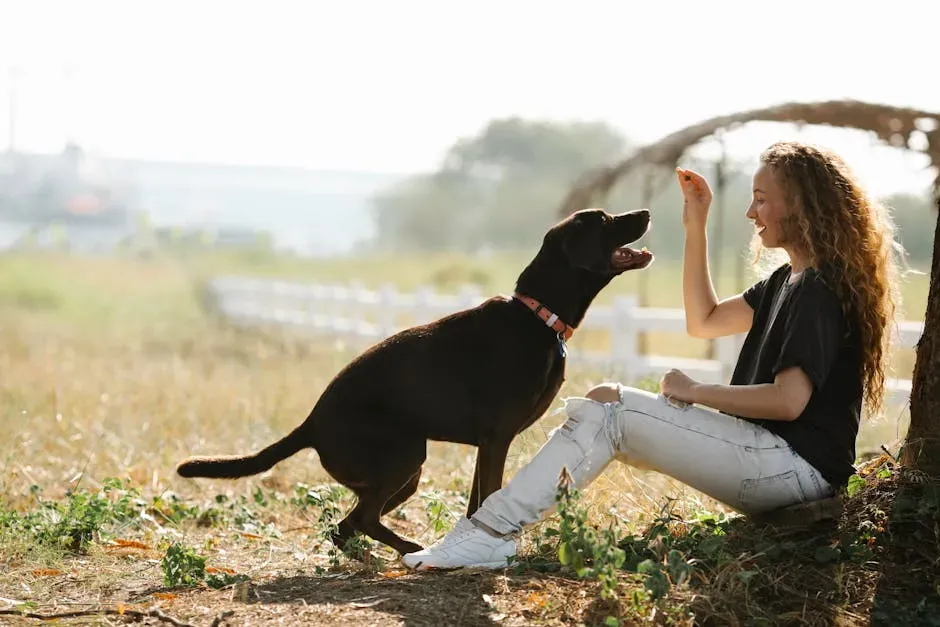
Let’s be real: punishment might feel like a fast fix in the moment. But the research is clear and consistent on this one. Punishment by no means makes a dog feel safer. It should really be avoided. We want pups to love and trust their pet parents, and punishment creates an opposing outlook for the pet. In actuality, it just creates more fear.
Avoid using punishment, as it can lead to fear and anxiety, which may result in behavioral issues such as aggression or withdrawal. Redirection and positive reinforcement are not just kinder, they’re genuinely more effective. Replace the bad behavior with something better, reward that better thing, and repeat. Simple, powerful, and trust-building.
8. Let Them Sniff on Walks

Here’s something dog owners often get backwards: the walk is not just about exercise. To your dog, it’s essentially reading the news. Physical activity isn’t just good for your dog’s physical health. Taking your dog on daily walks, runs, or hikes offers mental stimulation as they encounter new sights, sounds, and smells.
When you constantly tug your dog away from that interesting patch of grass or tug them past a lamppost before they’ve finished investigating, you’re cutting off their form of communication with the world. Let them linger. Let them sniff. Exercise is crucial for your dog’s physical health and mental balance. Exercise is also a powerful tool for reducing anxiety and preventing behavioral problems. A well-exercised dog is more likely to remain calm, stress-free, and content when at home. A dog who sniffs freely comes home calmer and more satisfied every time.
9. Create Comfort With Familiar Scents

Dogs experience the world primarily through their nose. It’s their dominant sense, roughly ten thousand times more powerful than ours. That means familiar, comforting scents can work like a warm hug for a stressed pup. Having comfort items that remind your dog of their parent, like a t-shirt or blanket, can be comforting. It can remind them of maternal feelings of warmth and protection.
Offering a blanket or pillow with your scent can be provided as a comfort item and ultimately reassurance, especially for dogs prone to separation anxiety. This is especially helpful when you have to leave your dog home alone. Pop a worn t-shirt near their bed before you head out. It’s a tiny thing that can make a surprisingly big difference.
10. Practice Positive Reinforcement Training
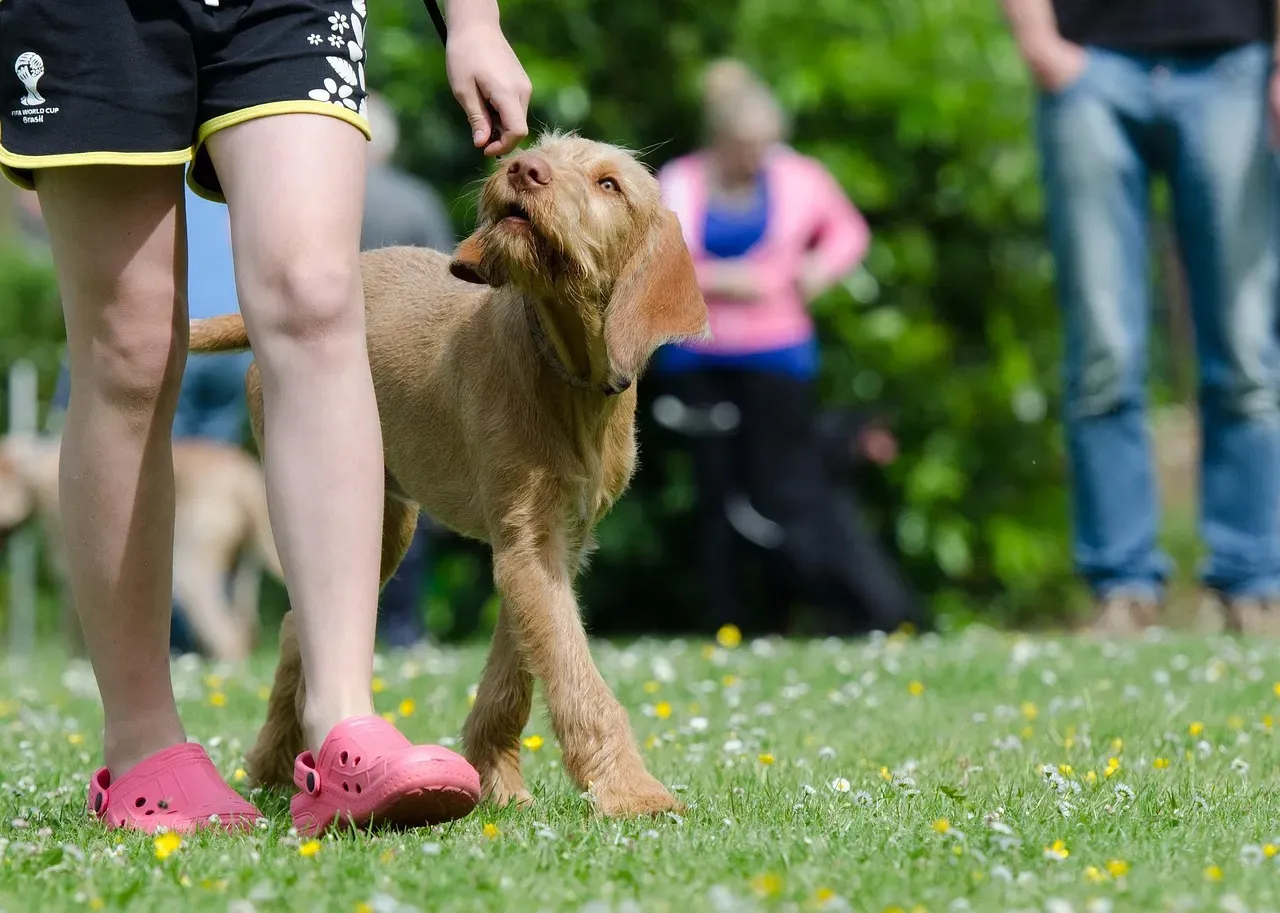
Training is often viewed as discipline. But done right, it’s actually one of the most loving things you can do for your dog. Incorporating training sessions into your dog’s routine is crucial for their mental stimulation and behavior management. Positive reinforcement training, where you reward good behavior with treats or praise, helps build your dog’s confidence and solidifies their understanding of your expectations.
Training is an essential part of a dog’s life, and using positive reinforcement is a wonderful way to show your love. Rewarding good behavior with treats, praise, or playtime reinforces trust and strengthens your bond. This method of training encourages a cooperative relationship and builds your dog’s confidence in their actions and surroundings. A confident dog is a happy, secure dog.
11. Give Them Mental Stimulation Every Day
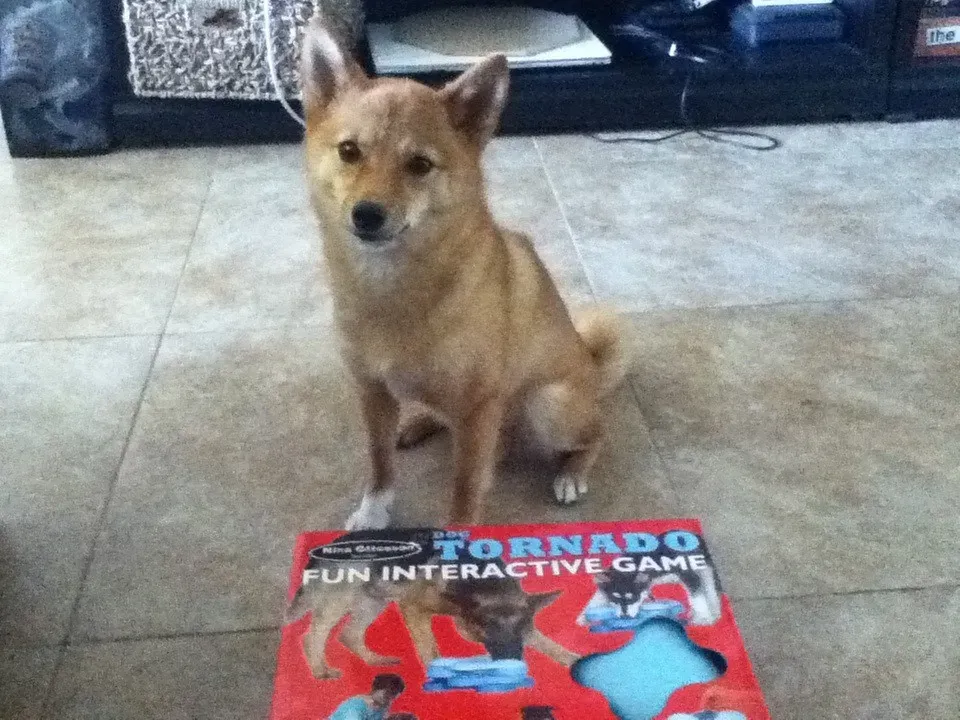
A bored dog is often an anxious dog. Mental exhaustion from enrichment activities can be just as satisfying as physical exercise, sometimes even more so. In addition to physical exercise, dogs need mental stimulation to stay sharp and happy. Puzzle toys, treat-dispensing gadgets, and interactive games like hide-and-seek are great ways to engage your dog’s mind.
Mental challenges not only help prevent boredom but also reinforce your bond as your dog learns to rely on you for entertainment and guidance. Think of puzzle feeders like doggy brain gym. Even hiding treats around the house for your dog to find is a game that taps into their natural instincts, keeps them sharp, and burns energy in the best possible way.
12. Sit Quietly Together (Without Demanding Anything)
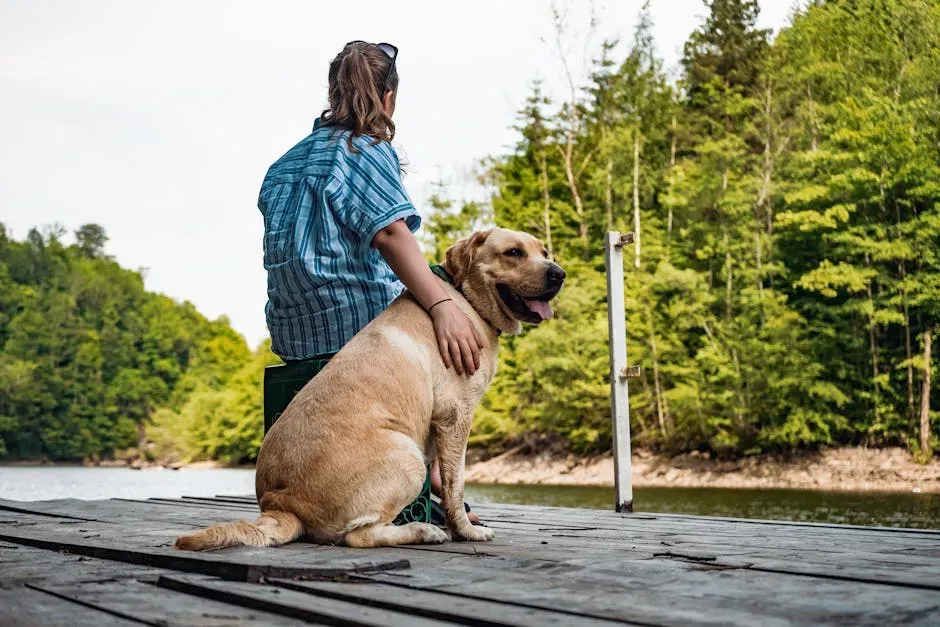
Not every interaction needs a purpose. Sometimes the most powerful thing you can do is simply be present. Sometimes, just being near your dog without demanding interaction can help them feel more comfortable around you. No training, no commands, no fetch. Just you and your dog, existing in the same space.
Quality time together creates positive associations. Engage in activities your dog genuinely enjoys rather than those you think they should appreciate. If your dog loves nothing more than lying across your feet while you read a book, honor that. They’re not asking for much. They’re asking for you.
13. Maintain a Calm Household Environment

Dogs are emotional sponges. They absorb the energy of their home. If you live in a chaotic home, with young children in the house, vocal pet parents who are constantly shouting, people coming in and out, or other pets present, there is a good chance your dog will take on that stress and may start to exhibit insecure behaviors.
This doesn’t mean your home has to be silent or sterile. It means being mindful. Soft music, calm voices, and predictable household rhythms all contribute to a dog feeling settled. Calming music and white noise can help reduce anxiety and stress in dogs, especially during loud noises or separation. These sounds create a soothing atmosphere that promotes relaxation and calmness.
14. Acknowledge Their Stress Signals Early

Catching stress early, before it escalates, is one of the kindest and most practical things you can do. Common stress indicators include excessive lip licking, yawning when not tired, and avoiding eye contact. A tense body posture with stiff muscles and a lowered head suggests your dog isn’t fully comfortable. Pay attention if your dog’s tail is tucked between their legs or held unusually high and still. These are clear signals that they’re feeling uncertain or anxious.
Learn how to understand how your dog communicates through body language and respond to that body language to try to minimize their stress. For example, if you see that in a certain situation your dog looks away, does a body shake off, yawns, or tries to look smaller, move your dog away or out of that situation. Acting on the whisper means you’ll rarely have to deal with the scream.
15. Respect Their Need for Space

This one surprises a lot of people, including some very well-meaning dog owners. Love is not always about closeness. Sometimes love means stepping back. While it might seem counterintuitive when looking for how to bond with your dog, it’s important to give them the space they need. Allowing your pooch a safe space to recharge after a busy day or time spent with lots of other dogs builds trust and helps them feel comfortable and safe in your home. Sometimes they might simply need some time out.
Don’t force your dog to interact if they retreat to their safe spot. Let them come to you when they’re ready. A dog who knows they can opt out of social situations without being pushed or followed will actually choose to come to you more often. Respecting their “no” builds enormous trust.
16. Be Their Secure Base When the World Gets Scary
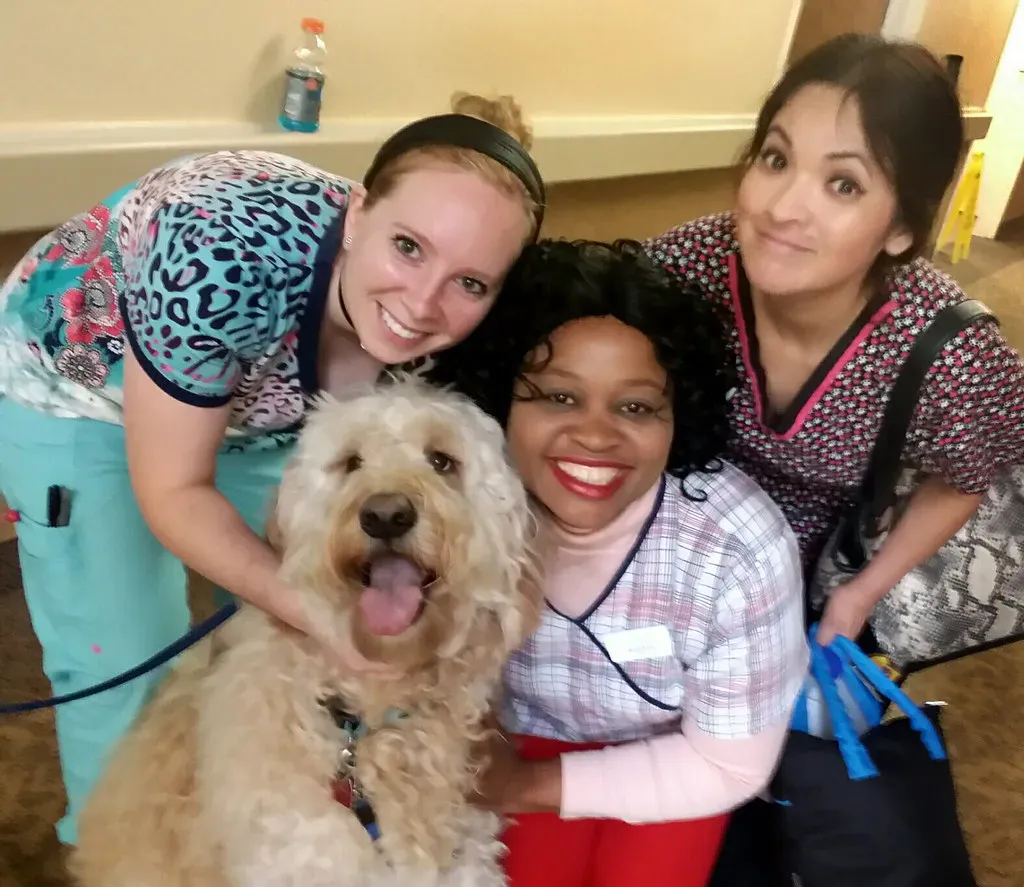
Thunderstorms, fireworks, strange visitors, the dreaded vacuum cleaner. Life throws a lot at dogs. Your job in those moments isn’t to dismiss their fear. It’s to be a steady, calm anchor. When your dog trusts you, you become their emotional anchor. That means when life gets weird, whether it’s thunder, vet visits, or toddlers in dinosaur pajamas, your dog will look up to you and think: if you’re calm, then I’m okay.
Dogs who feel loved and comforted consider their favorite humans as their secure base, especially when they’re uneasy. When something startles them or feels new, a dog who trusts you will look to you for guidance. Be that calm presence. It genuinely changes everything for them.
17. Socialize Them Gently and at Their Own Pace
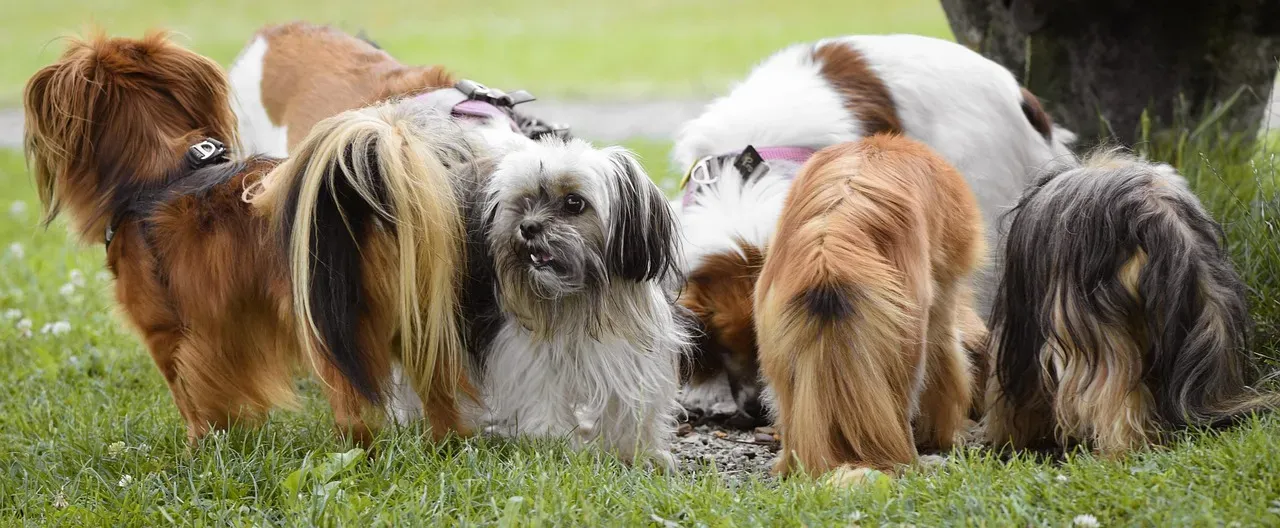
Socialization matters enormously, but there’s a right way and a wrong way to go about it. Throwing your dog into overwhelming situations and hoping they’ll “figure it out” is one of the fastest routes to a fearful dog. Use positive reinforcement during the socialization process so that your pet learns that meeting new friends is an exciting thing. Remember that gradual exposure is key. There is no need to rush the process.
Socialization is important, but it should be introduced at your dog’s pace to prevent overwhelming them. Introduce your dog to new people, pets, and environments one at a time. Watch for signs of stress: if your dog seems nervous or scared, give them space and try again later. Think of it less like exposure therapy and more like introducing a shy friend to a new social circle. Slow, steady, and always on their terms.
18. Celebrate the Small Wins Together
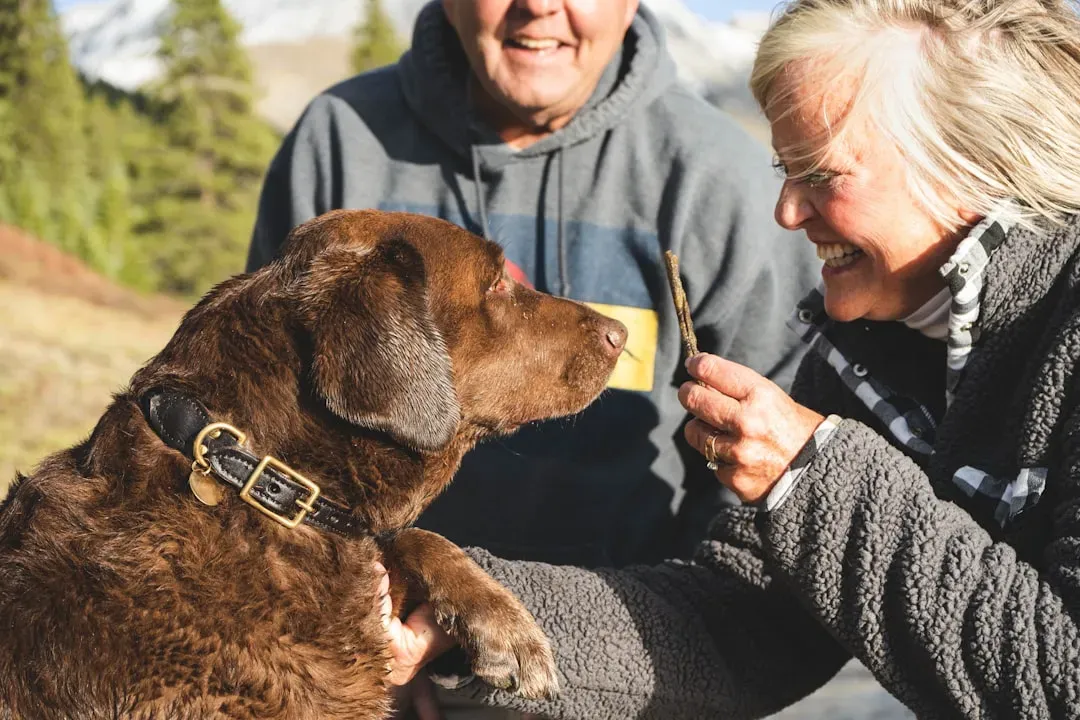
Security isn’t only about removing fear. It’s also about building joy and confidence. When your dog does something brave, something new, or something wonderful, make a big warm deal of it. Each milestone, no matter how small, is a step toward a deeper bond. Your enthusiasm is contagious, and your dog feels that celebration in their bones.
A dog who feels safe doesn’t just behave better. They live better. Secure dogs explore more, learn faster, and bounce back from stress more readily. Every treat, every “good dog,” every gentle scratch behind the ear is a deposit in your dog’s emotional bank account. Keep making those deposits, and you’ll raise a dog who genuinely thrives.
Final Thoughts: It’s the Little Things That Matter Most
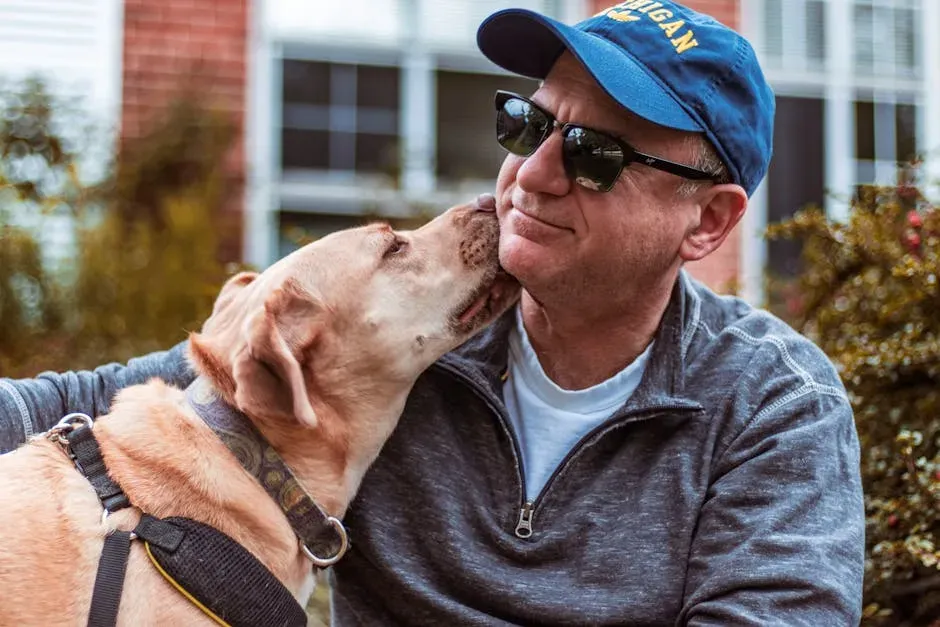
None of the 18 things on this list require a big budget or a massive time commitment. What they require is attention, consistency, and the willingness to see the world from your dog’s point of view. That’s honestly where all great dog relationships begin.
Dogs are remarkably resilient and forgiving. They can bounce back, and their secure attachment can be rebuilt with patience and empathy. Whether you have a brand new puppy or a senior rescue dog with a complicated past, it is never too late to start.
Your dog asks so little, honestly. A safe space, a familiar face, a gentle hand. Start with one thing on this list today, and watch the shift happen. Which of these small acts do you already practice with your dog? And which one surprised you the most? We’d love to hear from you in the comments.


