
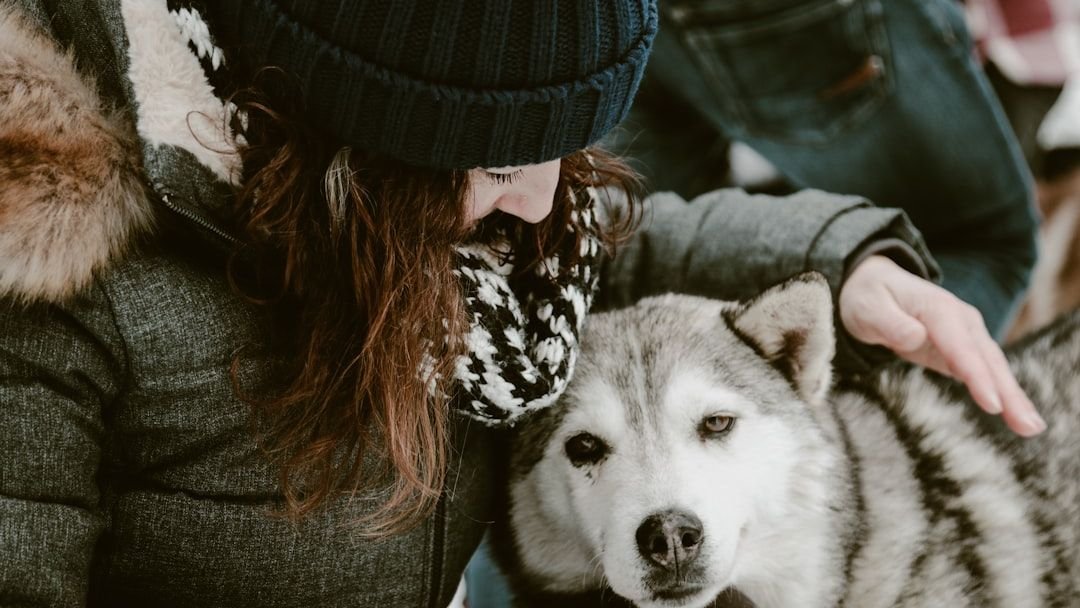
Imagine this: you’ve had the worst day imaginable. Traffic, a difficult meeting, cold coffee, the whole miserable package. You walk through your front door, drop your bag, and suddenly there’s a warm, wiggling creature completely losing its mind with joy just because you exist. No judgment. No small talk. Just pure, unfiltered happiness that you’re home.
That’s a dog. That’s your dog. The thing is, that enthusiastic greeting is just the tip of the iceberg. Dogs are doing dozens of small, intentional things every single day specifically designed to make your life better. Some are obvious, some are surprisingly deep, and a few will genuinely make you tear up. Let’s dive in.
1. That Legendary, Tail-Spinning Welcome Home
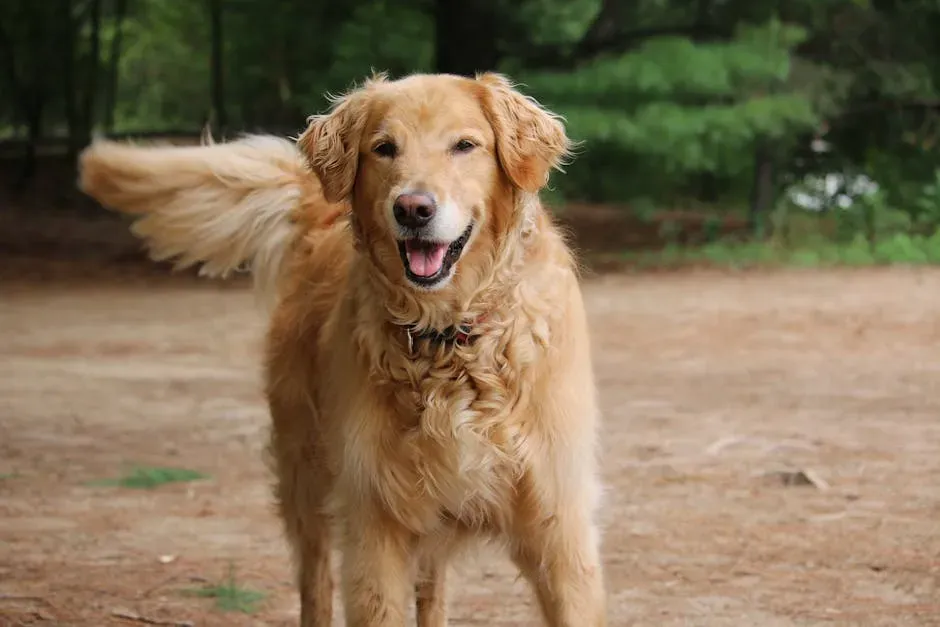
After a long day, there’s that familiar scene so many dog parents look forward to: the moment you walk through the front door, your loyal companion greets you with a wagging tail and explosive energy, even if you’ve only been gone for twenty minutes. To your dog, it honestly feels like you’ve been away forever.
A dog with a fast-wagging tail is an aroused, excited dog, and in most cases, the faster the tail wags, the more excited they are, like when they greet you at the door. That spinning, whole-body celebration isn’t performance. It’s genuinely how thrilled they are that you came back. Every single time.
2. Following You From Room to Room
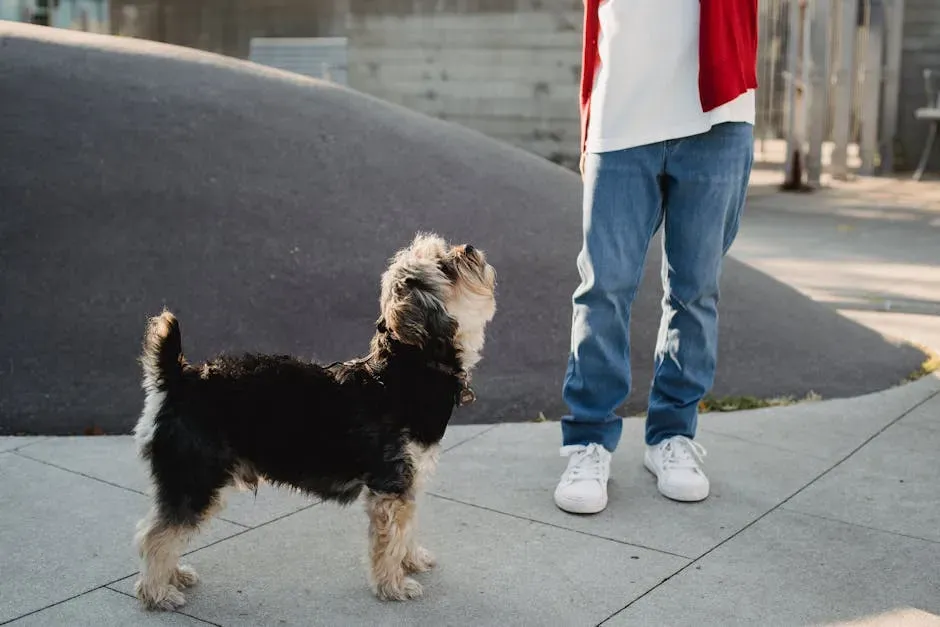
If your dog follows you everywhere, it’s most likely a sign that they love and adore you. When dogs interact with someone they like, the hormone oxytocin is released, often called the “love hormone,” which makes you feel that warm glow when you’re around someone you care about. Following you closely is a sign that they trust you and feel safe with you.
Following you from room to room isn’t clinginess; it’s your dog choosing your company over solitude. Waiting by the door for your return, even when they could be napping elsewhere, shows they prioritize your presence. Honestly, if a human did that we’d find it a little much. From a dog? It’s everything.
3. Making Prolonged, Soft Eye Contact
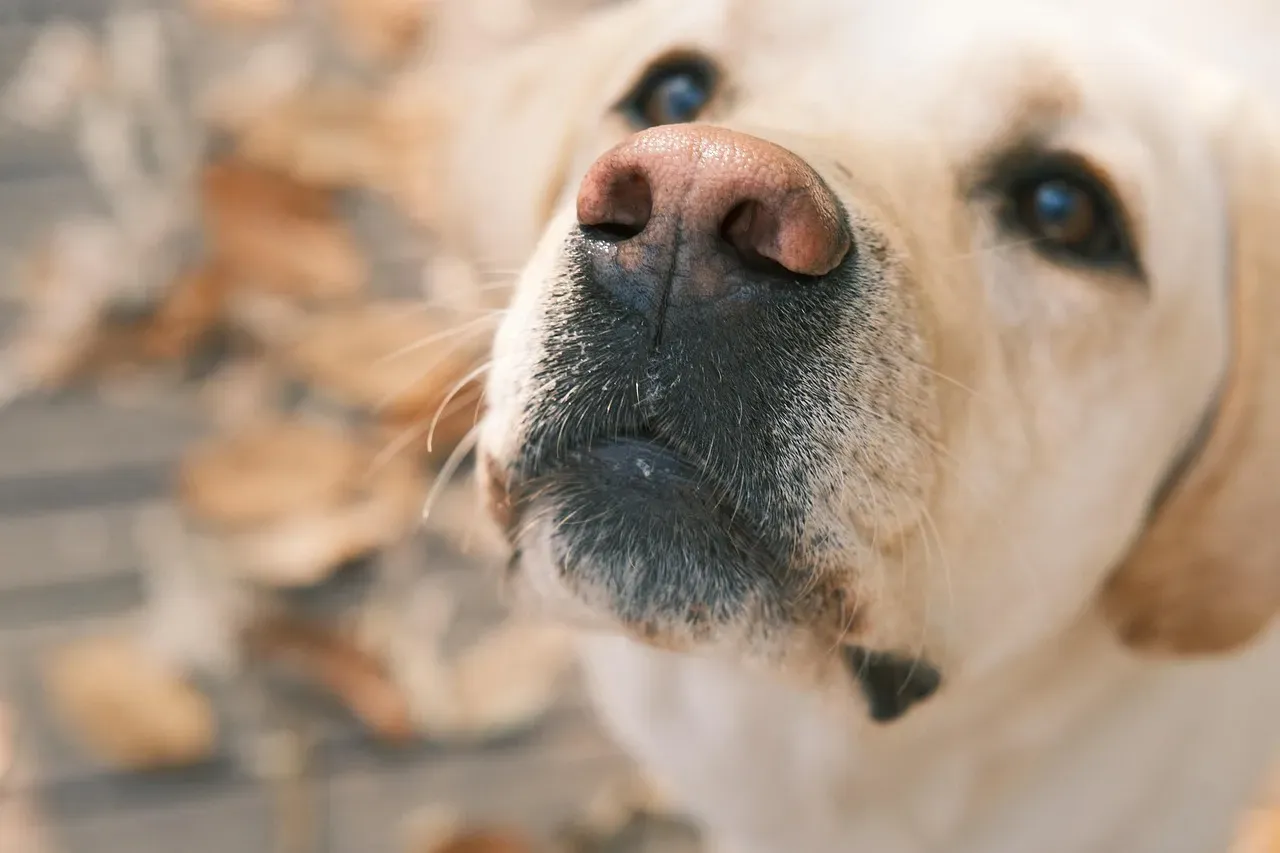
Studies indicate that when dogs make direct eye contact with their owners, it triggers the release of oxytocin in both the dog and the human. This “love hormone” is the same one that bonds mothers to their infants, further affirming the special relationship between humans and their canine companions.
Gaze-mediated bonding, as well as petting and talking, increases oxytocin levels in both humans and dogs. This is a human-like mode of communication, since wolves rarely make eye contact with their handlers. So when your dog gazes up at you with those warm, soft eyes, they’re essentially giving you a chemical hug. Pretty remarkable when you think about it.
4. Bringing You Their Favorite Toy
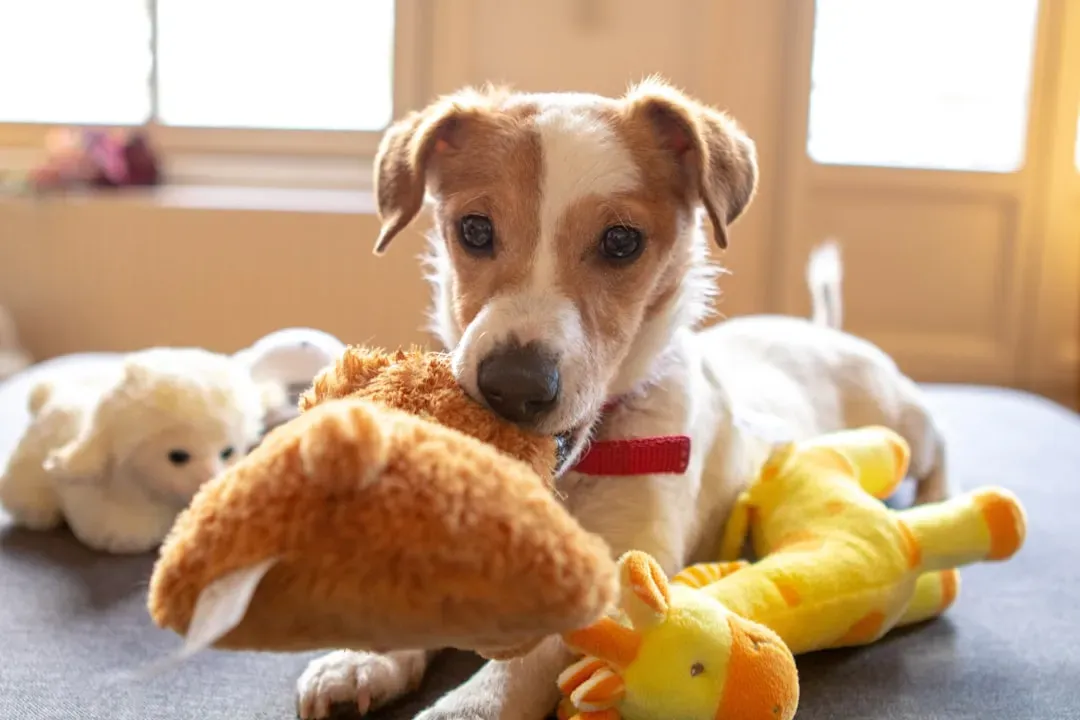
A truly heartwarming way dogs show love is by bringing you their favorite toy. This act demonstrates trust because they are sharing something precious, like a child sharing their most prized possession with a friend. Studies suggest this behavior indicates your dog values you as part of their pack.
Like human babies, dogs love to bring and show off their toys to you. It’s not always an invitation to play, either. Sometimes they just want to share their joy with you because you’re the most important person in their world. That squeaky rubber chicken your dog drops at your feet? It’s basically a love letter.
5. Leaning Their Weight Against You
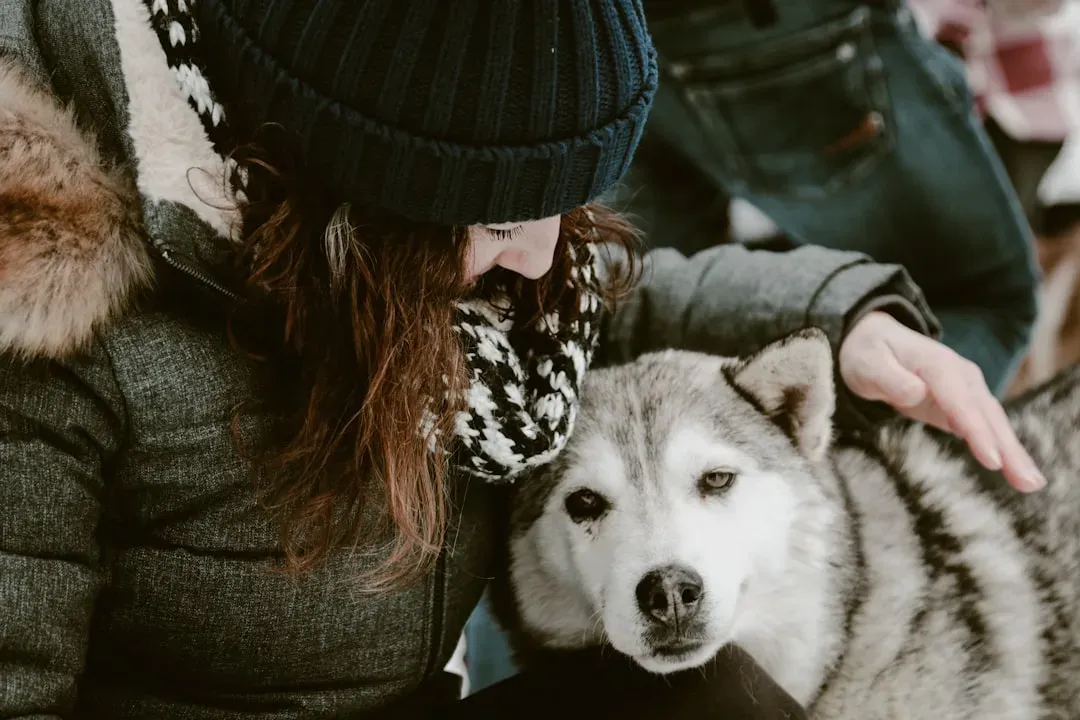
When a dog leans on you, it shows trust and a desire for closeness. Dogs lean on people for comfort and to feel secure. This act indicates they feel safe around you, and leaning is their way of seeking affection and support from you.
Leaning against their owner is a sign of trust and is akin to a canine hug. Think of it like how a good friend puts a hand on your shoulder during a hard conversation. Your dog doesn’t have hands, so their entire body is their most heartfelt gesture. Let them lean. It’s good for both of you.
6. Licking Your Face (and Hands, and Feet)
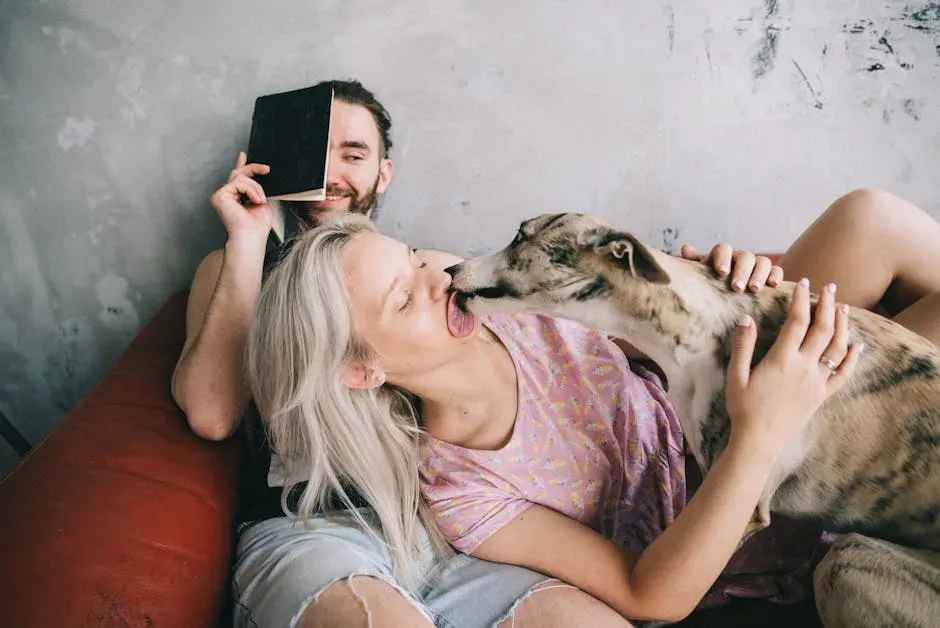
Dogs naturally lick as a social behavior. It promotes bonding and releases feel-good hormones like endorphins. Yes, I know, it can feel a bit wet and overwhelming. Still, from your dog’s perspective, they’re doing something genuinely nurturing and affectionate. Licking is one of the earliest forms of comfort they knew as puppies.
It’s worth noting that context matters. A relaxed lick on your hand while you’re sitting on the couch is a clear sign of affection. Excessive, frantic licking, however, can sometimes signal anxiety or an underlying health issue worth checking with your vet. The calm, gentle kind? Pure love.
7. Checking on You When You’re Upset
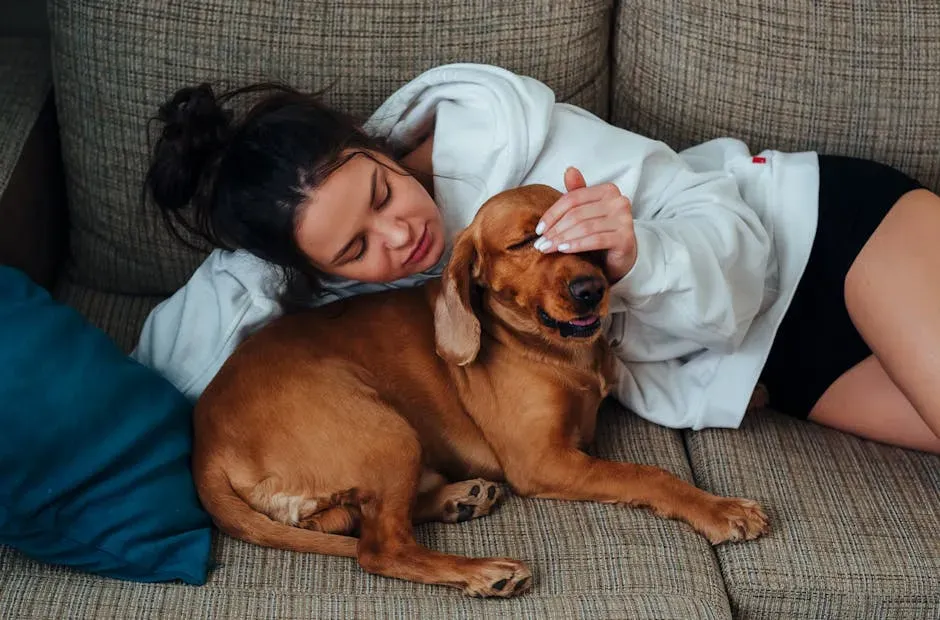
Dogs have an innate ability to sense their owners’ emotions. They can read human emotions through facial expressions, voice tones, and body language, responding with empathy and companionship. When a person is sad, dogs often exhibit comforting behaviors; when a person is joyful, dogs share in that joy with heightened energy and playfulness.
If you’ve ever had a pup nuzzle you when you’re sad or wag their tail excitedly when you’re happy, you’ve experienced this firsthand. Dogs can pick up on subtle cues in our tone of voice, facial expressions, and behavior. This emotional sensitivity allows them to empathize with us, whether it’s comforting us during tough times or sharing in our joy.
8. Sleeping as Close to You as Possible
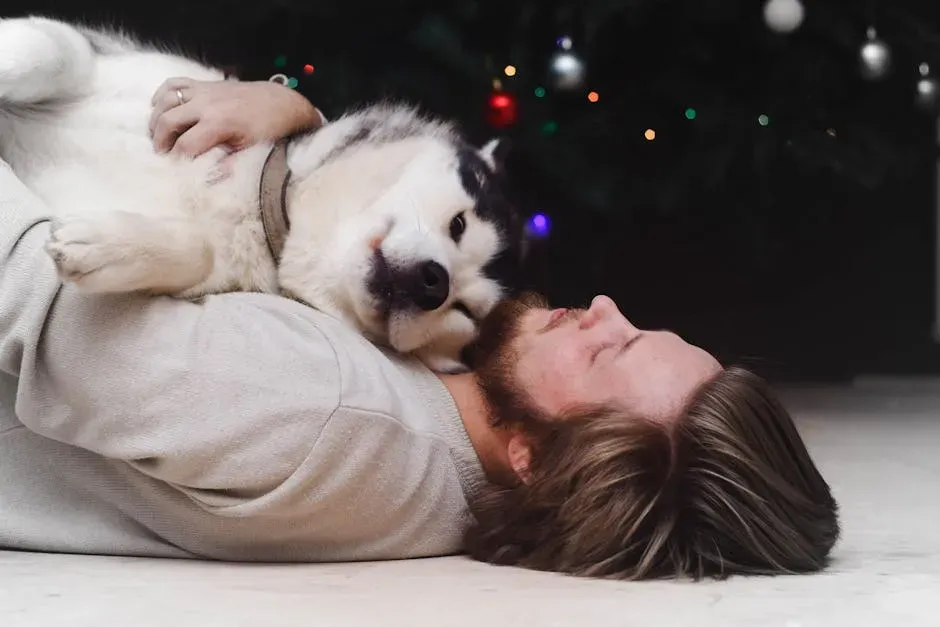
Choosing to sleep beside or near a person signals pack-like closeness. When your dog curls up against your legs or presses their back to yours during the night, they’re not just after warmth. They’re expressing the deepest form of trust an animal can show: vulnerability during sleep.
Many Western owners allow their dogs to sleep in their beds with them and report lessened anxiety. Almost universally positive outcomes are reported among those who keep dogs as pets. Whether or not you let your dog in the bed is entirely your call, of course. Either way, the fact that they want to be near you at their most vulnerable moment says everything.
9. The Adorable Head Tilt When You Talk
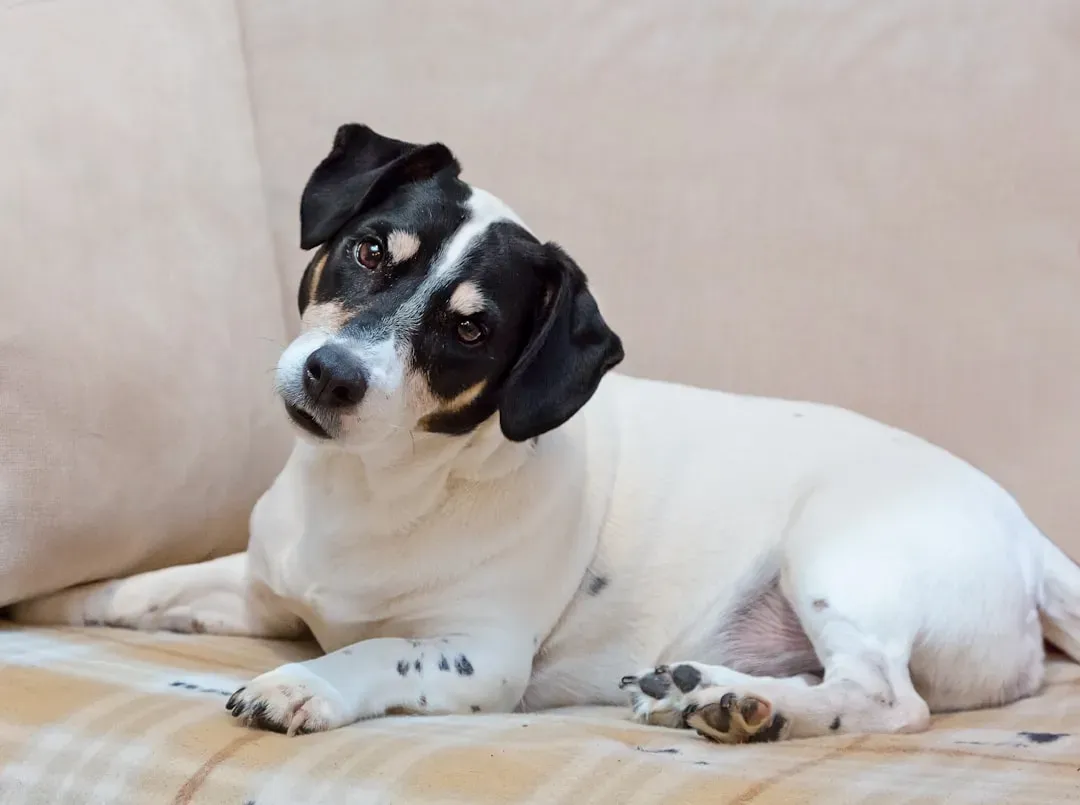
Ever noticed your dog tilting its head when you speak? This adorable gesture helps them focus on vocal cues. It’s their way of really trying to understand you. That cocked head and wide-eyed expression isn’t just cute for Instagram. It’s your dog working hard to decode what you’re saying.
Dogs can learn and understand around 165 human words. They tilt their heads in an attempt to understand the words we say, like sit, stay, treat, outside, or any other sounds that make them curious. So next time your dog tilts their head at you during a conversation, know they’re genuinely trying their best to keep up. That’s effort born from love.
10. Rolling Over to Show Their Belly
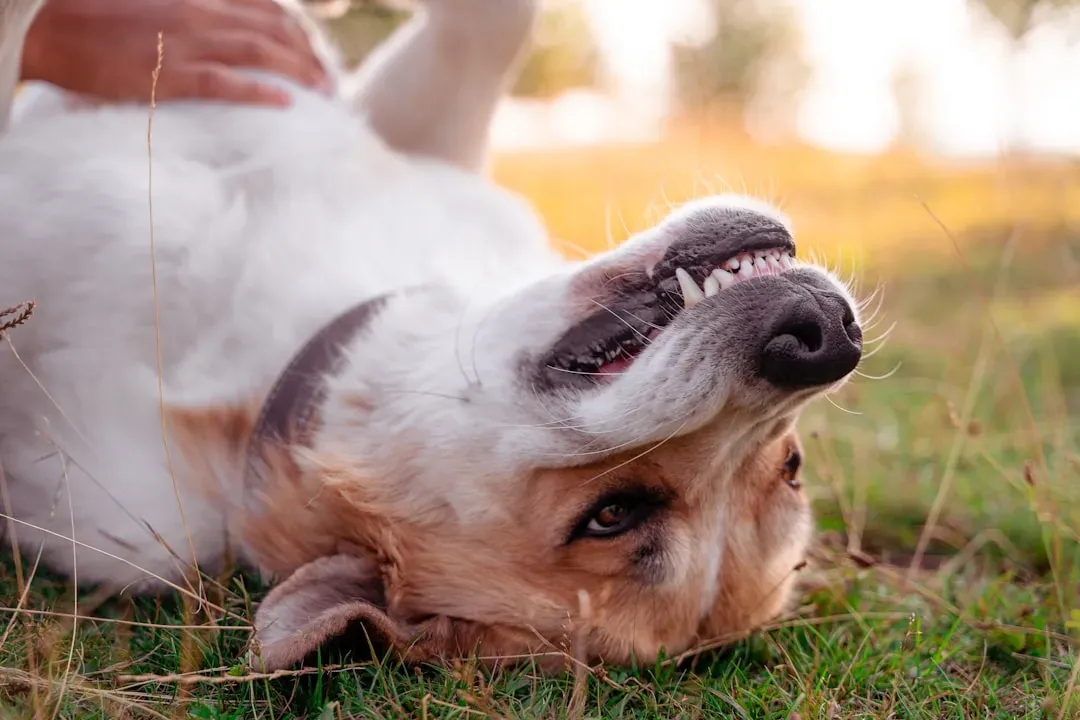
Exposing the belly is a vulnerable position and is a profound display of trust that also allows for physical affection. Rolling belly-up is actually a big deal in the dog world. The stomach is one of the most unprotected areas of a dog’s body, and showing it to you means they feel completely, unconditionally safe in your presence.
Turning over and inviting a belly rub signals trust and an enjoyment of social contact. Think of it like handing someone the key to your house. Your dog is saying, without words: “I trust you completely.” Rewarding that trust with a good belly rub is absolutely the right move, every single time.
11. Performing the Joyful “Zoomies”
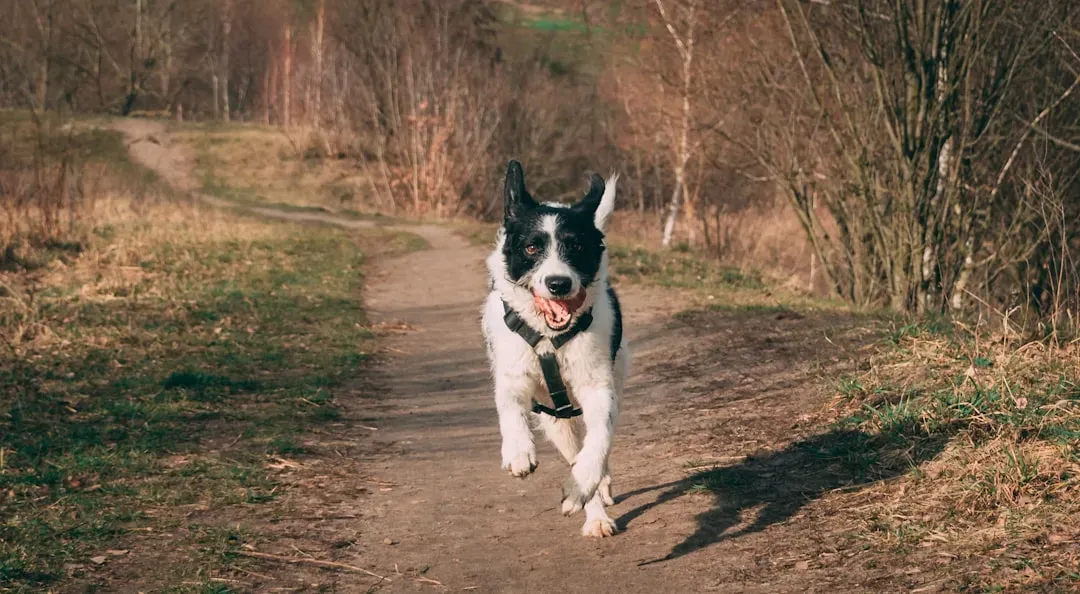
Those sudden bursts of energy, often called “zoomies,” are a way for dogs to release pent-up energy and express their playful nature. It’s a normal and entertaining behavior that showcases your dog’s vitality. Ever notice how zoomies often happen right after you get home, or after a bath, or when you grab the leash? That’s joy, plain and simple.
Let’s be real, there is nothing on this planet that looks quite as genuinely, ridiculously happy as a dog doing laps around the living room at full speed. It’s contagious. It’s impossible not to laugh. Your dog knows this effect, even if they can’t explain it. Their pure happiness somehow transfers directly into yours.
12. Nudging You with Their Nose
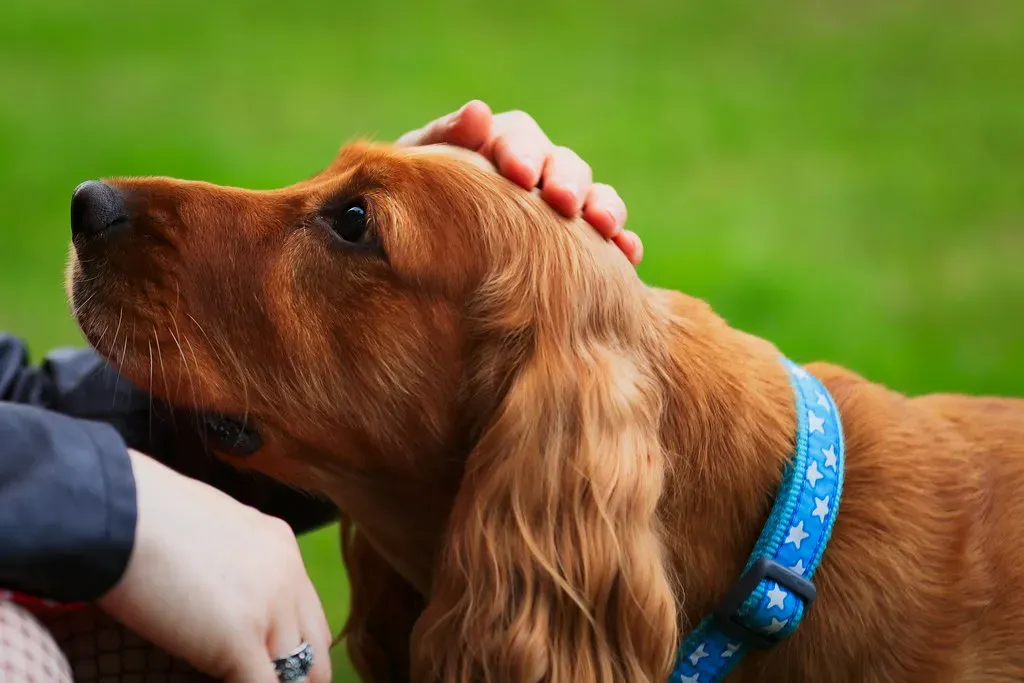
Nose nudging seeks contact or attention, and is often an invitation to interact or play. That firm little push of a cold nose against your hand or your leg is one of the most direct forms of communication your dog has. It’s them reaching out to you, literally, with what they’ve got.
Sometimes it’s playful. Sometimes it’s a check-in when you’ve been quiet too long. Sometimes it’s their version of saying, “Hey. You okay?” Either way, that tiny nudge carries more warmth than most people realize. Respond to it. Reach back. It matters to them more than you know.
13. Sitting on Your Feet or Pressing Against Your Legs
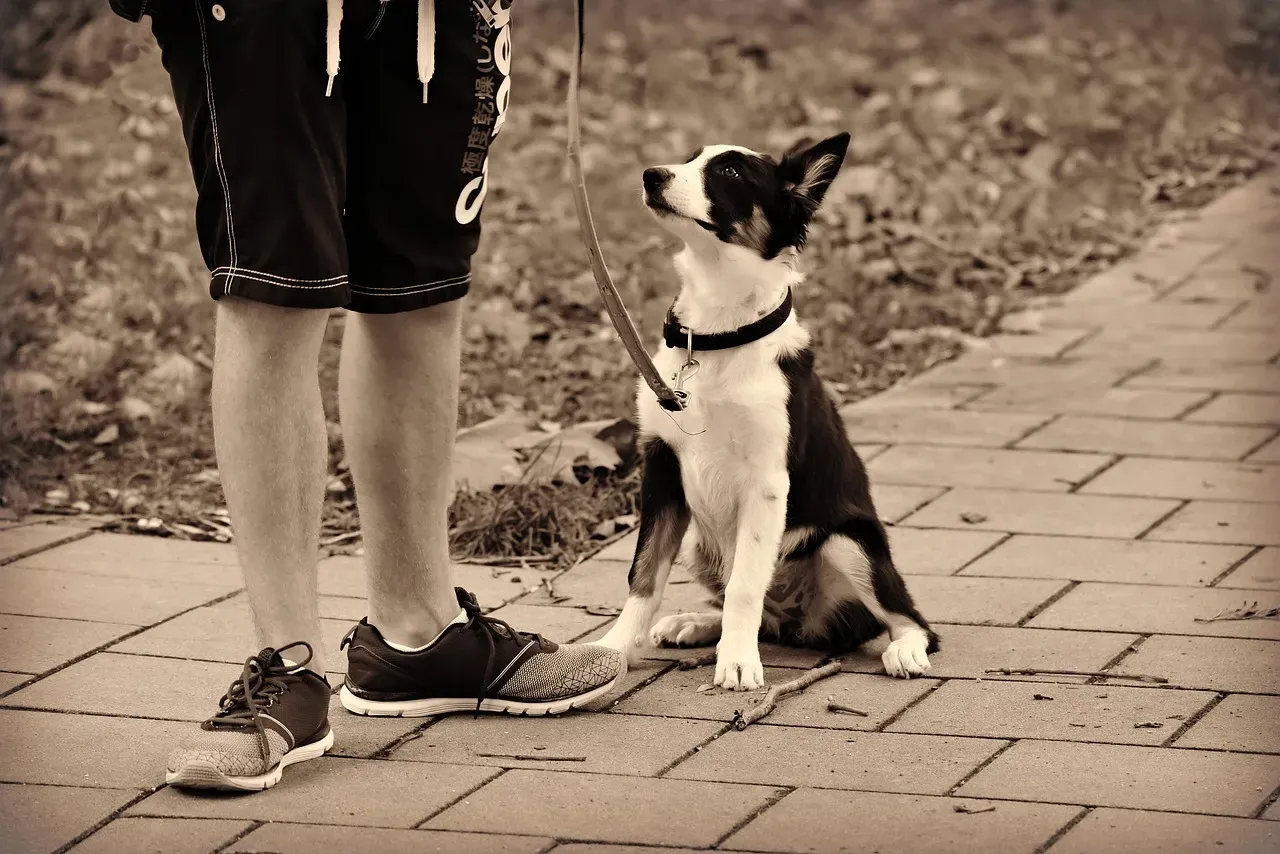
From a practical perspective, you are very important to your dog’s survival. You provide protection, love, affection, and you are their key to the outside world. As you consistently show care, being with you is where they feel safest, and so they will always want to be in close proximity to you.
Sitting directly on your feet is a classic, deeply affectionate behavior. It’s grounding for them. They can feel you, smell you, and know you’re right there. It’s like a small child holding a parent’s hand in a crowded place. Simple, primal, and completely full of meaning. Try not to move too fast and disturb them. It’s a privilege, honestly.
14. Bringing Comfort After Sensing Something Is Wrong
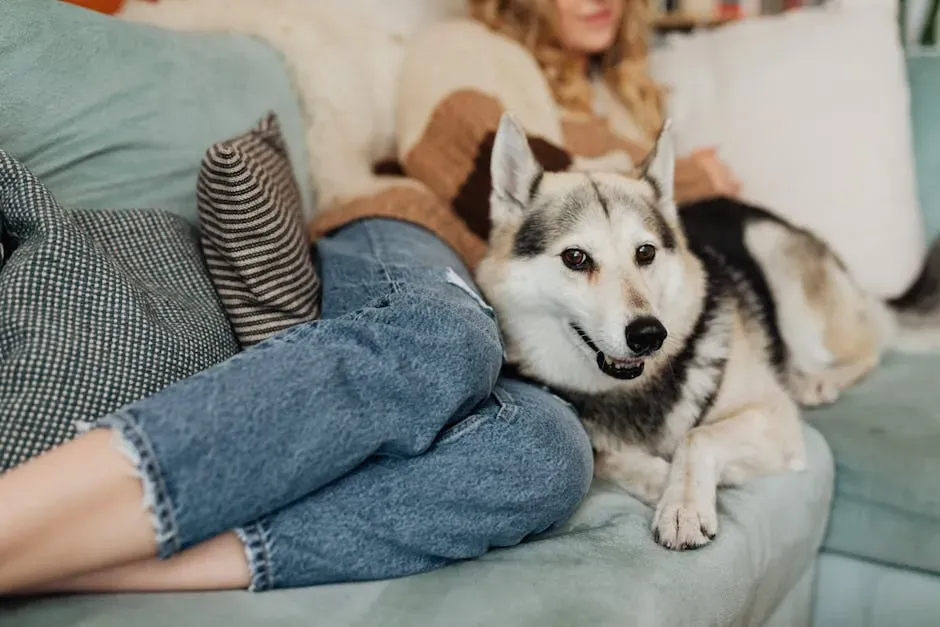
Research confirms dogs can sense human emotions and will often approach with gentle nuzzles or simply sit close when their owners are distressed. This isn’t a coincidence or a quirk. Your dog has genuinely evolved over thousands of years to read you. They notice when something has shifted, and they respond to it.
Dogs often sense emotion and may cuddle or nudge their owner to offer support when upset. I think this is one of the most profound things dogs do for us. No advice, no judgment, no fixing. Just presence. There’s a particular kind of healing in having another living creature simply choose to stay close to you during hard moments. Dogs do it instinctively.
15. Greeting Strangers on Your Behalf
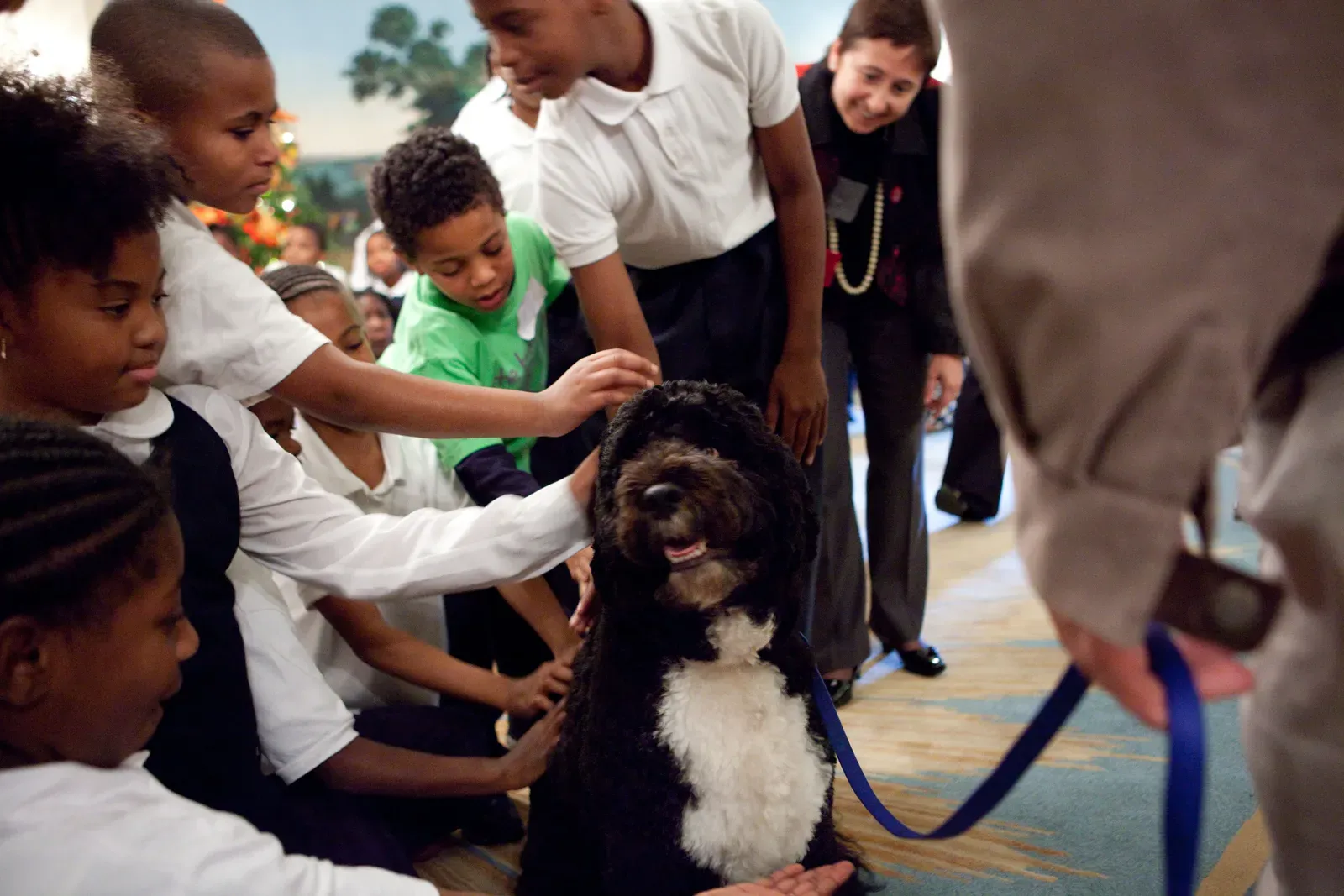
Dogs are far more likely to jump on familiar people, especially when greeting their owners at home or during walks, than on strangers. The dogs’ body language in these moments, like wagging tails, lowered posture, and ears pulled back, reflected friendliness and excitement rather than aggression or rudeness.
When your dog wags up to someone new with confidence and warmth, they’re often taking social cues from you. A dog who trusts their owner tends to approach the world with more openness. Redirecting that joyful energy with cues like “sit” or “paw” gives dogs a way to express their excitement without chaos, turning an overzealous greeting into a moment of connection and calm.
16. Staying Calm During Stressful Moments
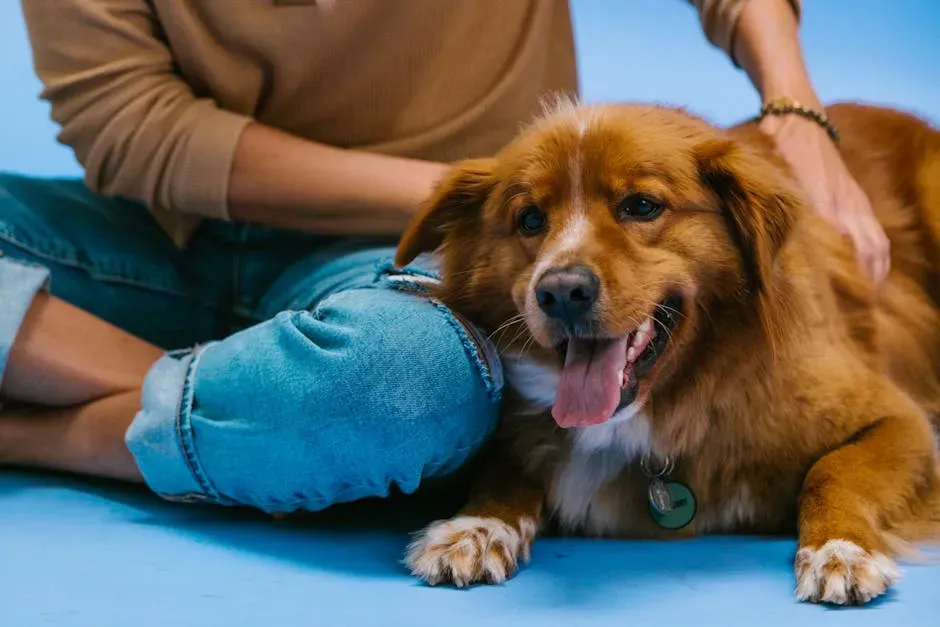
The bond between you and your dog is strengthened through routine and companionship. Daily walks, playtime, feeding, and other interactions create a rhythm that both the dog and human adapt to. Dogs, being creatures of habit, find comfort and security in this predictability, fostering a sense of belonging and security.
A well-settled dog during a tense situation, like a crowded gathering or a vet visit, is a dog that has learned to trust your calmness. When you’re steady, they try to be steady too. It’s a beautiful mirroring. Research has shown that dogs often mimic our emotions, a phenomenon known as emotional contagion. Which means your calm really does help them, and their calm really does help you.
17. Pawing at You for Attention
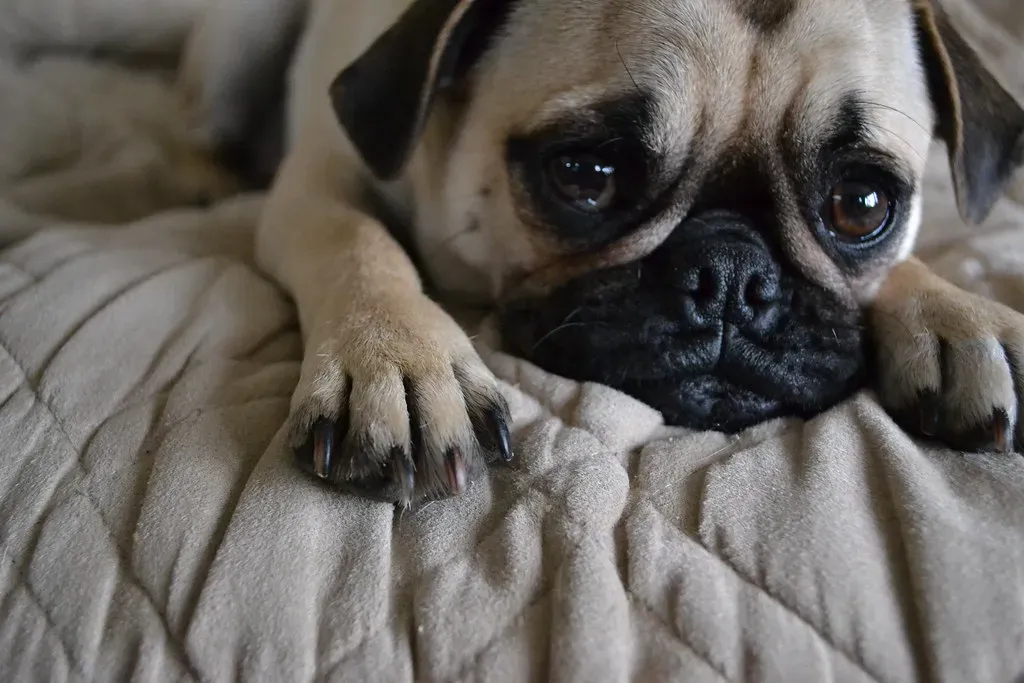
Whether it’s a gentle tap or an insistent pawing, dogs often use their paws to communicate and seek attention. Understanding the context and responding in time can strengthen your bond with your furry friend. That little paw reaching over to touch you is about as direct as your dog can get. They want you. They’re choosing you, right now, in this moment.
There’s a sweet science behind this too. Studies have shown that oxytocin levels increase in both dogs and humans when they interact, strengthening their bond. In addition to oxytocin, other hormones like endorphins, dopamine, and serotonin rise during positive interactions between dogs and humans. That little paw tap is biochemically making both of you feel better. Respond to it warmly.
18. Simply Being There, Day After Day
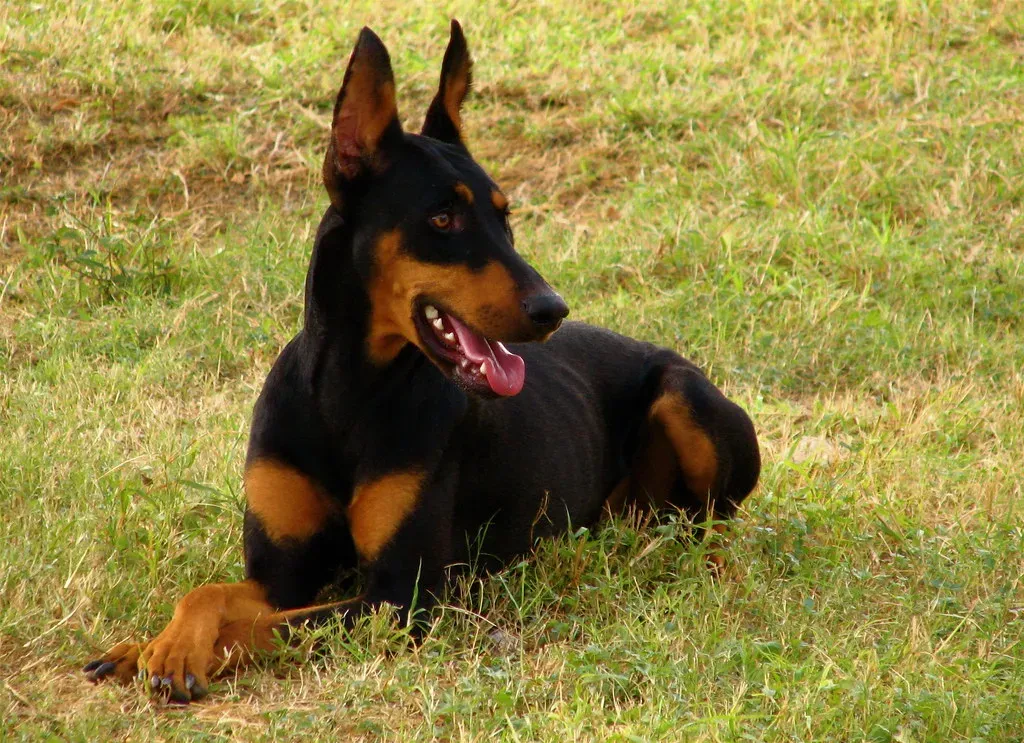
Understanding why dogs are loyal transforms how we care for them. Their devotion isn’t just instinct; it’s a choice they make daily based on the trust, consistency, and love we provide. Every single day your dog wakes up and makes the quiet, unwavering decision that you are worth their whole heart. That’s extraordinary when you sit with it.
What sets dogs apart from other animals is their unconditional love. They don’t judge, hold grudges, or ask for much in return. No matter what kind of day you had, no matter your mood, your dog shows up. Fully. Completely. Without conditions. That kind of steadiness is rare even among people.
The Bigger Picture: What Your Dog Is Really Telling You
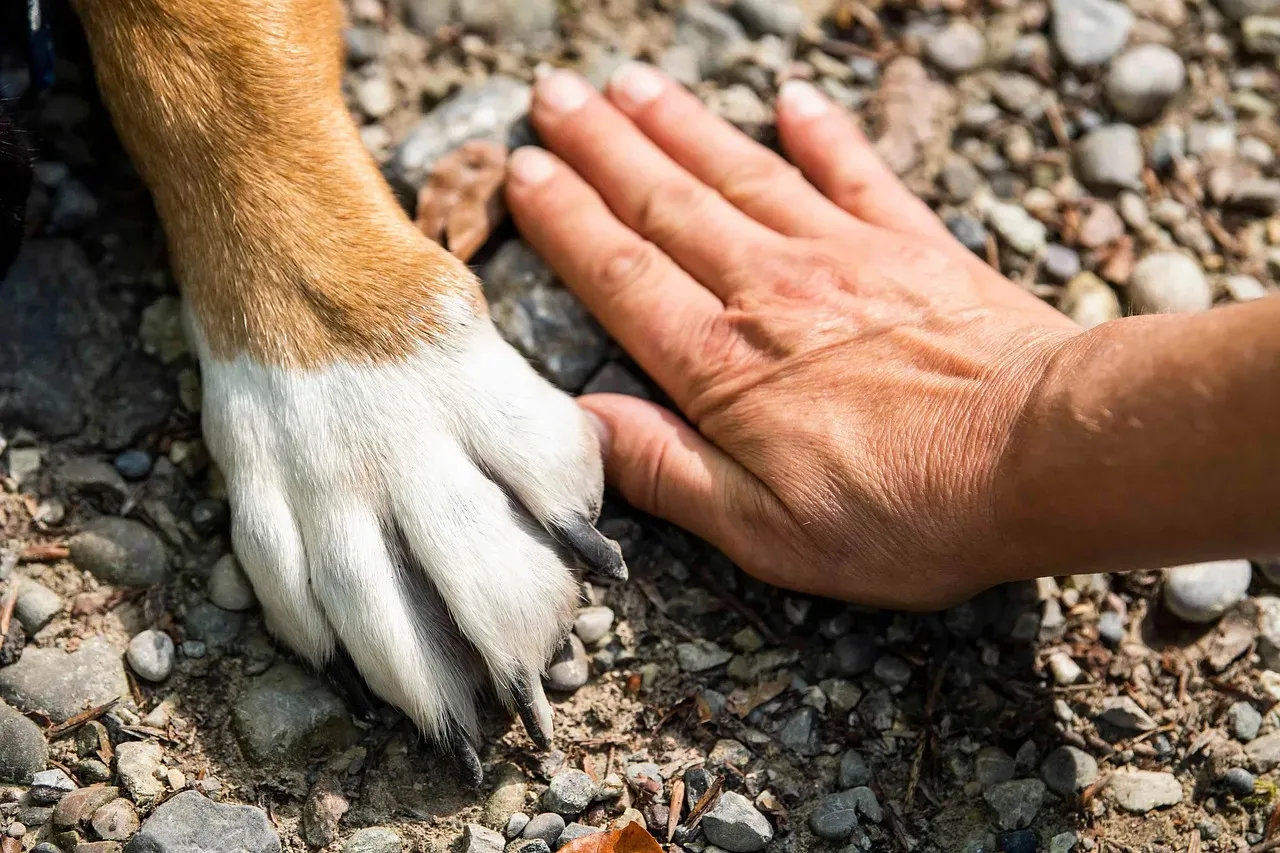
Here’s the thing that often gets overlooked: every single one of these behaviors is also your dog’s way of asking something in return. Not much. A moment of eye contact, a response to that paw tap, a pause from your phone to actually feel that lean against your leg. These small moments of connection are everything to them.
The human-canine bond is strengthened, or diminished, depending on the quantity and quality of the time spent together, and through activities such as routine walking, feeding, grooming, and play. Your dog is doing eighteen things daily to make you happy. Imagine what just a few intentional moments of genuine attention could do in return.
So the next time your dog follows you to the bathroom, drops a soggy toy at your feet, or gives you that long, melting gaze across the room, take a second to really receive it. Because honestly, we should all be so lucky to be loved that purely. What’s the behavior your dog does that catches you most off guard? Tell us in the comments, we’d love to hear it.


