
Have you ever noticed how some dogs just seem to know when it’s time for breakfast, a walk, or even bedtime? For many breeds, routine isn’t just comforting—it’s essential. Dogs that thrive on routine blossom in predictable, structured environments, and when their world becomes chaotic, they can become anxious or even act out. But which breeds crave routine the most, and what are the best ways to keep them wagging their tails in happiness? If you’ve ever wondered how to keep your rule-loving pup content, you’re about to find out. Let’s dive into the world of dogs who live for a schedule and explore the secrets to their happiness!
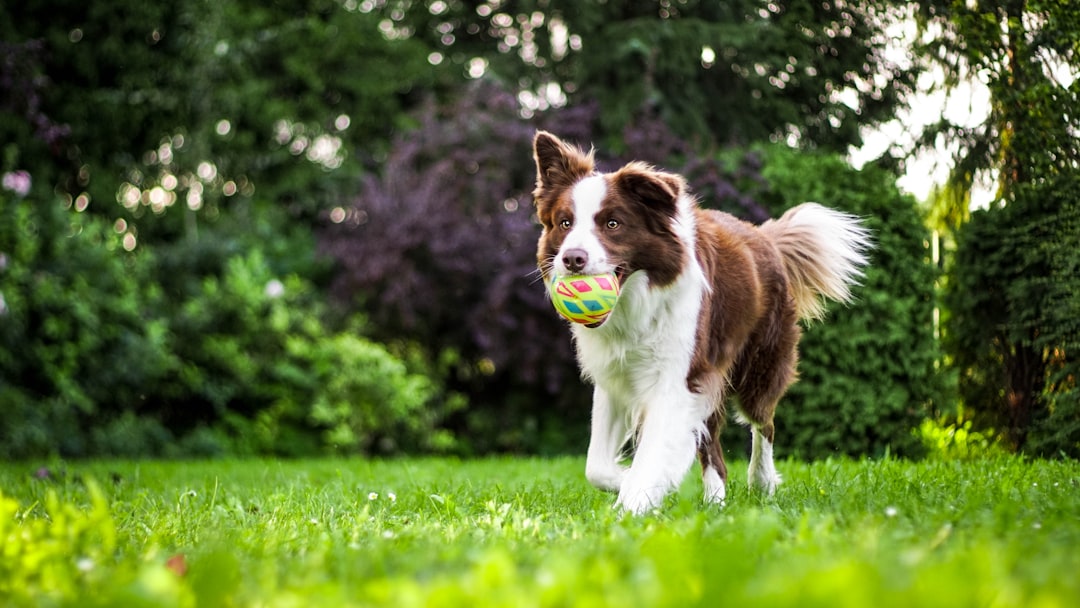
Border Collie: The Routine Enthusiast
Some dogs are creatures of habit, thriving in environments where daily life follows a predictable rhythm. These routine-loving breeds feel safest and happiest when they know what to expect—from mealtimes and walks to play sessions and bedtime rituals. In this article, we’ll explore 20 dog breeds that do best with consistency and structure, and we’ll share practical tips on how to maintain routines that support their well-being and reduce stress.
Border Collies are so smart they could probably outwit some of us in a daily planner challenge! These brilliant herders are happiest when their days follow a clear pattern. Without regular exercise, training, and mental stimulation, Border Collies can become restless and even destructive. Routine gives them a sense of purpose, whether it’s a morning jog, afternoon fetch, or evening cuddle. To keep a Border Collie happy, stick to a consistent schedule for walks, meals, and play. Incorporate training sessions and puzzles to keep their minds buzzing. A well-structured day turns a Border Collie’s intelligence into sheer joy.
Labrador Retriever: Comfort in Consistency

Labrador Retrievers are known for their affectionate nature and easygoing personalities, but they truly shine in a stable environment. Labs respond well when they know when to expect meals, walks, and playtime. A lack of routine can lead to unwanted behaviors like chewing or barking. To keep a Labrador happy, keep feeding, walking, and bedtime consistent. Labs also love knowing when it’s time for family activities or training sessions. Predictability soothes their big hearts and helps them relax, making them the loyal, loving companions they’re famous for.
German Shepherd: Structure for Success
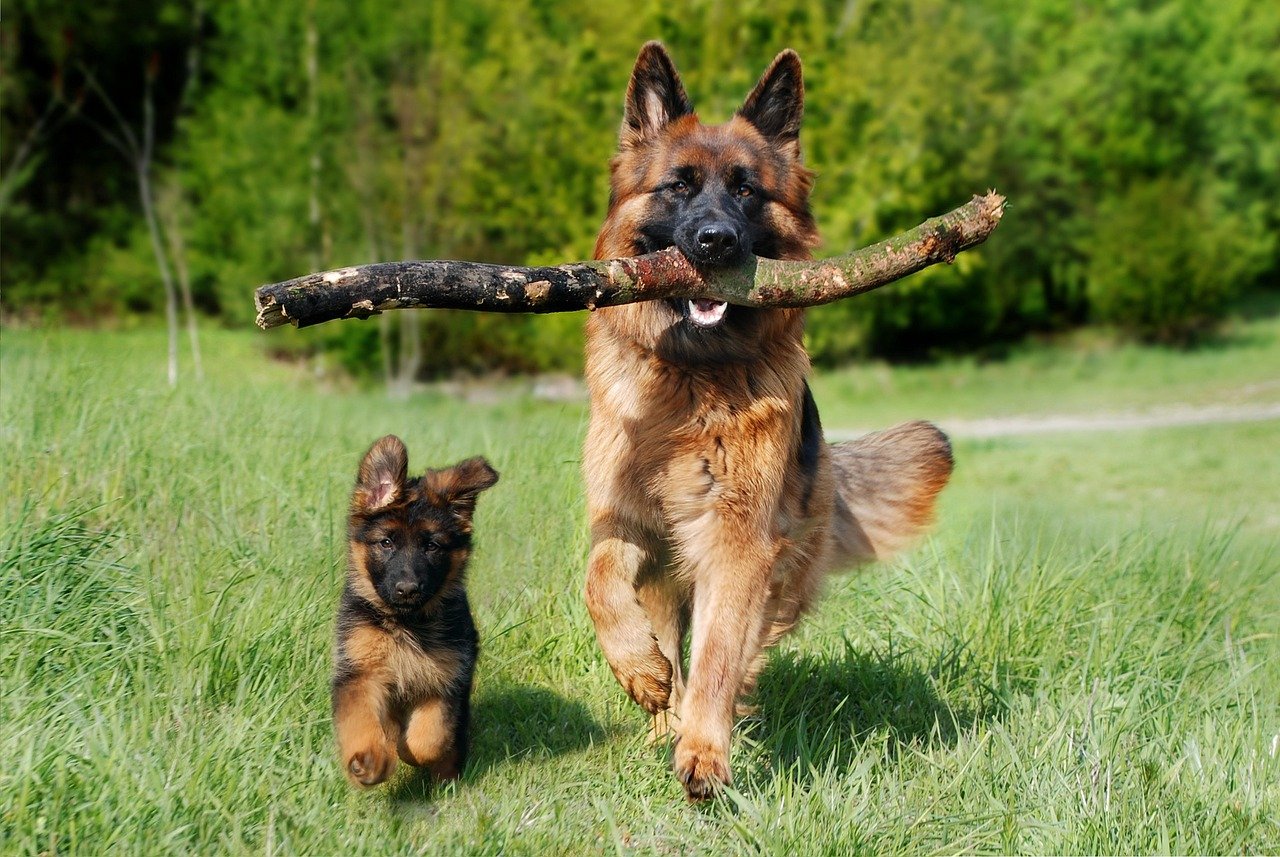
German Shepherds are disciplined, alert, and hardworking by nature. They thrive on routine and structure, just like they would during police or military work. A German Shepherd’s happiness depends on knowing what’s expected, when it’s time to work, and when it’s time to rest. Daily exercise, training, and socialization—always at the same time—keep their minds and bodies engaged. Without routine, these intelligent dogs can become anxious or even try to create their own order (sometimes in ways you won’t appreciate!). Regular, challenging activities and a predictable home life help them relax and feel secure.
Cocker Spaniel: Rhythm and Reassurance

Cocker Spaniels are sensitive souls who crave a steady rhythm to their days. Abrupt changes can make them anxious or withdrawn. Regular mealtimes, daily walks, and consistent family routines are vital for their happiness. Set a schedule for grooming, as their beautiful coats need frequent care. Don’t forget to include regular play sessions and gentle training—these dogs love to know what comes next. Routine gives Cocker Spaniels the reassurance they need to show off their playful, loving personalities.
Poodle: Smart Dogs Need Schedules
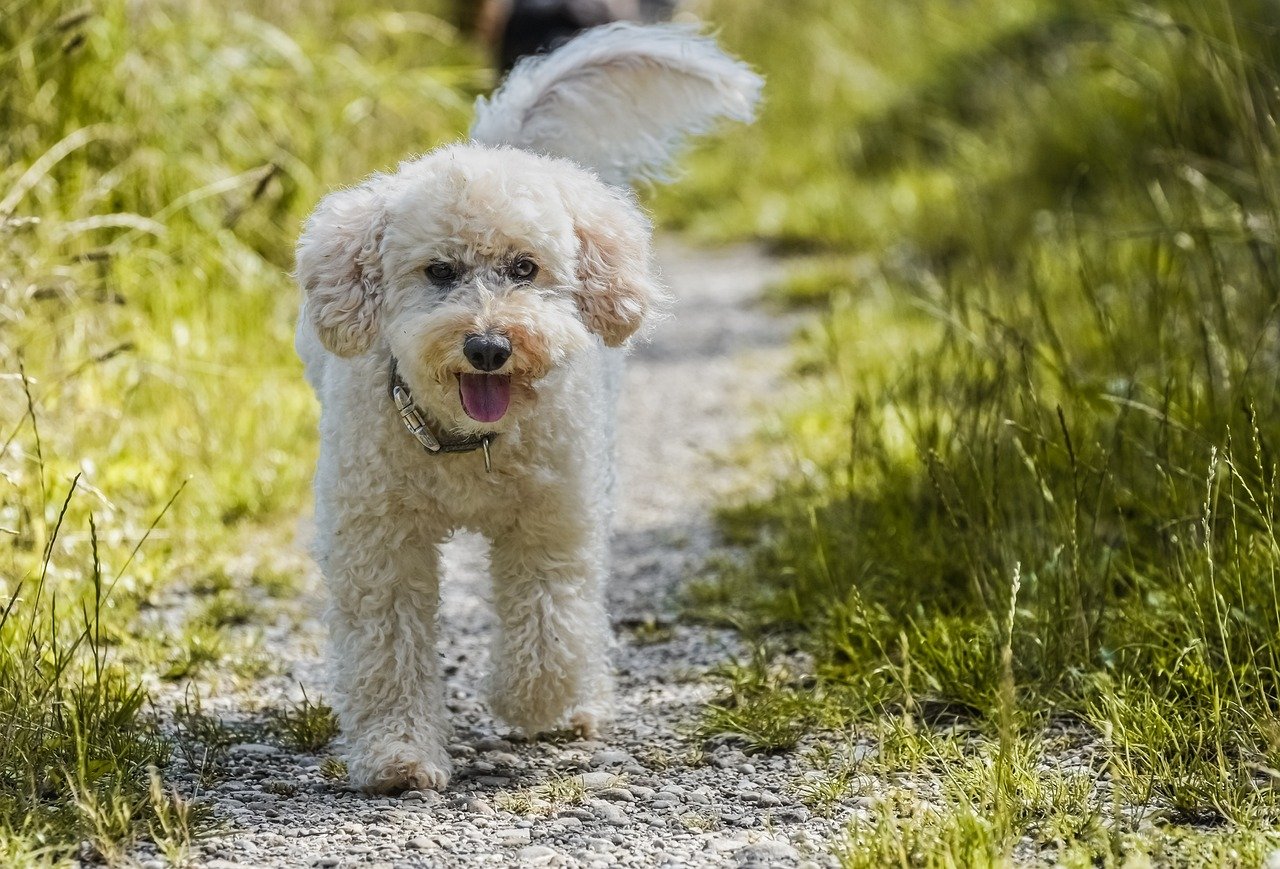
Poodles, whether Toy, Miniature, or Standard, are among the world’s smartest breeds. Their sharp minds crave not just stimulation but also structure. A predictable daily routine helps Poodles feel secure and keeps their energy positive. Schedule regular walks, training, playtime, and grooming. Mental challenges, like puzzle toys or learning new tricks at set times, keep them engaged. When Poodles know what to expect, they become joyful, well-mannered companions who love being part of the family routine.
Boxer: The Playful Planner
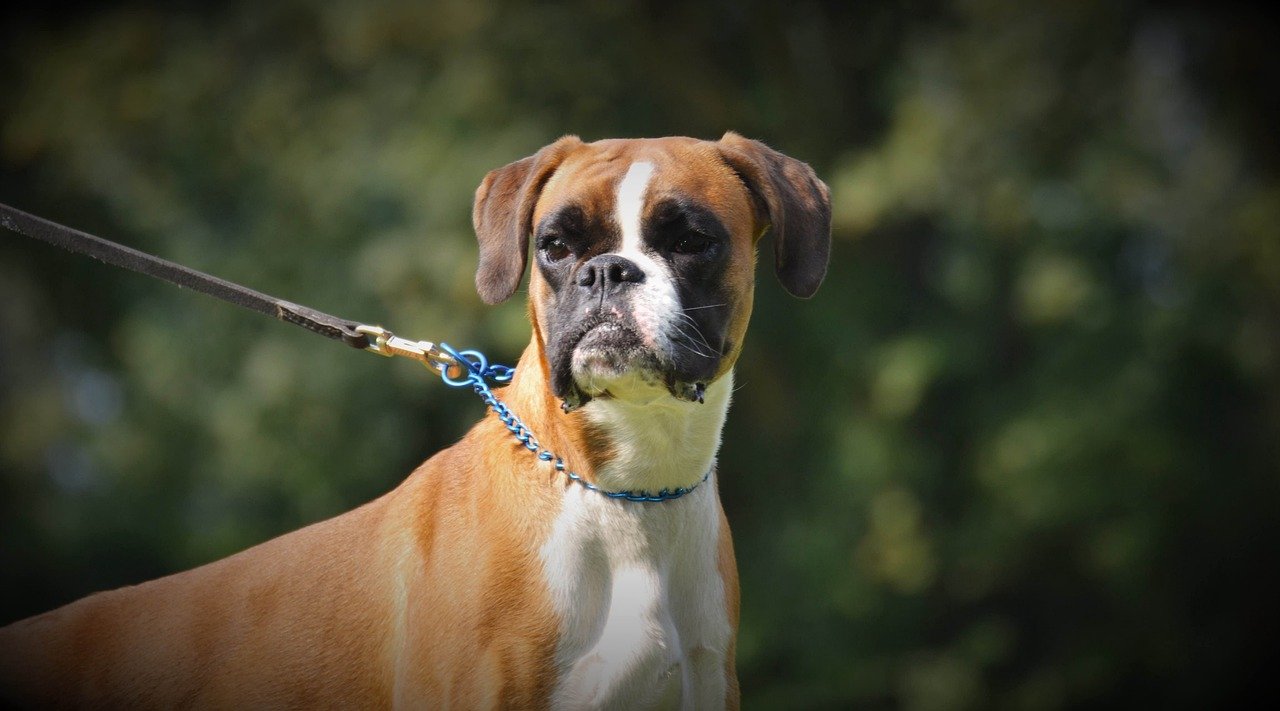
Boxers are bundles of energy that thrive on both activity and routine. These playful dogs do best when their days are structured, with regular walks, play sessions, and meals. Inconsistent schedules can lead to boredom or hyperactive behavior. To keep a Boxer happy, make sure exercise and training happen at predictable times. Include family time and relaxation in the routine—they adore being close to their loved ones. When life runs like clockwork, Boxers become the loving, goofy friends everyone adores.
Golden Retriever: Peace in Predictability

Golden Retrievers are famous for their loving, gentle personalities, and they feel happiest when life is predictable. Regular routines give Goldens a sense of security, reducing stress and boosting their famously sunny moods. Set schedules for meals, walks, and playtime, and stick to them—even on weekends. Goldens also benefit from consistent training and socialization. When they know what to expect, these dogs radiate happiness and become even more devoted to their families.
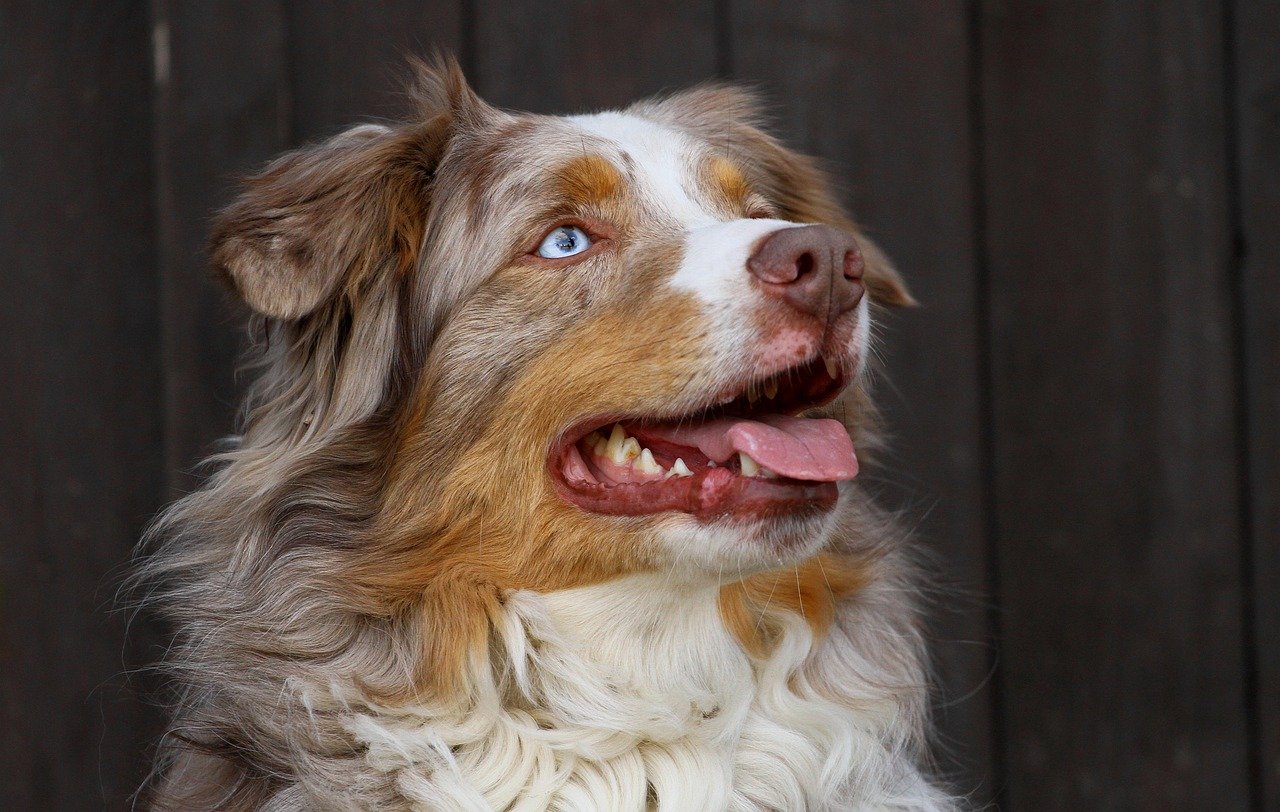
Australian Shepherd: Structure for High Energy
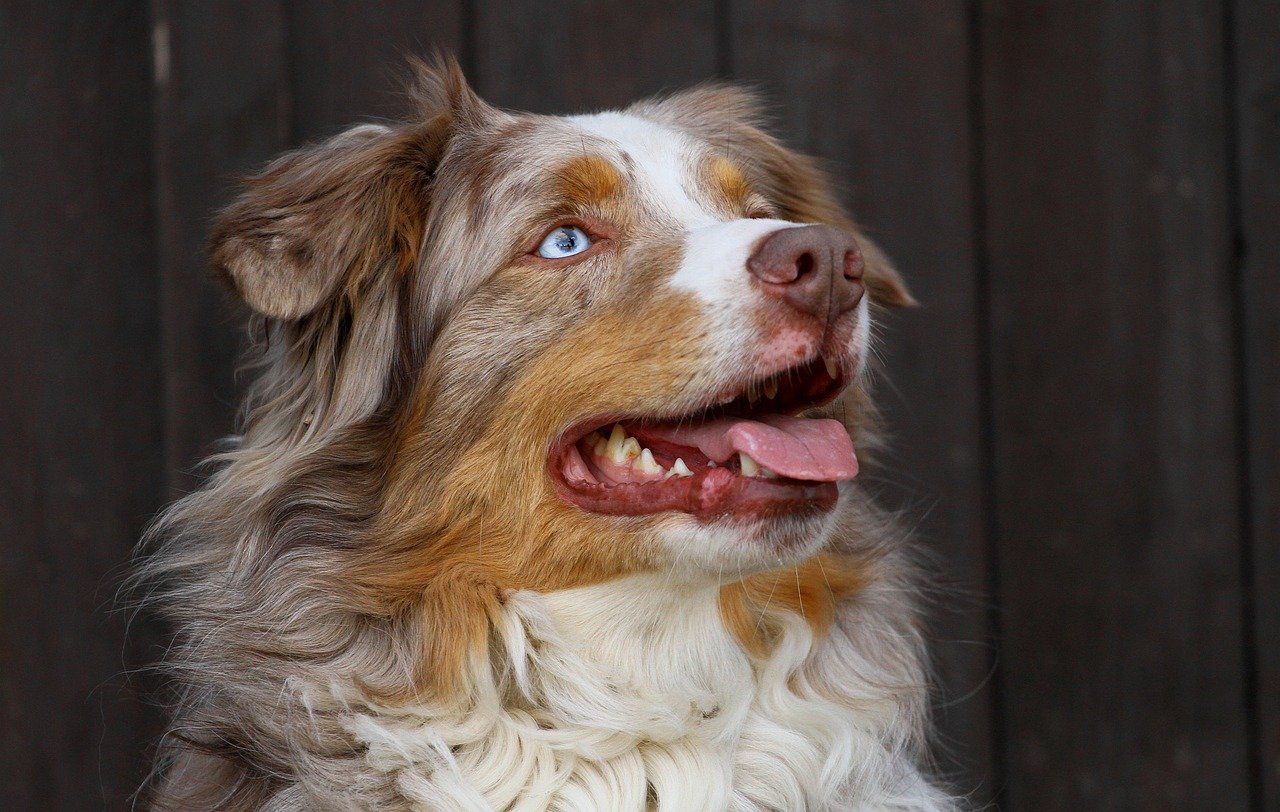
Australian Shepherds are working dogs with boundless energy and sharp minds. They flourish when their days are packed with activity and follow a steady routine. Without a predictable schedule, Aussies can become frustrated or mischievous. To keep them content, plan daily exercise, training tasks, and even jobs around the house at set times. Include mental games and regular socialization. Structure not only channels their energy but also keeps their spirits high.
Pembroke Welsh Corgi: Routine Rulers
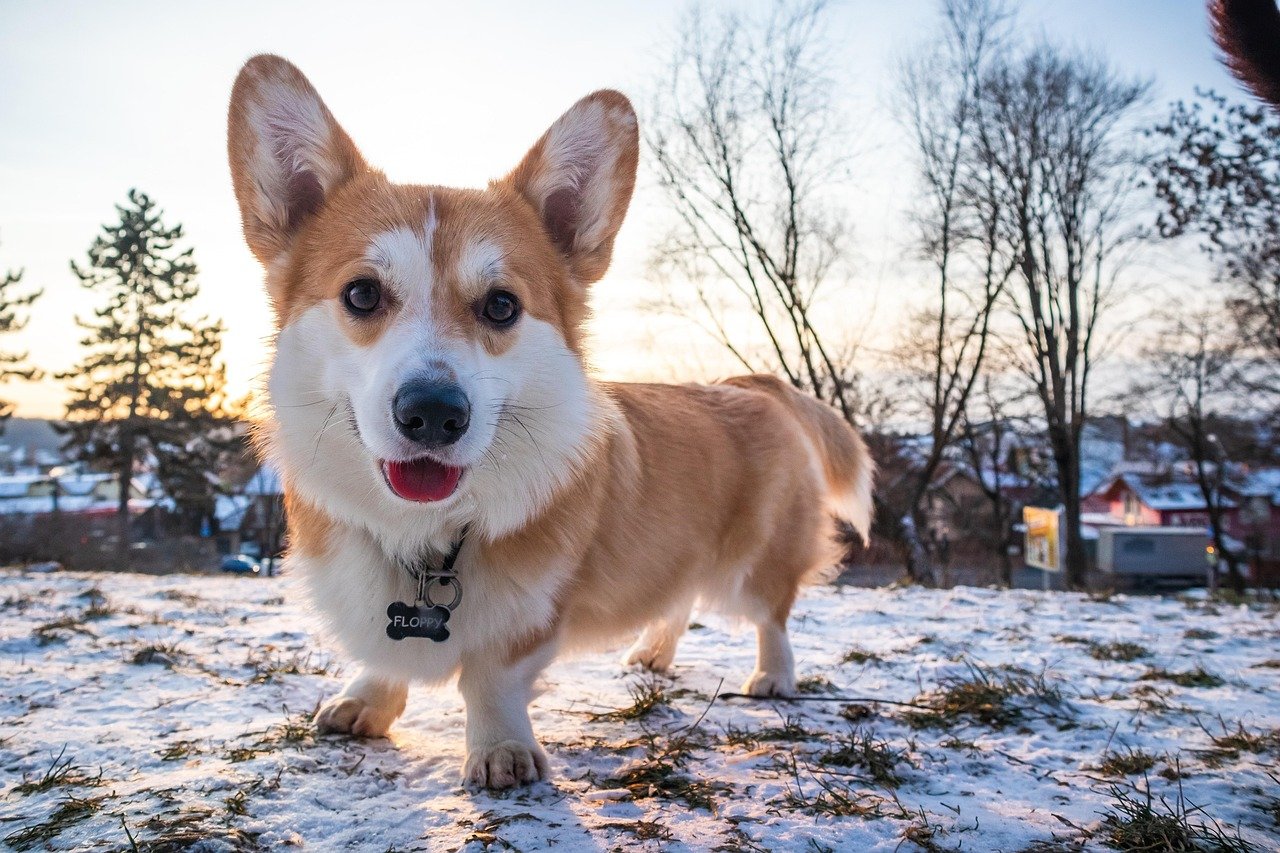
Corgis may be short in stature, but they’re big on loving order. Originally bred to herd cattle, Corgis are happiest when their days have clear structure. Regular walks, feeding times, and play sessions are essential. They can become anxious or even bossy if their routine is disrupted. Scheduled training and family activities keep them busy and mentally sharp. By keeping things predictable, you’ll see their cheeky, cheerful side shine through every day.
Cavalier King Charles Spaniel: Consistency for Comfort
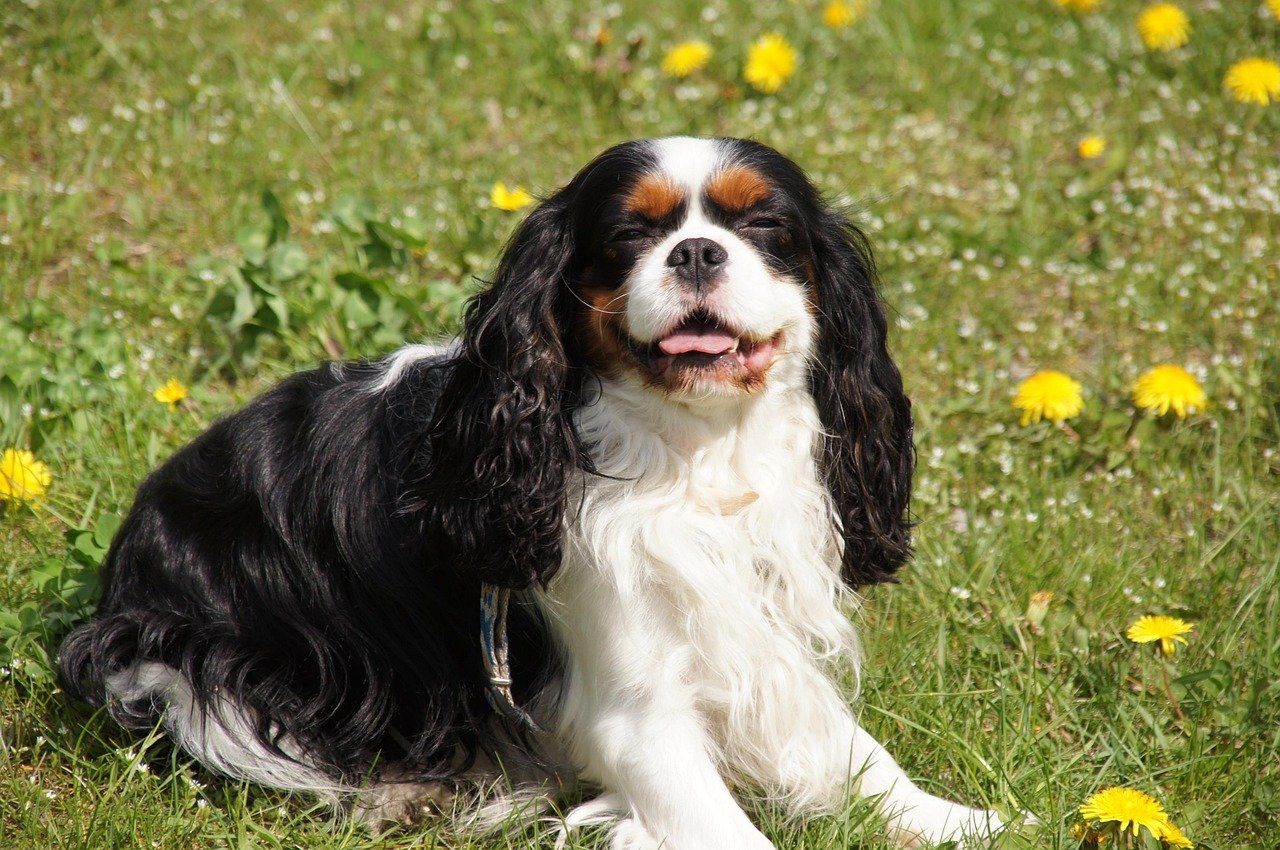
Cavalier King Charles Spaniels are affectionate and gentle, thriving on a steady daily routine. They love knowing when it’s time to eat, walk, nap, and, most importantly, cuddle. Changes in the household can leave them feeling unsettled, so regularity is key. Keep feeding and walk times consistent, and set aside daily moments for play and affection. This predictability comforts them and helps them bond deeply with their families.
Dalmatian: Spotted Schedules
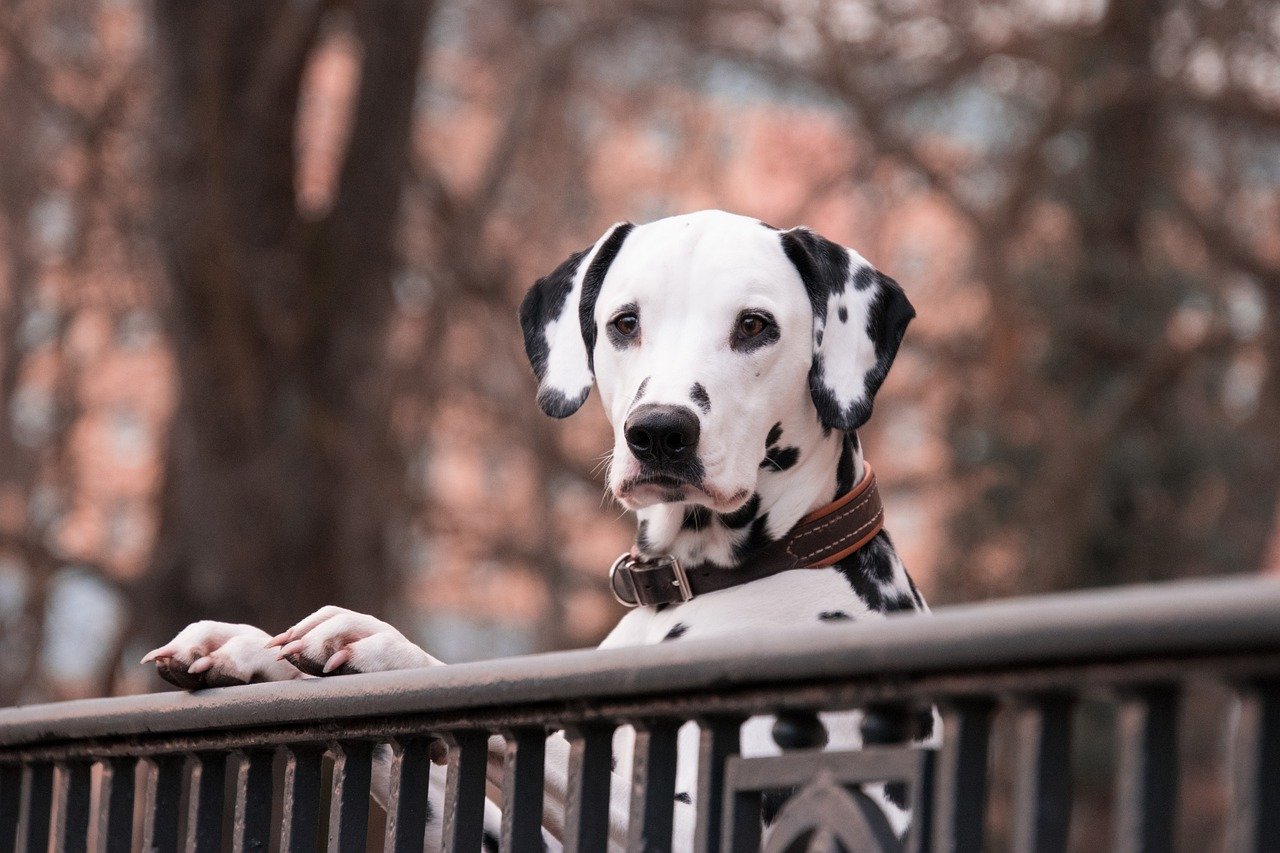
Dalmatians are energetic, intelligent, and a bit quirky. They need plenty of exercise and mental stimulation, but they also love routine. Scheduled walks, playtime, and training sessions help channel their energy in positive ways. Without routine, Dalmatians can become restless or even destructive. Stick to set times for meals, activities, and rest. When they know what’s coming, these spotted beauties are calm, content, and ready to show off their trademark enthusiasm.
Miniature Schnauzer: Predictable Playfulness
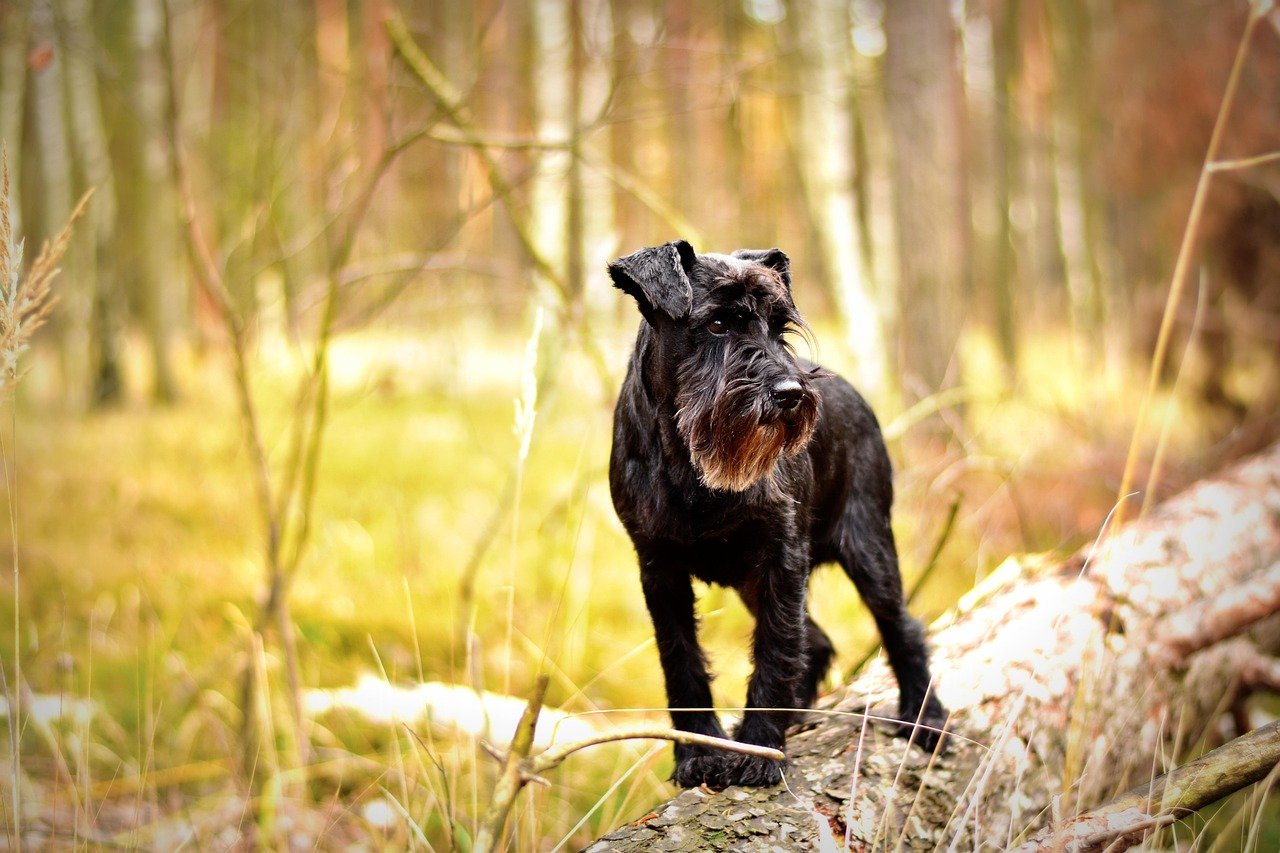
Miniature Schnauzers are lively, alert, and love being part of the family. They feel safest when life follows a routine, especially with regular meals, walks, and playtime. These little watchdogs thrive on structure, and even their grooming should happen on a schedule. Consistent training sessions and social time help them feel included. When everything runs smoothly, Miniature Schnauzers become confident, affectionate, and endlessly entertaining.
Beagle: The Scheduled Sniffer

Beagles are popular for their friendly, curious natures, but they can get into trouble if life is too chaotic. These scent hounds do best with predictable routines—regular walks, feeding times, and play help them channel their energy. Training is also key, and setting aside daily time for it helps Beagles stay focused. Without routine, they might follow their noses into mischief. A steady schedule transforms them into the sweet, loving companions they’re meant to be.
Vizsla: Comfort in Consistency
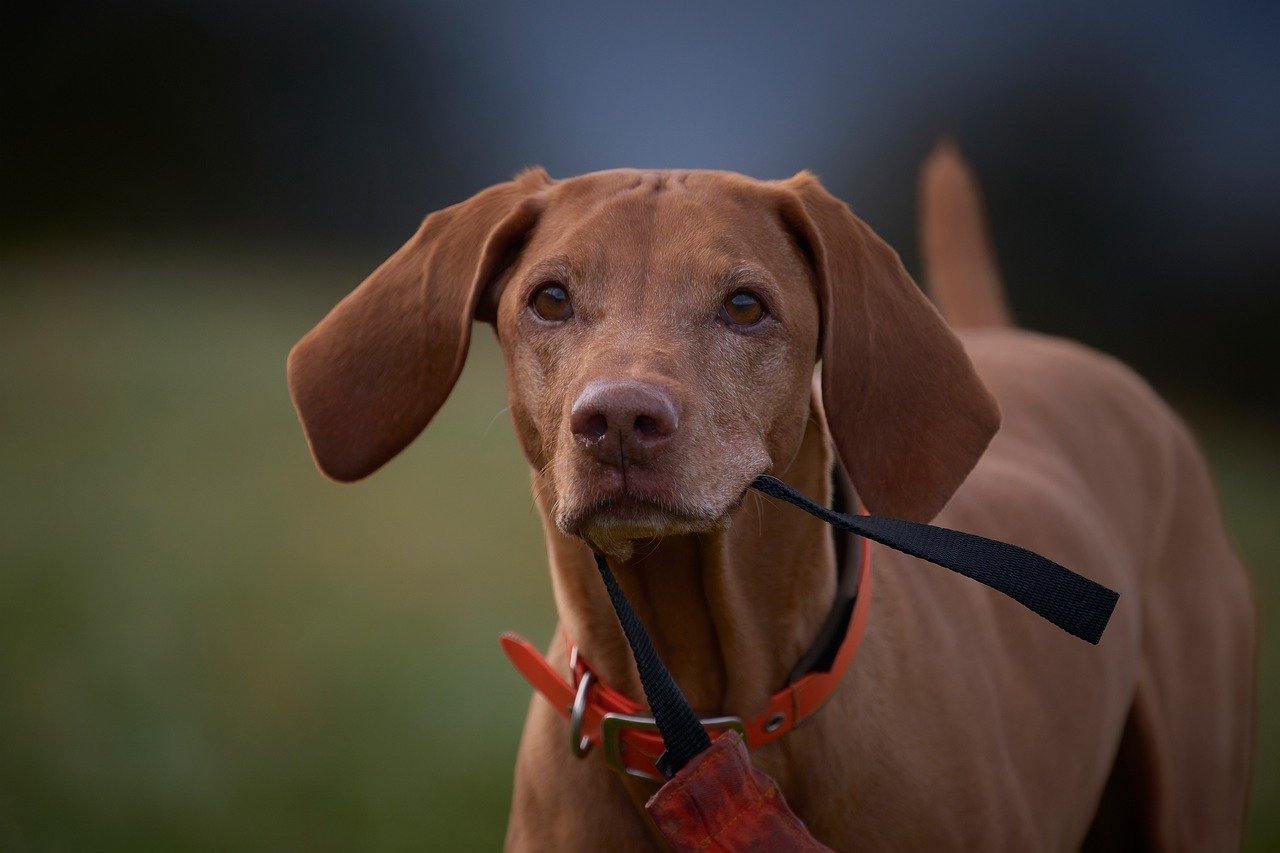
Vizslas are sensitive, affectionate, and thrive on human companionship. They love a predictable daily routine, which helps them feel secure and connected. Set times for exercise, training, meals, and family time are essential. Vizslas can become anxious or clingy if their schedule is disrupted. Regularity calms their minds and allows their affectionate personalities to shine. When life is steady, Vizslas become the loyal, loving shadows their owners adore.
Standard Schnauzer: Steady and Secure
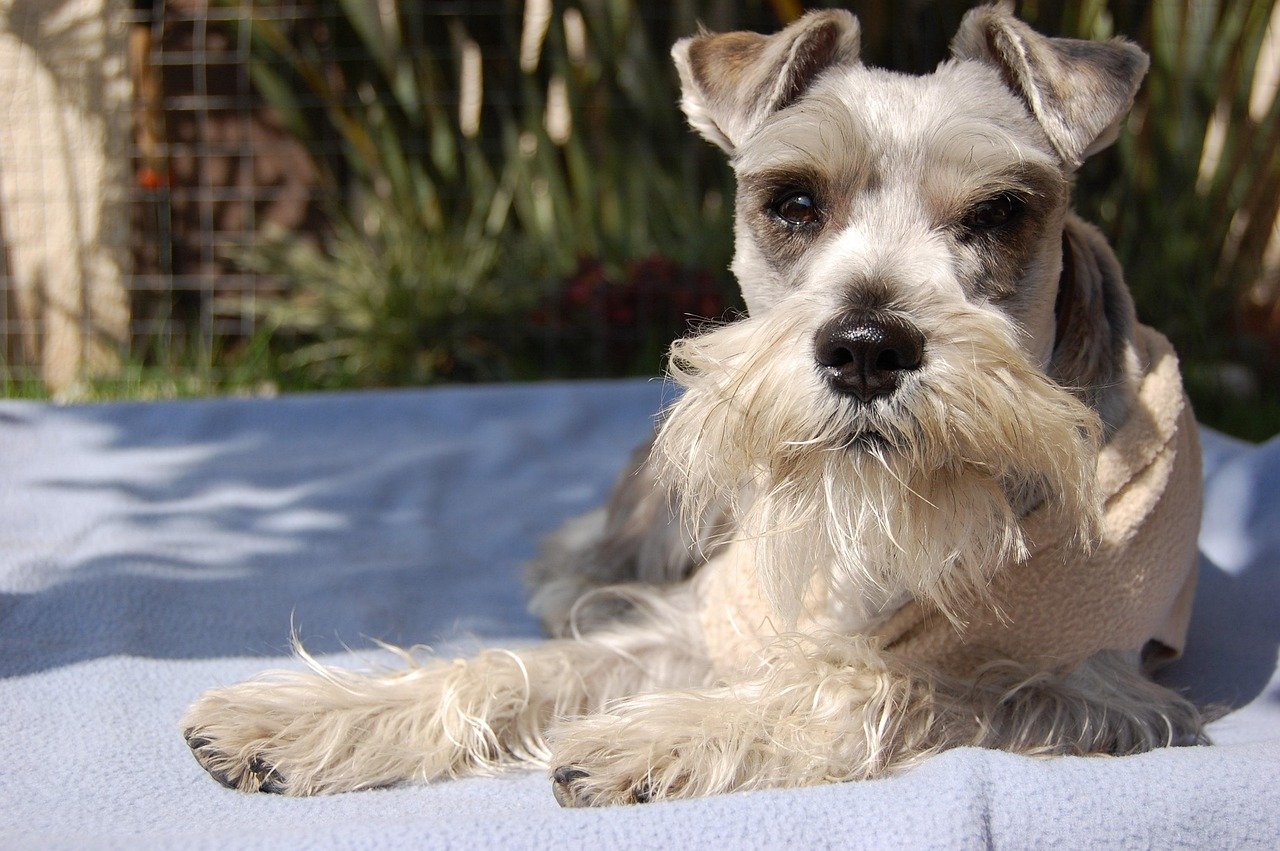
Standard Schnauzers are intelligent and hardworking, and they excel when days are structured. Regular exercise, training, and meals help them feel safe and happy. These dogs love knowing when it’s time to work and when it’s time to play. Without routine, they might try to take control of the household! Scheduled activities, grooming, and family time keep them balanced and content.
Staffordshire Bull Terrier: Routine for Reassurance

Staffordshire Bull Terriers, or “Staffies,” are loving and energetic but do best when their days are predictable. Regular walks, play, and meal times provide comfort and reduce stress. Staffies also benefit from scheduled training and socialization. These routines give them the reassurance they need to show off their playful, affectionate sides. When life is predictable, Staffies are the happiest, most loyal companions you could hope for.
Samoyed: Happy in Harmony
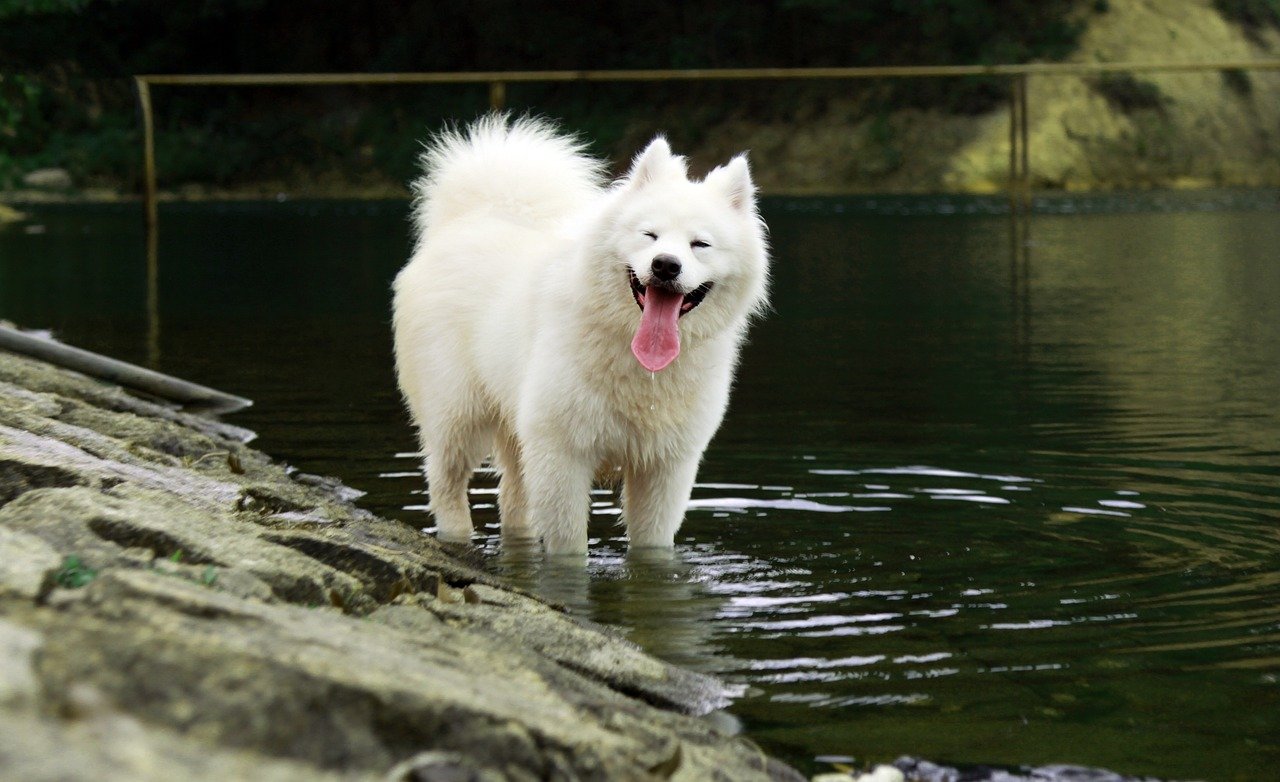
Samoyeds are known for their fluffy coats and perpetually smiling faces, but underneath it all, they crave routine. These sociable dogs love knowing when it’s time for walks, meals, grooming, and play. A predictable schedule reduces stress and helps them relax. Regular training and social activities keep their energy positive. Stick to a structure, and you’ll be rewarded with a Samoyed’s joyful, loving nature every day.
Doberman Pinscher: Discipline Delights

Dobermans are powerful, intelligent, and thrive on discipline and structure. A Doberman with a set routine is a happy, well-behaved dog. Schedule daily training, exercise, meals, and downtime at the same times each day. This predictability keeps Dobermans calm, focused, and confident. Without routine, they can become anxious or hyper-vigilant. Regularity gives them the security they need to be loyal protectors and loving family members.
Akita: Order for the Independent
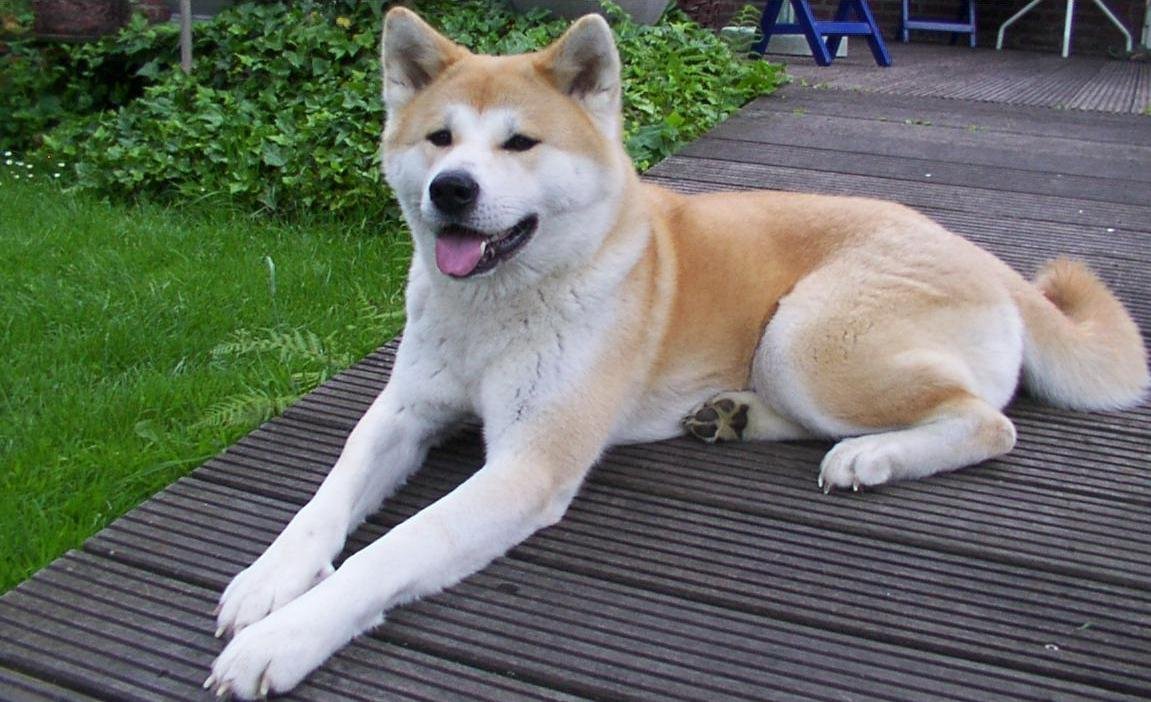
Akitas are dignified, independent, and deeply loyal. They feel safest and happiest with a predictable routine. Scheduled walks, meals, and quiet family time help Akitas feel secure. These dogs don’t like surprises or chaos, and a steady rhythm to the day keeps their confidence high. Include regular grooming and training in their schedule to keep them looking and feeling their best.
Great Dane: Gentle Giants Need Structure
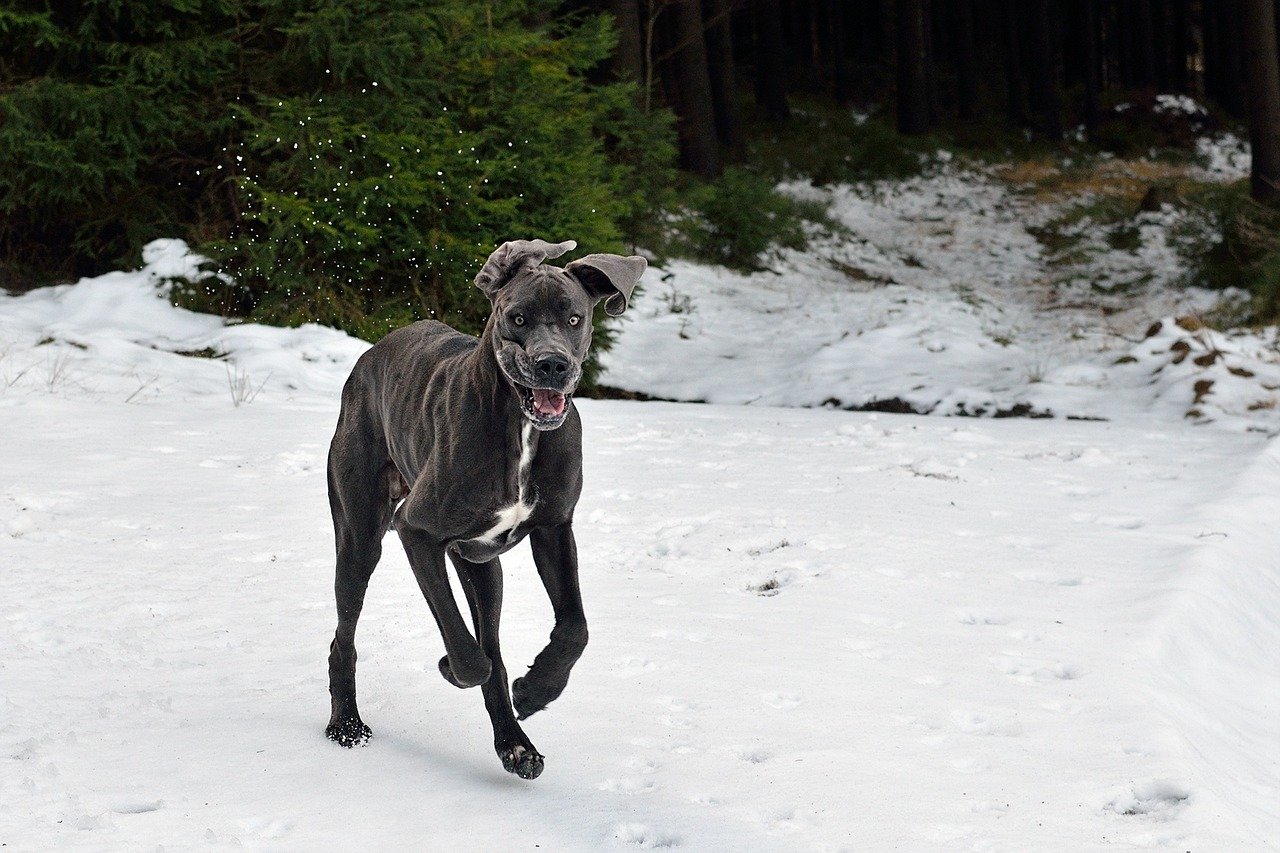
Great Danes are the gentle giants of the dog world, and they flourish on a predictable routine. Regular feeding, walking, and rest times help them stay calm and healthy. Because they’re so large, Great Danes benefit from routine exercise and set mealtimes to avoid digestive issues. Scheduled socialization and affection help these big-hearted dogs feel included and loved. When life is steady, Great Danes become the gentle, loving companions everyone dreams of.
Understanding your dog’s need for routine can be the key to a happier, more balanced life—for both of you. These 20 breeds thrive on predictability, finding comfort and confidence in daily patterns that meet their emotional and physical needs. Whether it’s regular mealtimes, scheduled walks, or consistent training sessions, structure helps these dogs feel secure and content. By recognizing and respecting this need, you’ll not only strengthen your bond but also create a more harmonious home for your loyal companion.


