

Have you ever fallen in love with a dog’s adorable face, only to realize later that their coat needs more care than you ever imagined? For many new and experienced dog owners, grooming can quickly turn from a fun bonding time into a daily challenge—especially when it comes to breeds with special requirements. Get ready to discover the most surprising, delightful, and sometimes demanding grooming needs across 20 different dog breeds. If you’re thinking about bringing home a furry friend, or just want to know more about your own pup’s heritage, this guide is your new best friend!
Poodle

When it comes to choosing the right dog breed, grooming often takes a backseat to temperament and size—but it shouldn’t. Some dogs come with coats that require far more than the occasional brushing or bath, and neglecting their grooming needs can lead to discomfort, skin issues, and even health problems. Whether it’s a breed with a dense double coat, constantly growing hair, or sensitive skin, understanding what kind of upkeep your pup will need is essential to being a responsible owner.
Poodles are famous for their intelligence and elegance, but their curly, non-shedding coat is a double-edged sword. While it’s hypoallergenic, it’s also prone to matting and requires regular professional grooming. Owners should brush their Poodle’s coat several times a week to prevent tangles and mats, especially behind the ears and under the legs. Regular trims—usually every four to six weeks—keep their coat manageable and comfortable. Bathing is also necessary to keep their curls fresh and free of dirt. It’s important to pay close attention to their ears, as the hair inside can trap moisture and cause infections. Many Poodle owners choose creative clips, but even a simple “puppy cut” needs expert hands.
Shih Tzu

Shih Tzus have long, flowing hair that looks regal but demands a gentle touch and lots of patience. Their fine hair tangles easily, so daily brushing is a must. If left unattended, their coats can become a tangled mess, making grooming sessions uncomfortable for both dog and owner. Many Shih Tzu lovers opt for a shorter “teddy bear” cut to make maintenance easier, but even this style requires regular care. Special attention should be given to the area around the eyes, as their long hair can cause irritation or even eye infections. Bathing every two to four weeks helps keep their coat shiny and clean. Remember, their glamorous appearance comes with a commitment!
Afghan Hound
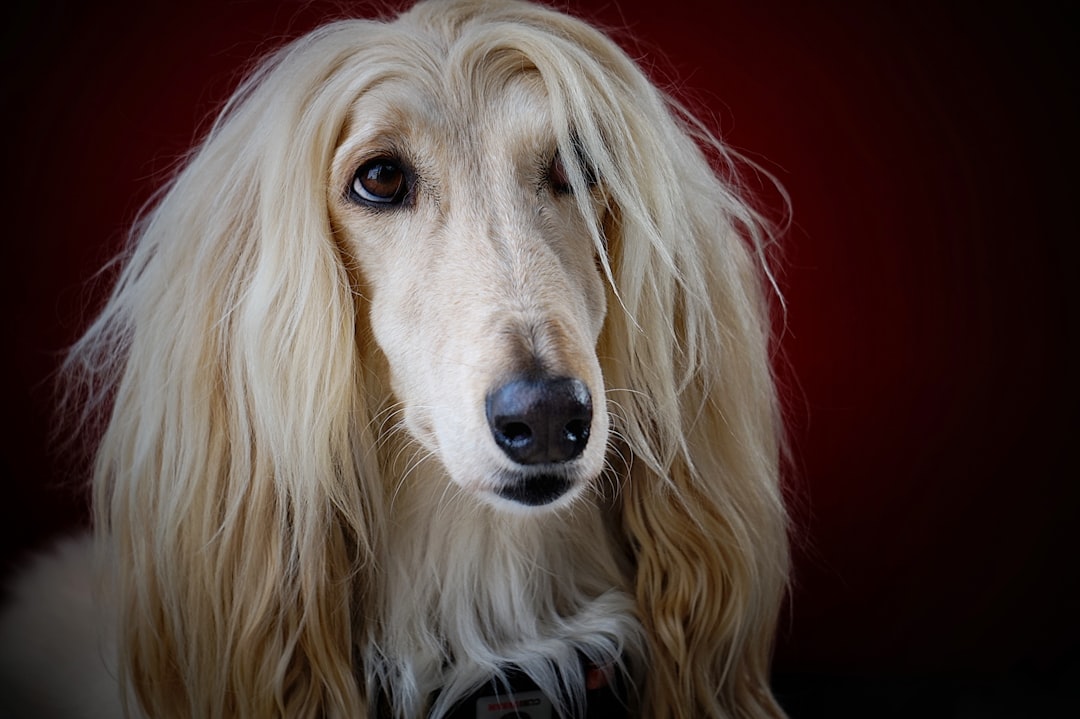
With their flowing, silky locks, Afghan Hounds look like runway models of the dog world. But their beauty comes at a price: their hair can mat quickly if not brushed frequently. Daily brushing is ideal, using a pin brush to gently work through their coat from root to tip. Bathing is recommended every two weeks, and a quality dog conditioner helps keep their fur smooth and manageable. Afghan Hounds also need their ears cleaned regularly, as their long hair can trap moisture and debris. Owners should be prepared for lengthy grooming sessions, but the end result is a breathtakingly beautiful dog. If you love glamour, this breed is for you—but only if you have the time to match.
Komondor
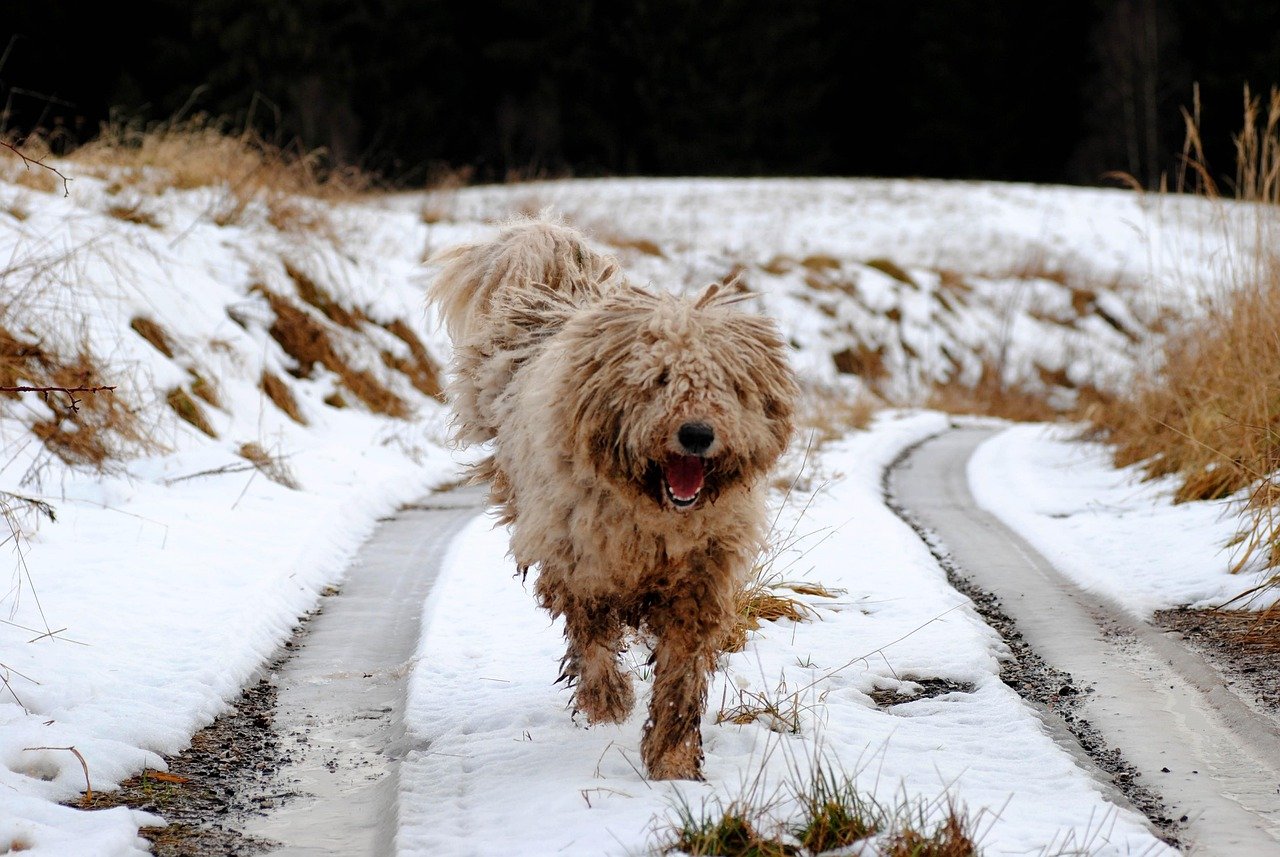
The Komondor’s coat is truly one of a kind, forming long, cord-like dreadlocks as the dog matures. These cords require a unique approach: they must be separated by hand to prevent matting at the base and to allow air circulation. Bathing a Komondor is an adventure—those cords hold water for hours, making drying a lengthy process that often requires a blow dryer. Despite their mop-like appearance, Komondors don’t shed much, but keeping their cords clean and tidy is essential. Owners must also check between the cords for dirt or parasites. Regular inspection and care keep this breed’s iconic look in pristine shape.
Samoyed

Samoyeds are known for their striking white, fluffy coats and their perpetual “smile.” But behind that smile is a thick double coat that sheds heavily, especially during seasonal changes. Brushing several times a week is essential to remove dead undercoat and prevent mats, particularly around the neck and hindquarters. Bathing is needed every month or two, but drying their dense fur can take hours. Samoyeds are prone to developing tangles if not cared for properly, and their white coat easily picks up dirt and debris. Owners must be vigilant, especially in muddy or wet weather, to keep their “white cloud” looking pristine.
Yorkshire Terrier
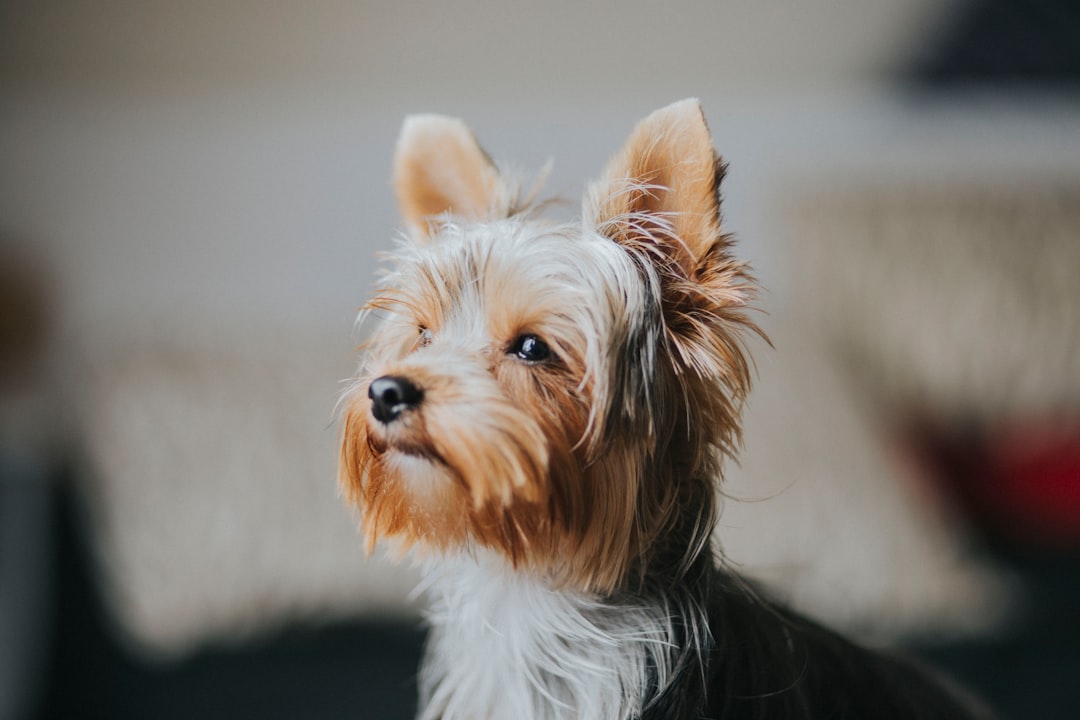
Yorkshire Terriers, or Yorkies, have hair that resembles human hair—long, silky, and prone to tangling. Daily brushing is non-negotiable to prevent knots, especially if their coat is kept long. Many owners opt for a “puppy cut” to make grooming more manageable, but regular trims are still necessary. Bathing every two to three weeks keeps their hair clean and shiny. Special care should be taken around their faces, as food can get trapped in their facial hair. Ear cleaning is important too, as their small ears are prone to wax buildup. Yorkie grooming is time-consuming, but their sweet faces make it all worthwhile.
Bichon Frise
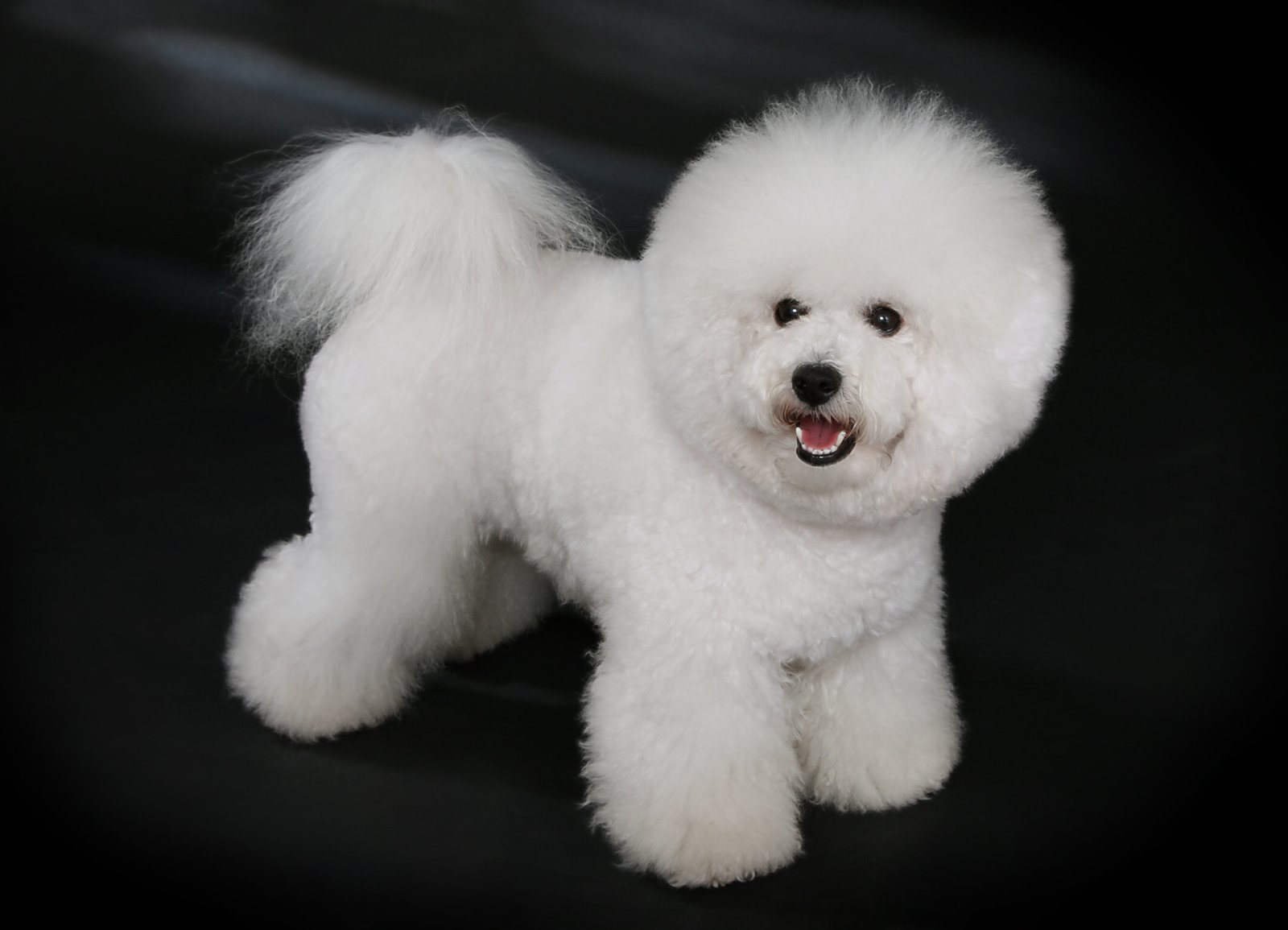
The Bichon Frise is instantly recognizable for its soft, white, powder-puff coat. This breed doesn’t shed much, but their curly hair mats easily and requires daily brushing to stay fluffy. Professional grooming is necessary every four to six weeks to maintain their signature look. Bathing every two weeks is recommended, and owners should use a gentle shampoo to protect their sensitive skin. Tear staining is common, so the area around the eyes needs regular wiping. With the right care, a Bichon Frise’s coat is as soft as a cloud, but neglect can turn it into a tangled mess surprisingly fast.
Chinese Crested
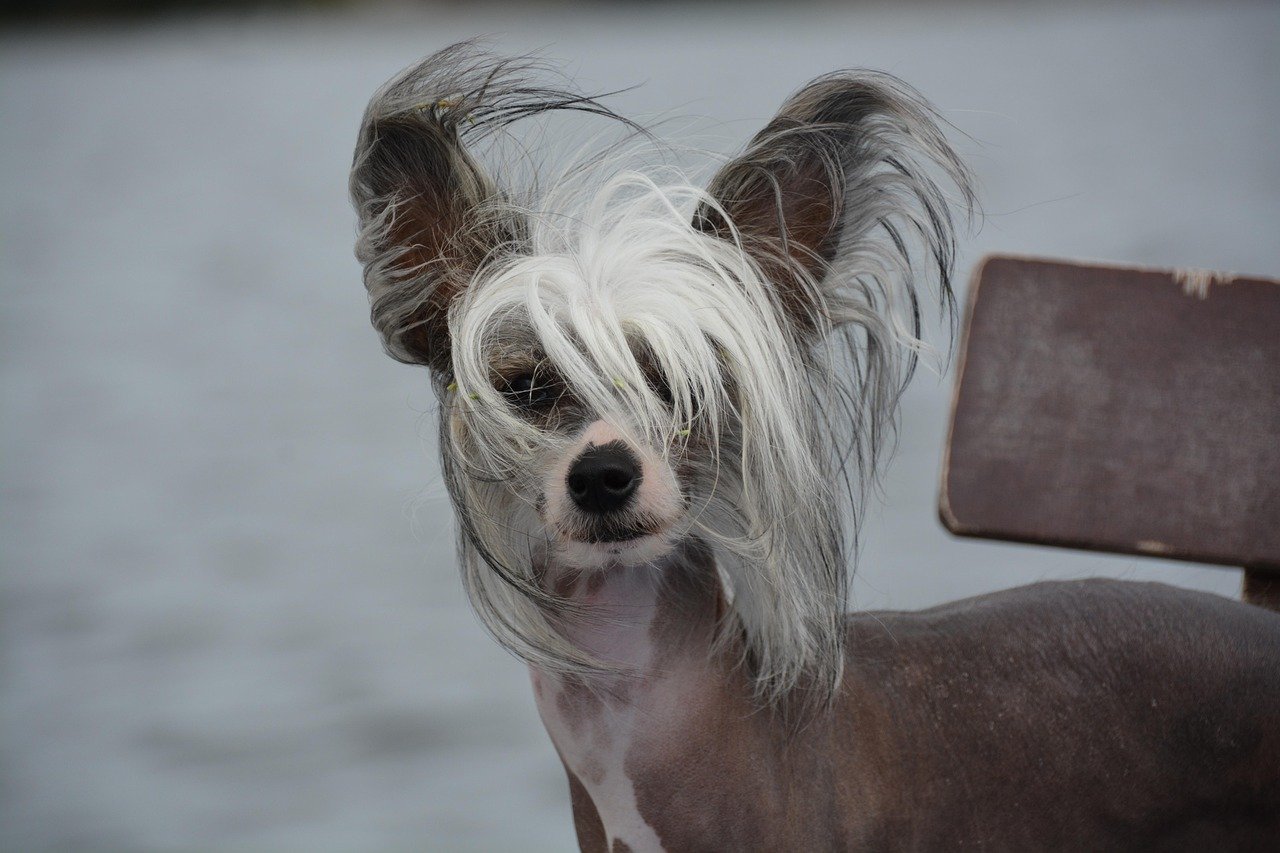
The Chinese Crested comes in two varieties: Hairless and Powderpuff. The Hairless variety has exposed skin that needs regular moisturizing and even sunscreen to prevent burns. Skin must be checked for acne or irritation, and gentle cleaning is required to avoid infections. The Powderpuff’s long, soft coat tangles easily, so daily brushing is needed. Both types need dental care, as they are prone to tooth loss. The Chinese Crested’s unique appearance means grooming isn’t just about looking good—it’s essential for their health.
Old English Sheepdog
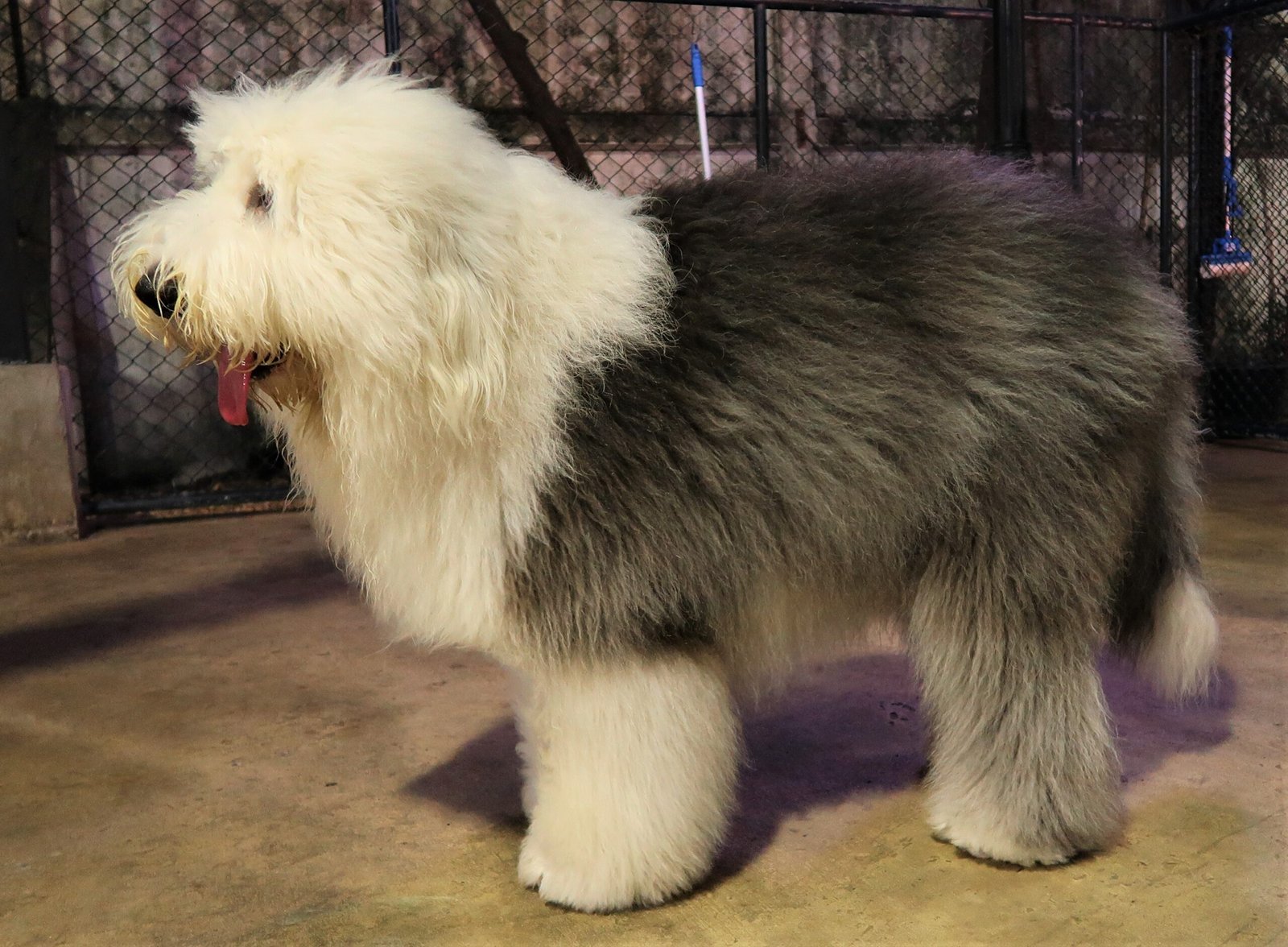
Old English Sheepdogs are famous for their shaggy, bear-like appearance, but their double coat can be a real handful. The dense undercoat and long outer hair mat quickly, so thorough brushing several times a week is crucial. Mats can form close to the skin and become painful if neglected. Bathing every month helps keep their coat fresh, but drying takes time due to the thickness of their fur. Eye care is also necessary, as their bangs can irritate the eyes or trap debris. Owners need patience and time to keep this breed comfortable and looking their best.
Maltese
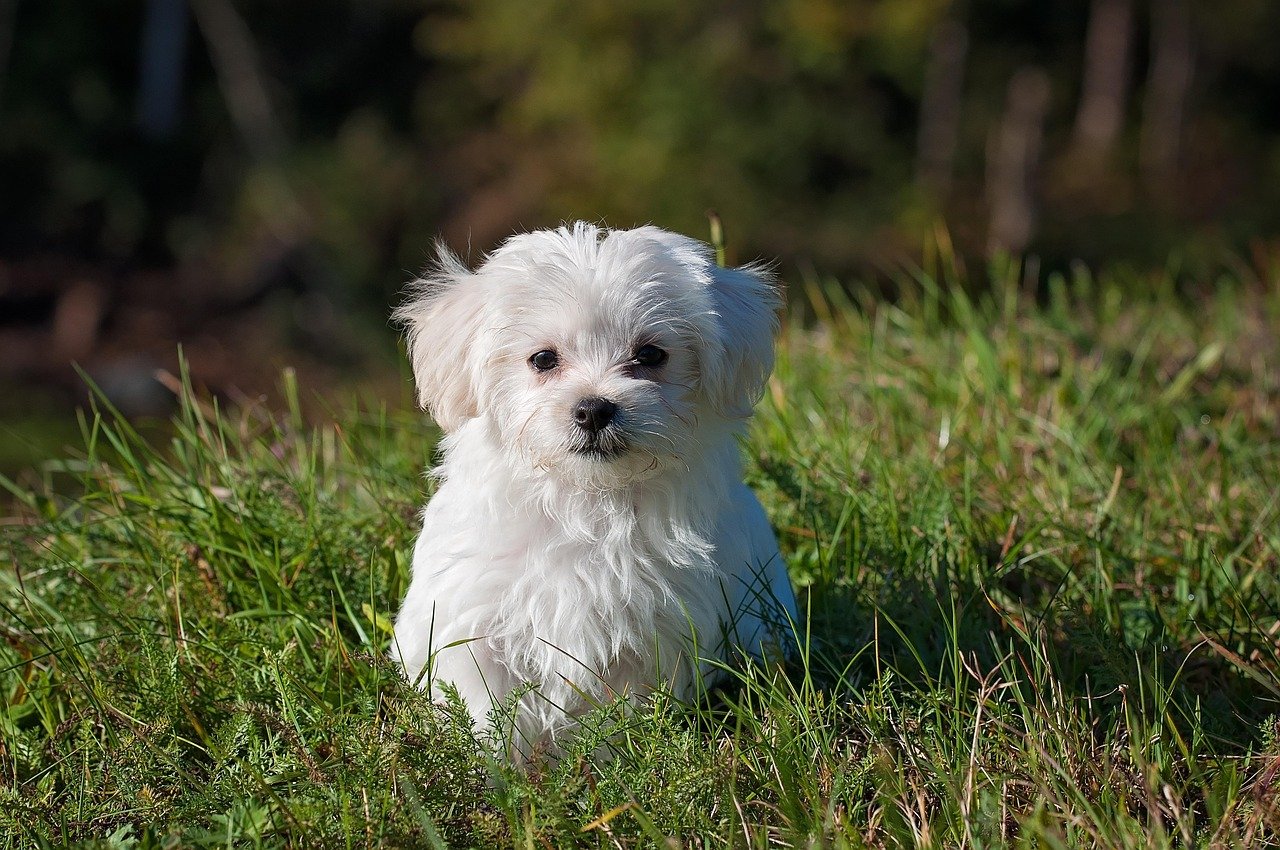
Maltese dogs are beloved for their flowing, floor-length white hair, which is as soft as silk but tangles in a heartbeat. Daily brushing is essential, and even then, their coat can pick up dirt easily. Many owners opt for a shorter cut to make life easier, but regardless of length, Maltese need frequent baths to keep their coat bright. Tear staining is common, so wiping around the eyes should become a daily habit. Their skin is sensitive, so gentle, hypoallergenic products are a must. Maltese grooming is a labor of love that truly pays off in cuteness.
Alaskan Malamute
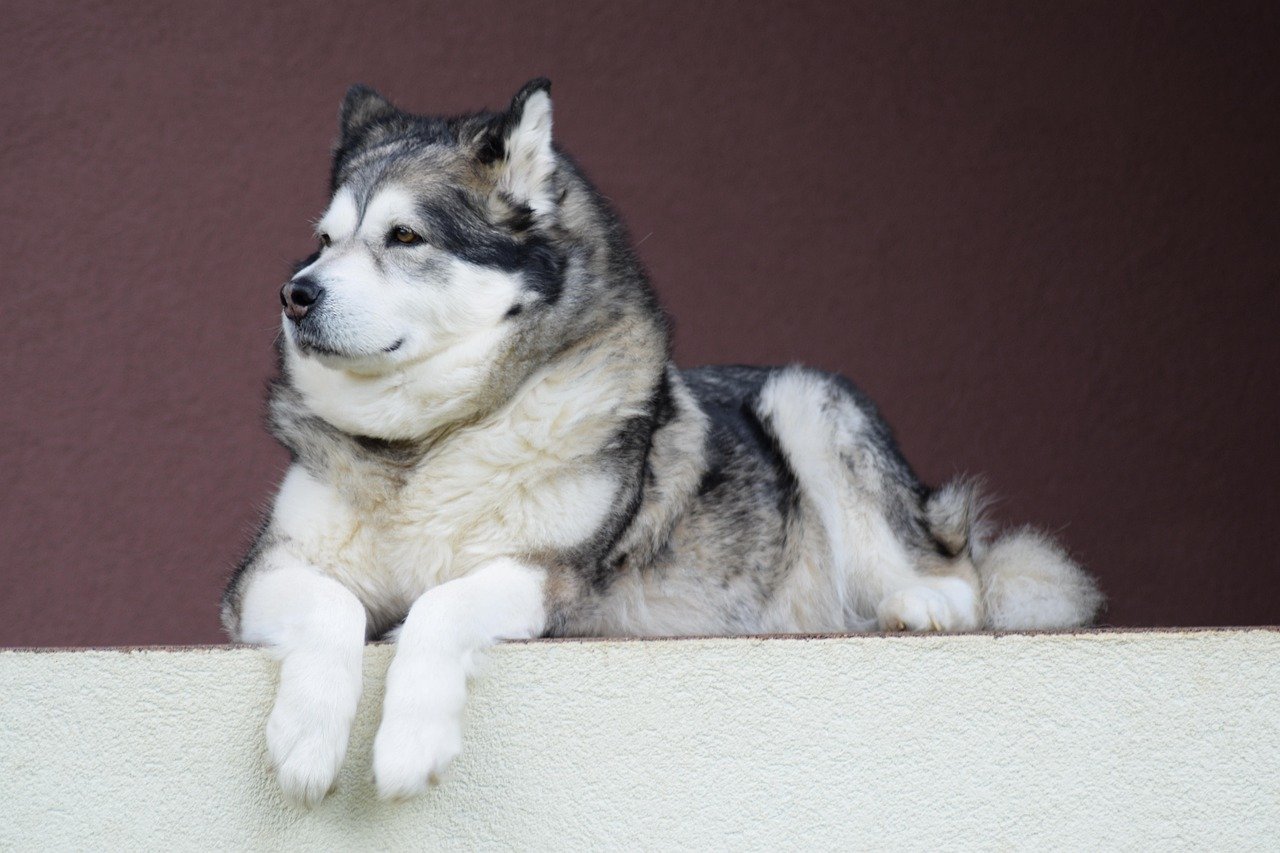
Alaskan Malamutes are built for the cold, sporting a dense, double-layer coat that sheds heavily twice a year. During shedding season, daily brushing is a must to remove dead undercoat and prevent mats. Outside of shedding, weekly brushing helps control loose hair and keeps their coat shiny. Bathing isn’t needed often, but when it is, it’s a big job—their thick coat takes time to dry. Nails should be trimmed regularly, as their active lifestyle can lead to splits or cracks. Grooming an Alaskan Malamute can leave you buried in fur, but it’s essential for their comfort and health.
Cocker Spaniel
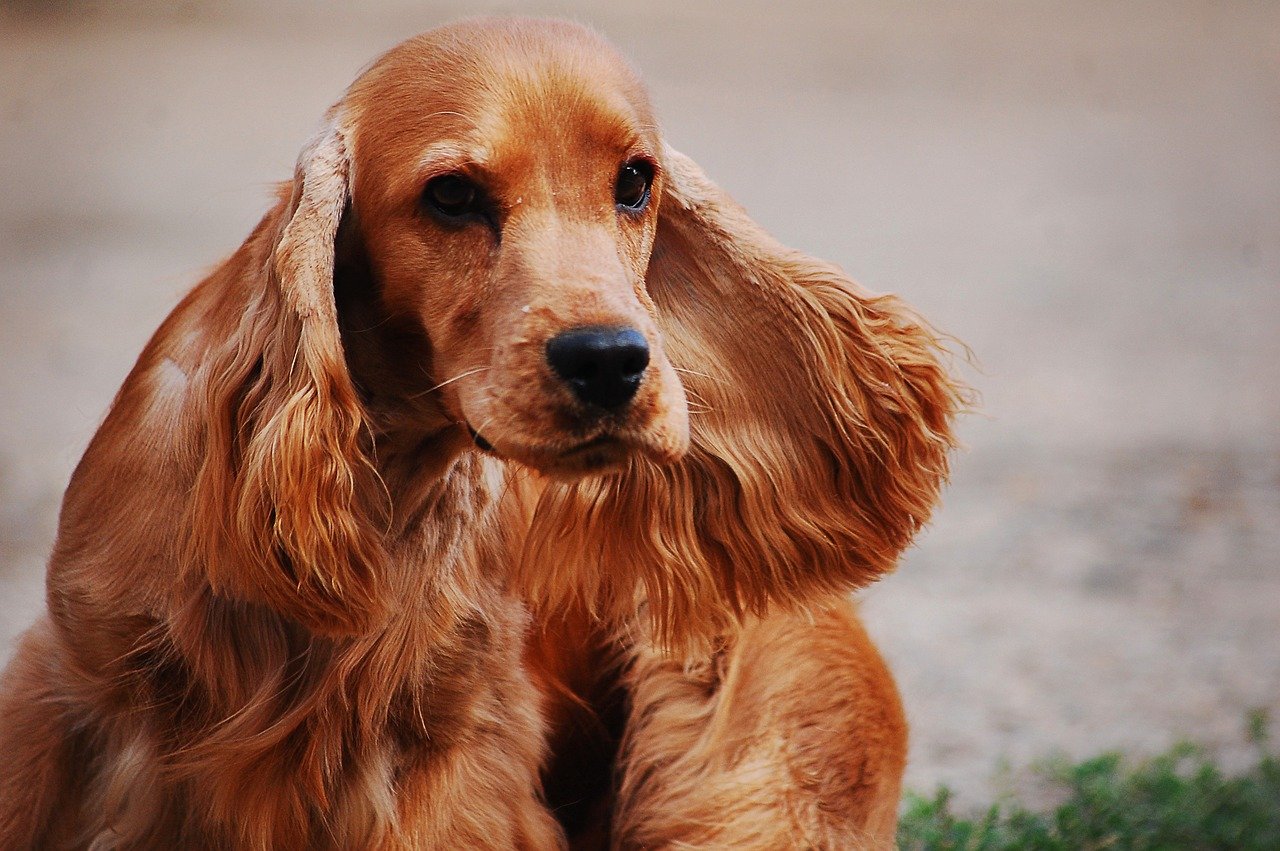
Cocker Spaniels have soft, wavy coats that look adorable but are surprisingly high-maintenance. Their fur tangles and mats easily, especially around the ears, legs, and underbelly. Daily brushing is recommended to keep their coat smooth, and professional grooming every month keeps their fur at a manageable length. Bathing every two to four weeks helps prevent odors and keeps their coat shiny. Their long, floppy ears also need regular cleaning to prevent infections. Cocker Spaniels are a joy to cuddle, but only if you’re ready for a serious grooming commitment.
Puli
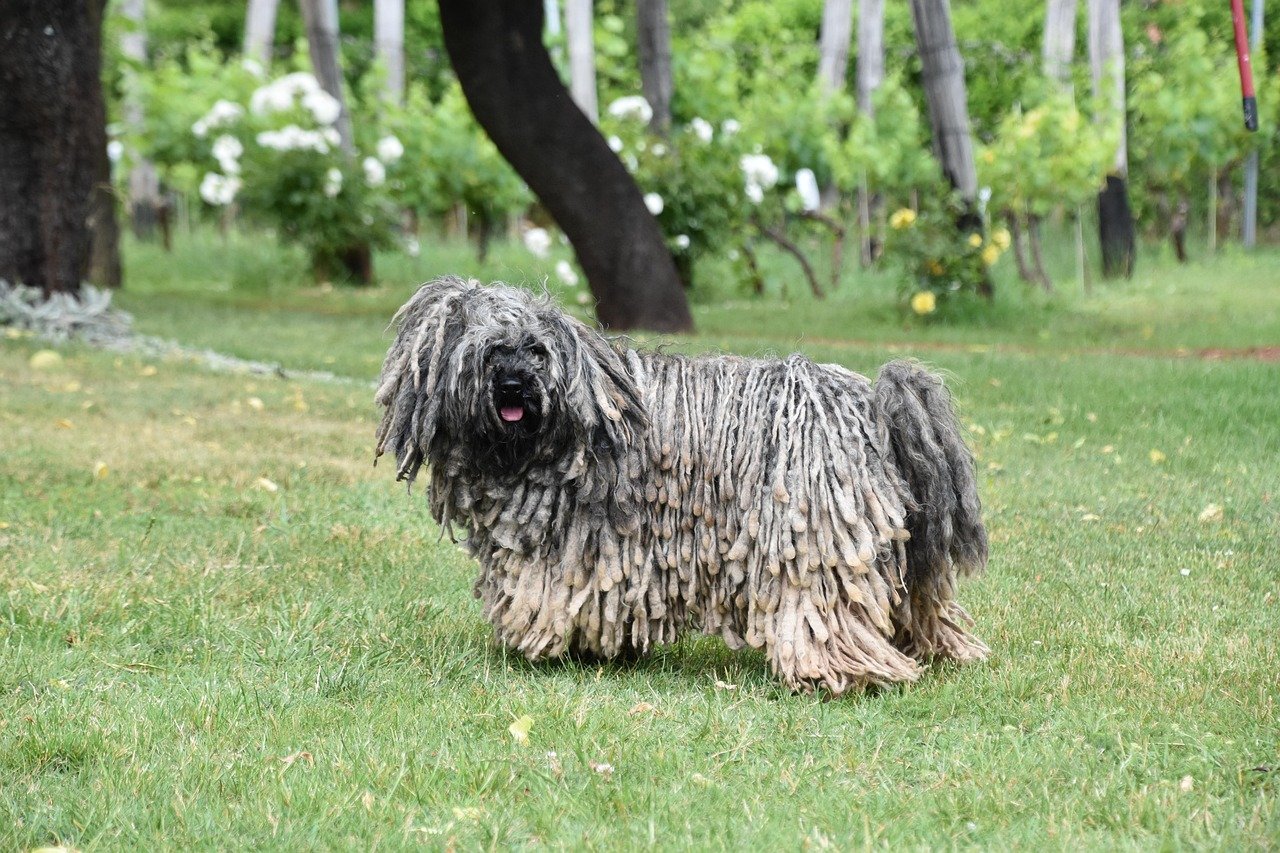
The Puli is instantly recognizable by its unique corded coat, which forms naturally as the dog matures. Creating and maintaining these cords requires careful separation by hand to prevent mats. Bathing a Puli is a major task, as the cords soak up water and take hours to dry completely. Dirt and debris can get trapped in their cords, so regular inspection is needed. Owners must be vigilant about keeping the skin underneath healthy and free from irritation. The Puli’s coat is a testament to patience and care, and a well-groomed dog is a true showstopper.
Schnauzer

Schnauzers come in three sizes—Miniature, Standard, and Giant—but all share a wiry, double coat that needs regular attention. Hand-stripping, a grooming technique that removes dead hair by hand, is often recommended to maintain their coat’s texture. Brushing several times a week helps prevent mats, especially in their beard and leg furnishings. Bathing every few weeks keeps them smelling fresh, but care must be taken to avoid stripping natural oils. Their signature eyebrows and beard require trimming and cleaning, as food and debris can collect in these areas. Schnauzer grooming is all about preserving their iconic look.
Lhasa Apso
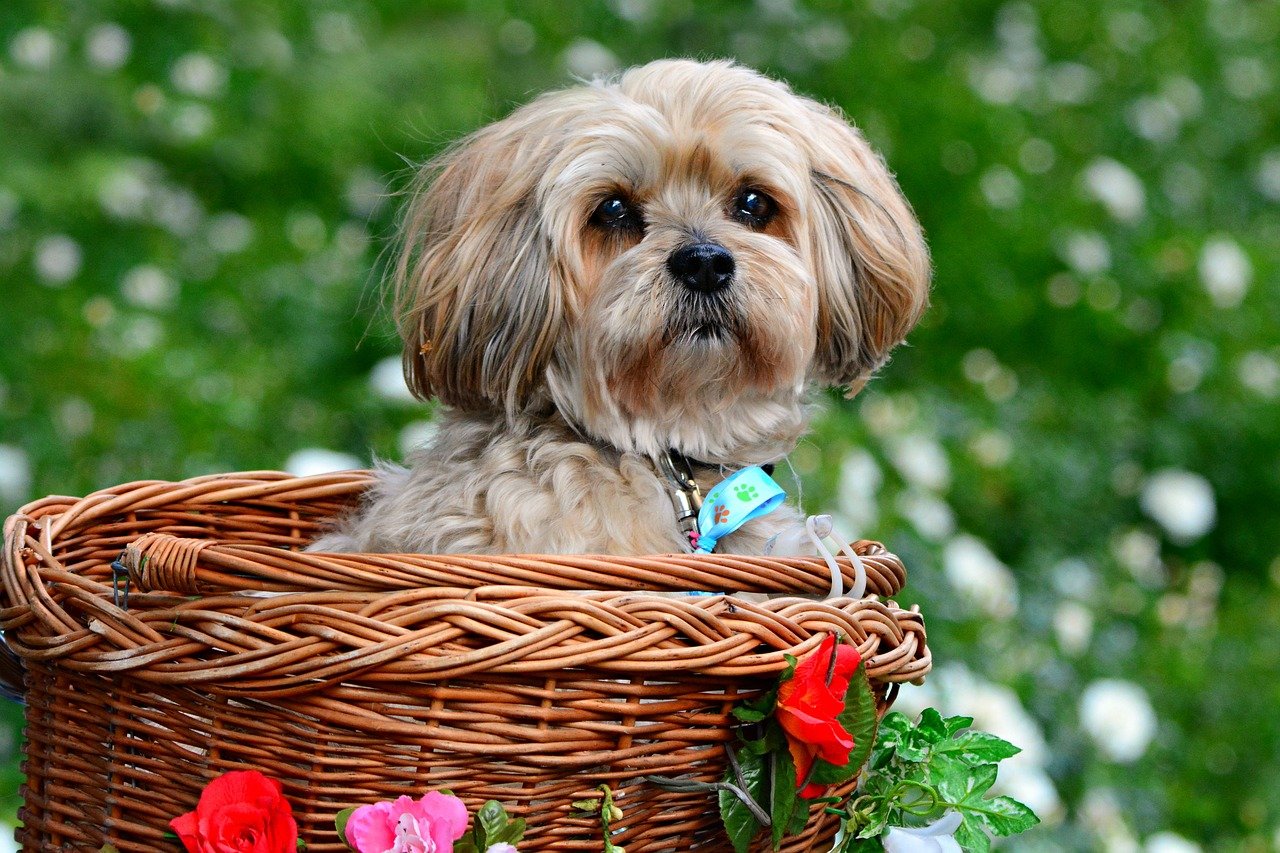
Lhasa Apsos have a long, dense coat that protected them in their native Tibet, but this luxurious hair needs daily brushing to prevent tangles. Many owners opt for a short “puppy clip” to reduce grooming time, but even then, regular maintenance is needed. Bathing every two to four weeks is recommended, with thorough drying to prevent mildew or odor. Eye care is crucial, as their long hair can cause irritation or infections. Lhasa Apsos are beautiful dogs, but their coat is not for the faint of heart—dedication is key.
Soft-Coated Wheaten Terrier
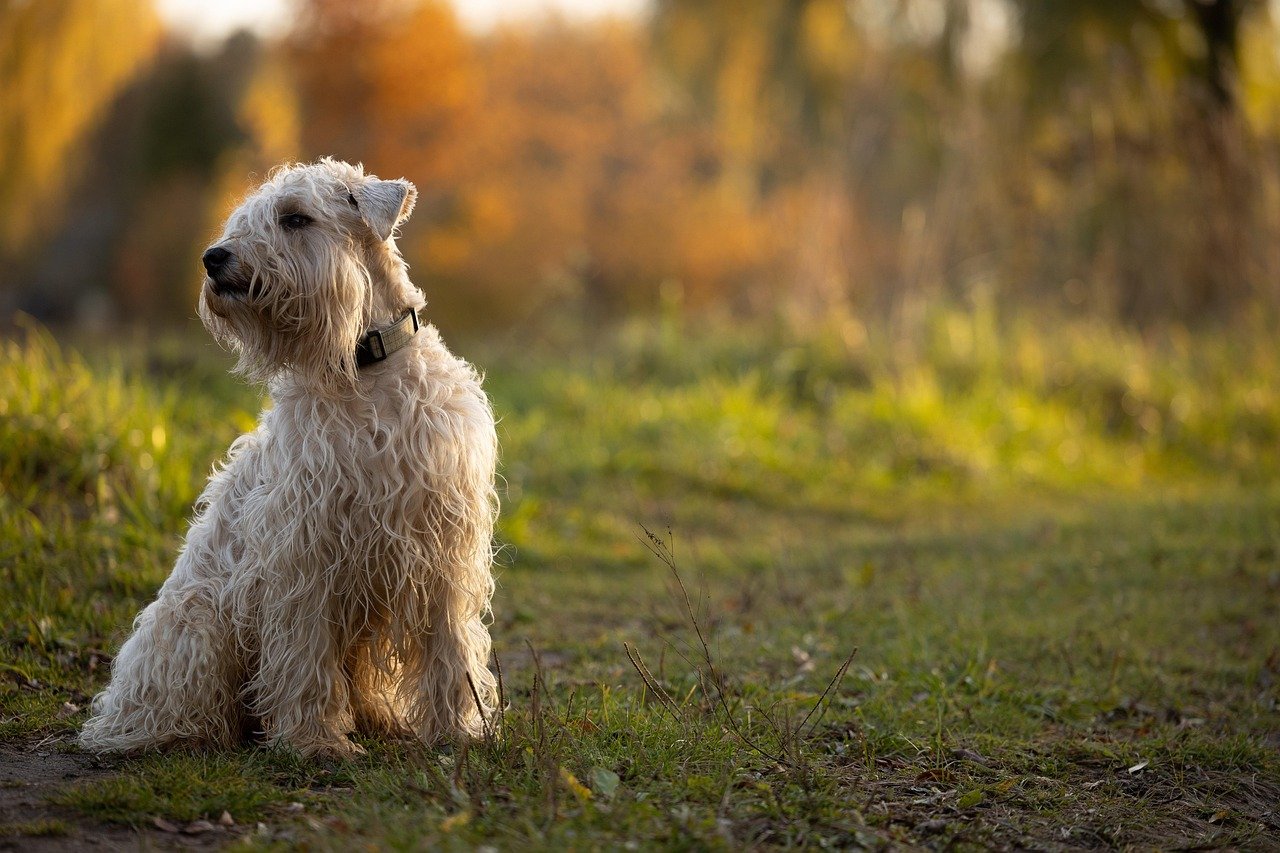
The Soft-Coated Wheaten Terrier sports a silky, wavy coat that’s deceptively high-maintenance. Daily brushing is essential to prevent mats, which can form quickly in their soft fur. Bathing every three to four weeks keeps their coat shiny, but a gentle shampoo is needed to avoid drying their sensitive skin. Their coat also needs regular trimming to keep it at a manageable length. Owners should pay special attention to the hair around the eyes and mouth, as food and debris can get trapped there. Wheaten Terriers are cheerful companions, but their grooming needs should never be underestimated.
Kerry Blue Terrier
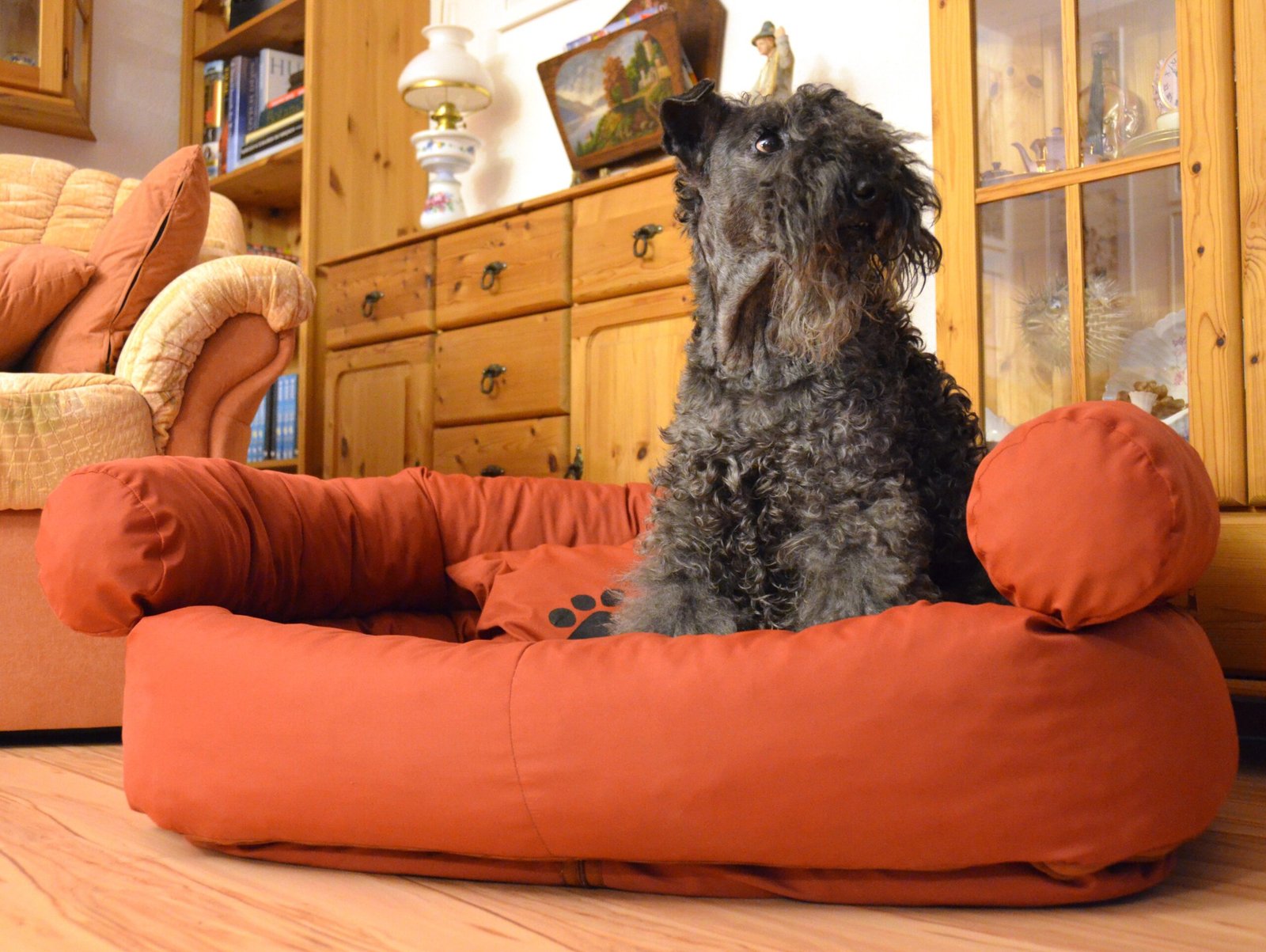
Kerry Blue Terriers have a unique, soft, and wavy blue-gray coat that doesn’t shed much but needs plenty of care. Regular brushing prevents mats and removes dirt, while professional trimming every six to eight weeks keeps their coat in shape. Bathing every month helps maintain their coat’s color and texture. Their beard and leg hair are especially prone to collecting debris, so extra attention is needed in these areas. The Kerry Blue’s coat continues to change color until they are about two years old, making grooming an evolving challenge. Owners need patience and skill to keep their dog looking sharp.
Bedlington Terrier

The Bedlington Terrier looks almost like a lamb, with its soft, curly coat that requires frequent grooming. Regular brushing—at least twice a week—prevents mats and keeps the coat fluffy. Professional grooming every six to eight weeks is essential to maintain their distinctive look. Bathing every month helps keep their coat clean and free of odors. Special attention should be paid to their ears, as hair can grow inside and cause problems. The Bedlington’s unique appearance turns heads, but it comes with a demanding grooming schedule.
Portuguese Water Dog
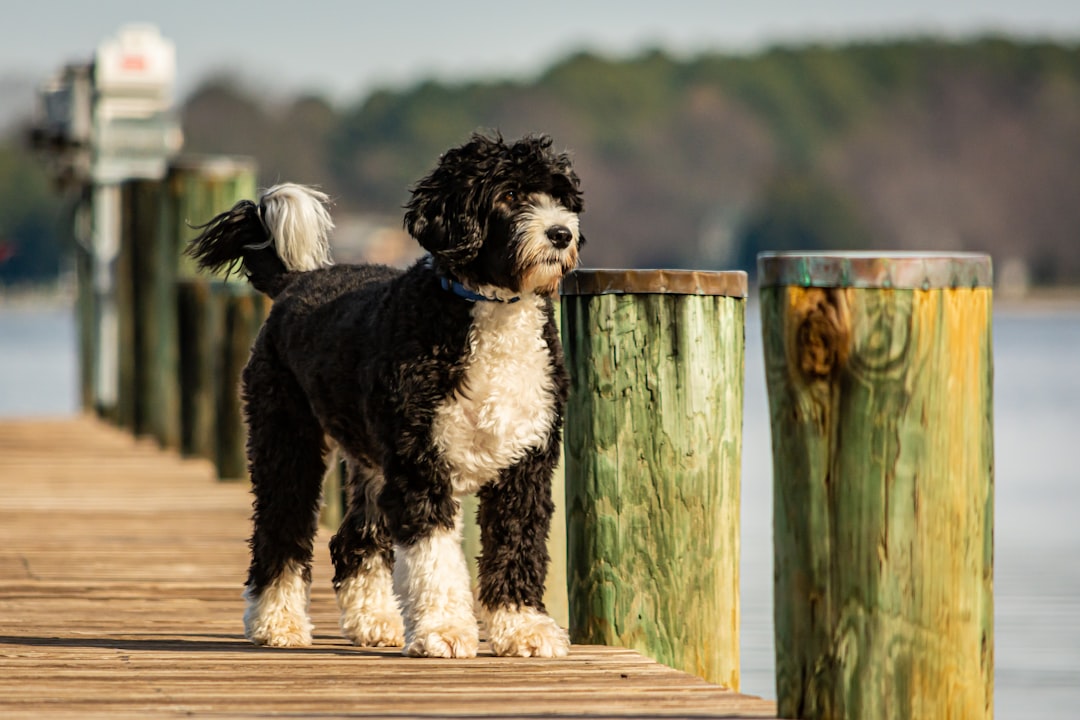
Portuguese Water Dogs have a thick, curly or wavy coat that’s water-resistant but prone to matting if not cared for properly. Brushing every few days helps prevent tangles and keeps their coat healthy. Professional grooming every six to eight weeks is recommended, with many owners choosing a “retriever clip” for easier maintenance. Bathing every month keeps them smelling fresh, but care must be taken to rinse out all shampoo to prevent skin irritation. Their webbed feet and strong, active bodies also need regular checks for debris after swimming. Portuguese Water Dog grooming is essential for their comfort, especially if they love the water.
Newfoundland

The Newfoundland is a gentle giant with a thick, water-resistant double coat that requires regular upkeep. Brushing several times a week helps control shedding and prevents mats, especially behind the ears and around the hindquarters. Bathing every month or two keeps them clean, but drying their massive coat is a major task. Owners should also check for signs of hot spots or skin irritation, which can develop under their heavy fur. Nail trimming is important, as their weight can put stress on their feet. Newfoundlands are loving companions, but their grooming needs match their impressive size.
Every dog deserves to look and feel their best—and for some breeds, that takes a little extra effort. From specialized tools to regular trims and skin care, being aware of your dog’s unique grooming needs is essential for their overall health and happiness. Whether you already share your home with one of these high-maintenance breeds or are considering bringing one into your life, staying informed and prepared can make grooming a bonding experience rather than a chore. With the right approach, those extra grooming sessions become just another way to show your dog how much you care.


