
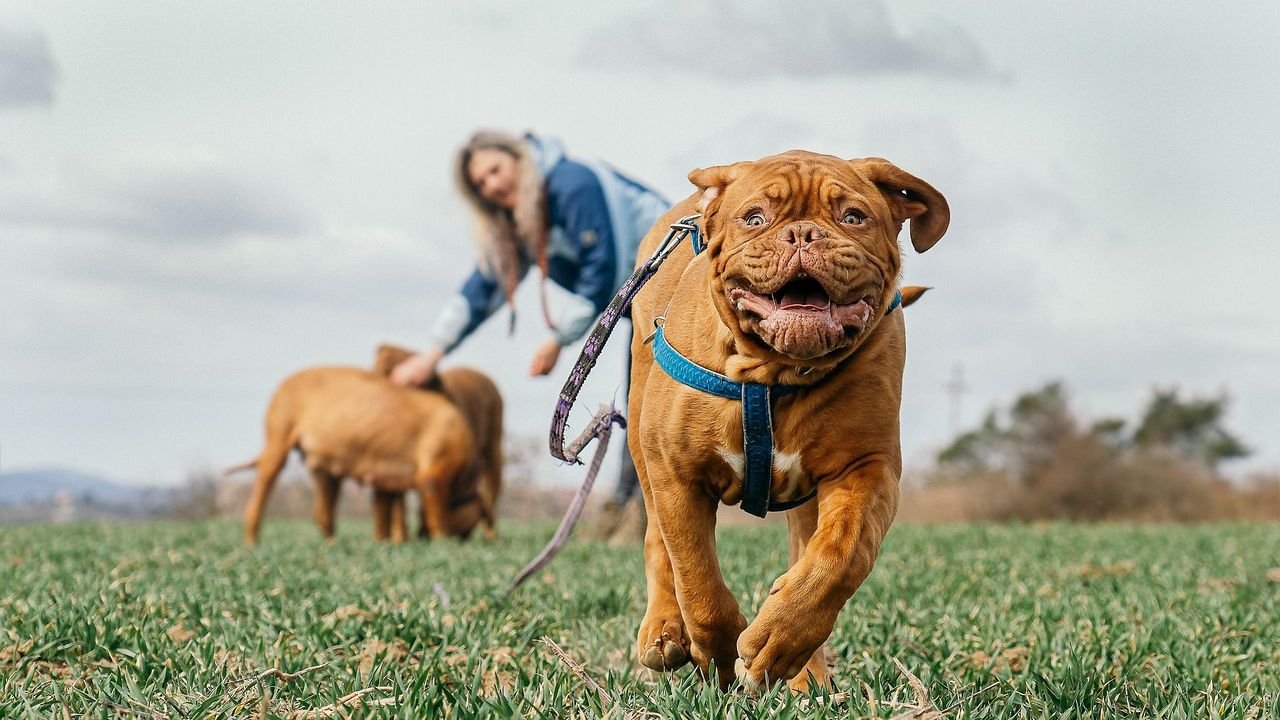
Ever notice how some dogs seem like they’ve got it all figured out? They’re calm, confident, healthy, and just genuinely happy. Meanwhile, others are anxious, overweight, or dealing with behavior issues that drive everyone a little crazy. Here’s the thing. A lot of times, the difference isn’t about the dog. It’s about the owner.
I know that sounds harsh, honestly. We all want the best for our pups. We really do. Yet somewhere between the excitement of bringing home that adorable bundle of fur and managing daily life, mistakes happen. Small ones. Big ones. Ones that snowball into serious problems down the road. Some of these mistakes are things nobody even thinks about until it’s too late. Let’s dig into the real missteps that can quietly sabotage your dog’s well-being, and what you can do to turn things around.
1. Overfeeding and Treating Food as Love

Let’s be real. Those puppy eyes are impossible to resist. Your dog stares up at you during dinner, tail wagging, and suddenly you’re sliding them a piece of chicken or an extra biscuit. It feels like love, right?
The problem is, obesity can lead to a whole slew of health issues in dogs, and canine obesity poses serious health hazards. We’re talking about joint problems, diabetes, heart disease, liver issues, and even a shortened lifespan. When you equate food with affection, you’re actually putting your dog at risk. Measure their food portions carefully, stick to a feeding schedule, and resist the urge to hand over table scraps every time they flash you that look.
2. Skipping Regular Vet Checkups
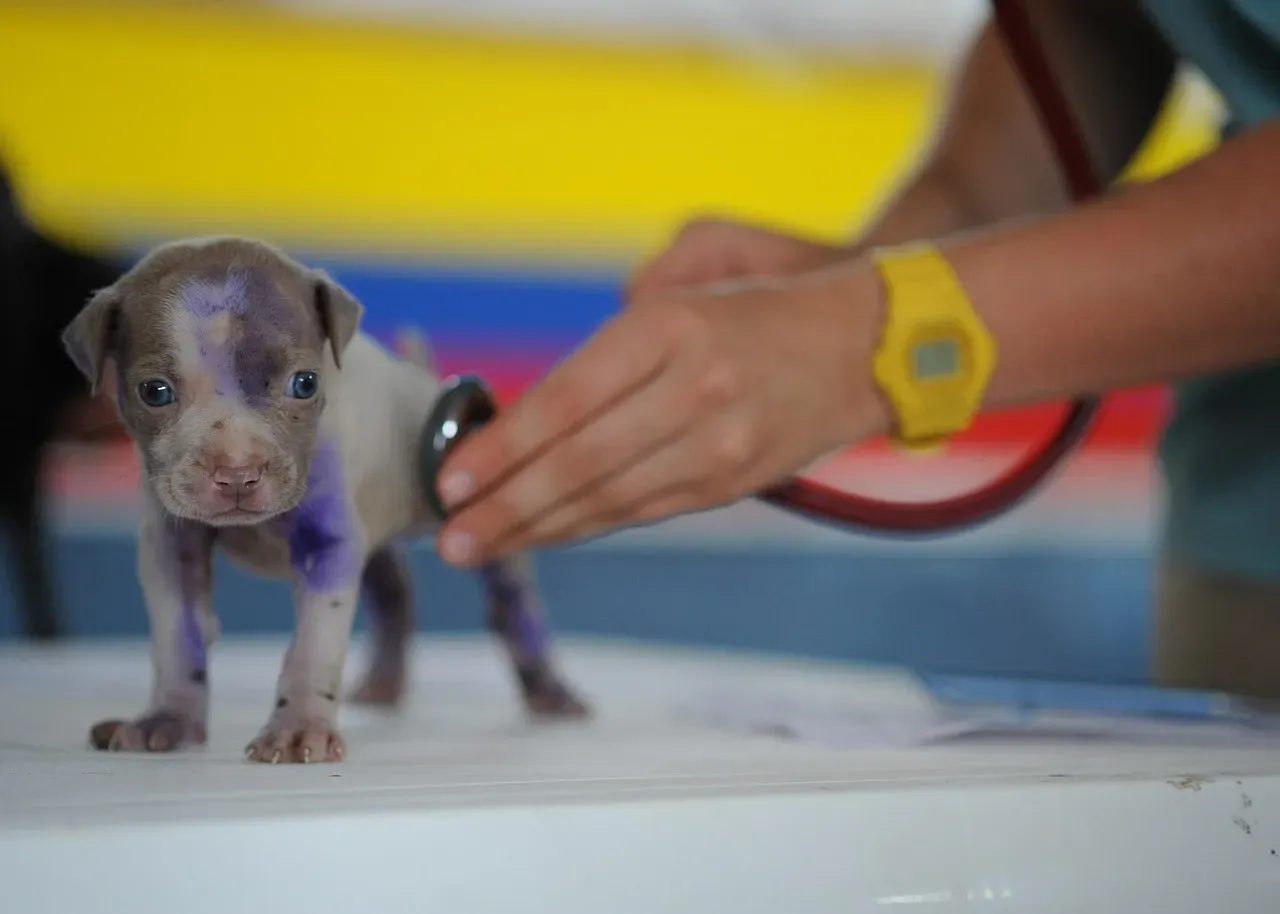
One of the biggest mistakes pet owners make is delaying or skipping vet visits, yet only about forty percent of dog and cat owners visit a vet every year. Annual checkups aren’t just bureaucratic box-ticking. They catch problems early, before they become expensive emergencies.
Your vet can spot dental disease, weight issues, early signs of arthritis, or even hidden tumors during a routine exam. Vaccinations, parasite prevention, blood work for senior dogs – all of this matters more than you might think. If your dog seems fine, great. A vet visit will confirm that and give you peace of mind. If something’s brewing under the surface, you’ll catch it while it’s still manageable.
3. Neglecting Dental Care

Dental hygiene is often ignored until it’s too late, and plaque buildup can lead to infections, tooth loss, or even heart disease. Dog breath shouldn’t be that bad. If it is, that’s a red flag.
Brushing your dog’s teeth might sound ridiculous at first, I get it. Yet it’s one of the most overlooked aspects of canine health. Use vet-approved toothpaste, give them dental chews, and schedule annual cleanings if needed. Gum disease is painful, and it doesn’t just stay in the mouth. Bacteria from infected gums can spread to vital organs. Your dog can’t tell you their teeth hurt, so you have to be proactive.
4. Inadequate Exercise and Mental Stimulation
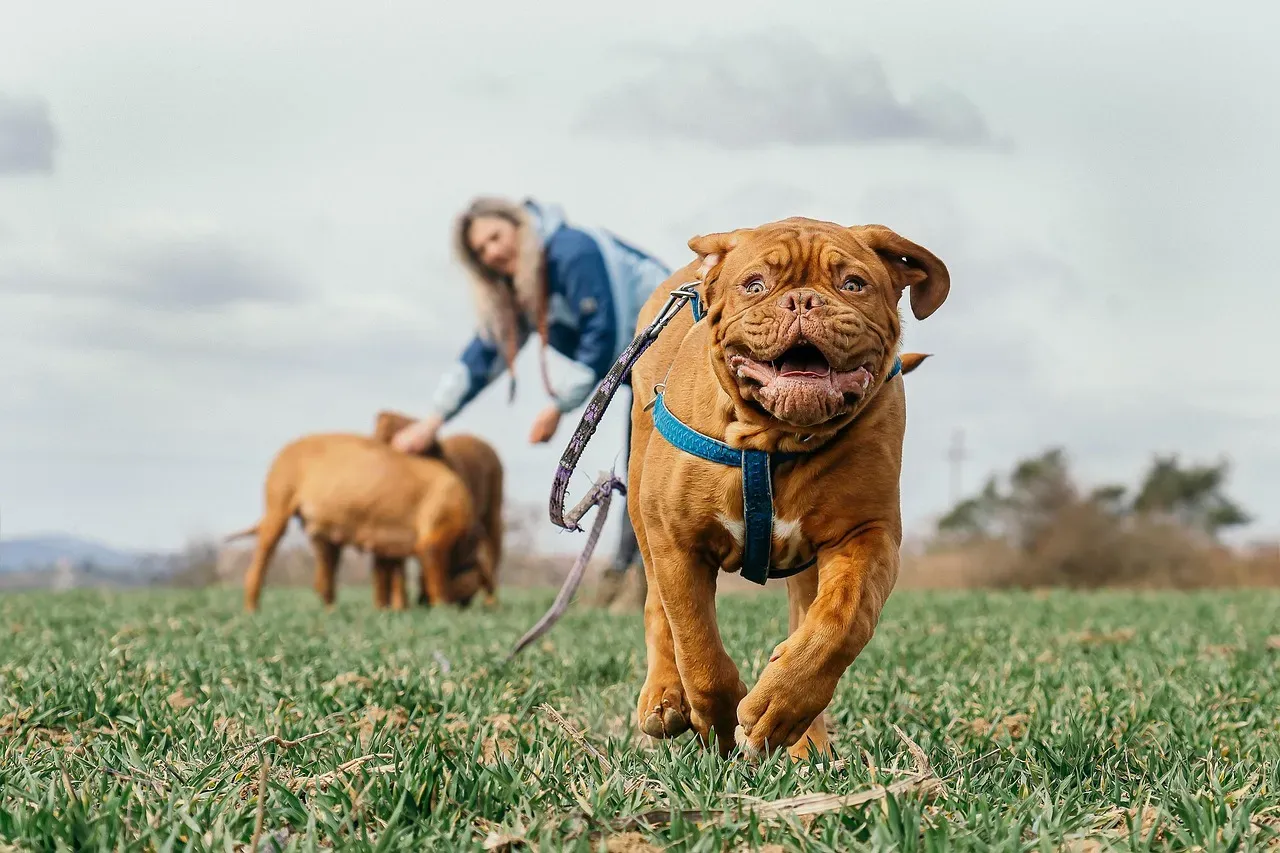
Dogs have lots of doggy energy to burn off, and they need regular exercise and entertainment just to stay fit and happy. A bored dog is a destructive dog. They’ll chew your shoes, dig up your yard, or bark nonstop.
Different breeds have different needs, obviously. A Border Collie requires way more activity than a Bulldog. Still, every dog needs daily physical activity and something to occupy their mind. Puzzle toys, scent games, training sessions – these things matter just as much as a good walk. Think of it this way: a tired dog is a good dog. If your pup is acting out, ask yourself whether they’re truly getting enough stimulation.
5. Inconsistent or Nonexistent Training
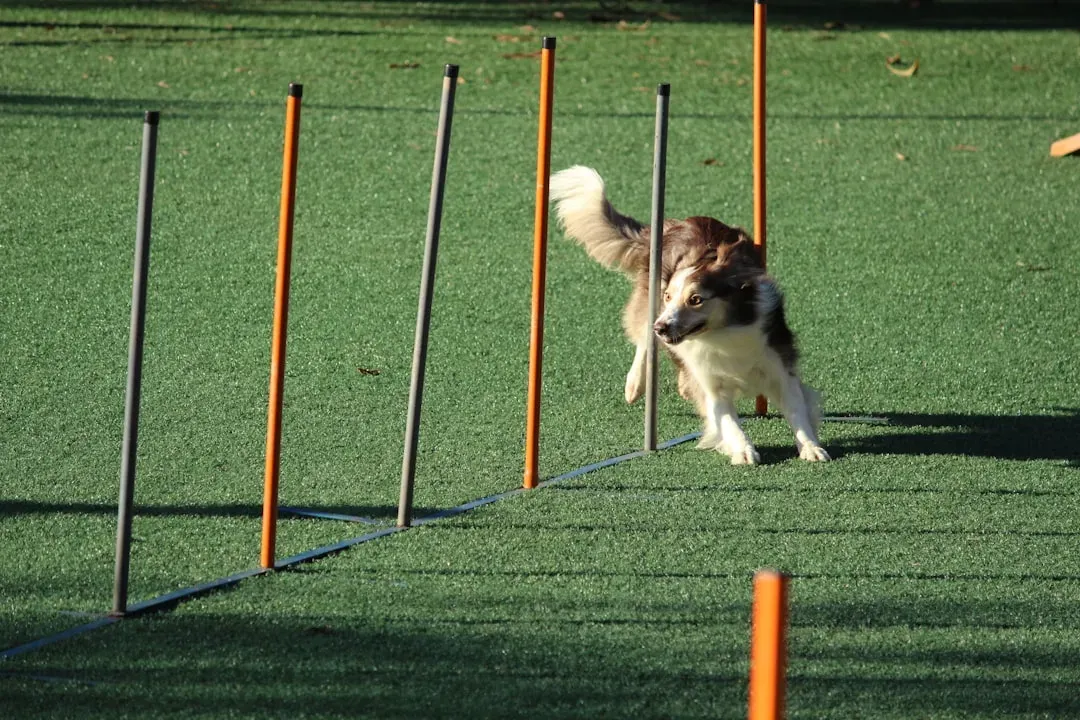
Dogs should be able to have their behavior controlled with vocal commands, and the most important ones are Sit, Stay, Come, Heel, and Lay Down. Training isn’t optional. It’s a safety issue.
Imagine your dog bolting toward a busy street and you yell “Come!” If they don’t listen, that’s a disaster waiting to happen. Training also builds trust and communication between you and your dog. Start early, be consistent, and keep sessions short. Don’t let your dog get away with something one day and then scold them for it the next. Mixed signals only confuse them and weaken your authority.
6. Failing to Socialize Properly

Socialization means introducing your pup to new places and faces, and this is crucial for ensuring that little Fido feels at ease and behaves well in new environments, with this treatment needing to be completed within a specific time frame, typically between the ages of three and fourteen weeks. Miss that window, and you could be dealing with fear and aggression issues for years.
Socialization doesn’t mean your puppy has to greet every dog at the park. It’s really about controlled, positive exposure to different sights, sounds, people, and environments. A well-socialized dog is confident and adaptable. A poorly socialized one might lunge, cower, or react unpredictably in unfamiliar situations. Even adult dogs benefit from continued socialization, though it’s easier when started young.
7. Repeating Commands Over and Over
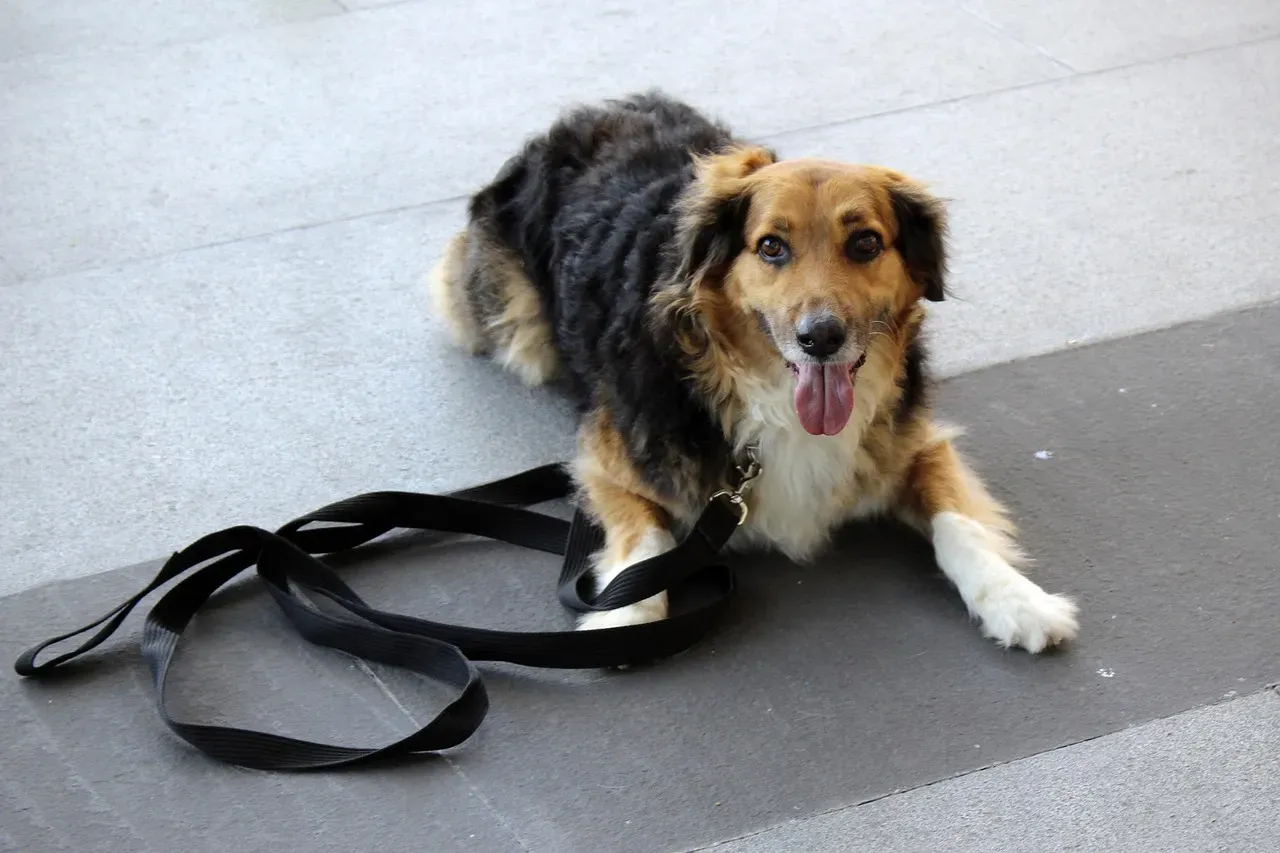
One of the biggest problems is cue nagging, when your dog doesn’t respond to a cue, so you keep repeating it, and by repeating the cue, you’ve taught your pet that he doesn’t have to respond right away. You’re essentially training them to ignore you until the fifth “Come!”
Say the command once. Wait. If your dog doesn’t respond, move closer or use a different strategy, like making a noise to get their attention. Repeating yourself weakens the command’s power and makes you sound like background noise. Patience and clarity are everything in dog training.
8. Rewarding Bad Behavior Without Realizing It
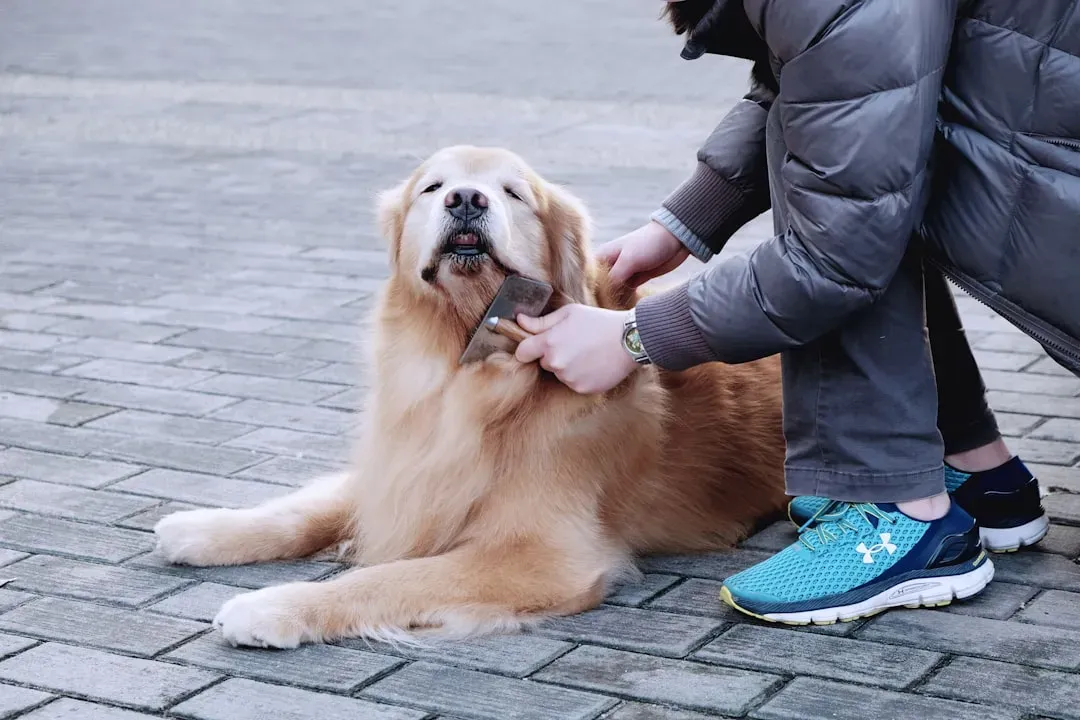
Some pet owners support bad behavior without realizing it, such as allowing a dog to come inside because they’re barking, or sliding them scraps of human food while cooking, and if you give them attention, they’ll be motivated to repeat those frowned-upon actions. Dogs don’t understand human logic. They understand patterns.
If your dog barks at the door and you let them in, you’ve just rewarded the barking. If they jump on you and you pet them to calm them down, you’re reinforcing the jumping. Pay attention to what you’re actually teaching your dog through your responses. Ignore unwanted behaviors and reward the good ones.
9. Not Microchipping or Using Proper ID
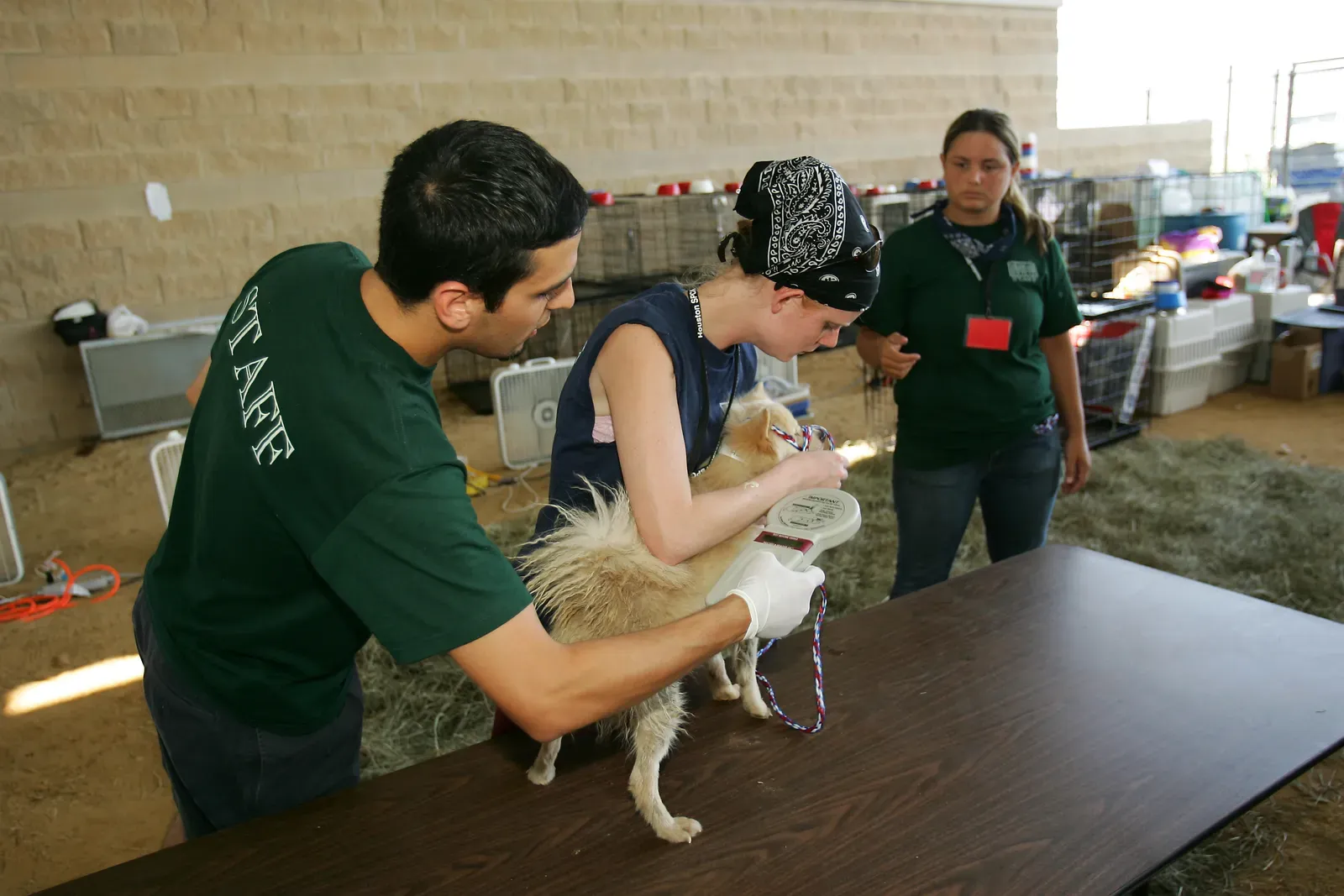
As many as one in three pets will go missing over the course of their lives, and even the most loyal and loving dog or cat can run off or slip out through an open gate or door, making microchipping an absolute must. A collar with tags is great, yet collars can slip off.
A microchip is a tiny device implanted under your dog’s skin, usually between the shoulder blades. It’s permanent, painless after insertion, and could literally save your dog’s life. Shelters and vets scan for chips when stray animals come in. Make sure your contact information is up to date in the registry. This simple step dramatically increases the chances of getting your dog back if they ever wander off.
10. Ignoring Grooming and Paw Care
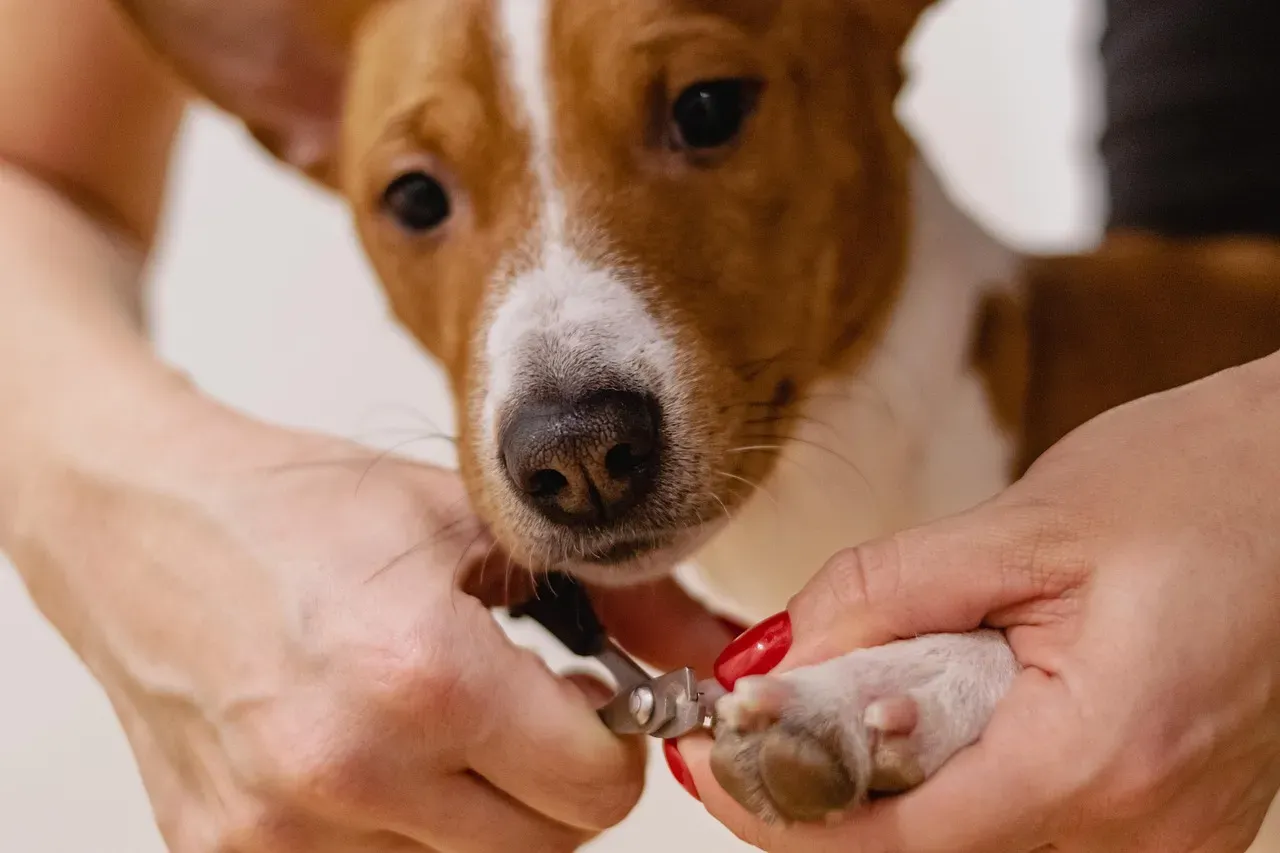
Overgrown nails influence how your four-legged buddy moves and stands, can increase chances of slipping and falling on slick surfaces, and aggravate bone or joint problems, while long nails also make it hard for dogs to gain good traction. Grooming isn’t just about looking cute.
Regular brushing removes dead hair, prevents matting, and lets you check for ticks, fleas, or skin issues. Nail trims are essential for comfort and mobility. Paw pads can crack and need moisturizing. Ear cleanings prevent infections, especially in floppy-eared breeds. Skipping grooming can lead to painful conditions that affect your dog’s quality of life. Set a routine and stick to it.
11. Using Punishment-Based Training Methods
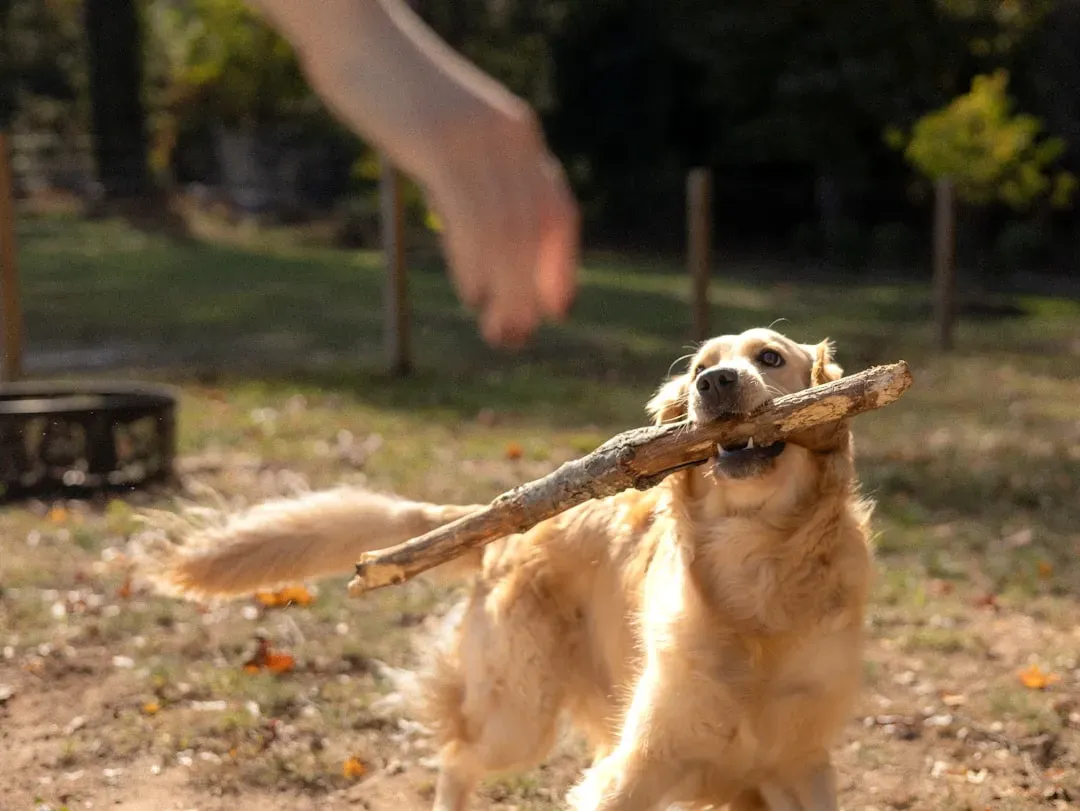
Yelling, hitting, or using harsh corrections might stop a behavior in the moment, yet they also damage your relationship with your dog. Punishment can lead to fear, anxiety, and even aggression in dogs. Dogs trained through fear may obey out of terror, not respect or understanding.
Positive reinforcement is far more effective and humane. Reward what you want to see more of, and redirect unwanted behaviors without resorting to intimidation. A dog trained with kindness is confident, eager to please, and actually enjoys working with you. There’s no reason to use outdated, harmful methods when science-backed alternatives work better.
12. Not Spaying or Neutering
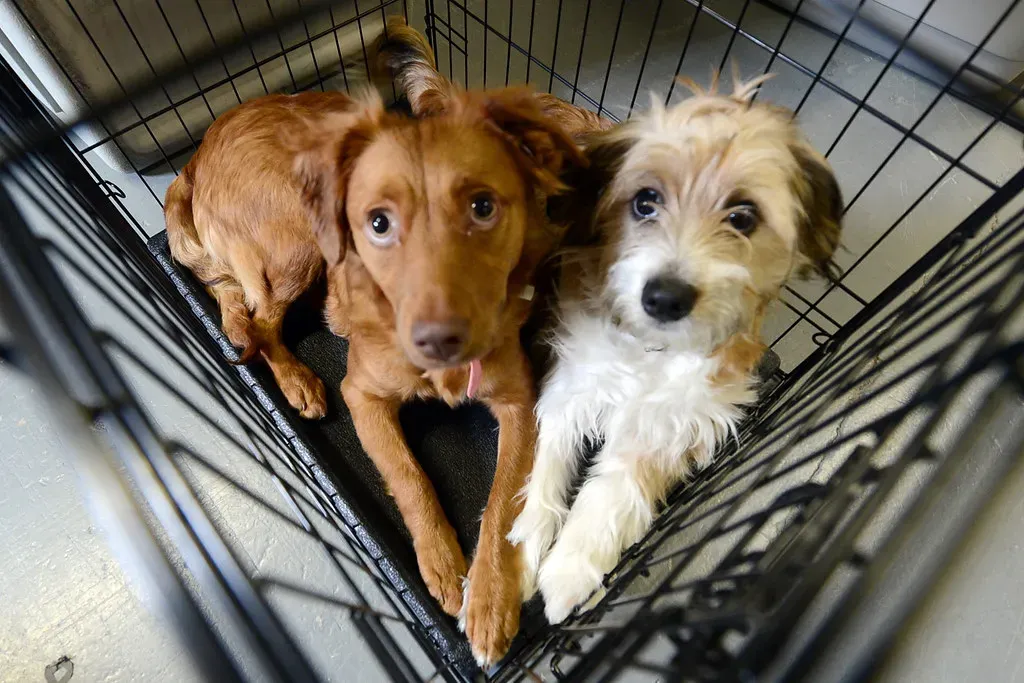
Uncontrolled breeding contributes to overpopulation and may increase health risks such as cancer or infections, while spaying and neutering also improve behavior by reducing aggression and marking. Unless you’re a responsible breeder, there’s really no reason to keep your dog intact.
Spaying and neutering reduce the risk of certain cancers and infections. They also help curb behaviors like roaming, mounting, and territorial aggression. Talk to your vet about the best age for the procedure. This is one of those decisions that benefits both your dog and the broader community by preventing unwanted litters.
13. Leaving Dogs Alone for Too Long

Loneliness can cause depression, separation anxiety, and destructive behavior, as pets need companionship, attention, and stimulation to stay happy. Dogs are social animals. They’re not meant to be left alone for ten hours a day, five days a week.
If you work long hours, consider a dog walker, doggy daycare, or a pet sitter. Make sure your dog has engaging toys and a comfortable space. When you are home, give them your full attention. Quality time strengthens your bond and helps prevent anxiety-related issues. A lonely dog isn’t just sad. They can become anxious, destructive, or develop serious behavioral problems.
14. Feeding Human Food and Toxic Substances
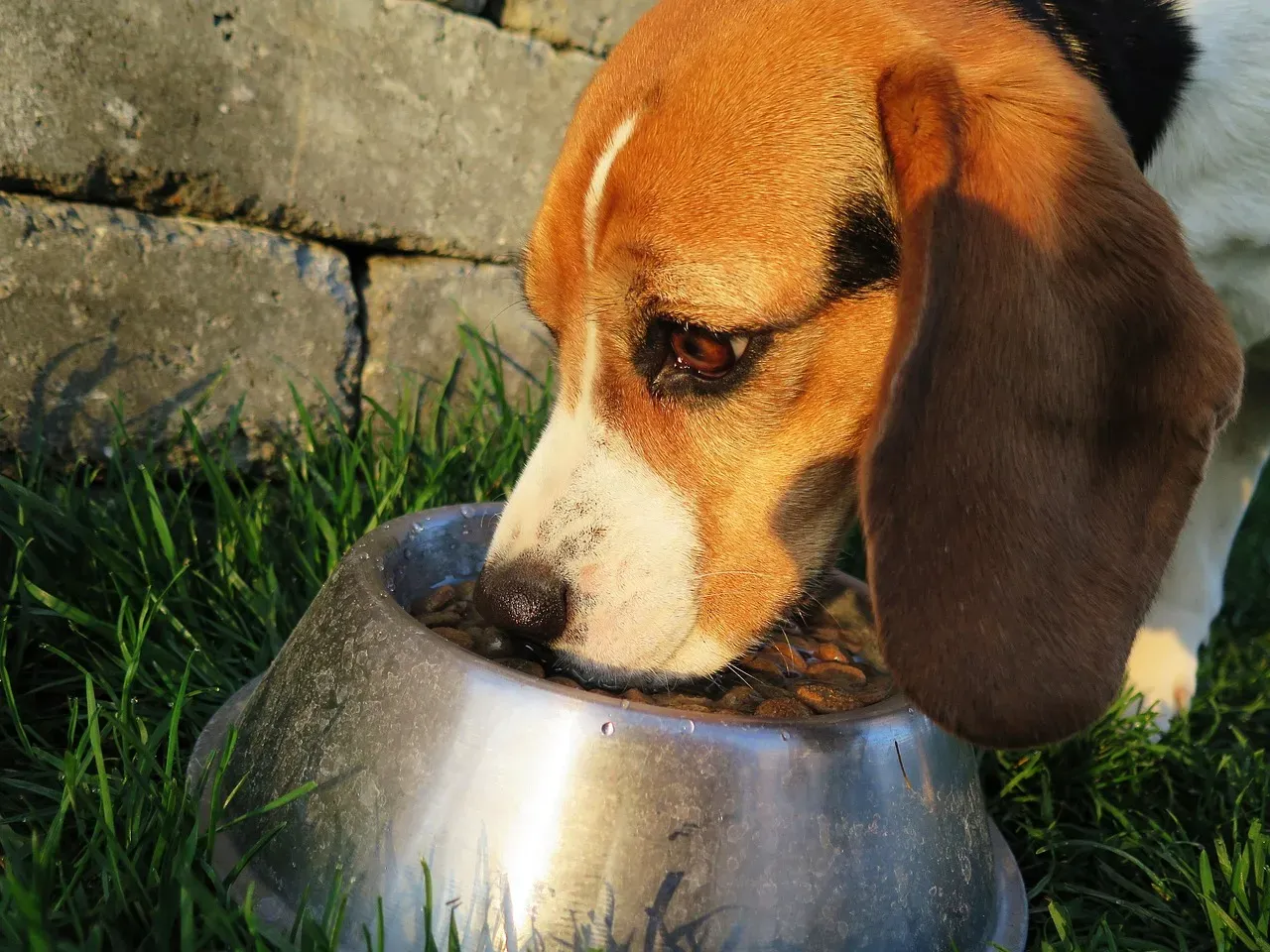
Chocolate, grapes, onions, garlic, xylitol – these are just some of the foods that can poison your dog. Many owners equate love with food, leading to obesity, diabetes, and digestive issues, and overfeeding or offering human food can cause nutritional imbalances or toxic reactions. Not everything safe for humans is safe for dogs.
Keep harmful substances out of reach, including cleaning products, medications, and certain plants. Know which foods are dangerous and never share them, no matter how cute the begging gets. If your dog ingests something toxic, contact your vet or an emergency clinic immediately. Time matters in poisoning cases.
15. Training in Only One Environment
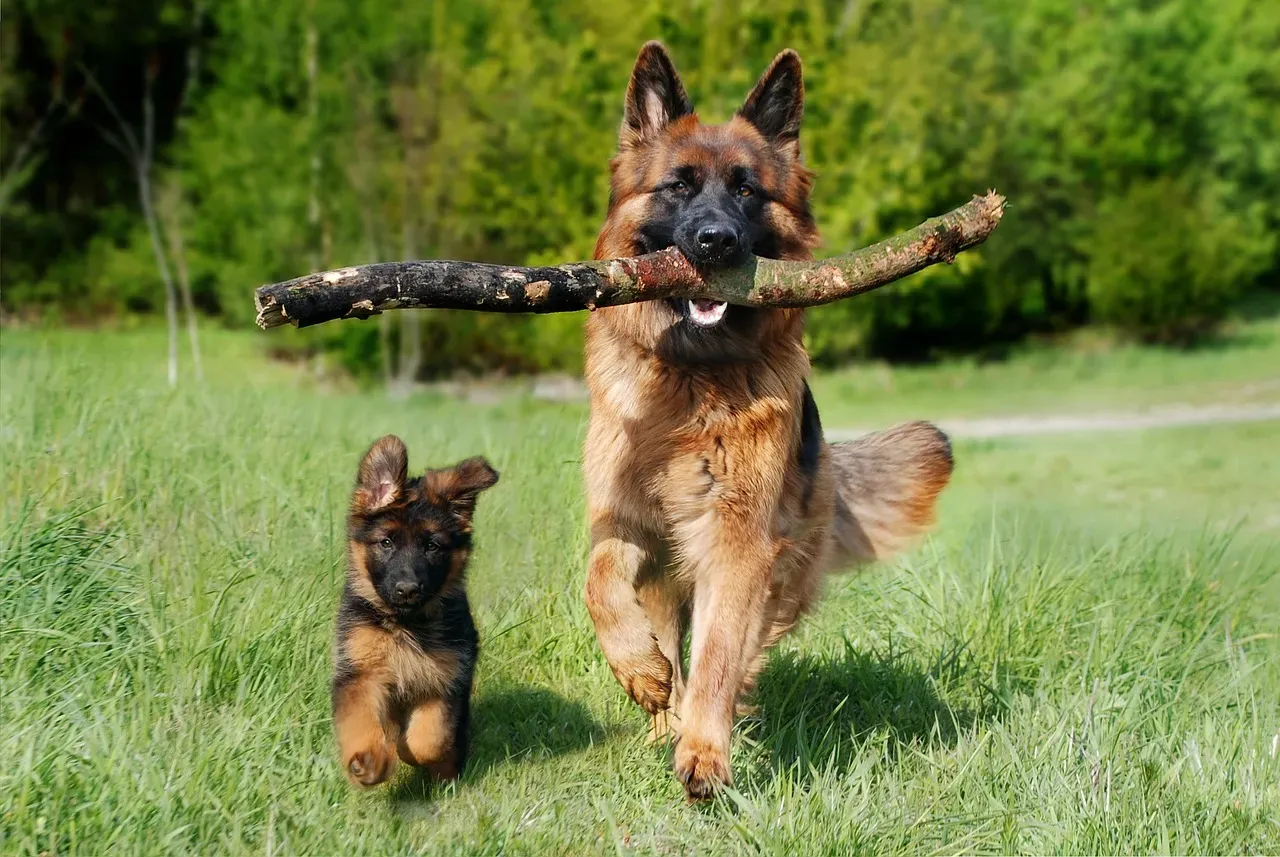
Dogs don’t generalize well, meaning if you teach your dog to sit in the kitchen, they’ll think the cue for sit means sit in the kitchen, and you need to train your dog in many different environments before they understand that their cues apply no matter where they are. This is a huge oversight.
Practice commands in the yard, at the park, in parking lots, and around distractions like other dogs or kids playing. Start easy and gradually increase difficulty. A dog that only obeys at home isn’t really trained. They’ve just memorized a routine in one specific setting. Real training means they respond no matter where they are or what’s happening around them.
16. Skipping Preventive Parasite Control
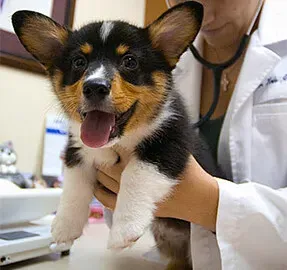
Fleas, ticks, heartworms, intestinal worms – all of these can cause serious health problems. Preventive medications are far cheaper and easier than treating an infestation or infection. Yet plenty of owners skip them or use inconsistent schedules.
Talk to your vet about the best preventive plan for your area and lifestyle. Some parasites are just annoying. Others, like heartworms, can be fatal. Regular fecal tests catch intestinal parasites early. Don’t wait until you see worms in your dog’s stool or find ticks embedded in their skin. Prevention is always better than treatment.
17. Ignoring Behavioral Changes

Pets can’t tell you when they’re unwell, but their behavior often gives clues, and a sudden change in appetite, sleep, or energy could signal illness or stress. Dogs can’t say “Hey, I’m not feeling great.” They show you through their actions.
If your normally energetic dog becomes lethargic, or your food-motivated pup suddenly loses interest in meals, something’s wrong. Increased thirst, changes in bathroom habits, excessive panting, or hiding are all red flags. Don’t brush off behavioral shifts as just “getting older” or “being moody.” Trust your gut and get a vet’s opinion. Early detection can make all the difference.
18. Not Establishing Clear Boundaries
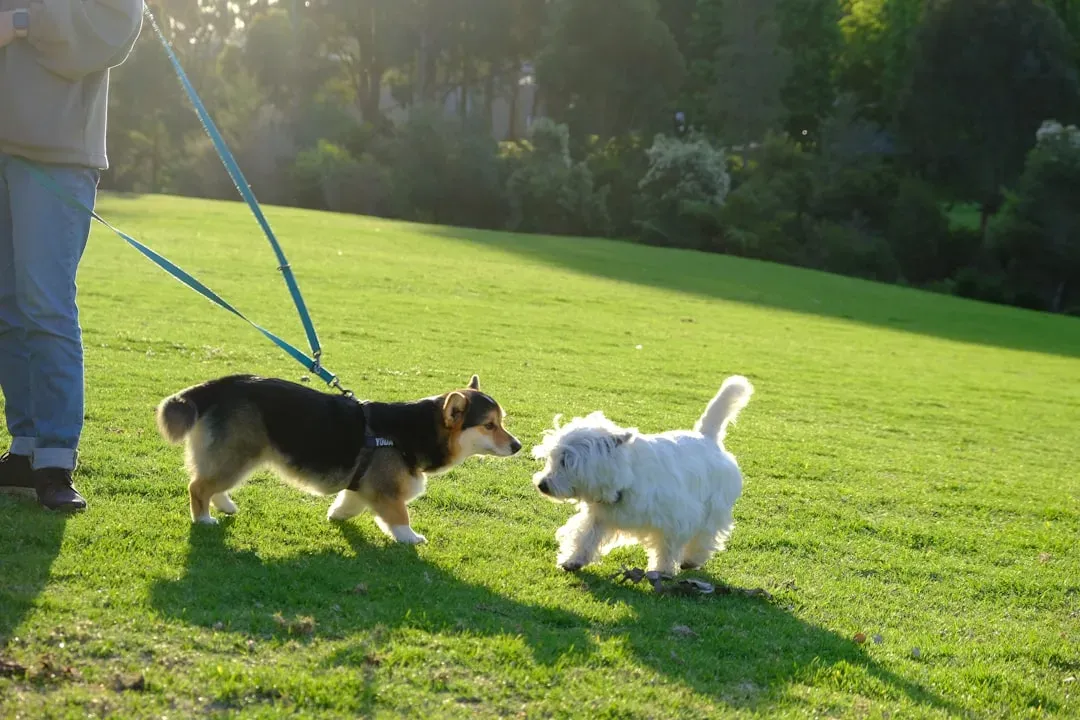
Inconsistent or unclear boundaries can lead to confusion and anxiety in dogs, and some pet owners make the mistake of being overly permissive or failing to establish clear rules, so it’s important to clearly communicate expectations and be consistent in enforcing boundaries. Dogs actually thrive on structure.
Decide what’s allowed and what’s not. Can they be on the furniture? Do they wait for permission before eating? Are they allowed to jump on guests? Whatever your rules are, enforce them consistently. A dog that doesn’t know what’s expected will test boundaries constantly, which creates stress for everyone. Clear, consistent rules create a calm, confident dog.
19. Giving Up on Training Too Soon
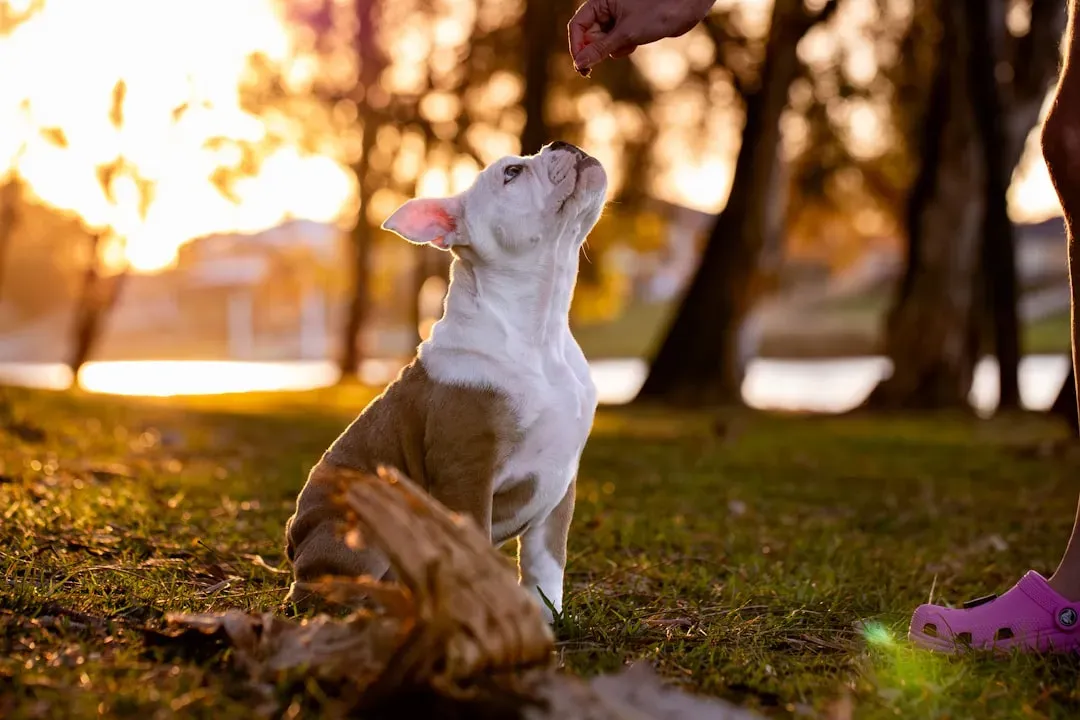
Dog training requires patience, consistency, and time, and many pet owners make the mistake of giving up on training too soon, especially when faced with challenging behaviors, as progress takes time and setbacks are normal. Training is a marathon, not a sprint.
You won’t see perfect results overnight. Some behaviors take weeks or even months to change, especially if you’re dealing with fear, anxiety, or ingrained habits. Stay patient. Celebrate small wins. If you’re feeling overwhelmed, hire a professional trainer or behaviorist. Giving up guarantees the problem will continue or get worse. Sticking with it pays off.
20. Failing to Prepare Your Home for a Dog

Bringing home a new dog without proper preparation is like inviting a toddler into a house full of hazards. Electrical cords, toxic plants, small objects they could choke on, unsecured trash cans – all of these pose risks.
Set up a safe space with food, water, a comfortable bed, and toys before your dog arrives. Puppy-proof or dog-proof your home by securing dangerous items and creating boundaries with baby gates if needed. A smooth transition helps your dog settle in faster and prevents accidents. Taking the time to prepare shows you’re serious about responsible pet ownership.
Conclusion

Caring for a dog is one of the most rewarding things you’ll ever do. It’s also a huge responsibility that goes way beyond kibble and belly rubs. The mistakes we’ve covered here aren’t about being a bad owner. They’re about not knowing what you don’t know. Now you do.
Small changes can make a massive difference in your dog’s health, happiness, and behavior. Whether it’s finally scheduling that vet appointment, starting consistent training, or simply paying closer attention to what your dog is trying to tell you – every step forward matters. Your dog depends on you for everything. Give them the care they truly deserve. What surprised you most on this list? Maybe it’s time to make a change or two. Your pup will thank you for it.


