
You know that feeling when you bring a dog into your life and suddenly everything makes sense? There’s nothing quite like the unconditional love of a canine companion. They greet us with wagging tails, forgive us instantly, and somehow make even the toughest days brighter. We want to give them the world in return.
Here’s the thing, though. Love alone isn’t enough. Even the most devoted dog parents can unknowingly make mistakes that affect their furry friend’s health, happiness, and quality of life. Some of these missteps are subtle. Others are surprisingly common. The good news? Once you know what to watch for, you can course-correct and give your pup the care they truly deserve. Let’s dive into the most frequent slip-ups and how to avoid them.
Overfeeding Your Best Friend

Obesity can lead to a whole slew of health issues in your furry pal, yet so many of us fall into the trap of equating food with love. Those soulful eyes are hard to resist, I’ll admit.
Obesity is one of the most common issues we encounter in our canine companions, and carrying even a few excess pounds might be detrimental to your lovely pet’s health and well-being. Weight problems contribute to joint pain, heart disease, diabetes, and can even shorten your dog’s lifespan. Measure portions carefully using feeding guidelines as a starting point, then adjust based on your individual dog’s metabolism and activity level.
Skipping Regular Vet Visits
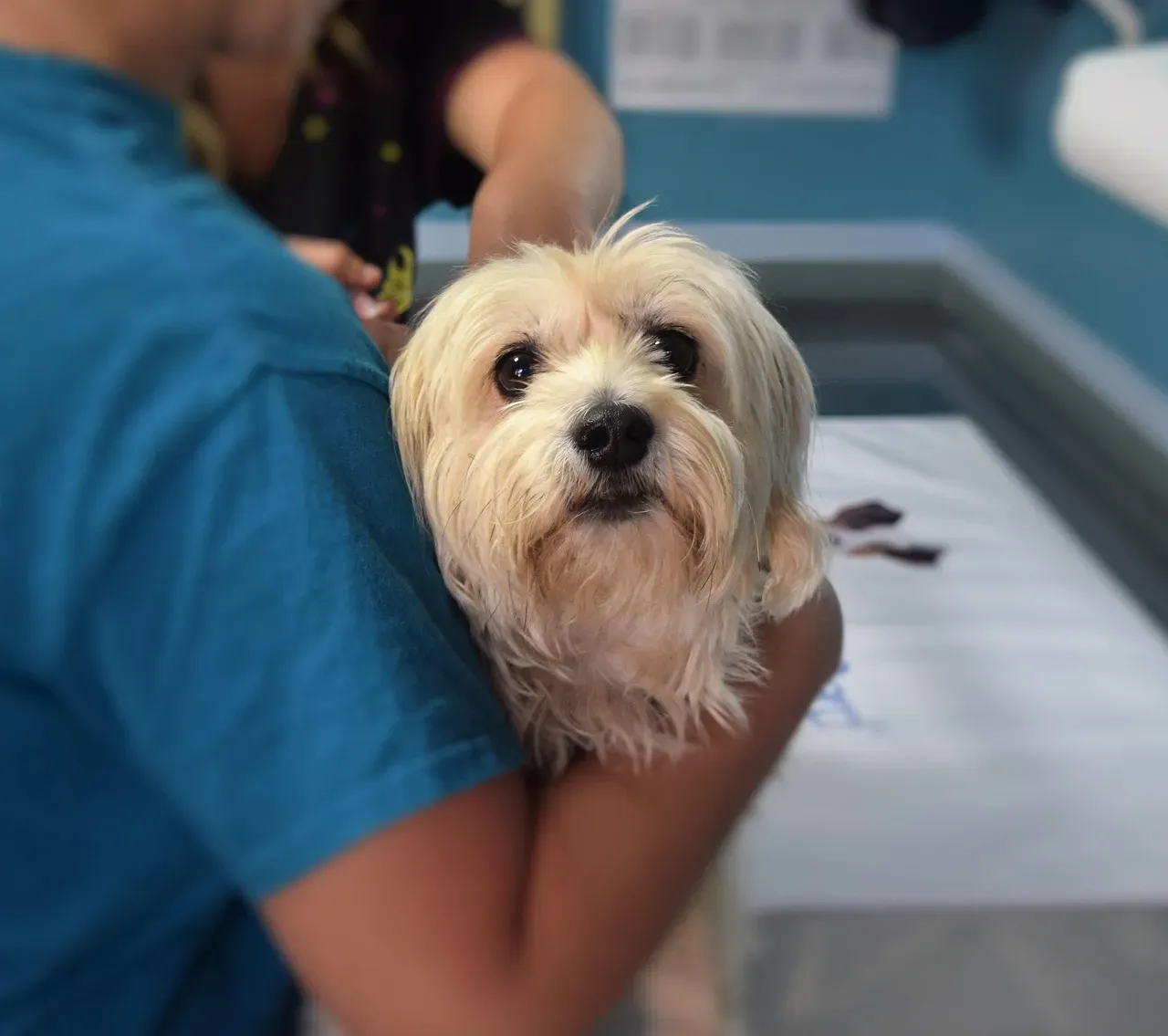
Think annual checkups are optional? Think again. One of the biggest mistakes pet owners make is delaying or skipping vet visits, as annual checkups are essential for early detection of diseases, dental issues, and weight management.
Even if your dog seems perfectly healthy, preventive care catches problems before they become emergencies. Early detection means easier treatment and better outcomes. Schedule those appointments consistently, keep vaccinations current, and don’t wait until something seems wrong to seek professional guidance.
Ignoring Dental Health

Dental hygiene is often ignored until it’s too late, and plaque buildup can lead to infections, tooth loss, or even heart disease. I know brushing your dog’s teeth might sound excessive, yet it’s genuinely important.
Most dogs show signs of dental disease by age three. Regular brushing with vet-approved toothpaste, dental chews, and professional cleanings prevent painful infections that can spread to vital organs. Check your dog’s mouth regularly for bad breath, red gums, or difficulty chewing.
Neglecting Proper Training
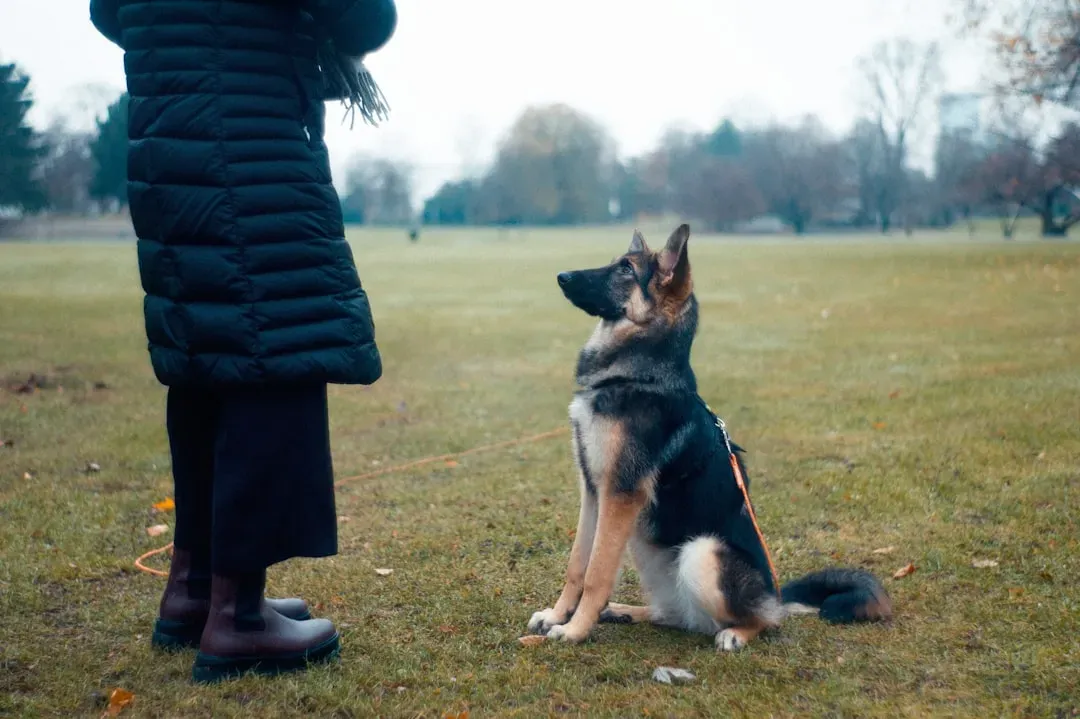
Fido is a very good boy, but he requires adequate training to understand what is and is not acceptable petiquette, and while you don’t have to teach your pooch intricate instructions or cute tricks, he should understand the fundamentals: Sit, Stay, Heel, Come, and Lay Down. Training should begin the day your dog comes home.
Consistency matters enormously here. Don’t allow behavior one day then scold for it the next. Use the same commands every time. Training isn’t about control, it’s about communication and keeping your dog safe in various situations.
Missing the Socialization Window

This process must be performed within a set time frame, usually between the ages of three and fourteen weeks of age, and improper or inadequate socialization at this stage will have a big negative impact on your dog’s behavior as he matures. This critical period shapes how your puppy views the world forever.
Dogs need exposure to diverse environments, people, and other animals to develop proper social skills, and failure to socialize a dog properly can lead to fear, aggression, or anxiety issues later on. Introduce your pup to different sights, sounds, places, and friendly people during this crucial developmental stage.
Providing Insufficient Exercise
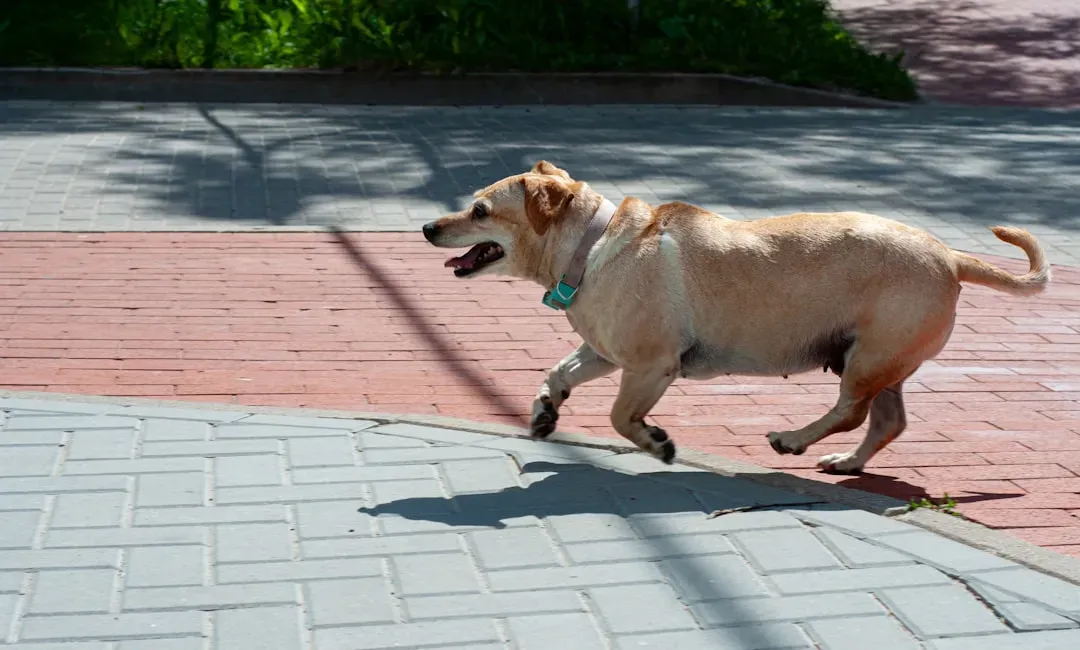
Our canine companions have lots of doggy energy to burn off, and they also need regular exercise and entertainment just to stay fit and happy, so take time to walk and play with Fido every day, and make sure he has plenty of toys. A tired dog is typically a well-behaved dog.
Exercise requirements vary by breed, age, and health status. Some dogs need vigorous runs while others prefer leisurely strolls. Lack of physical activity leads to obesity, destructive behavior, and even depression. Mental stimulation through puzzle toys and training games is equally important.
Feeding Too Many Treats
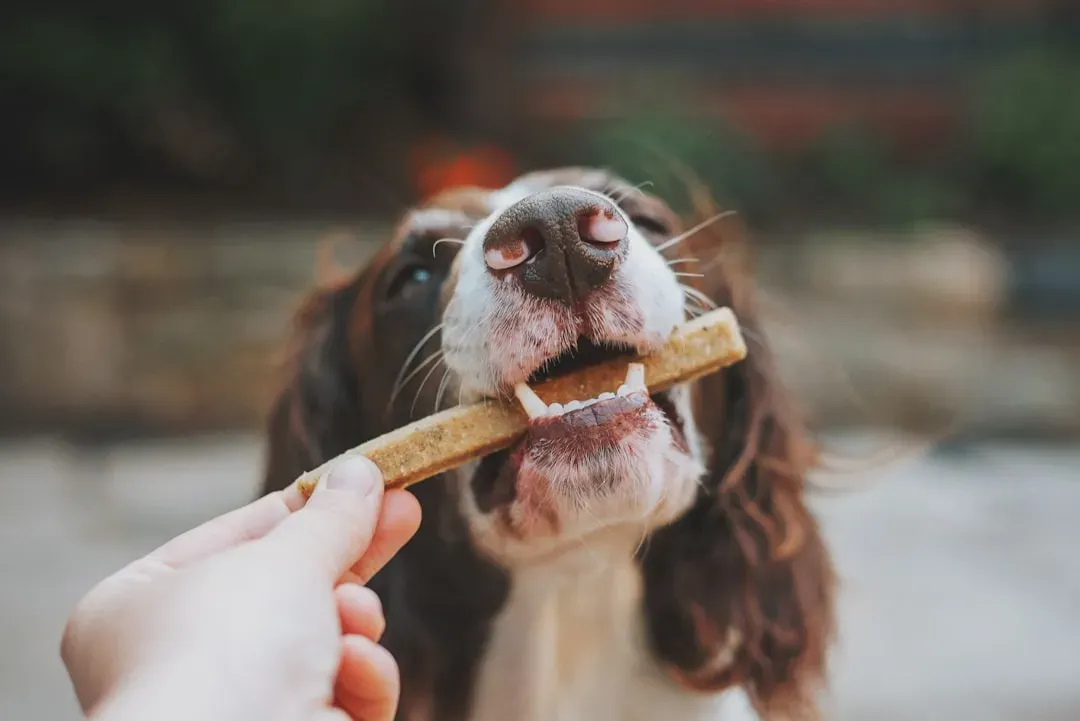
Too many treats is common even when the dog is on a commercial diet, and treats should be limited to no more than 15% of the daily calorie intake since these are often not complete and balanced foods, which may throw off nutrient intake. Those little snacks add up faster than you’d imagine.
Use part of your dog’s regular meal as training rewards instead of extra treats. Low-calorie options like carrots or snap peas work brilliantly too. Remember, attention and praise are also powerful rewards that don’t add calories.
Choosing Poor Quality Food
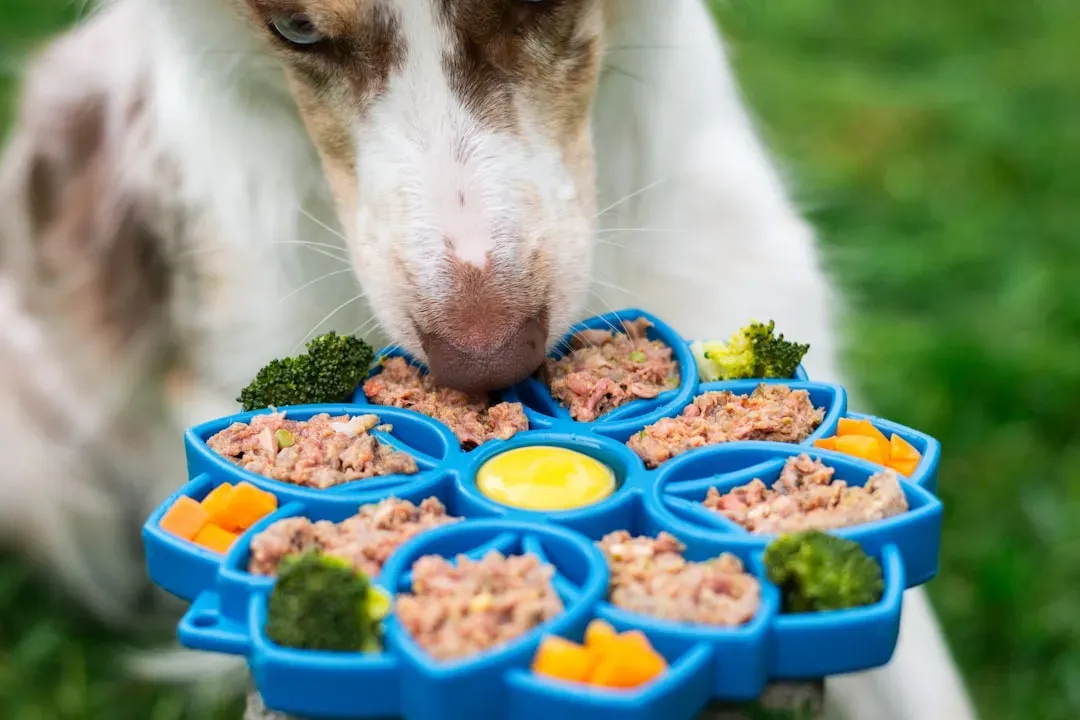
Not all dog foods are created equal. Some cheaper products contain fillers, artificial additives, and low-quality proteins that don’t support long-term health. Feeding your dog the appropriate amount of a well-balanced diet is vital to the maintenance of overall health and well-being.
Look for foods with AAFCO nutritional adequacy statements indicating they’re complete and balanced for your dog’s life stage. High-quality protein sources should top the ingredient list. When in doubt, consult your veterinarian about the best nutritional choice for your specific dog.
Overlooking Grooming Needs
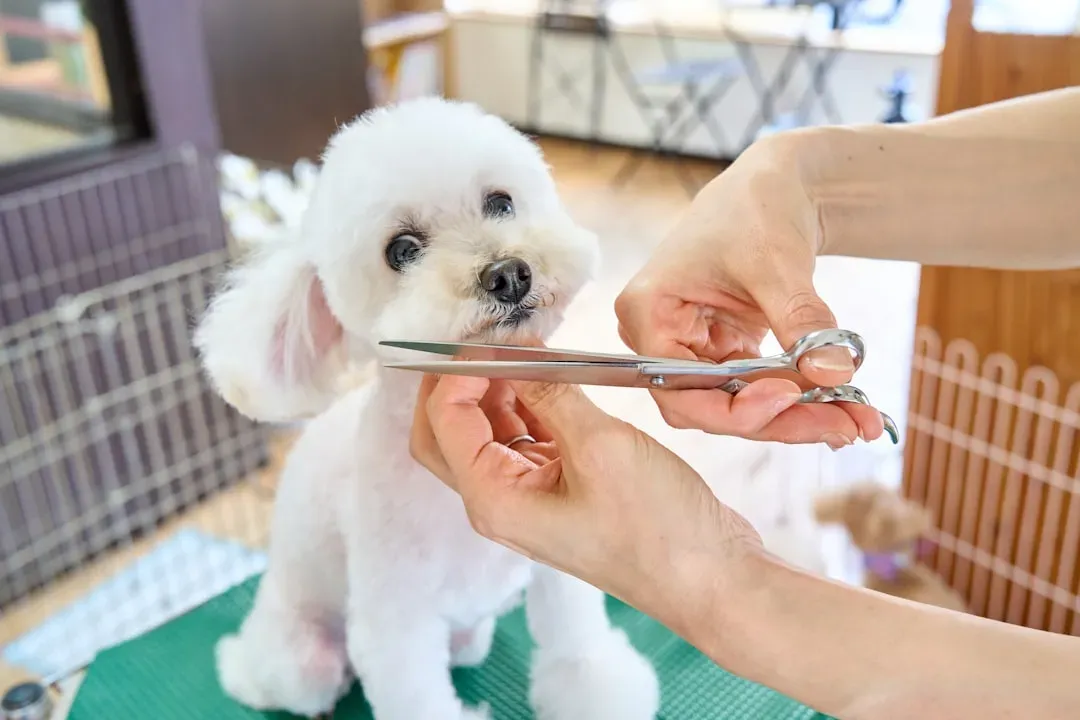
Regular grooming routine includes brushing their dog’s coat to prevent matting and shedding, and regular brushing not only keeps your dog’s coat healthy but also allows you to check for ticks, fleas, and skin issues. Grooming isn’t just about appearance.
Overgrown nails influence how your four-legged buddy moves and stands, and they can increase Fido’s chances of slipping and falling on slick surfaces and, worse, aggravate bone/joint problems. Establish a regular grooming routine appropriate for your dog’s breed and coat type.
Forgetting About Microchipping

As many as one in three pets will go missing over the course of their lives, and microchipping is an absolute must for this reason. Even the most obedient dog can bolt through an open door or slip out of a collar.
A microchip is a tiny device implanted under the skin that contains your contact information. Shelters and veterinary clinics scan found pets for chips. It’s a simple, one-time procedure that could literally save your dog’s life by reuniting you if they ever get lost.
Giving Dangerous Human Foods
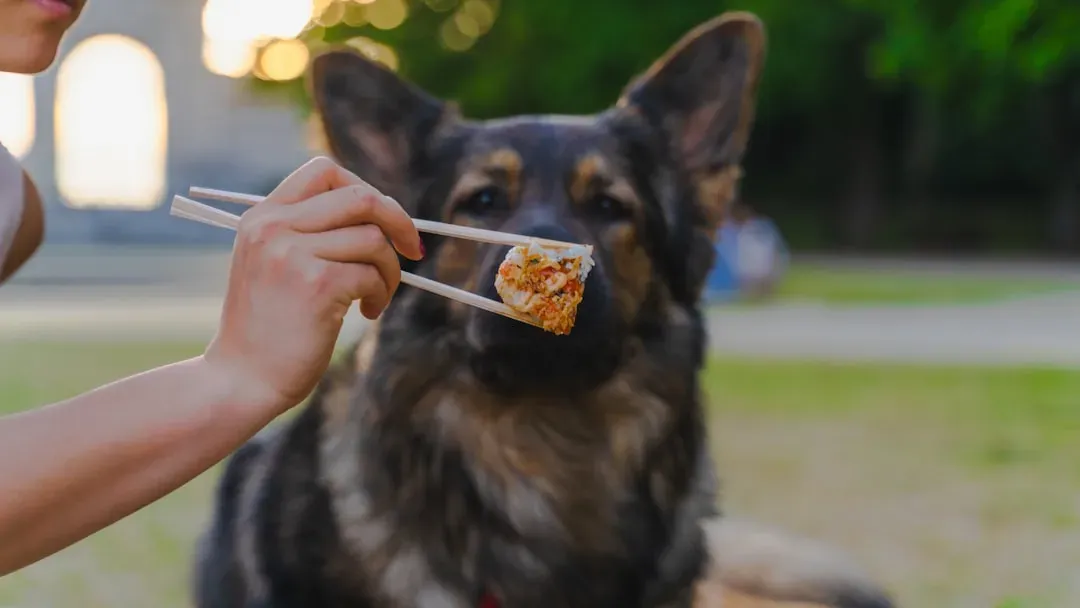
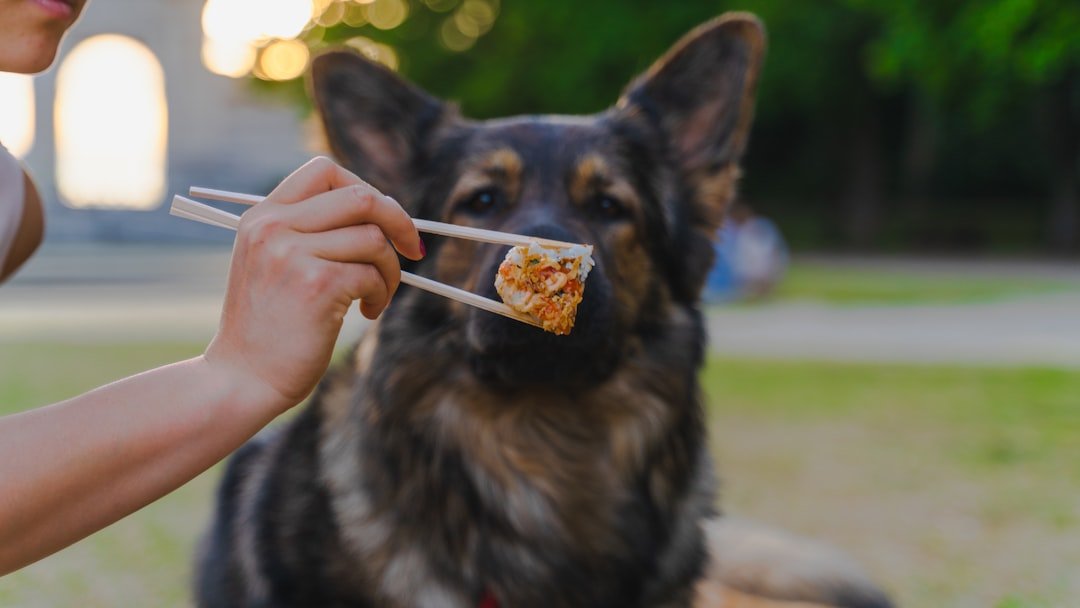
Many people think sharing human food with dogs is harmless, but lots of common foods – such as anything with spices or onions, chocolate, grapes, and coffee – are toxic to dogs, and eating them can cause serious health problems, including vomiting, diarrhea, and sometimes life-threatening complications.
Even seemingly innocent foods can be dangerous. Xylitol, found in sugar-free products, is deadly. Fatty foods trigger pancreatitis. Stick to dog-safe treats and keep human snacks out of reach.
Inconsistent Feeding Schedules
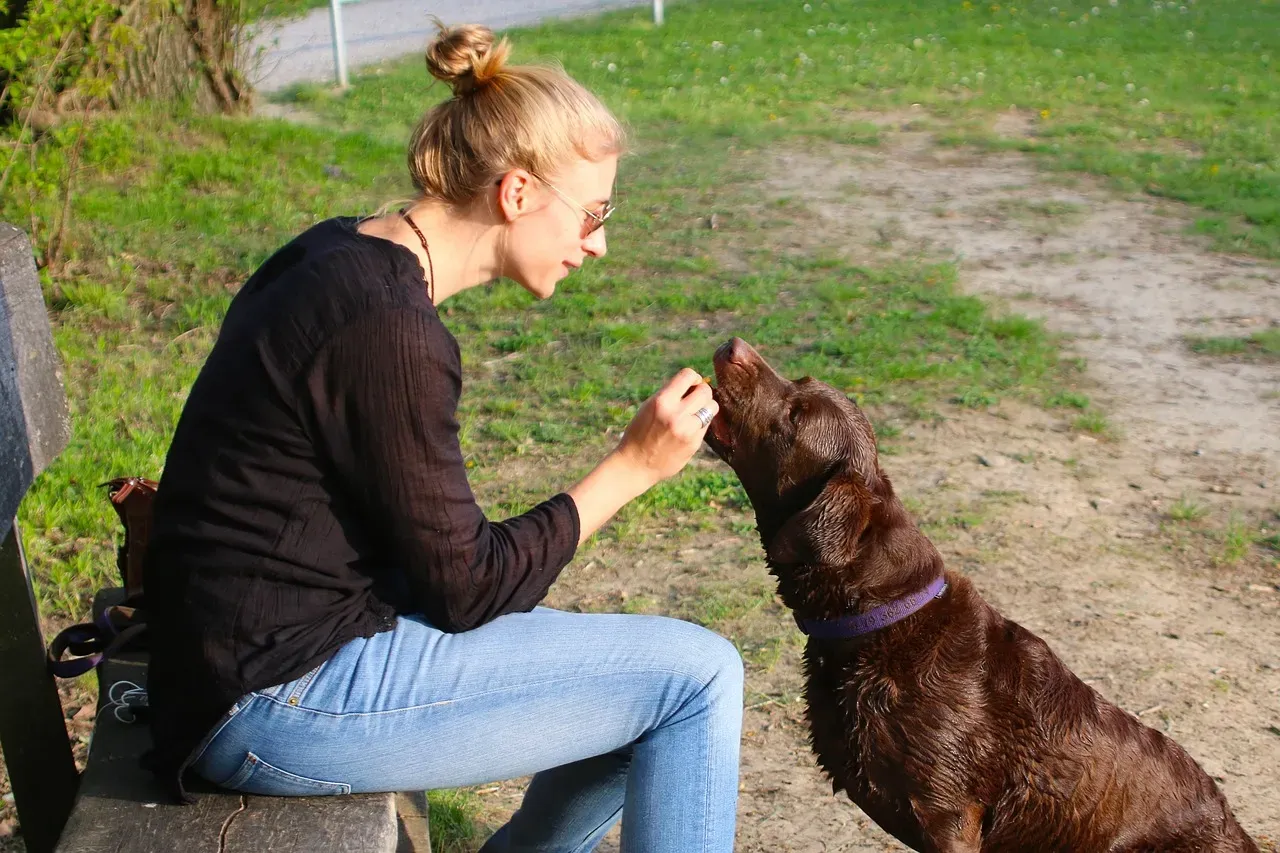
Dogs thrive on routine, and feeding at random times can cause digestive upset, lead to begging behaviors, or increase the risk of bloat in large breeds. Establishing regular mealtimes creates structure and aids digestion.
Most adult dogs do well with two meals daily at consistent times. Puppies need more frequent feeding. Free-feeding, where food sits out all day, often leads to overeating and makes it harder to monitor appetite changes that might signal illness.
Misreading Behavior Changes

Pain is one of the most common physical reasons for behavioral changes in dogs, and a dog who’s developing arthritis may seem more tired than normal or could appear grumpy when moved. Dogs can’t tell us when something hurts.
Sudden aggression, withdrawal, excessive sleeping, or loss of interest in favorite activities often indicates pain or illness rather than misbehavior. Dogs often hide early signs of illness, making vigilance key for every pet owner. Trust your instincts when something feels off.
Neglecting Mental Stimulation
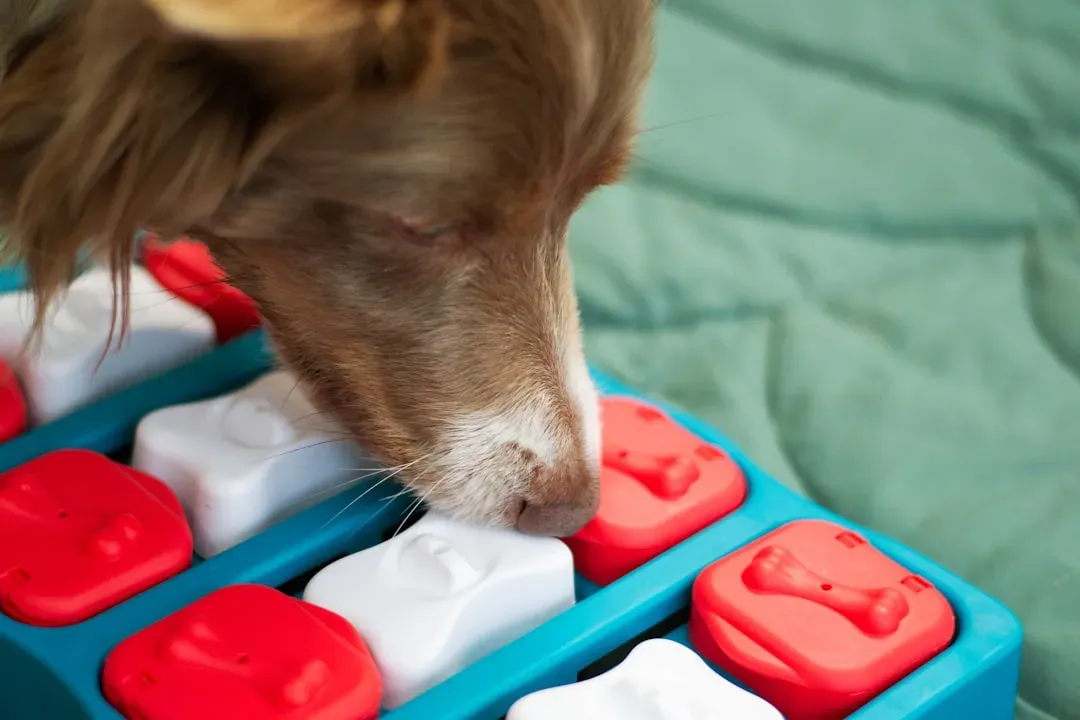
Physical exercise alone isn’t enough. Dogs need mental challenges to stay sharp and content. Boredom leads to destructive behaviors like excessive chewing, digging, or barking. Puzzle toys, scent work, and learning new tricks keep your dog’s mind engaged.
Rotate toys regularly to maintain novelty. Training sessions don’t need to be long, just consistent. Even senior dogs benefit from gentle mental challenges that keep cognitive function strong as they age.
Using Punishment-Based Training
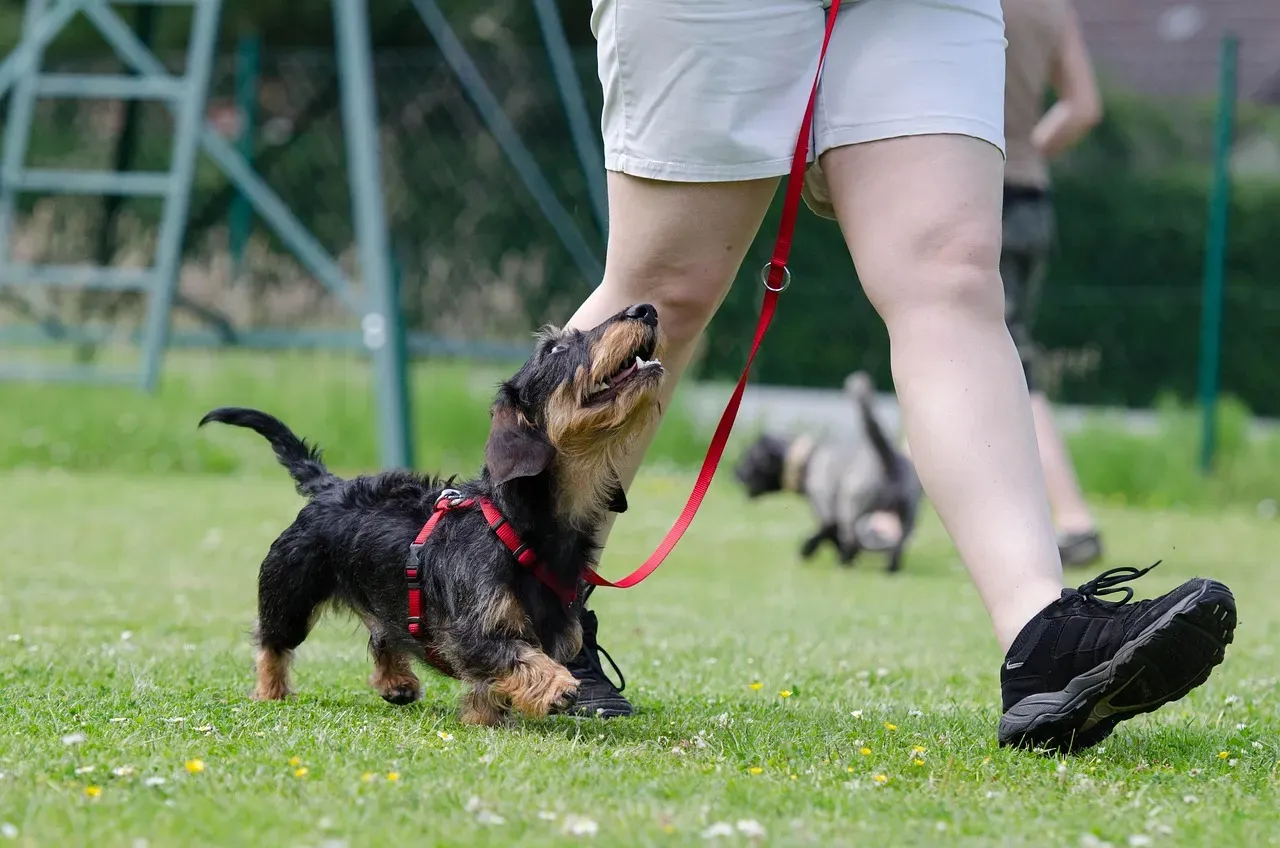
Harsh corrections damage the trust between you and your dog. When repeating cues to your dog, you become frustrated, and when this becomes evident in your tone of voice, your dog can pick this up and become stressed out, resulting in them ignoring you.
Positive reinforcement training builds confidence and strengthens your bond. Reward desired behaviors immediately with treats, praise, or play. Ignore or redirect unwanted behaviors rather than punishing them. This approach is more effective and creates a happier, more cooperative dog.
Allowing Off-Leash Freedom Inappropriately
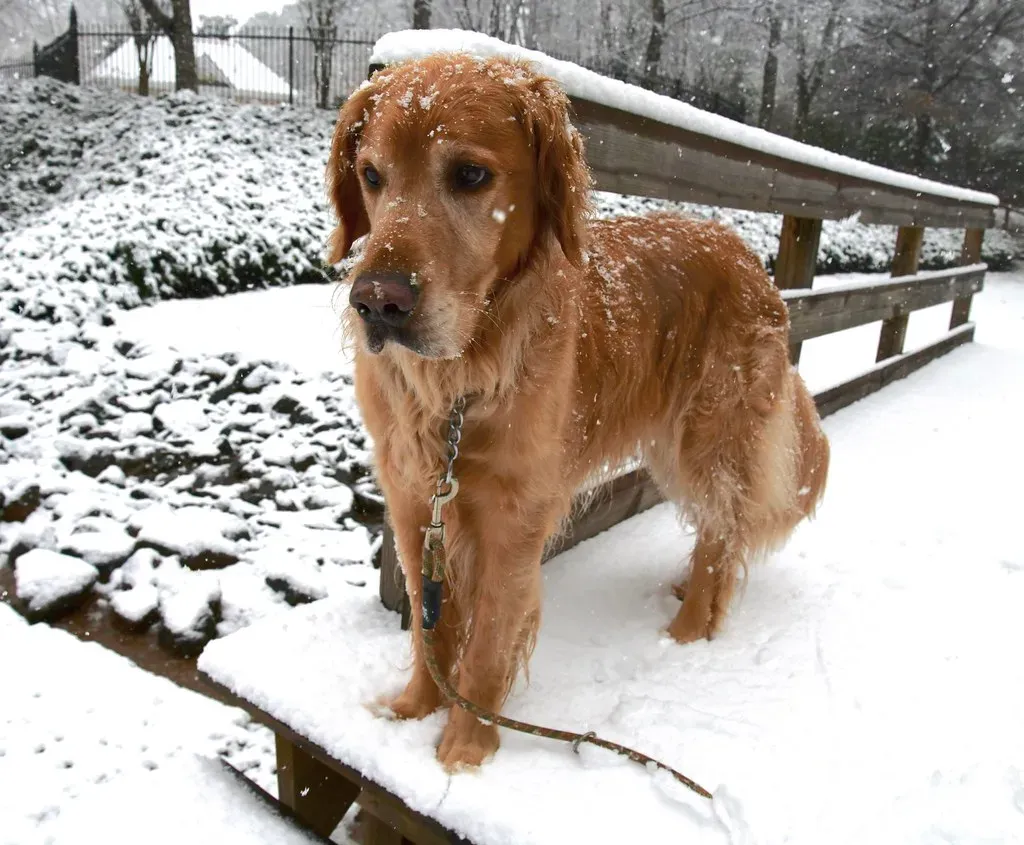
It has become far too common for people to just let their dogs run free, and that endangers the pup, and also often puts other people and animals in the vicinity at risk, so always keep your canine buddy on a leash when you leave the house, unless he is in a fenced area.
Even well-trained dogs can be unpredictable in exciting or frightening situations. Leashes protect your dog from traffic, wildlife, and other hazards. They also provide control if your dog becomes reactive toward another animal or person.
Failing to Monitor Water Intake
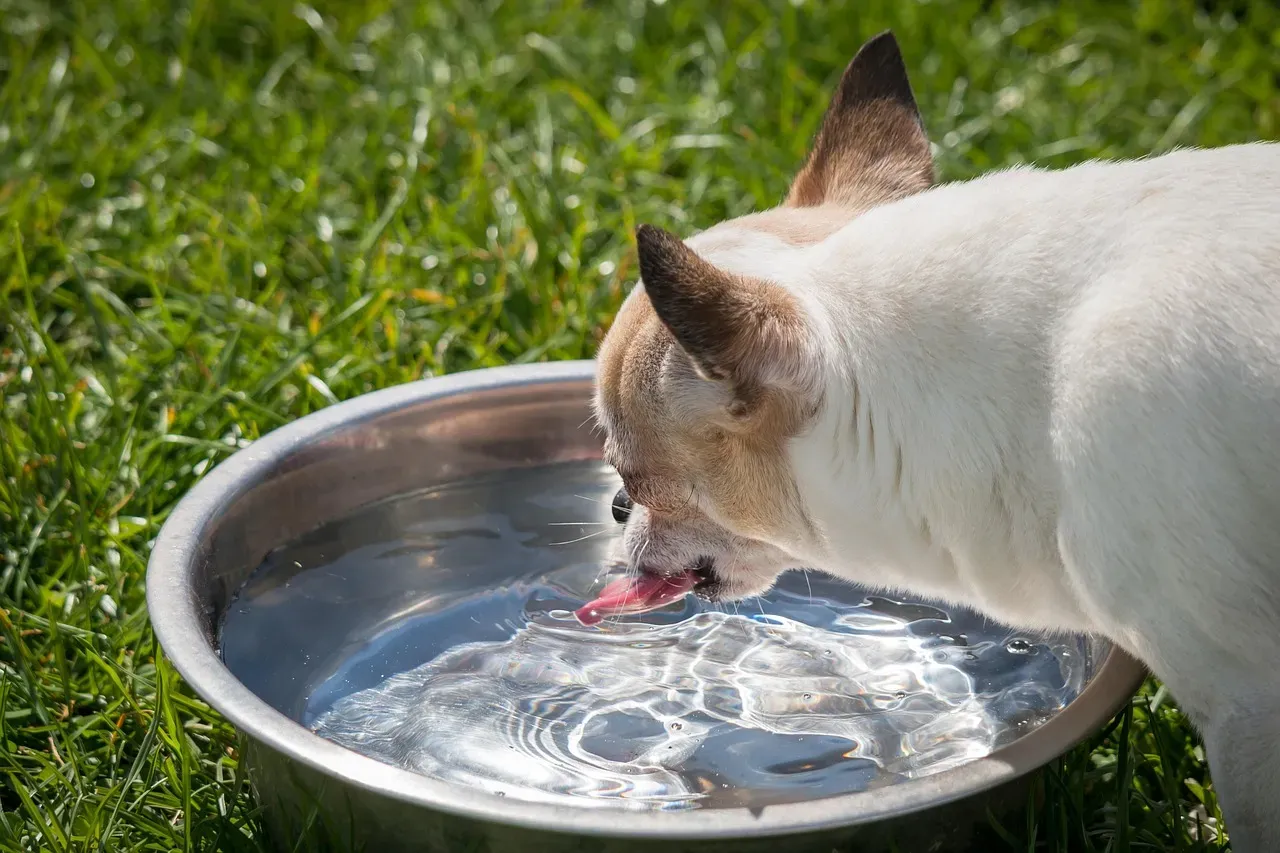
Fresh, clean drinking water should always be available to your dog, yet many owners don’t pay attention to how much their dog drinks. Changes in water consumption often signal health problems.
Changes in drinking behavior (e.g., sudden increase in water consumption) can indicate something is wrong like diabetes or kidney disease. Wash water bowls daily to prevent bacterial growth. Monitor intake especially during hot weather or after exercise.
Skipping Parasite Prevention
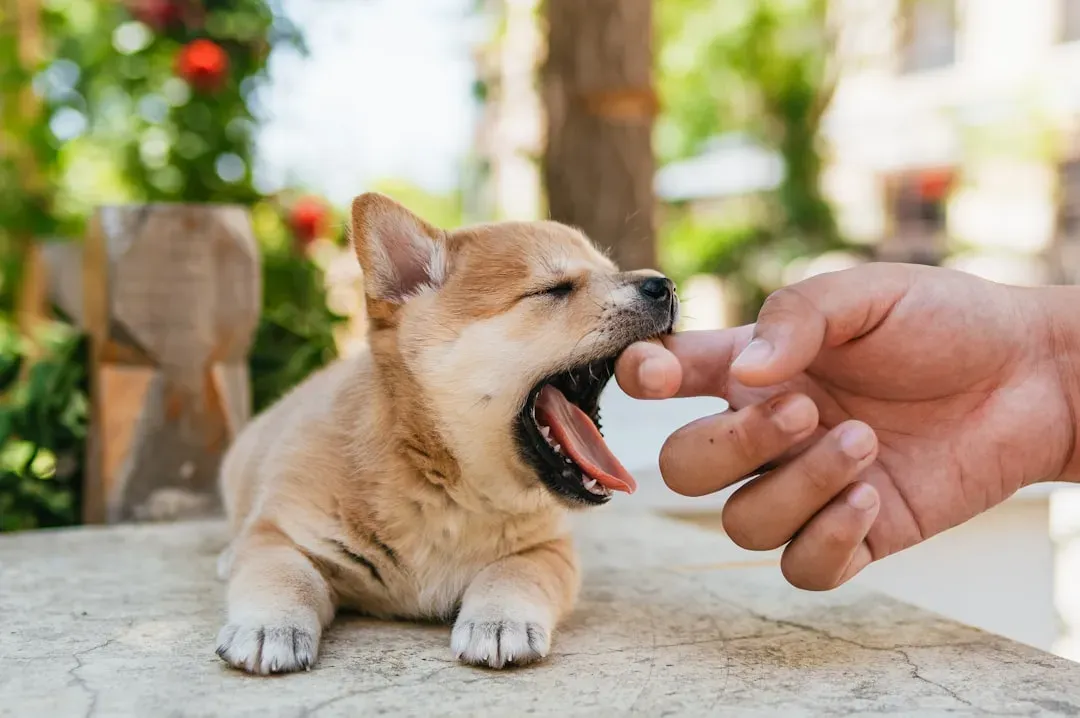
Fleas, ticks, heartworms, and intestinal parasites pose serious health risks. Some are preventable with monthly medications prescribed by your veterinarian. Skipping these preventatives to save money often costs more in treatment down the road.
Parasites cause discomfort, spread diseases, and some can even transmit to humans. Year-round prevention is typically recommended in most climates. Discuss the best prevention protocol for your dog’s lifestyle and geographic location with your vet.
Ignoring Breed-Specific Needs
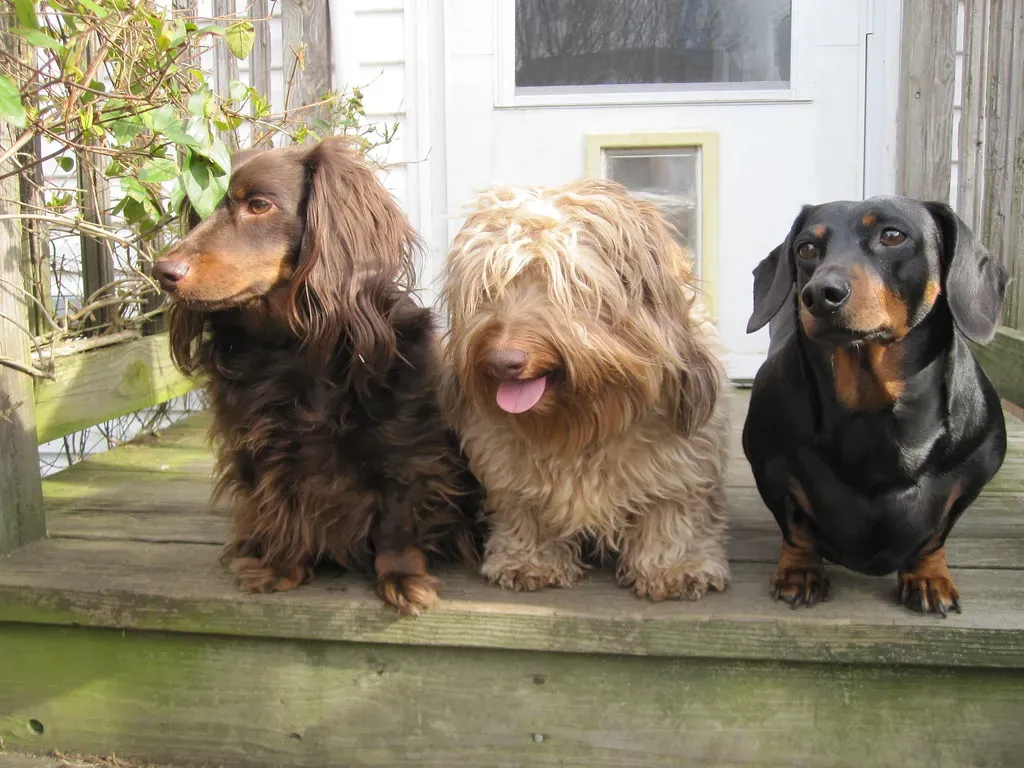
Different breeds have vastly different requirements. Herding dogs need jobs to do. Brachycephalic breeds overheat easily. Large breeds have specific nutritional needs during growth. Research your dog’s breed tendencies and tailor care accordingly.
Mixed breeds inherit traits from their ancestry too. Understanding your dog’s genetic background helps you anticipate potential health issues, behavioral tendencies, and exercise requirements. One-size-fits-all approaches rarely work in dog care.
Not Planning for Emergencies
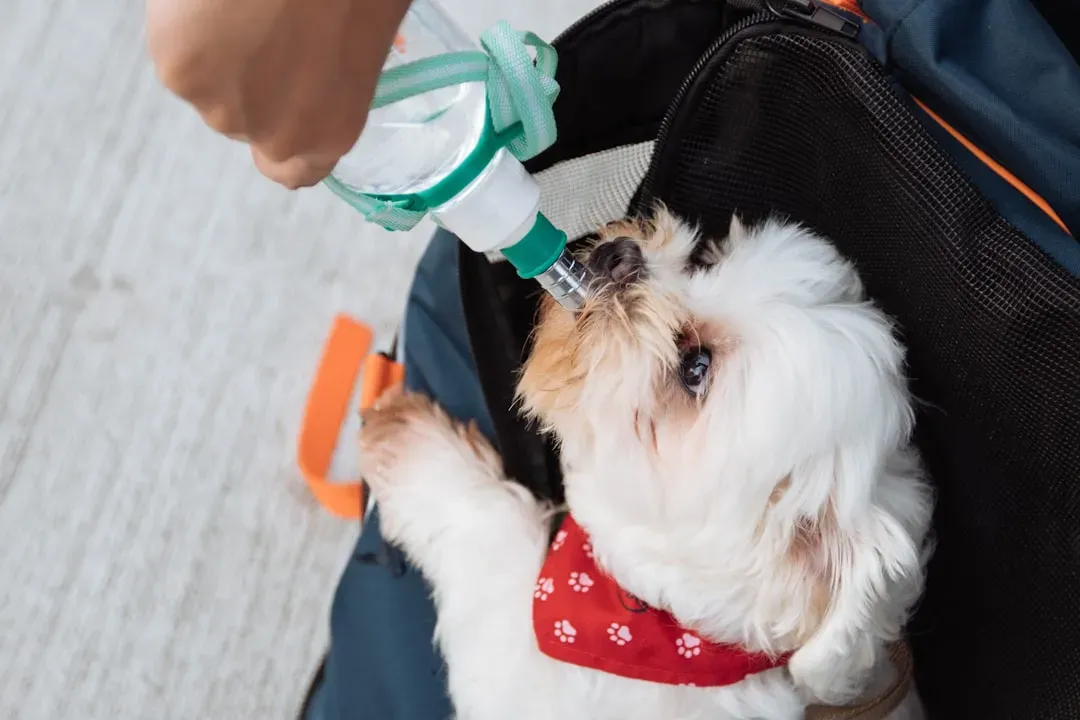
Do you know where the nearest emergency veterinary clinic is? Do you have a pet first aid kit? Can you recognize signs of common emergencies like bloat, heatstroke, or poisoning? Preparation saves precious time when every second counts.
Keep emergency contact numbers readily available. Know your dog’s baseline vital signs so you can recognize abnormalities. Learn basic first aid and consider taking a pet CPR course. Having a plan reduces panic during actual emergencies.
Underestimating the Long-Term Commitment
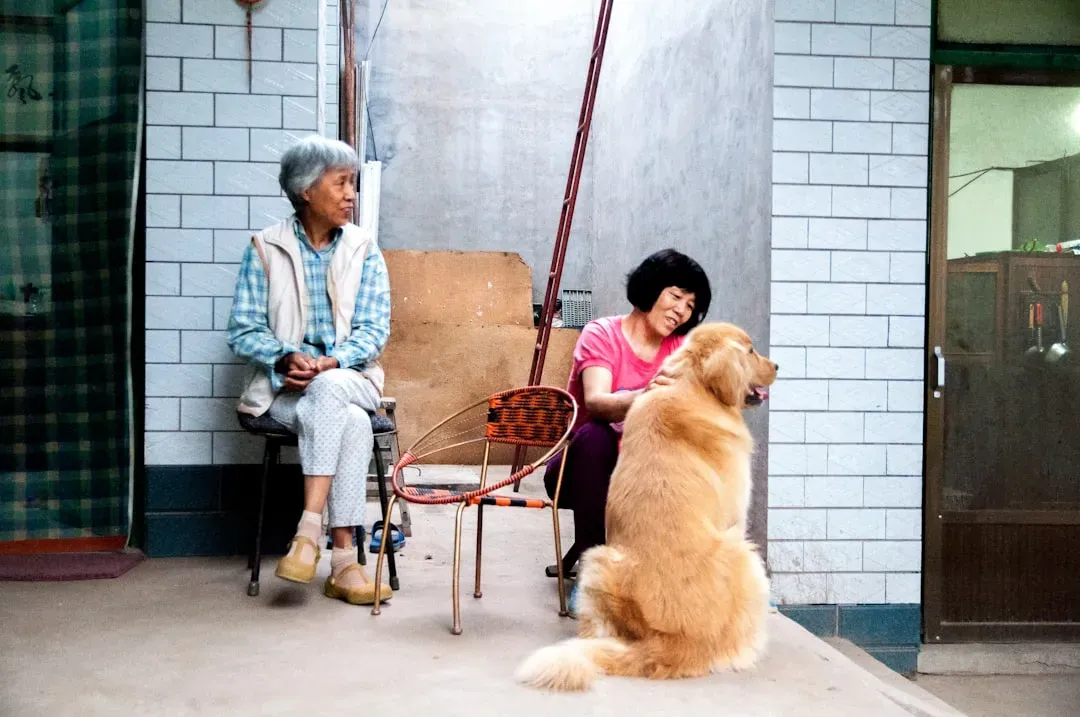
Dogs live ten to fifteen years or more. Their needs change dramatically from puppyhood through their senior years. Financial costs, time requirements, and lifestyle adjustments are substantial. Too many dogs end up in shelters because owners didn’t fully grasp this commitment.
Senior dogs develop health issues requiring more frequent vet visits and potentially expensive treatments. They may need special diets, mobility assistance, or medications. The dedication required never diminishes, it just shifts form as your companion ages.
Conclusion

Caring for a dog is one of life’s greatest privileges. These remarkable creatures offer us loyalty, joy, and companionship that enriches our lives immeasurably. In return, we owe them our very best effort to understand and meet their needs.
The mistakes we’ve explored aren’t about judgment. They’re about learning and growing as dog parents. Small changes in how we feed, train, groom, and monitor our dogs create massive improvements in their quality of life. What seems like a minor oversight today could become a serious issue tomorrow.
Here’s what I’ve learned through years of loving dogs: they’re remarkably forgiving of our imperfections, yet they deserve better than our good intentions alone. They need informed, consistent care based on their specific requirements. What would your dog want you to change first? Maybe that’s where you start.


