
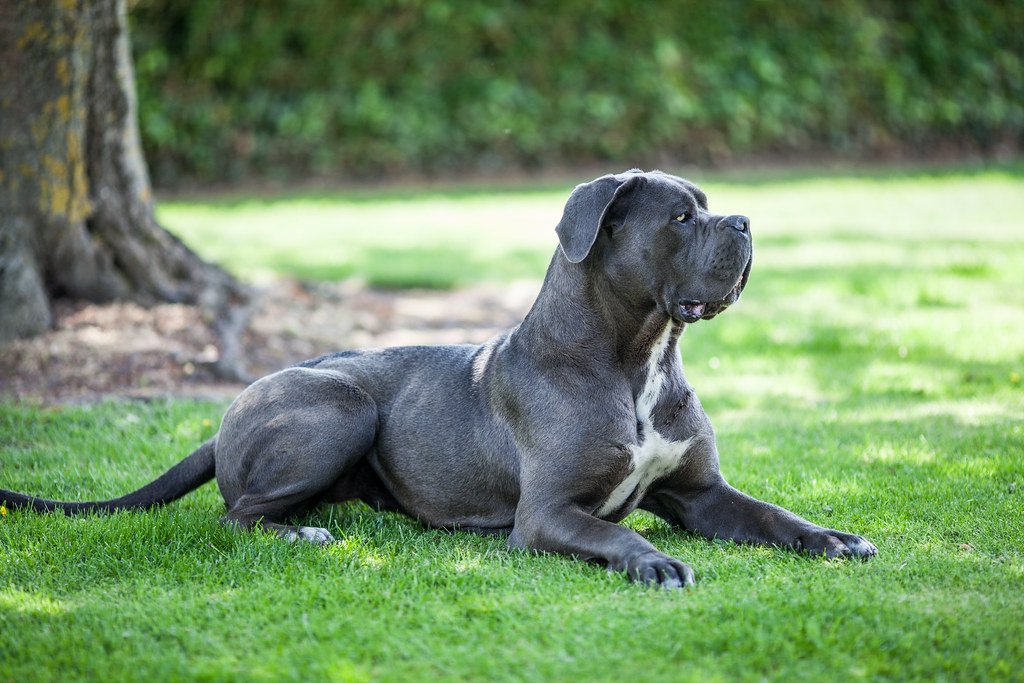
Imagine bringing home a dog who looks like a walking tank, brimming with energy and intelligence. That might sound exciting—until your new friend starts outsmarting you at every turn! Some dogs are born with an iron will, a powerful build, and a stubborn streak that would make even the most patient person break a sweat. These dogs aren’t just pets—they’re partners, protectors, and sometimes, lovable troublemakers. But here’s the catch: without the right training and leadership, their strength and willpower can turn your household upside down. Let’s dive into the world of 20 of the most powerful and strong-willed dog breeds that absolutely demand the right training, patience, and respect.
Rottweiler
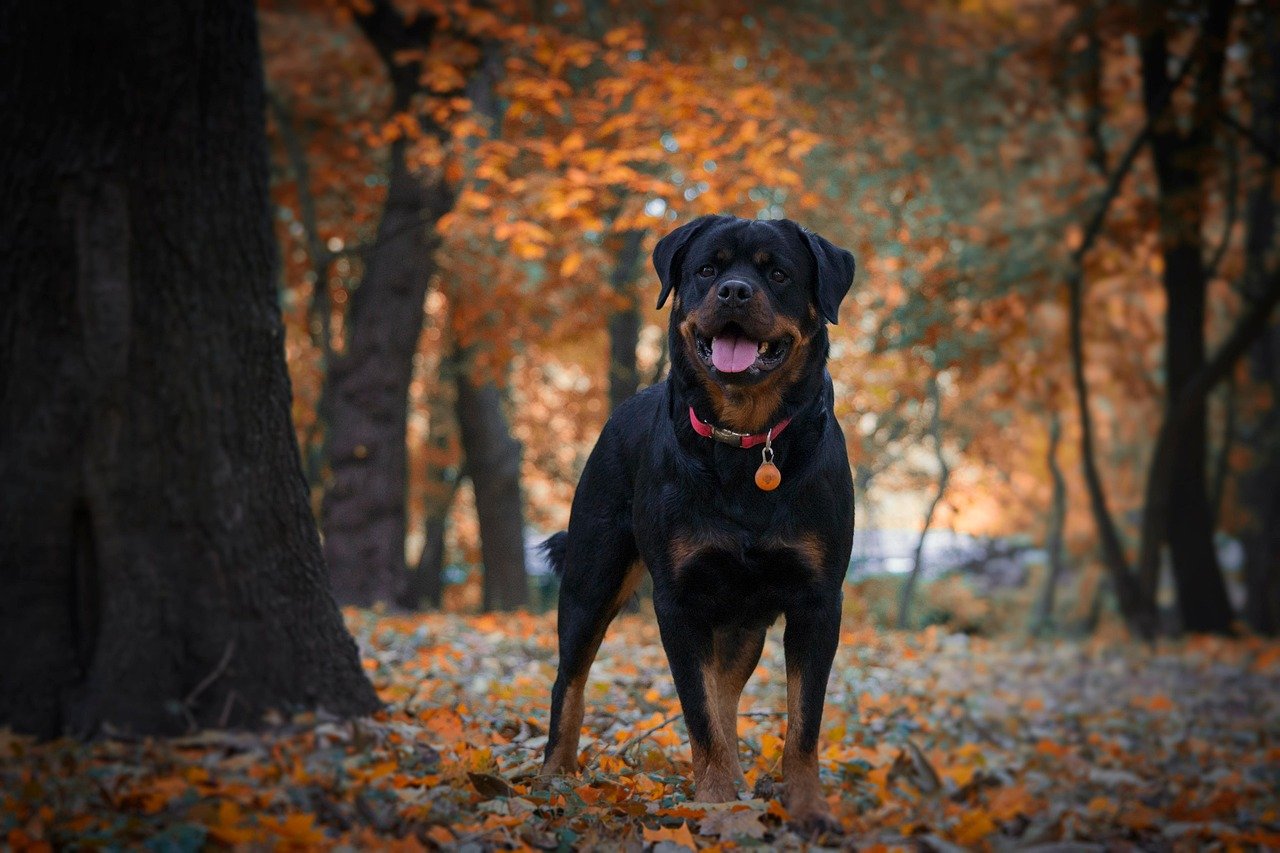
Rottweilers are instantly recognizable with their massive frames and intense, watchful eyes. Originally bred to herd cattle and pull carts, these dogs have a natural instinct to protect and lead. Their loyalty is legendary, but that same devotion can morph into overprotectiveness if not carefully managed. Rottweilers are smart—sometimes too smart for their own good—and can quickly take charge in a home where boundaries aren’t established.
Training a Rottweiler isn’t just about teaching commands; it’s about mutual respect. They need a firm but gentle hand, clear rules, and lots of positive reinforcement. Socialization from a young age is crucial to prevent them from becoming wary or aggressive towards strangers. With the right guidance, Rottweilers are loving, playful, and excellent family companions, but they’ll always keep you on your toes.
German Shepherd
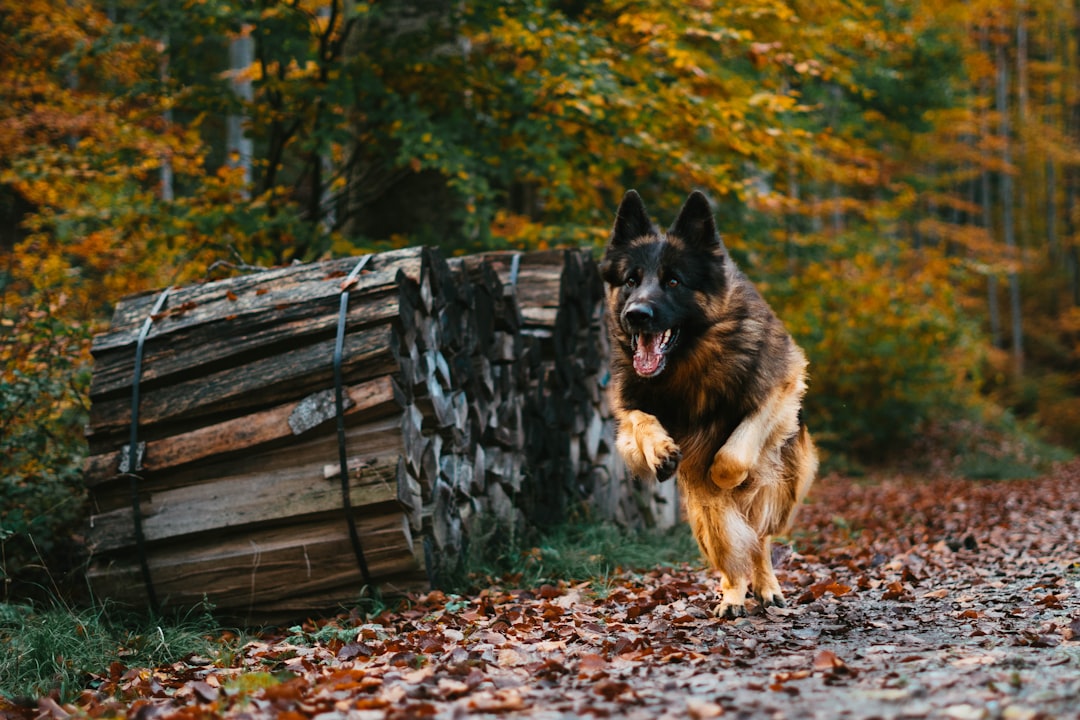
Few breeds are as iconic as the German Shepherd. Known for their work in police and military roles, these dogs combine strength, intelligence, and a relentless drive to work. Their brains are always buzzing, and they quickly get bored if not challenged both physically and mentally. A German Shepherd without a job is like a sports car parked in a garage—it just doesn’t make sense.
Because of their sharp minds and strong personalities, German Shepherds need consistent training and plenty of activities. If not, they may find their own “jobs,” like herding your children or chewing up the furniture. They thrive on structure and love to learn new things. For the right owner, they’re loyal to the core and protect their families with unmatched bravery.
Doberman Pinscher
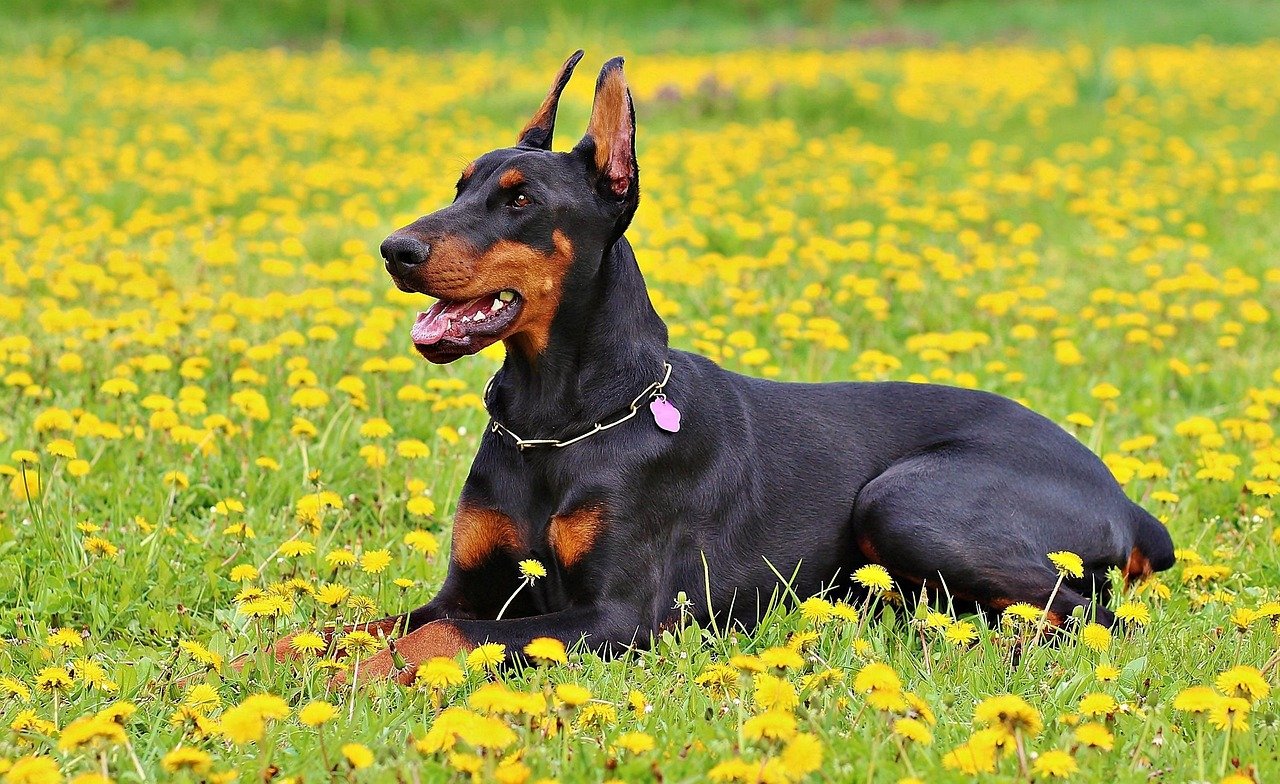
Dobermans are the picture of athleticism and elegance, with a personality to match. These dogs have an innate sense of duty and are fiercely loyal to their families. But their intensity can be overwhelming for someone not prepared to lead. They pick up on your mood and intentions quickly, and if they sense uncertainty, they’ll take control.
Proper training for a Doberman is non-negotiable. They respond well to positive reinforcement and need clear, confident leadership. Without it, their protective instincts can turn into bossiness or nervousness. Despite their tough appearance, Dobermans are sensitive and crave human companionship. With the right guidance, they’ll become your most devoted—and obedient—friend.
Belgian Malinois

Often mistaken for the German Shepherd, the Belgian Malinois is actually a separate breed with even more drive and intensity. These dogs are favored by special forces and police units around the world for a reason—they never quit. Their energy is practically boundless, and their intelligence can be startling. Leave a Malinois alone and untrained, and you might come home to a redecorated living room.
Malinois need an owner who can match their energy and provide constant mental and physical stimulation. Training must be ongoing, with lots of variety to keep them engaged. They aren’t for the faint of heart, but with the right person, they’re agile, loving, and incredibly loyal companions who’ll always be ready for action.
Akita
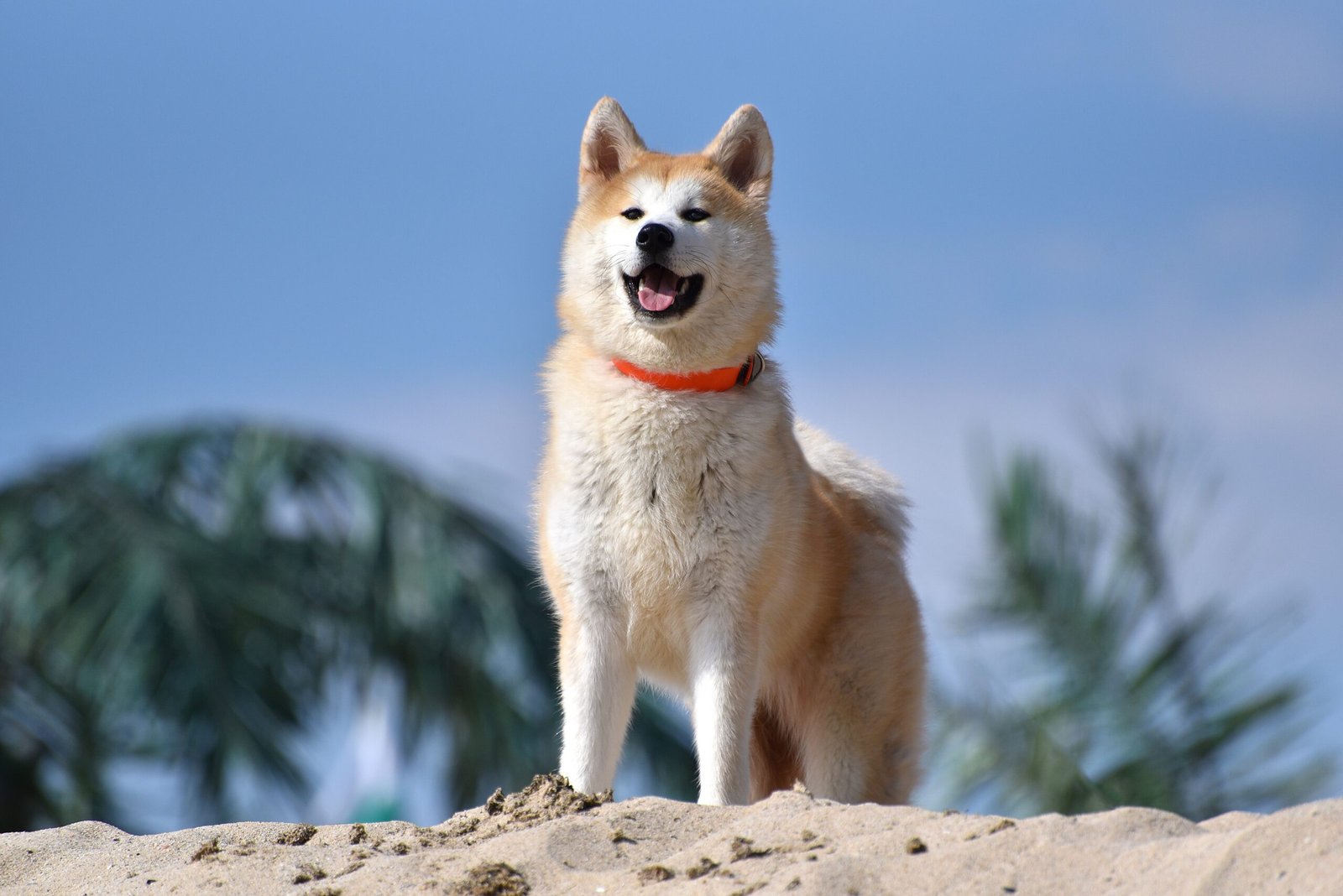
The Akita is a dog with a regal presence and a strong, independent streak. Originally bred in Japan for hunting large game, Akitas are both powerful and reserved. They often form intense bonds with their families but may be aloof with strangers. Their independence means they won’t always look to you for guidance—sometimes, they’d rather make their own decisions.
Training an Akita requires patience and consistency. They respond best to respectful but firm guidance, not harshness. Early socialization is a must to prevent aggression or stubbornness. With the right approach, Akitas are dignified, devoted protectors who’ll stand by your side through thick and thin.
Cane Corso
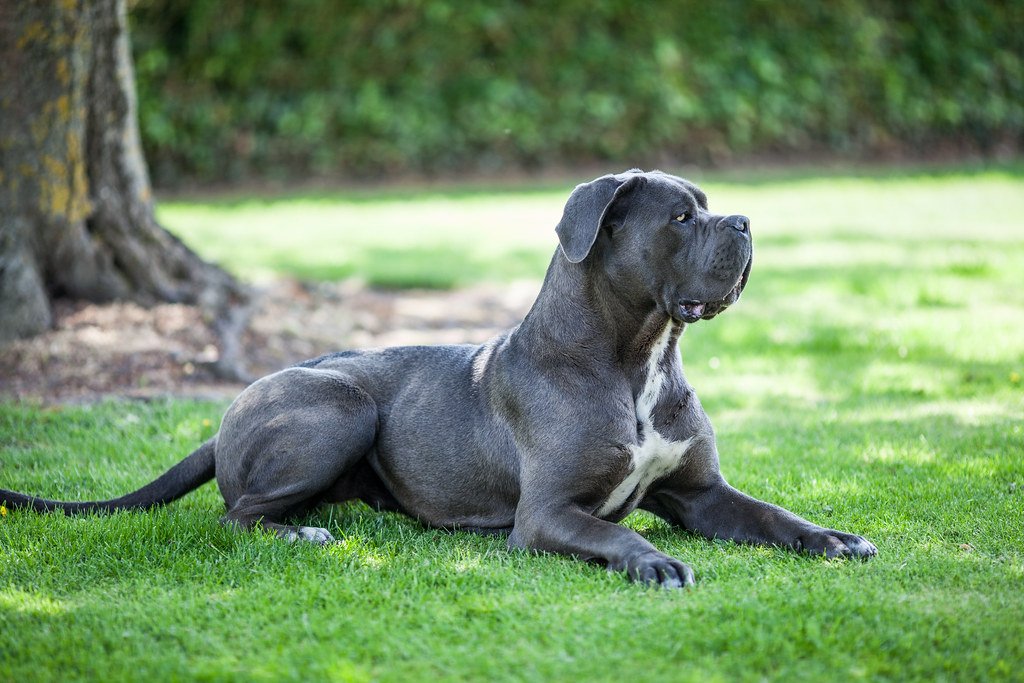
Cane Corsos are Italian mastiffs with a commanding presence. Their muscular build and deep bark are enough to make any intruder think twice. But beneath that tough exterior is a loyal heart that beats for their family. They’re confident and assertive, which can become a problem if they sense weakness or inconsistency in their owner.
These dogs need a leader who is calm and assertive. Training should start early, focusing on obedience and socialization. Cane Corsos are intelligent and quick learners, but they’ll test boundaries if given the chance. With proper guidance, they’re gentle giants who love to be involved in every family activity.
American Pit Bull Terrier
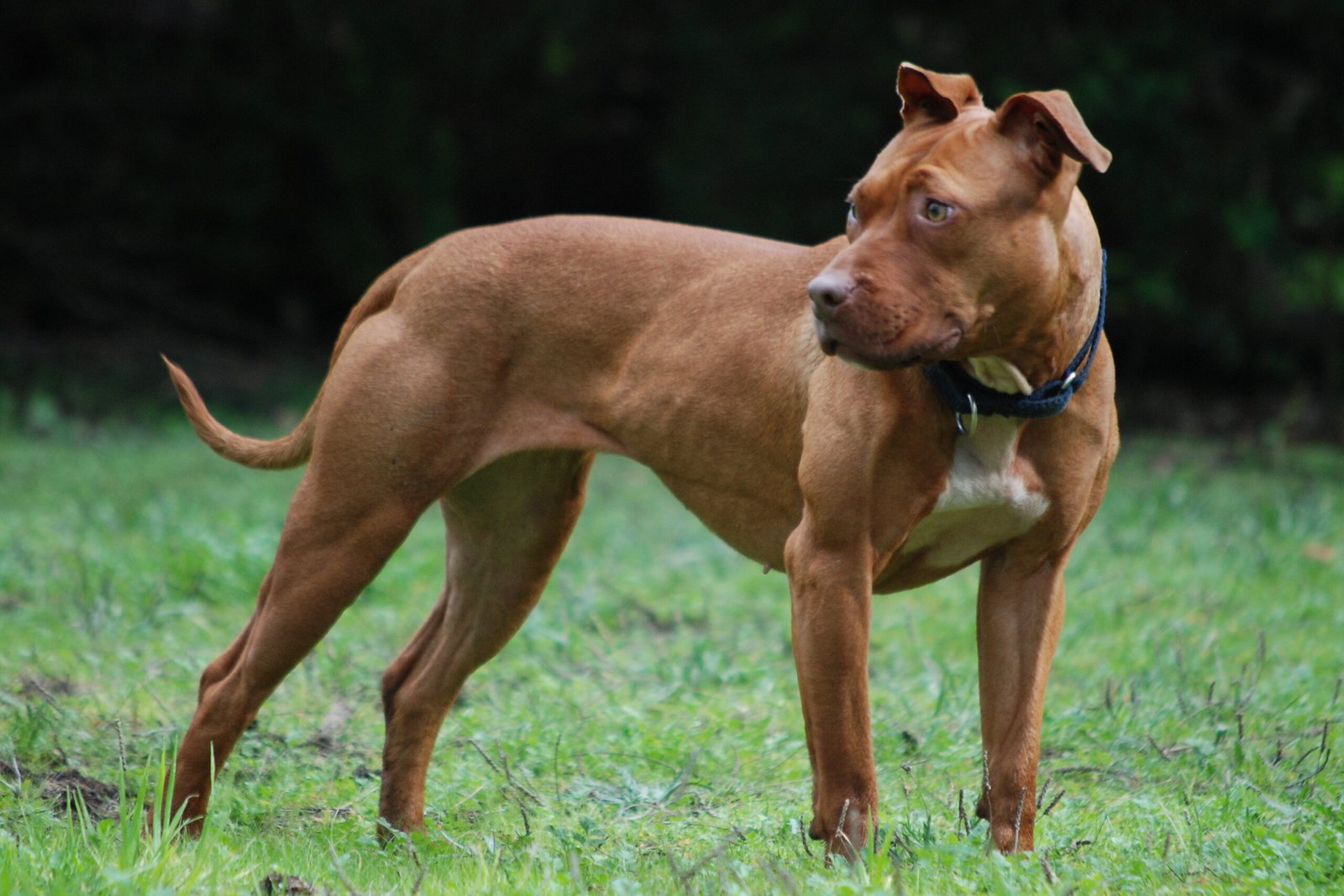
Pit Bulls are often misunderstood, but there’s no denying their power and determination. They’re muscular, energetic, and have a strong prey drive. While they can be incredibly affectionate and goofy, they also need structure and leadership to thrive. Without it, their enthusiasm can turn into mischief or even aggression.
Training a Pit Bull isn’t about being harsh—it’s about consistency and positive reinforcement. They respond best to owners who can channel their energy into productive outlets like agility or obedience. With the right training, Pit Bulls are loving, loyal, and endlessly entertaining companions.
Alaskan Malamute

Alaskan Malamutes are built for endurance and strength. These dogs were bred to haul heavy sleds across frozen landscapes, and it shows in their powerful bodies and work ethic. Malamutes are independent thinkers and can be stubborn if they don’t respect their owner’s leadership.
Training must begin early and remain consistent throughout their lives. Malamutes need plenty of exercise and enjoy having “jobs” to do, whether it’s pulling a cart or participating in dog sports. Without proper outlets, they may become destructive or try to escape. With strong leadership and plenty of adventure, Malamutes are loving, playful giants.
Bullmastiff
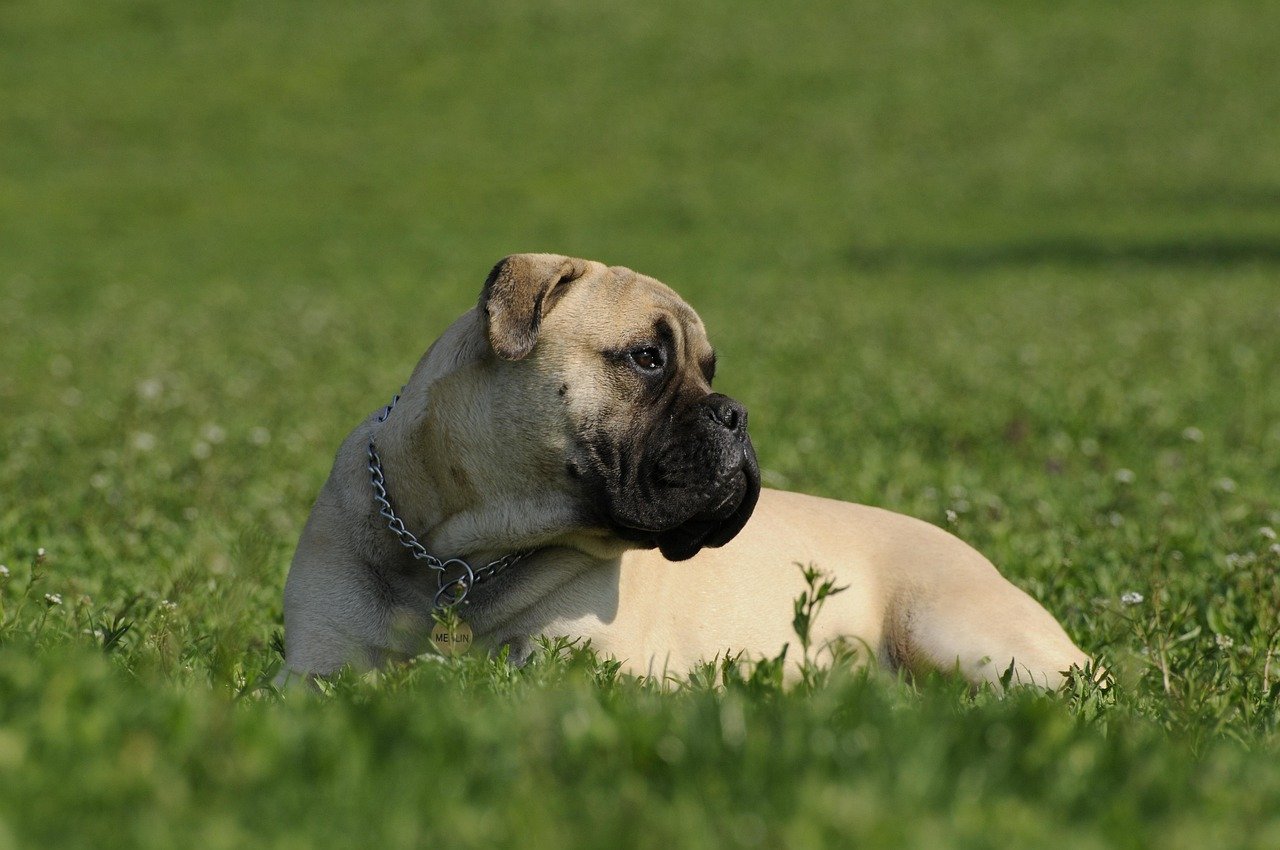
Bullmastiffs are gentle giants with a protective nature. Their sheer size and strength can be intimidating, but they’re generally calm and affectionate with their families. However, they can be stubborn and willful, especially if they sense inconsistency in training.
Early obedience and socialization are key to raising a balanced Bullmastiff. They respond well to positive reinforcement but need clear boundaries. Without proper training, their protective instincts can become overwhelming. When properly guided, Bullmastiffs are loyal guardians and loving family members.
Boxer

Boxers are bundles of energy and enthusiasm. Their playful nature can sometimes mask their strong-willed personalities. Boxers are intelligent and quick to learn, but they also have a mischievous streak that can lead to trouble if not properly managed.
Consistent training and plenty of exercise are essential for this breed. Boxers thrive on positive attention and love to be involved in family activities. If left to their own devices, they may develop undesirable behaviors out of boredom. With the right guidance, Boxers are affectionate, loyal, and endlessly entertaining.
Dogo Argentino

The Dogo Argentino is a powerful hunter, originally bred to track and take down big game. Their athletic build and strong-willed nature make them a challenge for inexperienced owners. Dogos are fiercely loyal and protective, but their intensity requires a confident and experienced hand.
Training should focus on obedience and socialization from a young age. Dogos need clear rules and plenty of mental and physical stimulation. Without it, they may become dominant or aggressive. With the right training, these dogs are devoted, gentle with family, and incredibly courageous.
Siberian Husky
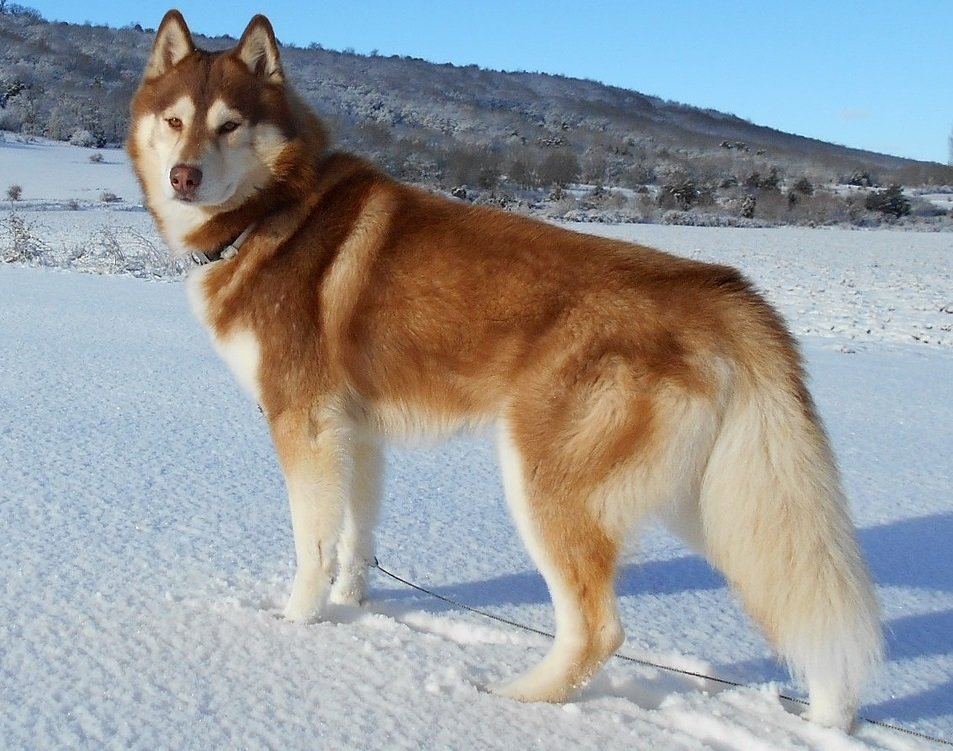
Siberian Huskies are known for their striking looks and boundless energy. These dogs were bred to work in packs, pulling sleds over long distances. Their independent nature and intelligence can make them a handful for someone not prepared for their antics.
Training a Husky requires patience and creativity. They’re notorious escape artists and can be stubborn when it comes to obeying commands. Consistent training, exercise, and mental stimulation are crucial. With the right approach, Huskies are affectionate, playful, and always ready for adventure.
Presa Canario
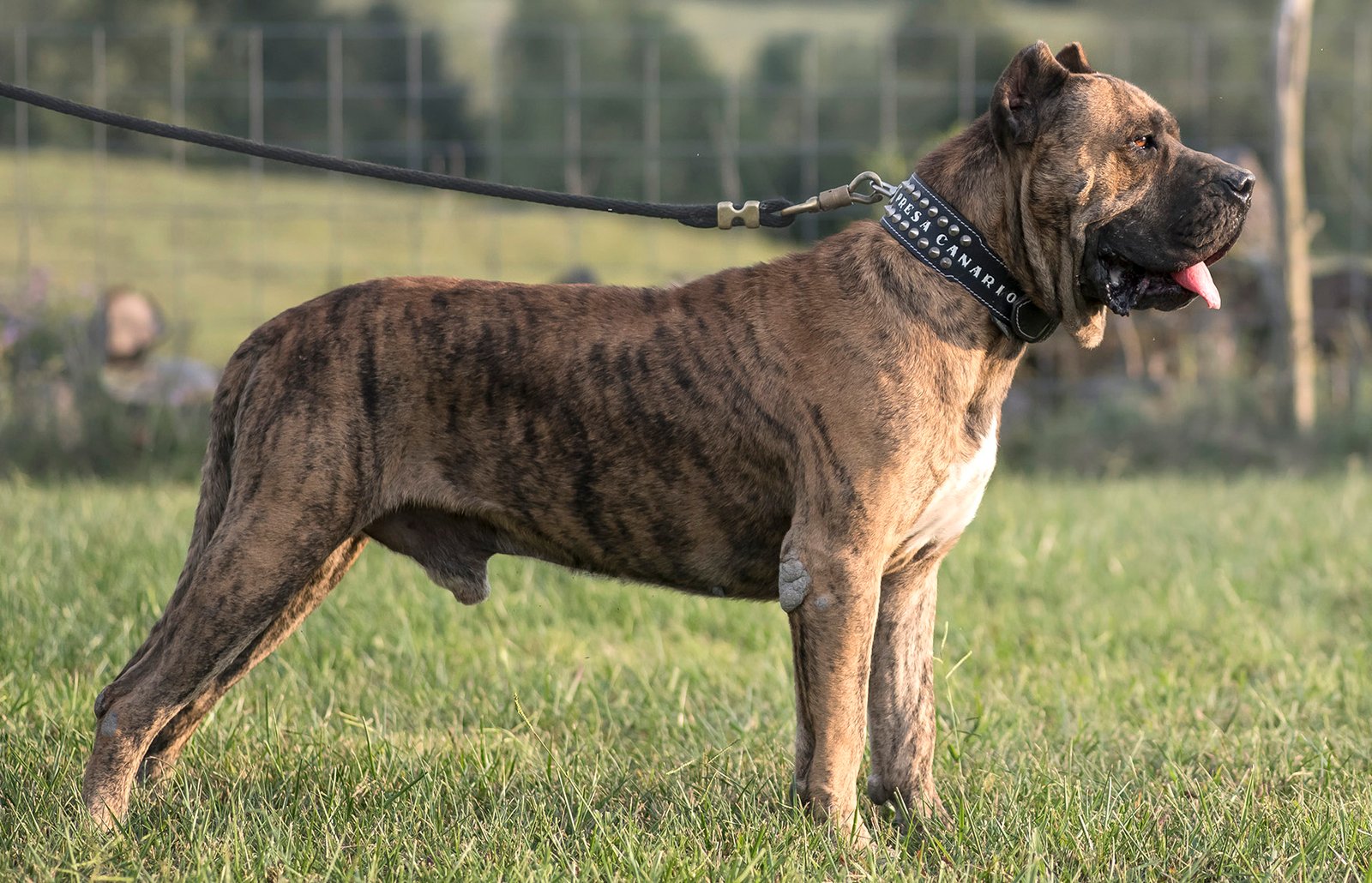
The Presa Canario is a large, muscular breed with a commanding presence. Originally bred for working livestock, they have strong protective instincts and a confident demeanor. Presas are not for the timid—they need a leader who can provide firm, consistent guidance.
Early socialization and obedience training are essential to prevent aggression or dominance. These dogs are intelligent and eager to learn but require an experienced owner. With proper training, Presas are loyal, calm, and protective companions.
Rhodesian Ridgeback

Rhodesian Ridgebacks were bred to hunt lions in Africa, and their courage is unmatched. These dogs are independent thinkers with a strong prey drive and a stubborn streak. Ridgebacks are loyal to their families but can be aloof with strangers.
Training must be consistent and respectful. Ridgebacks respond well to positive reinforcement but require clear boundaries. They need plenty of exercise and mental stimulation to stay balanced. With the right training, Ridgebacks are affectionate, loyal, and dignified companions.
Great Dane

Great Danes are the gentle giants of the dog world. Their massive size can be intimidating, but they’re generally friendly and easygoing. However, their strength and willfulness mean they need early training and socialization.
Training should start young, focusing on obedience and manners. Great Danes respond well to positive reinforcement but need consistent boundaries. Without proper training, their size can become a challenge. With the right guidance, they’re affectionate, loyal, and make fantastic family pets.
American Bulldog
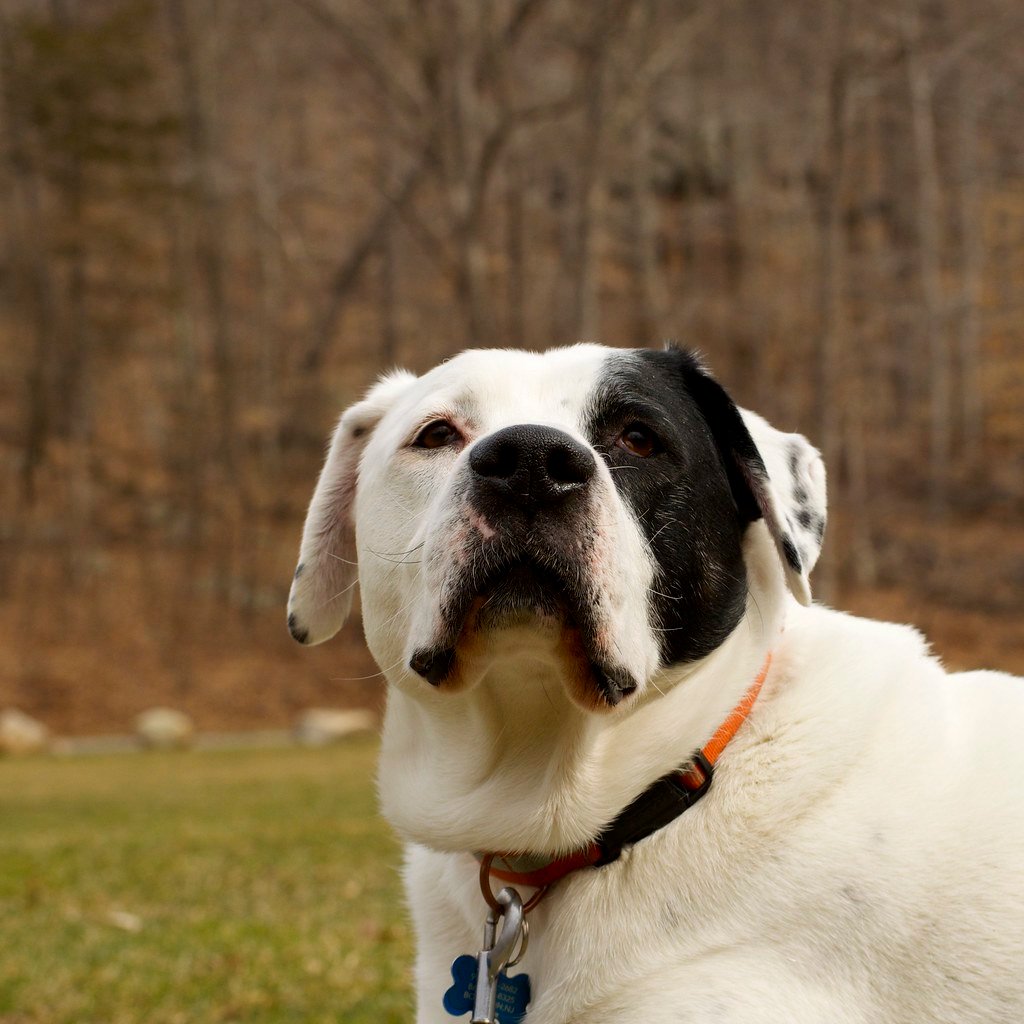
American Bulldogs are muscular, athletic dogs with a strong, independent streak. They’re courageous and protective, making them excellent guardians. However, they can also be stubborn and require a confident, experienced owner.
Training should emphasize obedience and socialization from an early age. Bulldogs respond well to positive reinforcement but need clear, consistent rules. With the right training, they’re loyal, affectionate, and make wonderful family companions.
Tosa Inu
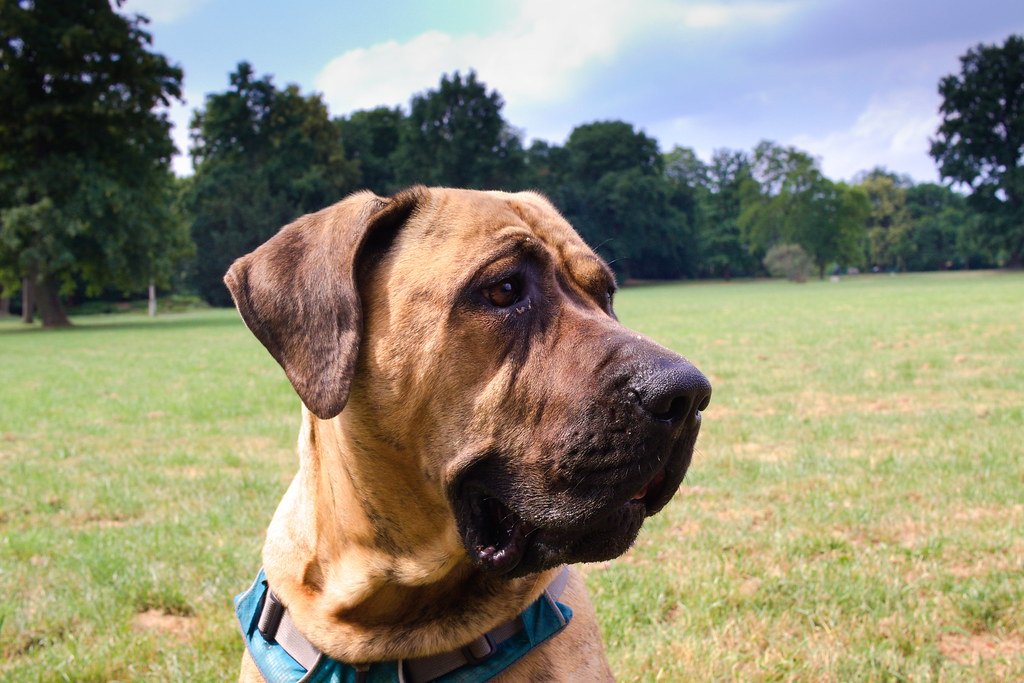
The Tosa Inu is a rare Japanese breed originally developed for dog fighting. They’re powerful, calm, and highly intelligent. Tosas are reserved with strangers but deeply loyal to their families.
Training a Tosa requires patience, consistency, and a gentle hand. Early socialization is essential to prevent aggression or nervousness. These dogs need a confident, experienced owner who can provide clear leadership. With the right guidance, Tosas are calm, loyal, and protective companions.
Fila Brasileiro
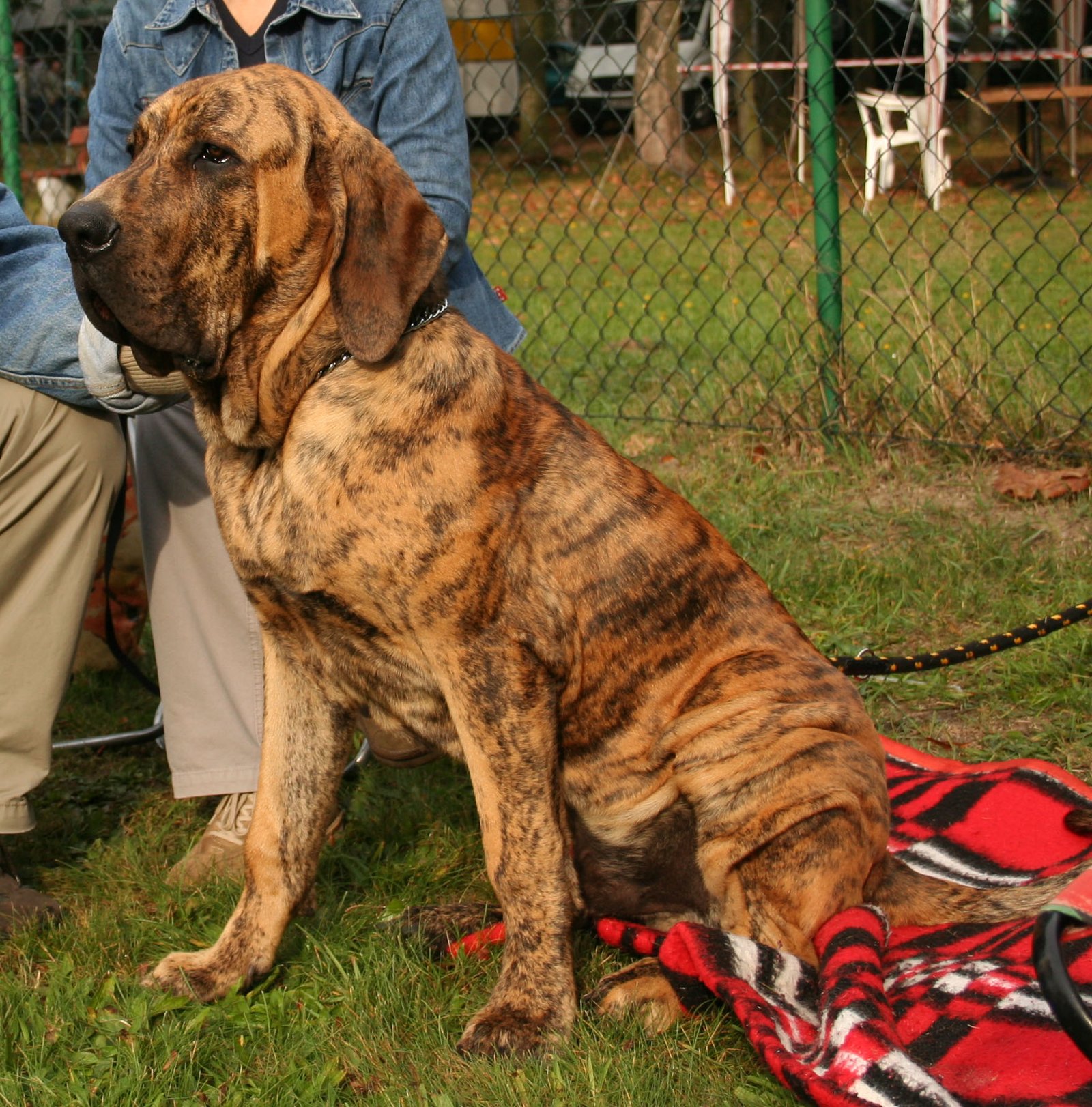
The Fila Brasileiro, or Brazilian Mastiff, is known for its loyalty and protective instincts. These dogs have a natural distrust of strangers and require early, consistent training to prevent aggressive behavior.
Training should focus on obedience and socialization from a young age. Filas respond best to positive reinforcement and clear boundaries. They’re not suitable for inexperienced owners but, with the right training, are fiercely loyal and protective family members.
Boerboel
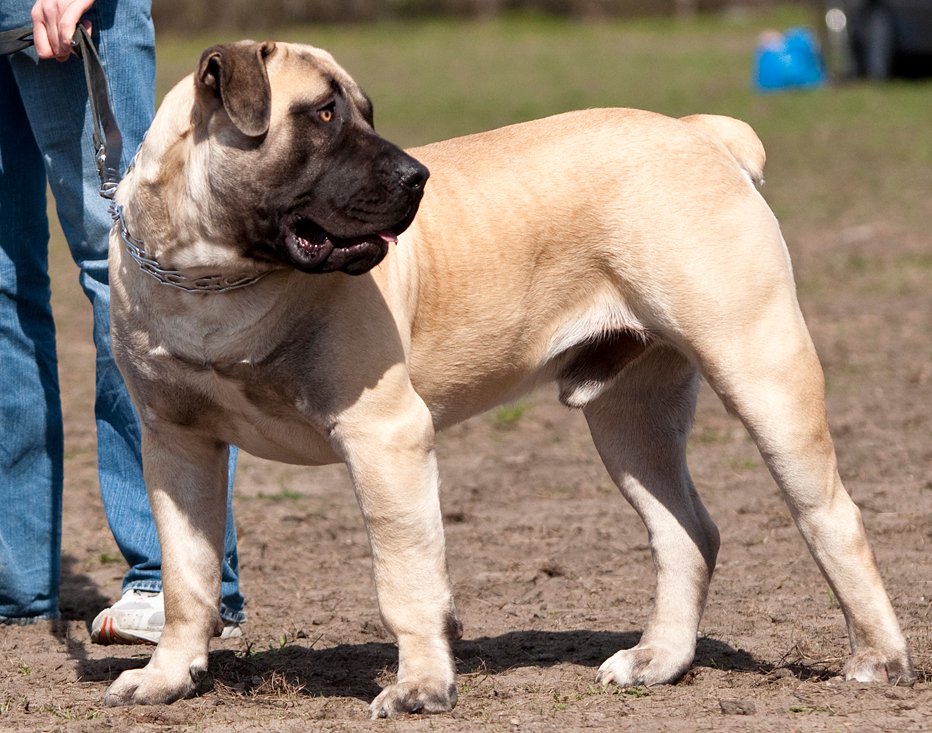
Boerboels are powerful South African mastiffs bred to guard homes and farms. Their strength and confidence are unmatched, and they have a natural instinct to protect. Boerboels are intelligent and eager to please but can be dominant if not properly trained.
Early obedience and socialization are essential. Boerboels respond well to firm, consistent leadership and positive reinforcement. Without proper training, they can become overprotective or aggressive. With the right guidance, they’re loyal, affectionate, and excellent guardians.
Tibetan Mastiff
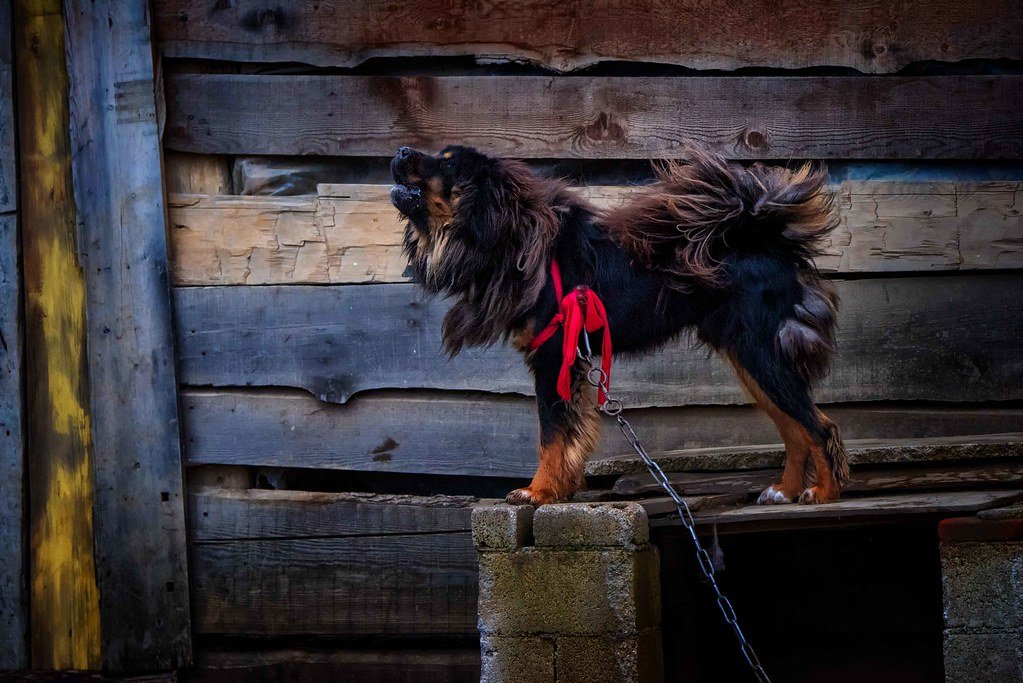
The Tibetan Mastiff is a majestic breed with a strong, independent nature. These dogs were bred to guard livestock in the harsh climates of the Himalayas. Their protective instincts are strong, and they can be aloof with strangers.
Training a Tibetan Mastiff requires patience, consistency, and respect. They respond best to positive reinforcement and clear boundaries. Early socialization is crucial to prevent aggression or dominance. With the right approach, Tibetan Mastiffs are loyal, gentle, and fiercely protective of their families.


