

Have you ever caught your dog giving you that soulful look, almost as if they’re trying to tell you something? What if your furry friend has been keeping a list of wishes, hoping you’ll finally pick up on their silent pleas? Well, you’re not alone! According to breed experts, every tail wag, every nuzzle, and even those mysterious little barks are clues to what your dog really wants you to know. Prepare to be surprised, amused, and maybe even a little touched as we reveal the 20 things your dog secretly wishes you knew. Some of these might just change the way you look at your best friend forever!
I Need More Than Just Walks—Let’s Play!

Dogs love their daily walks, but many breeds crave more than just a stroll around the block. Interactive play is their way of bonding and burning off energy. Fetch, tug-of-war, or a game of hide and seek can turn an ordinary day into a memorable adventure. Even older dogs love a playful moment, though their games might be slower and gentler. Playtime isn’t just about exercise; it helps your dog stay mentally sharp and emotionally happy. When you toss a favorite toy, you’re telling your dog, “I see you, and I’m here to have fun with you.” So next time you reach for the leash, grab a ball too—you’ll make their tail wag even harder!
I Understand More Than You Think
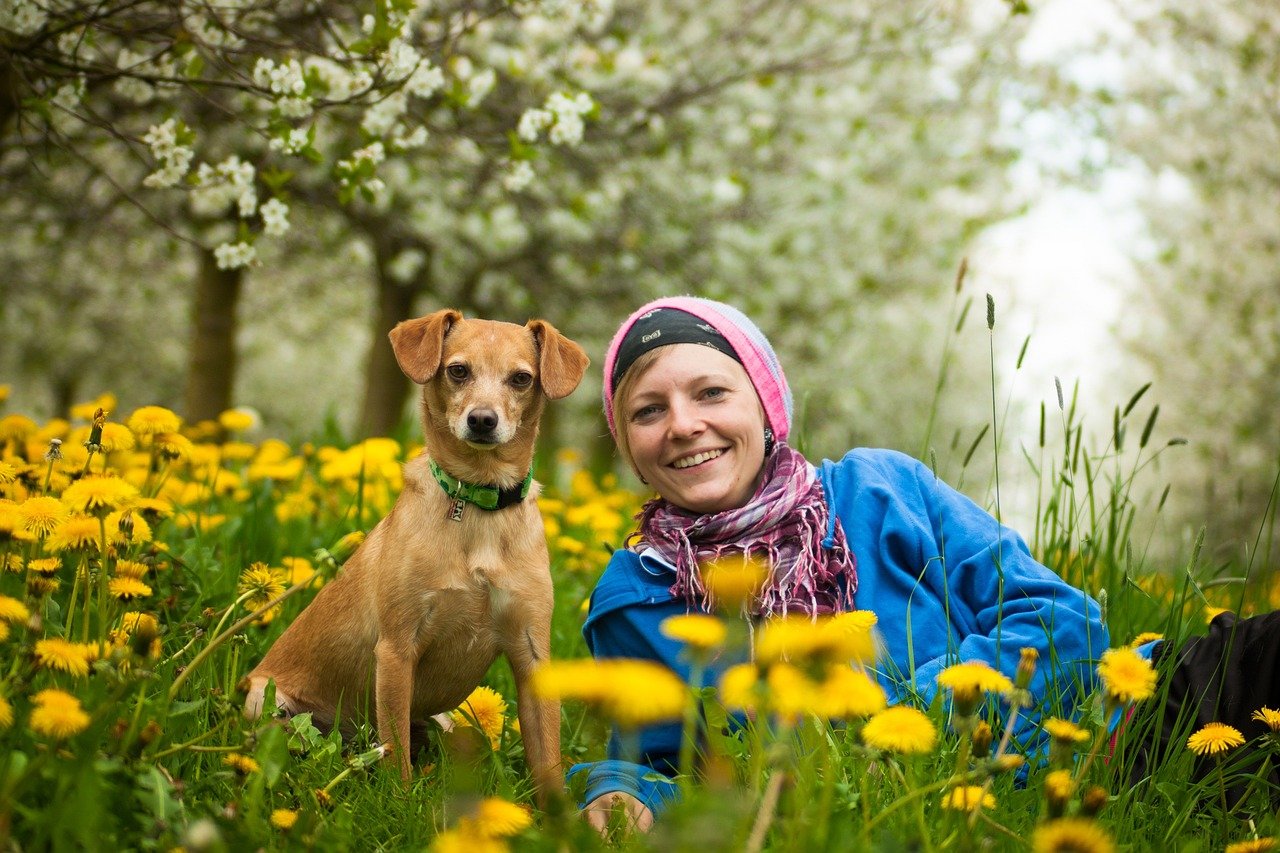
Dogs may not speak our language, but they’re experts at reading our tone, body language, and facial expressions. If you’re sad, your pup probably knows before you say a word. Some breeds are so attuned to human moods, they’ll try to comfort you with a nuzzle or a paw on your knee. It’s not just about commands; your dog can pick up on your daily routines and even anticipate your next move. They appreciate when you talk to them, even if it’s just about your day. So don’t hold back—share your stories, and watch for those understanding eyes that say, “I get it.”
Boredom Makes Me Mischievous
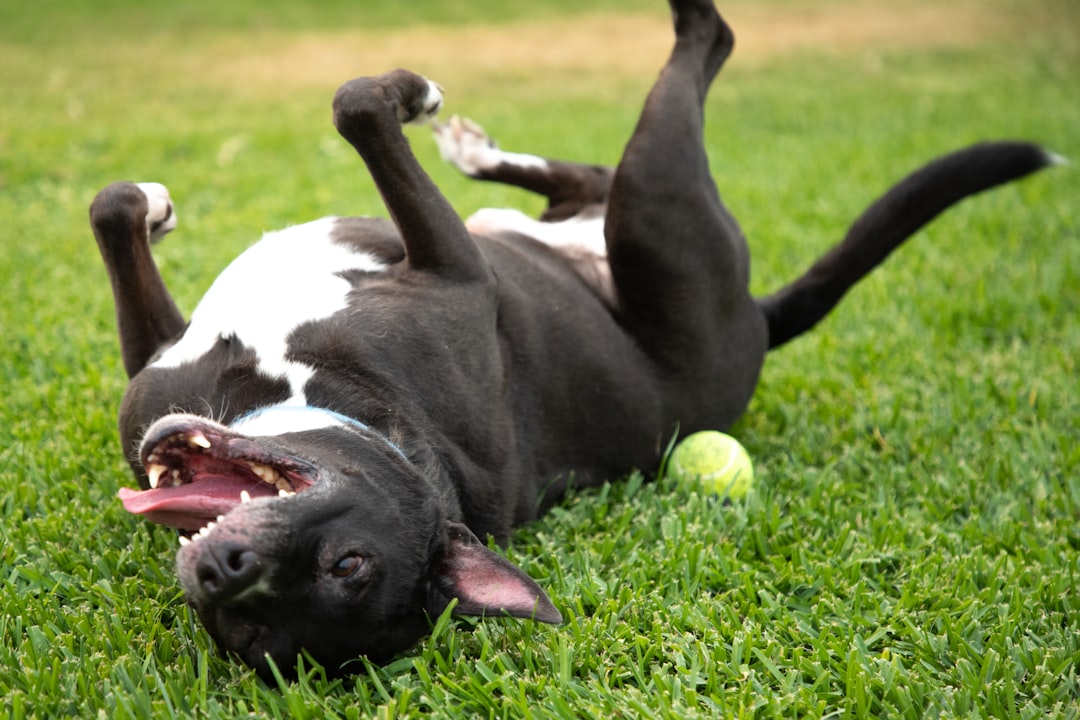
Ever come home to find a chewed shoe or an upturned trash can? Chances are, your dog was just bored. Many breeds, especially working dogs like Border Collies or Labradors, need mental stimulation as much as physical activity. When left alone with nothing to do, dogs invent their own fun—which isn’t always what you’d choose! Puzzle toys, treat dispensers, or even a cardboard box can keep them entertained and out of trouble. If you give your dog a “job,” they’ll thank you with better behavior and a calmer attitude.
I Don’t Always Want to Be Hugged

While we humans love hugs, most dogs don’t naturally enjoy being squeezed. For some breeds, a hug can feel confining or even threatening. Instead, your dog might prefer a gentle scratch behind the ears or a belly rub. Watch for signs of discomfort, like a stiff body or turned head, when you go in for a snuggle. Respecting their boundaries shows your dog you care about their comfort. Of course, some dogs do love a good cuddle—just let them decide when and how.
Routine Makes Me Feel Safe
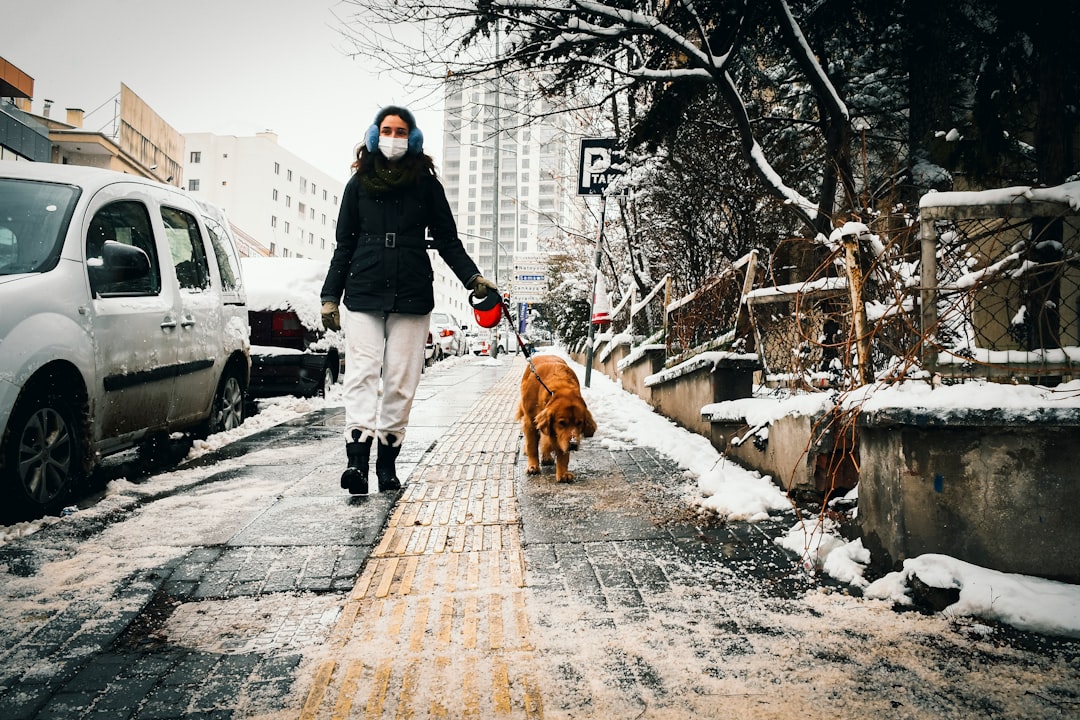
Dogs thrive on predictability. Knowing when it’s time to eat, walk, or sleep helps reduce anxiety and makes your dog feel secure. Sudden changes, like a missed meal or a late walk, can leave them confused or worried. Try to stick to a consistent schedule, especially for sensitive breeds like Shih Tzus or Poodles. Even little routines—like a bedtime treat or a morning greeting—can become the highlight of your dog’s day. Think of routine as your dog’s security blanket.
My Nose Knows Everything
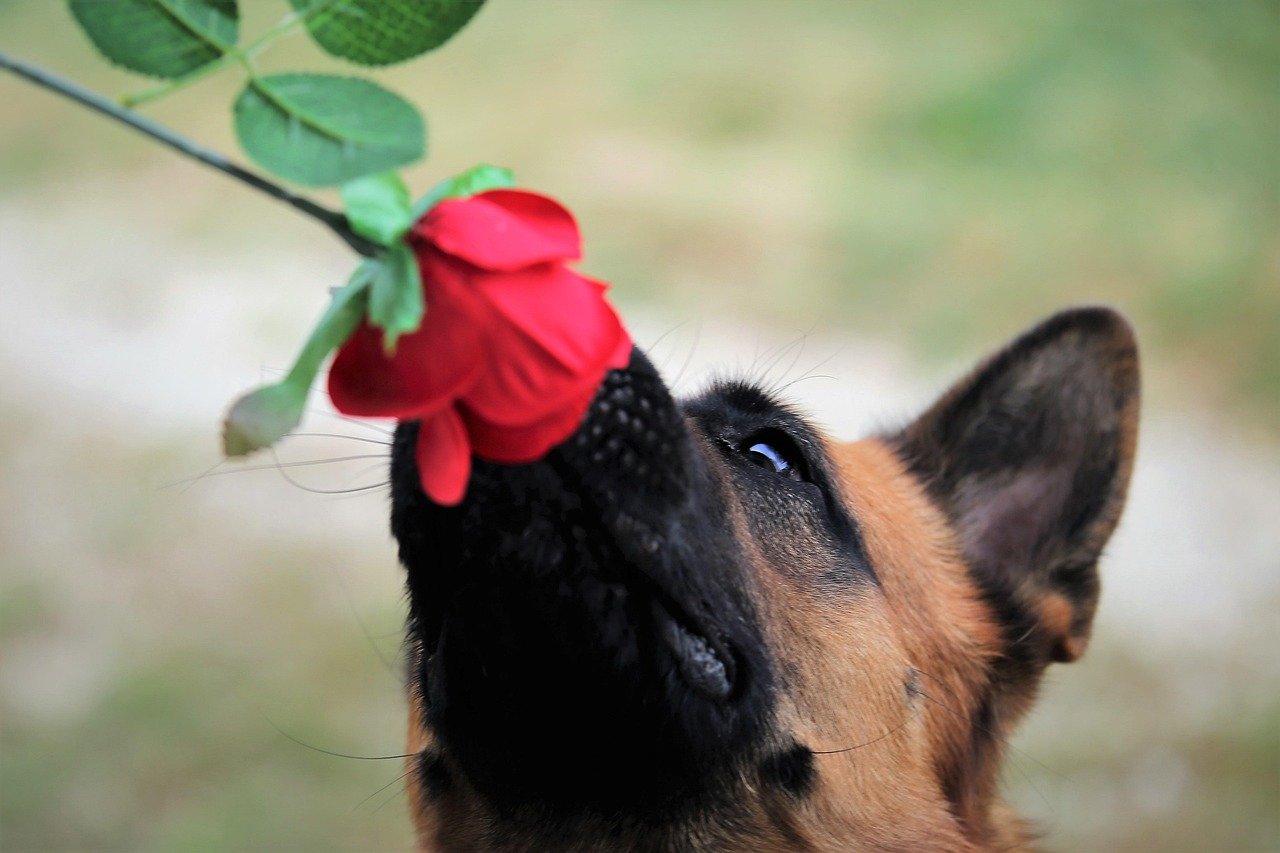
It might surprise you, but your dog’s nose is up to 100,000 times more sensitive than yours. That’s why they sniff everything, from the grass to your shoes. Dogs “see” the world through scent, picking up on emotions, health changes, and even time of day. Scent games—like hiding treats or playing “find it”—are a fantastic way to tap into your dog’s natural talents. When you let your dog sniff on walks, you’re giving them a chance to read the daily news. Let them take the lead and enjoy the world, one sniff at a time!
Not All Dogs Love Every Dog

Just like people, dogs have preferences in their social circles. Some pups are the life of the dog park, while others would rather stick to a quiet walk with you. Breed tendencies play a role—some, like Golden Retrievers, are famously friendly, while others, like Chihuahuas, may be more selective. Forcing your dog into social situations they’re not comfortable with can cause stress or even aggression. It’s perfectly okay if your dog prefers human company or just a few canine friends. Listen to their cues and let them set the pace.
Grooming Isn’t Just Vanity
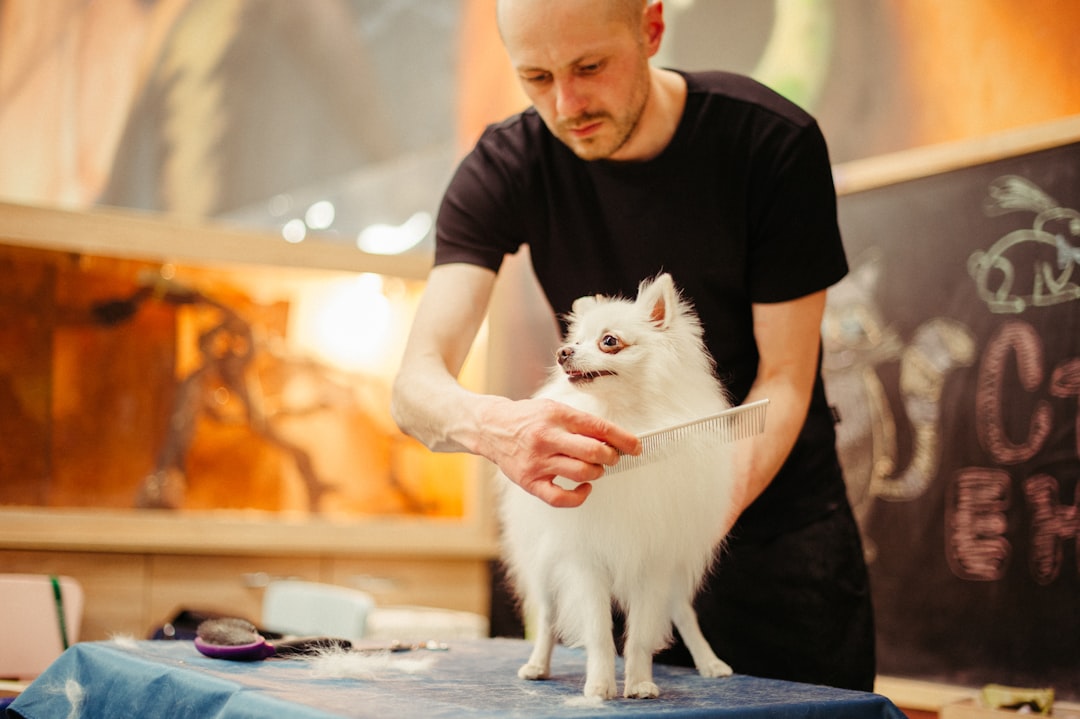
Whether your dog sports a fabulous coat or a sleek, short style, regular grooming is about much more than looks. Brushing removes dead hair, prevents matting, and helps distribute healthy oils. For breeds like Poodles or Shih Tzus, grooming is essential to avoid painful tangles. Nail trims, ear cleaning, and dental care also keep your pup comfortable and healthy. Make grooming sessions positive with treats and praise, turning what could be a chore into a bonding experience.
I Love Learning New Tricks, Even If I’m Older
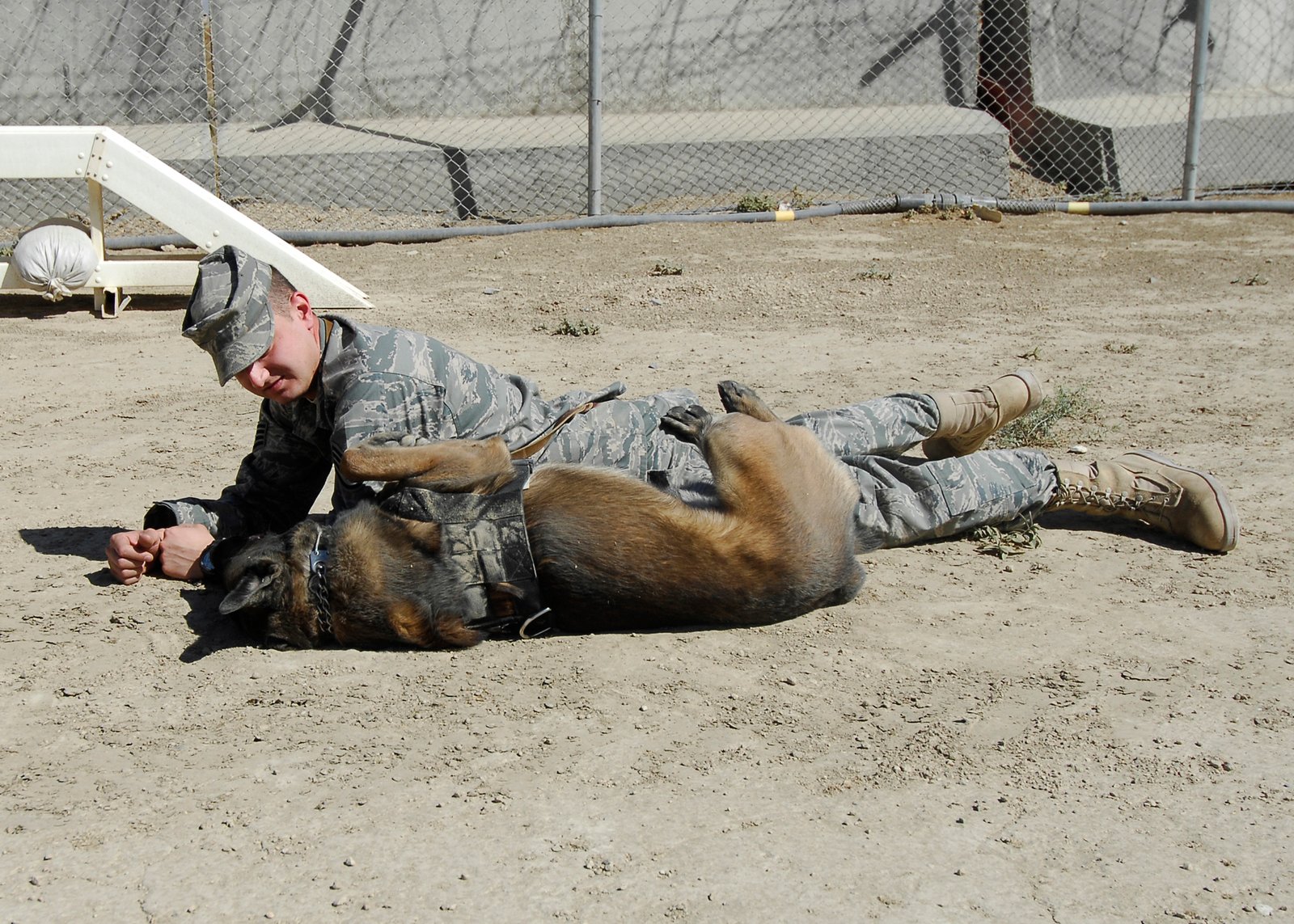
You really can teach an old dog new tricks! Most dogs love the challenge and attention that comes with training—no matter their age. Learning isn’t just for puppies; it keeps senior dogs engaged and provides mental stimulation. Teaching a new trick or command, even something simple, boosts your dog’s confidence and deepens your bond. Positive reinforcement with treats or affection makes training fun for both of you. So dust off those clickers and try something new—you’ll be amazed at what your dog can do!
My Food Preferences Matter

Dogs may not be picky eaters, but they definitely have likes and dislikes. Some breeds, like Beagles, will eat anything, while others, like Huskies, can be surprisingly selective. Changes in appetite can signal health issues, so it’s important to notice what your dog enjoys and what they avoid. Offering variety—like different proteins or healthy add-ins—can keep mealtime exciting. Always avoid toxic foods like chocolate, grapes, or onions, and consult your vet if you’re unsure. Happy tummies make for happy dogs!
I Need a Safe Place to Retreat

Every dog, no matter the breed, needs a quiet, safe spot to call their own. Whether it’s a crate, a cozy bed, or a favorite corner, this space becomes their sanctuary. When the house is busy or loud (think thunderstorms or parties), your dog will feel grateful for a place to escape and relax. Respect their space and teach children to do the same. Providing a personal haven helps prevent stress and gives your pup a sense of control over their environment.
Loud Noises Can Be Terrifying

Thunderstorms, fireworks, or even a vacuum cleaner can send some dogs into a panic. Breeds with sensitive hearing, like Shelties and Collies, are especially prone to noise anxiety. If your dog shakes, hides, or barks during loud events, they’re not just being dramatic—they’re genuinely scared. Closing windows, playing calming music, or offering a comforting toy can help. For severe cases, consult your vet about anxiety solutions. A little understanding goes a long way in helping your dog feel safe.
I Need Boundaries to Feel Secure

While it might sound counterintuitive, dogs actually feel safer when they know the rules. Clear boundaries—like where they can go, what they can chew, and when it’s time to settle down—create a sense of structure. Consistent training helps prevent confusion and anxiety, especially in intelligent breeds like German Shepherds or Border Collies. Enforcing boundaries with kindness and patience shows your dog that you’re a reliable leader. In turn, your dog will feel more confident and at ease in your home.
My Body Language Speaks Volumes

Your dog is constantly “talking” to you with their body. A wagging tail, perked ears, or a relaxed posture usually mean happiness, while a tucked tail or yawning can signal stress or discomfort. Breeds communicate differently—Bulldogs might grunt, while Whippets may tremble when anxious. Learning your dog’s signals helps prevent misunderstandings and keeps everyone happier. Next time your dog “speaks,” pay attention—it’s their way of letting you in on their world.
Training Should Be Positive, Not Punishing
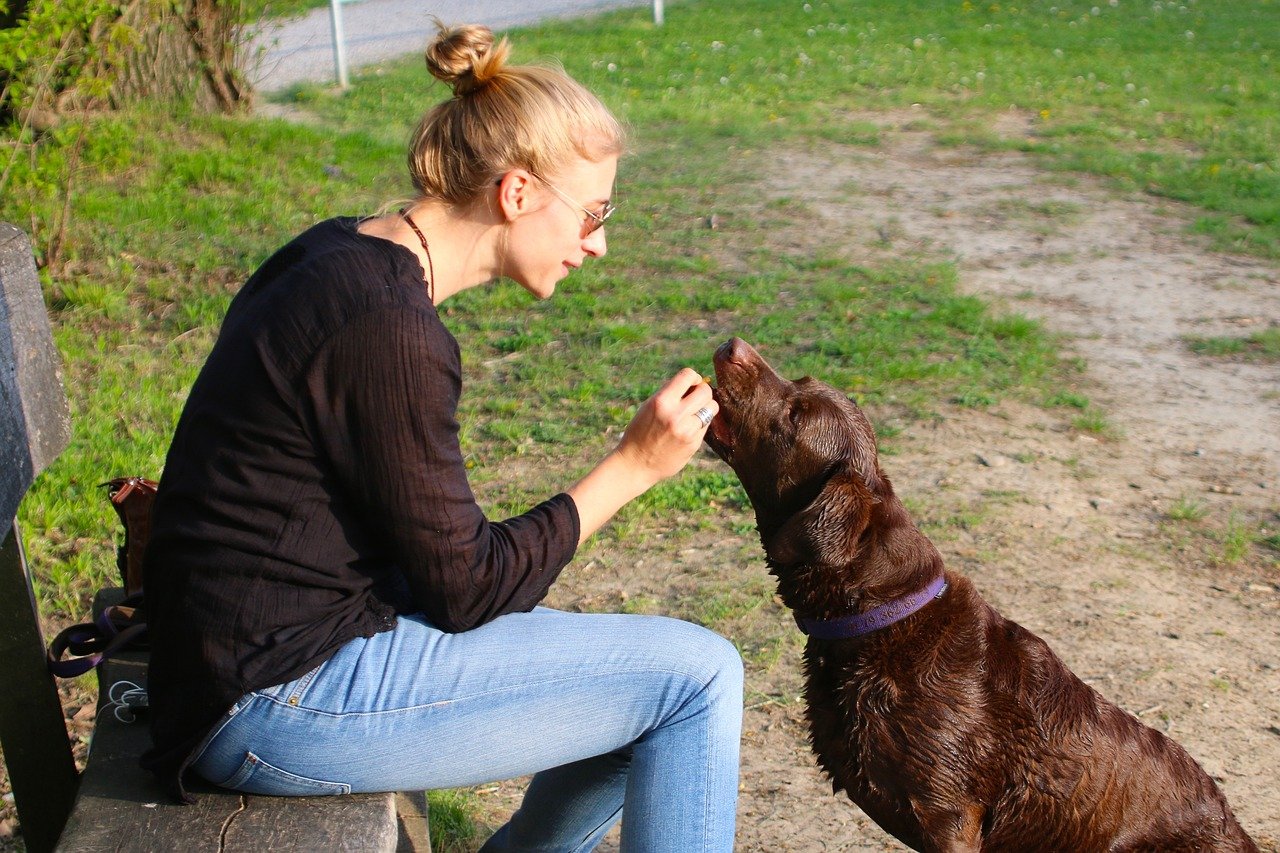
Nobody likes being scolded, and your dog is no exception. Positive reinforcement—rewarding good behavior with treats, praise, or play—works far better than punishment. Harsh corrections can damage trust, especially in sensitive breeds like Italian Greyhounds or Cavaliers. Celebrate your dog’s successes, even the small ones, and you’ll see faster, happier progress. Remember, training is about building a partnership, not winning a battle.
I Feel Your Emotions Deeply

Dogs are emotional sponges. If you’re anxious, they might become clingy or unsettled; if you’re calm, they’ll relax too. This is especially true for breeds bred to work closely with humans, like Labradors or Collies. Your dog can sense stress in your voice or even your scent. Taking care of your own well-being isn’t just good for you—it helps your dog feel safe and balanced. Sometimes, all your dog wants is to be near you, sharing whatever mood you’re in.
Being Alone Isn’t Always Fun

While some independence is healthy, most dogs are social creatures who crave companionship. Breeds like French Bulldogs or Dachshunds can become anxious if left alone for too long. Separation anxiety can lead to destructive behaviors or excessive barking. If you’re away often, consider doggy daycare, a pet sitter, or a canine companion. Leaving a piece of your clothing with your scent can comfort your pup. Remember, you’re their favorite person, and they miss you more than you think!
Exercise Needs Vary by Breed

Not all dogs need the same amount of exercise. A Jack Russell Terrier might need hours of play, while a Bulldog is happy with a short stroll. Overexercising a small or elderly dog can cause injury, just as under-exercising an energetic breed can lead to frustration and mischief. Knowing your dog’s breed-specific needs is key to keeping them healthy and content. Mix up their routine with walks, games, and even swimming if they enjoy it. A tired dog is a happy dog!
Change Can Be Hard For Me
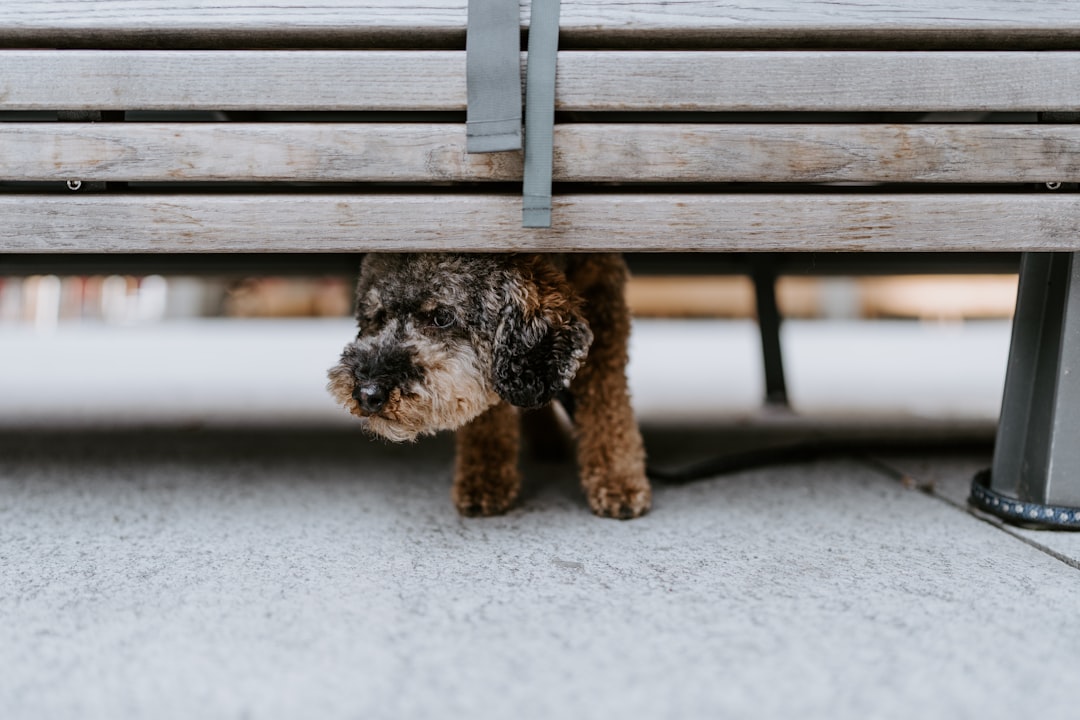
Dogs are creatures of habit, and big changes—like moving house, a new family member, or even rearranging furniture—can be stressful. Some breeds, like Basset Hounds or Maltese, are especially sensitive to disruptions. Helping your dog adjust means offering reassurance, sticking to routines, and giving extra attention during transitions. Patience and understanding will help your pup settle in, even when life gets unpredictable.
I Love You Unconditionally
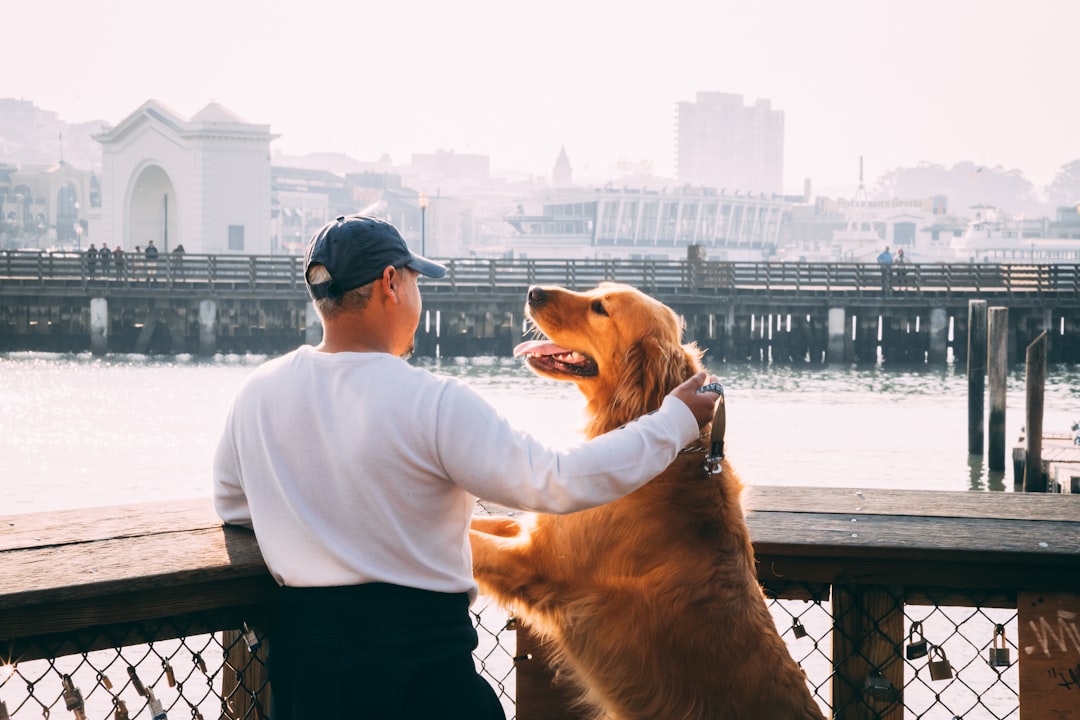
At the end of the day, your dog’s biggest secret is just how deeply they love you. Whether you’re rich or poor, happy or sad, your dog is always in your corner. Breed experts agree that this loyalty is what makes dogs so special. A simple pat, a kind word, or just sitting together means the world to them. Next time you look into your dog’s eyes, remember—they’re not just a pet, but a best friend who loves you, no matter what.
What surprised you most about what your dog wishes you knew?


