
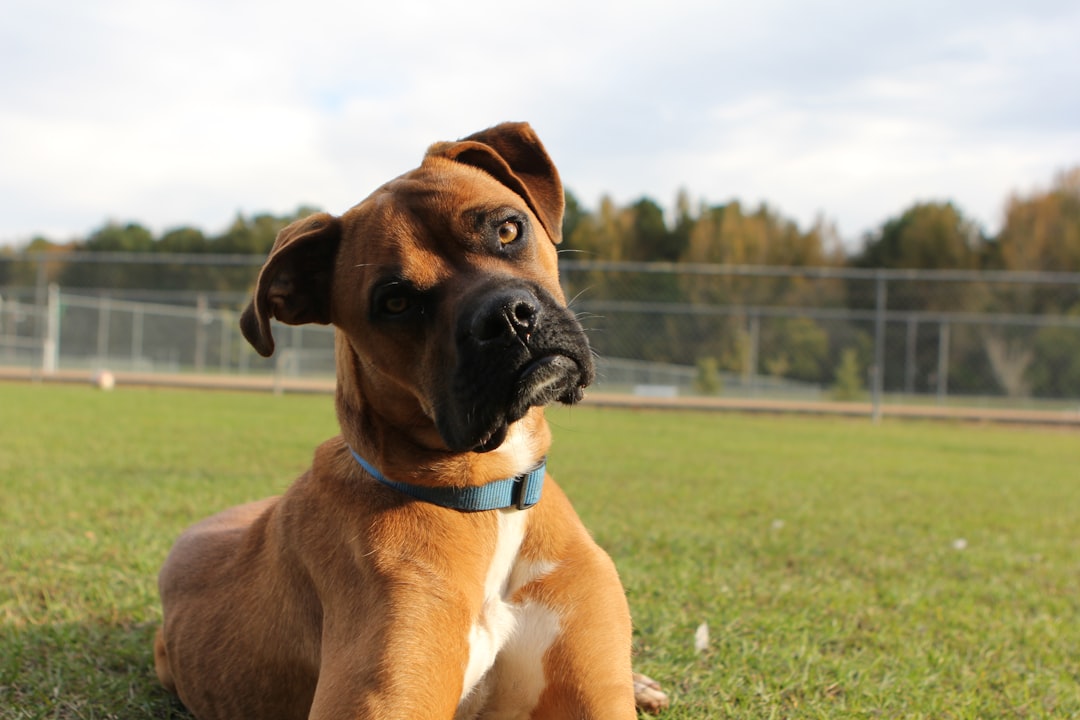
Have you ever wondered what your dog is thinking when they stare at you with those soulful eyes or nudge you gently with their nose? While barking is the most obvious way dogs communicate, it’s far from their only method. In fact, your canine companion is constantly trying to “talk” to you in subtle, silent ways. Dogs use their bodies, faces, tails, and even their paws to convey feelings, needs, and even warnings. Understanding these wordless messages can deepen your bond and help you respond to your dog’s needs before they ever make a sound. Get ready to discover the secret language your furry friend has been using all along!
1. The Intense Stare
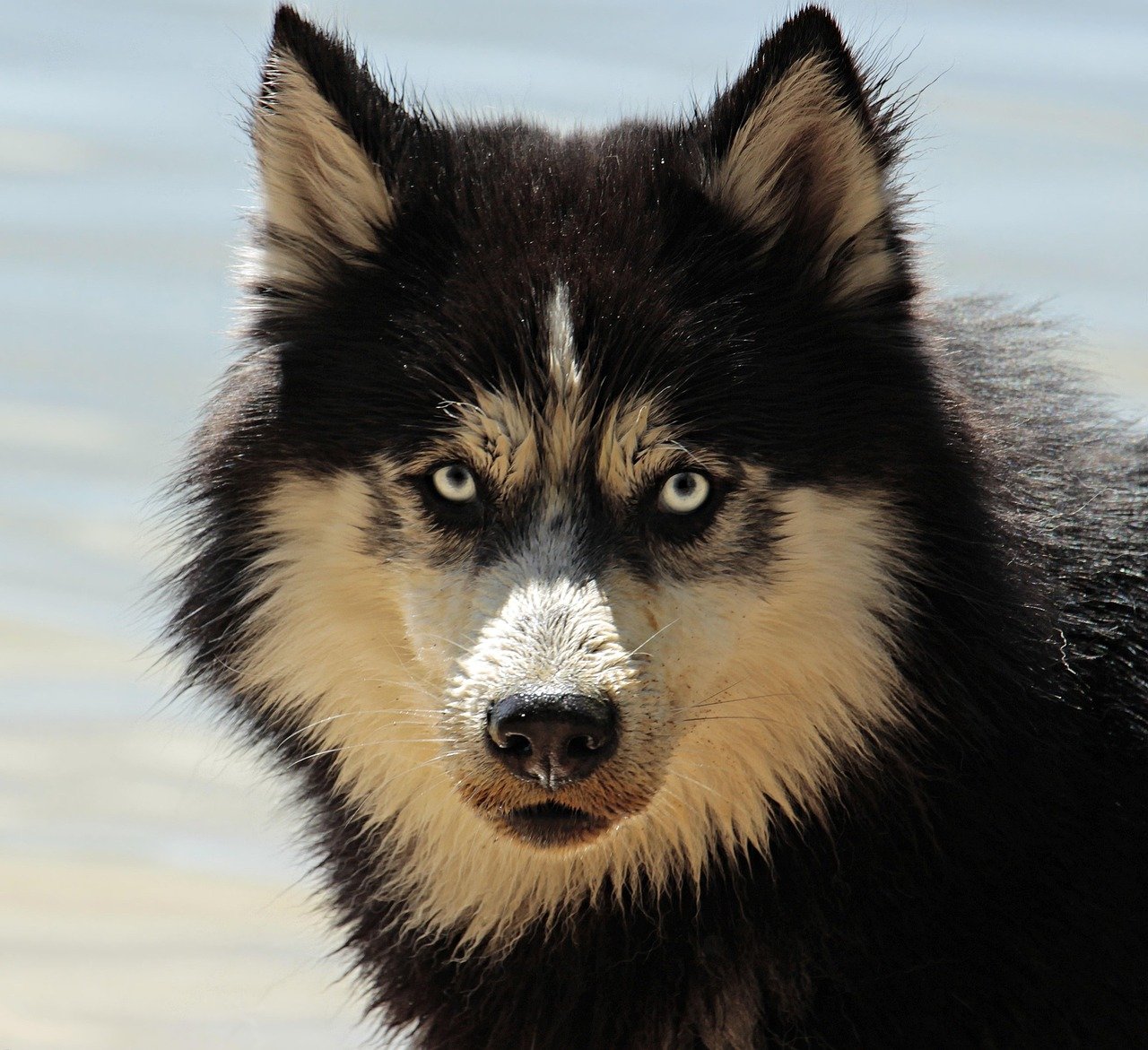
Dogs may not use words, but they’re constantly communicating—often in subtle, bark-free ways that speak volumes if you know what to look for. From the tilt of a head to the wag of a tail or even a lingering stare, your canine companion has a rich vocabulary built on body language, facial expressions, and small gestures.
When your dog fixes their gaze on you, it’s not just curiosity or boredom. That steady stare can mean they want your attention—whether it’s for a treat, a walk, or simply to share a moment of connection. Some dogs use their eyes to ask for reassurance or to express love. Others may look at you intently when they’re feeling anxious or uncertain, seeking comfort in your presence. The next time you catch those big, pleading eyes, remember, your dog is reaching out to you in their own quiet way. It’s their version of a gentle “hey, I need you.” Dogs know that eye contact often leads to positive outcomes, so don’t ignore those heartfelt looks.
2. Tail Wagging (and What It Means)
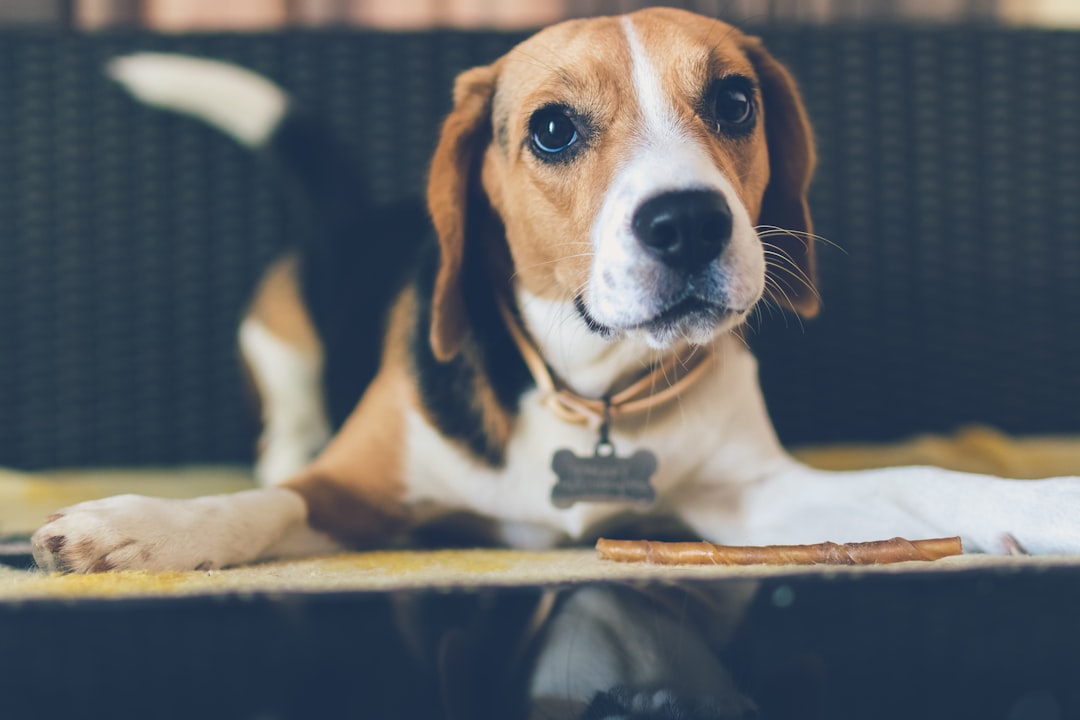
Most people think a wagging tail always signals happiness, but that’s only part of the story. Dogs wag their tails in dozens of ways, each with a different message. A fast, wide wag usually means joy and excitement, while a slow, stiff wag could signal uncertainty or even a warning. The height of the tail matters too—high and stiff can mean alertness or dominance, while low and loose often means relaxation. Some dogs will even wag just the tip of their tail when they’re unsure. Learning to “read” your dog’s tail is like unlocking a secret code—they’re telling you everything you need to know about how they feel.
3. Nudging With Their Nose
A gentle nudge from your dog’s nose might seem like a simple gesture, but it carries a lot of meaning. Dogs nudge people to get attention, ask for petting, or even to move you out of the way. Sometimes, a nudge is a polite request for food or a signal that they want to play. Dogs also use nose nudges to comfort you if they sense you’re sad or stressed, pressing their nose into your hand or lap as if to say, “I’m here for you.” This subtle act is their way of bridging the gap between their world and yours.
4. Leaning Against You

When your dog leans their body against your legs or side, it’s like a big, silent hug. This gesture often means your dog feels safe and trusts you deeply. It’s a sign of affection and bonding, but it can also signal that your dog is seeking reassurance, especially in new or stressful situations. Some dogs will lean against you during thunderstorms or loud noises, silently asking for comfort and protection. The next time your pup cuddles up against you, know that it’s one of the highest compliments they can give.
5. The Play Bow
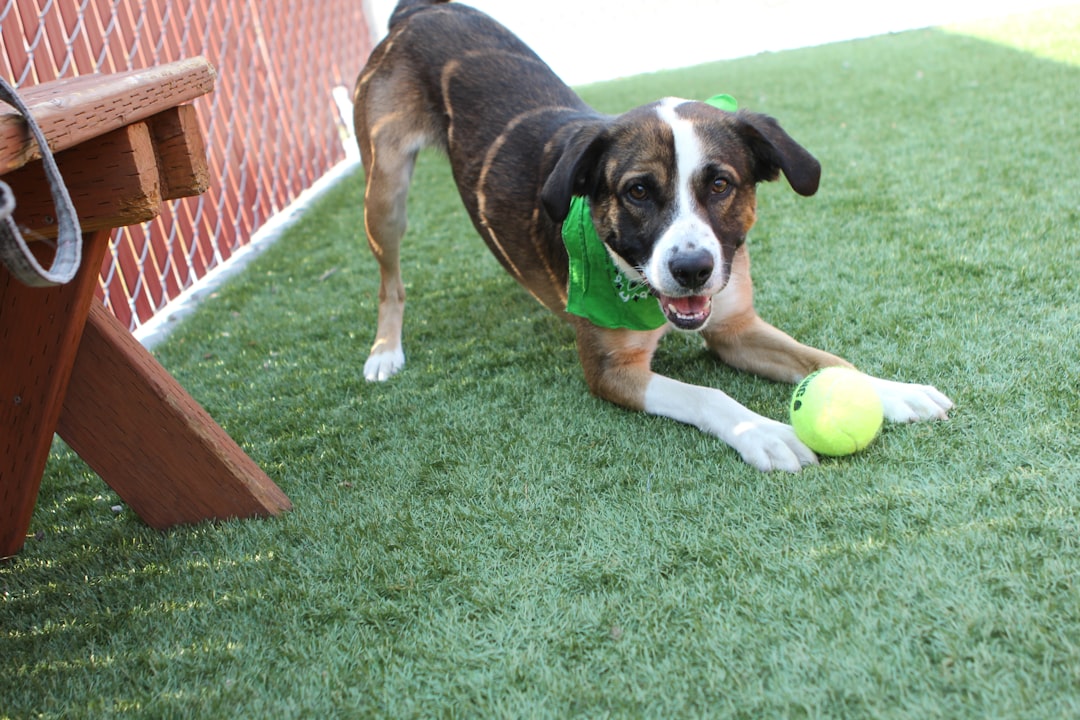
You’ve probably seen your dog lower their front legs, stick their rear in the air, and give a little wag—this is the famous “play bow.” It’s an unmistakable invitation to have fun. This pose tells you your dog is feeling playful and wants to engage, whether it’s with a game of fetch, a romp around the yard, or just some silly wrestling. The play bow is also a way for dogs to show they have friendly intentions, even around new people or pets. It’s their way of saying, “Let’s be friends!”
6. Pawing at You
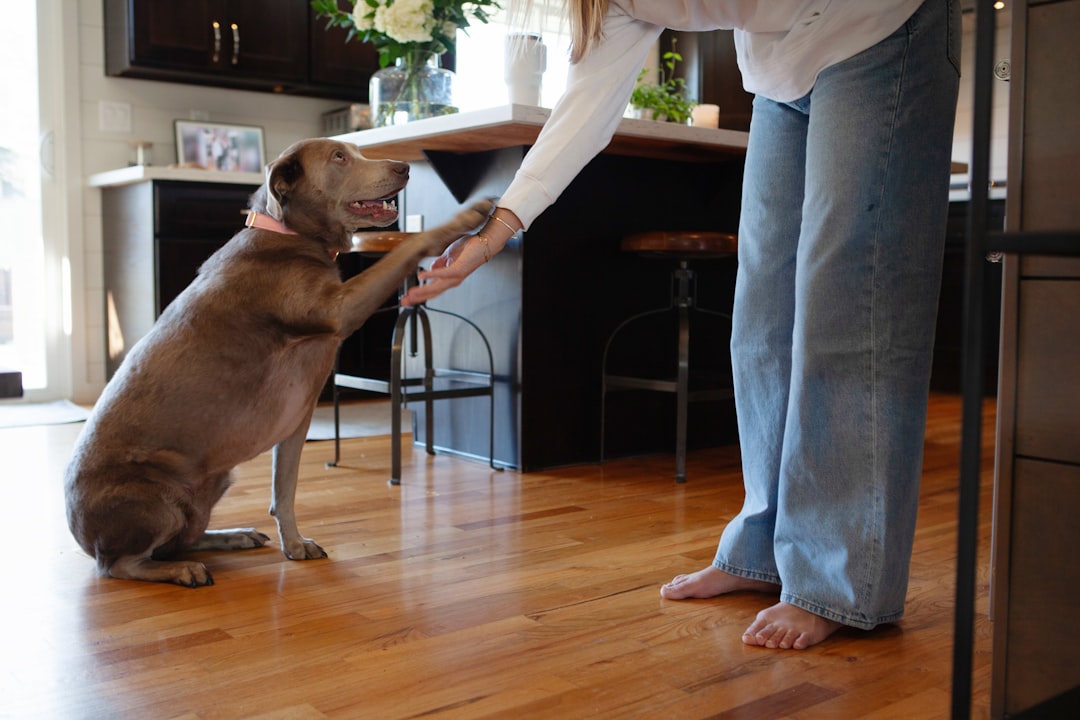
If your dog gently paws at your arm or leg, they’re trying to get your attention. This behavior can mean many things—a request for food, a plea for belly rubs, or simply a desire to be close to you. Some dogs use their paws to show affection or to mimic your own gestures. It can also be a way to communicate boredom or restlessness, especially if they’re not getting enough exercise or stimulation. The soft touch of a dog’s paw is often their way of saying, “Don’t forget about me!”
7. Licking Your Face or Hands
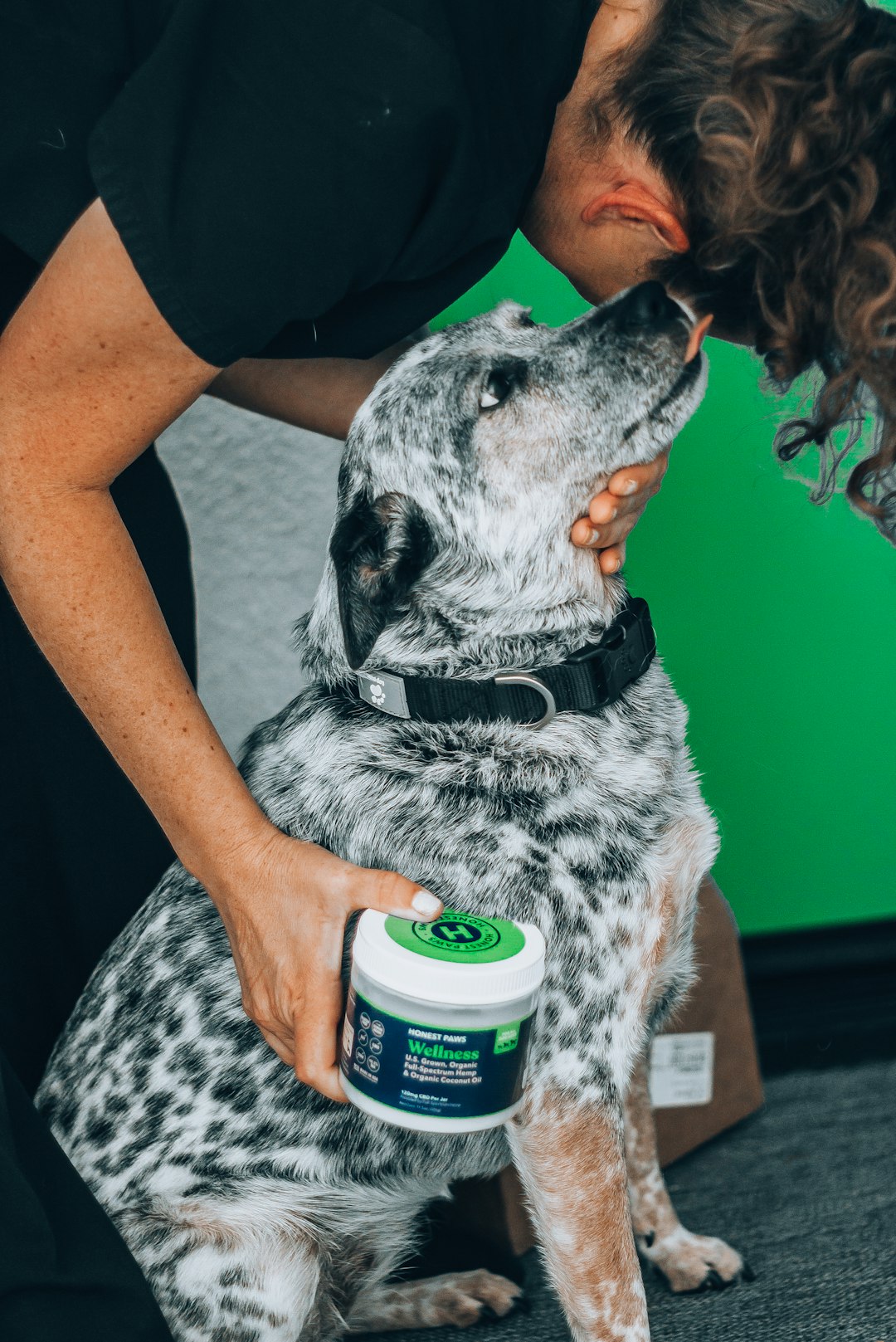
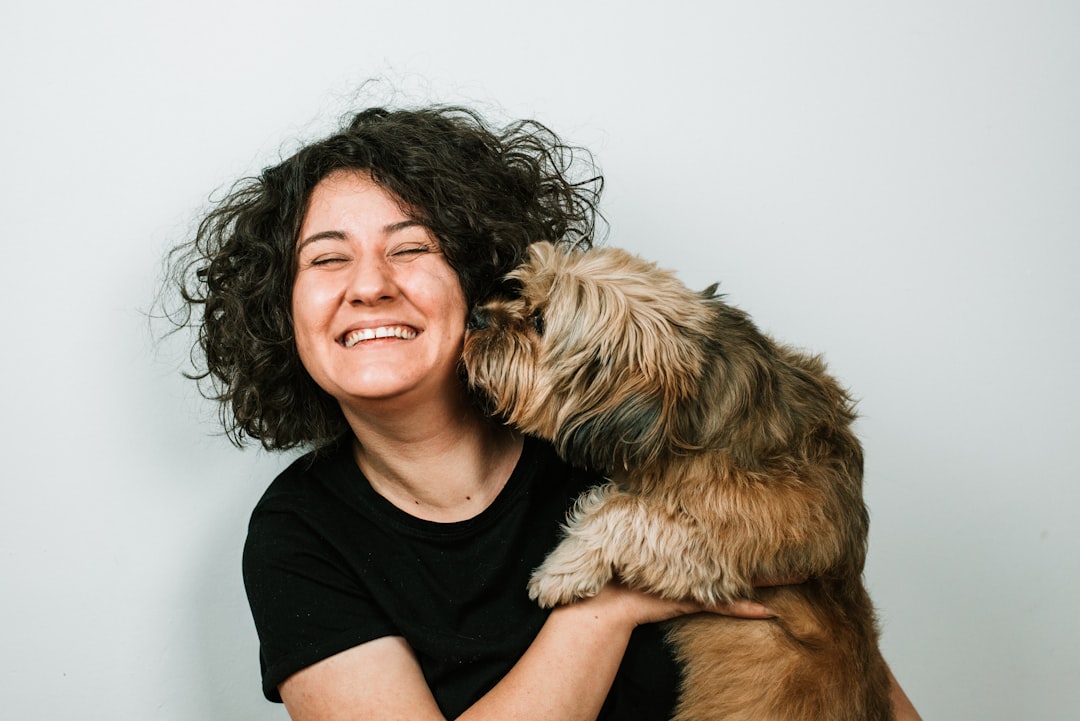
Licking is one of the most expressive forms of dog communication. When your dog licks your hands or face, they might be showing love, seeking comfort, or trying to soothe themselves. In the dog world, licking is a social behavior that reinforces bonds and expresses submission or respect. For some pups, licking is a way to get your attention or even to let you know that something doesn’t feel right. While it can sometimes be a bit slobbery, this gesture is always meant with affection.
8. Rolling Over and Showing Their Belly

When your dog flops onto their back and exposes their tummy, they’re showing ultimate trust. This gesture can be an invitation for a belly rub, but it also signals submission and a sense of security around you. In some cases, a dog might roll over to diffuse tension, whether with another dog or a person. It’s their way of saying, “I trust you completely.” If your dog offers you their belly, take it as a sign that they feel safe and loved.
9. Yawning (And Not Just When Tired)
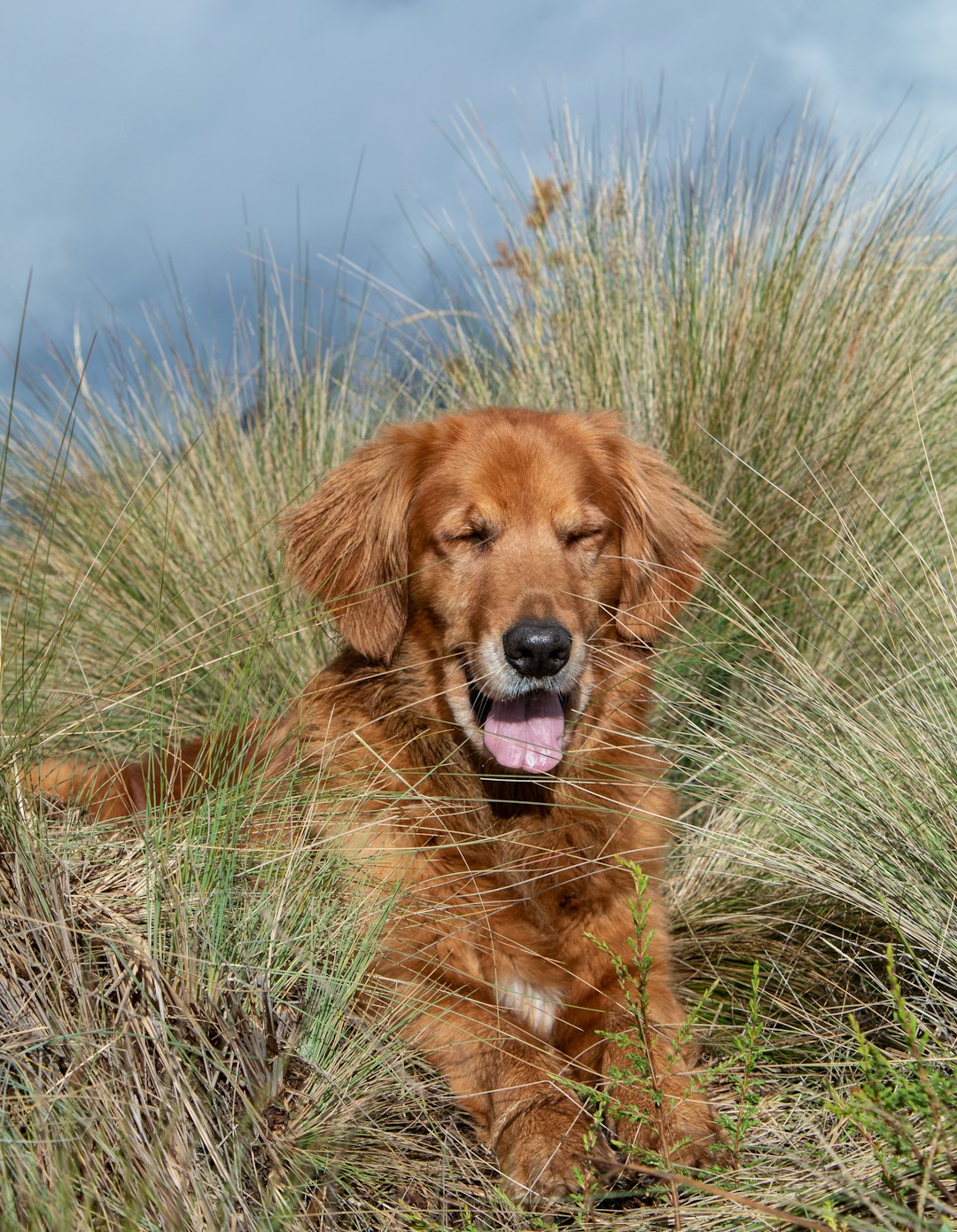
A yawn from your dog doesn’t always mean they’re sleepy. Dogs often yawn when they’re feeling stressed, anxious, or uncertain. It’s a calming signal, a way to defuse tension or relax themselves in tricky situations. Sometimes, dogs will yawn to mirror their owner’s emotions, showing empathy and connection. If you notice your dog yawning in a new environment or around strangers, they might be telling you, “This is a bit much for me.”
10. The Head Tilt
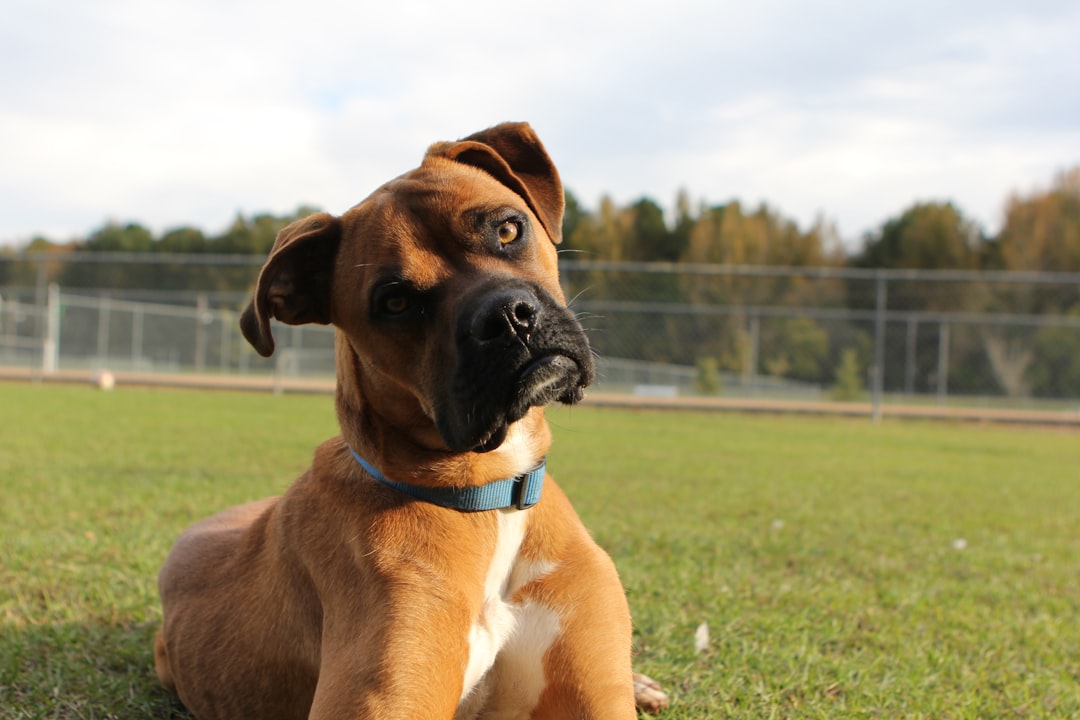
Few things melt hearts faster than a dog tilting their head in curiosity. This adorable gesture usually happens when your dog is trying to understand you better. They might be listening intently, picking up on a new sound, or trying to read your expression. Head tilting can also be a sign that your dog is engaged and eager to interact or learn. It’s their way of saying, “I’m paying attention—what are you telling me?”
11. Sitting or Lying on Your Feet
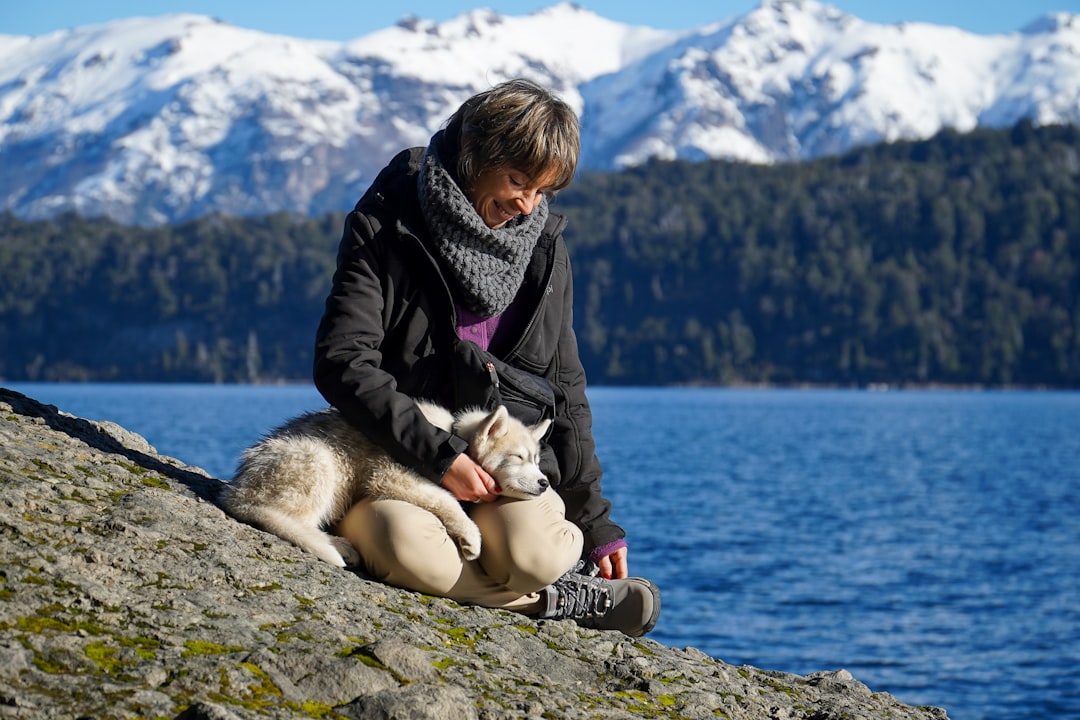
If your dog loves to sit or lie down on your feet, it’s more than just a quirky habit. Dogs do this to feel close and connected to their favorite person. It’s a sign of loyalty and protection, a way to keep you within their “pack.” Some dogs use this gesture to claim you as their own, while others simply find comfort in your presence. It’s like a dog’s version of holding hands.
12. Following You Everywhere
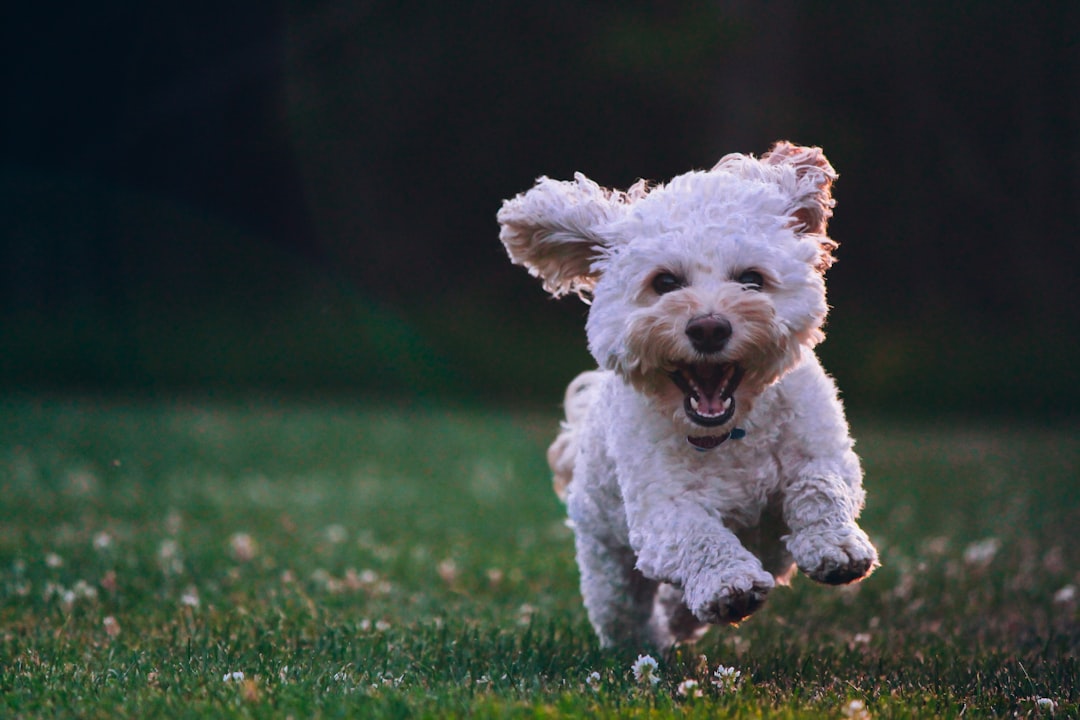
Does your dog shadow you from room to room, never wanting to be out of sight? This behavior, often called “velcro dog,” means your pup is deeply bonded to you. Dogs are social animals, and following you around is their way of staying close to their most important companion. It’s also a sign that they trust you to keep them safe and included in daily life. If you’ve ever tripped over your dog in the kitchen, you know just how much they want to be near you.
13. Bringing You Toys or Objects
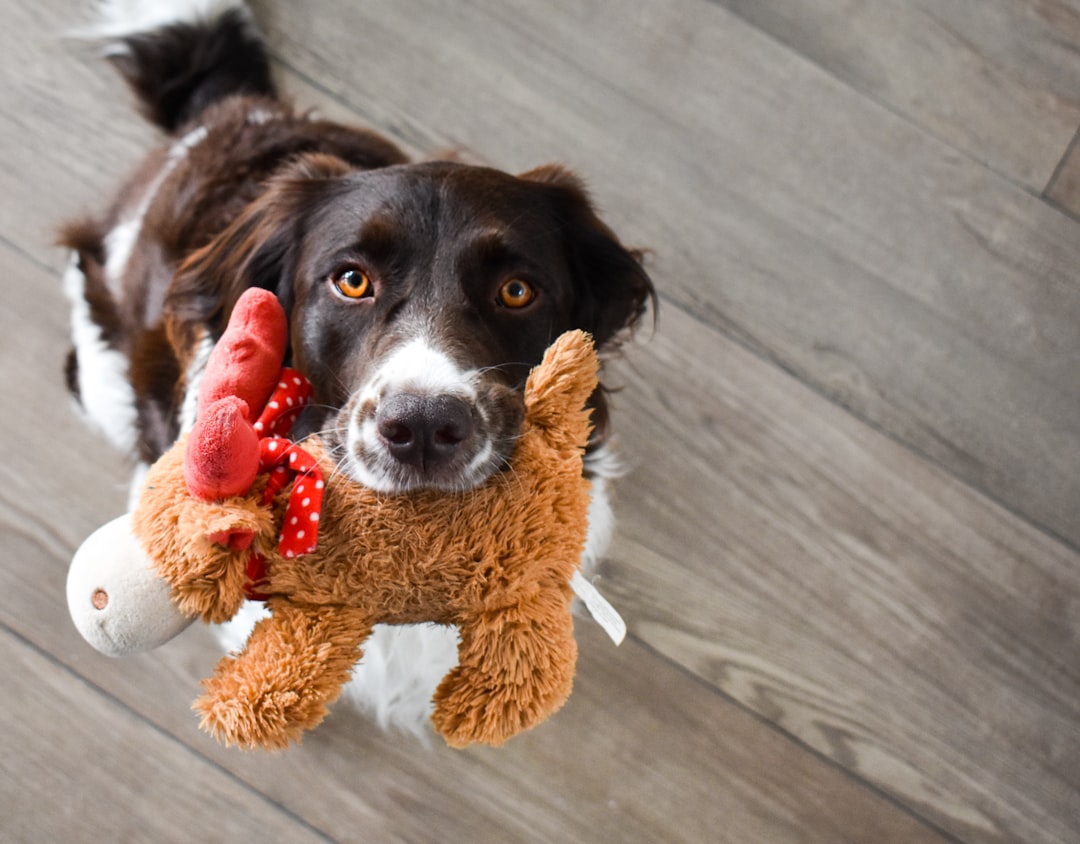
When your dog brings you their favorite toy—or sometimes a random shoe—they’re communicating more than just a desire to play. This gesture can be a gift, a way to share something they love with you. Dogs might also bring objects to get your attention or to encourage you to join in a game. It’s their way of saying, “Let’s have fun together!” Sometimes, they’ll even bring you things to comfort you if they sense you’re upset.
14. Sighing and Deep Breathing
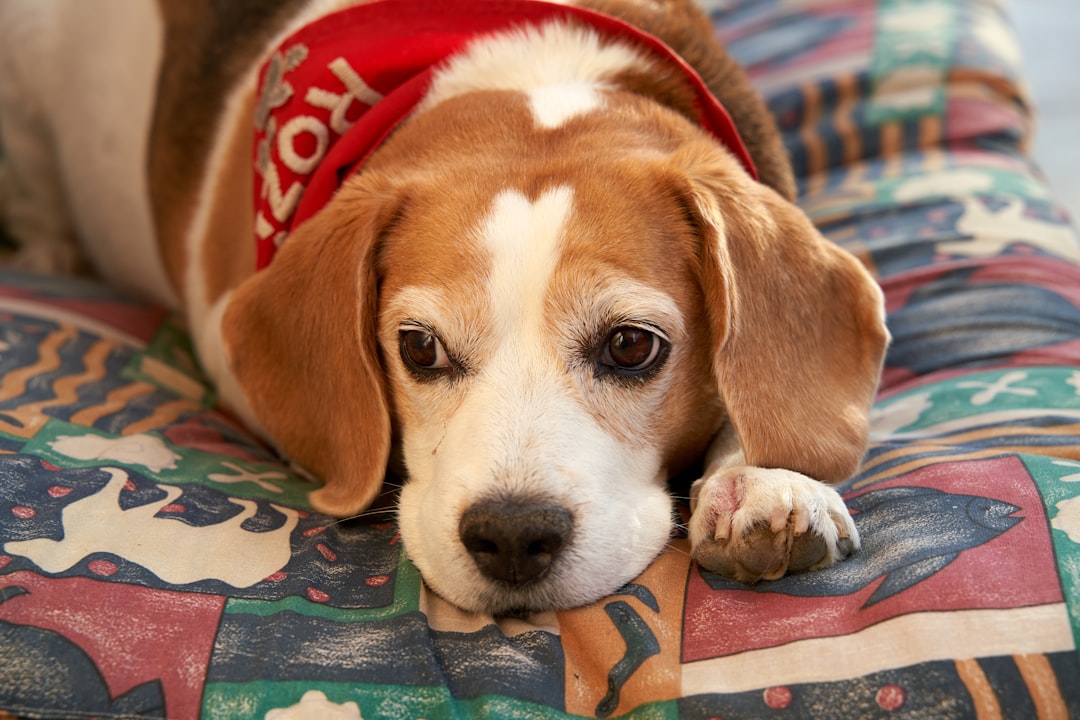
A deep sigh from your dog can be surprisingly expressive. Often, it means contentment and relaxation, especially after a long walk or a good snuggle session. Sometimes, sighing can indicate frustration or disappointment, such as when playtime ends. Dogs use their breath to let you know how they’re feeling, and a heavy sigh is their way of releasing stress or settling in for a cozy nap.
15. Gentle Mouthing or Nibbling
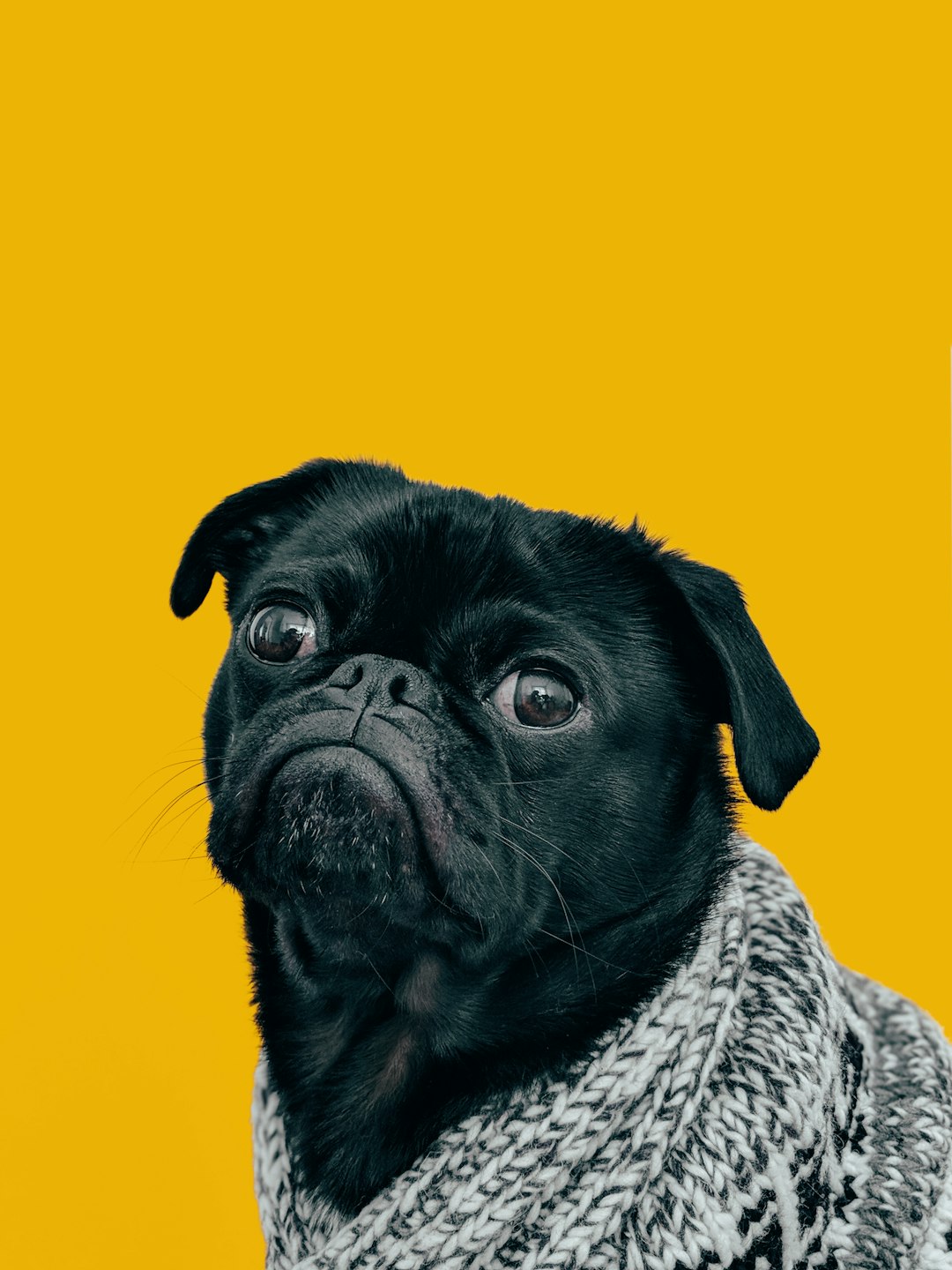
Some dogs express themselves by gently mouthing your hand or nibbling your fingers. This is often a sign of affection and playfulness, especially in puppies. It’s a holdover from their early days with their littermates, where gentle mouthing was a way to bond. As long as it’s gentle and controlled, it’s usually nothing to worry about—your dog is simply saying, “I like being close to you.”
16. Ears Perked Up or Flattened
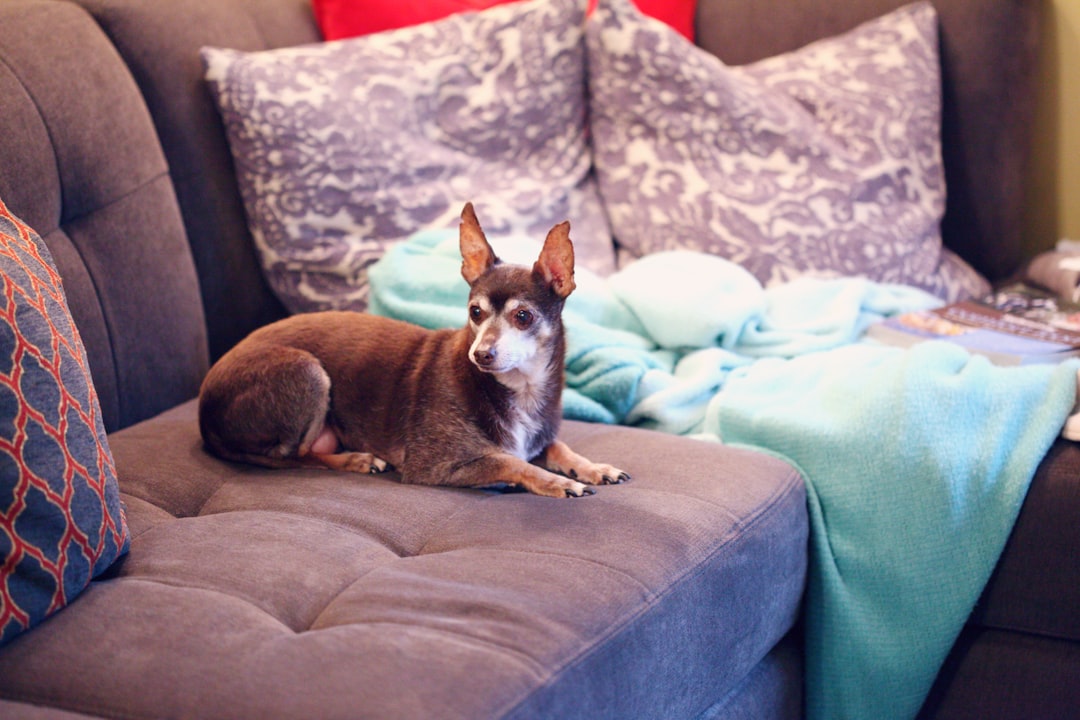
A dog’s ears are like antennae, picking up on every sound and emotion. Perked-up ears mean your dog is alert and curious, listening intently to what’s going on. Flattened ears, on the other hand, can signal fear, anxiety, or submission. By watching your dog’s ears, you can learn a lot about their mood and what’s catching their attention. It’s a subtle but powerful way they communicate their feelings.
17. Circling Before Lying Down
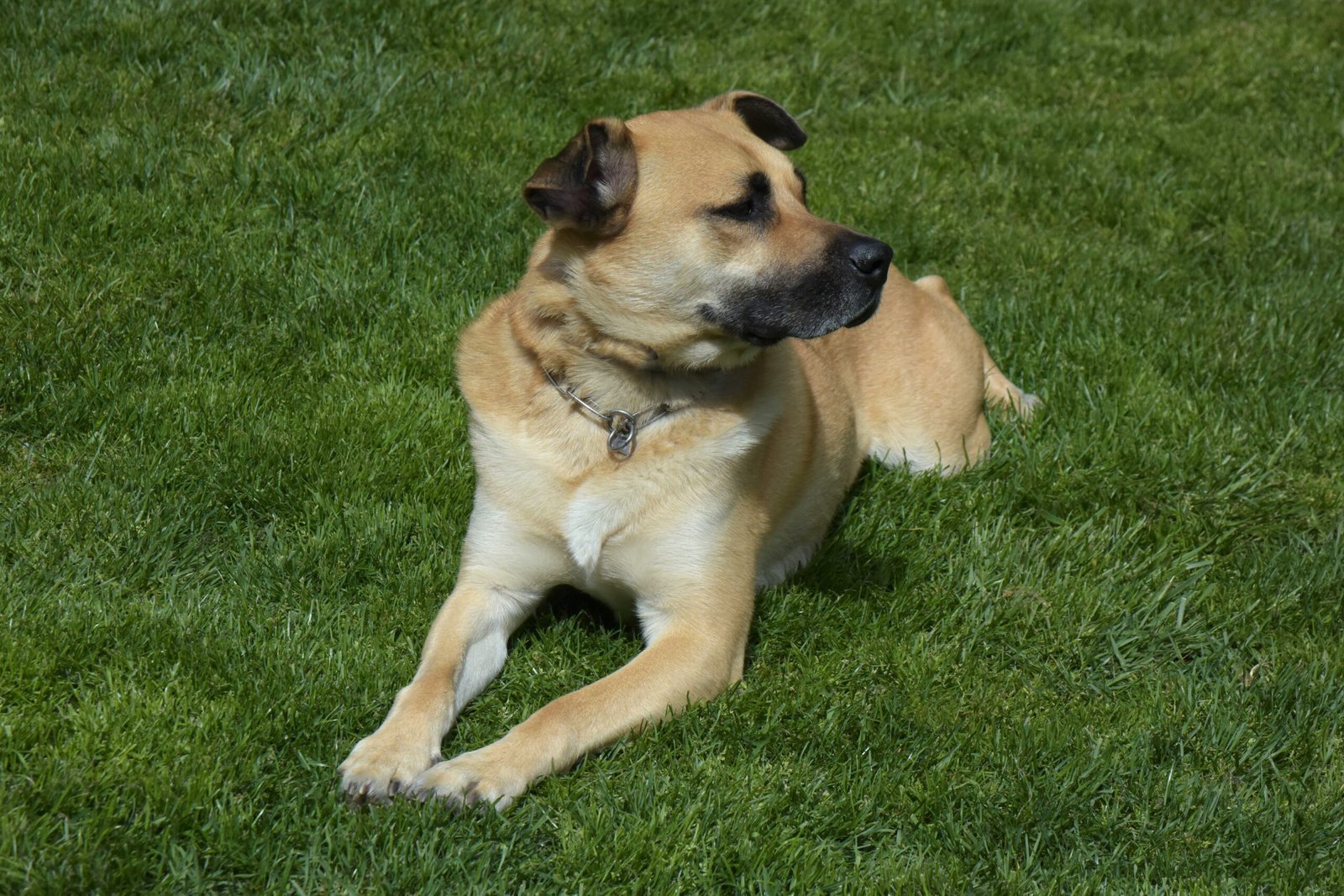
You might notice your dog walking in a circle before settling down for a nap. This age-old habit comes from their wild ancestors, who would trample grass to create a comfortable, safe sleeping spot. When your dog circles, they’re signaling comfort and routine, but they’re also communicating that they feel safe enough to rest. It’s a little ritual that says, “All is well in my world.”
18. Freezing or “Pointing”
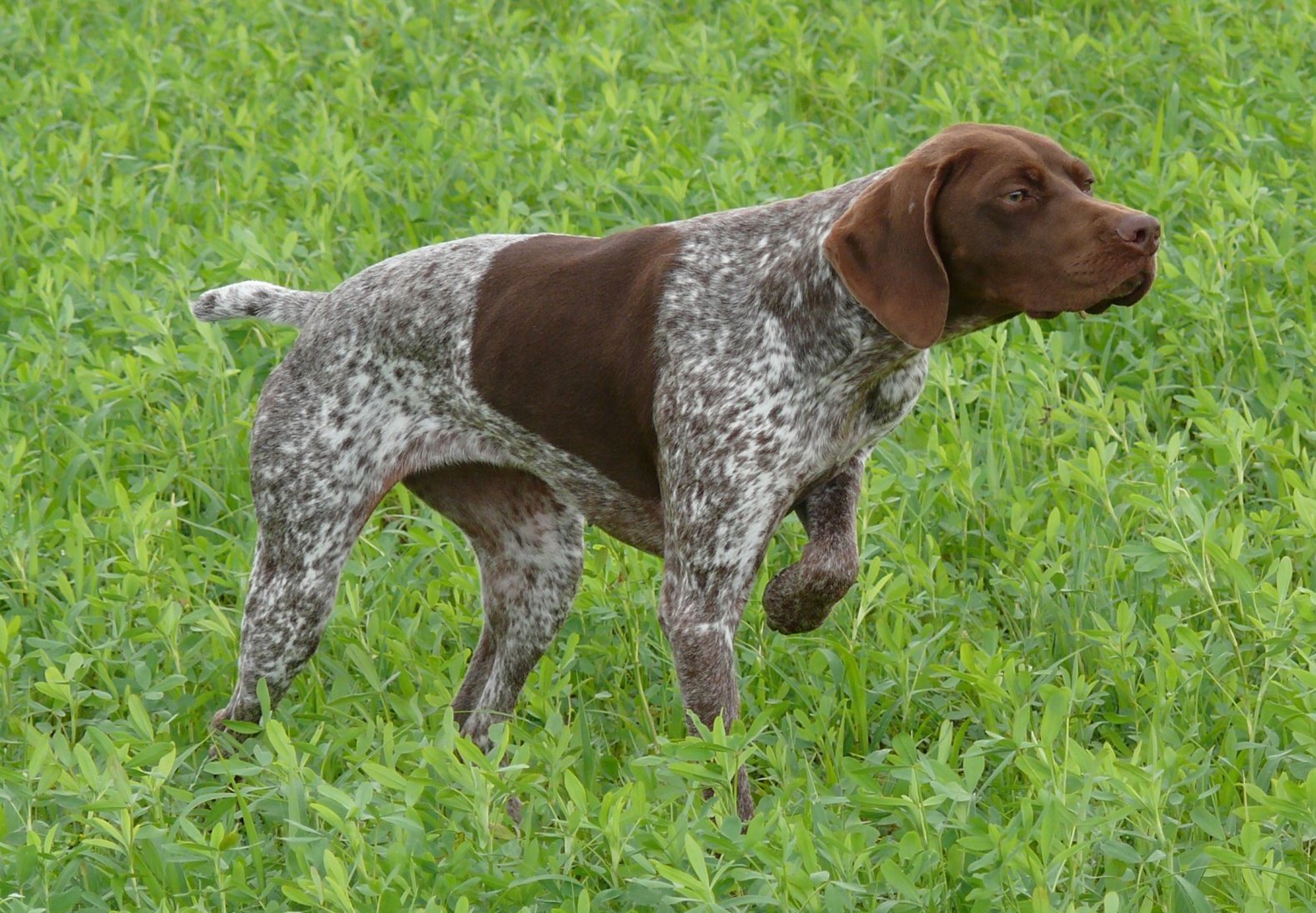
Sometimes, your dog may suddenly freeze in place or “point” with their nose or paw. This behavior is often seen in breeds with hunting backgrounds, but any dog can do it. Freezing means your dog is focused and alert, usually having noticed something interesting or unusual. It can also be a warning or a way to signal caution. When your dog “points,” they’re telling you, “Pay attention—something’s happening!”
19. Lip Licking and Nose Licking
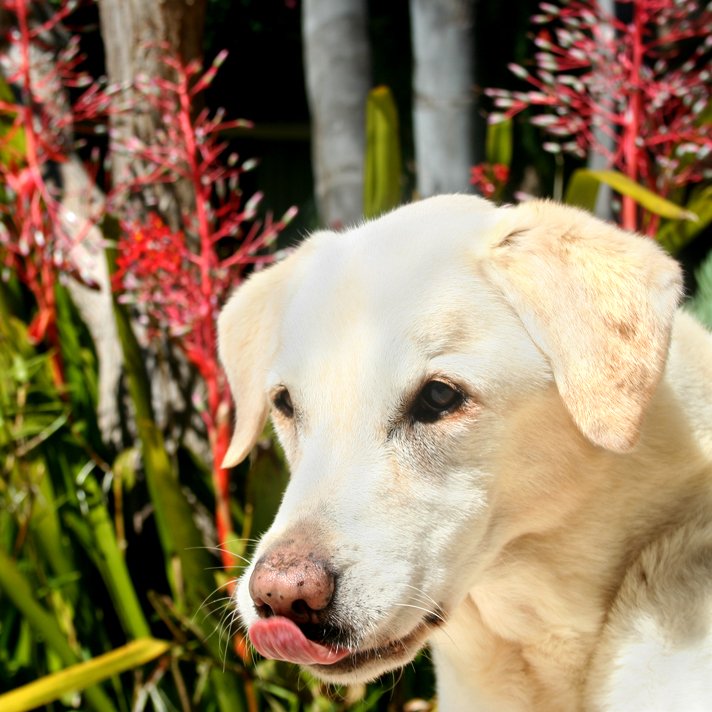
Dogs lick their lips or noses for reasons beyond hunger. This subtle gesture can indicate nervousness, anticipation, or even respect. Dogs also lick their lips as a calming signal, trying to diffuse stress in tense situations. If your dog licks their nose when meeting new people or animals, they might be saying, “I’m friendly—no need to worry.” It’s a small but revealing part of their silent language.
20. Pacing or Restlessness
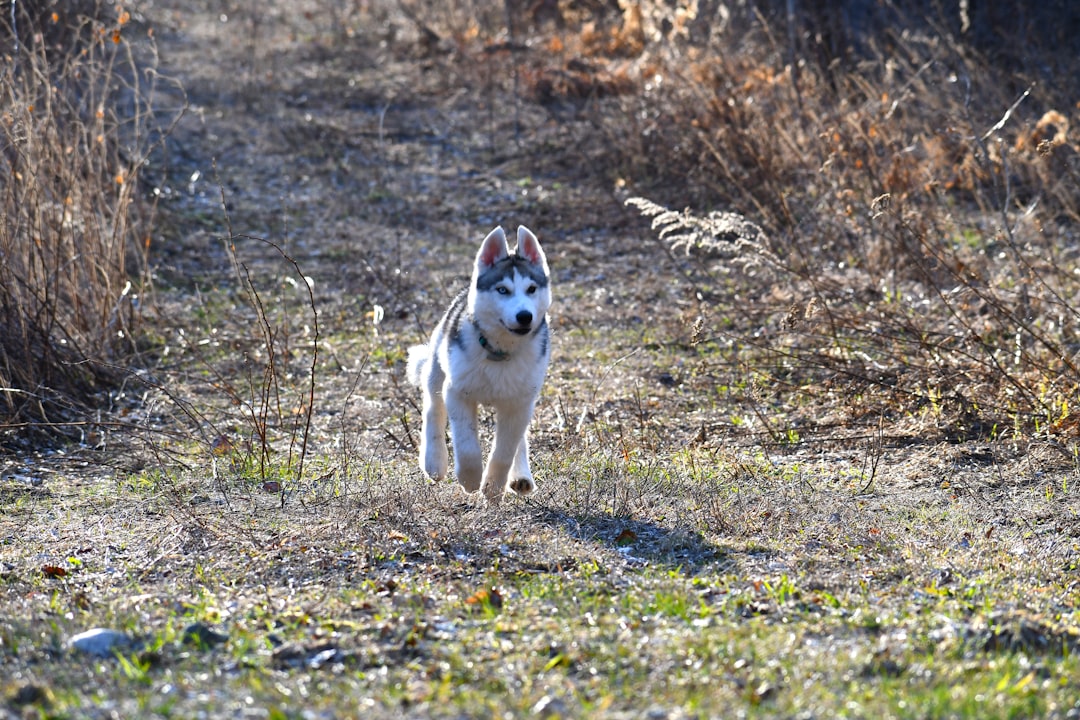
When your dog starts pacing back and forth, it’s a sure sign they’re trying to tell you something. Pacing often means your dog is anxious, excited, or in need of physical or mental stimulation. Sometimes, it’s a signal that they need to go outside or that something in their environment is making them uncomfortable. Paying attention to this restless movement helps you respond before your dog feels the need to bark or whine.
Understanding your dog’s silent signals is key to deepening the bond you share. While barking is just one form of communication, your dog is constantly expressing emotions and needs through subtle cues—from body posture and tail movement to eye contact and routine behaviors. By learning to “listen” in these quieter ways, you’ll not only respond more effectively to their needs but also foster a relationship built on trust, empathy, and mutual respect. After all, when it comes to love and connection, sometimes actions speak louder than barks.


