

Most pet owners believe that buying “premium” kibble and avoiding chocolate is enough to keep their dogs safe, but recent veterinary data suggests we are living in a golden age of accidental canine toxicity. While we think we’re treating our four-legged family members to a taste of our snacks, we are often unknowingly introducing metabolic disruptors and neurotoxins into their systems. The truth is, the gap between “human-safe” and “canine-safe” is much wider than the pet food industry wants you to believe. Here’s what the veterinary toxicology experts actually say.
#40 — Grapes and Raisins

The most dangerous thing about grapes is that science still hasn’t fully identified the exact toxin involved. While some dogs can eat a few and seem fine, others suffer acute kidney failure from just a single raisin.
There is no “safe” dose for this fruit, and symptoms often don’t appear until it’s too late for a simple stomach pump. Veterinary ERs see a massive spike in cases during the holidays when fruitcakes and snack packs are within snout-reach.
Even organic, seedless varieties carry the same mysterious risk factor. If your dog ingests even one, it is considered a medical emergency. But as scary as grapes are, the common baking ingredient at #39 is often stealthier.
#39 — Xylitol (Birch Sugar)

You’ll find this sugar substitute in “sugar-free” gum, peanut butter, and even some toothpastes. In dogs, Xylitol triggers a massive, rapid insulin release that causes blood sugar to drop to life-threatening levels within 30 minutes.
Worse yet, it can cause total hepatic failure (liver death) in less than two days. Many “fit” or “keto” snacks designed for humans are essentially poison bait for a curious Labrador.
Always check your peanut butter labels for ‘Birch Sugar’ or Xylitol before filling a Kong toy. This chemical is actually 100 times more toxic to dogs than chocolate. You think that’s bad? Wait until you see why the “healthy” veggie at #38 is a silent killer.
#38 — Onions and Shallots

Whether raw, cooked, or powdered, members of the Allium family contain N-propyl disulfide. This compound attacks a dog’s red blood cells, causing them to oxidize and literally burst inside the body.
This condition, known as hemolytic anemia, can take days to manifest. Your dog might seem fine after eating a piece of onion-heavy pizza, only to become lethargic and pale 72 hours later.
Powdered onion is actually more concentrated and dangerous than the fresh vegetable. Many seasoned meats we share from the dinner table are laced with this hidden toxin. It’s a slow-burn poison, unlike the rapid-fire reaction caused by #37.
#37 — Macadamia Nuts
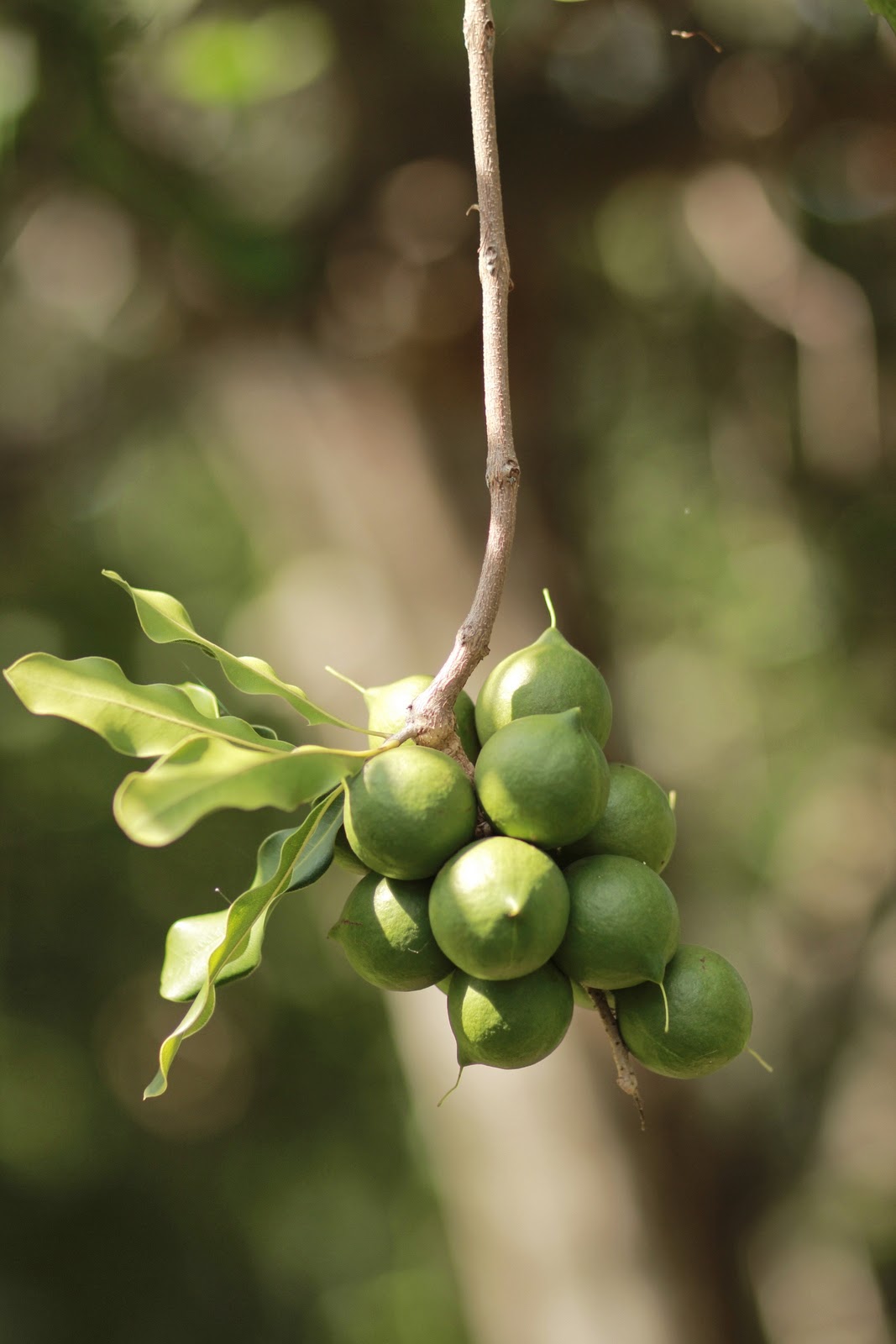
These are widely considered the most toxic nuts for dogs, causing a bizarre reaction known as “Macadamia nut toxicosis.” Within 12 hours, dogs lose the ability to use their back legs.
Affected pets will experience vomiting, tremors, and hyperthermia (overheating), often looking like they’ve suffered a neurological stroke. The good news is that most dogs recover with treatment, but the distress is immense.
Just five or six nuts can cause a 40-pound dog to lose all rear-limb coordination. Most people assume all nuts are safe protein, but this specific variety is a neurological nightmare. Now, let’s talk about the “innocent” fruit pit at #36.
#36 — Peach and Plum Pits
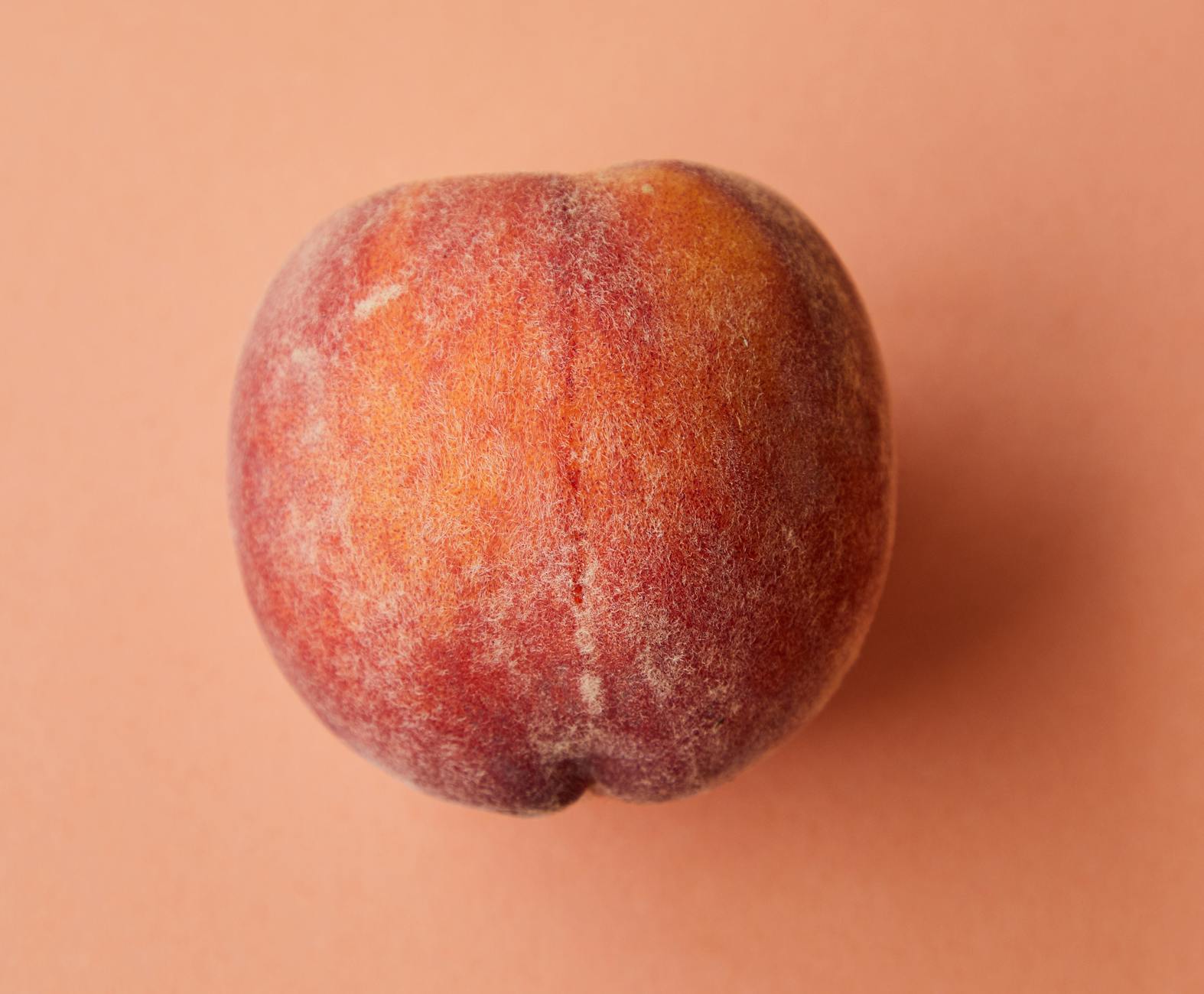
The danger here isn’t just a choking hazard; it’s chemical warfare. The pits of stone fruits contain amygdalin, which releases cyanide into the bloodstream when chewed or broken down.
While a dog would need to crush the pit to release the poison, the secondary risk is a total intestinal blockage. These pits are the perfect size to get lodged in the small intestine, requiring expensive emergency surgery.
Cyanide poisoning in dogs causes bright red gums and dilated pupils before total respiratory collapse. If you have fruit trees in your yard, you’re sitting on a minefield. And speaking of yard hazards, #35 is a kitchen staple that is secretly a fungal hazard.
#35 — Walnuts (Specifically Moldy Ones)
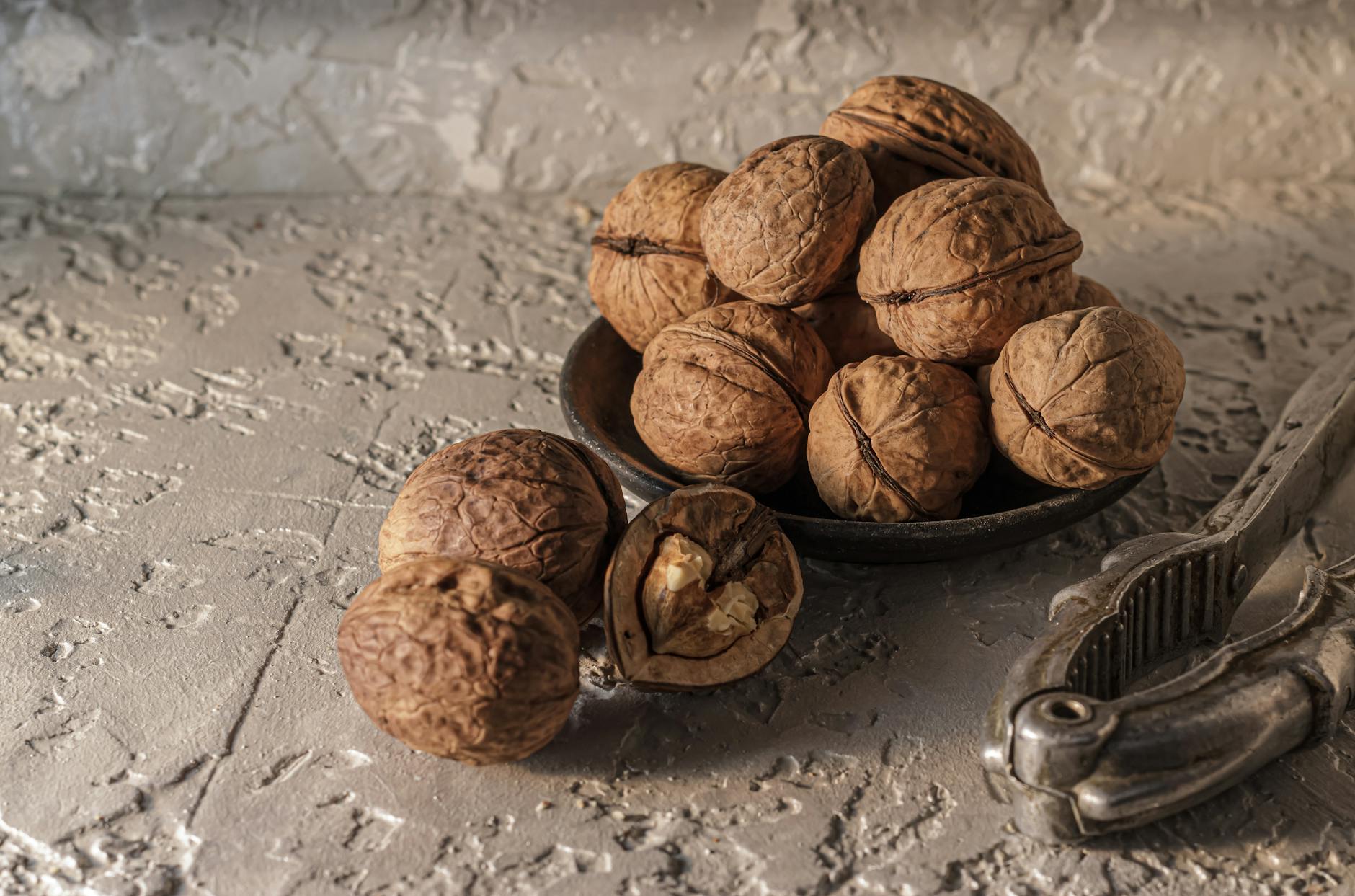
Fresh English walnuts are generally okay in tiny amounts, but “Black Walnuts” and any walnut stored in a damp pantry are lethal. They are prone to growing tremorgenic mycotoxins.
These toxins cause violent full-body tremors and seizures that can lead to permanent brain damage. Many dogs find old walnuts while foraging in the yard, leading to “backyard poisoning” that leaves owners baffled.
The fungi produced on these nuts are specifically targeted at the canine nervous system. Never let your dog play with nuts found on the ground. However, the common beverage at #34 is even more likely to end in a hospital visit.
#33 — Caffeine

We love our morning coffee, but for a dog, caffeine is a potent stimulant that their tiny hearts cannot process. It can lead to cardiac arrhythmias and eventually heart failure.
Symptoms include restlessness, rapid breathing, and heart palpitations. While a small lap of coffee might just cause jitters, eating used coffee grounds or caffeine pills is often fatal.
Caffeine is also hidden in many “energy” treats and some teas that people mistakenly think are herbal and safe. Your dog relies on a steady rhythm; caffeine throws that rhythm into chaos. Next, #33 is the mistake most “steak-night” fans make.
#32 — Cooked Bones

While raw bones are often okay under supervision, cooked bones are a hard “no” from every vet. The cooking process makes the bone brittle, causing it to splinter into glass-sharp shards upon ingestion.
These shards can puncture the esophagus, stomach, or intestines, leading to a massive internal infection called peritonitis. It is a slow, painful, and incredibly expensive way to lose a pet.
A “treat” bone from a T-bone steak is one of the leading causes of emergency abdominal surgery. It’s not poison in the chemical sense, but it is mechanical poison. Speaking of steak, the fat you trim off for the dog at #31 is just as dangerous.
#31 — Excessive Fat Trimmings
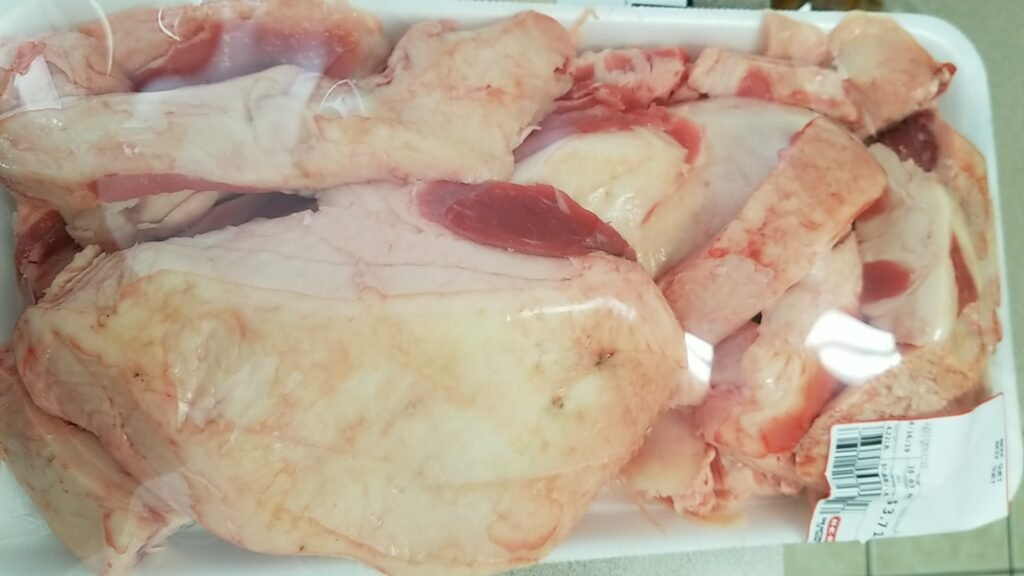
Many owners think they are doing their dog a favor by giving them the “flavorful” fat scraps from a ribeye. In reality, you are playing Russian roulette with their pancreas.
High-fat meals can trigger Acute Pancreatitis, a condition where the pancreas begins to digest itself. It causes excruciating abdominal pain and can lead to organ failure in a matter of hours.
Some breeds, like Schnauzers, are genetically predisposed to fatal reactions from just one fatty meal. If it’s too greasy for a heart patient, it’s too greasy for your dog. But #30 involves a “healthy” fat that most people get wrong.
#30 — Avocado (The Pit and Peel)
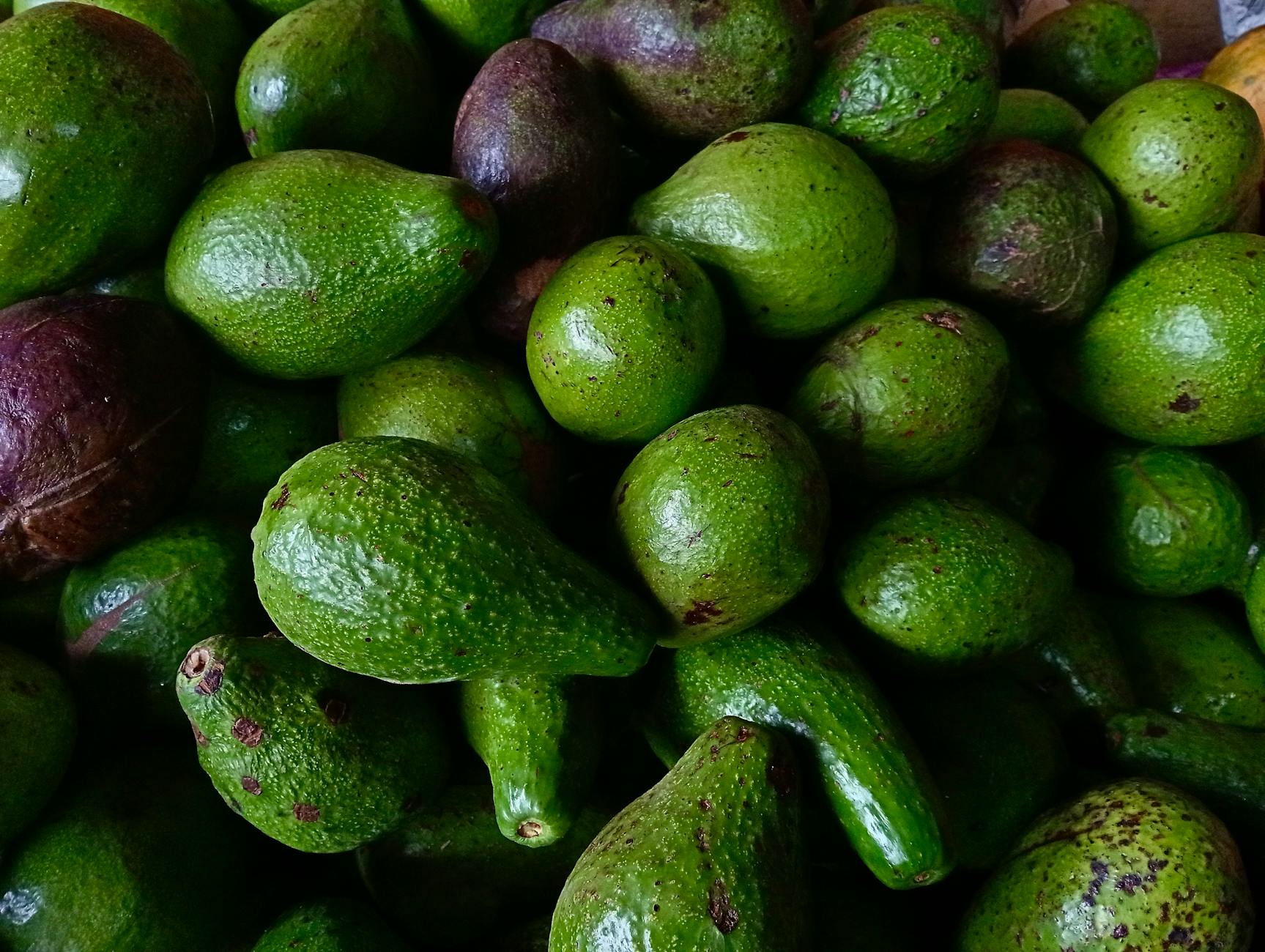
While the flesh of an avocado is debated, the pit, skin, and leaves contain a toxin called Persin. In many animals, including some dogs, this causes fluid accumulation in the lungs and chest.
The biggest risk for dogs is actually the pit, which is slippery and perfectly shaped to block the digestive tract. Because Persin levels vary by variety, most vets suggest avoiding the “superfood” entirely.
Dogs are less susceptible to Persin than birds or horses, but the gastric distress is significant. It’s simply not worth the risk when better oils exist. However, the pantry staple at #29 is an even more common culprit.
#29 — Salt and Salty Snacks
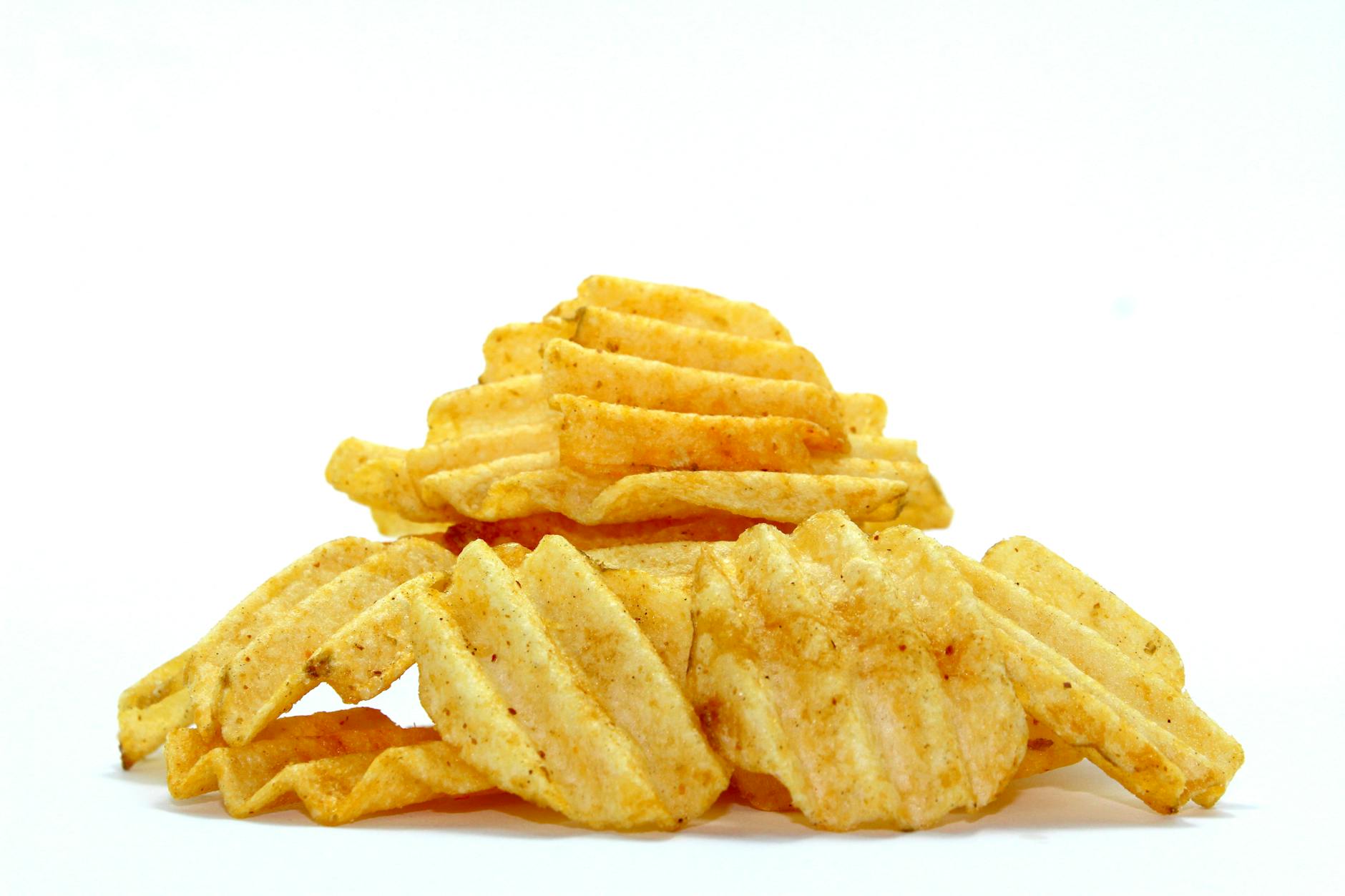
You might think a few pretzels or potato chips are harmless. However, excessive salt intake in dogs leads to “Salt Ion Poisoning,” which causes brain swelling and seizures.
Dogs do not sweat like humans, so they cannot regulate sodium levels nearly as well. A dog that eats a large bag of salty snacks will become intensely thirsty, leading to “water deprivation” issues.
In severe cases, salt poisoning leads to tremors, high fever, and coma. Always ensure your dog has a gallon of fresh water if they’ve snuck a salty treat. But #28 is a kitchen ingredient that is 10x more concentrated.
#28 — Garlic

Similar to onions, garlic is part of the Allium family, but it is five times more potent than onions. It contains thiosulfate, which dogs cannot properly metabolize.
While some “natural” flea remedies involve tiny amounts of garlic, the margin of error is razor-thin. It causes oxidative damage to red blood cells, leading to a lack of oxygen throughout the body.
Garlic poisoning has a delayed effect, meaning your dog might look “fine” for two days before collapsing from anemia. If you see “Garlic Powder” on an ingredient list, put the bag back. Now, look out for the hidden danger in your baking cabinet at #27.
#27 — Yeast Dough

If a dog eats raw bread dough, their warm belly acts as an oven. The yeast continues to rise, expanding the stomach and potentially causing Gastric Dilatation-Volvulus (Bloat), which can be fatal within an hour.
Additionally, as the yeast ferments, it produces alcohol. This leads to alcohol poisoning in the dog’s bloodstream as the “bread” rises in their gut.
A dog with dough in their stomach is essentially an internal distillery. It causes unimaginable pain and can actually rupture the stomach wall. And if you think dough is bad, wait until you see the direct effect of #26.
#26 — Alcohol

It should go without saying, but even a small amount of beer, wine, or liquor is toxic. Dogs have much smaller livers and a vastly different metabolism than humans.
Alcohol causes central nervous system depression, vomiting, and even respiratory failure. Because dogs are smaller, they reach “toxic” levels with just a few ounces of a cocktail.
Hops (used in brewing beer) are also independently toxic and can cause a rapid rise in body temperature. Never leave your glass on the coffee table. But #25 is a “healthy” snack that hides a deadly secret.
#25 — Apple Seeds

The flesh of the apple is a great snack, but the core is a danger zone. Like peach pits, apple seeds contain cyanogenic glycosides—better known as cyanide.
While a dog would need to chew a large number of seeds to feel the effects, it’s the cumulative exposure that worries toxicologists. If your dog eats the cores regularly, the cyanide can build up.
Always slice the apple and discard the center completely. It’s one of those “hidden in plain sight” risks that most owners ignore. However, the spice at #24 is often used in “dog-friendly” cookies but shouldn’t be.
#24 — Nutmeg

This common holiday spice contains a toxin called myristicin. In dogs, it causes hallucinations, extreme exhaustion, and increased heart rate.
If a dog gets into the spice jar or eats a heavily spiced cookie, they can experience “trips” that last for up to 48 hours. This is terrifying for the animal and can lead to seizures.
Most dog-safe pumpkin treats use cinnamon, but never nutmeg. It’s a powerful psychoactive for canines. Now, let’s talk about the common “human” medicine people give dogs at #23.
#23 — Human Medication (NSAIDs)
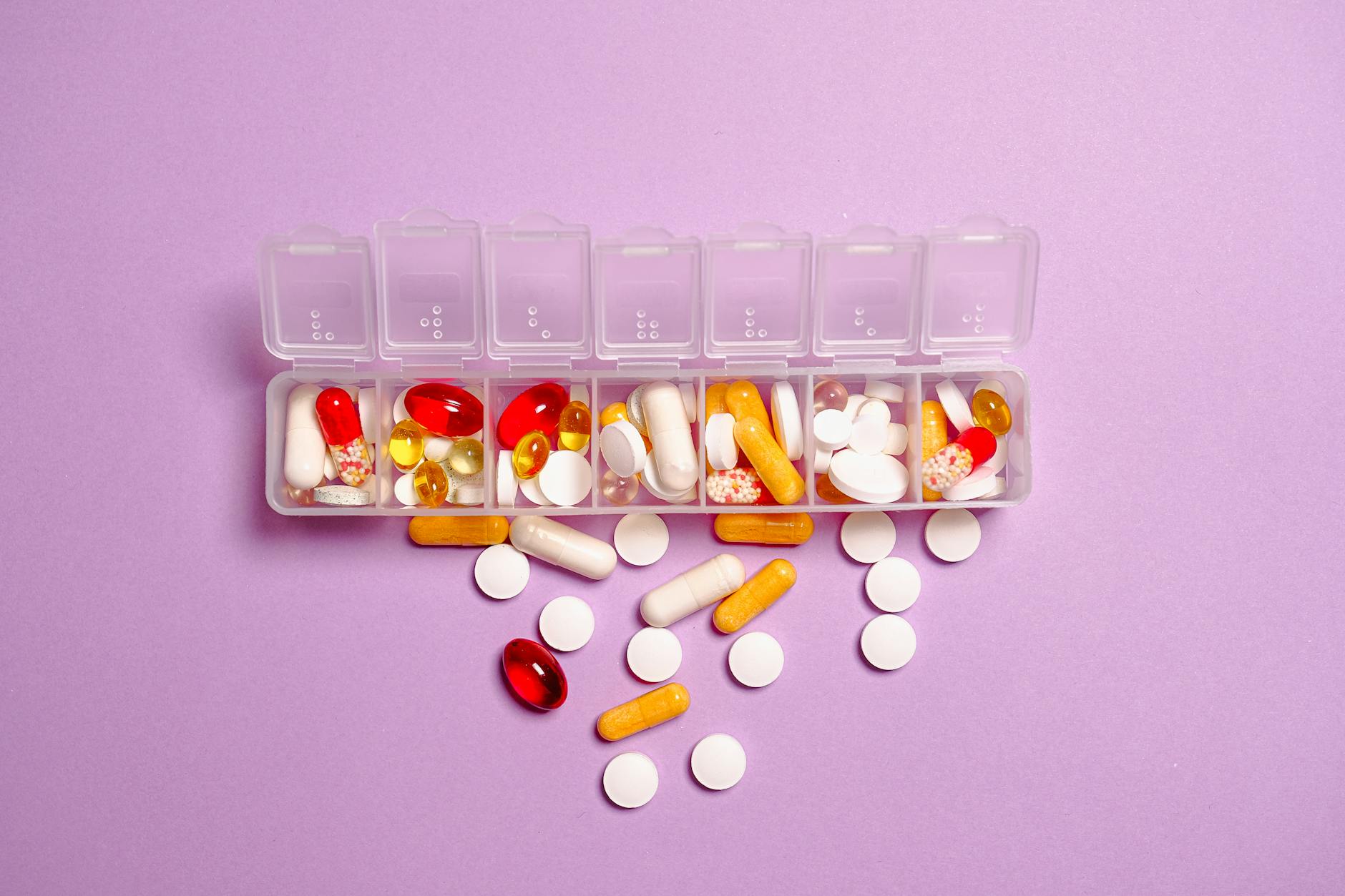
Never, ever give your dog Ibuprofen (Advil) or Naproxen (Aleve) for pain. These drugs are designed for human enzymes, and in dogs, they eat a hole through the stomach lining.
Within hours of ingestion, a dog can develop life-threatening stomach ulcers and total kidney failure. Even a single 200mg pill can be a toxic dose for a small dog.
Tylenol (Acetaminophen) is equally deadly, specifically because it destroys their liver’s ability to process blood. If your dog is in pain, see a vet for canine-specific meds. But the #22 toxin is often found in “healthy” juices.
#22 — Rhubarb Leaves

While people make pies with the stalks, the leaves of the rhubarb plant are loaded with soluble calcium oxalates. If ingested, these cause crystals to form in the kidneys.
The result is rapid-onset kidney failure, characterized by drooling, tremors, and a loss of appetite. It’s often found in backyard gardens where curious dogs might nibble on the foliage.
The stalks are technically safe, but the leaves are a “Do Not Resuscitate” order for the kidneys. Always fence off your garden if you grow this. Speaking of gardens, #21 is a common seasoning that’s high-risk.
#21 — Chives

As the third member of the Allium family on our list, chives are often overlooked because they seem “light.” However, they contain the same red-blood-cell-destroying compounds as onions.
Because chives are often used as a garnish on mashed potatoes or eggs, they are a frequent “table scrap” toxin. They are actually more concentrated than onions by weight.
Even dried chives in a spice mix can cause Heinz Body Anemia. If your dog’s gums look pale or blue, check the spices you used in your last meal. But nothing is more famous than the danger at #20.
#20 — Chocolate (The Darker, the Deadlier)

We all know chocolate is bad, but most people don’t know why. It contains theobromine and caffeine, both of which overstimulate the heart and nervous system.
White chocolate has very little theobromine, but Baker’s chocolate and dark chocolate are highly concentrated. It can cause everything from diarrhea to a fatal heart attack.
The darker the chocolate, the less it takes to kill a dog. A single ounce of dark chocolate can poison a medium-sized dog. But as infamous as chocolate is, the “innocent” dairy choice at #19 causes more day-to-day misery.
#19 — Milk and Heavy Dairy

Most adult dogs are actually lactose intolerant. While they love the taste of milk or cheese, they lack the enzyme (lactase) to break down the sugars in dairy.
This leads to severe bloating, gas, and explosive diarrhea. While not usually “fatal” in the way cyanide is, it can lead to severe dehydration and a massive cleaning bill for your carpets.
Cheese is lower in lactose but high in fat, which brings back the risk of pancreatitis. It’s best to keep the dairy to a tiny, rare sliver. However, the #18 choice is a vegetable most people think is safe but has a “limit.”
#18 — Raw Potatoes (Solanine)
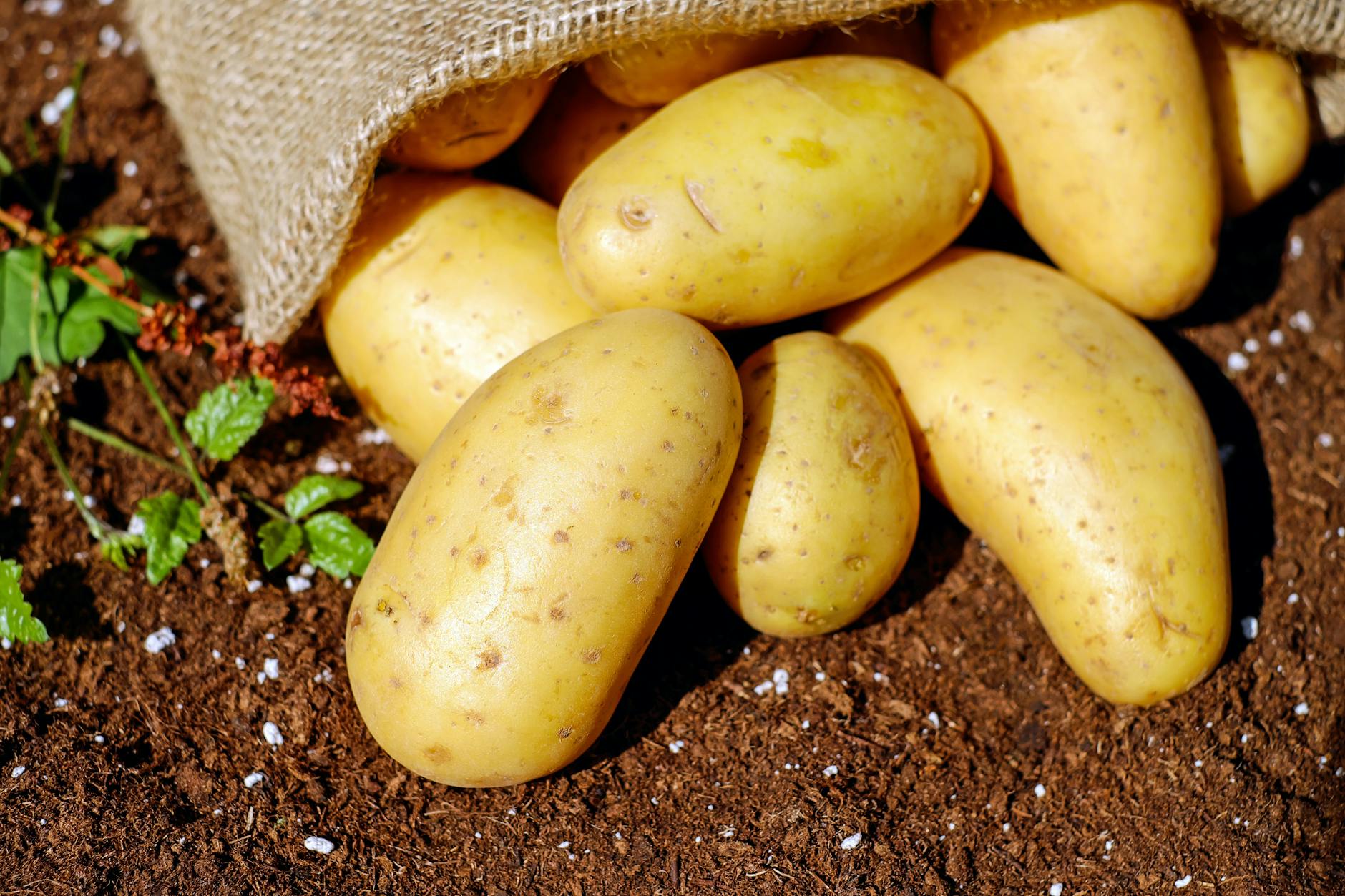
Green or raw potatoes contain solanine, a natural defense mechanism for the plant that is toxic to dogs when consumed in large amounts.
It can cause a “depressed” central nervous system, blurred vision, and cardiac slow-down. Once cooked, solanine levels drop significantly, but the raw skins are a major hazard.
Never let your dog chew on a sprouting potato from the pantry. If the potato has a green tint, it is essentially a poison pill. You think a potato is risky? The #17 item is a “natural” sweetener that’s a total trap.
#17 — Honey (For Puppies)

While raw honey has some benefits for adult dogs, it is incredibly dangerous for puppies. It can contain spores of Botulism, which a puppy’s developing immune system cannot handle.
Botulism causes progressive paralysis, starting at the hind legs and moving toward the lungs. Since puppies often have sensitive stomachs anyway, the high sugar content is also a major liability.
Wait until a dog is at least one year old before letting them lick a honey spoon. But that’s nothing compared to the “breath freshening” mistake at #16.
#16 — Mouthwash and Mints

Think your dog’s breath is stinky? Don’t reach for the human mouthwash. Many contain alcohol, but more importantly, they often contain Xylitol or Sodium Fluoride.
Fluoride is fine for humans topically, but inside a dog, it can lead to acute poisoning affecting the heart and lungs. Dogs don’t know to “spit,” so they swallow the entire dose.
Always use dog-specific enzymatic toothpaste. Human dental products are formulated with the assumption they won’t be swallowed; dogs do the opposite. Now, #15 is a common wild hazard.
#15 — Wild Mushrooms

While the mushrooms in the grocery store are generally safe, you should treat every wild mushroom in your yard as a deadly neurotoxin.
Some species, like the “Death Cap” (Amanita phalloides), cause total liver failure in dogs within days. Because it’s hard for a non-expert to tell them apart, the rule is “no wild mushrooms ever.”
Mushroom poisoning symptoms include salivation, tear production, and urination. If you see your dog eating a yard mushroom, get to the vet immediately. But the pantry item at #14 is one people use for “natural” cleaning.
#14 — Baking Soda and Powder
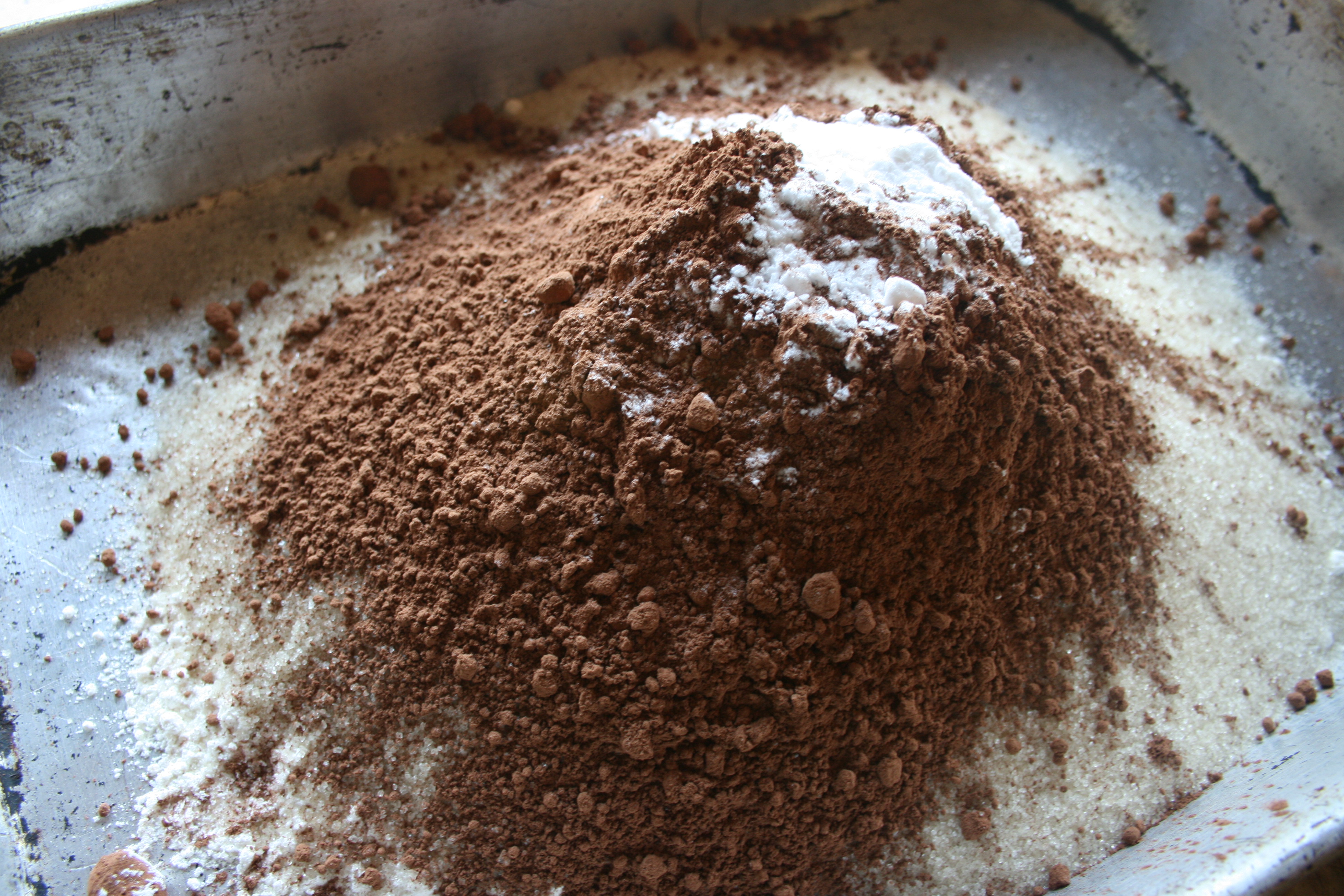
In large amounts, baking soda (Sodium Bicarbonate) can cause massive electrolyte imbalances in dogs. This leads to muscle spasms, congestive heart failure, and even seizures.
This usually happens when a dog breaks into a box of baking soda left in a low cabinet. The chemical reaction in the stomach can also cause rapid gas buildup.
Keep your baking supplies on the top shelf. What seems like a harmless powder can actually stop a dog’s heart. Speaking of the heart, the #13 item is a common “human-healthy” oil.
#13 — Grapeseed Oil

Since grapes are toxic, it stands to reason that their oil carries a high risk. While the science is less clear on the oil than the fruit, many vets advise a total ban.
The concentration of unknown “grape toxins” in oil is a grey area that isn’t worth testing on your pet. It can lead to lethargy and kidney distress.
Stick to coconut or fish oil instead. Using “fancy” oils for your dog’s skin or coat can backfire if they lick it off. But #12 is a common “treat” that causes internal blockages.
#12 — Corn on the Cob

The corn itself isn’t toxic, but the cob is Fatal for a dog’s intestines. It is one of the most common objects removed during emergency “foreign body” surgeries.
Unlike other foods, the cob does not break down in the stomach. It’s the perfect size and shape to create a “cork” in the small intestine, causing the tissue to die.
Never toss a finished cob to your dog at a BBQ. They will swallow large chunks that their body cannot pass. However, #11 is a citrus fruit that causes “phototoxicity.”
#11 — Limes and Lemons
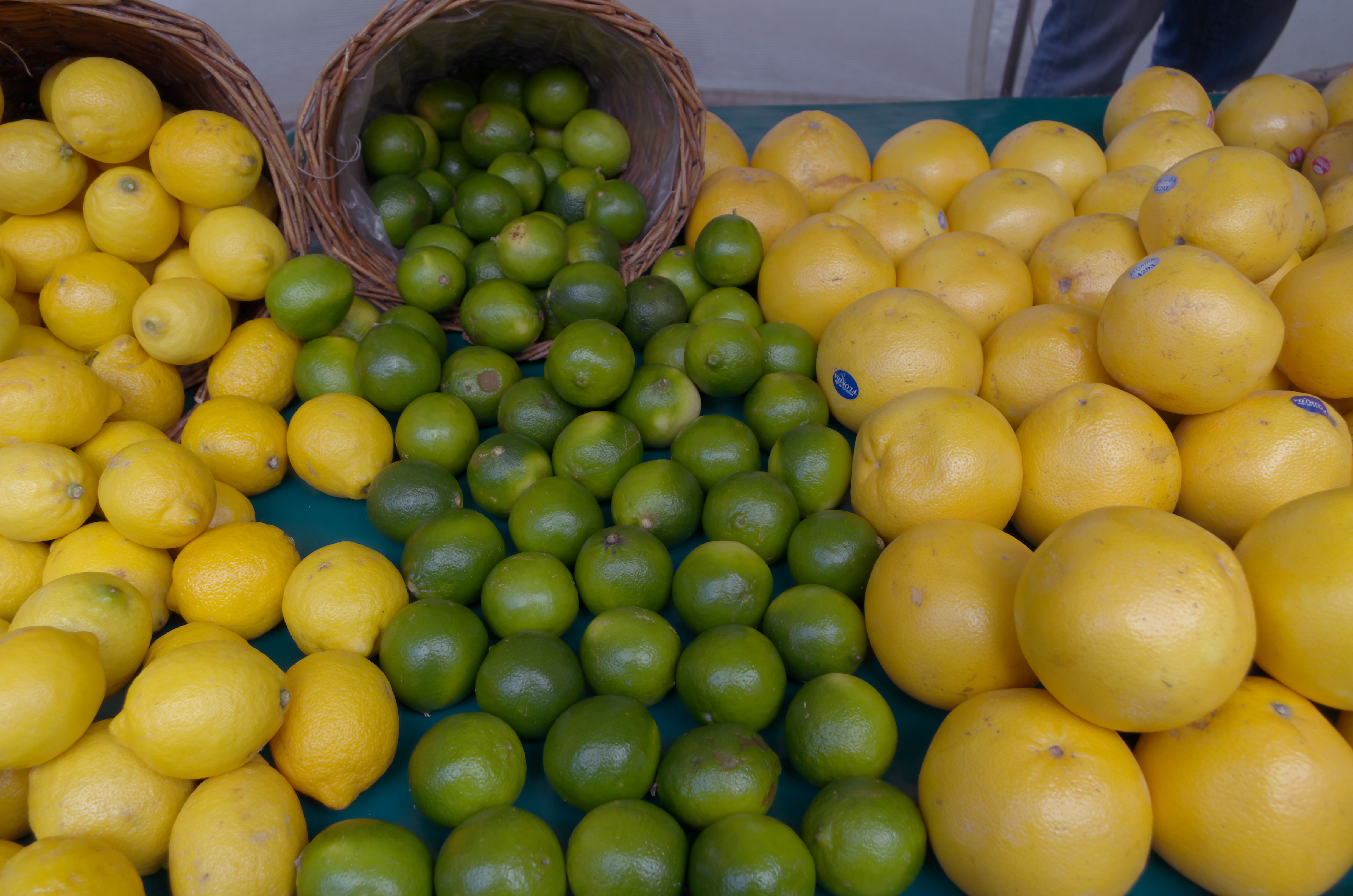
Citrus fruits contain essential oils like limonene and linalool, plus psoralens. In dogs, these cause severe gastrointestinal upset and sensitive skin.
If a dog gets lime juice on their skin and goes into the sun, they can actually suffer chemical burns. Ingesting large amounts of the peel can lead to liver failure.
Most dogs hate the smell of citrus, which is a natural warning. Don’t try to “force” a funny reaction for a video. Now, let’s pivot to the 10 Superfoods that can actually save your dog’s life.
#10 — Blueberries (The Antioxidant King)
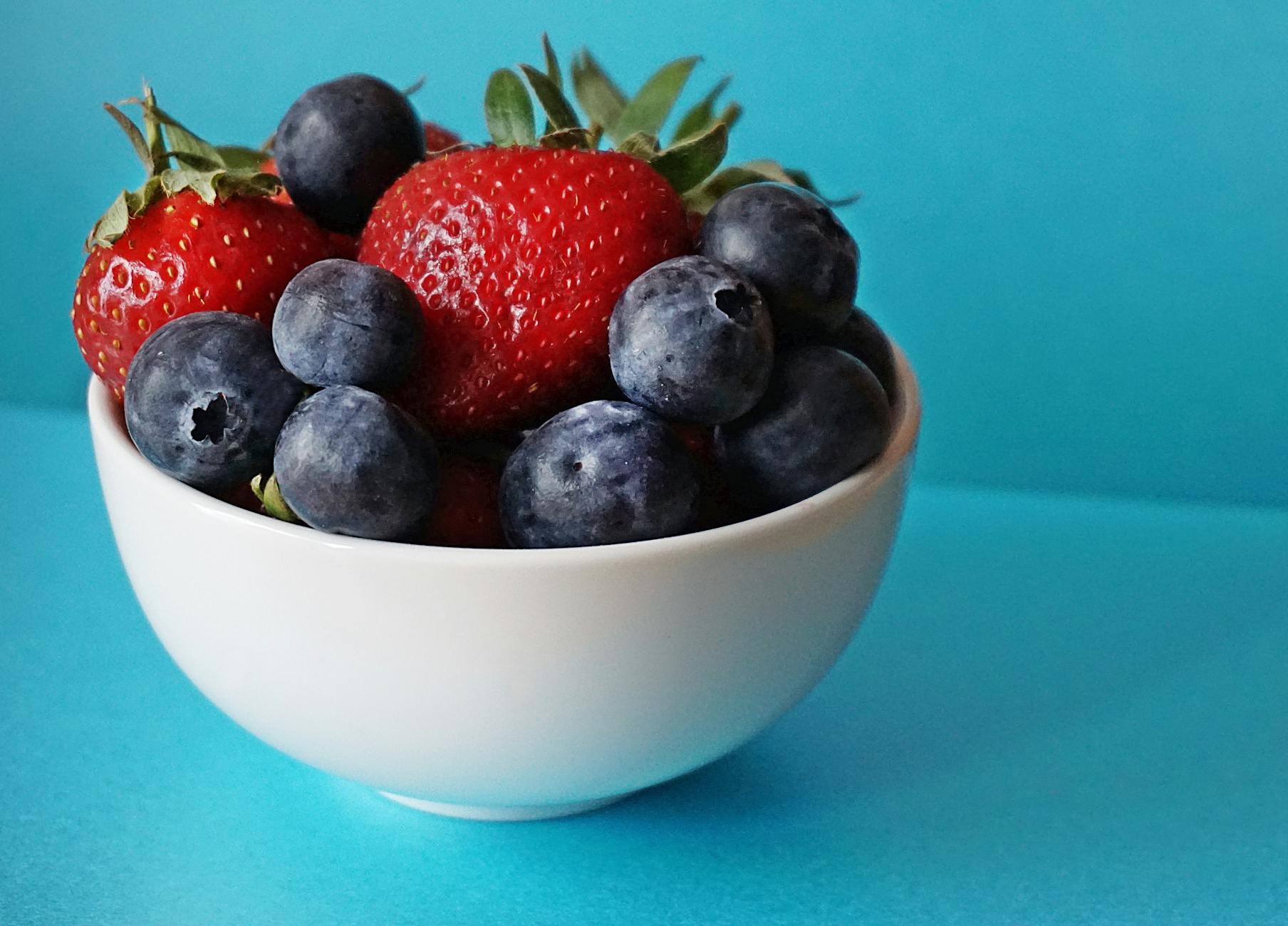
Blueberries are a true superfood for canines. They are packed with antioxidants that repair oxidative damage to cells and boost brain health in aging dogs.
They are low in sugar and high in fiber, making them the perfect low-calorie treat for dogs struggling with weight. Many high-end kibbles now include “Blueberry Fiber” for a reason.
Frozen blueberries make a great summer snack that is far safer than a “pup cup” from a coffee shop. But wait until you see what #9 does for their digestion.
#9 — Plain Pumpkin (The Digestive Hero)
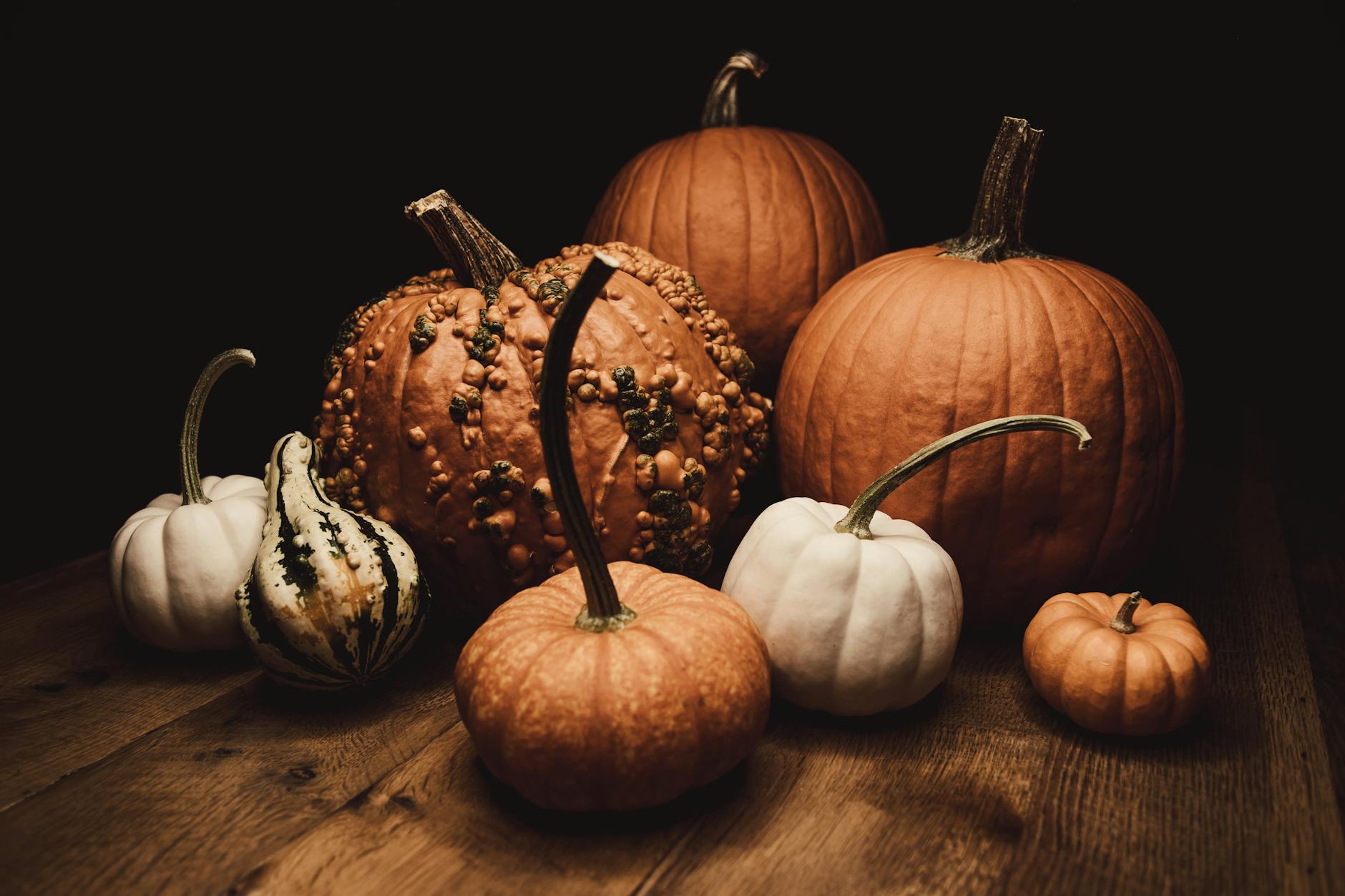
Canned, 100% pure pumpkin (not pumpkin pie mix!) is a miracle worker. It is high in soluble fiber, which can cure both diarrhea and constipation.
It is also rich in Vitamin A, which supports vision and skin health. Most vets recommend keeping a can in the pantry for “tummy trouble” days.
Just a tablespoon added to their dinner can regulate a dog’s entire digestive tract within 24 hours. But for joint health, nothing beats the power of #8.
#8 — Sardines (In Water)
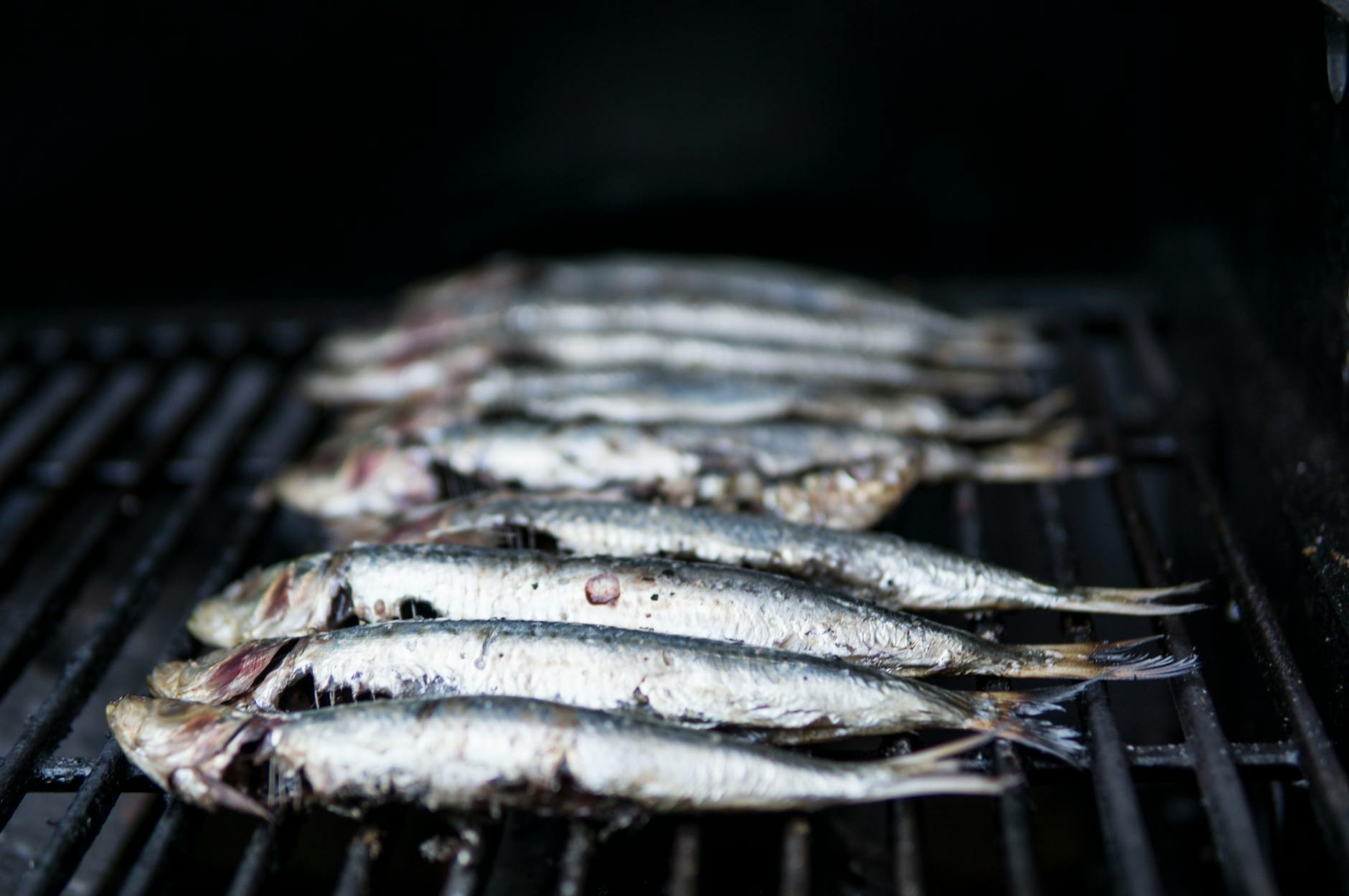
Sardines are a powerhouse of Omega-3 fatty acids. These oils reduce inflammation in the joints and give your dog a coat that looks like it belongs in a commercial.
Because sardines are small and low on the food chain, they have much lower mercury levels than tuna or salmon. They are essentially “brain food” for your dog.
Ensure they are packed in water with no added salt. A couple of sardines a week can prevent early-onset arthritis in larger breeds. But #7 is a veggie that fights cancer.
#7 — Steamed Broccoli

Broccoli contains sulforaphane, a compound that has been shown to actively fight cancer cells in mammals. It’s also packed with Vitamin K for bone density.
The trick is to steam it; raw broccoli can be a bit hard for dogs to digest and can cause gas. It’s a great way to “bulk up” a meal without adding calories.
Keep the portion below 10% of their total diet to avoid stomach irritation, but definitely keep it on the menu. If you want better energy, #6 is the “clean” protein you need.
#6 — Eggs (The Perfect Protein)

Eggs are the most bioavailable source of protein for a dog. They contain every essential amino acid a canine needs to build muscle and repair tissue.
They also contain riboflavin and selenium. Some owners even feed the shells (crushed) for an extra calcium boost, though the egg itself is the real prize.
Always cook the eggs to avoid Salmonella risks. A scrambled egg is often the best “recovery food” for a dog getting over an illness. But for heart health, #5 is unbeatable.
#5 — Carrots

Carrots are more than just a crunchy snack. They are loaded with Beta-Carotene, which supports ocular health and prevents cataracts.
The crunching action of raw carrots also helps “scrub” the teeth, reducing plaque buildup and freshening breath naturally. They are the “organic toothbrush” of the dog world.
Most dogs love the sweet, crunchy texture. It’s the ultimate replacement for high-calorie milk biscuits. But speak of the “gut,” #4 is the secret to a long life.
#4 — Plain Greek Yogurt
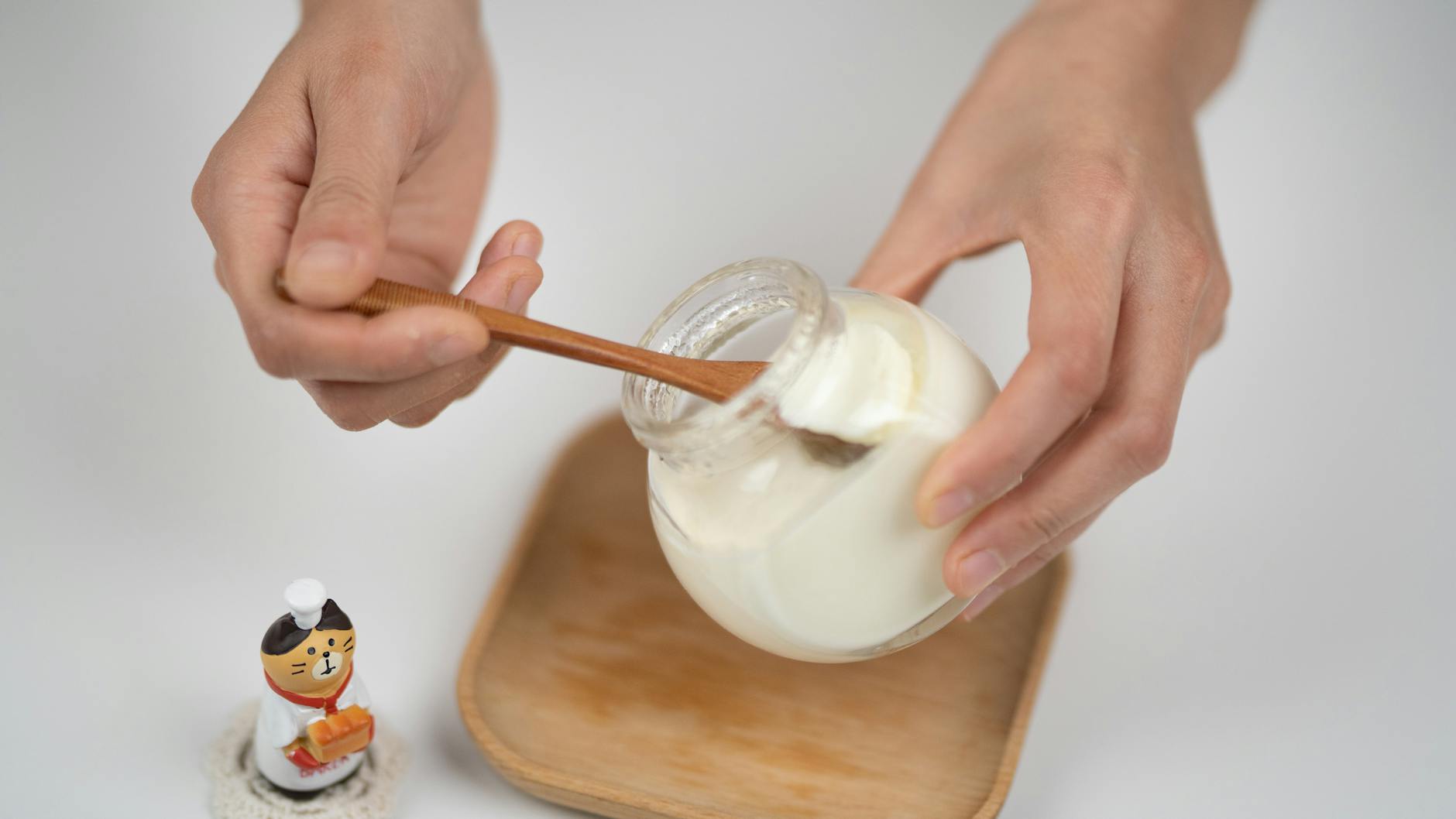
While we warned against “heavy dairy,” a small amount of plain, unsweetened Greek yogurt provides crucial probiotics for gut health.
A healthy gut biome is linked to a stronger immune system and better skin. Just ensure there is zero Xylitol and zero added sugar.
One spoonful of yogurt contains billions of “good” bacteria that help fight off pathogens. But if you want to detox your dog’s liver, #3 is the plant for the job.
#3 — Spinach
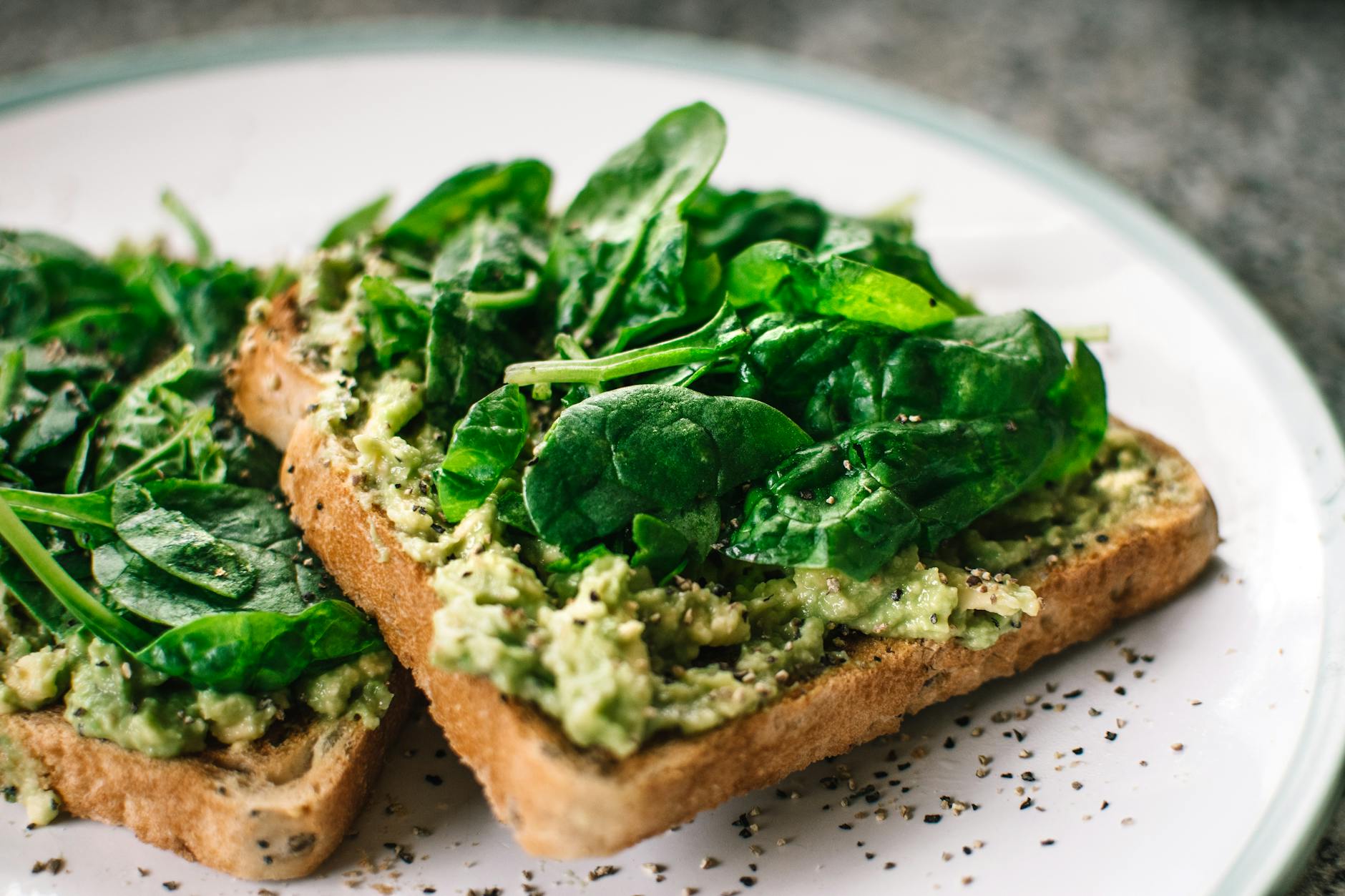
Spinach is dense with iron and magnesium. It helps in the production of red blood cells and supports the liver in filtering out toxins.
It also contains carotenoids that protect the eyes from UV damage. However, like broccoli, it should be steamed or lightly wilted for maximum absorption.
Spinach is a powerhouse for senior dogs who need an extra boost to their circulatory system. But for a shiny coat, #2 is the gold standard.
#2 — Coconut Oil

Adding a teaspoon of organic coconut oil to your dog’s food can clear up itchy skin and eliminate “doggy breath.” It’s a medium-chain triglyceride that provides instant energy.
It also has antifungal properties, helping dogs who suffer from chronic ear infections or “yeasty” paws. It’s a “beauty treatment” from the inside out.
You can also apply it topically to dry noses or cracked paw pads. But the #1 superfood is something people usually throw away.
#1 — Bone Broth (The Ultimate Superfood)
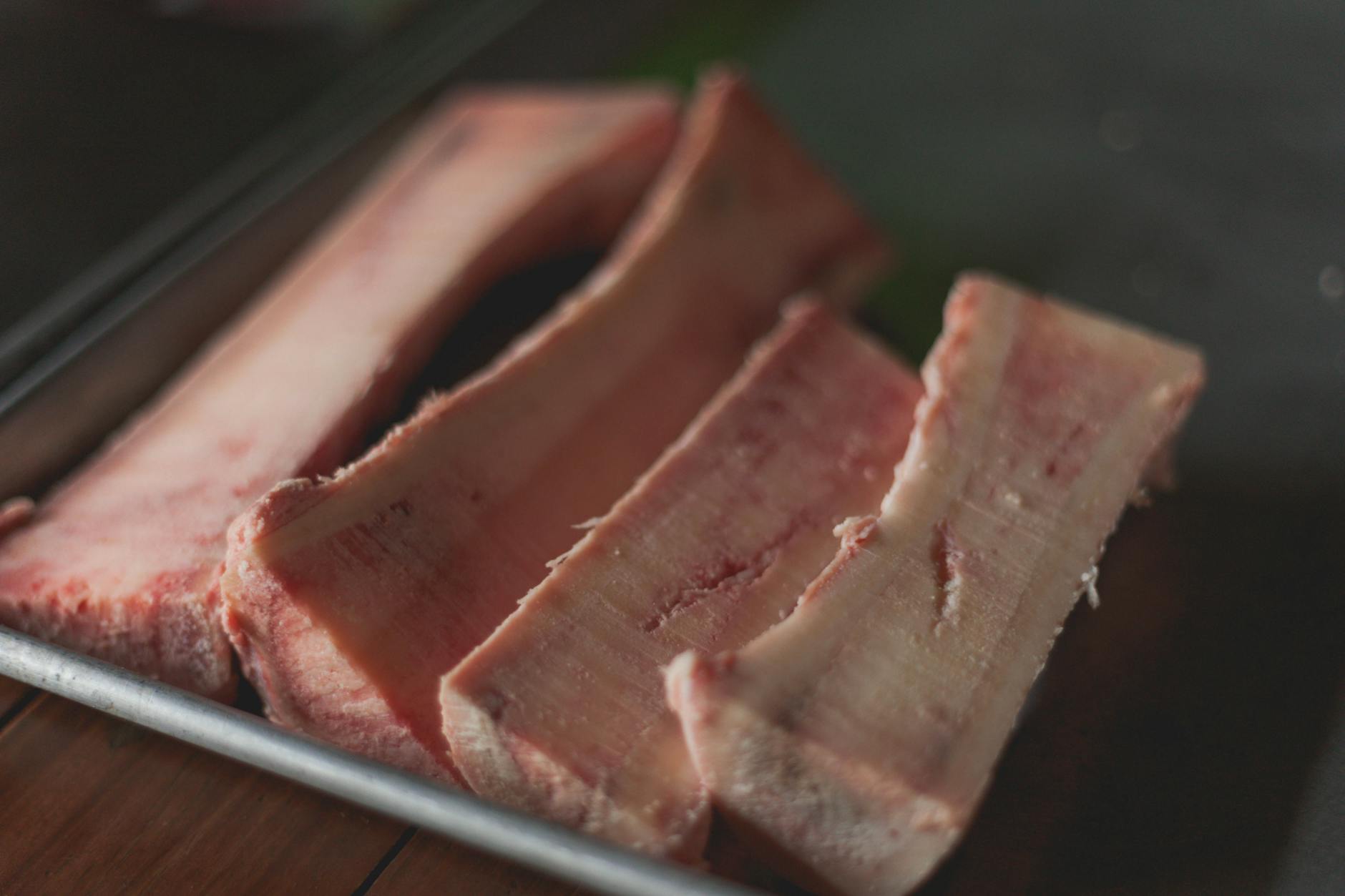
Real bone broth—made from simmering bones for 24+ hours—is the “elixir of life” for dogs. It is overflowing with collagen, glucosamine, and chondroitin.
These nutrients literally rebuild the “cushion” between joints and heal “leaky gut” syndrome. For older dogs who have lost their appetite, bone broth can revive them almost instantly.
It is a nutrient-dense hydration boost that supports every major organ system. Avoid store-bought versions that contain onions or salt; make it at home for pennies.
The Bottom Line
Keeping your dog safe isn’t just about avoiding a chocolate bar; it’s about understanding the complex biology of a scavenger. We’ve seen how common ingredients like onions, Xylitol, and even “healthy” grapes can cause irreversible damage. Conversely, by swapping out processed treats for “Human-Grade” superfoods like bone broth, sardines, and pumpkin, you can potentially add years to your best friend’s life. The secret to a long-lived dog is often found in the kitchen, not the pet store.
Did we miss a food your dog loves? Or have you had a close call with one of these toxins? Drop your story in the comments below—it might just save another dog’s life!


