
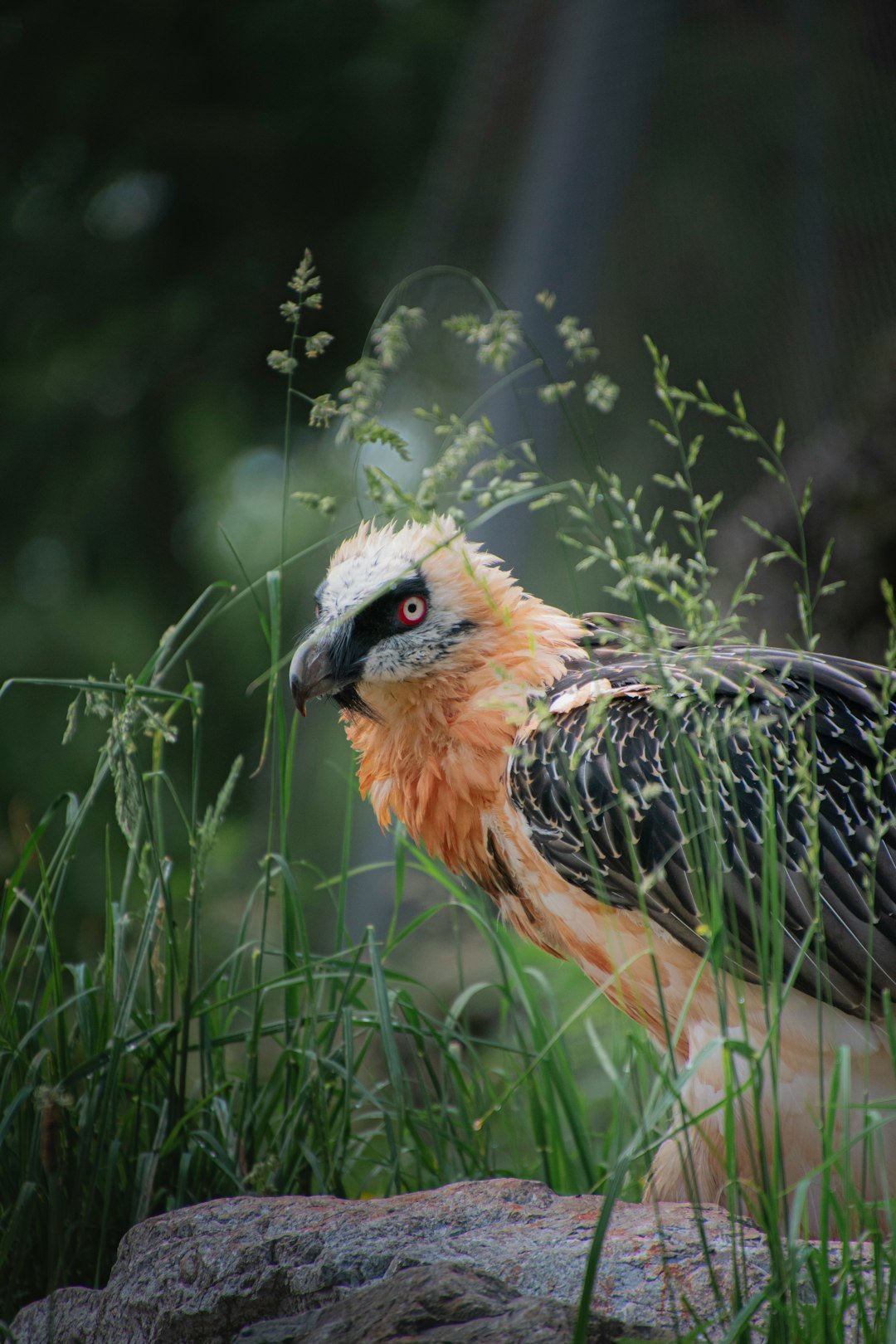
The Alps – Conservationists celebrated a rare milestone when a bearded vulture named Balthazar, released into the wild more than three decades ago, turned up alive at over 37 years old, the oldest ever documented in the wild.
A Living Legend Takes Flight Again

Researchers spotted Balthazar soaring through the rugged peaks, his plumage still vibrant despite the passage of time. This grizzled survivor, first set free in the 1980s as part of a bold reintroduction program, shattered previous longevity records for his kind in the wild. His rediscovery stunned the team, who fitted him with a tracking device years earlier.
Experts hailed the event as a testament to the resilience of bearded vultures. These massive birds, with wingspans exceeding nine feet, navigate the Alps’ treacherous terrain with ease. Balthazar’s endurance highlighted how human intervention could reverse the tides of extinction.
From Local Wipeout to Rebirth
Bearded vultures vanished from the Alps in the early 1900s, victims of habitat loss, poisoning, and relentless hunting. Populations dwindled as farmers viewed them as threats to livestock, leading to systematic persecution. By the mid-20th century, no traces remained in the region.
Conservation groups launched reintroduction efforts in the 1980s, sourcing birds from captive breeding programs and distant wild populations. Teams released young vultures in stages, monitoring their progress closely. Over time, these pioneers formed pairs and raised offspring, laying the groundwork for recovery.
Bones in the Sky: Masters of a Macabre Diet
Bearded vultures earned their name from distinctive facial feathers, but their feeding habits truly set them apart. They specialize in bones, swallowing smaller ones whole or hurling larger carcasses from cliffs to shatter them into digestible pieces. This unusual strategy supplies vital calcium and minimizes competition with other scavengers.
Such adaptations proved crucial in the Alps’ harsh environment. The birds scavenge high-altitude carrion, cleaning up remains that might otherwise spread disease. Their return bolstered the ecosystem’s balance, aiding broader biodiversity.
Self-Sustaining Skies: Over 100 Pairs and Counting
Today’s Alpine bearded vulture population exceeds 100 breeding pairs, a self-sustaining network spanning France, Switzerland, Italy, and Austria. Nests dot sheer cliffs, safe from ground predators. Annual surveys confirm steady chick production, signaling long-term viability.
Success stemmed from collaborative international efforts. Here are key factors driving the rebound:
- Protected reserves that shielded release sites from disturbance.
- Hacking stations where fledglings learned survival skills before full independence.
- Public awareness campaigns that curbed illegal poisoning.
- Cross-border tracking to map movements and breeding success.
- Ongoing genetic monitoring to maintain diversity.
Lessons from the Peaks
Balthazar’s story offers a blueprint for wildlife restoration worldwide. It demonstrates that even long-lost species can reclaim their niches with persistent effort. As climate pressures mount, such victories inspire hope for mountain ecosystems everywhere.
Key takeaways from the bearded vulture revival:
- Longevity in the wild can exceed 37 years, far surpassing prior records.
- Reintroduction works when paired with habitat safeguards and monitoring.
- A stable population of over 100 pairs now thrives across the Alps.
This triumph reminds us that nature rebounds when given a chance. What conservation success stories have inspired you? Share in the comments below.


