
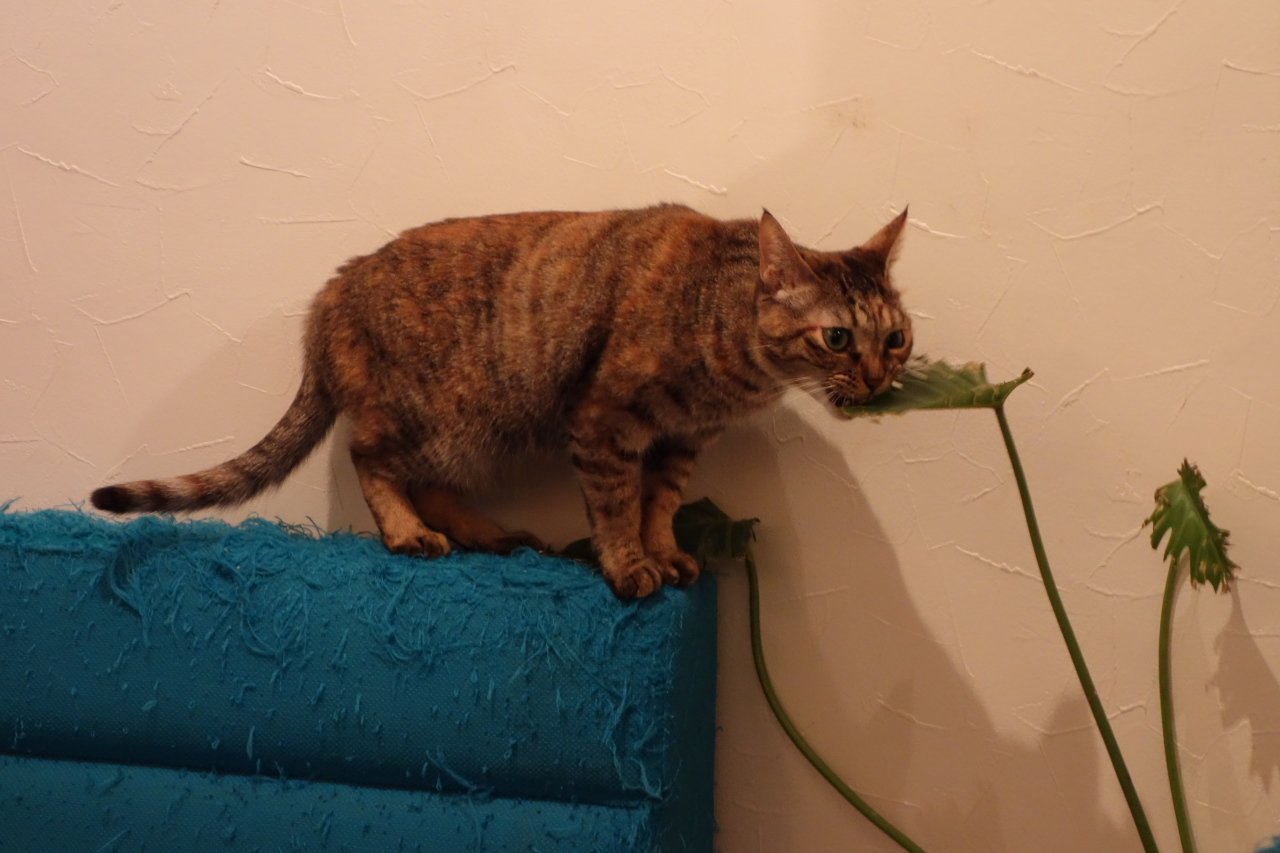
Cats may seem like masters of relaxation, but some actually need way more playtime than you’d think. If your feline is getting into mischief or acting restless, it might be a sign they’re craving more mental and physical stimulation. On the flip side, certain breeds are perfectly happy snoozing the day away in a sunny spot. In this guide, we’ll share four clear signs your cat needs more activity, plus introduce four chill cat breeds that are totally content with a slower pace. Whether your kitty’s a wild child or a professional napper, knowing what they need keeps them happy and healthy!
Restless Pacing and Nighttime Zoomies
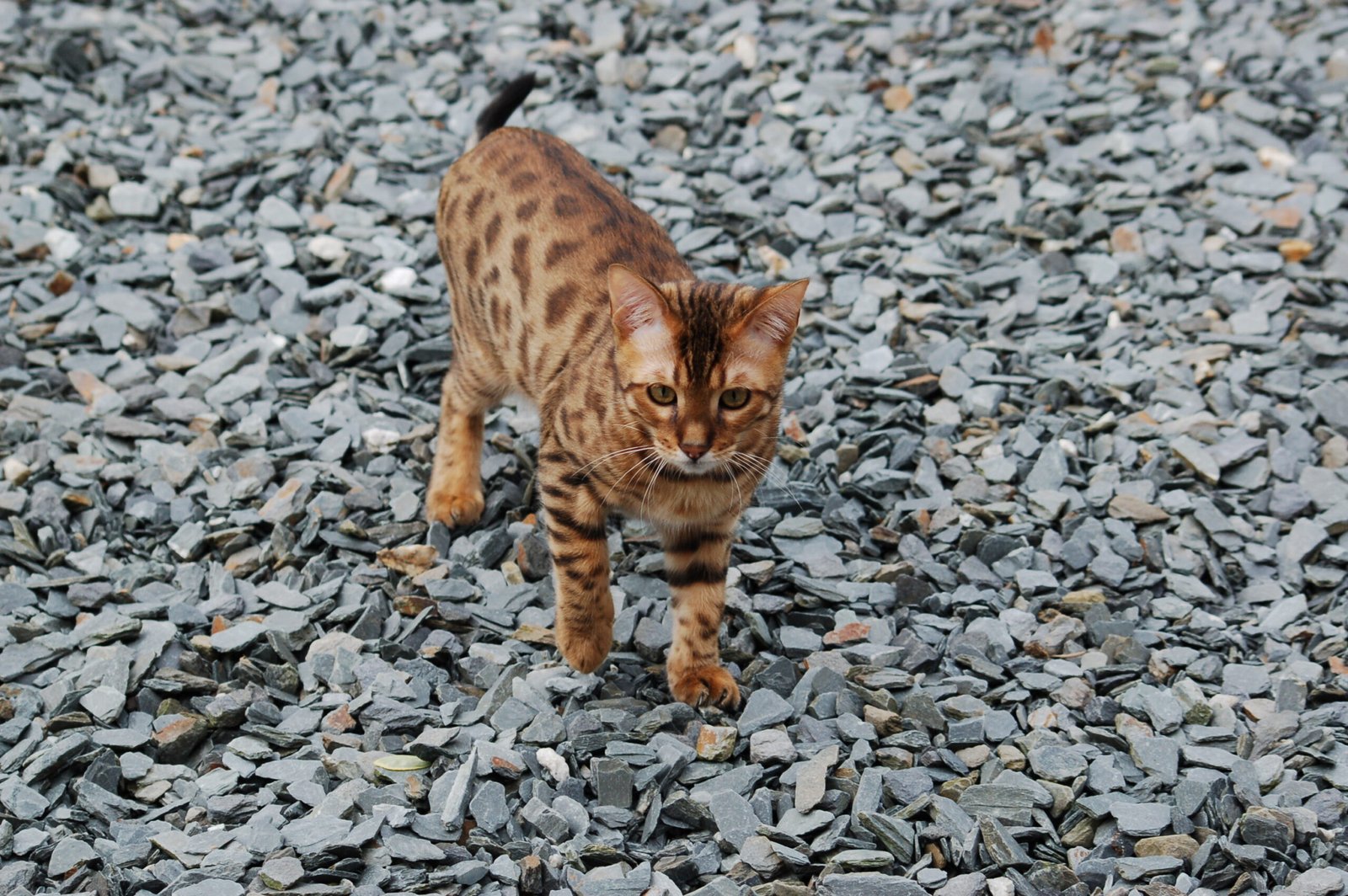
One unmistakable sign your cat is craving more play is restless pacing, especially during the night. If you hear the thunder of paws sprinting down the hallway when the rest of the world is asleep, your feline friend is likely bursting with pent-up energy. These sudden bursts, often called the “midnight crazies,” are your cat’s desperate attempt to burn off steam. Just like kids who haven’t had enough outside time, cats need a healthy outlet for their natural hunting instincts. Without enough play, they may become more anxious or even destructive. If your evenings are disrupted by wild sprints and acrobatics, it’s time to add more interactive play sessions to your cat’s routine.
Destructive Behavior and Chewing
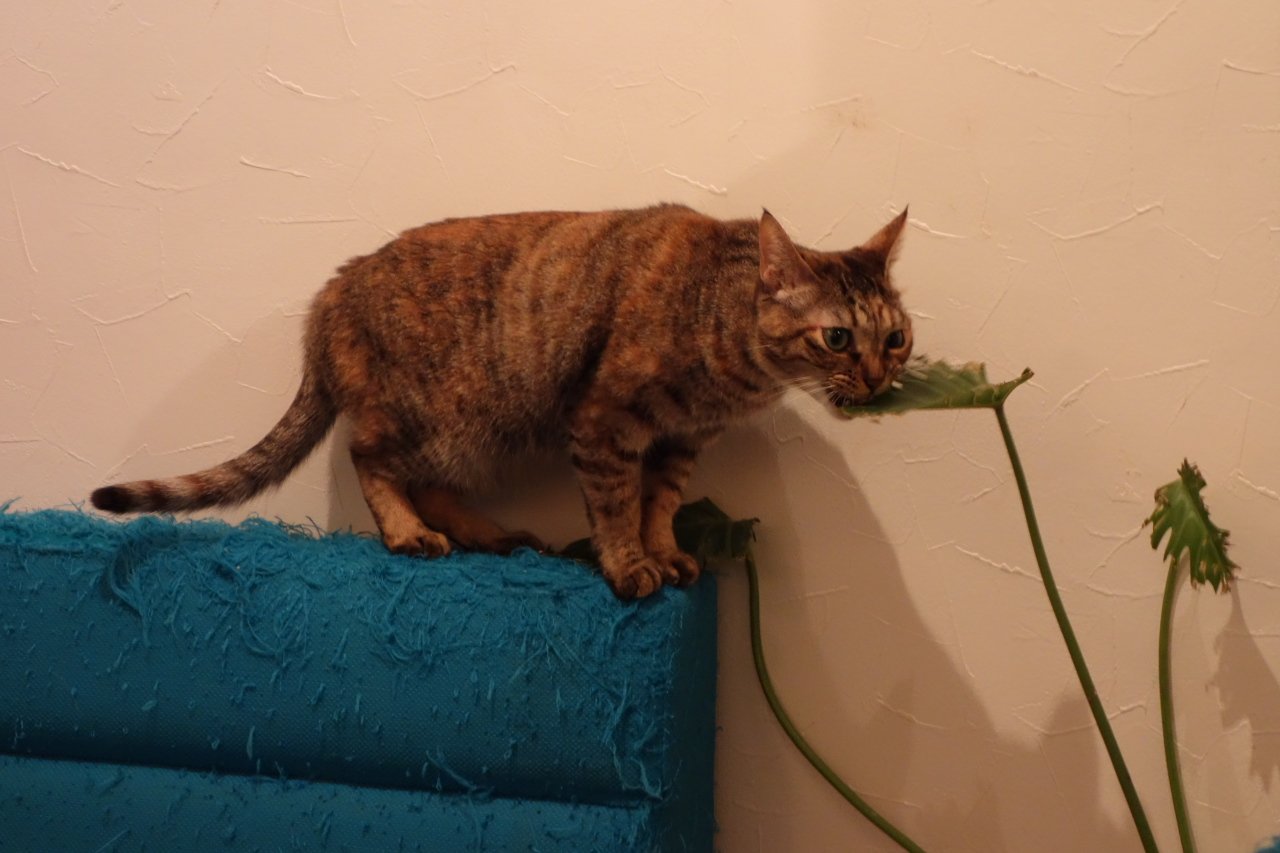
Another sign your cat needs more stimulation is the sudden appearance of chewed-up wires, shredded curtains, or overturned houseplants. Cats are inquisitive by nature, and when they’re bored, they’ll find their own entertainment—often at your home’s expense. Young and energetic breeds especially may channel their boredom into chewing or clawing things they shouldn’t. This isn’t spite; it’s a desperate call for more fun. Providing a variety of toys, scratching posts, and daily playtime can redirect their energy away from destruction and toward healthier outlets. Think of it as giving a toddler building blocks instead of letting them draw on the walls.
Excessive Vocalization and Attention Seeking
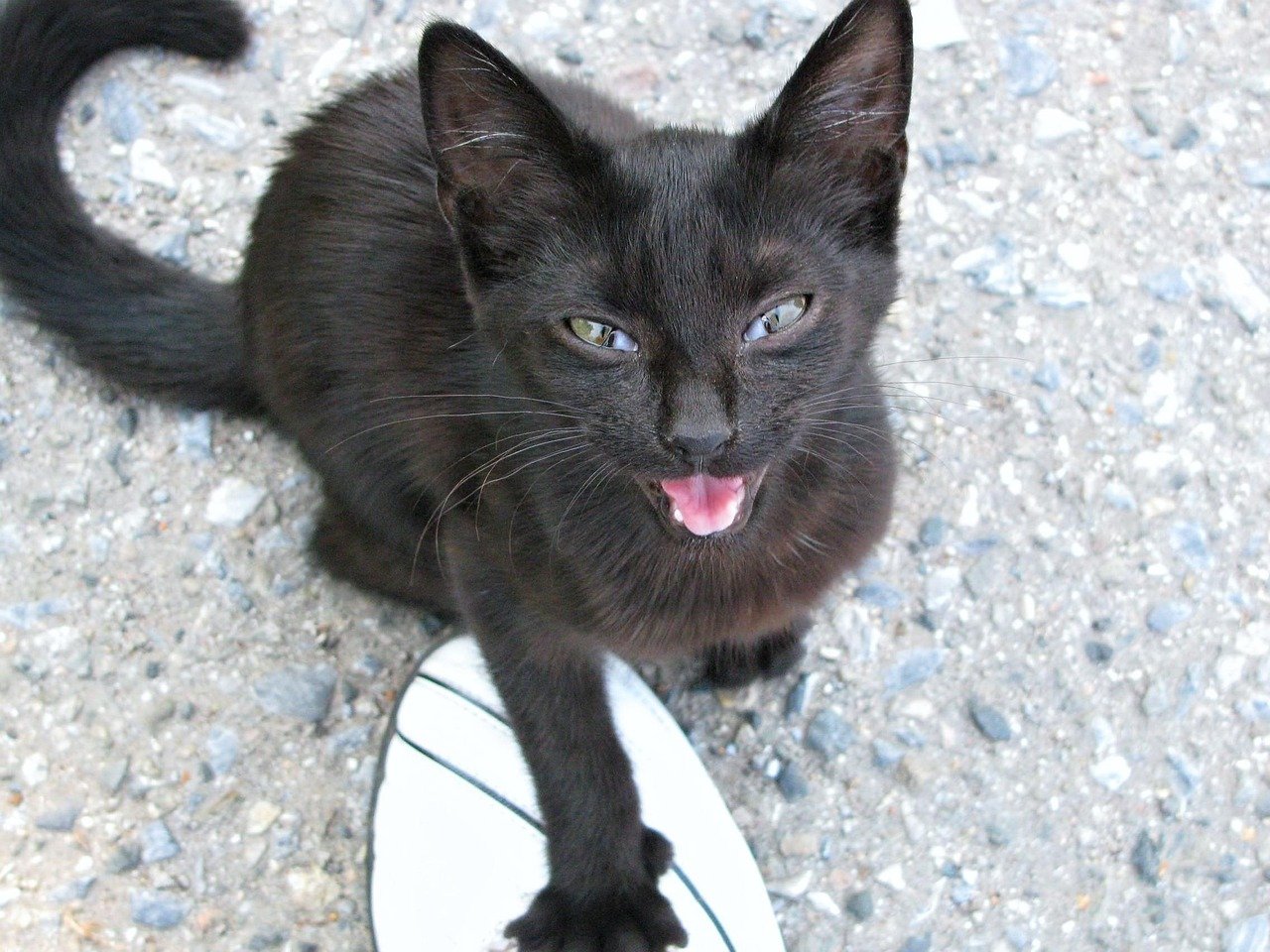
Have you noticed your cat meowing at you non-stop, pawing your legs, or following you from room to room? Cats who are lacking stimulation may become overly vocal or clingy, trying to get your attention in any way possible. It’s their way of saying, “Play with me!” This behavior can be particularly noticeable in breeds known for their intelligence and sociability, like the Siamese. When your cat is constantly talking or seeking attention, it’s a clear sign they need more interactive play. Laser pointers, feather wands, or even puzzle feeders can help satisfy their need for engagement and give them a sense of accomplishment.
Weight Gain and Lethargy in Young or Active Cats
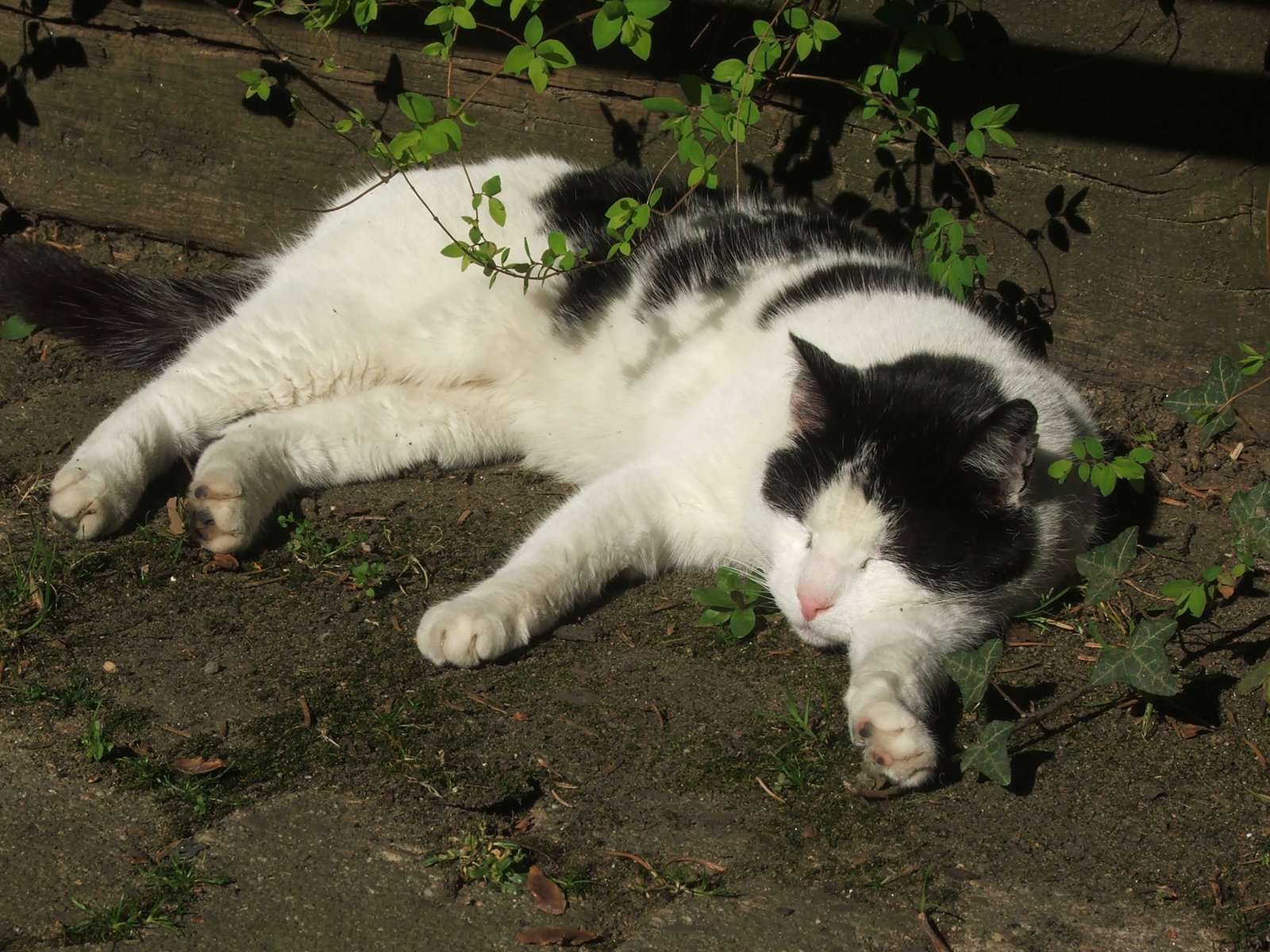
If your normally active cat is gaining weight or spending too much time lying around, boredom might be the culprit. While some laziness is normal, especially after a big meal, a young or naturally energetic cat who shows little interest in moving could be missing out on crucial play. This lack of activity can quickly lead to weight gain, which is harmful to their health. Regular play sessions not only keep your cat fit but also strengthen the bond between you and your furry friend. Even ten minutes of vigorous play a couple of times a day can make a huge difference in their overall well-being.
Ragdoll: The Ultimate Lap Cat
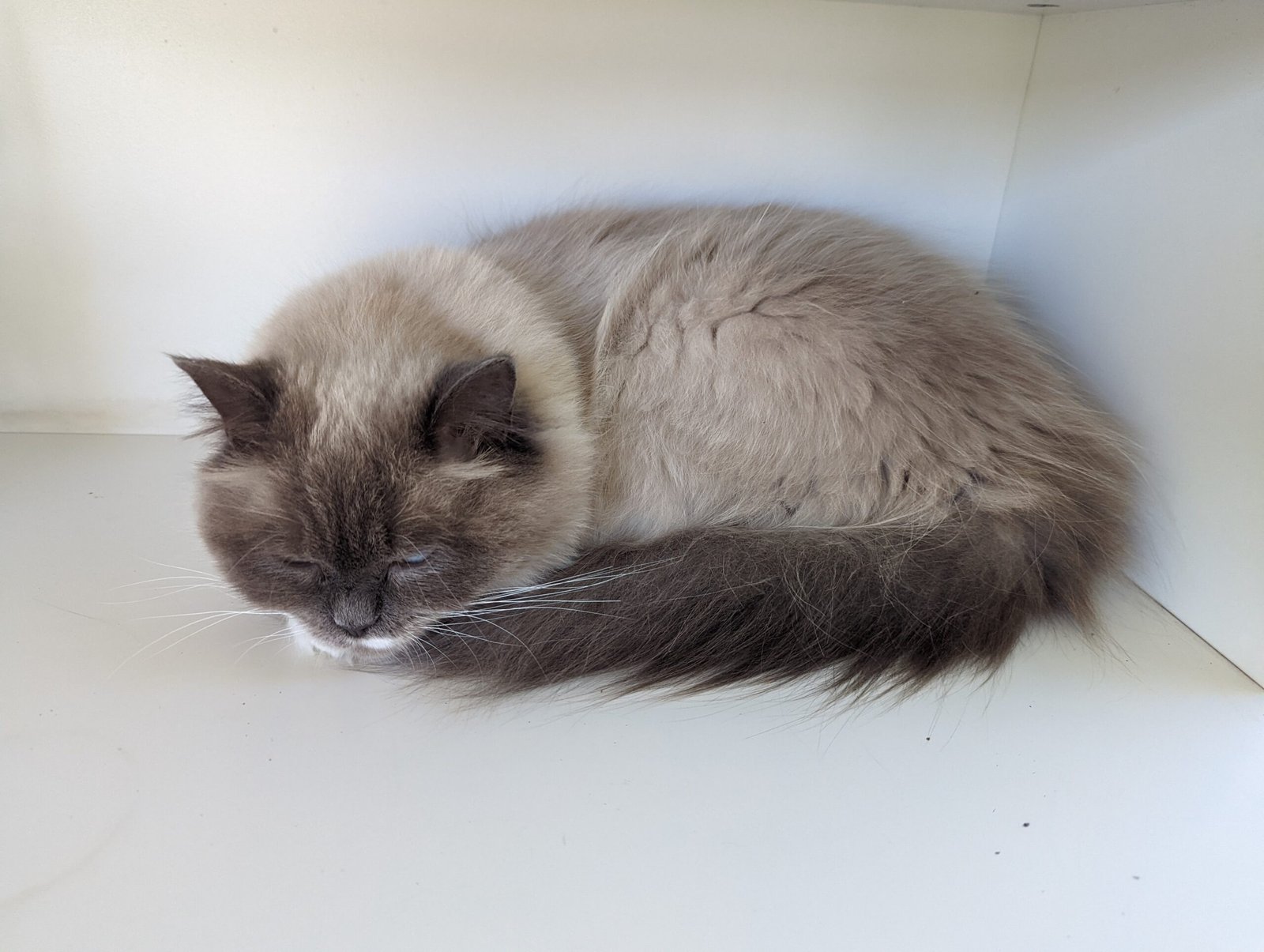
If your cat spends most of their day curled up in your lap or lounging on the sofa, they might just be a Ragdoll. This breed is famous for its relaxed, gentle nature and love of napping. Ragdolls are often perfectly content to spend hours dozing and don’t require the same level of play as more active breeds. Their calm demeanor makes them ideal companions for quieter households or those who prefer snuggles over high-energy games. While they enjoy gentle play and affection, don’t be surprised if your Ragdoll would rather nap than chase a laser pointer across the floor.
Persian: The Picture of Serenity
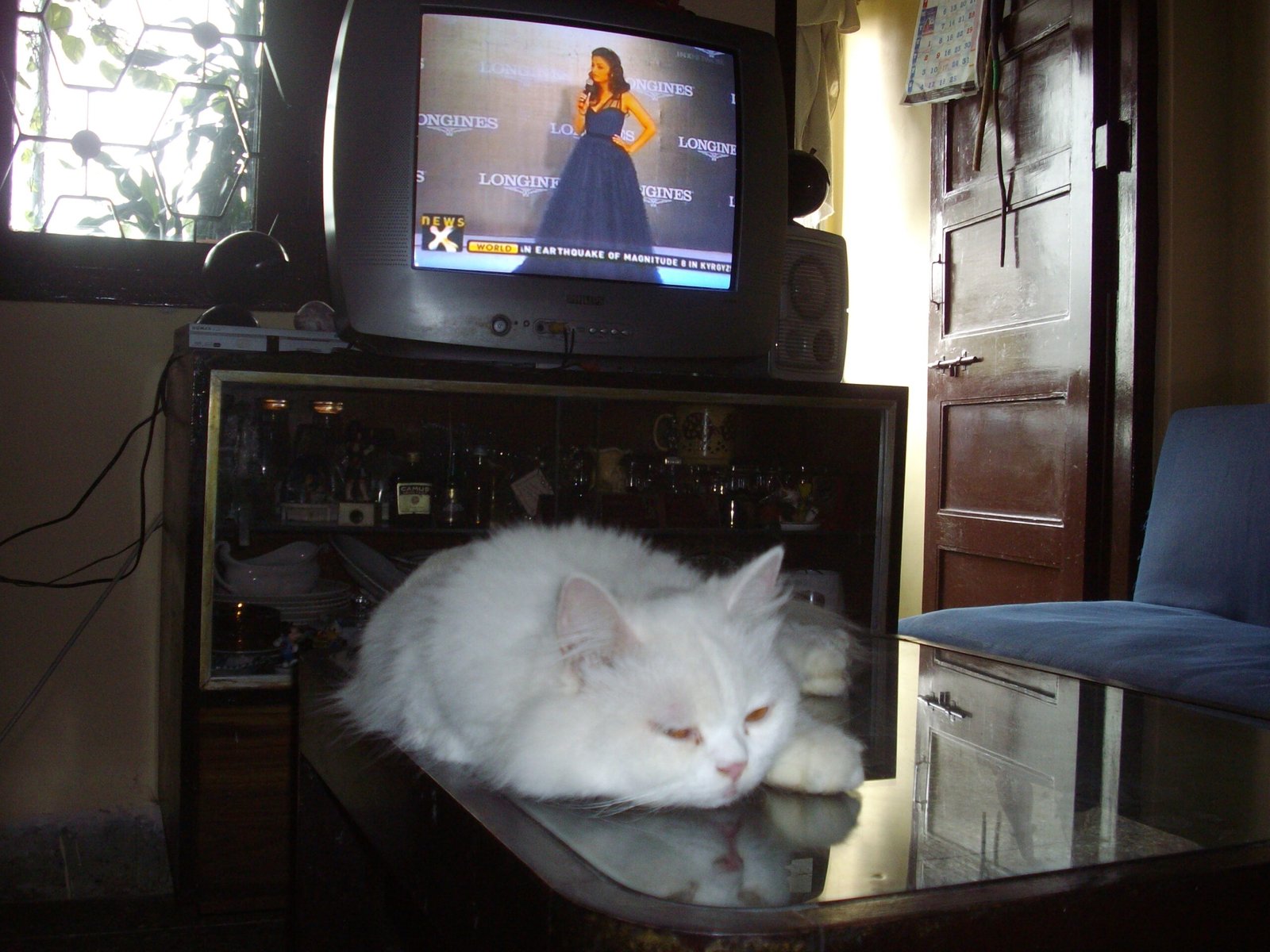
Persians are another breed that is completely at home basking in a sunbeam or perched quietly on a cushion. Their luxurious coats and sweet faces give the impression of royalty, and they certainly act the part when it comes to their daily routines. Persians prefer a peaceful environment and are more likely to be found snoozing than sprinting. While all cats benefit from some interactive play, Persians usually require less stimulation and are happiest with soft toys and gentle attention. Their laid-back attitude is perfect for people who want a tranquil, loving companion.
British Shorthair: The Calm Observer
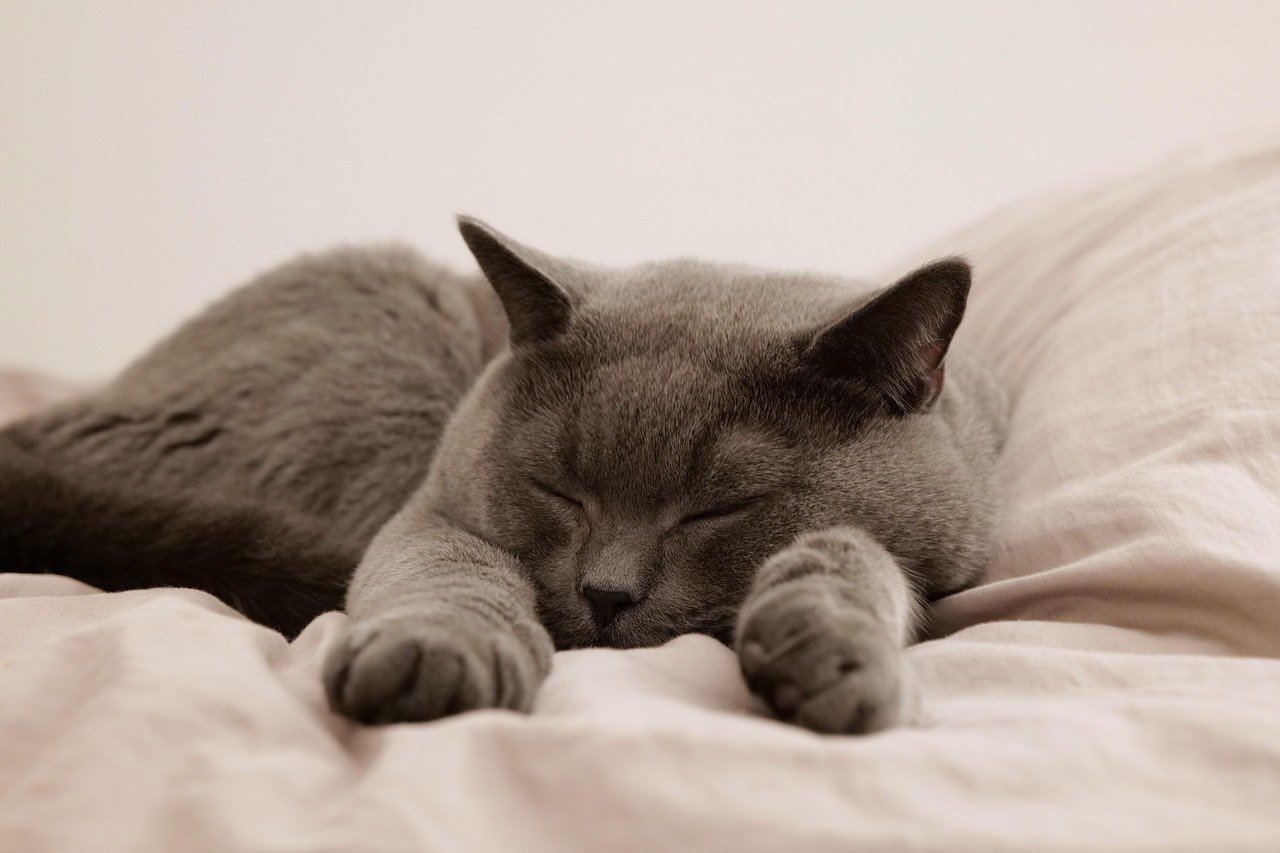
British Shorthairs are known for their plush coats, round faces, and unflappable personalities. Unlike some high-strung breeds, these cats are content to watch the world go by from a cozy spot. They’re not prone to bursts of wild energy and are often satisfied with a simple routine of eating, lounging, and the occasional play. Their easy-going nature makes them excellent pets for families or individuals who appreciate a more relaxed feline friend. While they appreciate gentle play, they are just as happy to spend the afternoon catching up on their beauty sleep.
Scottish Fold: The Quiet Dreamer
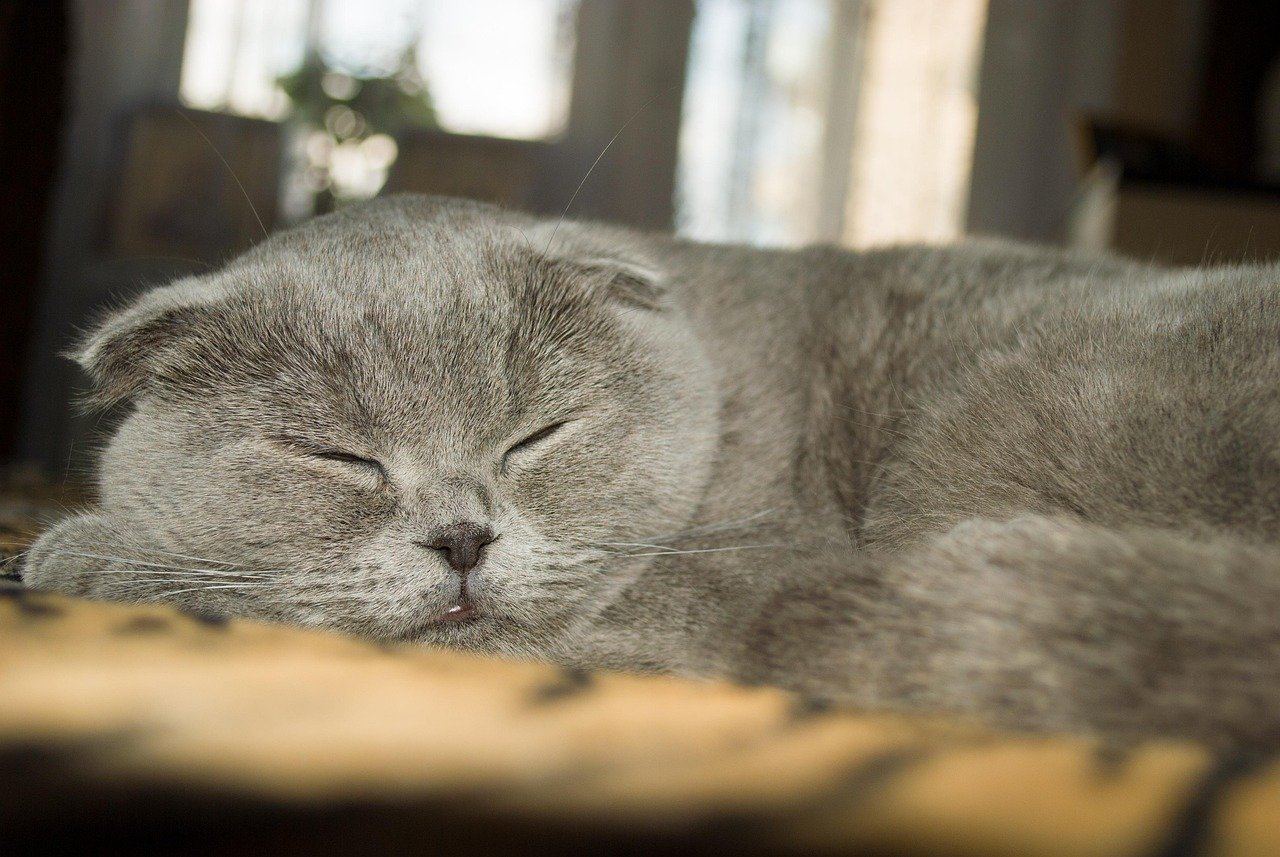
With their adorable folded ears and sweet expressions, Scottish Folds have charmed cat lovers everywhere. These cats are typically quiet, affectionate, and enjoy a slower pace of life. They love to curl up next to their favorite humans and can snooze for hours on end. While Scottish Folds enjoy a bit of play, especially with their people, they don’t demand constant activity. Their calm demeanor means they’re perfectly content with long naps and peaceful moments. If you’re looking for a cat who’s as happy lounging as you are, a Scottish Fold might be the perfect fit.
Knowing whether your cat craves more play or is just naturally laid-back can make a big difference in their well-being. Some kitties need daily action to stay happy, while others are totally satisfied with cozy naps and quiet company. By tuning into their behavior and energy levels, you can create the perfect balance of play and rest. Whether you’ve got a curious explorer or a calm cuddler, understanding their needs is the key to a happy, healthy feline friend!


