
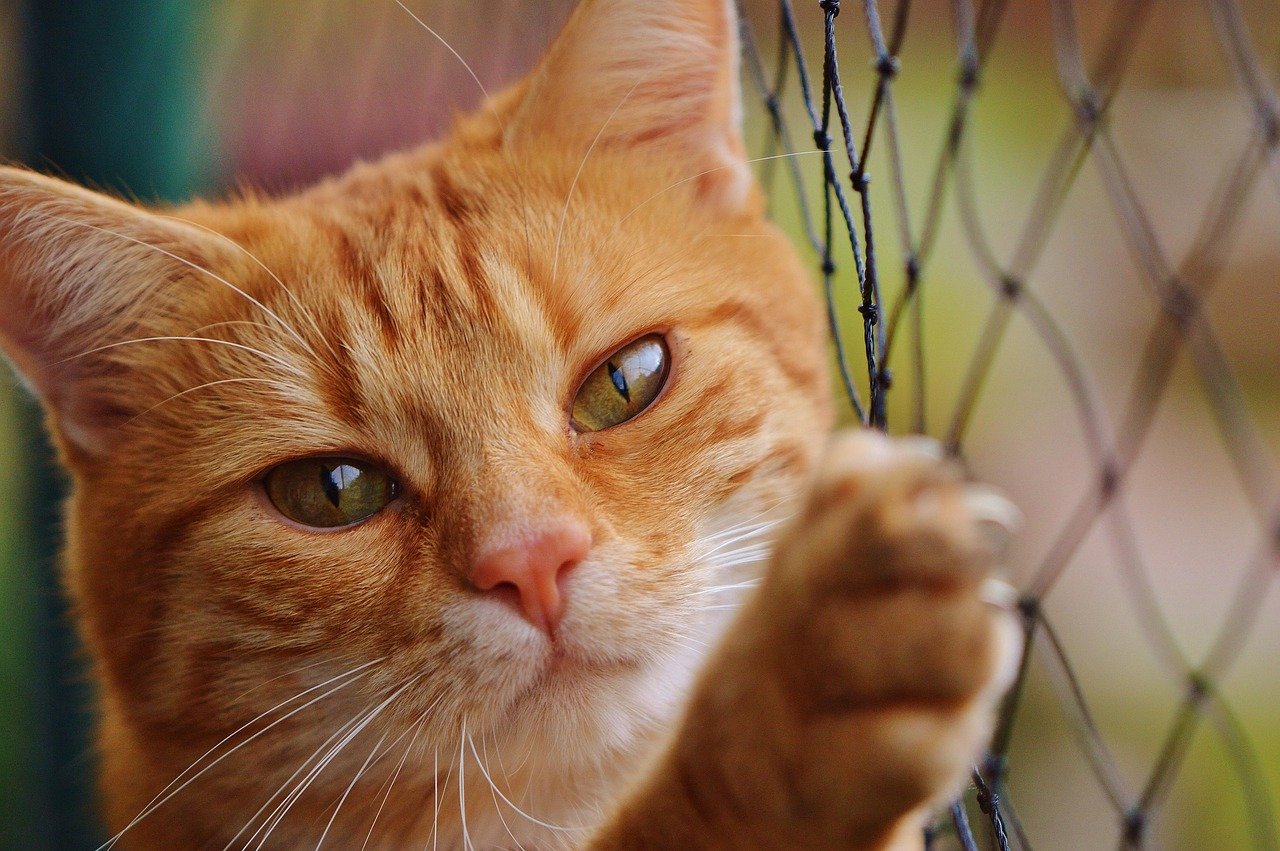
Have you ever caught your cat staring wistfully out the window, tail twitching, or yowling at the walls for no apparent reason? While some felines seem to have mastered the art of napping, others are bubbling over with pent-up energy. Understanding your cat’s needs isn’t just about filling their food bowl or cleaning their litter box. It’s about tuning into their silent language, their quirks, and their cries for attention—sometimes quite literally! Just as there are high-energy cats begging for more playtime, there are also breeds that would much rather curl up and snooze through the day. Let’s unravel the clues your cat gives when they’re craving more play, and meet the breeds that are truly the kings and queens of catnaps.
Restlessness: The Telltale Sign of Boredom
Not all cats are created equal when it comes to energy levels. While some felines thrive on daily stimulation and play, others are more than happy to lounge the day away in a sunny window. Knowing which category your cat falls into can help you meet their mental and physical needs. In this guide, we’ll explore four clear signs that your cat may be craving more activity—and highlight four famously laid-back breeds that are perfectly content living the slow life.
A restless cat can be hard to ignore. If your feline friend is pacing around the house, darting from room to room, or constantly shifting positions, it might be a sign they need more stimulation. Restlessness often shows up as sudden bursts of energy—like the infamous “zoomies” that happen at the most unexpected hours. These sprints aren’t just for show; they’re your cat’s way of burning off excess energy. When cats don’t get enough play, they can become frustrated, making them more likely to get into mischief. Imagine a child cooped up on a rainy day with no toys—eventually, they’ll find something to do, even if it means making a mess! If your cat seems unable to settle, it’s time to add more play into their daily routine.
Unwanted Behaviors: Acting Out for Attention
When cats are bored, their creativity can take a mischievous turn. Scratching furniture, knocking objects off shelves, or even nibbling on houseplants are all ways your cat might be crying out for attention. These behaviors aren’t about disobedience—they’re about trying to entertain themselves. A cat who is regularly engaged with interactive toys or play sessions is much less likely to develop these destructive habits. It’s like giving a puzzle to a clever child; it channels their energy in a positive way. If you catch your cat mid-swipe at your favorite vase, take it as a cue to grab a feather wand and initiate some play. Your belongings—and your cat’s happiness—will thank you.
Vocalization: When Meows Mean “I’m Bored”
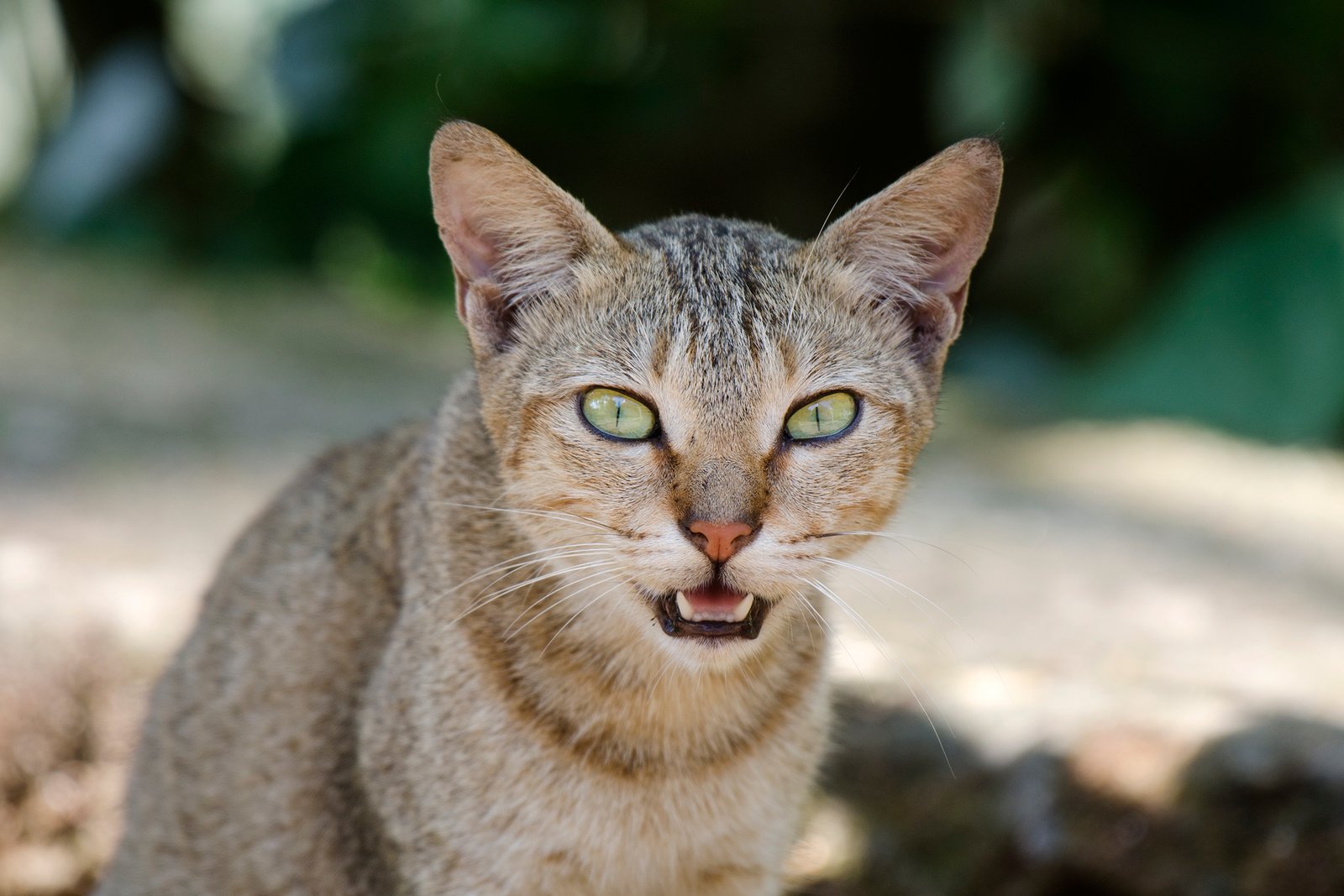
Some cats are natural chatterboxes, but a sudden increase in vocalization could be your cat’s way of saying, “I need something to do!” Persistent meowing, yowling, or even howling, especially when you’re home, can signal a need for more engagement. It’s as if your cat is trying to remind you, over and over, that their day isn’t quite as full as it should be. While some breeds are more vocal than others, any noticeable change in the frequency or intensity of their sounds deserves your attention. Try introducing new toys, puzzle feeders, or even short training sessions. Sometimes, all your cat wants is a little more interaction with their favorite human.
Weight Gain: The Silent Consequence of Laziness
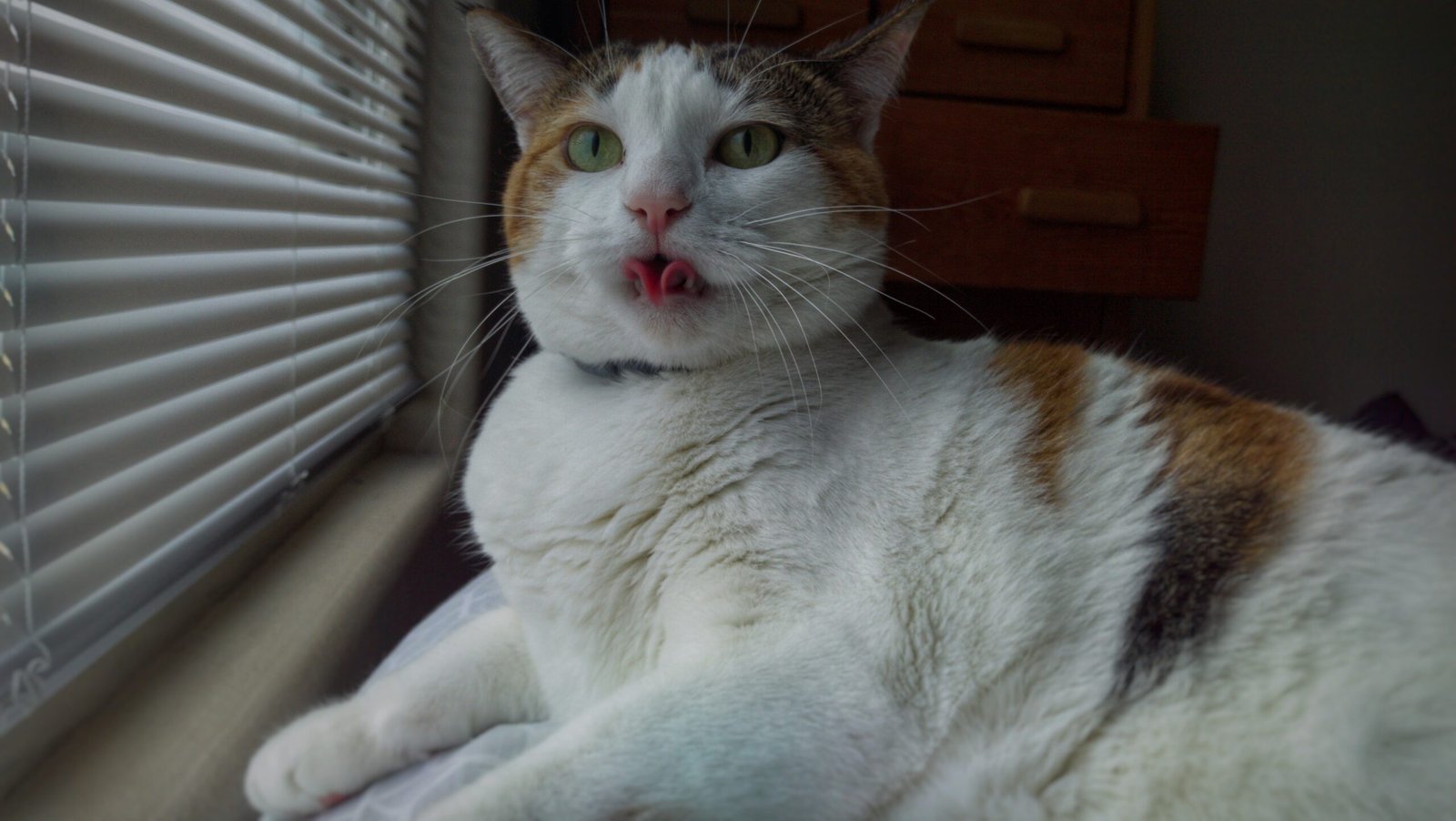
An overlooked sign your cat needs more play is gradual weight gain. Just like people, cats who don’t move enough can put on extra pounds. This doesn’t happen overnight, but over weeks and months, a lack of stimulation can lead to a chubbier, less healthy kitty. If your cat seems less interested in toys, but their waistline is growing, it’s time to take action. Play isn’t just fun—it’s vital exercise that keeps your cat agile and healthy. Try laser pointers, string toys, or even simple cardboard boxes to entice your cat to move more. You’ll be rewarded with a happier, healthier companion—and maybe even a few hilarious antics along the way.
Ragdoll: The Gentle Giants of Relaxation
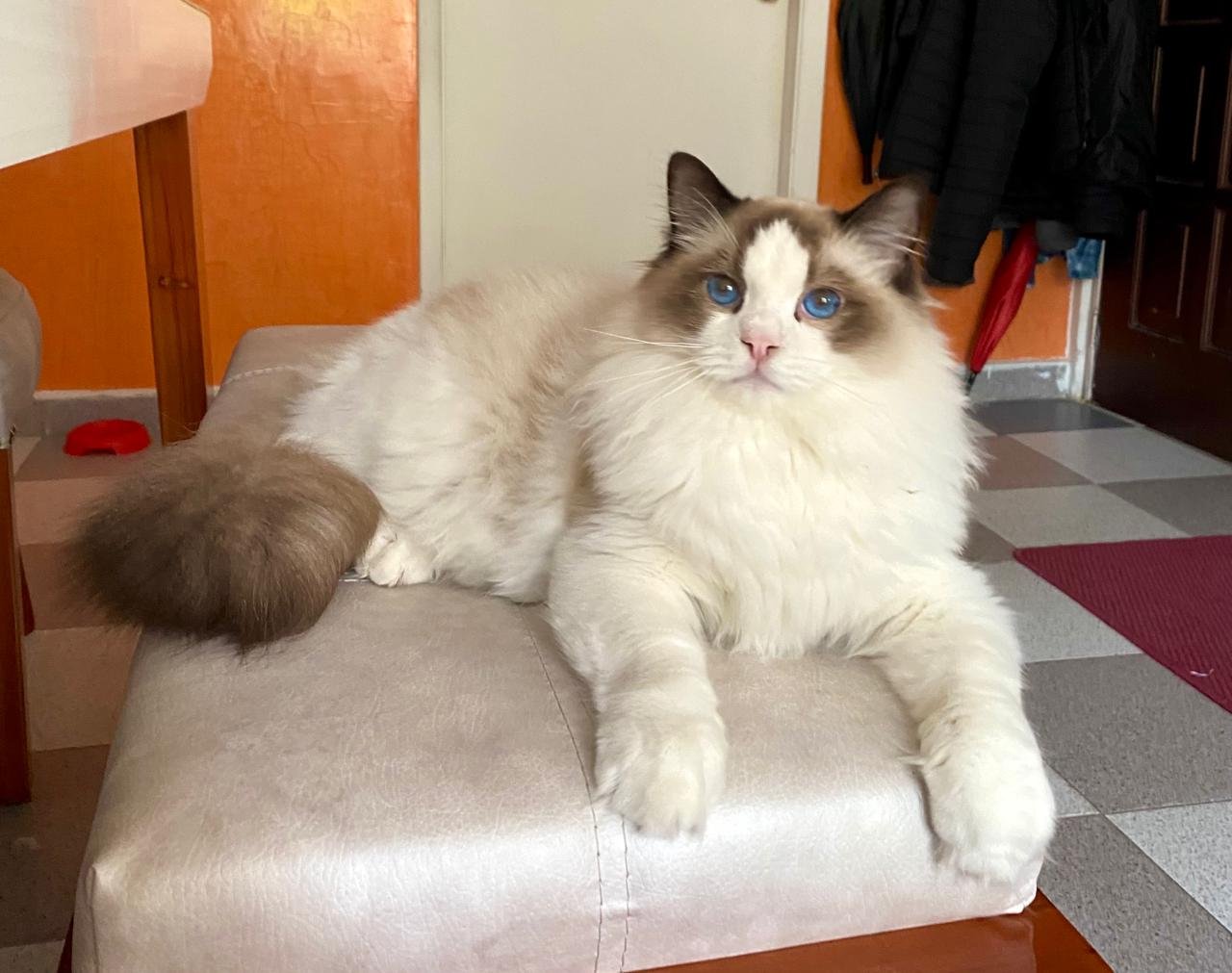
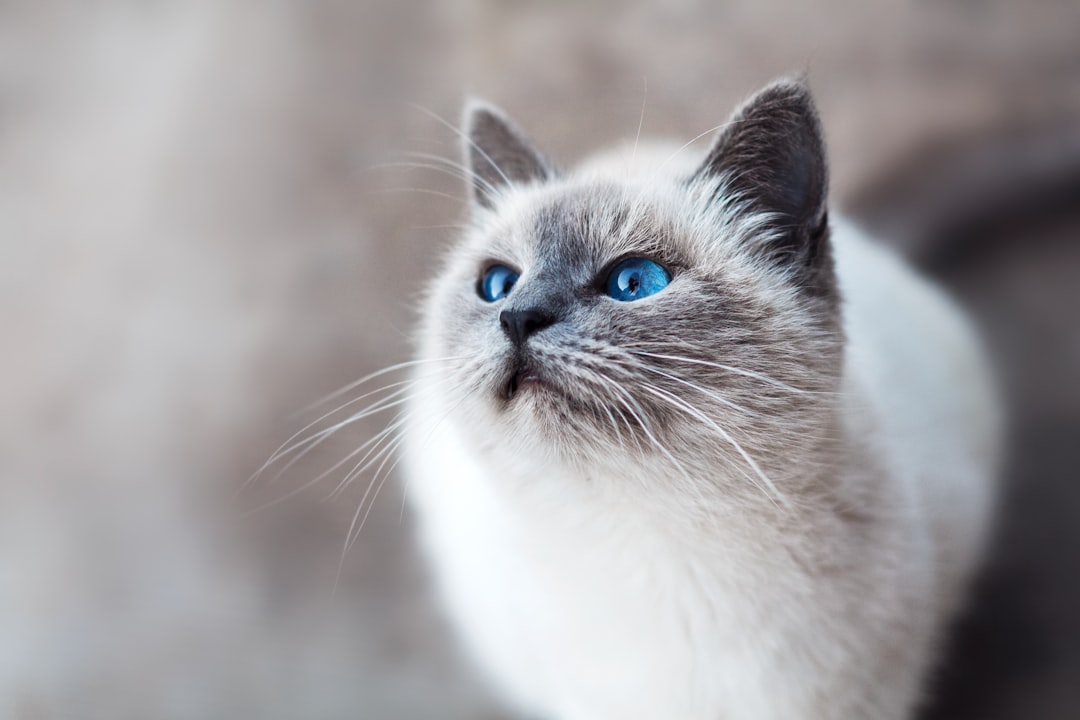
Ragdolls are legendary for their placid, laid-back personalities. If you’re looking for a cat content to nap by your side all day, the Ragdoll fits the bill perfectly. These cats are famously floppy—pick one up, and they’ll melt in your arms like a plush toy. While they do enjoy gentle play, they’re happiest when lounging in a sunbeam or snuggling next to their favorite person. Their calm demeanor makes them ideal for quieter homes or those who want a peaceful companion. Don’t be surprised to find your Ragdoll snoozing in the same spot for hours, completely unbothered by the hustle and bustle around them.
British Shorthair: Masters of the Catnap
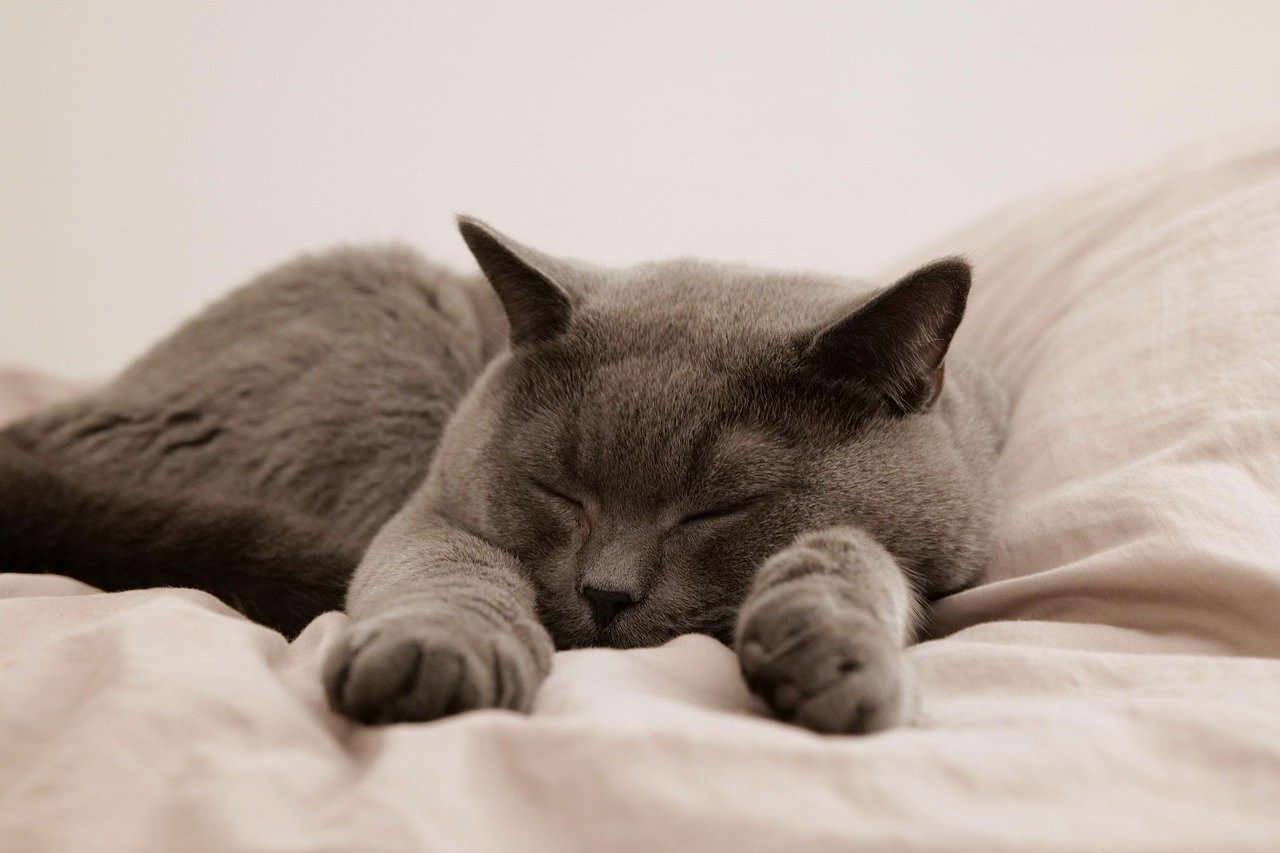
The British Shorthair is a cat that practically invented the art of relaxation. With their round faces and plush coats, these cats have an old-world charm that’s impossible to resist. But underneath that dignified exterior lies a cat who loves nothing more than a good nap. British Shorthairs are not known for wild antics or high-energy play; instead, they prefer a leisurely pace, often choosing to watch the world go by from a sunny window ledge. They are affectionate, but in a reserved way, making them great for those who appreciate a laid-back companion.
Persian: The Aristocrats of Lounging
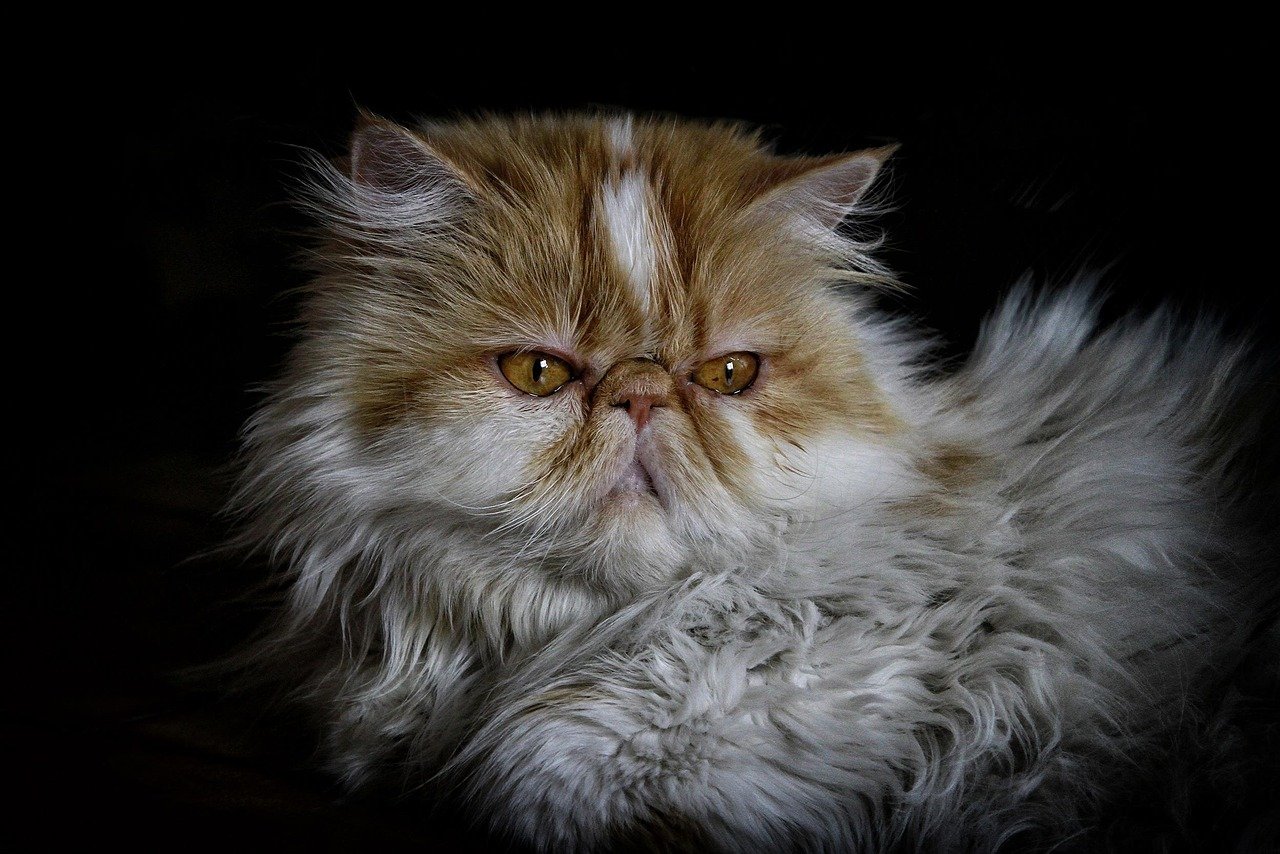
Persian cats are the epitome of feline elegance—and laziness. With their luxurious coats and sweet, gentle personalities, Persians are happiest when curled up in a cozy spot. They aren’t the type to chase after toys or dart around the house; instead, they prefer to observe the action from afar. Persians thrive in calm environments where they can rest undisturbed. Their quiet presence and love of lounging make them the perfect pet for anyone seeking a serene and undemanding feline friend.
Exotic Shorthair: The Laid-Back Cuddle Bug
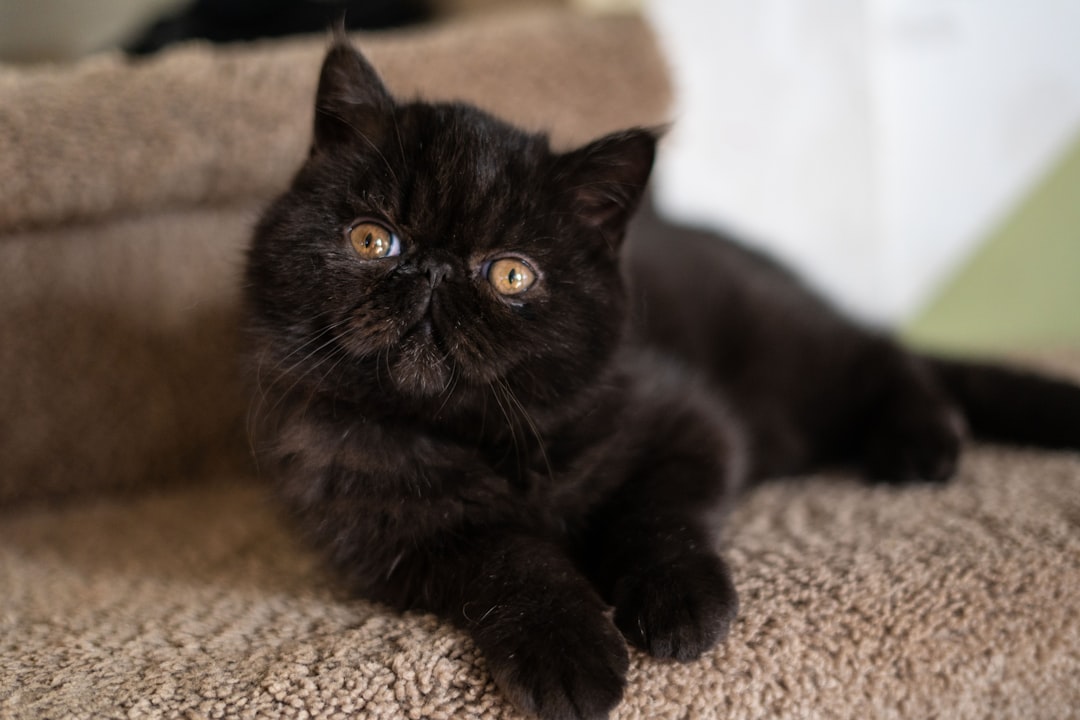
If you want the affectionate nature of a Persian without the high-maintenance grooming, the Exotic Shorthair is your dream cat. These cats have a playful streak, but it’s usually short-lived—they’d much rather be found dozing on the couch. Exotic Shorthairs are known for their sweet, gentle temperament and their love of cuddles. They are adaptable and easygoing, fitting seamlessly into homes where peace and quiet are treasured. Don’t expect them to leap off the walls; an afternoon snooze is much more their style, making them perfectly content to nap all day.
Every cat has a unique rhythm—some crave constant stimulation, while others prefer the art of doing nothing. Recognizing whether your feline is signaling boredom or simply embracing their chill nature is essential to their well-being. By tuning into their behavior and considering their breed’s typical energy level, you can strike the right balance between play and rest. Whether your cat lives for laser toys or afternoon naps, understanding their needs helps create a happier, healthier home for both of you.


