
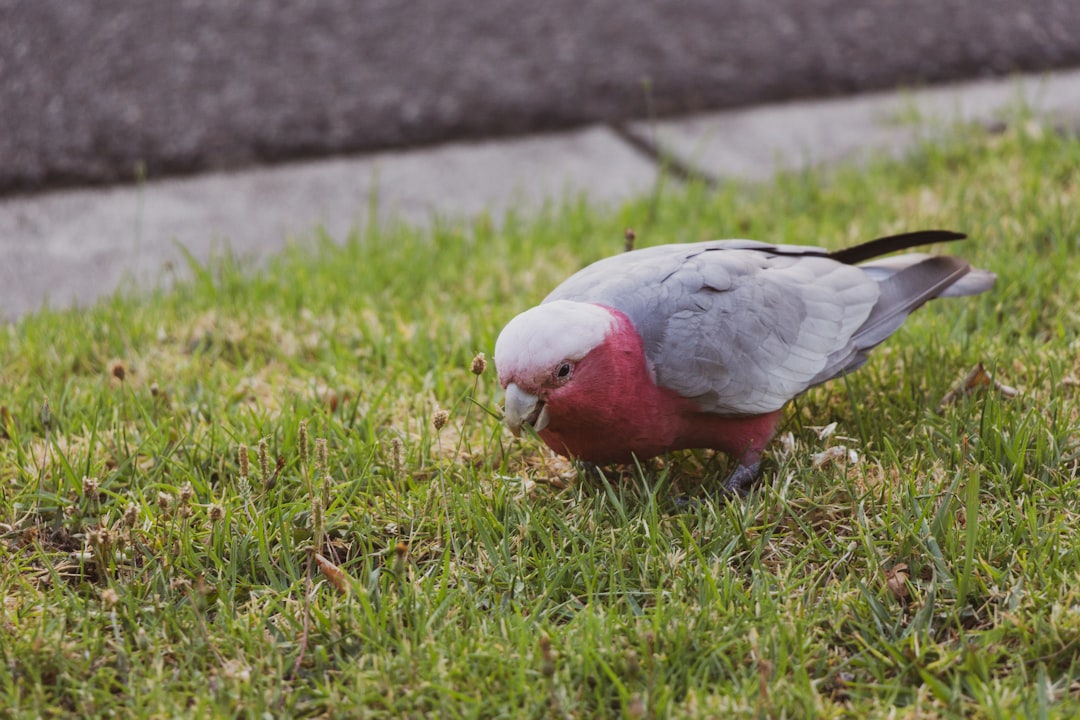

Have you ever seen the dazzling pink chest of a Rose Breasted Cockatoo catch the sunlight? It’s breathtaking, isn’t it? These “galahs,” as they’re called in Australia, aren’t just a pretty face—they’re clever, sensitive, and full of personality. But beneath their playful antics lies a bird that needs thoughtful, loving care. If you’re reading this, you’re probably already smitten, and you want to do right by your feathered companion. Let’s dive into five heartfelt tips that will keep your cockatoo healthy, happy, and deeply bonded to you.
Build a Trusting, Enriching Relationship
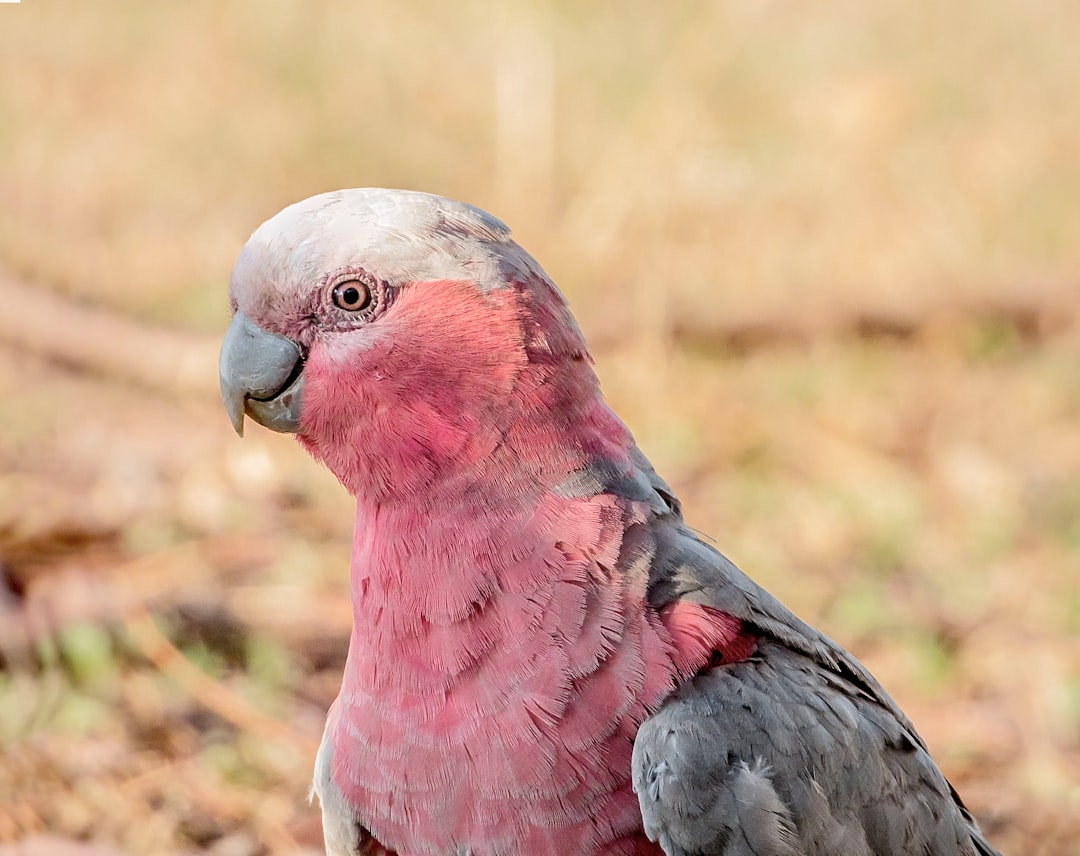
Rose Breasted Cockatoos crave genuine companionship. They bond fiercely with their humans, almost like a child clinging to a parent’s hand on the first day of school. Spend time talking, singing, and just being present—your bird notices when you do. Watch for welcoming behaviors like gentle head bows or soft chattering; these are your cockatoo’s way of saying they feel safe and loved.
But don’t force affection. If your galah seems withdrawn or starts feather plucking, it’s a red flag for stress or loneliness. Offer a predictable routine, gentle words, and respect their boundaries. Over time, trust blossoms, and your cockatoo’s quirky, joyful self will shine through.
Feed a Fresh, Nutritious Diet
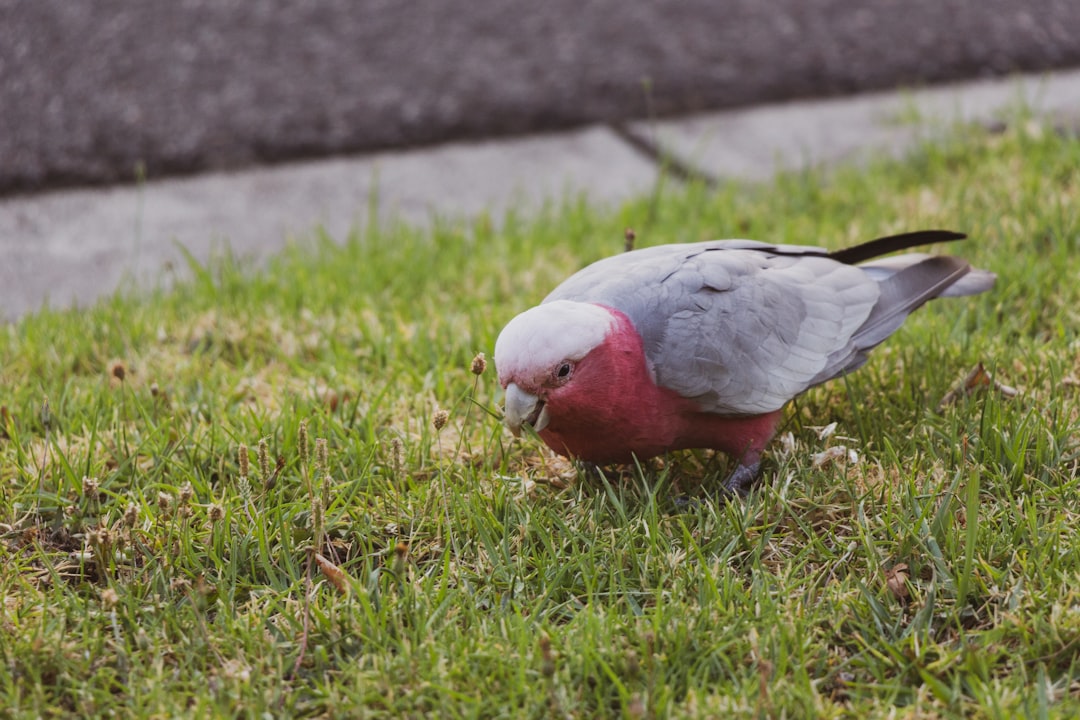
Imagine eating only crackers every day—your cockatoo would feel the same about a plain seed mix. A balanced diet should include high-quality pellets, a colorful variety of vegetables (think sweet potato, leafy greens, and bell pepper), and some fruit like apple or berries. These fresh foods boost energy, feather quality, and immune strength.
Always avoid avocado, chocolate, caffeine, and salty snacks—these are dangerous for parrots. If your bird suddenly loses interest in food or starts dropping weight, contact your avian vet. A healthy appetite is a sign your cockatoo is thriving, so pay close attention to what (and how much) they eat each day.
Provide Space and Safe Toys for Play
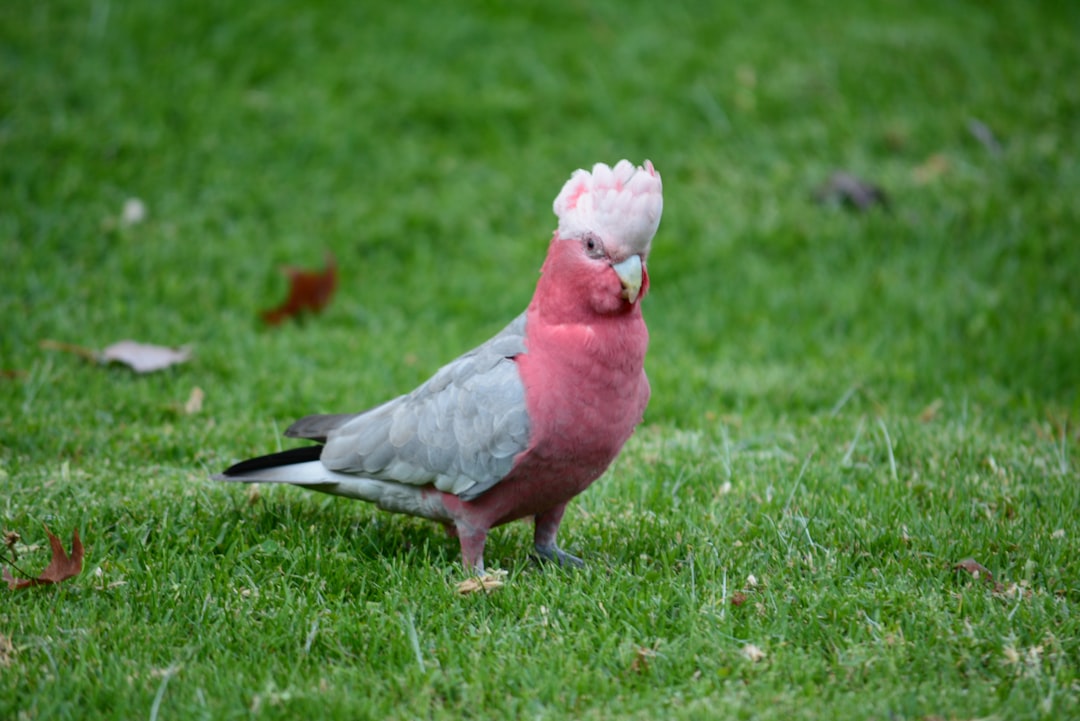
Cockatoos are like toddlers with wings—they need space to move, climb, and explore. A roomy cage (at least 36” wide) is essential, but nothing beats supervised out-of-cage time. Fill their environment with sturdy perches, ladders, and foraging toys. Rotate toys often to keep their minds sharp and spirits high.
Watch for signs of boredom, like pacing or screaming. These birds are intelligent and easily frustrated if understimulated. If your galah’s eyes light up when you introduce a new toy, you know you’ve hit the enrichment jackpot. Chewing is natural, so offer safe wooden toys as a healthy outlet.
Keep a Calm, Predictable Routine
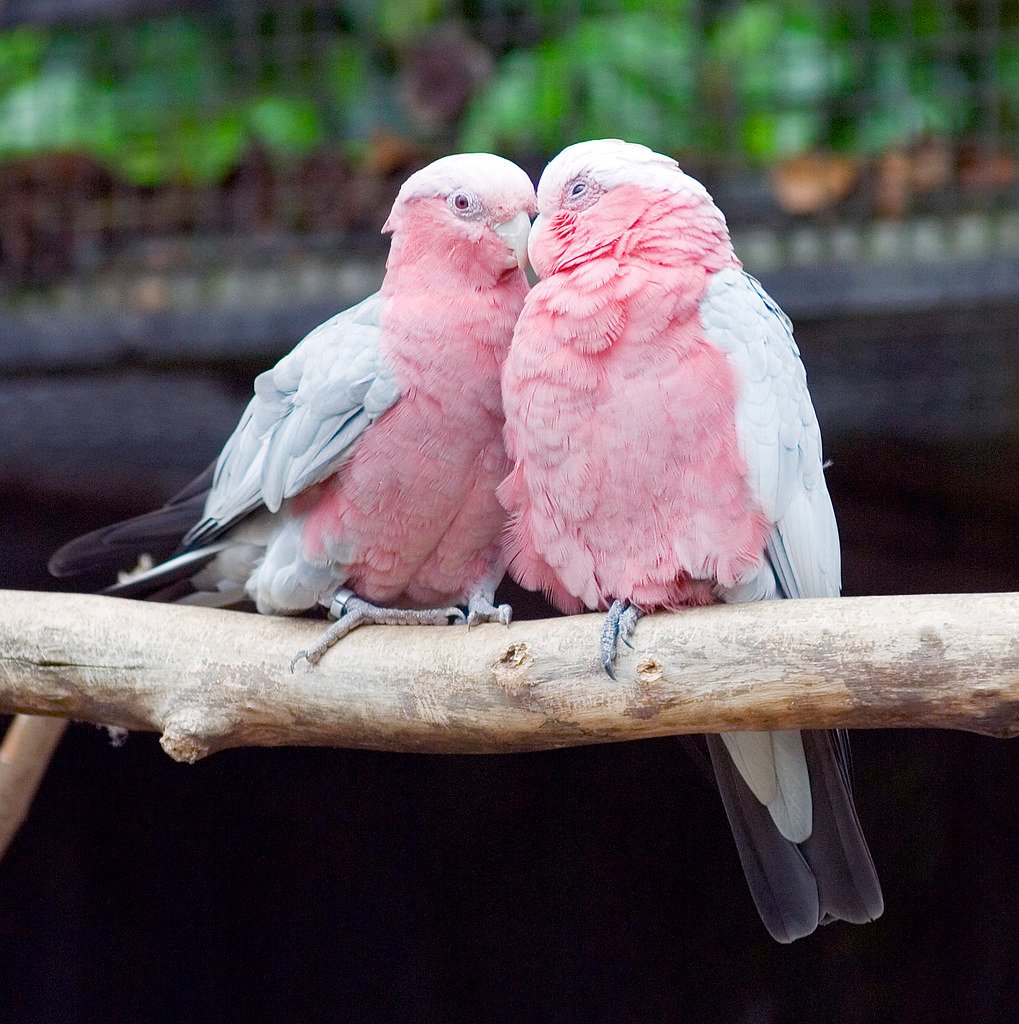
Cockatoos thrive when life is steady. Wild mood swings, sudden loud noises, or changes in the household can unsettle your bird. Stick to regular feeding, play, and bedtime schedules. A covered cage at night signals safety and helps your galah get restful sleep—just like tucking in a child.
If your cockatoo starts shrieking or acting agitated, it may be reacting to a new stressor. Try to identify and gently remove the cause, whether it’s a new pet, unfamiliar visitors, or even a change in your own mood. Remember, your calm presence is their anchor in any storm.
Stay Alert to Health and Grooming Needs
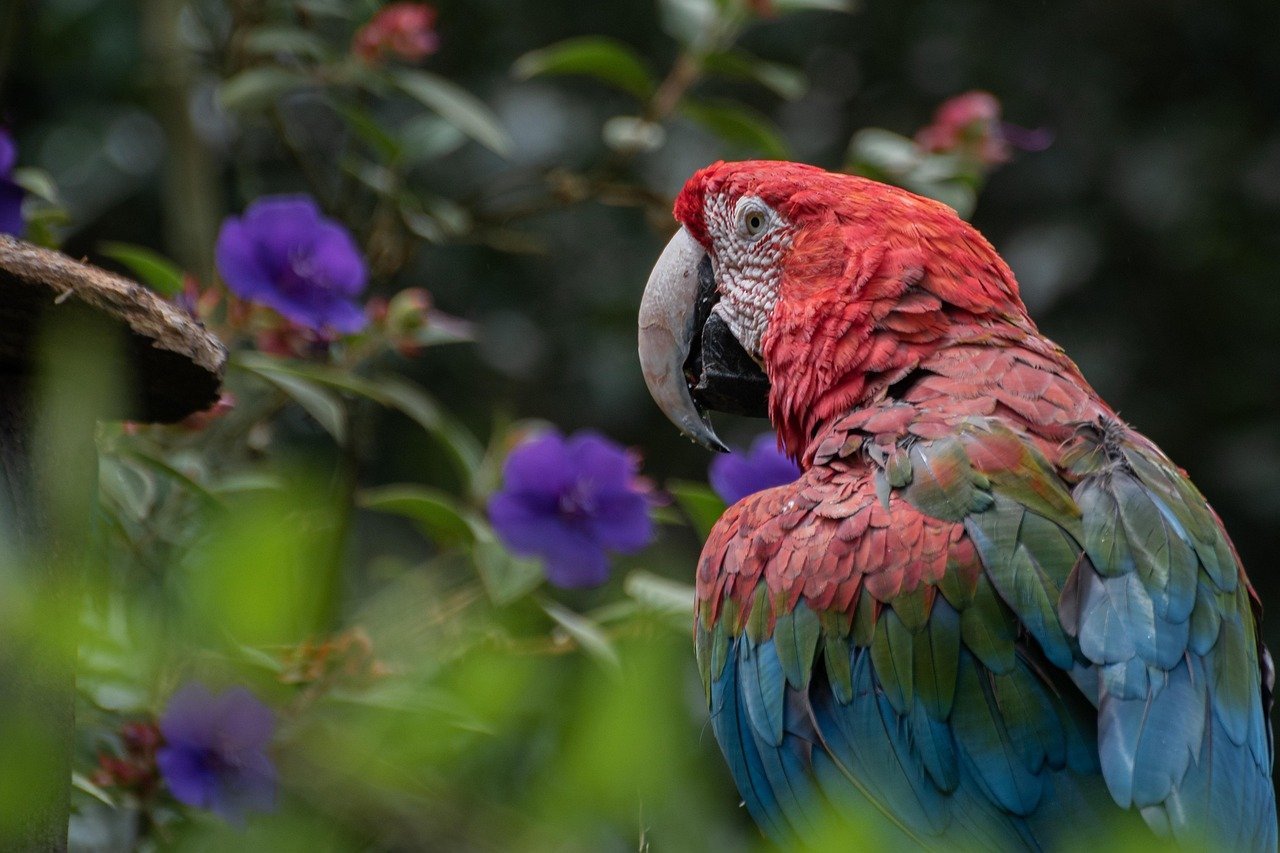
A healthy Rose Breasted Cockatoo is a bundle of energy, with bright eyes and gleaming feathers. Keep an eye out for subtle changes: fluffed-up posture, unusual droppings, or wheezing could signal illness. Schedule regular check-ups with an avian vet and learn to trim nails and beak if needed—or ask a professional for help.
Bathing is another must. Offer a shallow dish for splashing or mist gently with water; many cockatoos love bath time and it keeps their plumage in top shape. Remember, prevention is powerful—catching health issues early makes all the difference for your beloved bird.


