Every dog owner wants to do the right thing by their furry companion. We read articles, watch videos, maybe even ask advice from that cousin who seems to have a perfectly behaved pup. Yet sometimes, what we think is helping is actually creating more distance between us and our dogs. The truth is, dog training wisdom has evolved dramatically over the last few decades, but certain myths refuse to die. They linger in conversations at dog parks and in outdated training manuals, quietly undermining the bond you’re working so hard to build. Let’s get real about some of the most damaging misconceptions that might be sabotaging your relationship with your best friend.
Myth 1: You Need to Be the “Alpha” or Your Dog Will Dominate You

Let’s be honest, this one’s still everywhere. The idea that Rudolph Schenkel observed wolves in captivity during the 1940s in artificial high stress environments became the foundation for decades of dog training advice. Here’s the thing, though. Even the scientists involved in the original studies have since agreed that their conclusions were invalid.
Dogs are not wolves in dog clothing, and thousands of years of evolution have changed not only the way dogs look, but also the way they behave. When your dog pulls on the leash or jumps on the couch, they’re not plotting a hostile takeover of your household. Truly dominant dogs are calm and confident with very few behavior problems, while fearful and insecure dogs exhibit aggressive behaviors. The whole alpha myth creates more problems than it solves, honestly.
Most canine behavior problems stem from insecurity or the need for safety and comfort, not from a desire to establish a higher rank. Instead of forcing your dog into submission, focus on building trust through consistency and clear communication. Your dog doesn’t need a dictator. They need a guide who makes them feel safe.
Myth 2: Punishment-Based Training Works Faster and Better
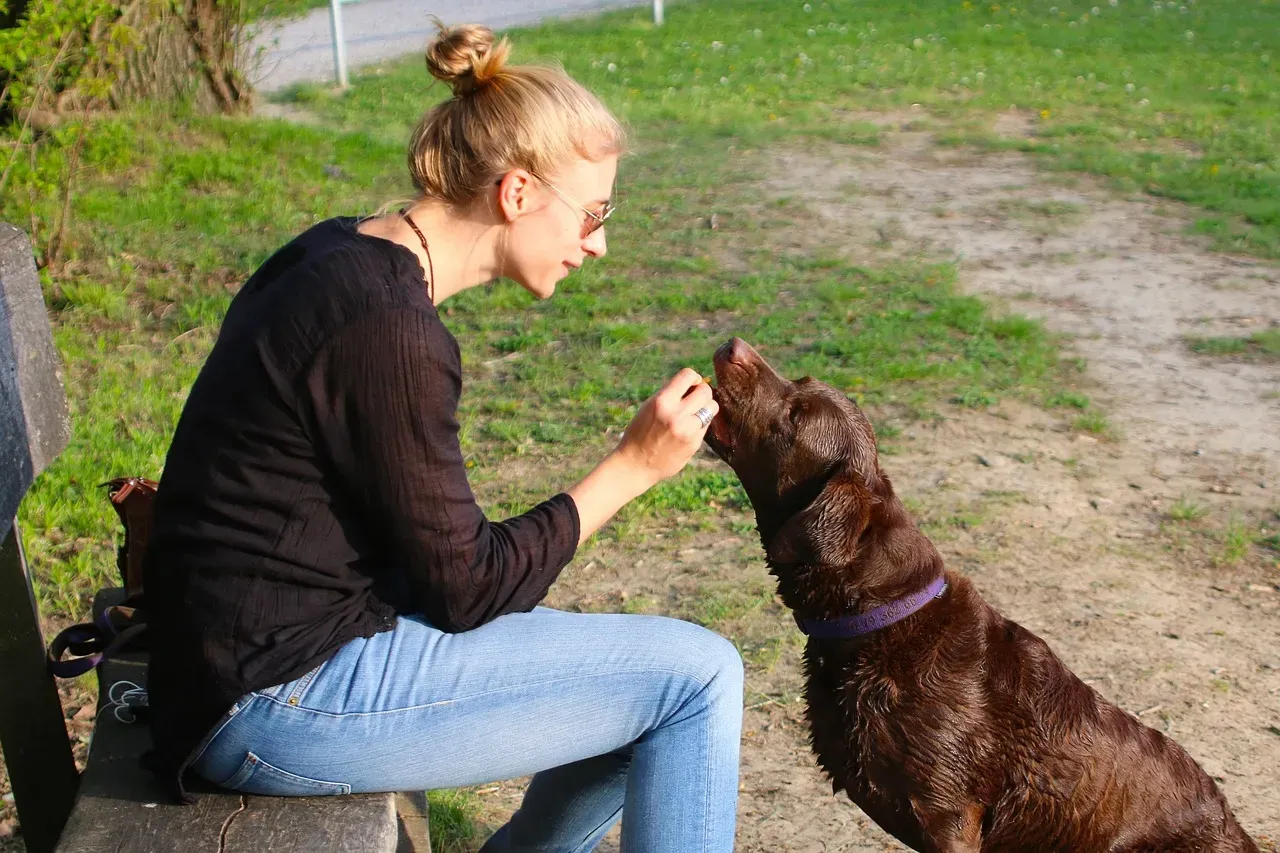
It might look effective on television, but the reality is far different. Dogs trained with aversive methods displayed more stress-related behaviors, were more frequently in tense behavioral states, exhibited higher post-training cortisol levels, and were more pessimistic in cognitive bias tasks than dogs trained with reward methods.
Using aversive training methods can jeopardize both the physical and mental health of dogs, and although positive punishment can be effective, there is no evidence that it is more effective than positive reinforcement-based training. I know it sounds crazy, but punishment often masks the real issue instead of addressing it. Sure, you might stop a behavior in the moment, but you haven’t taught your dog what to do instead.
Think about it this way. Punishment is stressful for dogs, causing a rise in stress hormones which can cause a dog to become fearful or aggressive. What looks like quick compliance might actually be a shutdown response, where your dog stops trying altogether because they’re too anxious to act. That’s not training. That’s shutting down communication.
Comparative studies show that reward-based training is more effective than aversive or punishment-based training, and dogs show fewer stress signals, trust people more, and tend to learn new behaviors more quickly.
Myth 3: Using Treats Is Just Bribery and Your Dog Won’t Listen Without Food

This myth drives me up the wall. Dogs learn through association, so if they learn a certain behaviour results in something pleasant, they will want to repeat it, and desirable treats increase the level of dopamine in your dog’s brain, thereby changing their emotional state. That’s not bribery. That’s how learning works for all mammals, humans included.
The difference between a bribe and a reward matters. A bribe is shown before the behavior to coax compliance. A reward comes after the desired behavior to reinforce it. When you use food strategically in training, you’re teaching your dog that good choices lead to good outcomes.
Here’s the reality check: eventually, you won’t need treats for every single behavior. Dogs ran significantly faster for higher quality food compared to lower quality food, and higher quality rewards appear to entail greater incentive motivation in dogs. As behaviors become reliable, you can fade treats to intermittent reinforcement, which actually makes behaviors stronger. Your dog will still listen because the behavior itself has become a habit, and occasional rewards keep it fresh.
Myth 4: You Can’t Teach an Old Dog New Tricks
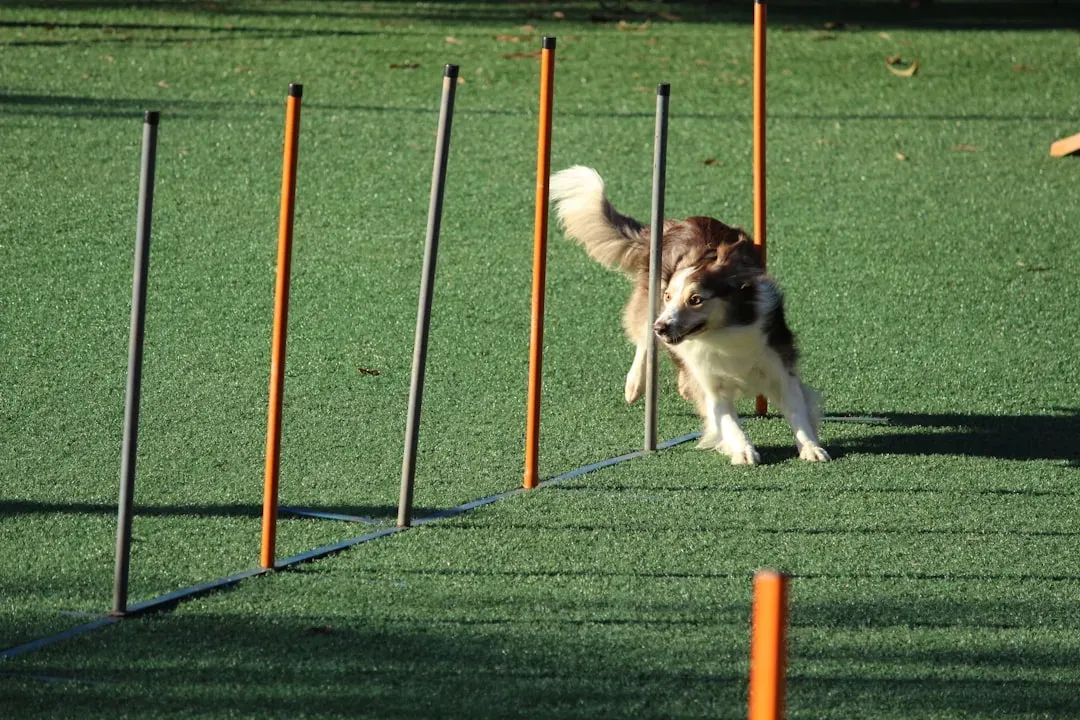
All dogs of every age can learn and adapt, and while puppies tend to learn new commands more quickly due to high energy and curiosity levels, older dogs still benefit from patience and positive reinforcement. I’ve seen senior dogs master complex behaviors that would make puppies jealous.
Older dogs often have better attention spans and fewer distractions than young pups bouncing off the walls. They might take a bit longer to grasp something new, but their focus can actually work in your favor. The key is adjusting your expectations and training sessions to match their physical abilities and energy levels.
Maybe your fourteen-year-old dog won’t become an agility champion, but they can absolutely learn to ring a bell when they need to go outside or master a new trick that keeps their mind engaged. Mental stimulation is crucial for aging dogs, and training provides exactly that. Never underestimate what a motivated senior dog can accomplish with a patient, encouraging human.
Myth 5: Only Dogs with Serious Behavior Problems Need Training

While dogs exhibiting behavioral challenges benefit greatly from training, all dogs can benefit from learning, and training isn’t just for fixing problems but for enhancing the relationship and building better communication. This mindset is holding so many people back from deeper connections with their dogs.
Training isn’t remedial education. It’s ongoing conversation. Even the most well-behaved dog benefits from regular training sessions that challenge their brain and strengthen your bond. Dogs who attended training classes were significantly more likely to give attention to and listen to the cues of their owners one year after completion of the class, and training classes appear to be an effective resource for obedience training.
Think of training as quality time, not homework. Those five-minute sessions where you practice “stay” or teach your dog to high-five aren’t just about obedience. They’re about building a shared language, creating positive experiences together, and showing your dog that working with you is fun and rewarding. The dogs who seem naturally “good” usually have owners who never stopped training, even when there was no problem to fix.
Conclusion

Training your dog shouldn’t feel like a battle for control or a desperate attempt to fix what’s broken. When you let go of outdated myths and embrace what modern science tells us about how dogs actually learn, everything changes. Your dog becomes more confident, your relationship deepens, and training transforms from a chore into genuine connection.
The dogs who thrive aren’t the ones who’ve been dominated or intimidated into submission. They’re the ones whose humans took the time to understand them, communicate clearly, and build trust through patience and kindness. Your dog is trying their best to understand what you want. Meeting them halfway with effective, compassionate training methods makes all the difference. What training myth surprised you most? Share your thoughts in the comments below.