
You know that moment when your normally fearless pup suddenly bolts under the bed because of a noise you barely noticed? It happens more often than you’d think. While we often hear about dogs being scared of thunderstorms and fireworks, there’s a whole world of everyday household sounds that can send even the bravest canine into a tailspin.
Here’s the thing. Dogs hear sounds that reach frequencies as high as 47,000 to 65,000 HZ, while we humans max out around 20,000 Hertz. That means your home might sound more like a chaotic concert hall to your dog than the peaceful sanctuary you imagine it to be. Let’s dive into the surprising sounds that could be quietly stressing your four-legged companion and what you can do about it.
That Dreaded Smoke Detector Chirp

High-frequency, intermittent noises such as the battery warning of a smoke detector are more likely to cause a dog anxiety, rather than low-frequency, continuous noise. If you’ve ever seen your dog suddenly start shaking or frantically searching for a hiding spot at three in the morning, chances are good your smoke detector battery is dying. That tiny chirp that barely registers to you can feel downright painful to your dog’s sensitive ears.
Watch for subtle signs like lip licking, ears pinning back, or your dog retreating to a safe space. Some dogs will pace, whine, or grab random objects in their mouth when they hear this sound. Minimizing exposure may be as simple as changing batteries more frequently in smoke detectors. Think about it: proactive battery changes aren’t just about fire safety anymore, they’re about your dog’s emotional wellbeing too.
The Vacuum Cleaner Monster
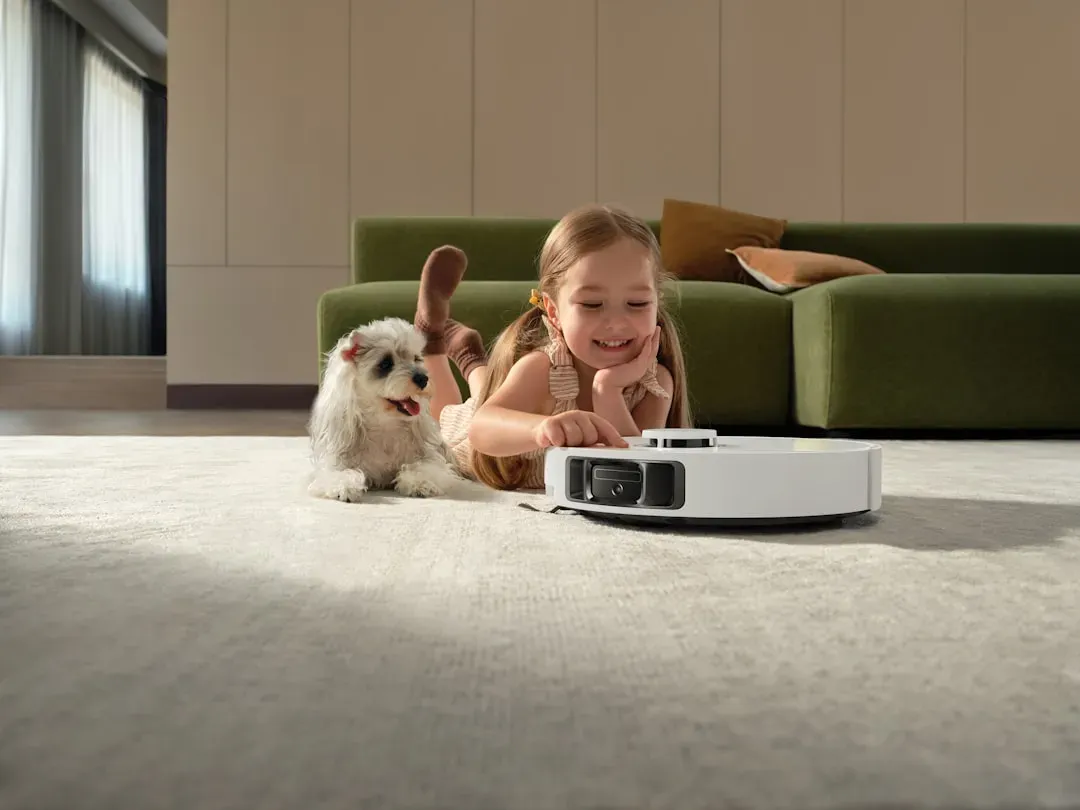
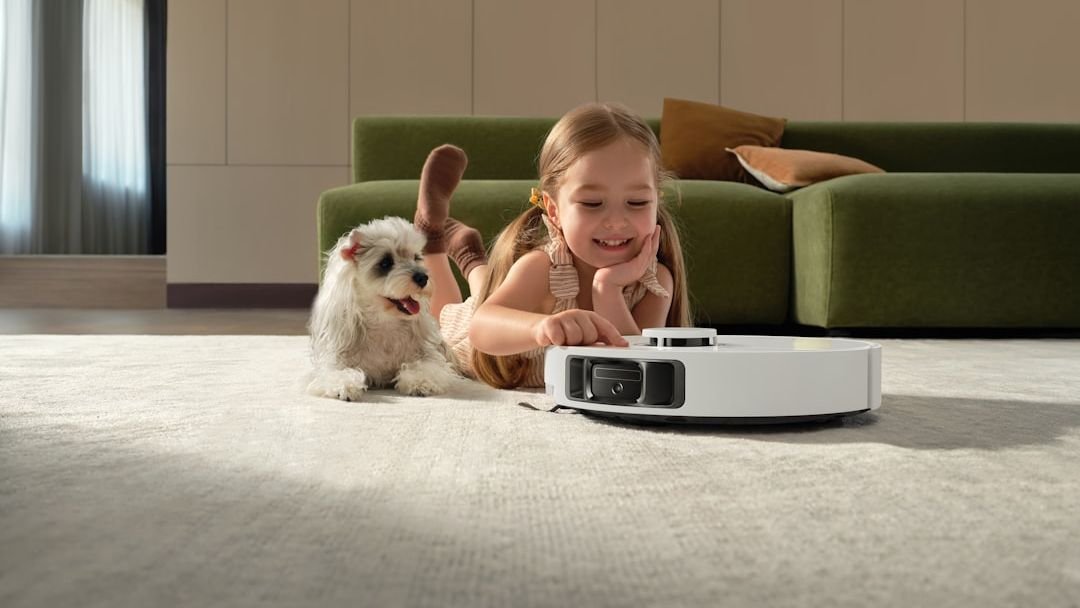
Your vacuum cleaner might be your cleaning companion, but to your dog, it’s probably public enemy number one. Common noises, such as a vacuum or microwave, can be a trigger for anxiety in many dogs. The combination of loud noise, unpredictable movement, and vibration creates a perfect storm of sensory overload.
I’ve seen dogs who were otherwise totally confident turn into trembling messes the moment that vacuum comes out of the closet. The sound doesn’t just startle them, it often triggers their fight-or-flight response. If your dog shows signs of distress, consider removing them to another room during cleaning time, or better yet, turn on some calming music to help mask the vacuum’s rumble. Music therapy may promote calm and reduce the salience of sounds that trigger anxiety.
Kitchen Appliances and Their Beeps
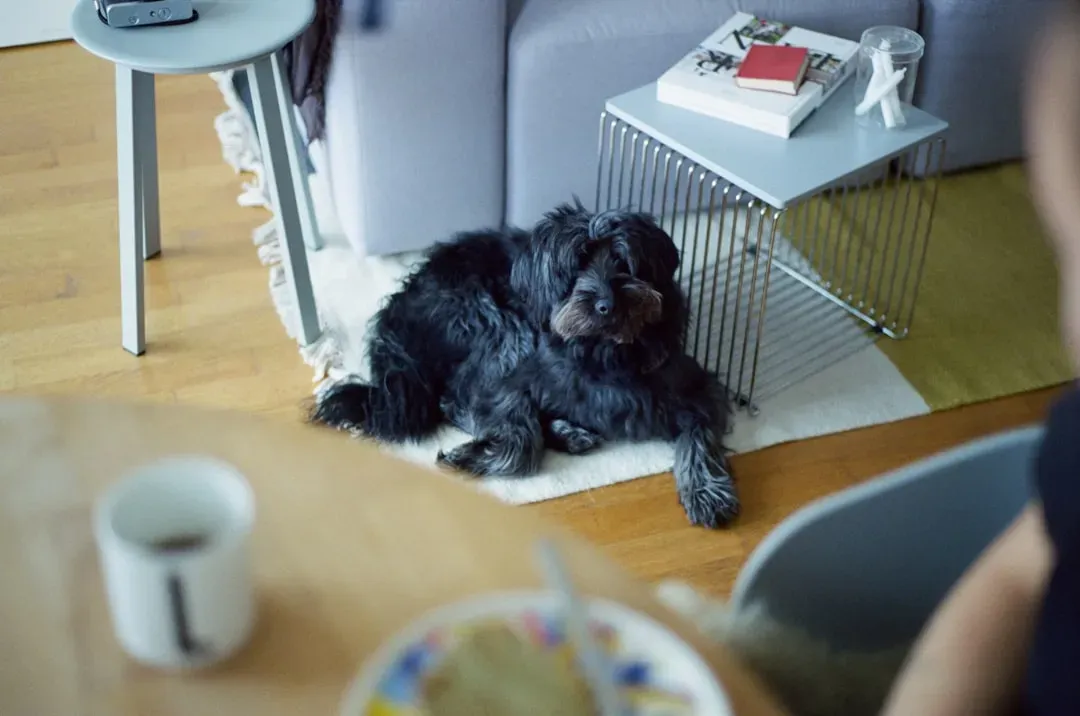
Microwave beeps, cell phone noises, alarm clocks going off…these high-pitched sounds are just some of the noises commonly heard in your home that may leave your dog feeling extremely unnerved. Every time your microwave dings or your coffee maker beeps, your dog might be experiencing genuine discomfort that you’re missing entirely.
The tricky part? Owners not only underestimated their dogs’ fearfulness, but the majority of people in videos responded with amusement rather than concern over their dog’s welfare. We often laugh when our dogs react dramatically to the toaster popping up, not realizing they’re genuinely stressed. Pay attention to your dog’s body language around kitchen time. Are they stiffening up, panting, or avoiding the kitchen altogether? Those are red flags worth noting.
Television and Electronic Device Sounds
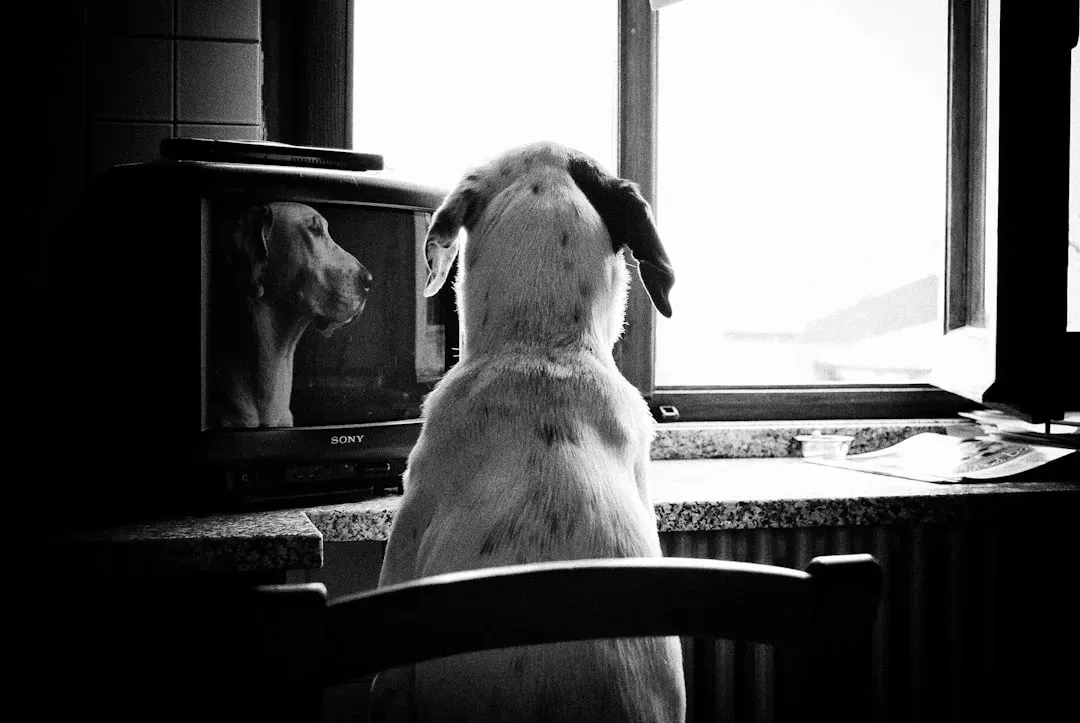
Here’s something that surprised me: dogs can react fearfully to sounds coming from your television or tablet. Honestly, if your dog suddenly seems anxious while you’re watching a home improvement show or a medical drama, it might be because those programs feature sounds similar to smoke alarms or other anxiety-inducing noises. Some dogs will generalize and associate one sound that frightens them with other sounds, creating a web of triggers you might never have connected.
This generalization is particularly frustrating because it can expand your dog’s anxiety portfolio over time. A dog who once feared only the actual smoke detector might start reacting to phone alerts, tablet notifications, or even certain ringtones. Creating positive associations through treats and calm behavior whenever these sounds occur can help, though it takes patience and consistency.
Low-Frequency Rumbles You Barely Notice

Even noises with lower frequencies – the tumbling of a clothes dryer, a fan, a dishwasher – stress a number of dogs. These continuous background sounds might seem harmless, yet for some dogs they create constant low-grade stress that builds throughout the day. Unlike sudden loud noises, these quieter sounds can be harder to identify as problematic.
Your dog might not show dramatic fear responses to these sounds. Instead, you’ll notice more subtle signs: reluctance to enter certain rooms, restlessness when appliances are running, or persistent low-level anxiety that seems to have no obvious cause. Stressed dogs could pant, lick their lips, turn their head away or even stiffen their body. Sometimes their ears will turn back, and their head will lower below their shoulders. If your dog seems generally more anxious at home, consider which appliances are running and when their stress seems worst.
Supporting Your Sound-Sensitive Companion

The good news? You can absolutely help your noise-sensitive dog feel safer and more comfortable. Start by learning to read their body language better, because dogs use body language much more than vocalizing. Create a safe haven where your dog can retreat when scary sounds happen, somewhere quiet and cozy where they feel protected.
Systematic desensitization and counterconditioning uses a gradual, controlled exposure to the noise, keeping the level of the sound low enough that there is no fear response. This means playing recordings of triggering sounds at very low volumes while rewarding your dog with treats and praise, then slowly increasing the volume over weeks or months. Remember, if your dog develops noise sensitivity later in life, they should have a thorough medical exam before any attempt to address the behavioral problem, since pain can contribute to increased sound sensitivity. Your vet can guide you toward the right combination of environmental management, behavior modification, and if necessary, medication to help your furry friend cope.
These everyday sounds might seem trivial to us, yet they can profoundly impact our dogs’ quality of life. What do you think, has your dog surprised you with an unexpected fear of a household sound? Understanding and addressing these sensitivities shows our pups we truly hear them, even when they’re struggling with noises we can barely perceive ourselves.


