
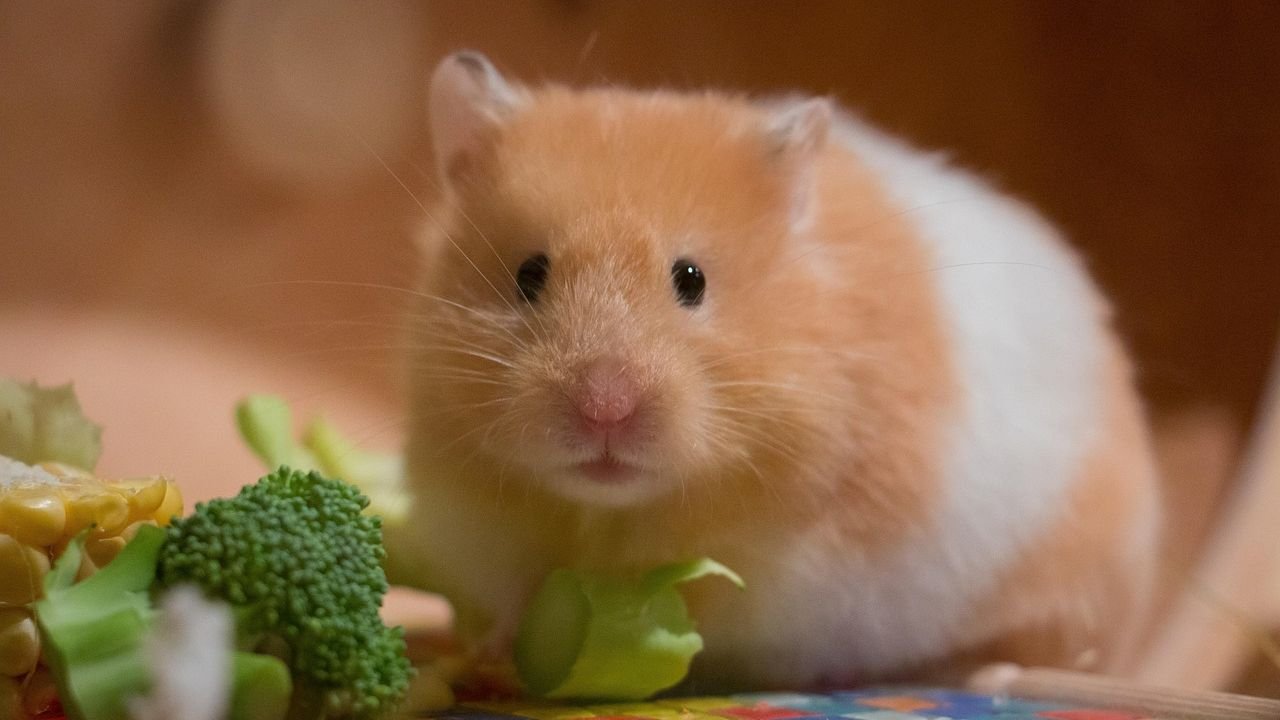
So you’ve brought home an adorable little hamster. Maybe it was an impulse buy, maybe a birthday gift. Either way, you’re probably imagining lazy evenings watching your fluffy friend run around their colorful cage, looking cute and requiring minimal effort. Here’s the thing, though: hamsters may be small, but they’re surprisingly easy to hurt through innocent ignorance. I know it sounds harsh.
The reality is, pet shops often hand you the wrong advice along with that tiny rodent. Those cute plastic cages with tunnels and bright colors? Usually terrible. That muesli-style food mix? Nutritional disaster waiting to happen. Even the way you pick up your new pet might be stressing them out in ways you never imagined. Let’s dive into the most common errors that well-meaning hamster parents make, so you can avoid them entirely.
Buying a Cage That’s Way Too Small
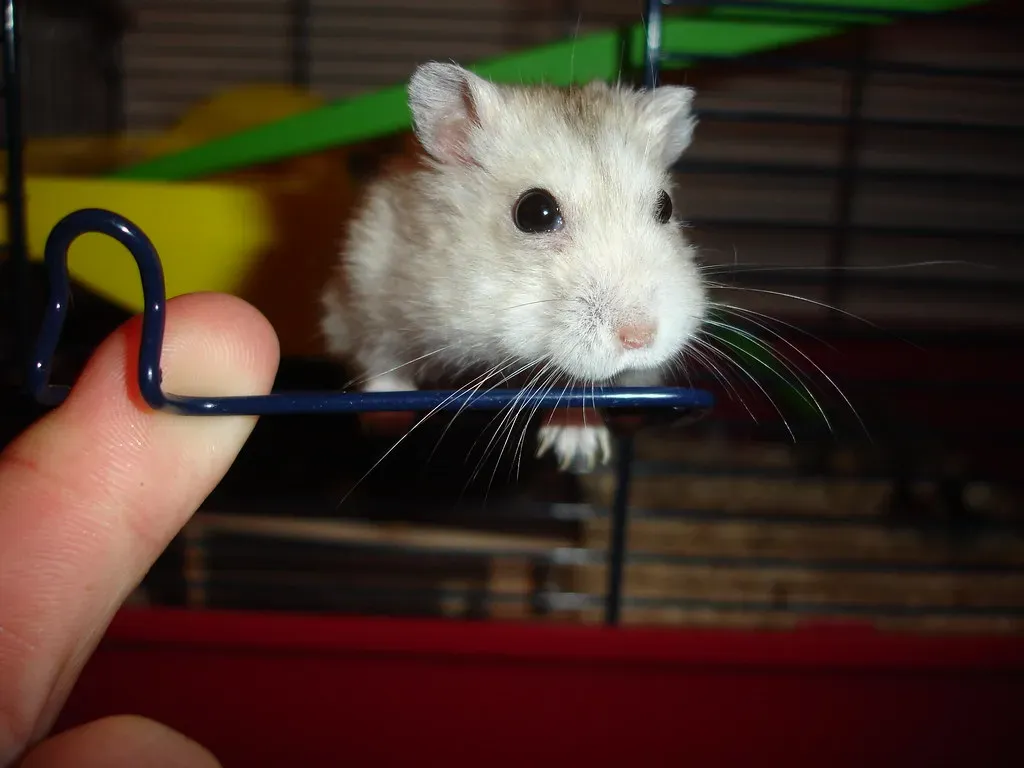
Walk into most pet stores and you’ll see rows of brightly colored plastic cages marketed as perfect hamster homes. They look fun, compact, and affordable. The problem is they’re basically tiny prisons. These cages are often far too small, and while they might look appealing on the shelf, for your hamster they’re more like a cramped prison.
The recommended cage size for a hamster is a minimum of 100 cm long by 50cm deep by 50cm tall for Syrian Hamsters. That translates to roughly 775 square inches of unbroken floor space. Most commercial cages sold in stores provide less than half of that. Some barely offer 200 square inches.
Think about it this way: hamsters naturally run seven to twenty-one miles every night. Imagine being confined to a space the size of a small bathroom and being expected to run a marathon. That’s what we’re doing to them with undersized cages.
There is evidence that hamsters experience less stress if housed in larger cages. Studies have shown that hamsters in bigger enclosures exhibit far less bar-chewing behavior, which is a clear sign of frustration and distress. Go as big as your budget and space allow. Your hamster will thank you with better health and happier behavior.
Skimping on Bedding Depth
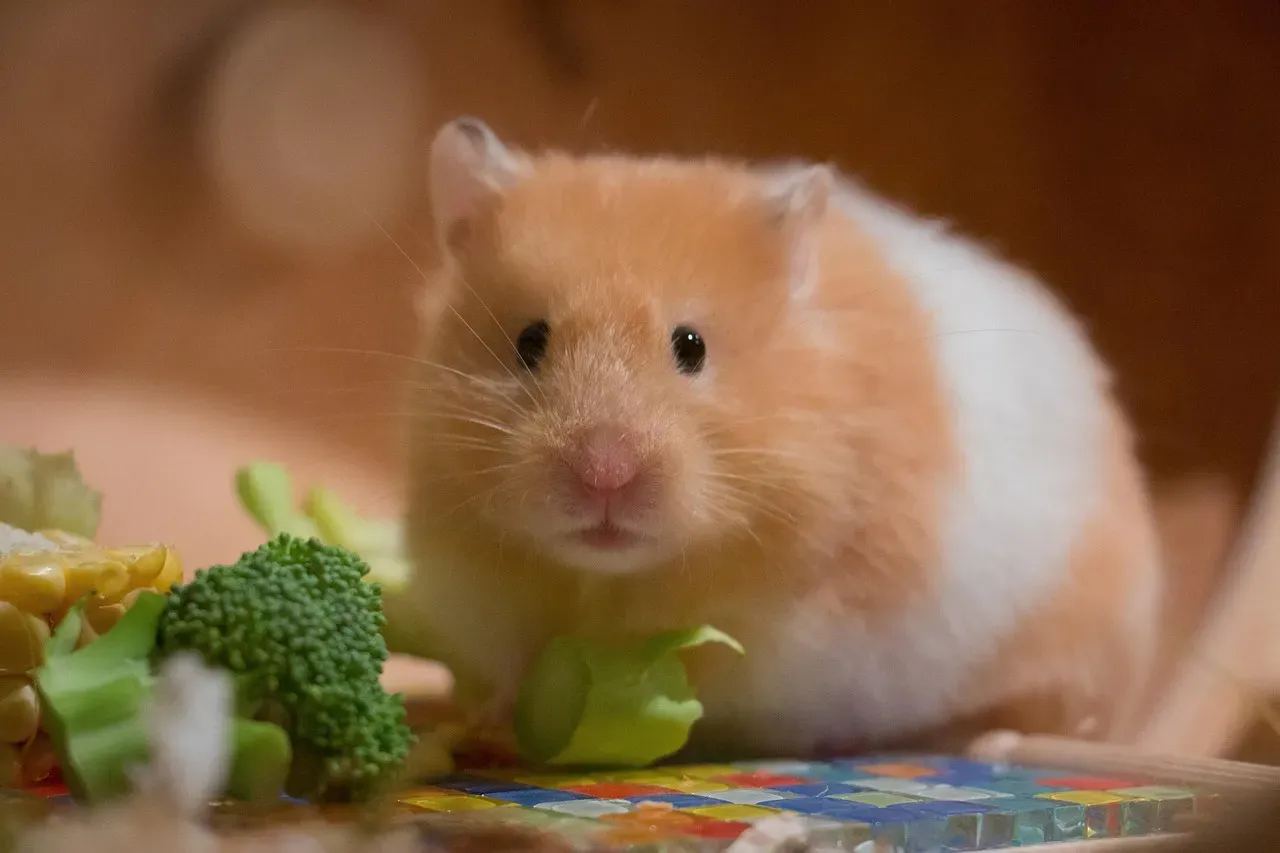
Let’s be real: most people toss in a thin layer of bedding and call it a day. Maybe an inch or two. It looks clean and tidy. However, hamsters are burrowers by instinct. In the wild, they dig extensive tunnel systems for safety, comfort, and temperature control.
Hamsters whose cages have thick bedding experience greater health, so experts recommend aiming for 15cm (6 inches) or preferably more. Some sources even suggest going as deep as 10 to 12 inches to truly allow natural burrowing behavior. Shallow bedding denies them one of their most fundamental needs.
Using the wrong type of bedding makes things worse. It’s best to avoid bedding that is scented or made from pine and cedar. These woods have natural oils that can be harmful to your hamster’s health. Stick with dust-free options like aspen shavings or paper-based bedding.
When you give your hamster deep, safe bedding, you’re not just being nice. You’re letting them express natural behaviors that reduce stress and improve their mental well-being. Tunnels help them feel secure. Without that option, they’re stuck on the surface, anxious and exposed, which can lead to serious behavioral issues over time.
Feeding Them the Wrong Diet
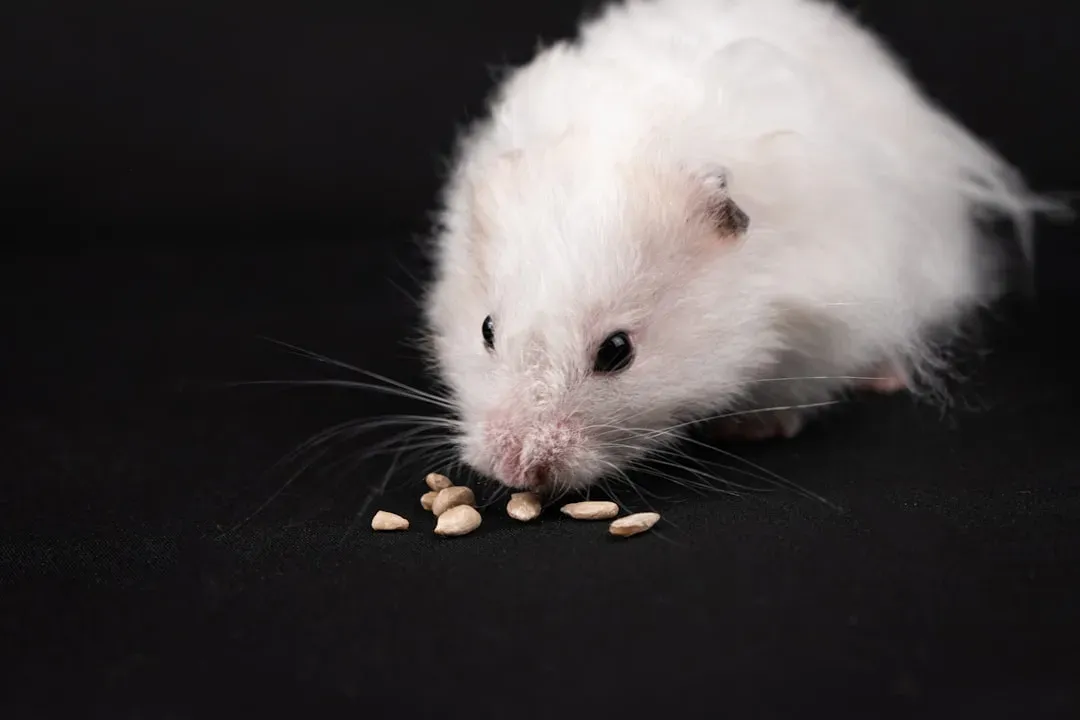
Here’s where things get tricky. You see those colorful muesli-style mixes at the store, packed with seeds, grains, and dried veggies. Looks healthy, right? Wrong. Muesli-based hamster diets encourage selective feeding, where they eat high starch/sugar components of the muesli while rejecting the more fibrous pellets. This means they won’t be getting all the nutrition they need.
Hamsters are picky eaters. Given the choice, they’ll gobble up the sugary bits and leave the nutritious pellets behind. Over time, this creates vitamin and mineral deficiencies. Hamsters fed only seed will have nutritional deficiencies in vitamins and minerals, specifically vitamin E and calcium. Seed diets also contain a lot of sugar and fat, which may lead to diabetes and obesity.
Honestly, it’s better to use a quality pellet food as the foundation. You can supplement with small amounts of fresh veggies, but be smart about it. Iceberg lettuce, which has very little nutritional value, should be avoided along with spicy and citrus foods. Don’t give them grapes or rhubarb, as these can be poisonous to rodents.
Fresh treats should be tiny. Think a piece the size of your hamster’s ear, given every few days. Too much fresh food causes diarrhea and digestive upset. It’s all about balance and moderation, not variety for variety’s sake.
Handling Them Too Soon or Incorrectly
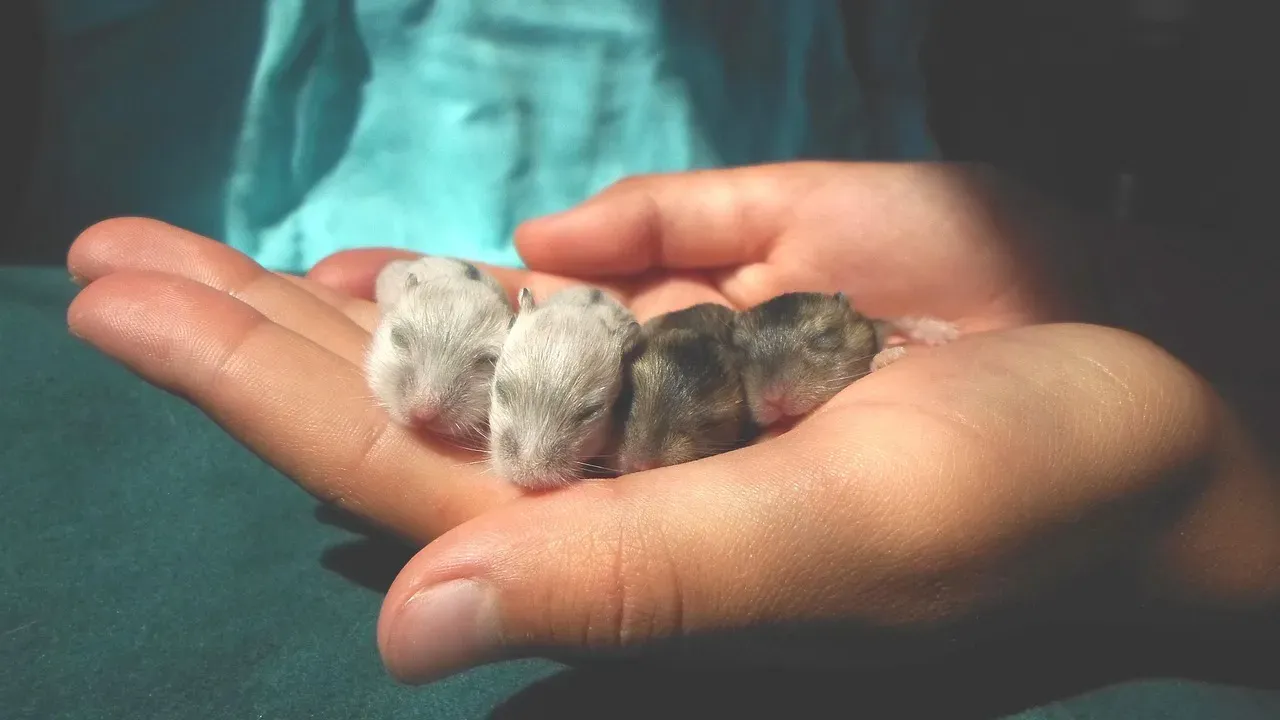
You just got your hamster home and you’re excited. The kids want to hold it. You want to bond. Totally understandable. Yet this is one of the fastest ways to terrify your new pet. Hamsters are crepuscular or nocturnal. They naturally sleep during the day and are most active at dawn and dusk. Waking them during their sleep cycle can cause irritability, stress, and even aggression or fear-biting.
Think about being shaken awake from deep sleep by a giant hand descending from the sky. That’s your hamster’s experience when you grab them during the day. It’s really important to leave them alone to settle in. It’s the most stressful time in a hamsters life and as they’re prey animals, you need to gain their trust first. If you just start holding them straight away during this stressful time they may bite you, scream or even worse, catch wet tail, which is fatal.
Give them at least a few days, ideally a week, to adjust to their new environment before attempting to handle them. When you do start, go slow. Offer treats from your hand. Let them come to you. Speak softly before picking them up because hamsters have poor eyesight and startle easily.
Hamsters may also bite if roughly handled, startled, or are feeling ill. Building trust takes patience, but it’s worth it. A well-socialized hamster is a joy to interact with. A stressed, scared one will nip, hide, and live a miserable existence. Did you expect patience to be this crucial?
Choosing the Wrong Wheel Size
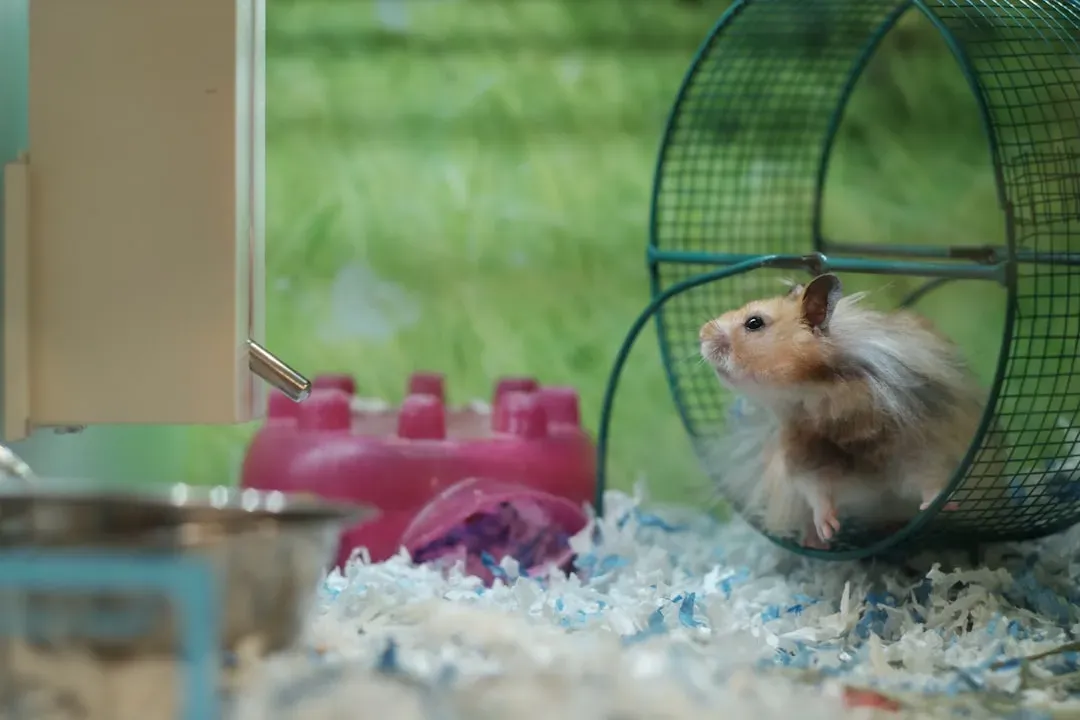
You wouldn’t think a wheel could be harmful, would you? Yet this is shockingly common. Many commercially sold wheels – especially those included in starter cages – are far too small and often designed with rungs, bars, or mesh flooring. These may look “fun” or resemble exercise wheels for other animals, but they’re not built with a hamster’s unique anatomy in mind.
A wheel that is too small for your hamster could end up doing more harm than good. A small wheel forces your hamster to arch its back when it runs, which can be extremely bad for your hamster’s health. Over time, this causes spinal curvature, pain, and long-term damage. Imagine running miles every night with your spine bent backwards. Ouch.
For Syrian hamsters, you need a wheel that’s at least 28 centimeters in diameter. Dwarf hamsters can get away with slightly smaller, but bigger is always better. The wheel should be solid, not mesh or barred, to prevent foot injuries. It should also be silent or near-silent because that thing’s going to spin for hours every night.
Check that your hamster runs with a straight back. If you see any arching, the wheel is too small. Swap it out immediately. This isn’t about luxury or spoiling your pet. It’s about basic physical health and preventing injury.
Even the best wheel won’t help if your hamster doesn’t have enough floor space to explore. Hamsters in larger cages actually use their wheels less because they have room to run and forage naturally. The wheel is important, sure, but it’s not a substitute for adequate living space.
Conclusion

Hamsters might be small, but their needs are anything but simple. From spacious cages and deep bedding to proper diet and gentle handling, these little creatures require thoughtful, informed care. Pet stores won’t always tell you the truth because they want to sell you products, not ensure your hamster’s well-being.
What surprises most new owners is just how much space and enrichment hamsters truly need. These aren’t decorative pets you can stick in a corner and forget about. They’re active, intelligent animals with instincts that must be respected. When you meet those needs, you’ll have a happy, healthy companion who’ll entertain you with their antics and personality.
So, what do you think? Did any of these mistakes surprise you? Have you been guilty of one or two yourself? Share your experiences in the comments. Let’s help each other become better hamster parents.


