

Have you ever watched your dog tilt their head at you, tail wagging softly, and wondered what’s going through their mind? Dogs don’t need fancy toys or expensive gadgets to feel content. Sometimes, the little things we do without much thought turn out to be the highlights of their day. Here’s the thing: many of us accidentally stumble into habits that boost our dog’s happiness without even realizing it.
You might think you know what makes your furry friend tick, like the obvious stuff such as treats and belly rubs. Yet there are certain everyday actions that quietly nurture their emotional wellbeing in ways that genuinely surprise even seasoned dog lovers. Let’s dive in and uncover five daily habits that are secretly transforming your dog’s happiness.
Letting Them Lead the Walk Sometimes
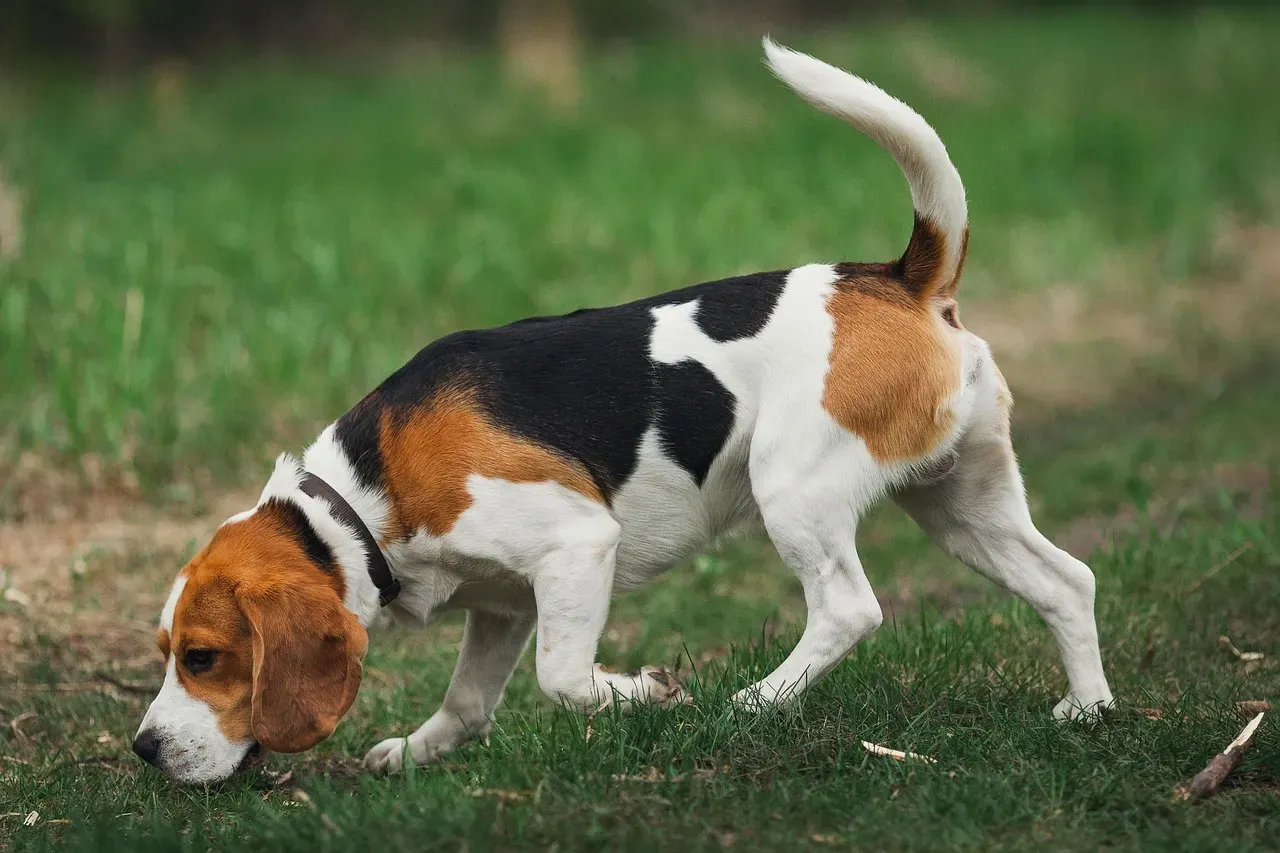
Most of us walk our dogs with a clear destination in mind, maybe a quick loop around the block before heading back home. Yet when you occasionally let your dog dictate the pace and direction, something remarkable happens. These “sniff walks” provide more mental stimulation than fast-paced exercise and can tire your dog as effectively as physical activity. Think of it as their version of scrolling through social media, gathering updates on the neighborhood’s latest happenings.
When dogs sniff, they’re not just smelling. Scent work releases dopamine and satisfies a natural drive in dogs, making it beneficial for their mental health. Their incredible sense of smell allows them to process information about their environment in ways we can’t even comprehend. Allowing them to stop and investigate that intriguing lamppost or patch of grass isn’t wasting time. It’s enriching their mental landscape and helping them feel more satisfied overall.
Here’s what I’ve noticed with my own dog: on days when I’m patient enough to let her sniff to her heart’s content, she’s noticeably calmer at home. This sniff walk time rewires your dog’s brain, as sniffing naturally releases feel-good hormones like dopamine, and over time, your dog will associate this sniffing with feeling happy and satisfied, training them to see that relaxing feels good. It might add a few minutes to your walk, but watching them become absorbed in their sensory world is genuinely heartwarming.
Making Eye Contact During Quiet Moments
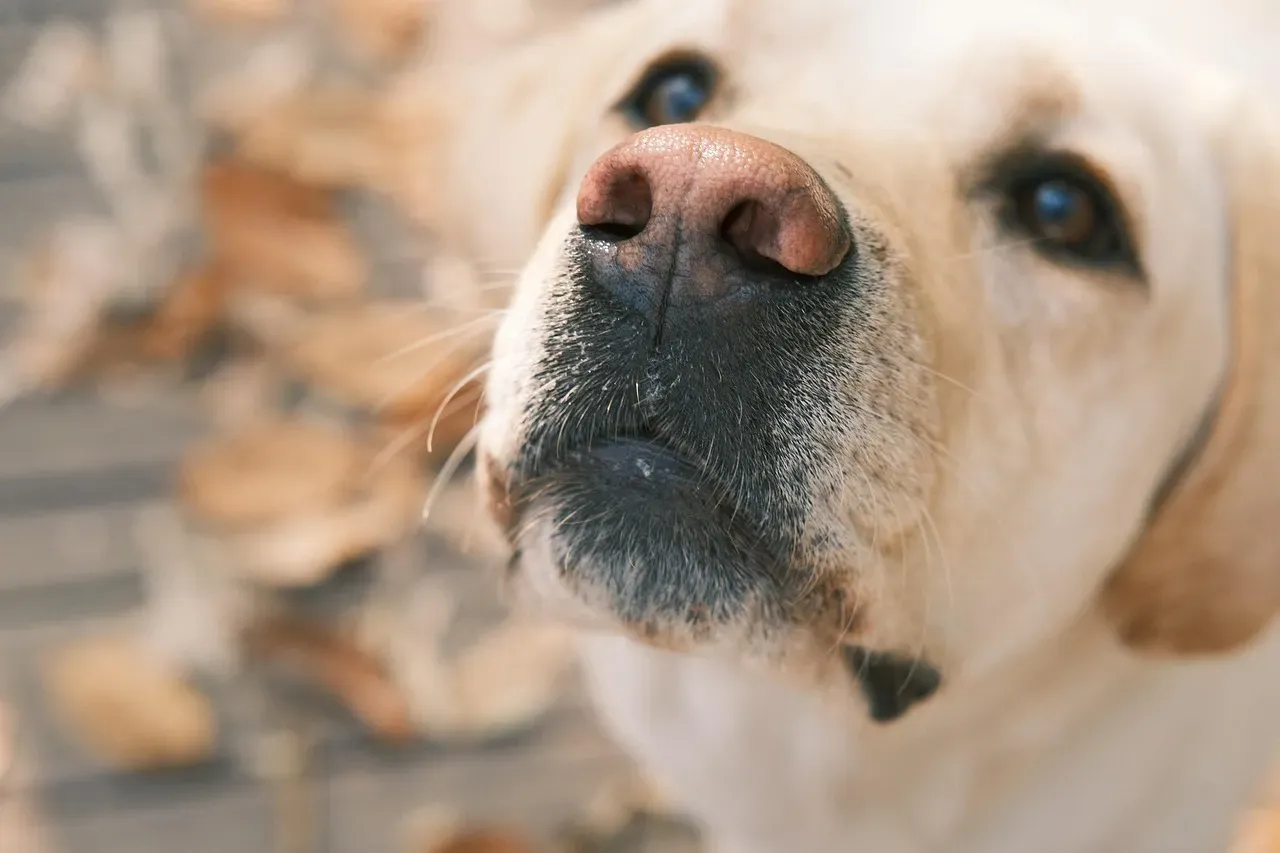
Ever catch your dog staring at you from across the room? That mutual gaze isn’t random or weird. Happy dogs produce higher levels of oxytocin, the same “love hormone” released when humans bond with their children, and this neurochemical connection explains why your dog’s happiness directly impacts your own mood and wellbeing. When you lock eyes with your pup, you’re both experiencing a biochemical surge that strengthens your bond.
I think it’s fascinating how something so simple can be so powerful. Making more eye contact releases that cuddle hormone, creating a feedback loop of affection between you and your dog. Those few seconds of shared attention communicate volumes without a single word being spoken. Your dog feels seen, valued, and deeply connected to you.
Try it next time your dog approaches you quietly. Put down your phone, look into their eyes, and just be present for a moment. You’ll notice their body language soften, maybe a gentle tail wag or a contented sigh. It’s one of those tiny interactions that dogs absolutely treasure, yet we often rush past it in our busy lives.
Rewarding Calm Behavior Without Them Asking

We’re really good at rewarding our dogs when they follow commands or do something impressive. Yet here’s a habit that’s quietly brilliant: acknowledging and rewarding them when they’re just being calm and relaxed. Rewarding the good things your dog is already doing increases the likelihood of those behaviors happening more, whether they’re choosing to quietly lounge in their bed, refrain from barking at the doorbell, or chew on a bone instead of your shoe.
This approach shifts how dogs think about behavior. Instead of only getting attention when they’re excited or demanding it, they learn that calmness itself is valuable. This trains us to look for all the things we like about our dogs, and it gives our canine companions some space to figure out how to occupy their time without having to follow orders from us. Honestly, it’s as much about training ourselves to notice the good stuff as it is about reinforcing it for them.
What does this look like in practice? Maybe your dog is lying peacefully by the couch while you work. Walk over, give them a gentle pat, and quietly say “good dog.” No big fuss, just acknowledgment. Over time, they’ll understand that being settled and content is something that brings positive attention, not just their more energetic antics.
Creating a Predictable Daily Routine
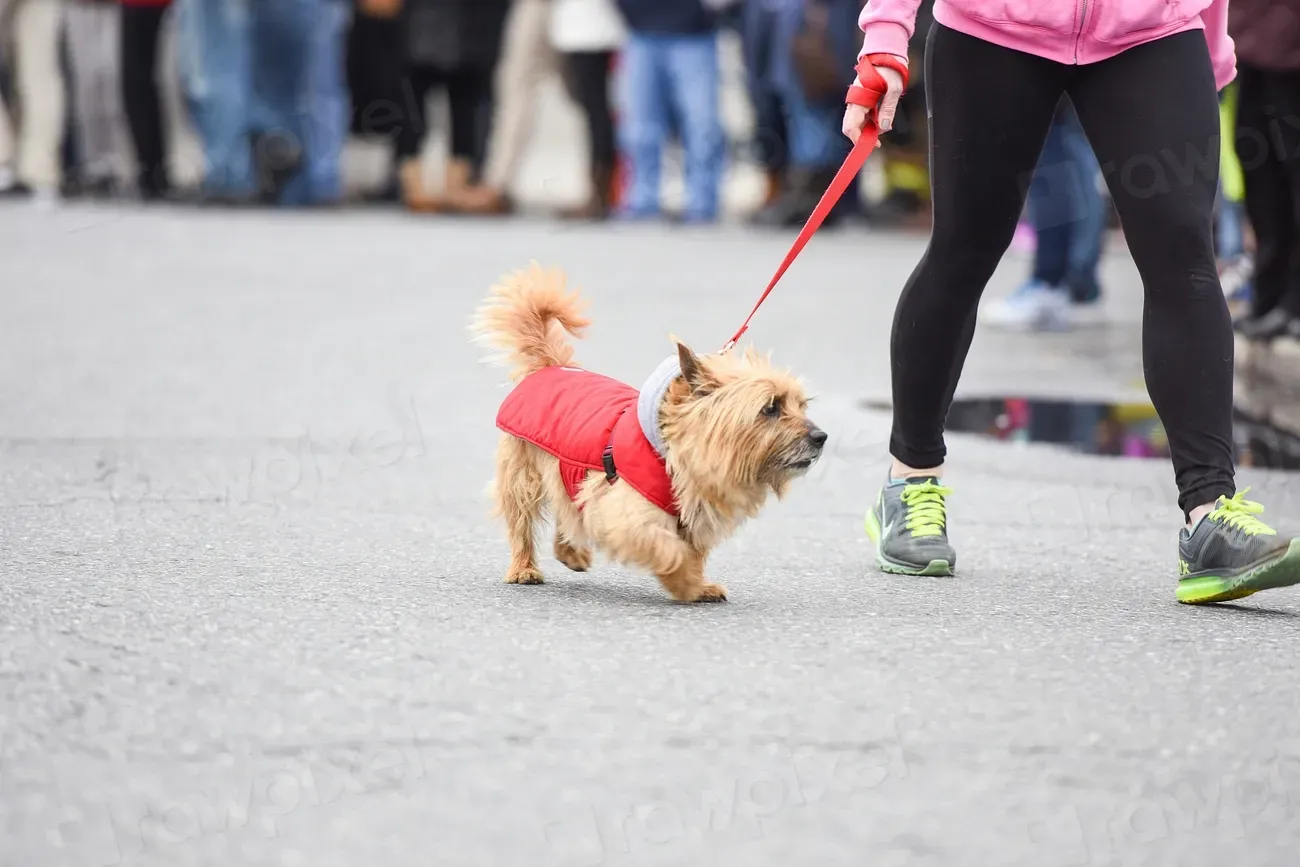
Dogs are creatures of habit, much more than we often give them credit for. Clear routines and positive reinforcement help dogs feel secure in their environment. When your dog knows roughly when to expect meals, walks, and playtime, their anxiety levels drop significantly. They’re not constantly wondering what’s happening next or when their needs will be met.
Think about how you feel when your own schedule is chaotic versus when things flow predictably. Dogs experience something similar. Dogs feel safer and more confident when they know what to expect. That morning walk at roughly the same time, dinner served consistently, even bedtime routines all contribute to a sense of stability that deeply impacts their emotional wellbeing.
I’ll be honest, maintaining perfect consistency can be tough with our hectic lives. Yet even approximate routines help tremendously. Your dog doesn’t need military precision, just enough predictability that they can relax instead of staying on alert. When they trust that their needs will be met regularly, they’re free to simply enjoy being a dog rather than worrying about survival basics.
Touching Them Gently Throughout the Day
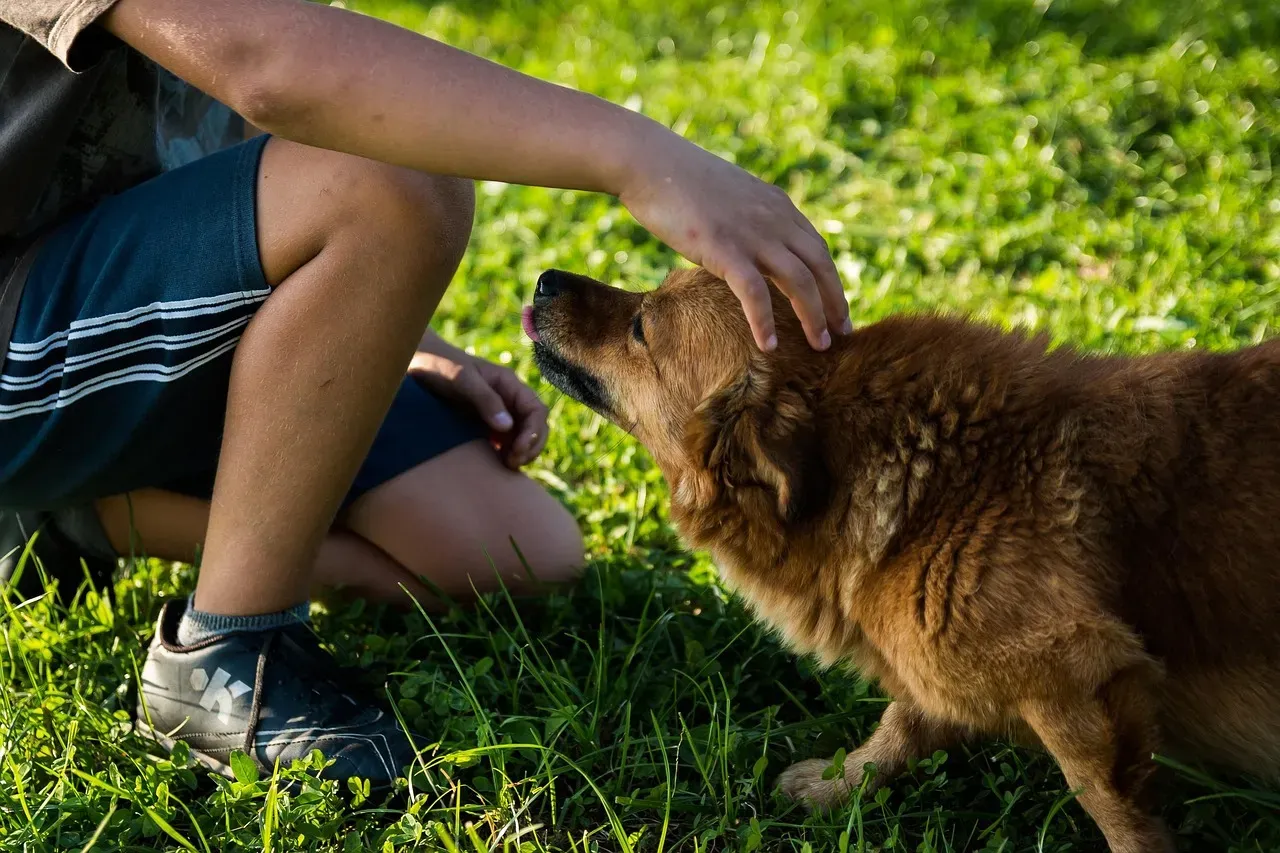
Physical touch is surprisingly underestimated in how much it contributes to canine happiness. Dogs like pats better than treats, which might sound shocking to anyone who’s seen their pup go wild for food. Yet those casual moments of affection, a hand resting on their back while you watch television, fingers scratching behind their ears while you read, create profound emotional security.
Pets fulfill the basic human need for touch, and even hardened criminals in prison show long-term changes in their behavior after interacting with pets, with stroking, hugging, or otherwise touching a loving animal rapidly calming and soothing you when you’re stressed or anxious. The reverse is equally true for dogs. Touch communicates safety, belonging, and love in ways that transcend verbal communication.
These don’t need to be prolonged petting sessions. Just small, frequent touches throughout the day add up to something meaningful. A gentle stroke as you walk past, a pat when they come to check on you, even your foot resting against them while you work. These micro-moments of physical connection weave together into a tapestry of emotional closeness that makes your dog feel genuinely cherished.
Allowing Them to Engage Their Natural Instincts
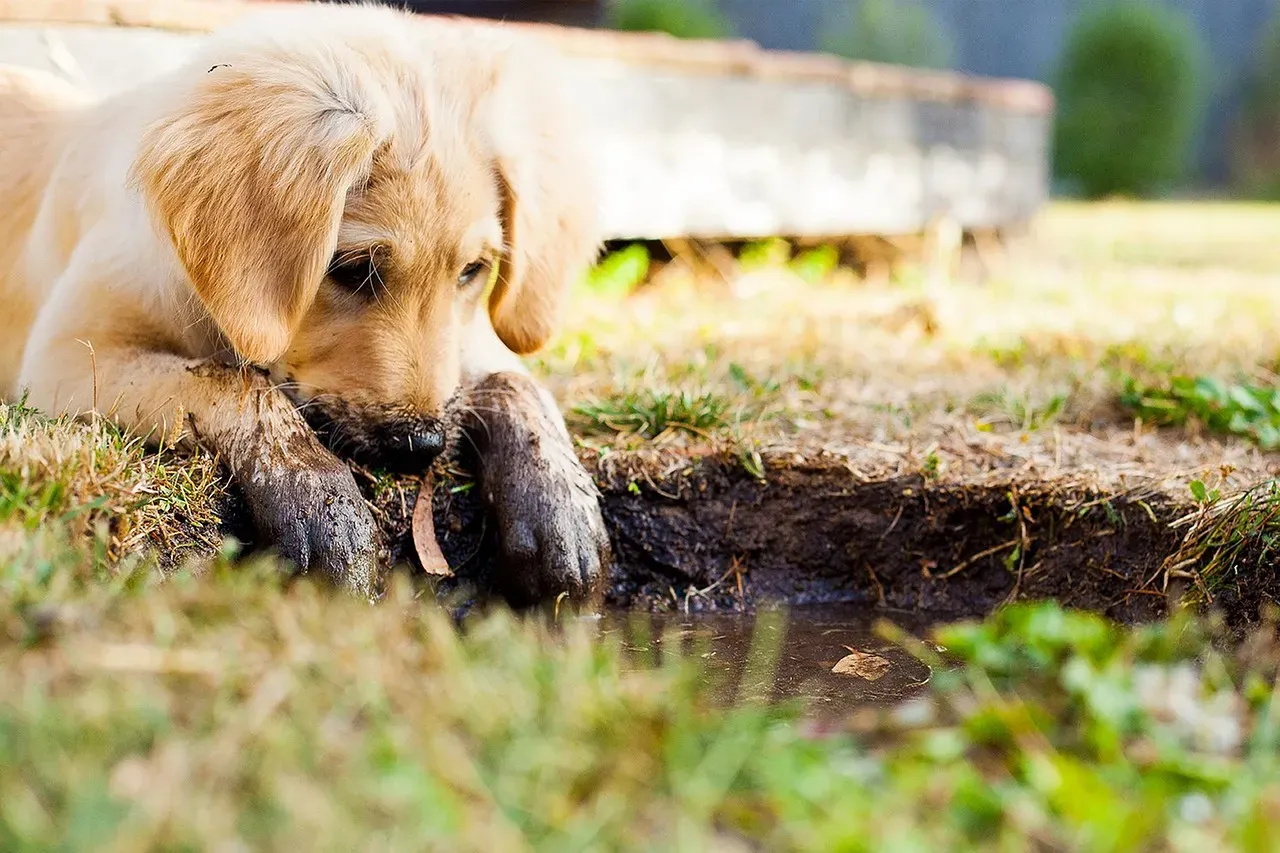
The key to a happy and healthy dog is regular enrichment and allowing them to engage in their innate behaviors, such as playing, chasing, smelling, chewing and scavenging, and by allowing your dog to engage in these behaviors, you allow them to be physically, emotionally and mentally satisfied. When we suppress these natural drives, dogs often develop unwanted behaviors because they’re trying to meet their own needs.
This might look different for different dogs. Maybe yours loves to dig, so you create a designated digging spot in the yard. Perhaps they adore chewing, so you provide appropriate outlets like long-lasting chews. It is vital to our dog’s happiness that we provide them the opportunity to experience these natural behaviors, and the extent of this need varies with each individual dog and breed-type. A herding breed needs different enrichment than a retriever or a hound.
I’ve seen so many frustrated dog owners who wonder why their pup is “misbehaving” when really, the dog is just trying to be a dog. Dogs who don’t receive stimulation tend to find ways to enrich themselves, resulting in unwanted behaviors. When you intentionally create opportunities for them to express their breed-specific drives in appropriate ways, suddenly those problem behaviors often disappear. They’re not being difficult, they just needed the right outlet all along.
Hiding Treats or Food Around the House
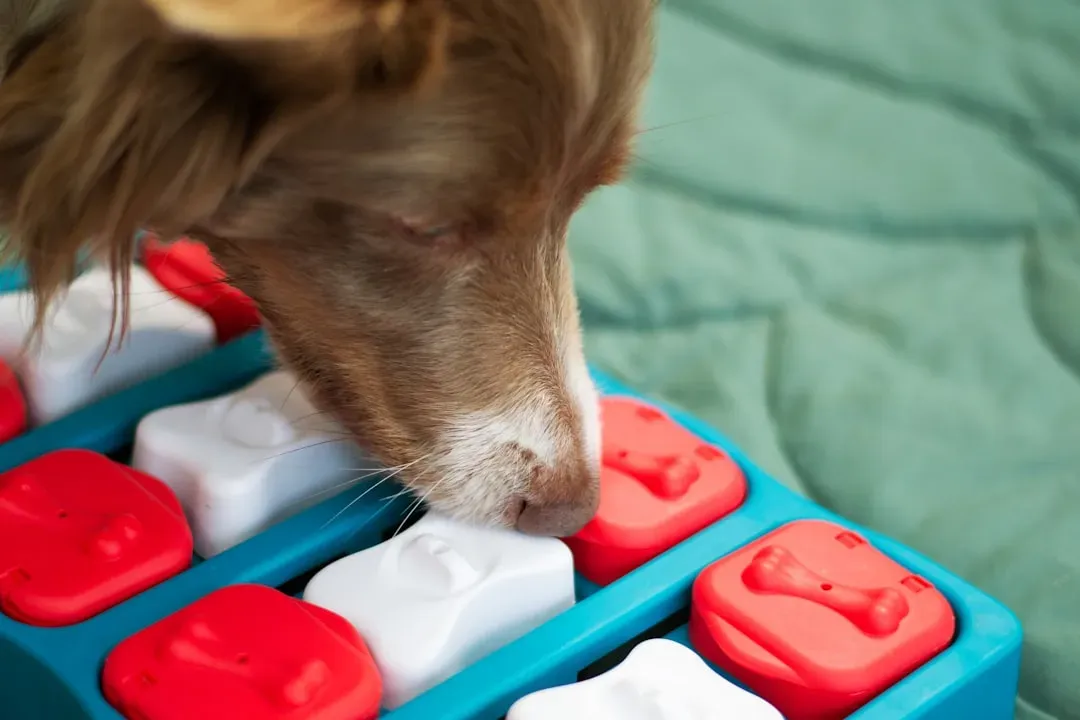
Turning mealtime into a scavenger hunt taps into your dog’s ancestral foraging instincts. Making mealtime fun, challenging and interactive is a great way to satisfy your dog’s innate instincts and curiosities, and food puzzles are a great way to slow down your dog’s eating and provide mental stimulation. Instead of gulping their food from a bowl in thirty seconds, they get to problem-solve and search, which exercises their brain in satisfying ways.
You don’t need fancy equipment for this. Scatter some kibble in the grass during nice weather. Hide treats in different rooms. Use muffin tins with tennis balls covering the food. Interactive food dispensing toys or puzzle feeders can be purchased or made, and easy homemade puzzle feeders include scattering the food in a cardboard box filled with crumpled paper or your dog’s toys, while muffin tins can be used to spread out their food with tennis balls on top for added difficulty. The creativity you bring to this enrichment makes it fun for both of you.
What’s remarkable is how tired dogs become from mental work. Scent games are mentally tiring for dogs and stimulate their brain in a way that physical exercise does not, and in addition, the game requires the pet to think and problem solve. After a good foraging session, many dogs settle down more completely than after a long walk. They’ve used their brains intensively, and that kind of enrichment creates deep satisfaction that lasts.
Giving Them a Quiet Safe Space

Every dog needs a retreat, somewhere they can go when the world feels overwhelming or they simply need rest. Happy dogs have space to retreat and relax, and a cozy bed in a quiet corner tells your dog, “You have a safe place here”. This isn’t about isolation or punishment, it’s about providing an emotional sanctuary where they can decompress on their own terms.
Some dogs naturally gravitate toward crates, others prefer a bed in a quiet corner, and some like to be under furniture. Let them choose their preferred spot, then respect it. When they’re in their safe space, that should be off-limits for disruption unless absolutely necessary. Children especially need to learn that when the dog retreats to their spot, it means “I need some alone time.”
This habit becomes especially important in busy households or during stressful times like holidays. Your dog always knows they have somewhere to go when things feel like too much. That sense of having control over their environment, being able to opt out of interactions when needed, contributes enormously to their overall emotional security and happiness.
Playing Hide and Seek Together
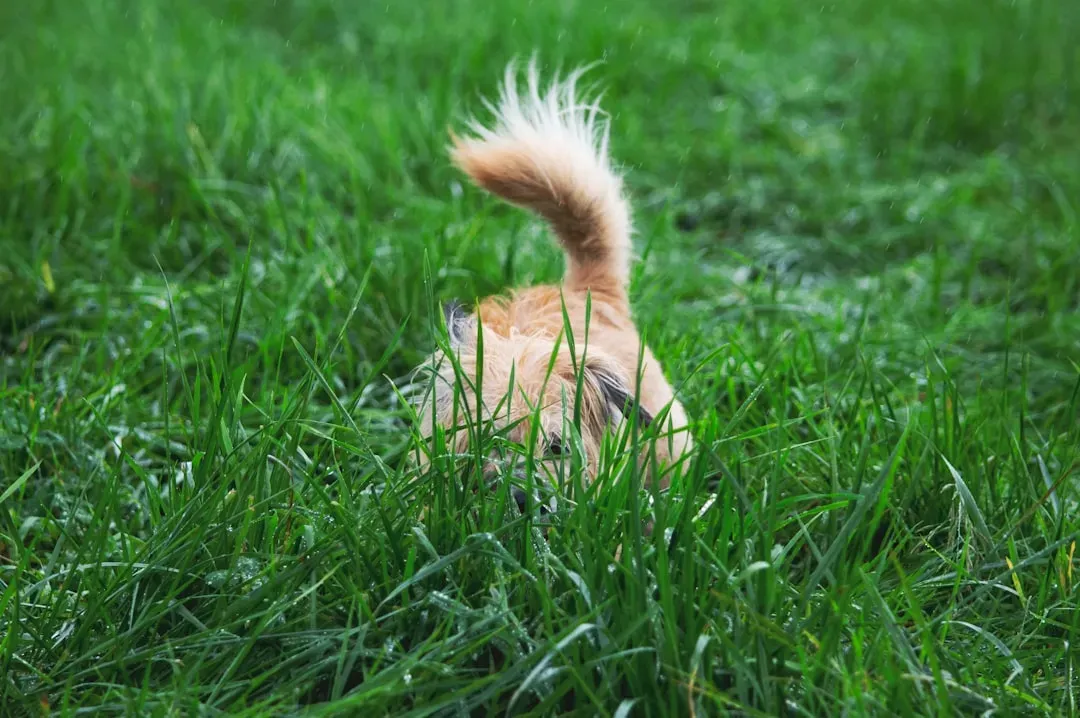
Hide and seek is a fun game that doesn’t even require dog toys, as it’s mentally stimulating and gets your dog’s brain working by simply hiding in a different room or behind furniture and calling your dog’s name. This game combines so many elements that dogs love: problem-solving, using their senses, and the joy of finding their favorite person.
Dogs use their natural problem-solving skills and sense of smell to track you down, and this game taps into their instincts and keeps their mind active, all while strengthening your bond and providing great exercise. The excitement they show when they finally discover your hiding spot is absolutely priceless. You can practically see the pride on their face when they succeed.
Start easy, especially with puppies or dogs new to the game. Hide somewhere obvious while someone holds them, then call their name. As they get better, make it more challenging by hiding in trickier spots or staying silent so they have to rely purely on scent. The mental workout this provides is tremendous, and the shared joy when they find you deepens your connection in ways that simple commands never could.
Rotating Their Toys Regularly
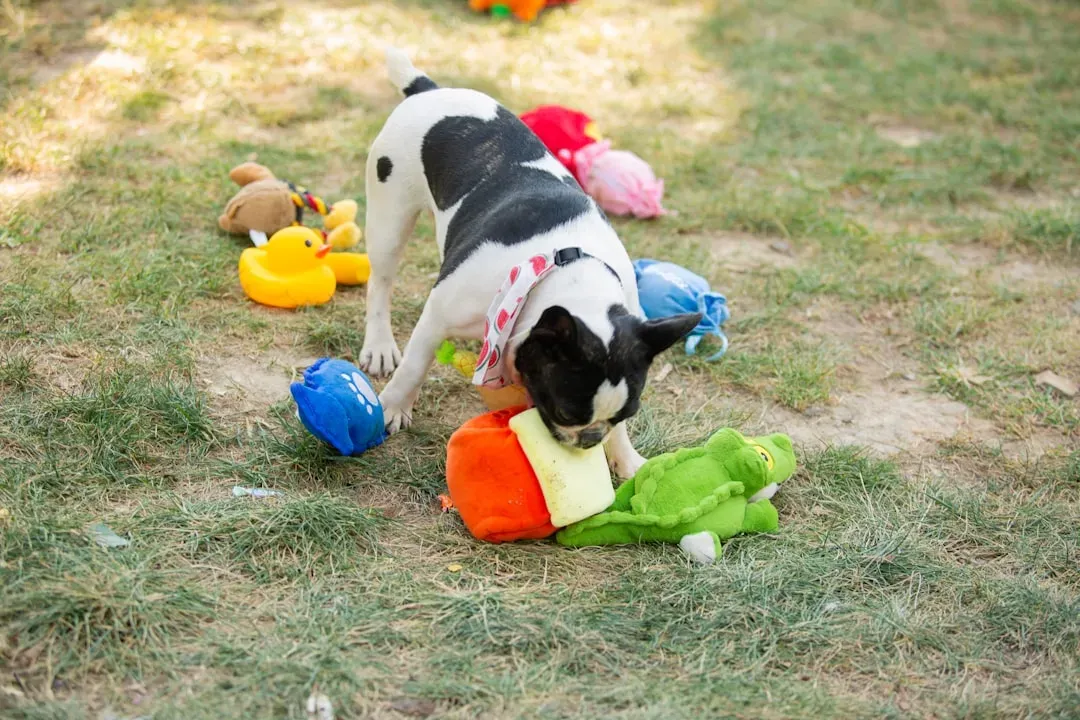
Dogs get bored with the same toys being available all the time, just like we’d get tired of watching the same movie repeatedly. Put most of your dog’s toys away in a closet and rotate the toys each week, turning this into a fun routine where every Sunday night the toys get swapped out. Suddenly, that rope toy they ignored for weeks becomes exciting again when it reappears after a month’s absence.
Just like us, pets get bored with the same old toys, so regularly rotate their enrichment options to keep things fresh and exciting by introducing new puzzle feeders or swapping out tired toys for stimulating alternatives, as this element of surprise will pique their curiosity and keep their minds engaged. It’s a simple strategy that makes your investment in dog toys go further while keeping your pup more engaged.
I keep about three or four toys out at a time and swap them every week or two. It’s honestly amusing to watch my dog “rediscover” a toy she’d completely ignored previously. She acts like it’s brand new, carrying it around proudly and playing with renewed enthusiasm. This simple habit prevents boredom and keeps their environment feeling fresh without constantly buying new things.
Conclusion: The Power of Small Moments
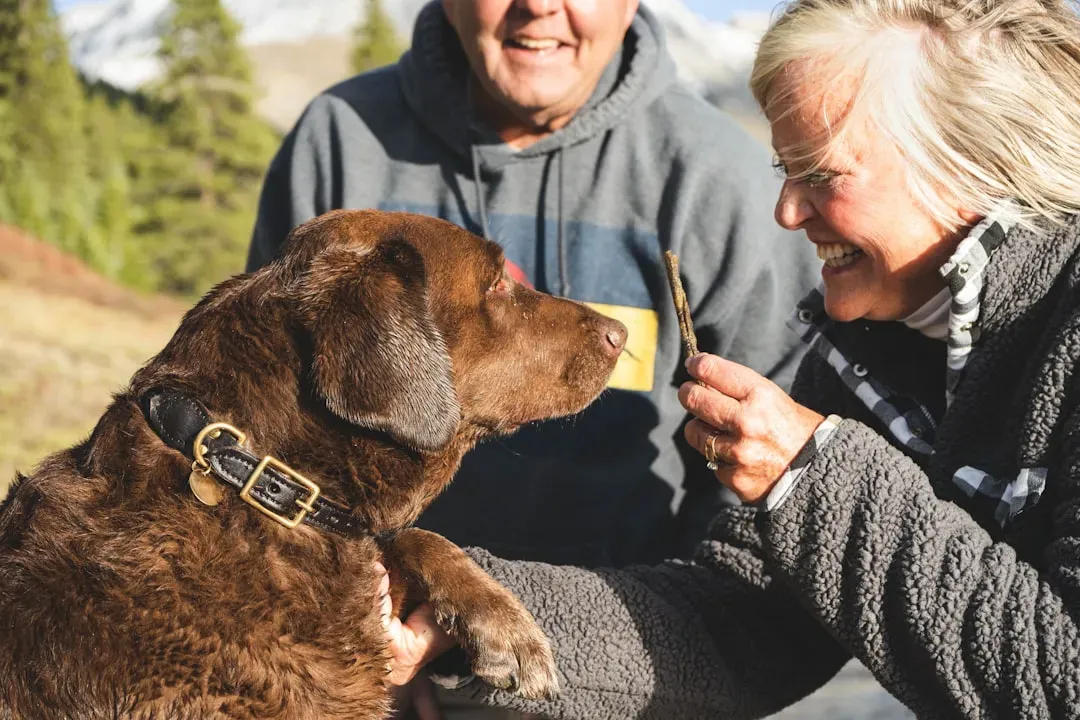
Research shows that emotionally fulfilled dogs live longer, healthier lives with fewer behavioral issues, as they recover faster from stress, adapt better to change, and form stronger connections with their human families. These daily habits might seem minor individually, but together they create a foundation of emotional wellbeing that transforms your dog’s entire experience of life.
The beautiful thing about these habits is that most of them don’t require extra time or money, just awareness and intention. They’re woven into the fabric of everyday life, turning ordinary moments into opportunities for connection and joy. When you prioritize these small acts of care, you’re not just making your dog happier in the moment. You’re building a relationship characterized by trust, security, and mutual affection that benefits both of you profoundly.
Next time you’re with your dog, take a moment to notice which of these habits you’re already doing and which ones you could easily add. Your dog doesn’t need perfection, they just need you to show up with presence and intention. So which of these habits resonates most with you? Maybe start with one and watch how your dog responds.


