
You called your dog’s name three times. The fourth time, you walked over and crouched right next to him. He blinked at you, looked away, and yawned. Sound familiar? If you live with a strong-willed dog, you already know that “stubborn” doesn’t even begin to cover it. These dogs are not defiant little rebels trying to ruin your day – honestly, there is so much more going on beneath the surface.
Stubbornness in dogs is often a direct reflection of their intelligence, independence, or deeply rooted instinctual behavior. While this trait can make training feel like an uphill battle, it also signals a dog with a strong personality and a mind that loves to think for itself. The breeds on this list are not hopeless cases. They are fascinating, loyal, and wildly rewarding companions, once you learn to speak their language. Let’s dive in.
1. Siberian Husky: The Beautiful, Vocal Free Spirit
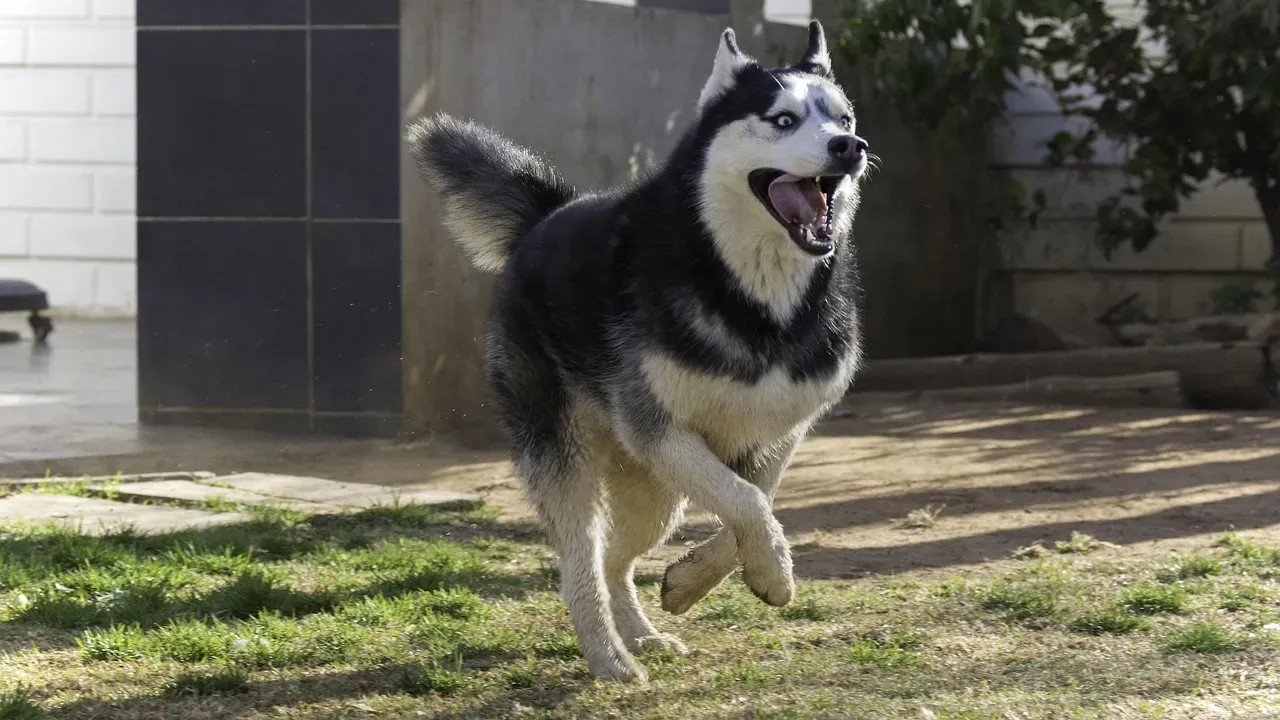
Picture this. You are at the park, leash in hand, calling your Husky to come back. He looks directly at you, tilts his head, and then sprints the other direction with what you can only describe as a smirk on his face. Siberian Huskies are not just known for their stunning looks and boundless energy, but also for their fierce independence and stubborn streak. The first Huskies were bred to make independent decisions in the frigid Siberian wilderness, which means their modern-day descendants are not always eager to follow commands on the first, or even second, try.
Known for their strong wills and short tempers during training, Siberian Huskies can pose quite a challenge. They are masters of escape and tend to vocalize exactly what is on their mind. The real problem is that they are highly intelligent dogs, and because of this, they get bored very easily. Boredom for a Husky is not a quiet, calm thing. It becomes howling, digging, and creative escaping.
How do you handle it? Incorporating mental stimulation into every training session is crucial for independent breeds like the Husky. Activities such as obedience training, puzzle toys, scent work, or agility exercises challenge their cognitive abilities and provide real opportunities for learning and problem-solving.
Keep your training sessions short, varied, and reward-driven. Think of a Husky like a brilliant but easily distracted student. If the lesson is boring, they check out completely. Switch it up often, use high-value treats, and always, always secure your yard.
2. Beagle: The Nose That Has Its Own Agenda
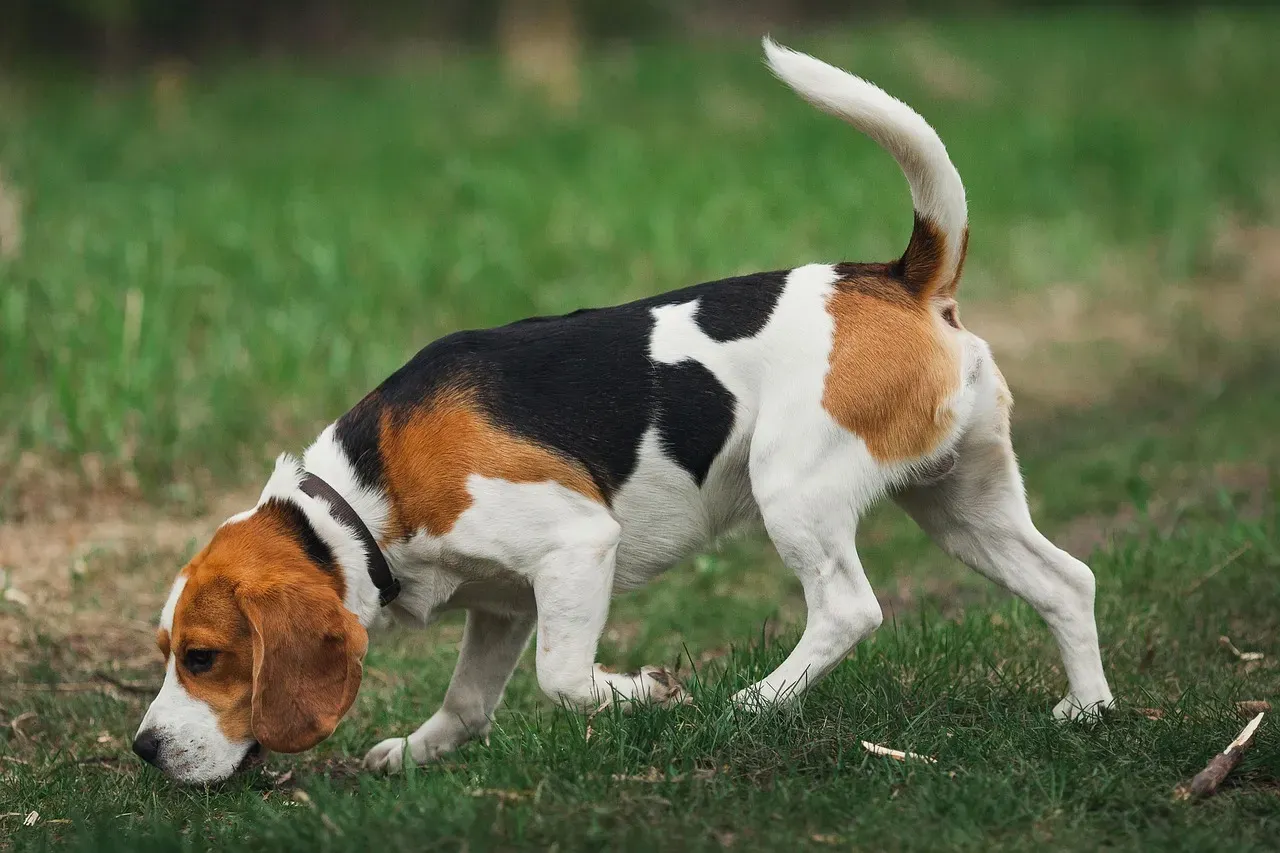
The moment a Beagle catches a scent, you essentially cease to exist. That is not an exaggeration. Beagles, with their incredible sense of smell and powerful tracking ability, were bred for hunting and often exhibit a pronounced stubborn streak when on a scent trail. Their single-minded focus can make them seem completely indifferent to commands, especially once they have picked up an interesting scent. Beagles are friendly and affectionate, but they require patience and creative training techniques to manage their selective hearing.
Because of their intense focus on hunting, Beagles can be one of the hardest dog breeds to train. Keep yours on his toes with plenty of exercise and activity, or you risk ending up with a destructive, howling companion. Let’s be real, a bored Beagle’s howl is something your neighbors will absolutely not appreciate.
The good news? You can use their nose as a training tool. Scent work games, nose work classes, and hide-and-seek activities using treats tap directly into what they were born to do. Providing them with plenty of exercise and mental stimulation can genuinely help mitigate their stubborn tendencies.
Always train Beagles in a securely fenced or enclosed area. Their recall is notoriously unreliable once a scent has grabbed their attention. Reward calm, attentive behavior generously, and match your energy to theirs. Enthusiastic praise works wonders for this lovable breed.
3. Dachshund: The Small Dog With Enormous Opinions
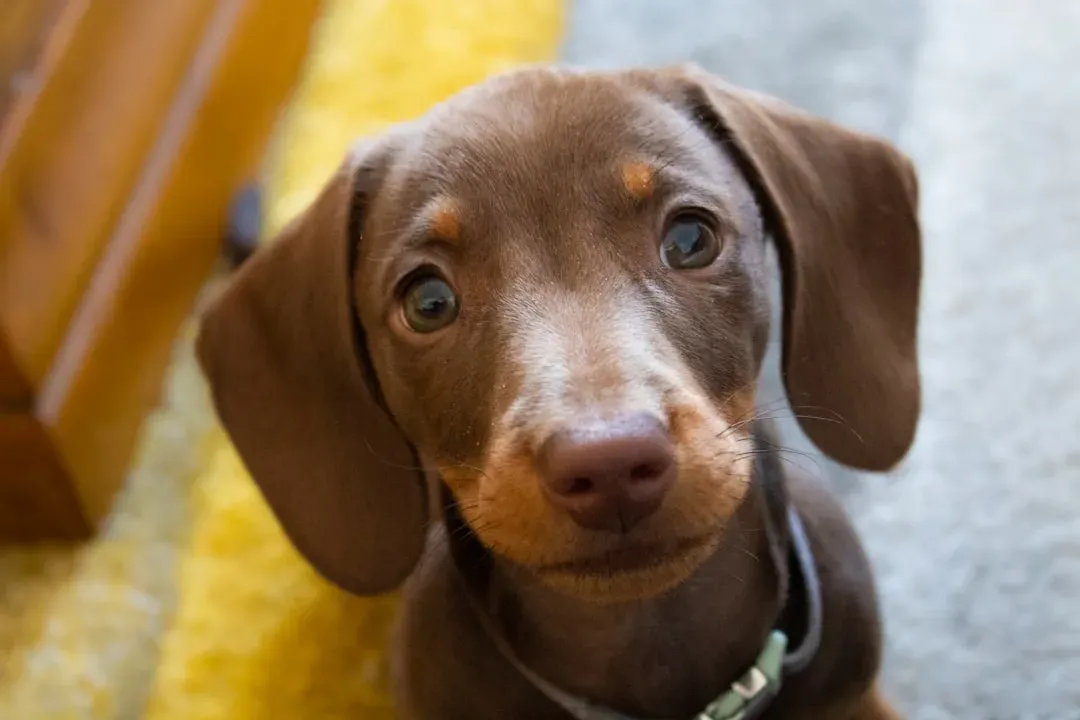
Do not be fooled by those short legs and that adorable sausage body. The Dachshund is one of the most tenacious, independent little creatures you will ever share a couch with. Originally bred as hunting dogs, Dachshunds possess a fearless and determined nature. The stubbornness you see in them today can actually be traced back to their history as fighters and hunters. They are tenacious and often require firm but gentle handling. Their stubborn traits are deeply inherited from their hunting lineage, which makes them determined to follow their own instincts.
The Dachshund is well-known for their lively, independent attitude, as well as their intelligence, hunting ability, and stubbornness. Doxies like to do things their own way, and you are likely to find your Dachshund digging holes, chewing on shoes, or chasing your other pets on a seemingly daily basis. They are not sorry about any of it, either. That much is clear from their expression.
Training a Dachshund requires consistency above all. This courage combined with a strong sense of independence can make them quite stubborn when it comes to training or obeying commands. They are best suited for owners who can match their determination with patience and consistency. Short, positive sessions work far better than long, repetitive drills that bore them quickly.
Watch their backs, too. This is a health tip that matters. Dachshunds are prone to intervertebral disc disease, meaning that what looks like stubbornness about jumping or climbing stairs might actually be pain. In real-life scenarios, dogs have been mistaken for stubborn when they were actually dealing with physical discomfort, like a strained muscle in the hind legs, where constant pain led to genuine trouble performing commands. Never skip a vet check if your Dachshund suddenly stops cooperating with something they once did easily.
4. Shiba Inu: The Cat of the Dog World
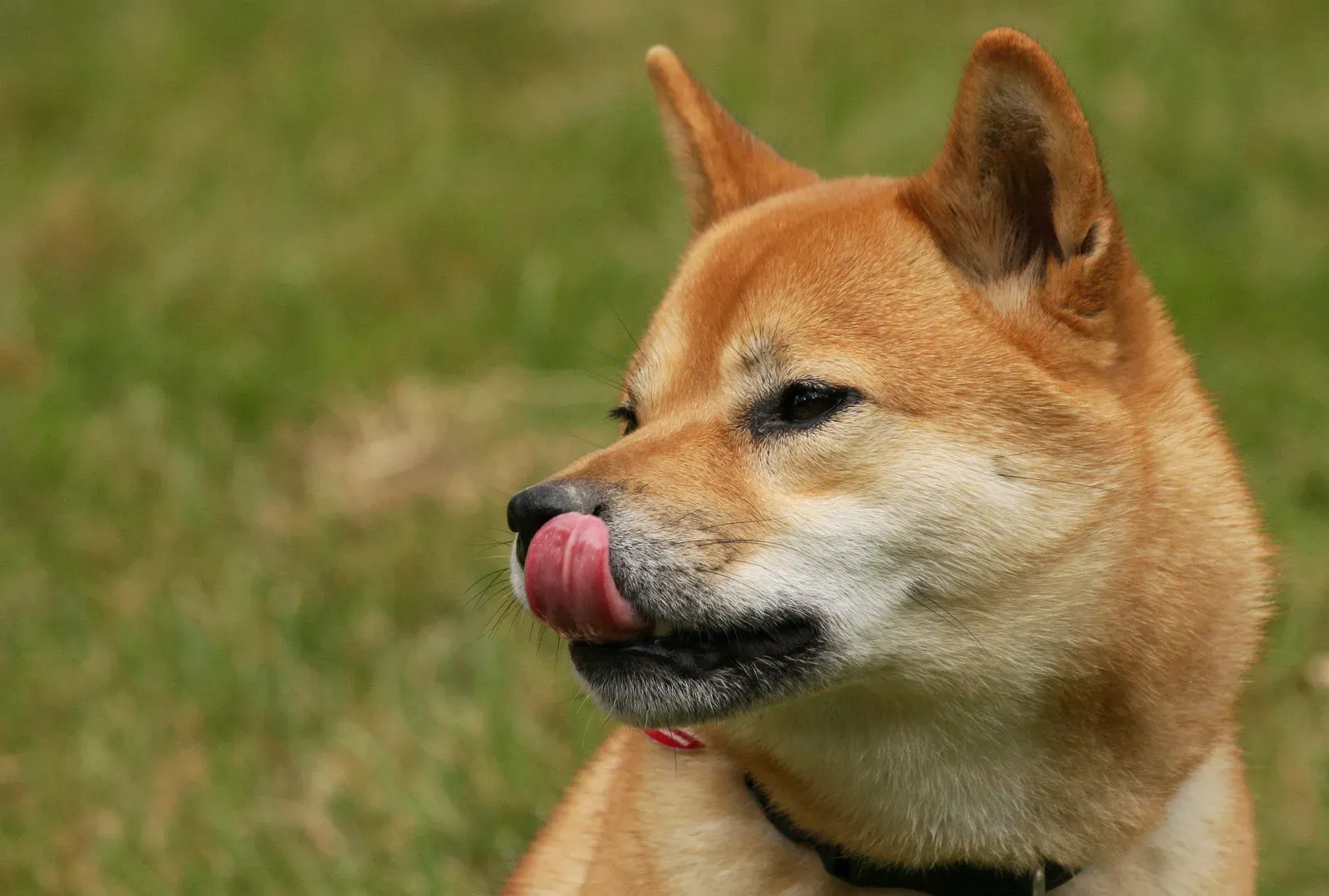
If you own a Shiba Inu, you already know the look. That calm, distant, “I heard you and I have decided against it” expression is as iconic as the breed itself. Shiba Inus are known for their bold and fiery personalities, often accompanied by a stubborn streak that can make training feel like a genuine test of wills. They are fiercely independent and intelligent, qualities that require consistent, patient training techniques. They are not called the most cat-like of dog breeds for no reason.
Shiba Inu, a small breed originally from Japan, is considered one of the most stubborn dog breeds because of its bold and independent personality. Accompanied by this stubborn characteristic, this breed is highly disobedient and needs consistent, assertive training techniques. They were historically used in Japan for hunting and guarding, and that fierce self-reliance never left the breed’s DNA.
Here is the thing about Shiba Inus: they respond beautifully to positive reinforcement, but they will shut down completely if you push too hard. Sometimes your dog can be a source of stress, but whatever the reason, if you are feeling frustrated, your bad mood will actually shut down your dog and make it difficult for them to listen or learn. What might seem like stubborn behavior is actually your dog reacting to your tone of voice and body language. Stay calm, stay upbeat.
Despite their stubbornness, Shiba Inus make loyal and loving companions for families or anyone who takes the time to understand them well. Be patient, try consistent training methods, and introduce fun tricks early on. Socialization from puppyhood is non-negotiable for this breed. The earlier you expose them to varied environments, people, and other dogs, the more manageable their independent streak becomes.
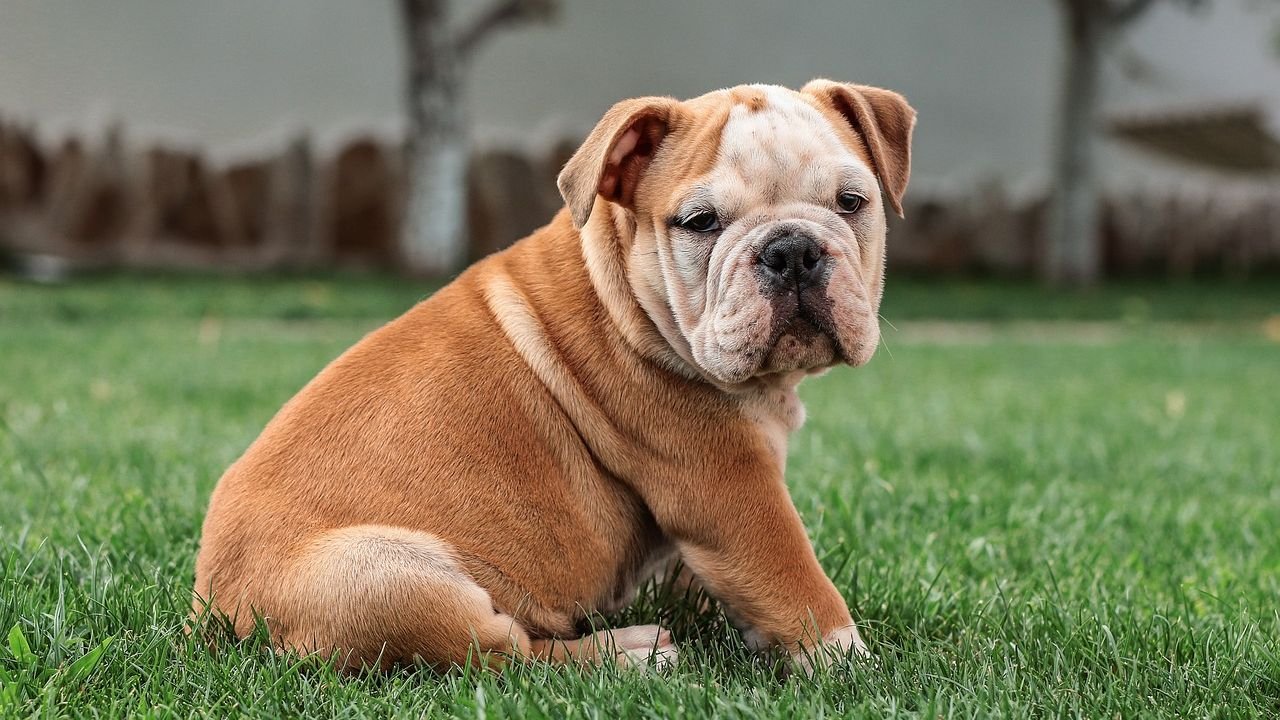
5. Bulldog: The Immovable, Lovable Couch Philosopher
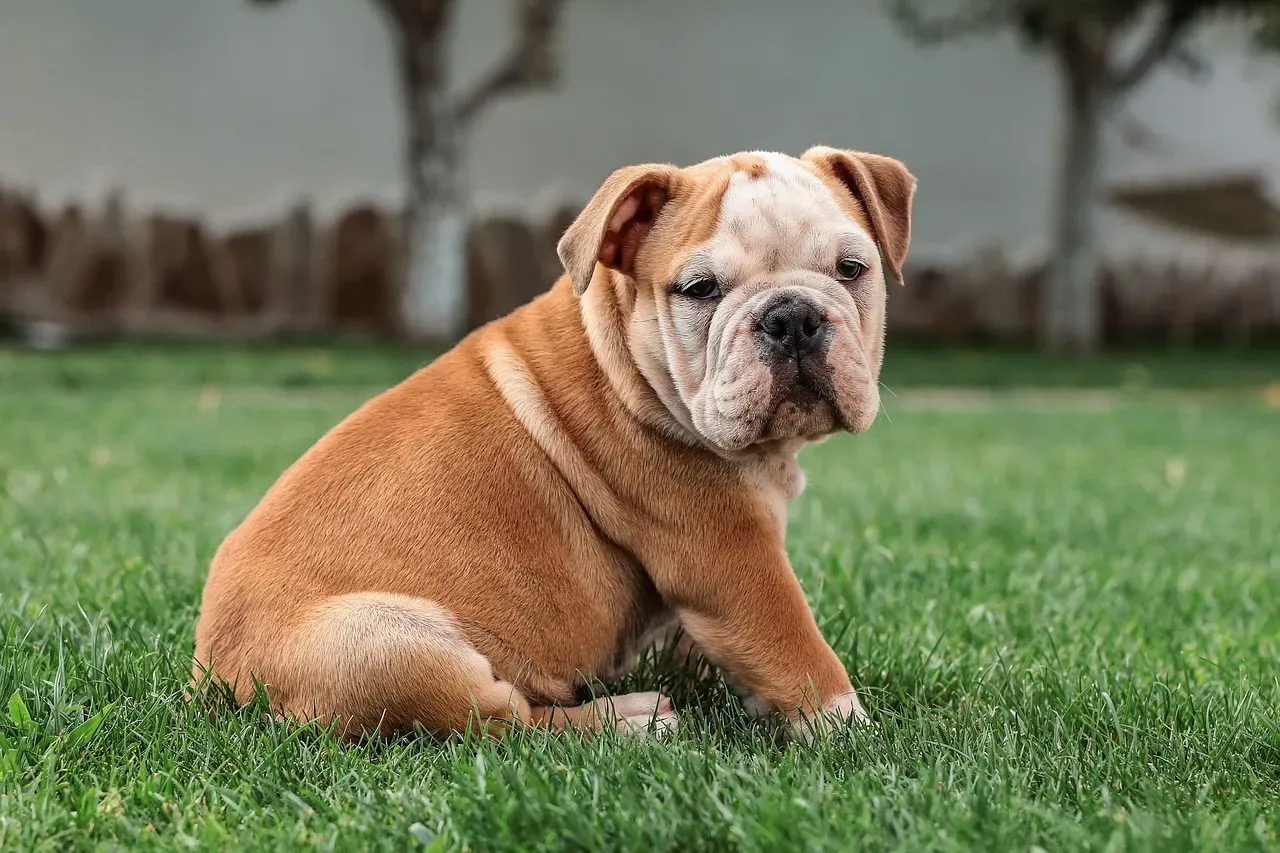
Imagine asking your dog to come inside and watching them simply… not move. Not because they cannot hear you. Not because they are distracted. But because they looked at the situation, weighed their options, and concluded they would prefer to stay put. That is the English Bulldog experience in a nutshell. Bulldogs were bred for bull-baiting, which led directly to their determined and strong-willed nature. This breeding background significantly contributes to their stubborn behavior, and their instincts compel them to follow their own agendas, which can be genuinely challenging during training.
Bulldogs are the epitome of a stubborn breed, often choosing leisure over obedience. While their laid-back nature makes them excellent companions for less active households, their stubborn streak can prove seriously challenging during training sessions. They are best suited for owners who can appreciate their unique personalities and are patient with their training needs.
The most effective approach with Bulldogs is making every training session feel like a low-stakes, reward-heavy game. Training stubborn breeds like Bulldogs requires patience, consistency, and positive reinforcement. Utilize short, frequent training sessions with clear commands and rewards, such as treats or praise, to motivate desired behaviors. Long sessions simply do not work with this breed. Keep it to five or ten minutes and always end on a win.
Also, keep an eye on their breathing during any kind of physical activity. Bulldogs are a brachycephalic breed, meaning their flat faces can make breathing labored, especially in heat. What looks like stubbornness about walking might genuinely be physical discomfort. Always train Bulldogs in cool, calm environments, and never push them physically beyond what their body can comfortably handle.
A Final Thought for Every Dog Parent Out There
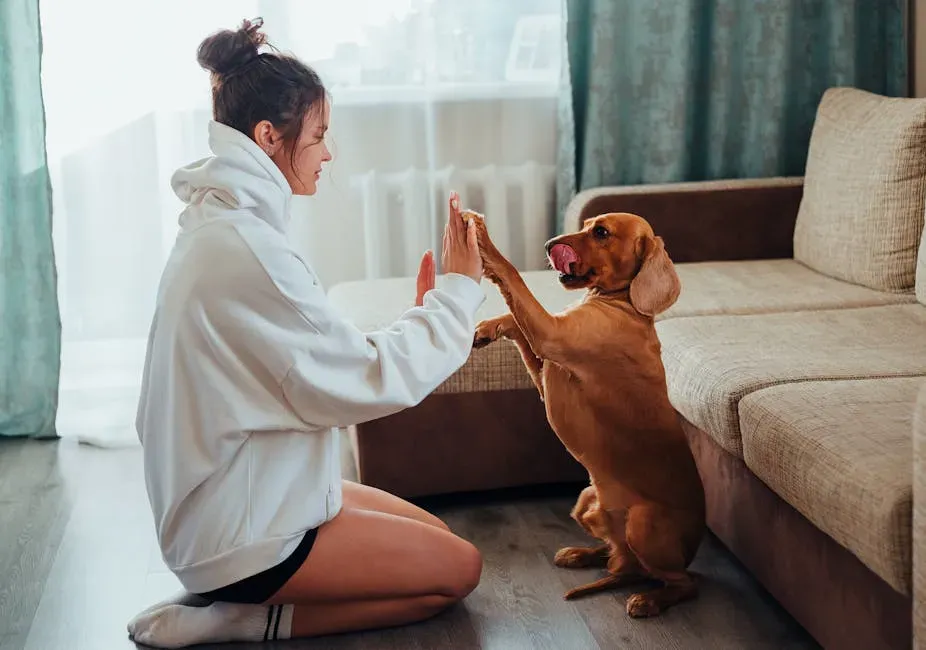
Here is something worth sitting with. Dogs do not inherently possess a sense of stubbornness. What many owners interpret as stubborn behavior is often a sign of confusion, fear, or simply a lack of understanding of what is being asked of them. That is a perspective shift that changes everything about how you train and relate to your dog.
Some breeds are simply easier to train, and that is usually related to their heritage. A study in the journal Cell that looked at genetic drivers of behavior showed that increased trainability was a feature of herding and sporting breeds. Dogs like Labrador Retrievers and Border Collies have been bred specifically to work alongside humans. The breeds on this list were bred for very different things, and that matters deeply.
The stubborn streak is not a flaw. It is history written into your dog’s body. The most stubborn dog breeds tend to be intelligent, independent, and occasionally infuriating. While stubborn dogs may be harder to train, they often make fiercely loyal and clever companions when handled with patience. That loyalty, once earned, is unlike anything else in the world.
So the next time your dog ignores your fifth “sit” command, take a breath. Try a different approach. Make it more fun, more rewarding, more interesting for them. By respecting and working with their natural tendencies, rather than fighting against them, you create a more harmonious and effective training environment. This approach builds trust and helps you and your dog achieve your goals together. After all, the strongest bonds are built on mutual understanding, not control. What kind of stubborn dog parent are you going to be?


