
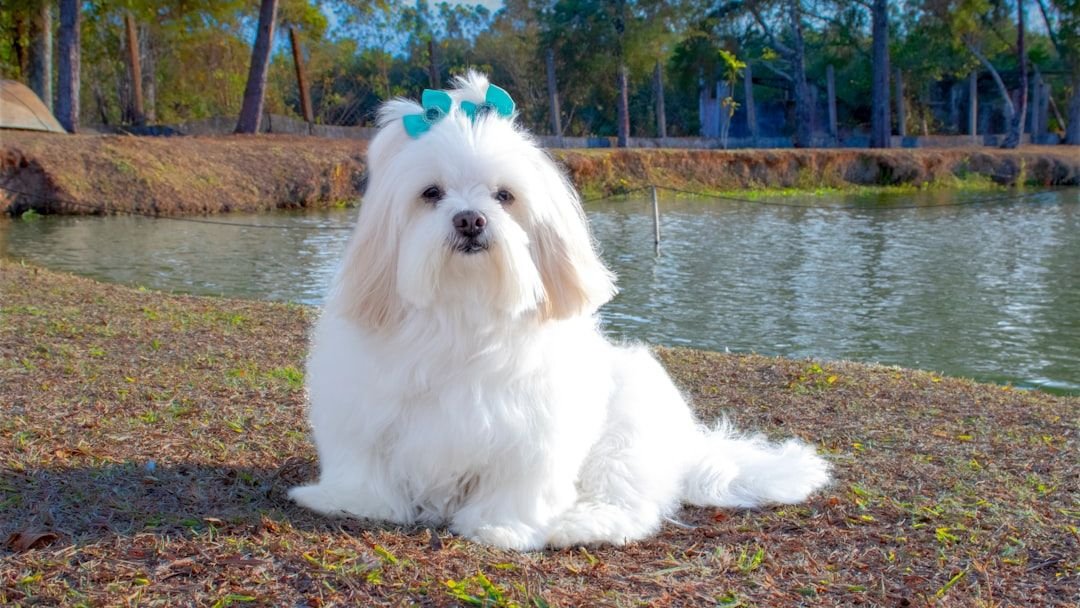
You close the back door for literally two minutes. You come back, and your dog is gone. The gate is still latched. The fence looks fine. It’s as if your furry best friend just… vanished into thin air. Sound familiar? If it does, you might be living with one of the canine world’s great escape artists.
Here’s the thing – dogs don’t bolt because they don’t love you. Most of the time, it comes down to instinct, boredom, energy, or a nose that has simply picked up a scent too irresistible to ignore. Understanding why certain breeds run – and which ones would honestly rather nap on your feet than ever leave – can change how you manage your dog’s safety forever. Let’s dive in.
1. The Siberian Husky: Born to Run (And Run and Run)
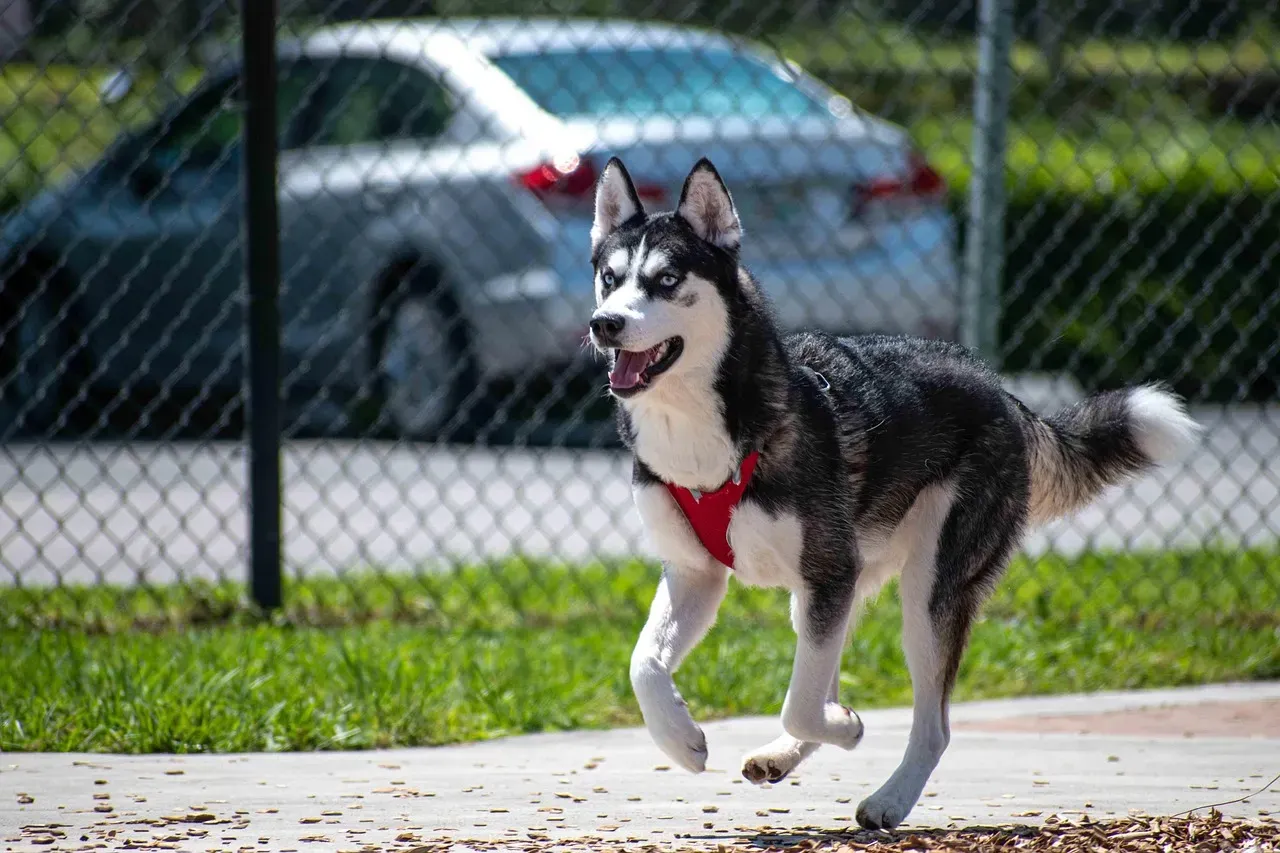
Siberian Huskies are famous for their love of adventure. Bred to pull sleds across vast, snowy landscapes, they have an incredible drive to run. Honestly, asking a Husky to stay in a small suburban yard is a little like asking a marathon runner to sit still on a park bench. It goes against everything they were made for.
Siberian Huskies are well known for their incredible ability to run, and if they haven’t had enough exercise on a given day, they’ll exploit any opportunity to take themselves out. They’ll gladly climb, dig, and even unlatch gates to make their escape. Prevention tip: invest in a reinforced, tall fence with no gaps, and make absolutely sure those daily exercise needs are met. A tired Husky is a safe Husky.
2. The Beagle: Following That Nose No Matter What
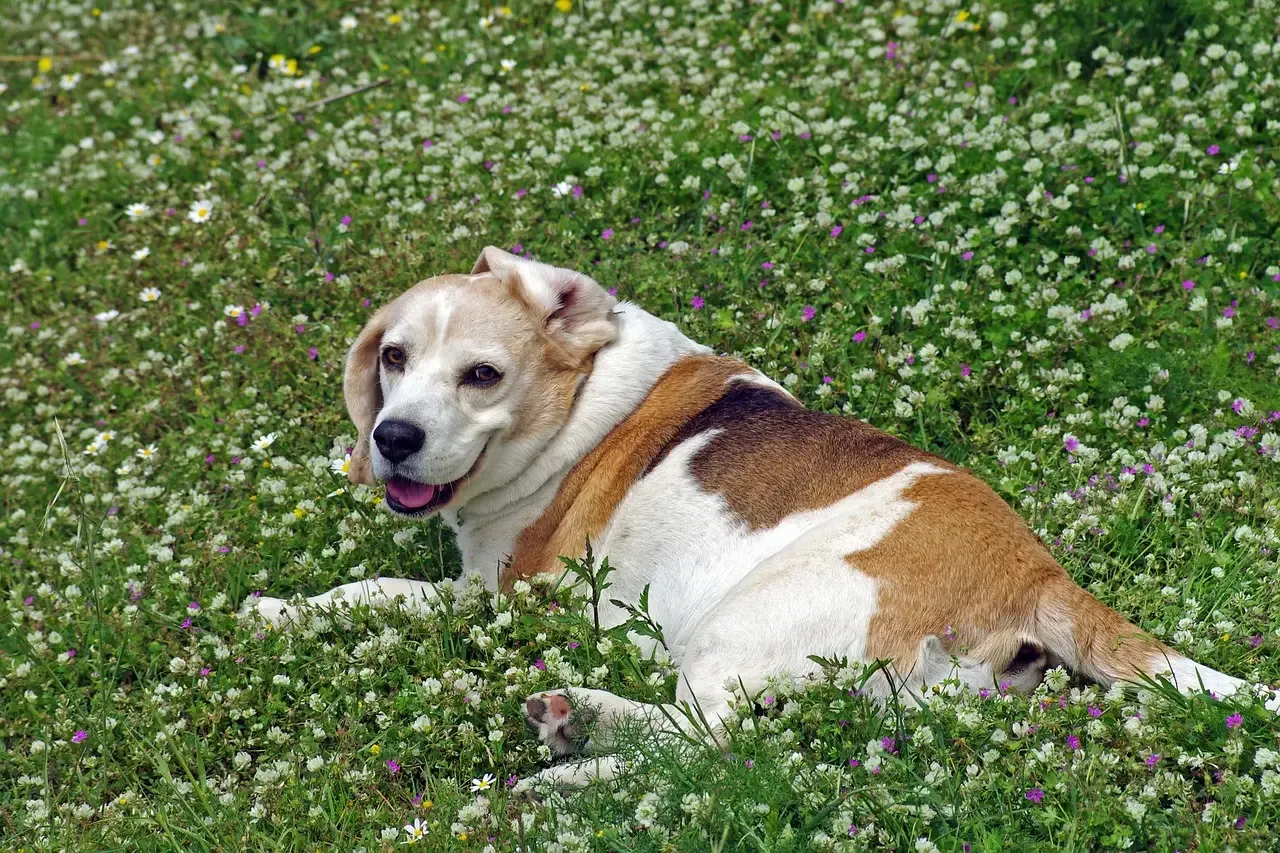
Beagles are driven by an intense prey drive due to their history as hunting dogs. When they catch a scent, they’ll follow it without hesitation, sometimes for miles. It’s almost impossible to be angry at a Beagle for this – their nose is basically their entire brain in that moment. The world outside smells incredible, and your fence is simply an inconvenient suggestion.
These small but mighty escape artists are prone to wander if the backyard gate isn’t locked tight. These hunting dogs were designed to track prey, so it’s no surprise they might take off chasing scents of other dogs, cats, or anything that smells intriguing. Keep them engaged with daily exercise and activities like scent games. A GPS tracker is genuinely worth considering for Beagle owners – Beagles may ignore commands completely when they’re following a scent trail.
3. The Jack Russell Terrier: Small Dog, Big Escape Plans
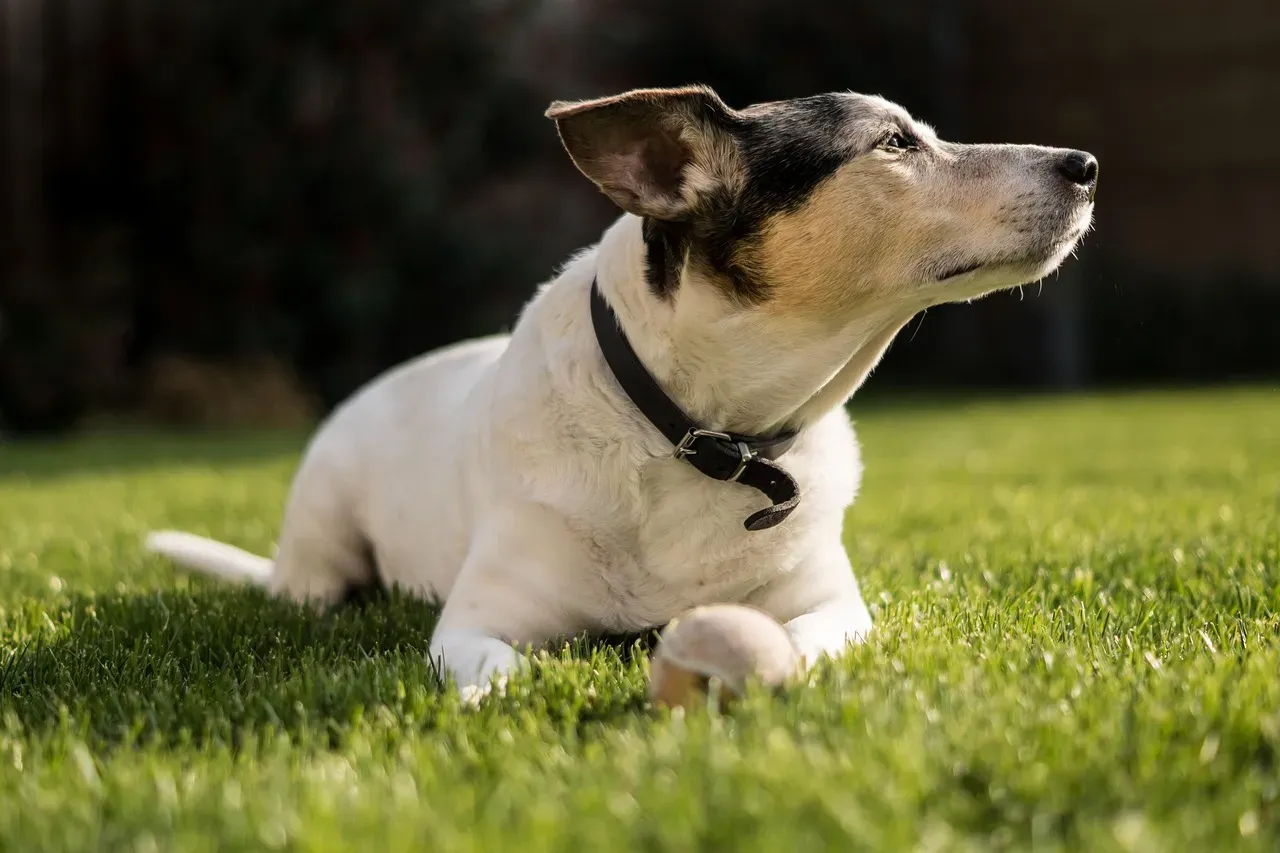
Jack Russell Terriers are exceptionally energetic and smart dogs. They have a strong instinct to dig and give chase, which makes them prone to escaping. They’re also skilled climbers, so you’ll need to take appropriate precautions to keep these little sparkplugs safely contained. Don’t let the size fool you. A Jack Russell doesn’t see a fence – it sees a puzzle waiting to be solved.
Small, swift, and just brimming with energy, Jack Russell Terriers need to stay occupied to prevent an escape attempt. Jack Russell owners typically lose their dog about 1.2 times a month. The good news? Jacks are an intelligent, trainable breed, so you can keep them engaged by upgrading their basic training and teaching them more complex tricks. Think of it as channeling that brilliant, chaotic energy into something productive.
4. The Border Collie: Too Smart for Their Own (and Your) Good
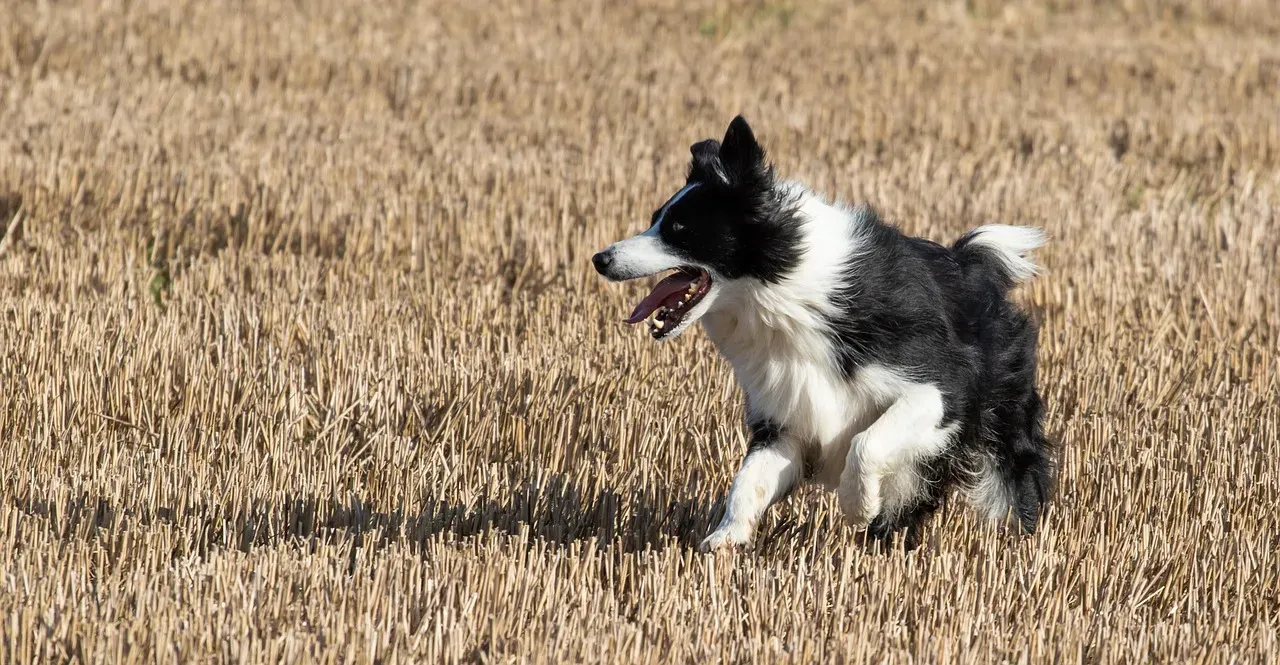
As one of the smartest dog breeds, Border Collies tend to get bored easily. If they aren’t given enough mental and physical stimulation, they’ll start looking for ways to entertain themselves. Sometimes, that means escaping the yard and finding their own adventure. Their speed and agility make them expert escape artists.
Border Collies are highly intelligent and energetic dogs that thrive on stimulation. Left without proper mental challenges, they may seek excitement elsewhere, like chasing cars, bicycles, or joggers. If you own a Border Collie, think of their brain like a high-performance engine – it needs fuel constantly. Agility training, puzzle feeders, and herding activities are not optional luxuries. They are essential tools for keeping your dog safely at home.
5. The Dachshund: The Underground Specialist
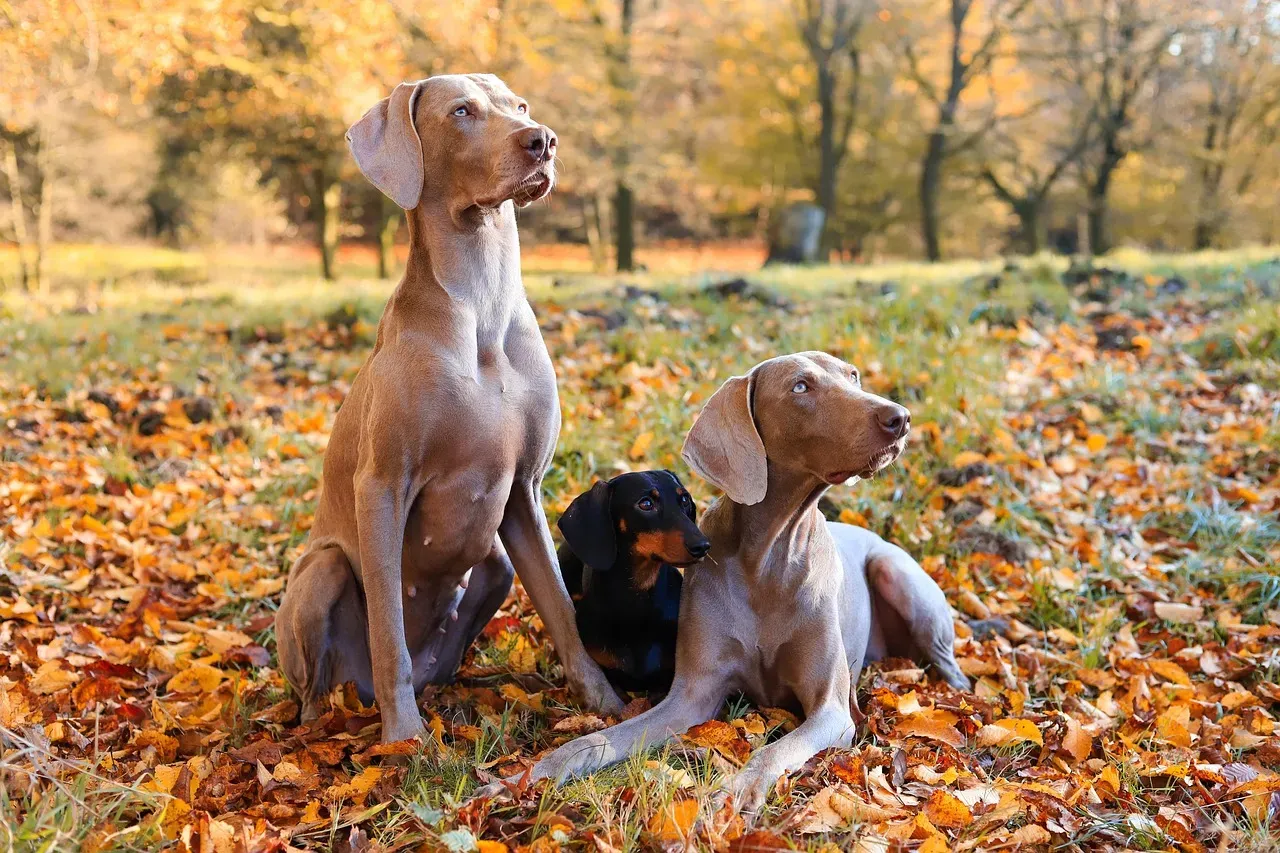
Originally bred to flush prey from their dens, Dachshunds are more than happy to tunnel under a fence and squeeze through tight spaces to escape. They can be prone to separation anxiety and may try to make an escape to find you if you’re not at home. Yes, even sweet little sausage dogs have a secret life as tunnel engineers.
Originally bred to hunt badgers, they have a strong prey drive and a love for digging, making them experts at tunneling under fences. For Dachshund owners, reinforcing the yard with underground barriers is essential. Regular exercise and interactive toys help satisfy their instincts in a safe manner. It’s also worth addressing separation anxiety early with a good trainer, since for many Dachshunds, the escape isn’t about adventure at all. It’s about finding their person.
6. The Golden Retriever: Your Most Loyal Stay-at-Home Dog
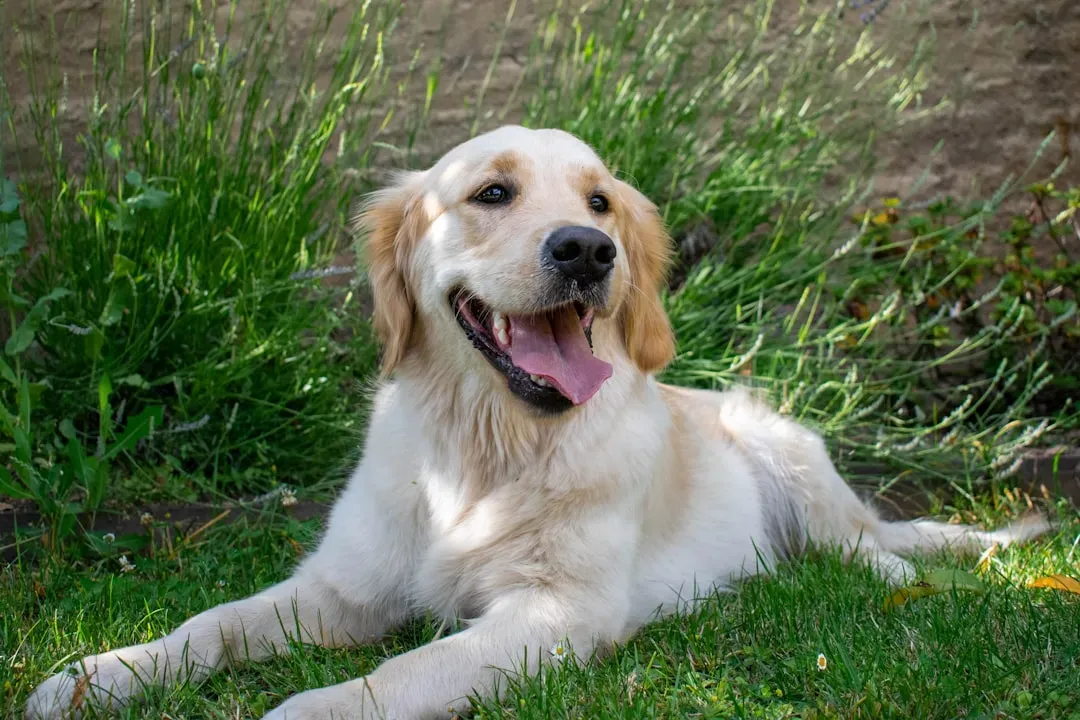
Now let’s talk about the dogs who simply cannot imagine why they’d ever leave. Golden Retrievers are known for their friendly and loyal nature, making them some of the least likely dogs to escape. These happy-go-lucky pups thrive on human connection and would much rather stay by your side than run off exploring. Their love for their family makes them one of the most dependable breeds when it comes to staying put.
Goldens were bred to retrieve game gently and stay close to hunters, so sticking near their family is practically in their DNA. That instinct to stay close didn’t disappear when they moved from the field into your living room. Don’t mistake calm for low maintenance – Goldens need exercise, mental enrichment, and human company. Leave them alone too long, and boredom might turn that peaceful yard into a digging zone. So love them well, and they’ll love you right back – from exactly five feet away, always.
7. The Pug: Too Comfortable to Even Consider Running
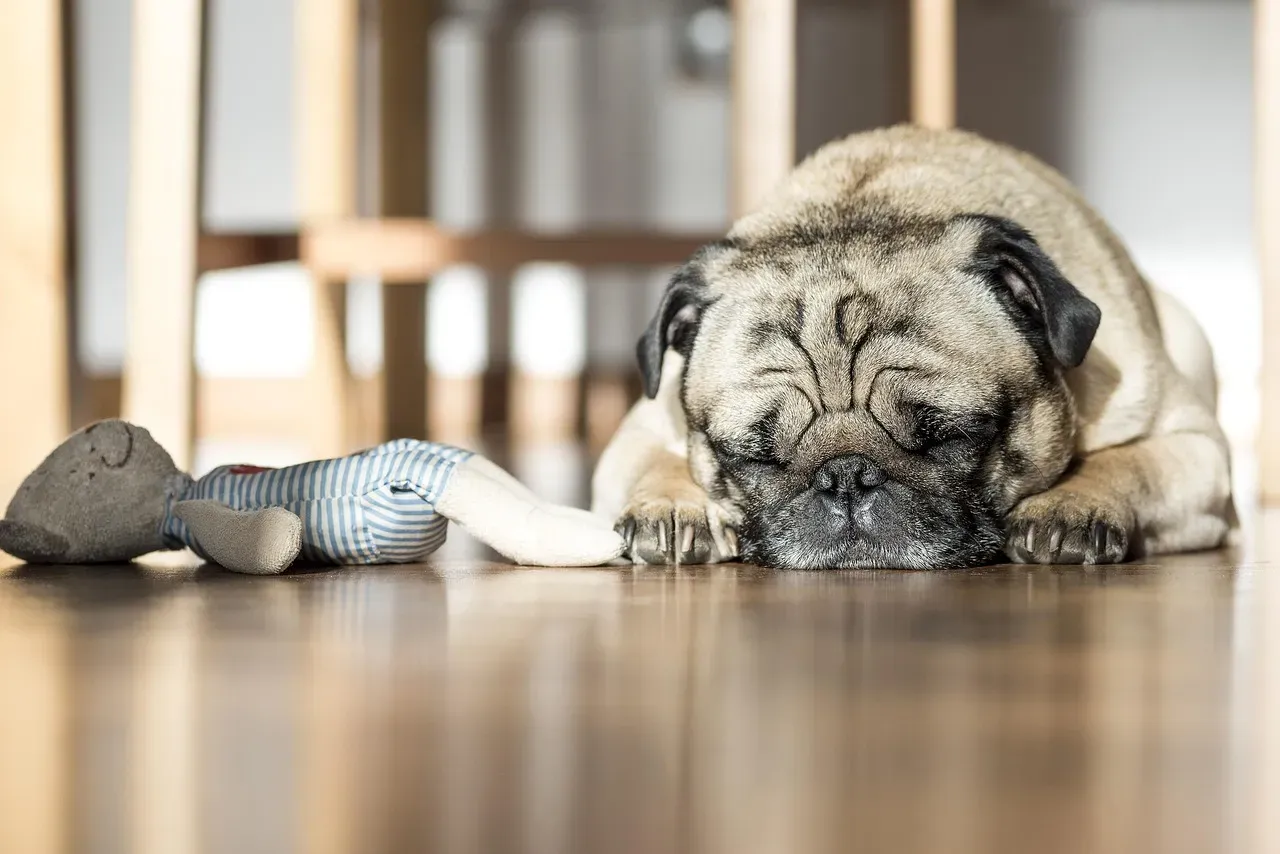
Pugs don’t have the high energy that can sometimes lead to escape attempts. They enjoy regular walks and playtime, but they’re not the type to sprint off in search of excitement. Their laid-back attitude makes them content to stay within familiar surroundings, making them one of the least likely breeds to escape.
Once a mischievous companion of Chinese emperors and later a cherished mascot of Holland’s royal House of Orange, the Pug is now beloved worldwide for its affectionate personality and compact charm. The Pug is an ancient breed that originated in China about 2,000 years ago, standing 10 to 13 inches tall and living by the motto “a lot in a little.” Honestly, a Pug’s idea of a great escape is moving from the couch to a slightly sunnier patch on the floor. We could all learn something from that attitude.
8. The Shih Tzu: A Homebody Through and Through
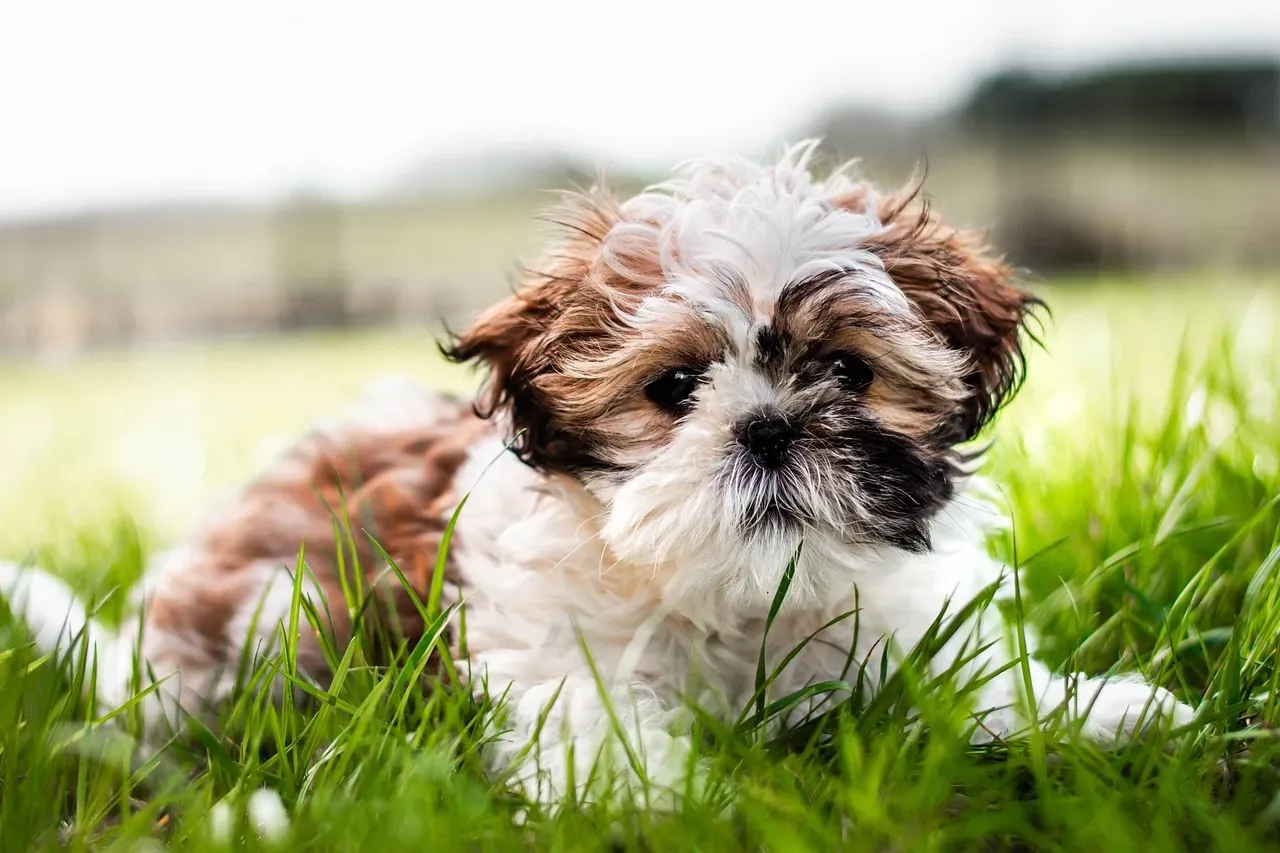
The Shih Tzu is a breed that thrives on comfort, affection, and close companionship, making them one of the least likely dogs to escape. Unlike some breeds that are always looking for adventure, the Shih Tzu is more than happy to curl up on your lap or rest by your side. These dogs are incredibly attached to their families and don’t have a strong desire to roam.
Think of the Shih Tzu as the dog that was literally bred to be a royal companion. They spent centuries in Chinese imperial palaces with no desire to be anywhere else, and that energy has absolutely carried through to the modern day. Their exercise needs are modest, their wanderlust is minimal, and their need for your company is genuinely profound. Give them warmth, attention, and a comfortable lap – and they’ll go absolutely nowhere.
9. The Lhasa Apso: The Quiet Guardian Who Stays Put
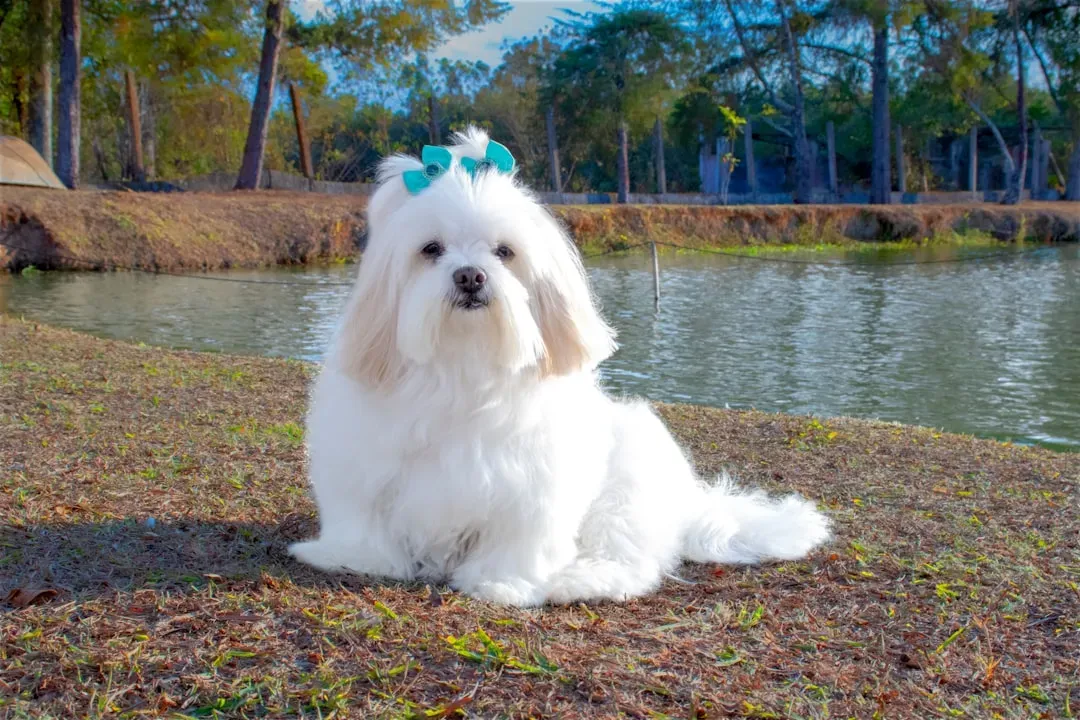
Lhasa Apsos are confident, intelligent, and independent, making them a good choice for owners who spend hours away from home. Their watchdog lineage gives them a natural instinct to quietly guard the house rather than grow restless when left alone. This little lion-dog was bred in Tibetan monasteries to alert monks of approaching strangers – and that instinct to stay and protect home territory is deeply ingrained.
This ancient breed was once the guardian of Tibetan monasteries, trained to alert monks of strangers while staying composed and watchful. Rather than running toward adventure, the Lhasa Apso’s entire purpose is to remain at the home base and keep watch. They are affectionate and loyal with family, yet reserved with strangers until trust is earned. Their playful side surfaces often, and they remain puppy-like well into their senior years. A truly wonderful, underrated choice for anyone wanting a steady, devoted companion.
10. The Chow Chow: Dignified, Independent, and Perfectly Content at Home
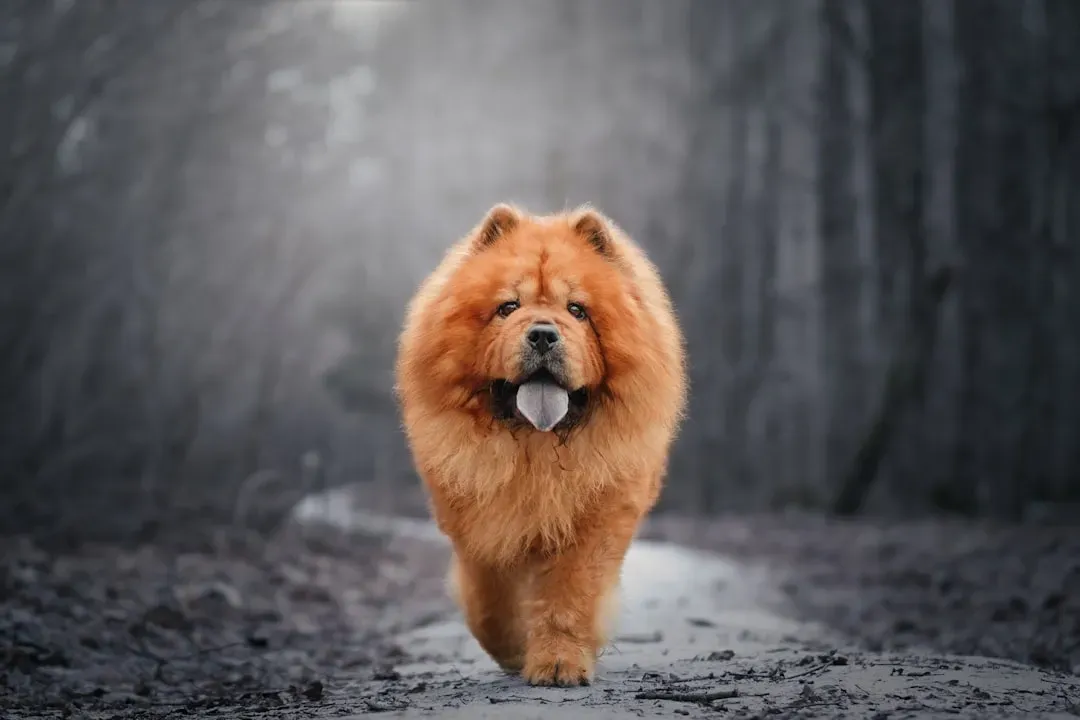
Chow Chows are naturally reserved, serious-minded, and loyal to their chosen people. While affectionate toward their favorite family member, they are generally aloof with strangers and other dogs. Their calm, self-contained nature makes them well-suited for owners who appreciate an independent companion. They adapt well to smaller homes or city living, as they require only moderate daily exercise.
Originally bred in ancient China for guarding temples and livestock, this breed developed strong instincts for self-reliance and protection. That territorial, stay-at-home nature means a Chow Chow has very little interest in what’s beyond the fence. Today, they’re calm, loyal companions who don’t require constant attention. They’re comfortable when left alone for a few hours, spending their time lounging or exploring their own space. It’s not aloofness – it’s quiet confidence. And there’s something genuinely beautiful about a dog who knows exactly where home is and chooses it every single time.
Conclusion: Know Your Dog, Keep Them Safe
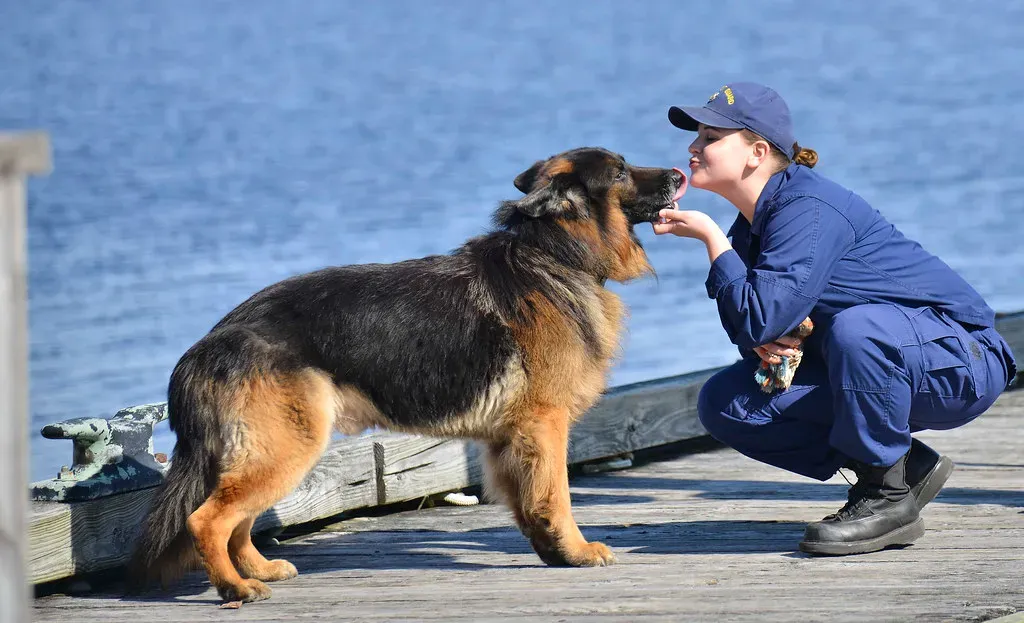
There’s no such thing as a “bad” breed when it comes to escaping. Every dog that runs is responding to something real – instinct, boredom, loneliness, or a scent that lit up their entire nervous system. Understanding breed-specific behavior and taking proactive steps can make a significant difference in keeping your beloved pet safe and sound at home.
Whether you have a Houdini Husky or a stay-put Shih Tzu, the most important thing you can do is truly understand what makes your dog tick. Ensure that your dog receives plenty of physical and mental exercise, along with proper training. Secure your yard, meet their needs, build a bond so strong they genuinely want to stay with you – and if they do slip away, make sure they’re microchipped and tracked. Your dog chose you. Let’s make sure they always find their way back.
So here’s a thought to leave you with: does your dog stay close because they’re content, or because they haven’t found their escape route yet? What would you have guessed?


