
Most of us picture an aggressive dog and conjure up images of a snarling Rottweiler or a muscled Pit Bull straining at the leash. But here is the thing – some of the most startlingly aggressive behaviors in dogs come wrapped in tiny bodies, fluffy coats, and those ridiculously cute faces that make you want to squeeze them. Aggression in dogs is not always what it looks like on the surface, and understanding the real story behind it can completely change how you respond as a dog owner.
The truth is, it is easy to assume aggression means a dog is “bad” or dangerous, but the truth is far more nuanced. Aggression is a form of communication, often signaling that a dog is uncomfortable, afraid, or trying to protect something it values. That shifts everything, doesn’t it? When you stop seeing your dog as a tiny villain and start asking, “What is my dog trying to tell me?” – that is when real progress begins. So let’s dive in and talk about five breeds that often surprise their owners with aggressive tendencies, why it happens, and how to handle it with confidence and compassion.
1. The Chihuahua: Small Dog, Big Attitude
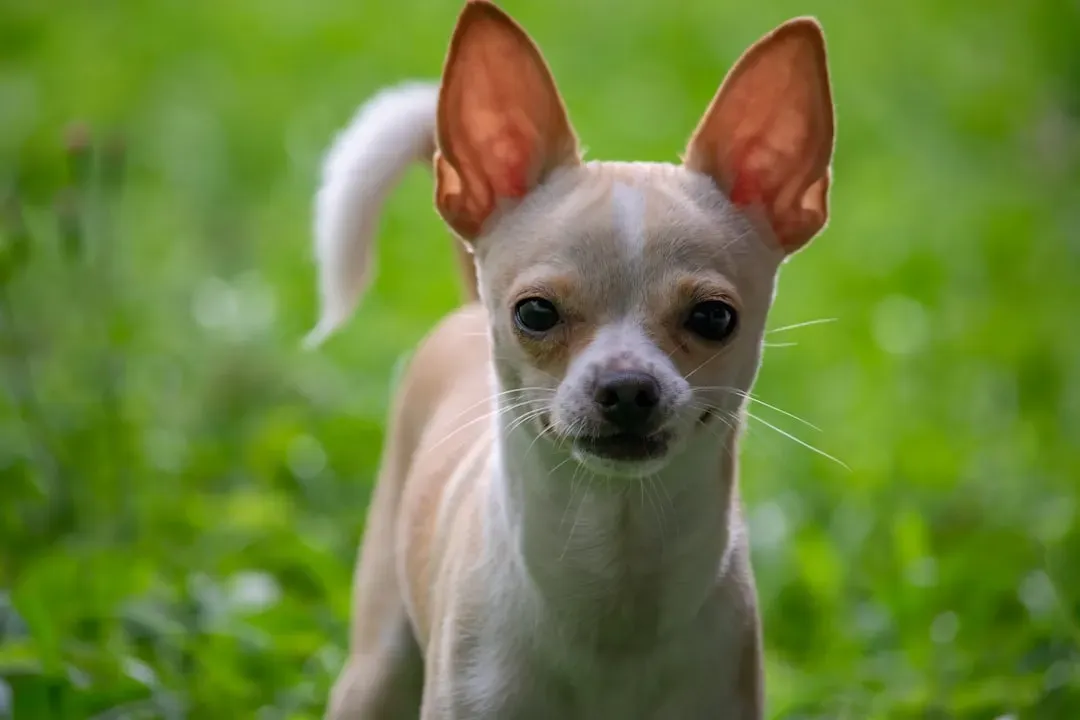
Let’s be real – no one walks into a pet store thinking, “I’d better be careful of that Chihuahua.” These palm-sized dogs look more like plush toys than anything remotely threatening. Yet a widely cited survey of over 4,000 dog owners found something jaw-dropping: Chihuahuas came out as more aggressive than Pit Bulls, and were reported as the most aggressive among 35 dog breeds. They are especially feisty towards bigger dogs they have not seen before. That is not a typo. That tiny four-pound bundle of fur ranked above breeds that entire countries have tried to ban.
So what is actually going on? Their small size makes them more susceptible to danger, which can lead to defensive behavior that appears aggressive. The simple answer is they are not inherently aggressive. What people are actually seeing is a combination of fear, anxiety, and learned behaviors that owners unconsciously reinforce over time. Think of it like a person who was always picked on – at some point they learn to bite first.
One of the biggest culprits here is something called “Small Dog Syndrome.” It is not a medical condition, but rather a set of behavioral problems that develop when owners allow their small dog to do things they would not tolerate in a larger breed. Letting your Chihuahua growl at guests because “it’s so cute,” or scooping them up every time they show fear, accidentally teaches them that aggression works. Watch for warning signs like stiff posture, bared teeth, a curled lip, and raised hackles along the back.
Start socialization early with controlled, positive experiences. Gradually expose your Chihuahua to new people, places, and situations while rewarding calm behavior. Never force interactions and always let your dog set the pace. Consistent obedience training, clear boundaries, and ruling out pain-related triggers with a vet check are all key steps toward a calmer, happier little companion. Chihuahuas can suffer from painful issues like dental problems, patellar luxation, and eye conditions, potentially leading to aggression. Regular vet checkups are crucial for early detection and prevention.
2. The Dachshund: The Fearless Badger Hunter in Your Living Room
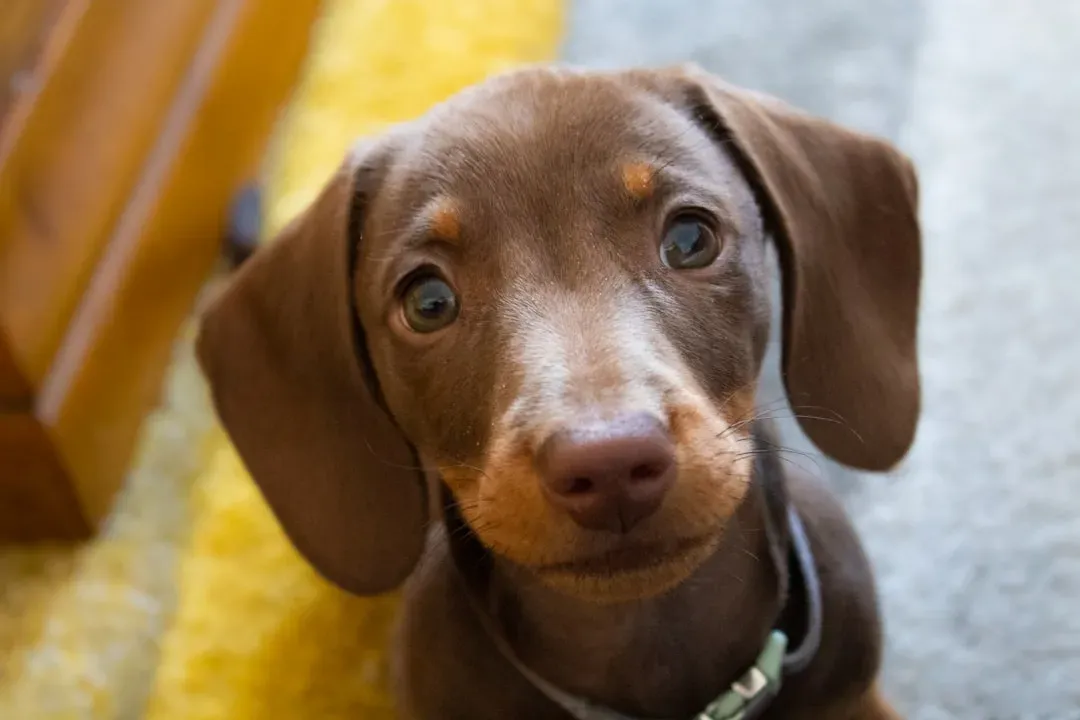
Honestly, this one surprises even longtime dog enthusiasts. Dachshunds were bred to be badger hunters and they have a lot of courage. Let that sink in for a second. Badgers are notoriously fierce animals, and these little sausage dogs were specifically developed to go underground, corner them, and fight them. That background is still very much alive in the modern Dachshund, sitting innocently on your couch. Rough Collies, Toy Poodles, Miniature Poodles, and Miniature Schnauzers had the highest odds of aggressive behavior, but Dachshunds consistently appear in studies that measure aggression in smaller breeds.
The most common Dachshund behavior problems include separation anxiety, excessive barking, eliminating indoors, digging, destructive chewing, and aggression. When it comes to aggression specifically, fear and pain are major triggers. At times, your Dachshund may act aggressive if they feel threatened – it is their way of protecting themselves. If children or other pets are playing too rough around the dog, allow them to retreat to a safe place. A Dachshund that snaps when lifted is often screaming that something hurts, particularly their spine.
Dachshunds are also notorious resource guarders. They may fixate on one toy, one corner of the sofa, one person – and defend it with startling ferocity for their size. If your Dachshund lashes out when you pick them up or go near them, they may have an injury. Hormones are another common cause, with aggressive behavior sometimes driven by natural hormonal fluctuations. Talk to your vet for more info on what you can do about hormonal changes in your dog.
Adding more exercise to your Dachshund’s daily routine will help reduce stress and anxiety. By walking, you are meeting your dog’s physical and mental needs. If your dog is cooped up all day, they may become more aggressive, bored, or depressed. They need to get outside and move, just as much as you do. Pair daily walks with positive reinforcement training and watch your feisty little badger hunter slowly transform into the loving companion you always knew was in there.
3. The Chow Chow: The Fluffy Lion With a Serious Boundary Issue
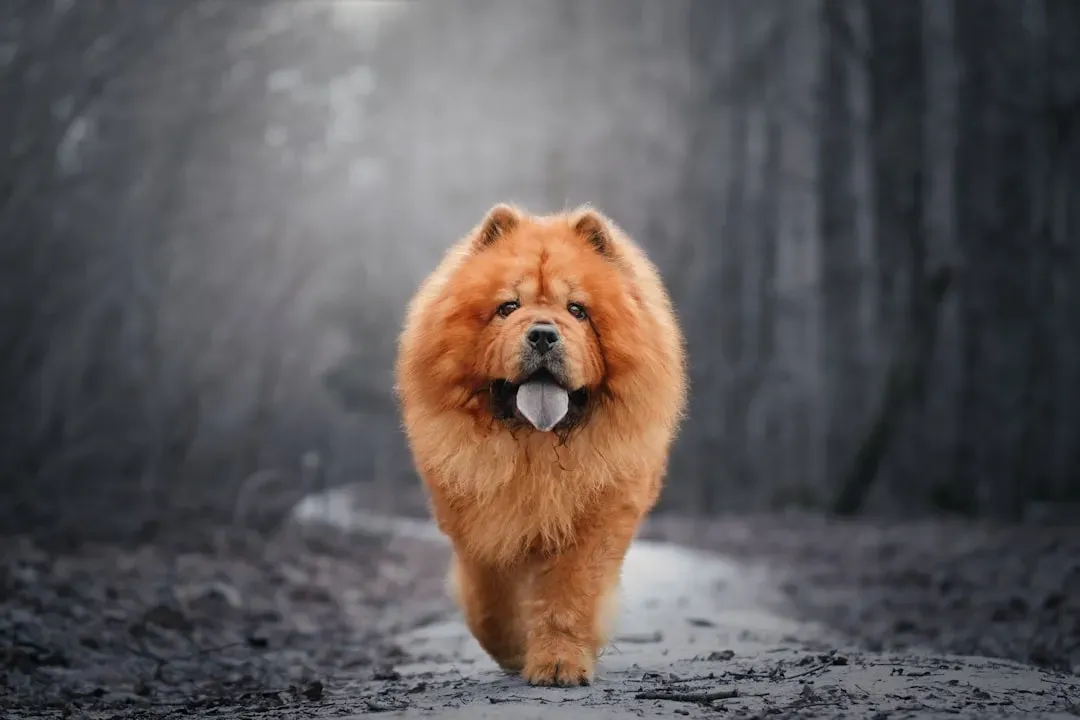
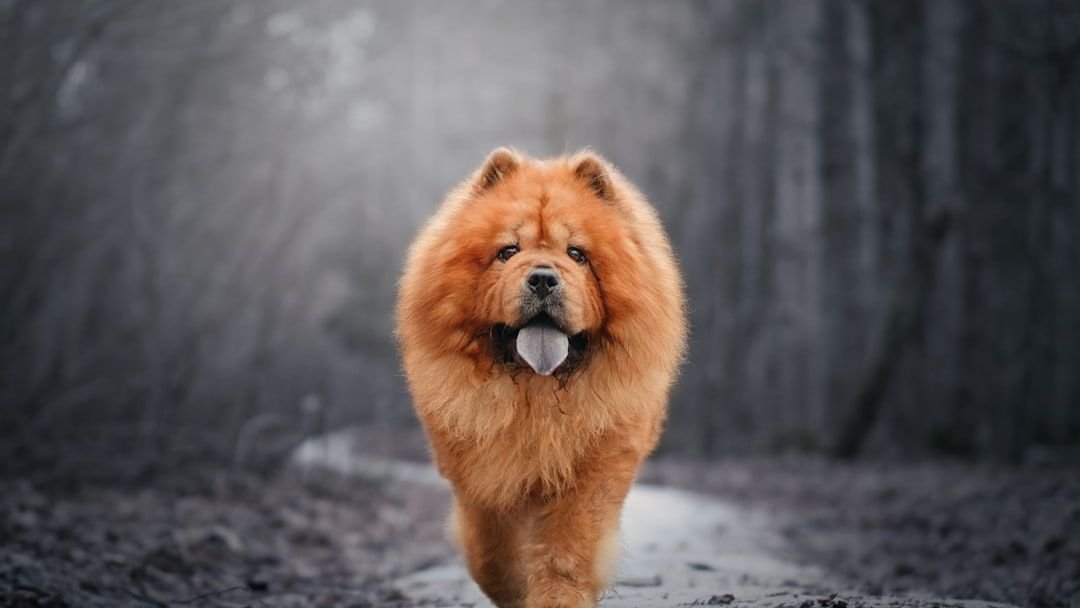
Few breeds look as irresistibly cuddly as a Chow Chow. That lion-like mane, that blue-black tongue, that teddy bear silhouette – it is hard not to want to bury your face in that fur immediately. But here is an important heads up for anyone considering this breed: Chow Chows may look like adorable teddy bears, but they are very independent and protective. They were bred to guard homes, so they naturally have a territorial side. Without proper training, they might see strangers, or even other pets, as threats. I have seen more than one new Chow owner genuinely shocked by how quickly their puppy shifted from playful to guarded.
Chow Chow dogs can seem cute and plush, but their disposition is far from that. They possess a high prey drive that can lead to aggressive behavior, and they are considered among the most dangerous dog breeds. Aside from that, they have poor peripheral vision, which can easily cause them to become startled and aggressive. That last point is something many owners miss entirely. Approach a Chow from the side without warning and you could trigger a sharp defensive reaction that has nothing to do with bad temperament – the dog simply did not see you coming.
These majestic dogs are loyal, dignified, and a bit stubborn. They form strong bonds with their families but need early socialization to be friendly. The key word there is “early.” Socialization during puppyhood is not optional with a Chow – it is non-negotiable. A Chow Chow raised with exposure to different people, animals, sounds, and environments will be dramatically more stable than one that was sheltered.
Early socialization is critical; puppies exposed to various people, animals, and environments are less likely to develop fear-based aggression. With Chow Chows, structure and consistency are everything. Beginning a positive-reinforcement training program that includes behavior modification protocols like desensitization and counterconditioning can make a tremendous difference. Never use harsh, punitive methods with this breed – it tends to deepen distrust and worsen aggression over time. Firm, calm, and consistent is the winning formula here.
4. The Siberian Husky: The Gorgeous Wild Card
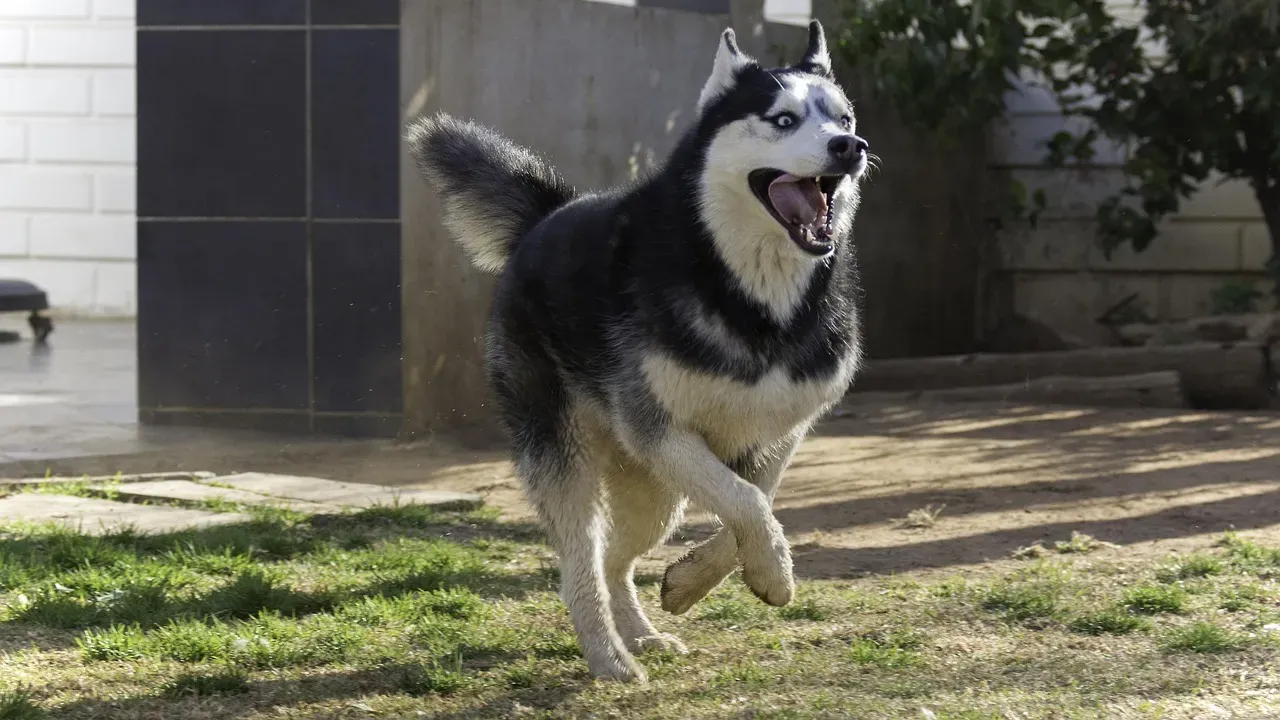
Nobody suspects the Husky. Those striking blue eyes, that wolf-like grace, that goofy playfulness – they are basically the supermodels of the dog world. Yet underneath all that beauty lives a dog with a complicated behavioral profile that catches many unprepared owners completely off guard. Bred to pull sleds over vast distances, Huskies are endowed with incredible endurance and independence. This history has shaped a temperament that does not always fit a typical family lifestyle. They have extremely high energy levels, are independent thinkers, and possess a strong prey drive that can lead them to chase small animals, including neighborhood pets.
Here is where the surprise comes in. There are many reasons why Huskies may become aggressive, including genetics, improper socialization, fear, anxiety, and lack of training. Aggression may sometimes result from a medical condition, such as pain or an underlying health issue. Huskies are also known for their strong prey drive, which can lead to aggression towards smaller animals. A Husky that is under-exercised is essentially a ticking clock. They were built to run. Take that away and the frustration has to go somewhere.
Siberian Huskies are particularly prone to two types of food aggression: possessive and resource guarding. Possessive food aggression occurs when a dog becomes so attached to their food that they become aggressive if someone attempts to move it. Resource guarding involves a dog protecting their food from others in their environment by growling or snarling at them. Watch for signs like stiff posture, ears pointed outward, and a rigid, puffed-out chest – these are early warning signals that tension is building.
Proper socialization from a young age, exposure to different environments, and consistent training can help mitigate any aggressive tendencies. According to the American Temperament Test Society, Huskies have a high pass rate of 86.7%, indicating they are generally stable and well-tempered dogs. The bottom line with Huskies is that their aggression is almost always situational and preventable. Even though Huskies are not predisposed to aggression, all dogs need proper training and socialization from an early age to get along with other animals and humans. Daily vigorous exercise, mental stimulation, and patient leadership will bring out the best in this stunning breed.
5. The Miniature Schnauzer: The Feisty Little Watchdog You Didn’t See Coming
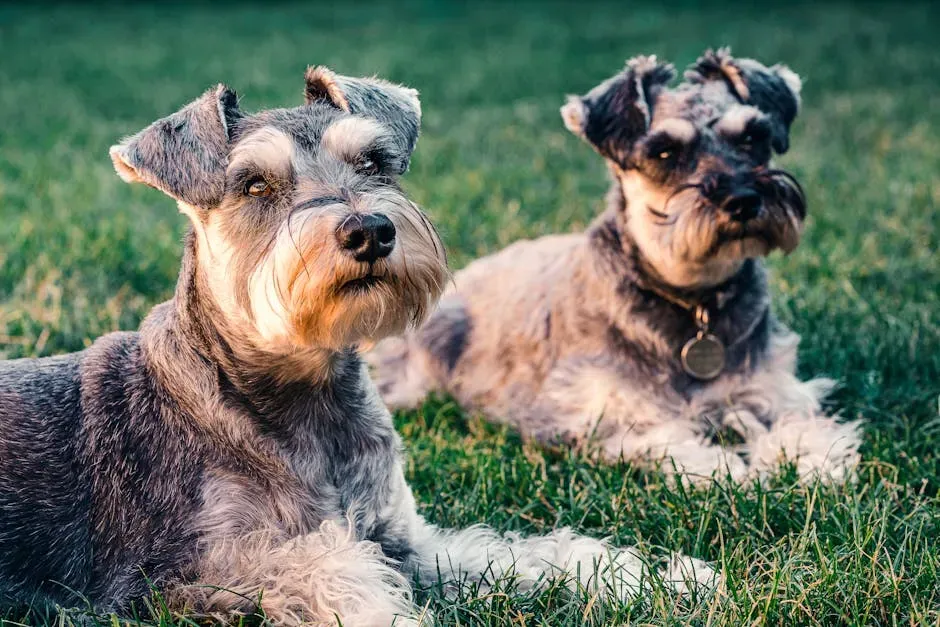
Here is one that almost nobody puts on their aggressive breed radar. Miniature Schnauzers are often marketed as the perfect family dog – smart, hypoallergenic-ish, compact, and charming. All of that is true. But they also pack a surprising wallop when it comes to reactive and aggressive tendencies. Rough Collies, Toy Poodles, Miniature Poodles, and Miniature Schnauzers had the highest odds of aggressive behavior in a large-scale study. The study also found that the probability of aggressive behavior increased with age and differed between breeds. In other words, your adorable Schnauzer pup can grow into a grumpy, reactive adult if certain needs go unmet.
Miniature Schnauzers were originally bred as ratters and farm watchdogs. That heritage means they are naturally alert, territorial, and vocal – which is a polite way of saying they will bark at everything and everyone with extraordinary conviction. A dog’s breed and original working purpose can influence their behavior. For example, breeds developed for herding, guarding, or hunting might be more likely to exhibit guarding or protective behaviors, which can escalate to aggression when triggered. A Schnauzer standing guard at the front window is not being dramatic – it is literally doing its job.
Like any behavior trait, aggression is a complex interplay of genetic and environmental factors. Because fear is the most common cause of dog aggression, most cases involve dogs trying to put distance between themselves and the target. For Schnauzers, this often shows up as snapping at strangers, lunging at other dogs on leash, or guarding their food bowl with startling intensity. Several factors increase the probability of aggressive behavior toward people: older age, being male, fearfulness, small body size, lack of companion dogs, and being the owner’s first dog. Schnauzers tick several of these boxes naturally.
Most aggression is driven by fear, so intervening early if you have a fearful dog is best. Do not wait for aggression to escalate to a bite or attack. For Miniature Schnauzers, a structured daily routine, regular leash training, and early puppy classes are enormously effective. Implementing positive reinforcement techniques such as treats, praise, and toys to reward desirable behaviors encourages your dog to repeat those actions. Redirect that watchdog energy into nose work, agility, or interactive puzzle toys – these dogs are exceptionally bright and thrive when their minds are engaged rather than left to patrol the living room in a state of permanent high alert.
What All of This Really Means for You as a Dog Owner
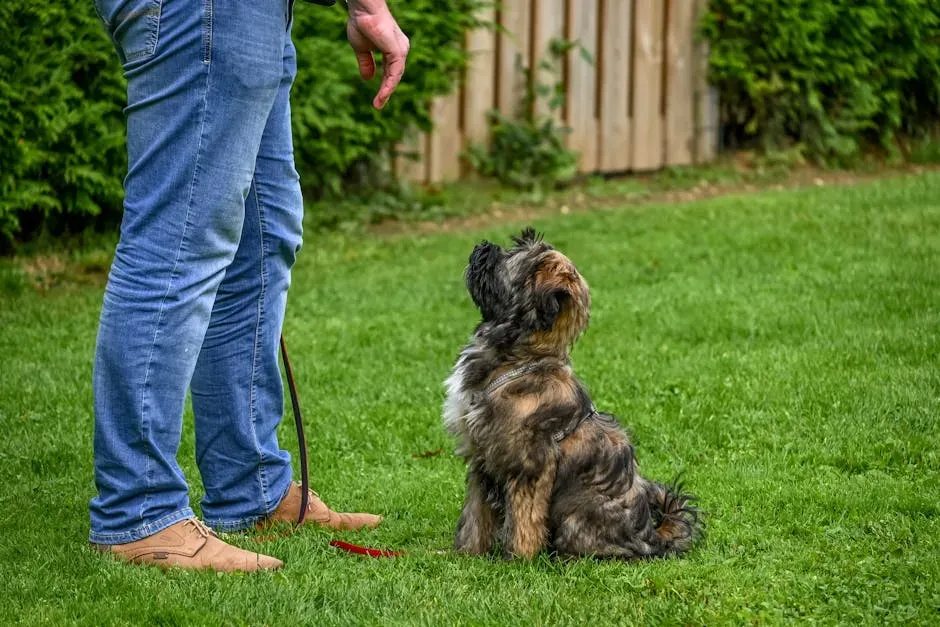
It is tempting to read a list like this and panic a little, especially if you recognize your own dog in one of these descriptions. Take a breath. High-drive breeds can thrive as family companions when guided by knowledgeable owners. Aggression is not inevitable. With proper care, structured routines, and early exposure to varied experiences, many dogs can develop into well-adjusted, loyal, and safe pets. That is genuinely good news.
What matters most is that you pay attention. Learning to read your dog’s body language is essential. Signs of aggression include growling, baring teeth, stiff posture, and a fixed gaze. Catching these cues early – before a full reaction erupts – is half the battle. Think of it like reading weather patterns. You don’t wait for the tornado to start preparing. You watch the sky.
A veterinary behaviorist, animal behaviorist, certified behavior consultant, or professional dog trainer with experience handling aggression can teach you management techniques, help you identify your dog’s triggers, and develop a treatment plan to help your dog cope better with those triggers. There is absolutely no shame in asking for professional help. The strongest dog owners are the ones humble enough to say, “I need guidance on this.”
The breeds on this list are not broken. They are not bad. They are complex, historically shaped animals with deep instincts that occasionally bump up against modern life. A dog’s upbringing, training, environment, and individual temperament all play a larger role than breed alone. Your response to their behavior matters far more than the breed label on their papers. Every growl is a conversation. Every snap is a signal. The question is whether we are listening.
Which of these dogs surprised you the most? Drop a comment and share your experience – your story might be exactly what another dog owner needs to hear today.


