
You think you’re the one holding the leash, right? You set the schedule, pick the meals, decide when walkies happen. You’re the boss. Except, well, maybe you’re not. If you’ve ever found yourself getting up at 6am because of a dramatic whine, or handing over a corner of your sandwich after one mournful stare, your dog has already graduated from a masterclass you never signed up for.
The truth is, some dogs are absolute geniuses at flipping the dynamic. While intelligent dogs can be highly trainable, they also come with a knack for pushing limits and finding loopholes. The real kicker? They do it with such charm that you don’t even realize it’s happening. Let’s meet the five breeds that have quietly, brilliantly, turned the tables on you. Let’s dive in.
1. The Border Collie: The Mastermind With a Stare That Could Move Mountains
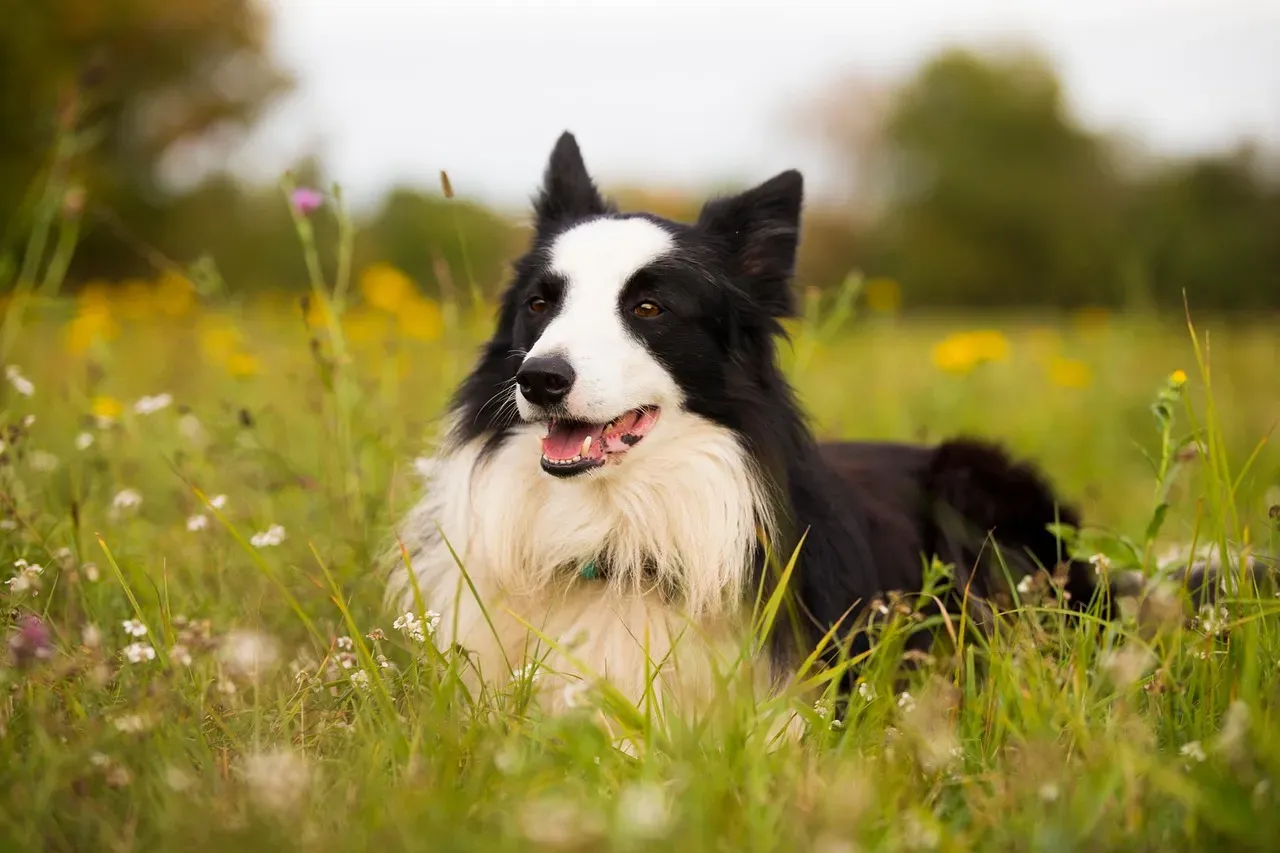
Here’s the thing about Border Collies. They’re not just smart. They’re embarrassingly, almost uncomfortably smart. Border Collies aren’t just smart – they’re scary smart. These dogs can read your body language, anticipate your next move, and guilt you into another walk with one dramatic sigh. Think about that for a second. Your dog is reading your body language better than most humans do.
They were bred to herd, and if you’re not giving them a job, they’ll make one up – like herding your kids, your cats, or you. Yes, you. That nudge behind the knee while you’re heading to the kitchen? That’s not affection. That’s a job assignment. They’ve decided where you’re going.
Without enough mental and physical stimulation, they can quickly become bored, which may lead to destructive behavior. So when your Border Collie starts urgently pacing and staring at you with that intense gaze, they’re not just bored. They’re training you to provide entertainment on demand. Prevention tip: give them structured mental challenges daily, like puzzle feeders or obedience drills, before they invent their own agenda.
These clever dogs could be better-named boredom collies because they need a huge amount of mental enrichment to keep them from destroying household items or digging up your yard. Honestly, can you blame them? A dog this brilliant needs stimulation the way a concert pianist needs a piano.
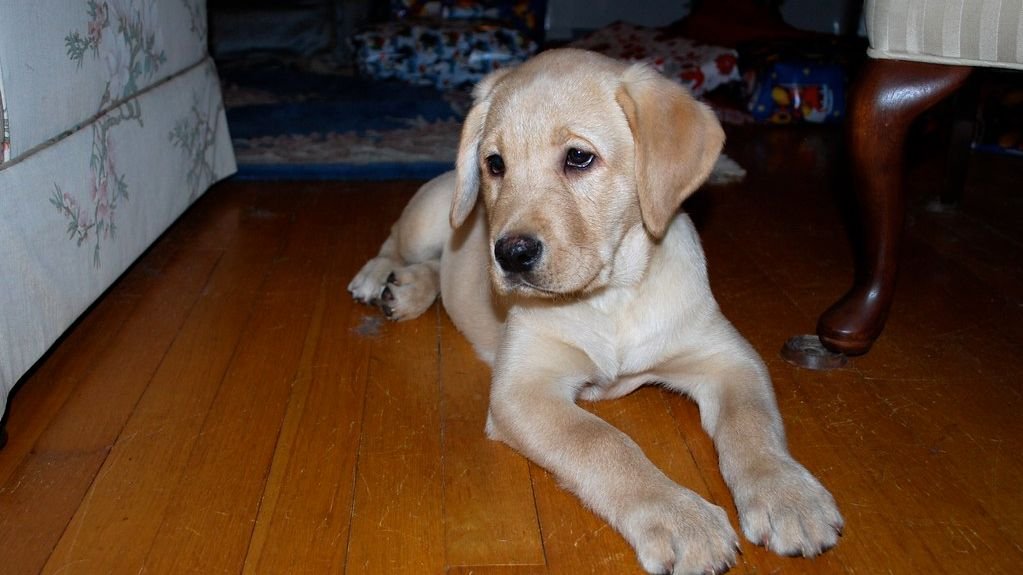
2. The Labrador Retriever: The Lovable Con Artist of the Dog World

Nobody suspects the Labrador. That goofy grin, that wagging tail, those soulful brown eyes. Labs have perfected the art of looking completely innocent while quietly running the show. Golden Retrievers are not only one of the most popular family dog breeds, but they’re also highly trainable – they are intelligent, friendly, and eager to please, making them excellent candidates for obedience and retrieval training. The same holds for Labs, who share that brilliant, people-focused mind.
The twist? That eagerness to please cuts both ways. Owners quickly become dependent on using food as a lure, since they feel the dog will not comply otherwise. Sure enough, the dog’s compliance quickly becomes contingent on the owner having food in the hand. You started rewarding the sit. Now you can’t get a sit without a treat. Who trained whom?
Labs have also mastered the art of the soulful look. Dogs have mastered the art of looking utterly heartbroken whenever they want something. Scientists have even found that dogs evolved extra muscle fibers around their eyes and mouths that allow them to portray facial expressions that tug on your heartstrings. Labs use these facial superpowers relentlessly around mealtime. If you’ve ever shared your dinner “just once,” you know exactly how that story ends.
The fix here is consistency. Decide on the rules early and stick to them. Patience, positive reinforcement, and consistency are key regardless of the breed, and training methods should be adapted to suit the individual dog’s needs and strengths.
3. The Cocker Spaniel: Silk Ears, Iron Will

Nobody warns you about Cocker Spaniels. People hear “Cocker Spaniel” and think gentle, sweet, maybe slightly dramatic. They are all of those things. They’re also surprisingly strategic about getting exactly what they want. Sweet-faced and emotionally manipulative, Cocker Spaniels have a way of getting what they want with a well-timed whimper or sad stare.
They form strong attachments to one person and are skilled at demanding constant attention. Ignore them and they’ll bark, sulk, or stage a dramatic shiver until they win. I think the dramatic shiver is their most underrated move. It makes you feel like the world’s worst dog parent. And then you cave. Every single time.
The Cocker Spaniel is the poster-dog for people-pleasing. They are sensitive to your tone during training and hate disappointing their humans. Use that sensitivity wisely. A calm, firm voice works far better than frustration with this breed. When they feel secure and understood, the manipulation tactics drop noticeably.
Prevention tip: don’t reward whining or pawing with immediate attention. Wait for calm behavior before engaging. It sounds simple, and it is, but it requires nerves of steel when those ears are flopped and those eyes are wide.
4. The Siberian Husky: The Drama Queen Diva of Dog Breeds
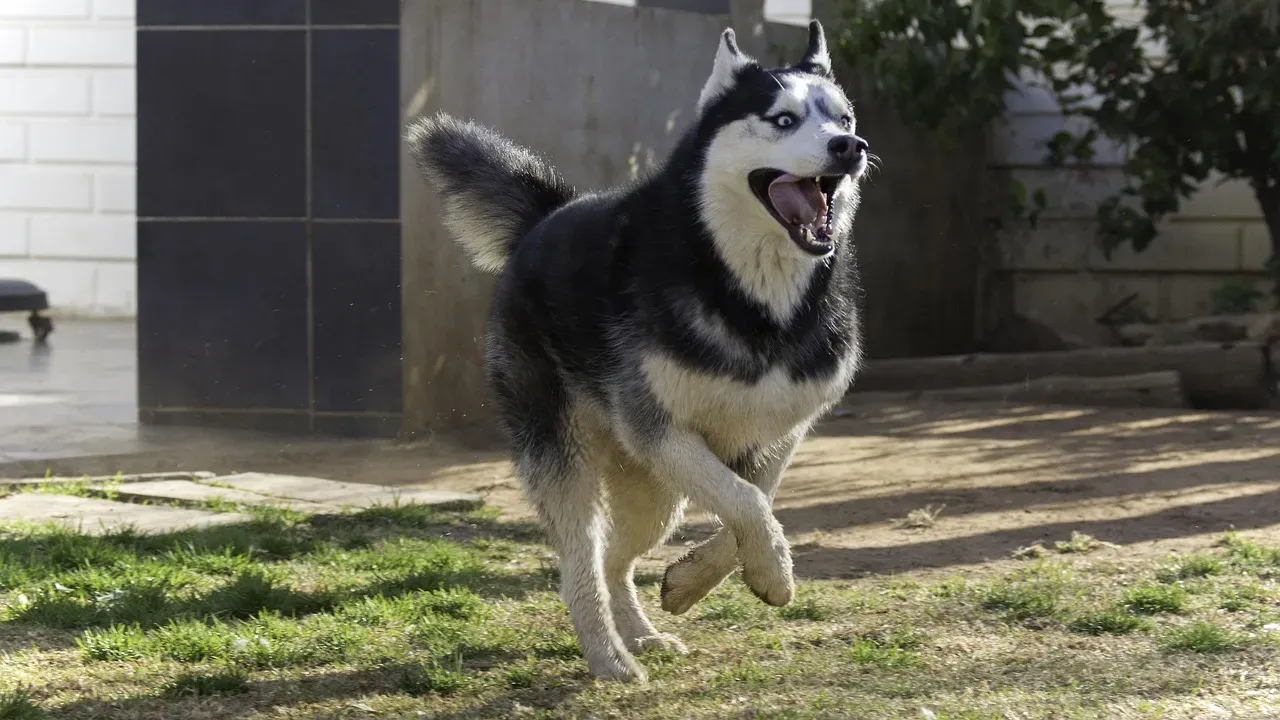
Oh, the Husky. If dogs had a theatrical guild, Huskies would be founding members and current presidents. They are vocal, wilful, expressive, and deeply convinced that their emotional states are your responsibility to manage. Siberian Huskies demand daily physical activity and lots of patience when training. What that really means in practice is they will howl, flop dramatically on the floor, and give you the thousand-yard stare until you agree to their terms.
Experts believe a dog has the thinking age of a toddler who can use fake crying and tantrums to get their parents’ attention. Huskies embody this completely. The howling isn’t random. It’s negotiation. Loud, operatic, relentless negotiation. They learn quickly that noise produces results, and once they’ve cracked that code, good luck unsealing it.
Huskies are also incredibly observant of your schedule patterns. They know when you usually leave the house, when you typically feed them, and when you’re most likely to be worn down enough to say yes to an extra walk. Dogs, especially smart ones, can be very stubborn. Our pets have an impressive ability to selectively tune into sounds that benefit them while ignoring commands that don’t.
The key with Huskies is structured routine combined with sufficient exercise. A tired Husky is a less manipulative Husky. Not a non-manipulative one, mind you. Just slightly less theatrical.
5. The Beagle: The Nose Knows, and So Does the Beagle

Beagles are small to medium in size but enormous in personality and cleverness. They come pre-programmed with one of the most powerful noses in the dog world, and they use that nose as an all-purpose excuse for not listening to you. Beagles are not known for being easy to train and can be somewhat stubborn, tending to get quite distracted by scents detected by their powerful noses. That’s the polite version. The honest version is they’ve decided that sniffing is more important than you.
Experts believe a dog has the thinking age of a toddler who can use fake crying and tantrums to get their parents’ attention. If a dog can manipulate their owners in similar ways, it’s fair to say we are pawns in their puppy paws. Beagles take this to a professional level. They give you the most tragic, mournful howl the moment you attempt to redirect them away from something interesting on a walk. Suddenly you’re apologizing to your own dog.
Demand-barking can be a manipulative way for a dog to get what they want. Beagles have turned demand-barking into a full language, complete with tones and pitches calibrated to wear down your resistance at different speeds. They’re remarkably good at it. The fix is not to engage with the demanding bark, but instead to wait and reward silence. It takes time. Be patient.
Also worth noting: dogs who are not well can begin demand-barking, so talk to the vet before seeking any training advice. Sometimes what looks like manipulation is actually a health signal, and it’s always worth ruling that out first.
The Conclusion: Who’s Really the Trainer Here?
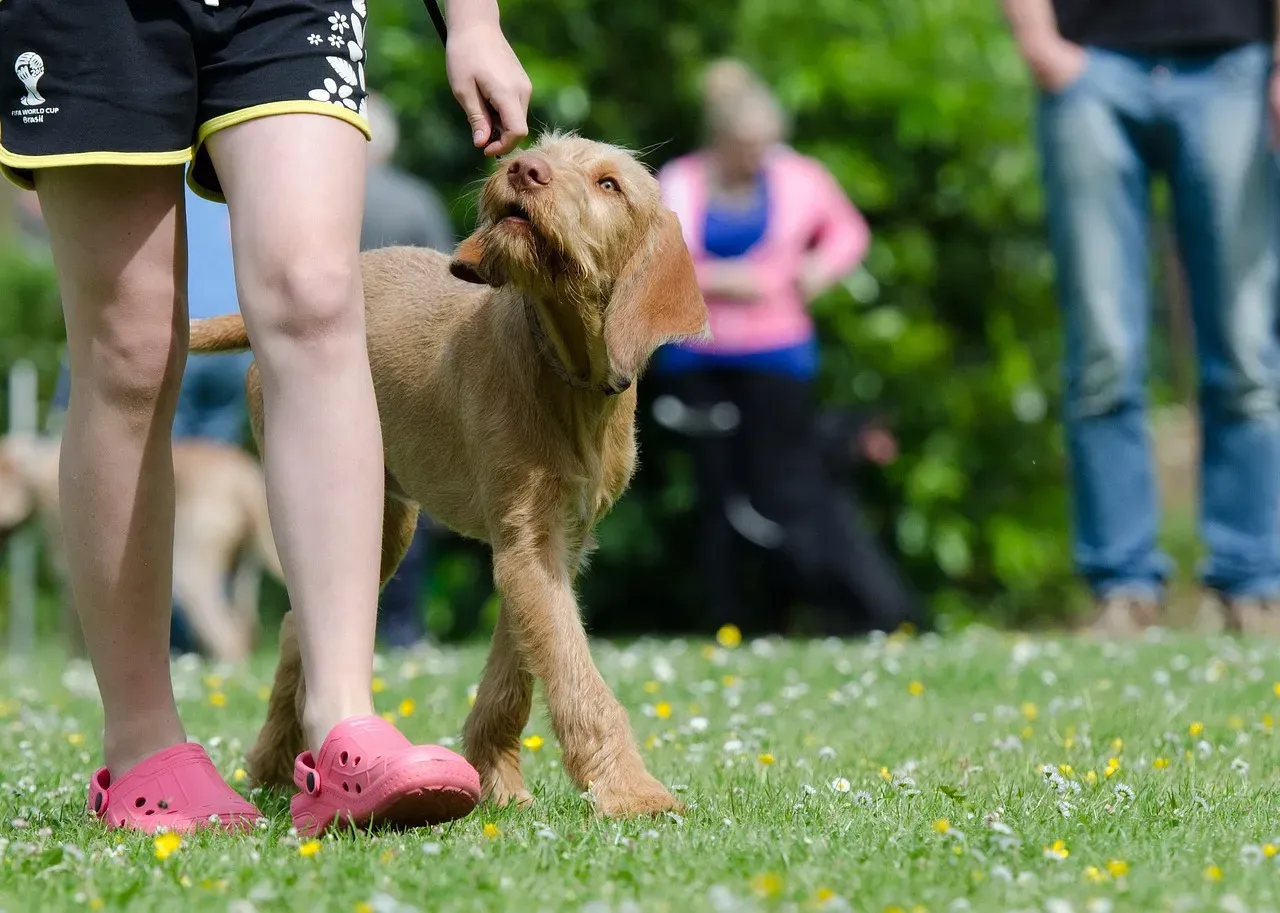
Let’s be real for a moment. The fact that your dog has figured out how to work you is not a sign of a bad relationship. It’s actually a sign of a remarkably intelligent, emotionally attuned animal who has studied you carefully and knows you well. The results of studies affirm the theory that dogs can manipulate their owners into getting treats and are able to ascertain human reactions deftly. That’s not a failure on your part. That’s evolution doing something remarkable.
The beautiful irony is that the same intelligence making your Border Collie herd you or your Beagle ignore a command also makes these breeds deeply capable of genuine training, strong bonding, and extraordinary companionship. Early socialization and exposure to various environments and experiences can play a significant role in a dog’s trainability. Dogs that are exposed to a variety of people, animals, and settings from a young age tend to be more adaptable and trainable.
Stay consistent, stay patient, and stay one step ahead whenever you can. Because somewhere on your couch, your dog is already three steps ahead of you, planning tomorrow’s strategy with those big, beautiful, perfectly calibrated eyes.
So the real question is: who’s been the student all along, you or your dog?


