
Has a dog ever looked you dead in the eye and just… started talking back? If you’ve lived with a Husky or a Beagle, you know exactly what I mean. Dogs communicate far more than we give them credit for, and some breeds take that to a whole other level of theatrical expression.
Whether you’re a noise-tolerant dog parent who loves the drama, or someone craving peaceful evenings with a quietly snoozing companion, there’s a breed out there perfectly matched to your lifestyle. The key is knowing what you’re signing up for before you fall in love with that fluffy face at the rescue. Let’s dive in.
The Siberian Husky: The Drama Queen of the Dog World

Honestly, if dogs had their own talk show, the Siberian Husky would be the host, the producer, and the most opinionated guest all at once. Siberian Huskies are famous for their expressive howls and chatty personalities, and these natural-born communicators love to “talk” to their humans, using vocalizations that range from melodramatic howls to amusing “woo-woos” that can sound almost like human speech.
Originally bred as pack dogs, Siberian Huskies are energetic and extremely vocal, known for howling, “talking,” screaming, and even singing, with a vocal range that can actually resemble humans. Gentle and family-oriented, Huskies vocalize as a way to express whatever emotions they’re feeling or simply have a good chat with you. If you work from home, fair warning: Zoom calls will never be the same.
While they are generally not constant barkers, they do love to howl and can be quite noisy, especially if they’re left alone or feeling restless. The fix? Plenty of exercise, mental stimulation, and honestly, just talking back. They respond to that more than you’d think.
The Beagle: Small Dog, Enormous Opinion

Beagles are hunting hounds who love to use their voice, barking, howling, and baying whenever they catch a scent, and their name even comes from the French word “bégueule,” meaning “loudmouth.” That’s not an insult; it’s practically a badge of honor for this breed.
Beagles are famous for their loud “bay,” a specific type of bark that is often heard when they’re tracking or excited. This vocalization is deeply ingrained in their hunting instincts, and they bark constantly when they catch a scent or are left alone. Think of it like a smoke alarm that also has feelings and loves sniffing trash.
They have excellent skills as hunting dogs, as well as companions, but they typically aren’t considered good dogs for apartment living due to their tendency to vocalize loudly and their high energy needs. If you have a yard and understanding neighbors, though, a Beagle brings so much warmth and personality that the noise almost feels worth it.
The German Shepherd: Vocal and Vigilant

Bred to guard and herd livestock, German Shepherds are extremely talkative, communicating by barking, whimpering, grumbling, or whining. They are natural protectors and working dogs, which is why they make outstanding sheep herders, police dogs, and search and rescue dogs. Their voice is basically part of their job description.
Although they take their job seriously, whatever it may be, the German Shepherd has a lot of things to say, especially in stressful and exciting situations. Howls, whines, and grumbles are all common vocalizations from this breed. It’s less random noise and more constant emotional narration of their day.
Here’s the thing about German Shepherds: their vocalization is almost always communicating something real. Boredom, anxiety, excitement, alertness. Learning to read those different sounds can deepen your bond enormously. Training them to channel their voice constructively rather than reactively is one of the most rewarding things you can do together.
The Pomeranian: Tiny Body, Loud Convictions

Energetic, affectionate, sassy, and vocal, the Pomeranian is the epitome of a small dog with a big personality. These little pooches were bred as companion dogs, wanting nothing more to be with their people and the center of attention. And they will absolutely let you know if they feel overlooked.
For being known as a yappy dog, the Pomeranian lives up to its reputation. These dogs may be small, but they can be tough and aren’t afraid to bark. They don’t have the most threatening bark, but you can definitely count on a Pomeranian to let you know if trouble is afoot. They are very sweet and loving dogs, but they may bark at visitors and people they aren’t familiar with.
Early socialization and consistent training go a long way with Poms. Introducing them to new people, sounds, and environments when they’re young helps reduce anxious barking later. Think of it as building their confidence, not silencing their personality.
The Beagle’s Cousin: The Basset Hound’s Mournful Monologues
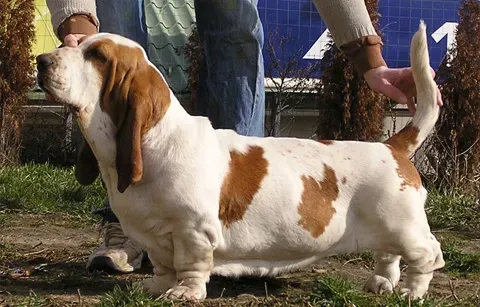
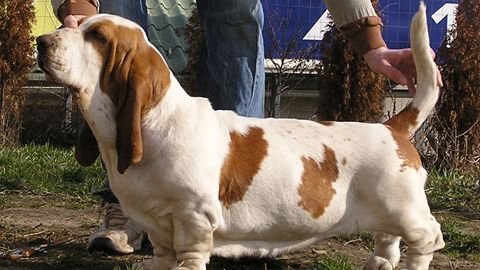
Endearing and instantly recognizable, the Basset Hound is easily one of the most popular dogs around the world, ranked the 39th most popular dog breed in the U.S. by the American Kennel Club. They are fantastic family pets and have a laidback, almost relaxed attitude toward life, but love being with their people, and if left alone in a yard for hours on end, you’ll find your neighborhood getting serenaded by your dog’s mournful howls.
Hound breeds like the Basset were originally bred for hunting, with a particular focus on tracking scents, and many hound dogs are known for their distinctive howls and loud barks, which they use to communicate over long distances when tracking prey or alerting their owners. That deep, soulful bay is ancient instinct, not bad behavior.
If you own a Basset, never leave them alone in the garden for extended periods without enrichment. A bored Basset becomes a loud Basset, and that low, rolling howl carries for blocks. A puzzle feeder or a chew toy before you step out can genuinely make all the difference for both of you.
The Basenji: The Dog That Simply Doesn’t Bark
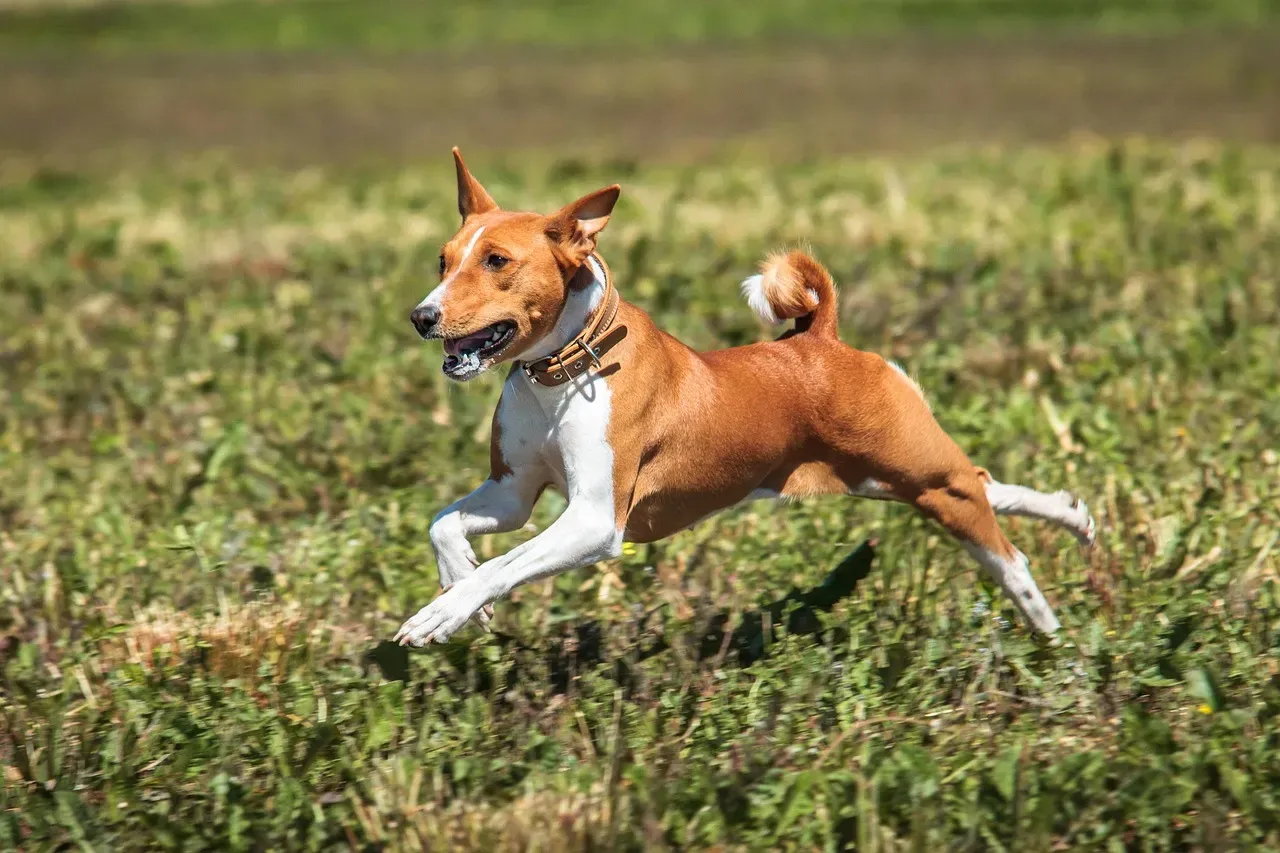
Now we cross into the quieter half of this list, starting with perhaps the most fascinating case of all. The Basenji, originating from Africa, is nicknamed the “barkless dog,” owing to the breed’s unusually shaped larynx. Instead of barking, they make a sound that somewhat resembles a chortle or a yodel. It sounds like something between a cat purring and a tiny human humming. Wild, right?
The Basenji, known as the “barkless dog,” makes unique yodeling sounds instead of traditional barks. Originating from Central Africa, this breed is independent and curious, and Basenjis are intelligent and playful, making them great companions. They’re alert and sharp-minded, just not particularly interested in making noise about it.
One important note: quiet doesn’t mean low maintenance. Basenjis are incredibly smart and need mental stimulation, consistent boundaries, and regular exercise. Their silence can lull new owners into a false sense of ease. Think of them as a gifted, slightly stubborn student who communicates in subtle, intelligent ways.
The Greyhound: The Calm Giant You Never Expected

Most people picture a Greyhound flying around a race track and assume they must be hyperactive, loud, and demanding. The reality is almost comically opposite. Despite their racing background, Greyhounds are quiet and calm indoors. They are gentle and affectionate, often preferring to lounge around the house, and are not known for being vocal.
The greyhound and other members of the sighthound family rarely bark when hunting, and all members of this family tend to be quiet. Surprisingly, they do well for apartment dwellers, as they are fairly inactive indoors. A 40mph racing dog that’s happy on your couch in a flat? Honestly, an underrated option for city living.
Greyhounds are generally quiet dogs that only bark when they need attention, feel bored, have anxiety, or separation issues. They can, however, develop the habit if another dog in the house barks often. To keep it at bay, Greyhounds respond well to physical or mental exercise, and you can also teach them to “shush” on command. A daily run or a long walk keeps them blissfully content and serenely silent.
The Cavalier King Charles Spaniel: Royally Reserved
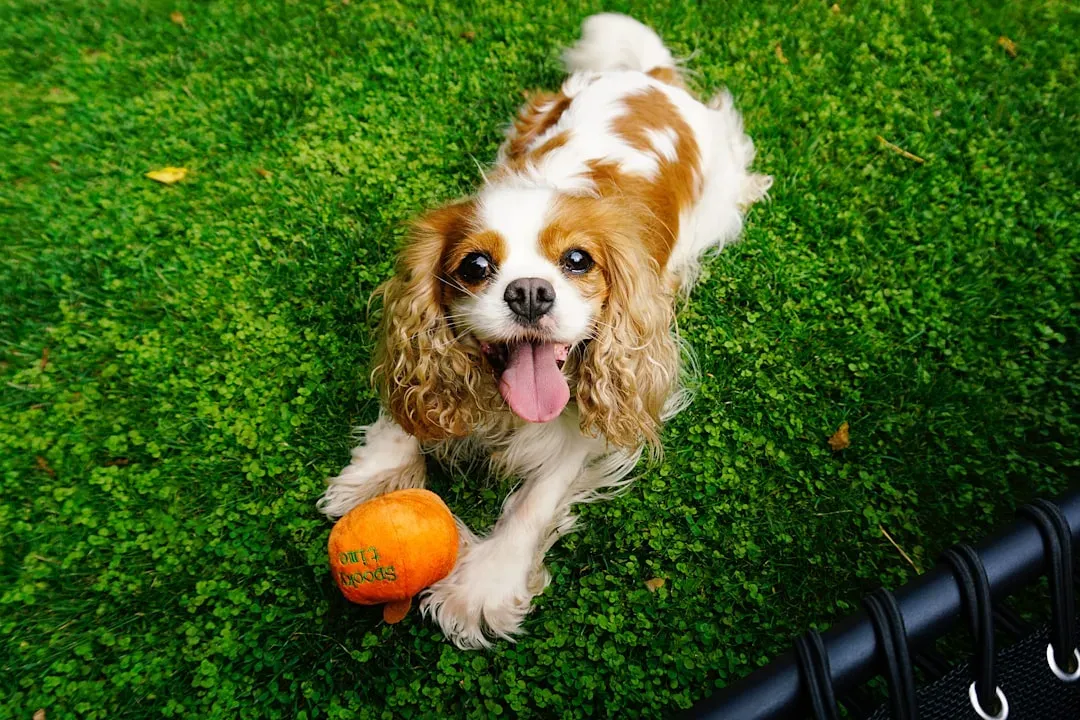
If you want a dog that’s affectionate, deeply connected to you, and yet refreshingly low-noise, the Cavalier is one of the best choices you can make. Cavalier King Charles Spaniels are small, affectionate dogs known for their friendly and easygoing nature, and are great for apartment living due to their calm demeanor and low barking tendencies.
The Cavalier King Charles Spaniel has royal roots, so it’s no wonder they have a poised demeanor. Instead of guarding the home with an aggressive woof, you’re more likely to find the Cav calmly greeting strangers or cuddled up from a long day of napping. They are the definition of “gentle soul.”
The one thing to watch for with Cavaliers is separation anxiety. Their calm and gentle demeanor means they are a relatively quiet breed, only yapping when they are bored or stressed, but Cavalier King Charles Spaniels may also bark when left alone for long periods, as they enjoy the company of others and are known for forming strong bonds with their owners. Crate training and gradual alone-time conditioning from puppyhood helps enormously.
The Bernese Mountain Dog: Big, Gentle, and Blissfully Quiet
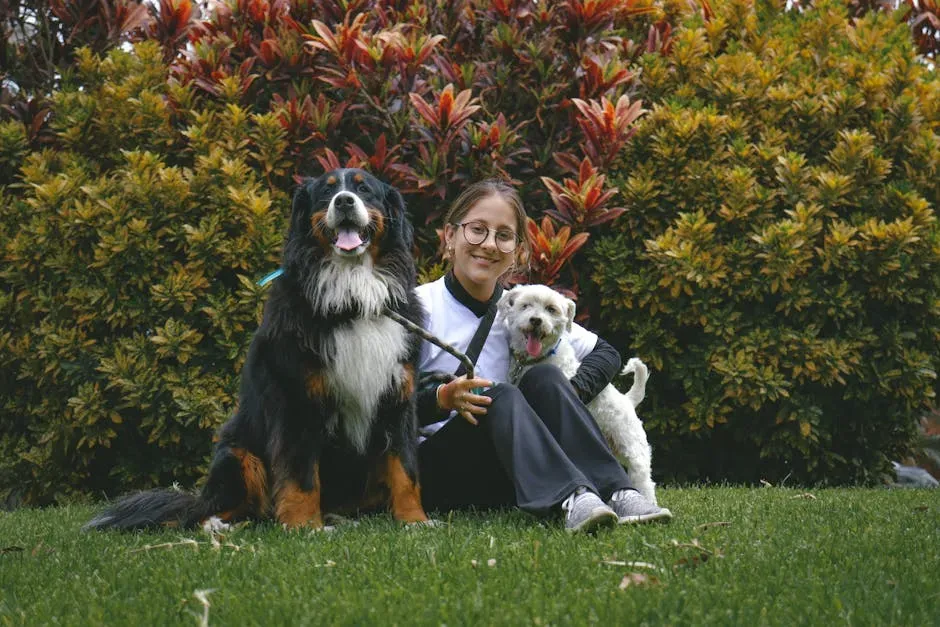
There’s something incredibly grounding about sharing your home with a Bernese Mountain Dog. They’re big, warm, and wonderfully calm. Bernese mountain dogs are calm, good-natured and strong, known for being among the dogs that don’t bark and are very placid. However, they’re also always ready to play or go on a long walk with their owner, love to please people, and are particularly good with children, making them a great addition to a family looking for a quiet but loving pet.
Bernese Mountain Dogs are large, gentle dogs known for their calm and friendly nature. They are affectionate with families and good with children and other pets. Bernese Mountain Dogs are not excessive barkers and have a thick coat that requires regular grooming. That thick double coat needs brushing several times a week, so be ready for some commitment there.
I think the Berner is one of the most underrated family dogs out there. They carry themselves with this quiet confidence, like a gentle giant who simply doesn’t feel the need to announce every squirrel that passes the window. If your household craves warmth without the noise, this breed might just be your perfect match.
The French Bulldog: Apartment-Friendly and Wonderfully Chill
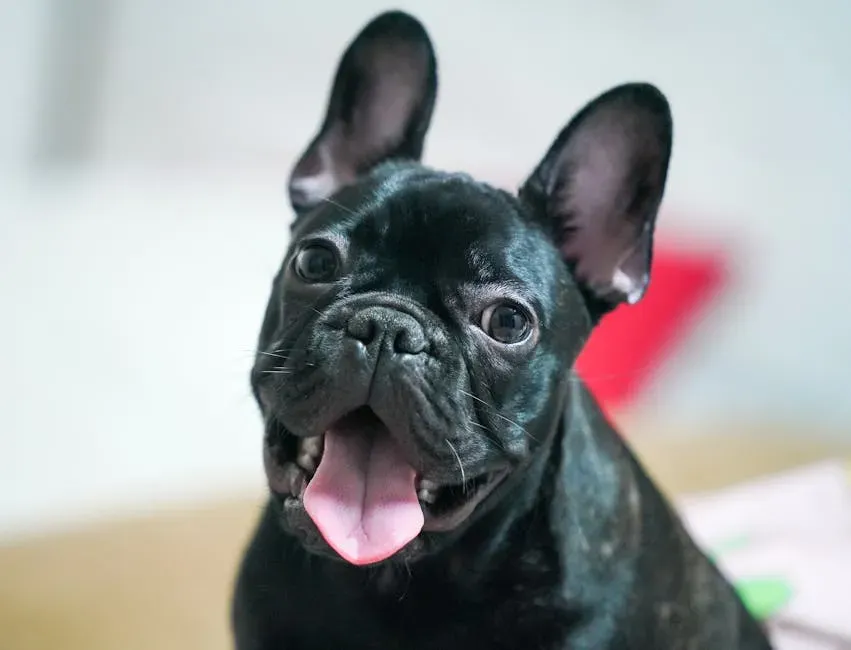
Few dogs have taken city living by storm quite like the French Bulldog. Compact, charming, and refreshingly quiet, they’ve become the go-to companion for urban dwellers for very good reason. Frenchies are popular small dogs who do well in apartments and quiet neighborhoods because barking is not their thing. They prefer to have their packs around them, and are playful and loving as well as cuddly.
Little pups often get a bad rap for being yappy, but the French Bulldog is a small dog breed that doesn’t bark much. This playful companion thrives on human contact and generally has low energy, which makes them well-suited for apartment living. Although Bulldogs in general tend to be quieter, you might hear some loud snores during nap time. Consider yourself warned on the snoring front.
One health note worth knowing: French Bulldogs are a brachycephalic breed, meaning their flat faces can cause breathing difficulties, especially in heat. Keep them cool in warm weather, avoid over-exertion on hot days, and schedule regular vet check-ups. They give you so much love and quiet companionship in return for some thoughtful care.
So, Which Dog is Right for You?
The truth is, there is no universally “better” type of dog. A talkative Husky is pure joy for someone who loves that constant, expressive connection. A quiet Greyhound is a dream come true for someone in a small apartment who needs peace at the end of a long day. Some dogs talk much more than others, and the amount of vocalization varies from breed to breed and dog to dog, so what might be an unusual amount of talk from one dog may be perfectly normal in another.
What matters most is matching your lifestyle honestly, not just your wishful thinking, to your dog’s natural temperament. Understanding that a dog is likely to be vocal before you bring one home can not only better prepare you for your new companion but also allow you to start making a plan to train your dog to use their vocalizations appropriately instead of becoming a noisy nuisance. Every dog deserves a home where who they are is celebrated, not corrected out of them.
Whether your future companion serenades you with midnight howls or simply sighs contentedly from their cushion, one thing is certain: they chose you as loudly or as quietly as they knew how. What kind of conversation are you ready to have? Tell us your breed and your experience in the comments below.


