
You see it all the time at the dog park. One owner’s pup responds with laser focus, while another seems to be in a completely different world, chasing squirrels and ignoring every command. Here’s the thing: it’s not always about training technique. Sometimes, it comes down to the breed. Some dogs are wired to test boundaries, think independently, and challenge their humans at every turn. Others? They melt at the slightest hint of disapproval and thrive when treated with kindness.
Understanding your dog’s natural temperament isn’t about labeling them as difficult or easy. It’s about honoring who they are and giving them what they need to flourish. Honestly, there’s no such thing as a bad dog, just mismatched approaches. Some breeds demand structure, clear leadership, and consistent boundaries. Others need soft voices, patience, and encouragement to blossom into confident companions.
Let’s be real, choosing the right training style can make or break your relationship with your dog. So let’s dive in and explore which breeds need that confident, steady hand – and which ones do best when you lead with love.
Rottweiler: The Loyal Guardian Who Needs Clear Leadership
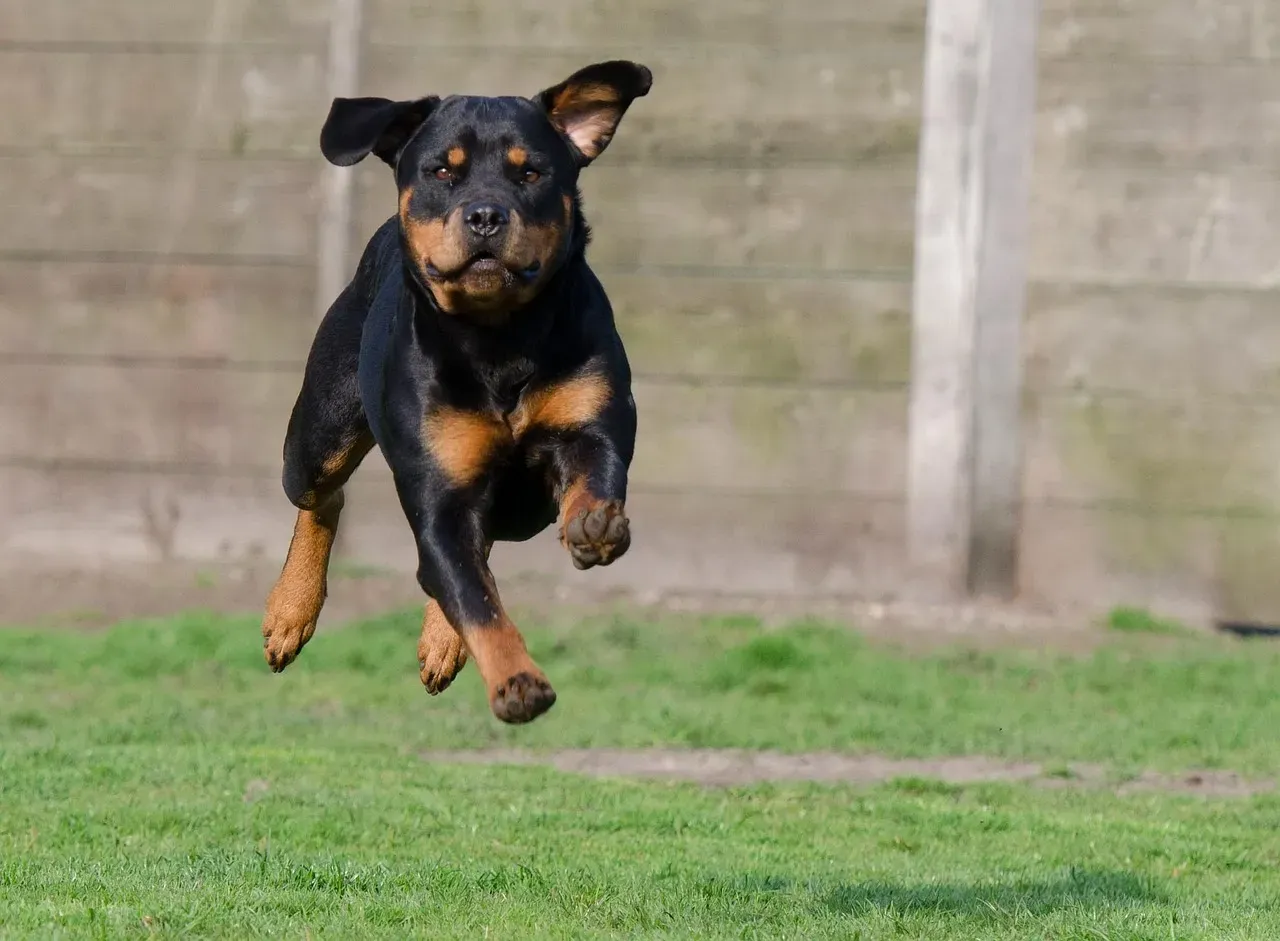
Descended from Roman drover dogs, Rottweilers once marched alongside soldiers, herding livestock with confidence and discipline, and today they’ve traded the battlefield for backyards, but their guardian instincts are very much intact. These powerful, muscular dogs carry a quiet authority that demands respect. However, without consistent training and firm boundaries, that natural protectiveness can tip into overprotectiveness or territorial behavior.
Rottweilers are usually extremely loyal to their owners, especially when properly trained, and the key to training a Rottweiler is early socialization and consistent, firm training, as they can be stubborn and become overly protective if not trained correctly, requiring an owner who understands the importance of establishing clear leadership and boundaries. These aren’t dogs for the faint of heart. They read energy like a book, and if they sense hesitation or inconsistency, they might just decide they’re in charge.
Siberian Husky: The Free Spirit That Tests Your Patience
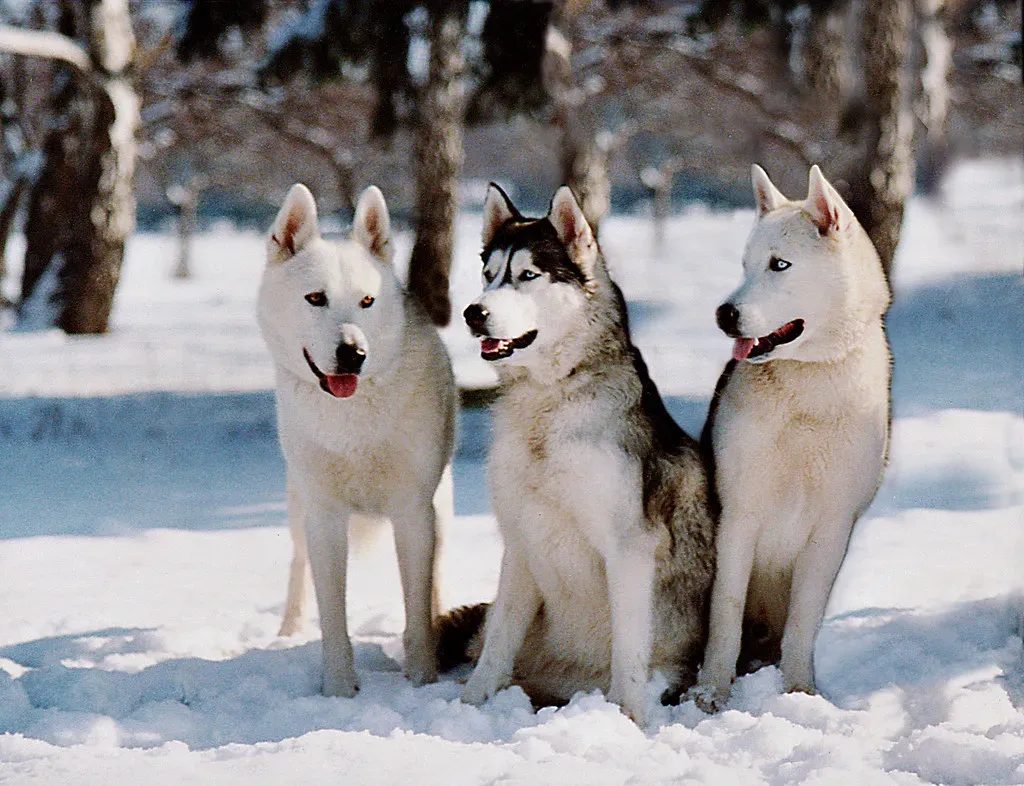
Siberian Huskies were bred for endurance and teamwork, and while their intelligence is admirable, it often translates into selective hearing during training, as they prefer to analyze commands rather than obey them outright, making them better suited to owners who are confident, patient, and experienced with strong-willed breeds, and without firm, consistent leadership, they’ll test boundaries and find creative ways to outsmart their humans. Let’s not sugarcoat it: Huskies can be escape artists with a stubborn streak a mile wide. They were bred to pull sleds across frozen tundra, thinking independently without constant human direction.
This breed’s high energy levels and curiosity demand extensive exercise and mental stimulation, and a bored Husky is a mischievous one, with digging, howling, or even elaborate escape attempts if their needs aren’t met. They’re gorgeous, vocal, and absolutely hilarious, but they need an owner who can match their determination with unwavering consistency. Half-hearted attempts at training? They’ll see right through that.
Akita: The Dignified Protector Who Demands Respect
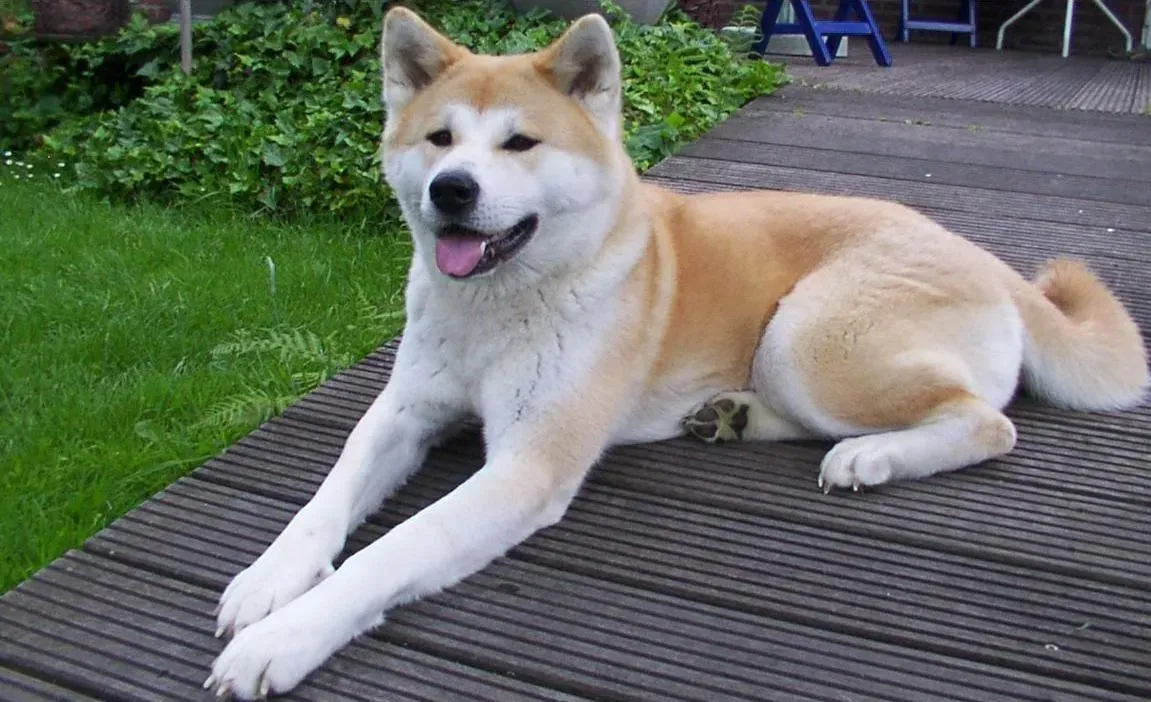
Akitas are strong-willed and fiercely loyal, sometimes translating into a stubborn streak, and they are intelligent but may only sometimes show eagerness to please, making them challenging to train. These dogs were originally bred in Japan to guard royalty and hunt large game like bears. That history created a breed with immense courage, independence, and a natural suspicion of strangers.
Akitas are intelligent, curious, and independent, qualities that can make training a challenge, as they are not the type of dogs who fetch toys to please their owners, taking charge of their own path and demanding respect, so persistence and patience are essential in raising them. Honestly, Akitas don’t do anything halfway. They form intense bonds with their families but can be aloof or reactive with unfamiliar dogs and people. Early socialization isn’t optional – it’s critical.
Chow Chow: The Regal Independent Thinker
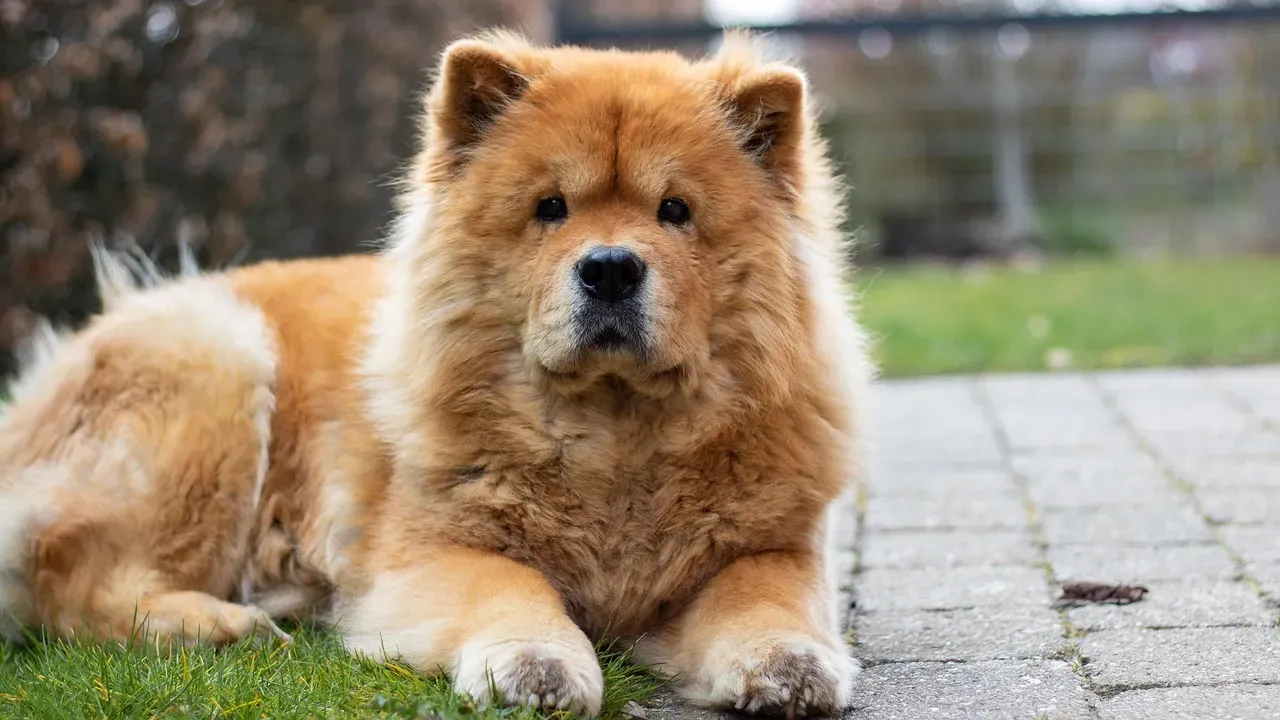
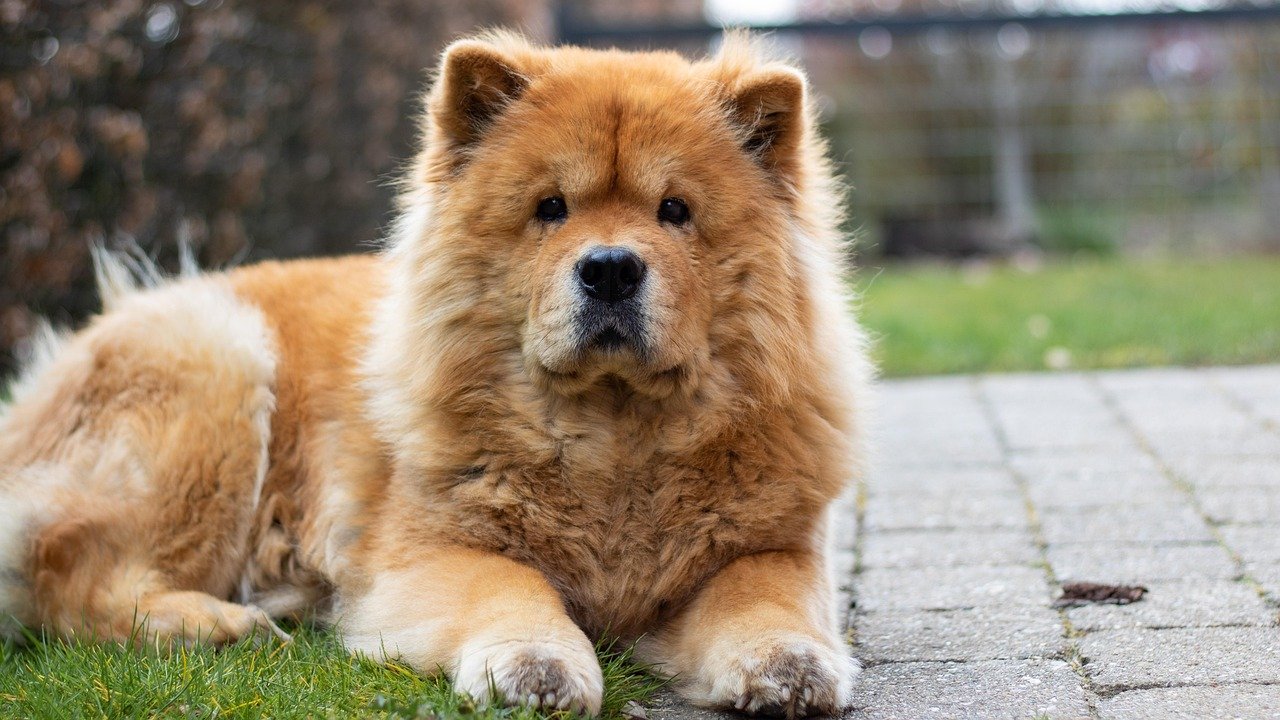
Chow Chows, with their lion-like mane and dignified posture, project an image of cool detachment, and originating from Northern China, these dogs have historically served as guards and hunting companions, known for their strong loyalty toward their families but also for their standoffish demeanor with strangers. Training a Chow requires a careful, deliberate approach because they aren’t wired to blindly obey commands just because you asked nicely.
Chow Chows are naturally reserved and can exhibit stubborn streaks, and their aloof character often leads them to ignore commands unless they see a clear reason to comply, and if they sense timidity or inconsistency in their trainer, they may decide to take the lead themselves, a trait that can grow into dominance issues if not properly addressed. Think of them as furry philosophers who question everything. They need confident leadership and routines they can trust.
Belgian Malinois: The Intense Working Dog Built for a Job
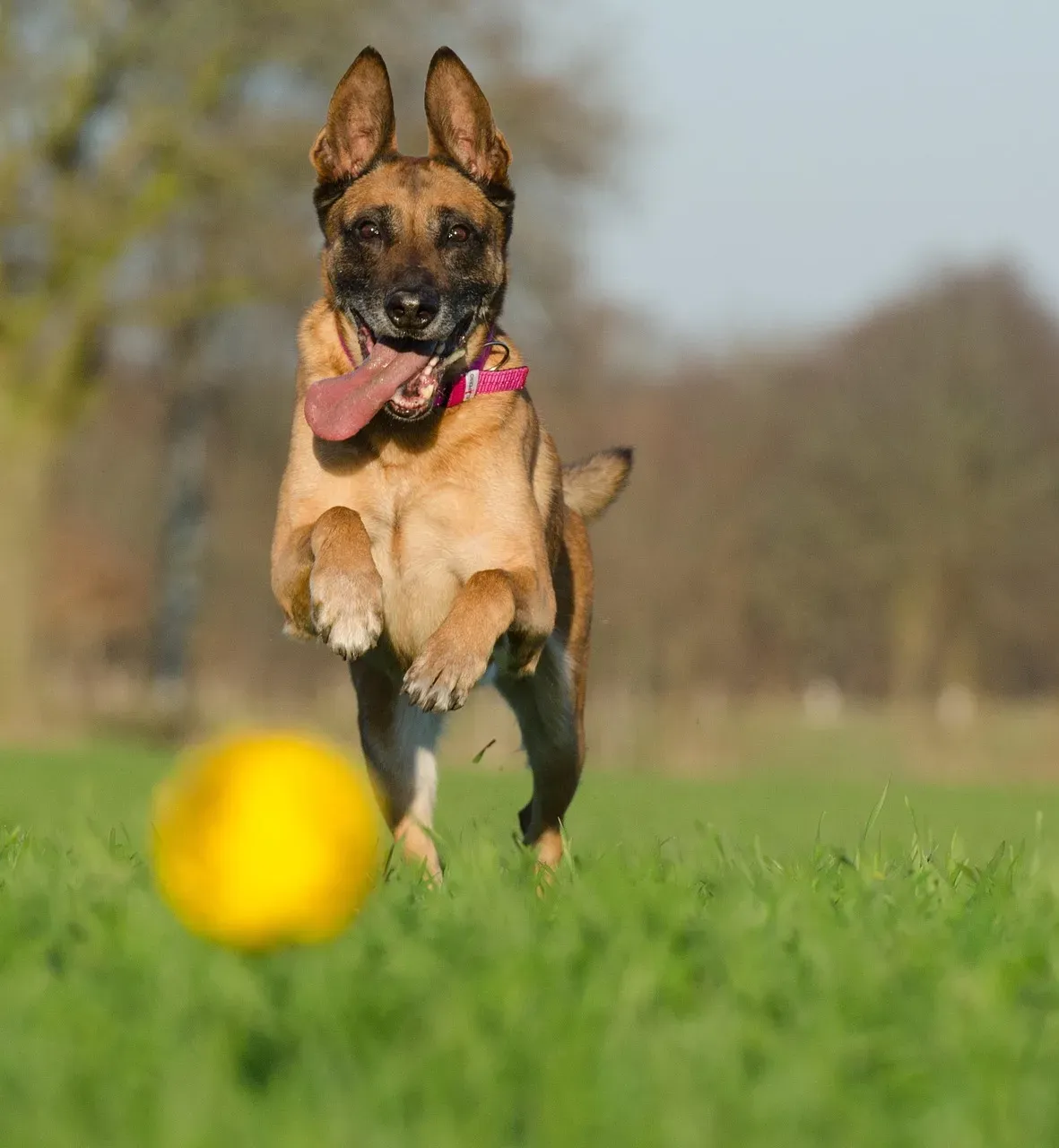
The Belgian Malinois originated in Belgium in the 1800s, and known for its confidence, focus, and stamina, this breed has become a favorite for military and police work worldwide, with its sleek coat and alert expression carried with pride and purpose, but beyond its working strength lies a loyal and high-energy companion that thrives when it has a job to do and a human to bond with. This isn’t a dog you get because you like their looks. These are elite athletes with drive that borders on obsessive.
Malinois need structure, mental stimulation, and physical challenges daily. Without clear rules and an outlet for their energy, they become destructive, anxious, and difficult to manage. They’re brilliant, but that intelligence means they need an equally smart, experienced handler who can stay three steps ahead. If you’re not prepared to commit fully, this breed will overwhelm you fast.
Golden Retriever: The Gentle Soul Who Lives to Please
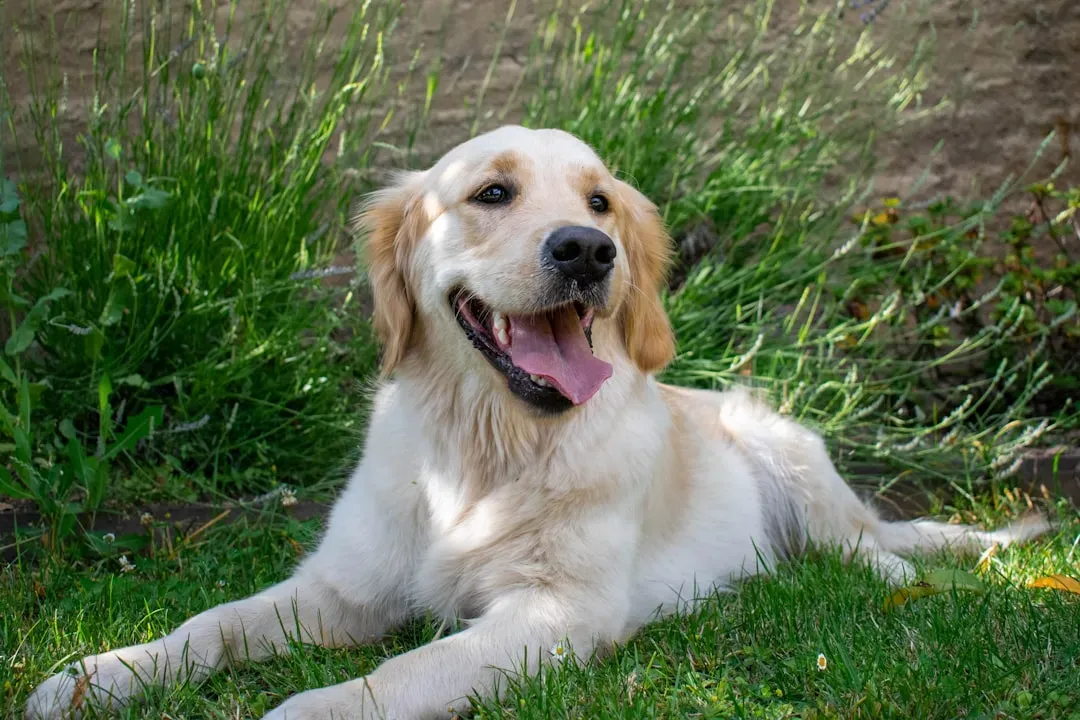
Golden Retrievers are the emotional support department of the dog world, always open, always smiling, and always ready to help, as they’re gentle dogs who seem to sense when you’re off and won’t leave your side until you smile again, and their calm temperament makes them a favorite among families, especially with children or other animals. Honestly, training a Golden feels less like work and more like a joyful partnership. They want nothing more than to see you happy.
Goldens are gentle, affectionate, and highly attuned to the emotions of the humans they love, and they are known as great emotional support animals, offering unconditional love and balance to people facing stress or anxiety, responding best to positive reinforcement and thriving in homes filled with kindness and positive interactions, with regular exercise, grooming, and gentle training helping maintain their well-being and happy spirit. Harsh corrections? Completely unnecessary. A disappointed tone is usually enough to make them rethink their choices.
Cavalier King Charles Spaniel: The Sensitive Companion Who Craves Connection
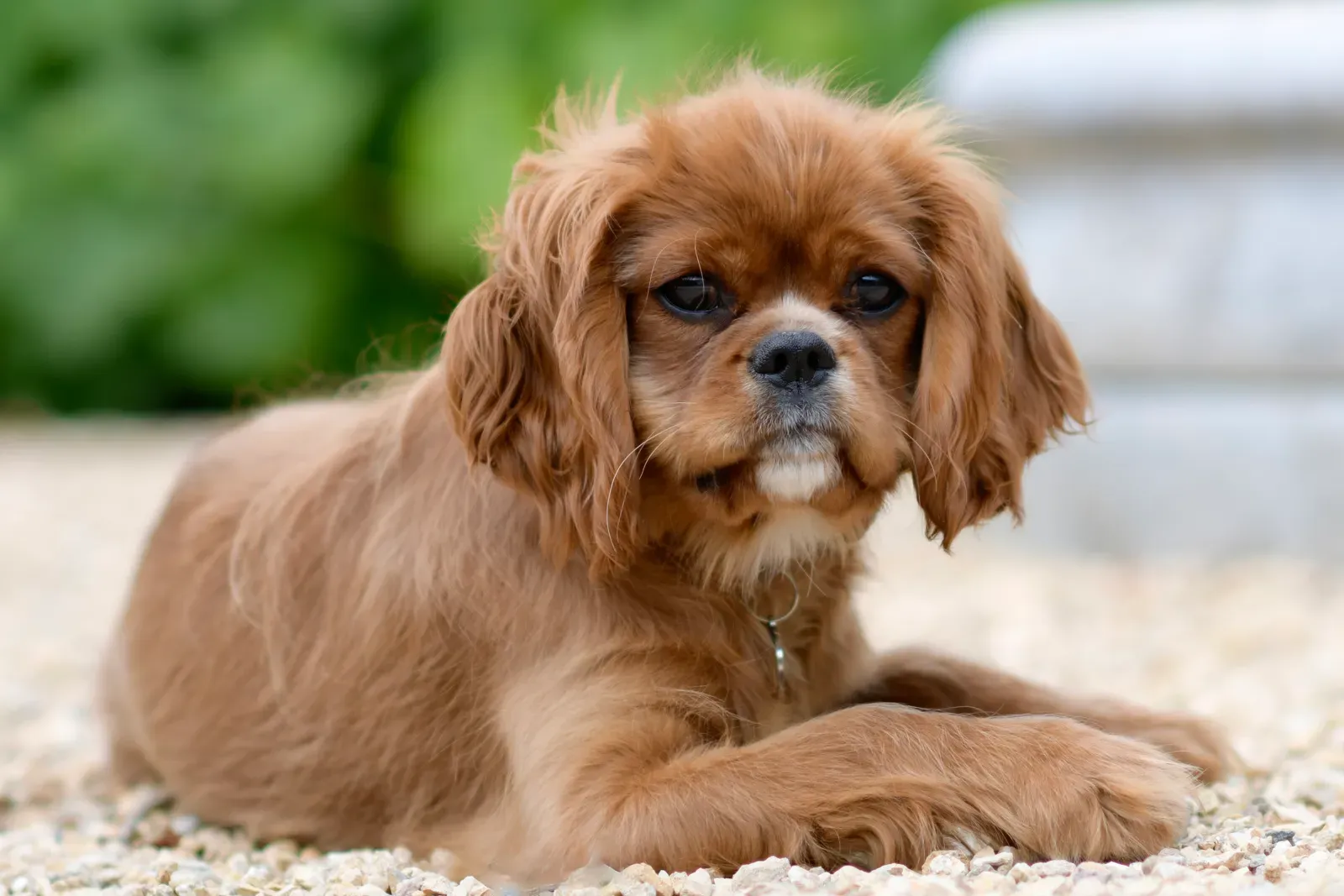
Cavaliers are sensitive to harsh treatment and need kindness, reassurance, and a lap available at all times, and though they’re small, their hearts are huge, as they are highly sensitive and tend to reflect their owners’ emotions, making them ideal for sensitive owners looking for a deeply bonded pet. These little spaniels are Velcro dogs in the truest sense. They shadow you from room to room, wanting nothing more than closeness and affection.
Cavaliers form strong bonds with their owners and stay engaged during training sessions, and with a bit of regular exercise and positive attention, they stay healthy, happy, and well-behaved, as these pups learn almost anything when trained with patience and kindness. Raising your voice? That’s heartbreaking for them. They thrive on soft words, gentle encouragement, and lots of reassurance.
Poodle: The Brilliant Learner Who Responds to Kindness
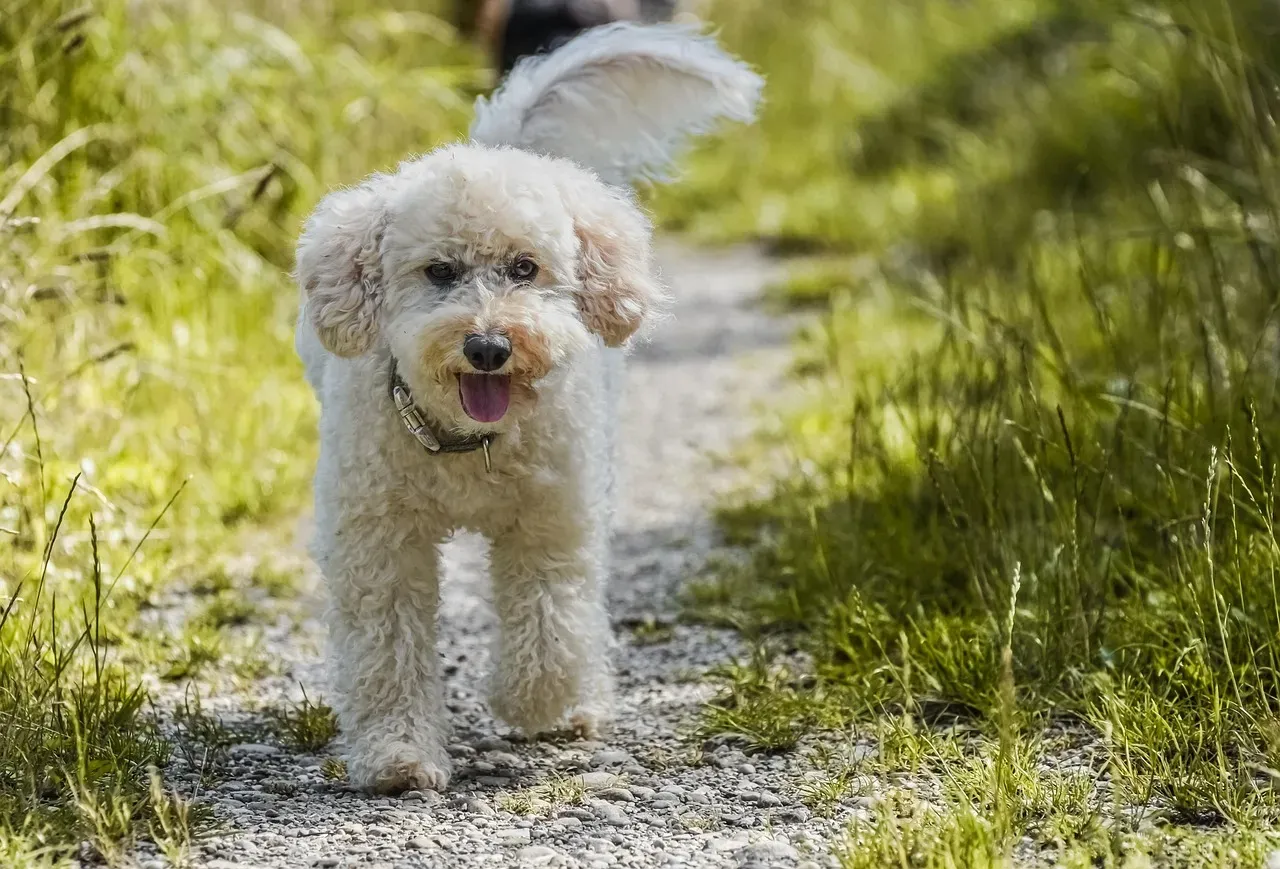
Among the most intelligent and highly sensitive dog breeds, Poodles are famous for their emotional awareness and understanding of their owners’ moods, forming strong bonds with pet parents and responding gently to both joy and sadness, and this sensitive breed is eager to learn, easy to train, and thrives when surrounded by kindness and positive reinforcement. Whether you choose a Toy, Miniature, or Standard, Poodles are wickedly smart and pick up commands with impressive speed.
Their hypoallergenic coats and elegant appearance might suggest high maintenance, but training them is genuinely delightful. Poodles are known for their intelligence, elegance, and emotional sensitivity, and whether you’re feeling down or just need a companion to curl up with, a Poodle will be there, offering comfort and understanding, and their ability to sense their owner’s emotions makes them excellent supportive companions. They don’t need dominance games or heavy-handed techniques – just clear communication and lots of praise.
Labrador Retriever: The Enthusiastic Partner Who Loves Learning
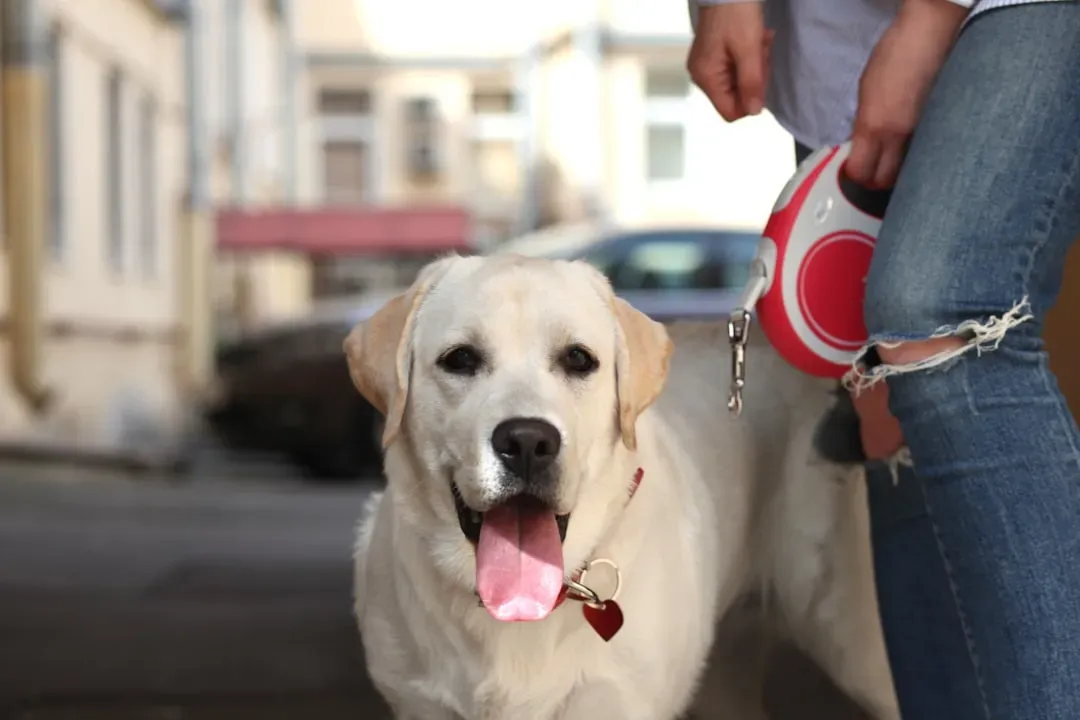
Labradors are fast learners with gentle temperaments, making training not just easy but often a lot of fun, and whether it’s teaching basic commands, agility exercises, or fun games of fetch, a Lab is ready and willing to impress every step of the way, as their enthusiasm is contagious. Labs are the quintessential family dog for good reason. They’re social butterflies who adore children, other dogs, and even friendly strangers.
Their high intelligence and willingness to please make Labrador Retrievers great hunters on the field, ideal companions at home, excellent service dogs to help guide the blind, and successful search-and-rescue partners, as these gregarious dogs love just about everyone, though they are highly trainable but can be a bit pushy with their affection. Training a Lab is pure joy. They respond beautifully to positive reinforcement, and their food motivation makes teaching new skills almost effortless.
Bichon Frise: The Cheerful Little Charmer Who Needs Gentle Encouragement
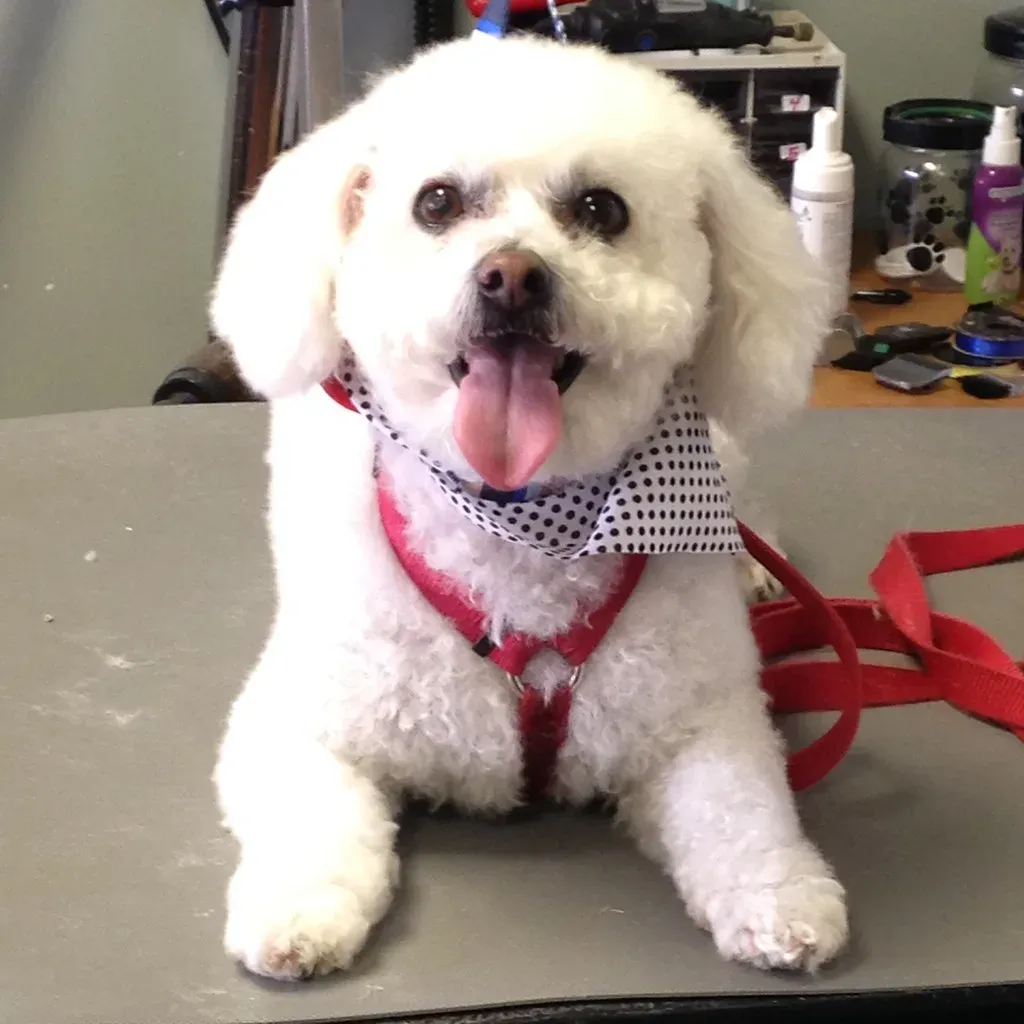
The Bichon Frise is a small, charming breed known for its caring nature and strong emotional connection with its owners, as these dogs are highly attuned to their human companions and can quickly sense when something is off, offering comfort with their gentle demeanor, and their sensitive nature makes them great for people looking for a dog that can provide emotional support. These fluffy little clouds of joy are social, affectionate, and surprisingly intuitive.
They excel at obedience training when approached with patience and rewards. Bichons don’t need a firm hand – they need encouragement, playtime, and lots of positive interactions. Their small size and adaptable nature make them perfect for apartments or families seeking a low-key companion who still brings plenty of personality to the table.
Conclusion: Understanding Your Dog’s Unique Needs
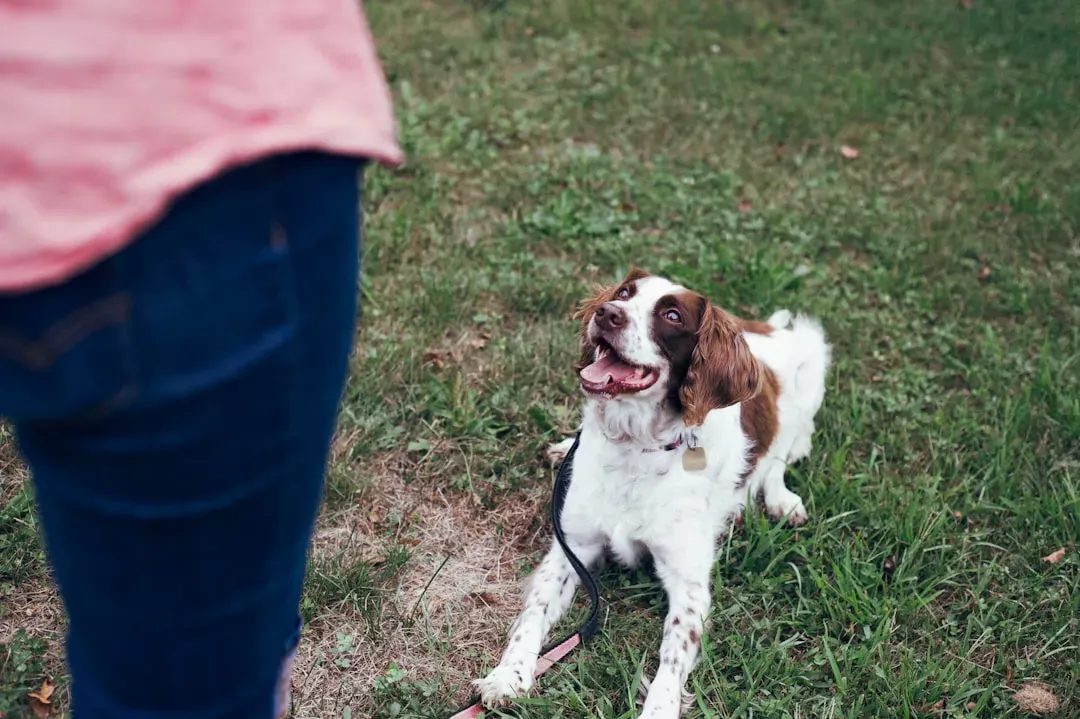
Here’s the truth: there’s no universal training manual that works for every dog. Some breeds are hardwired for independence, bred over generations to make decisions without human input. They need confident, consistent leadership to feel secure and well-behaved. Others are emotionally tuned to their humans, thriving on gentle guidance, soft voices, and positive reinforcement. Neither approach is wrong – it’s about matching your style to your dog’s temperament.
If you’re considering bringing a dog into your life, do your research. Ask yourself honestly what kind of owner you’ll be. Are you patient and nurturing, or do you have the confidence and consistency required for a strong-willed breed? The most important thing is creating a relationship built on trust, respect, and understanding.
So, which type of dog do you see yourself with – a confident guardian who challenges you to be your best, or a gentle soul who just wants to make you smile? What’s your training style?


