

Picture this: You call your dog’s name during a walk, and they glance back with what can only be described as a smirk before trotting off in the opposite direction. Or maybe you’ve experienced the flip side, where your pup anticipates your every move, waiting patiently by your side, ready to please. The truth is, not all dogs are created equal when it comes to trainability and temperament. Some breeds will have you laughing through the chaos while others offer a calming, joyful presence that makes every day brighter.
Let’s be real, choosing the right breed can make or break your experience as a dog parent. If you’re considering bringing home a four-legged companion, it helps to know what you’re signing up for. So buckle up as we explore the breeds that might push your buttons and those that’ll melt your heart without the headaches.
The Siberian Husky: Beautiful But Wildly Independent
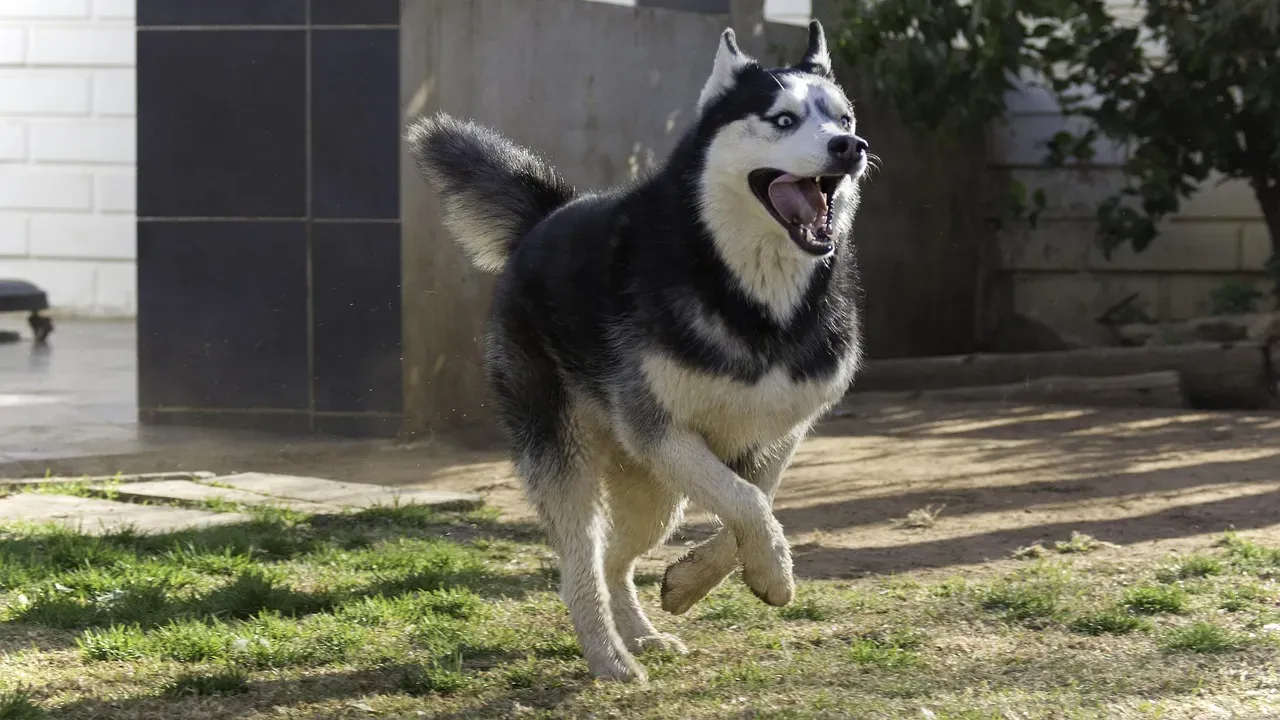
Siberian Huskies are intelligent and independent, which can make training a challenge as they need loads of exercise and mental stimulation to prevent boredom and destructive behavior. These stunning dogs have earned a reputation as escape artists with vocal personalities that include howling at all hours. Their strong prey drive means cats and small animals might not be safe housemates.
Don’t let those derpy faces fool you, huskies are full of mischief. They were bred to pull sleds across frozen tundra, making independent decisions without constant human guidance. That same independence translates to a dog who questions why they should listen to you when there’s a squirrel three blocks away that needs investigating.
Training a Husky requires more than treats and praise. You’ll need consistent boundaries, high fences, and honestly, the patience of a saint. Still, for experienced owners who appreciate a challenge and have an active lifestyle, these goofy, loving dogs can become devoted companions.
The Beagle: Nose-Driven and Selectively Deaf
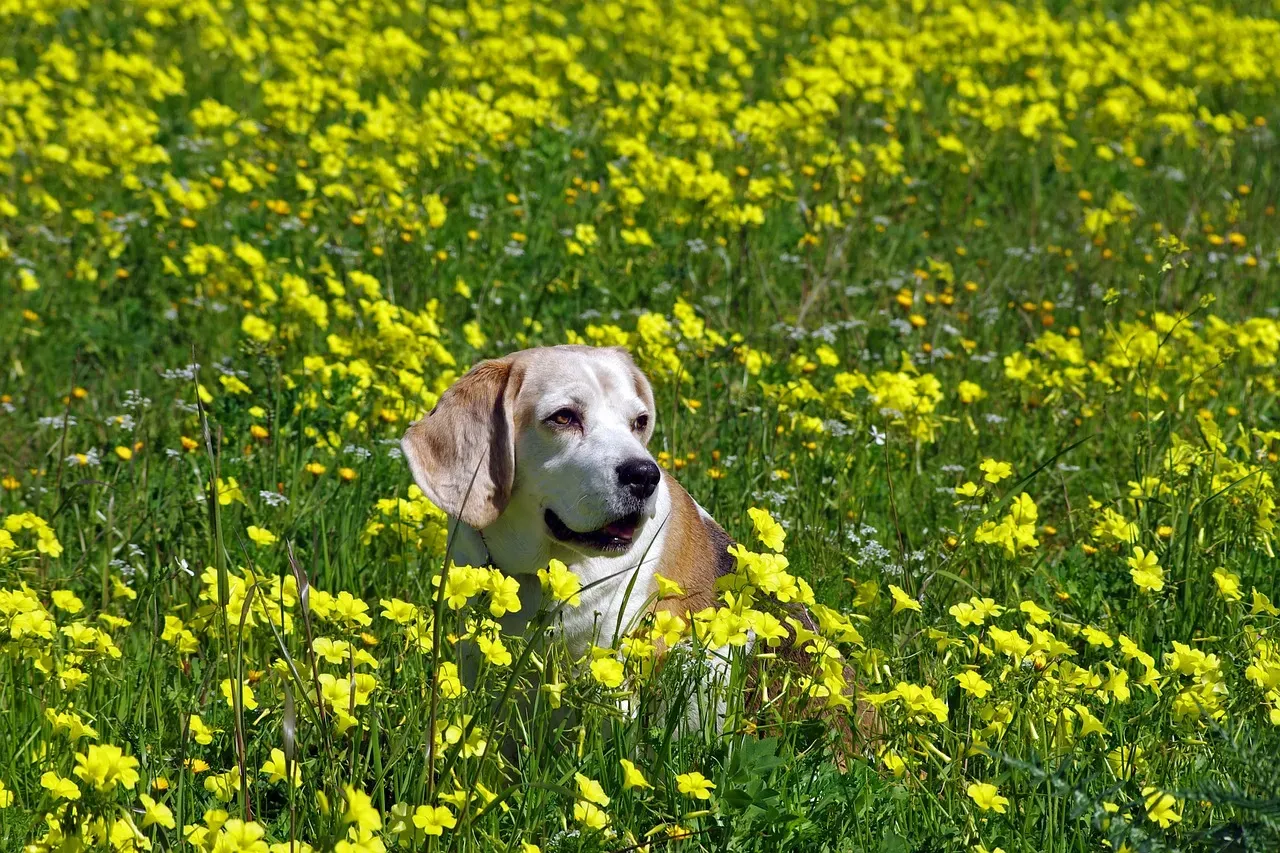
The Beagle has a nose for everything as their exceptional sense of smell often leads them to be easily distracted by scents, making training a challenge. Once they catch a whiff of something interesting, your voice becomes background noise. I know it sounds frustrating, but that’s exactly what they were bred to do: follow scent trails relentlessly.
Bred for scent tracking, they’ll follow their noses over your voice any day, and their stubbornness combined with a laid-back nature means dog owners need lots of patience. Housebreaking can take longer than other breeds, and recall training outdoors becomes an Olympic-level challenge. Yet their friendly disposition with strangers and other dogs makes them wonderfully social companions.
The key with Beagles? Food motivation is your best friend. Thankfully, they’re extremely treat-driven, so stock up on high-value rewards. Keep training sessions short and engaging, because boredom is the enemy with this breed.
The Afghan Hound: Aloof Elegance With a Stubborn Streak
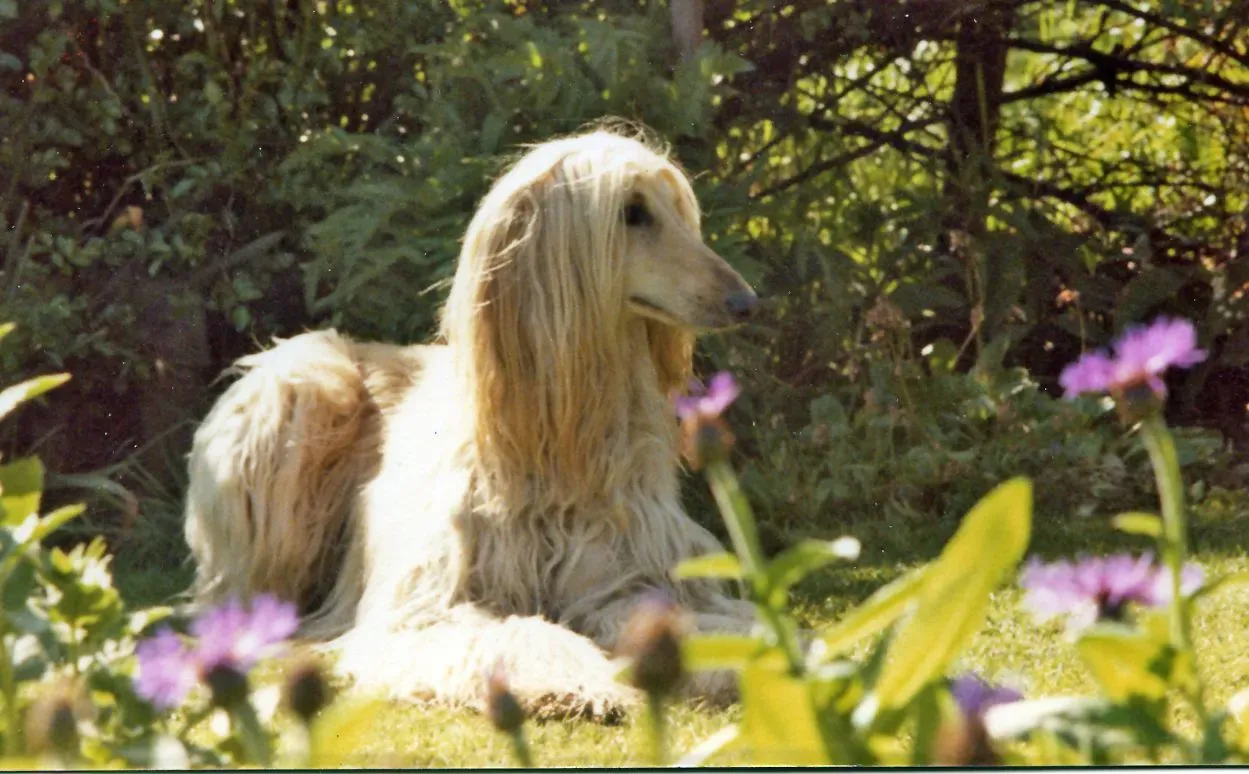
With its elegant appearance and aloof demeanor, the Afghan Hound is a classic stubborn breed originally bred for hunting with a strong independent streak. These dogs look like they belong on a fashion runway, and perhaps they know it. Their regal bearing comes with a sense of independence that can feel like indifference during training sessions.
Their lightning-fast reflexes and powerful prey drive mean once they spot movement, their instincts kick in, making recall training nearly impossible without early and consistent reinforcement. Afghan Hounds require patience, gentle handling, and an understanding that harsh corrections will backfire. They’re sensitive souls despite their seemingly distant nature.
Here’s the thing: training an Afghan isn’t about dominance or forcing compliance. It’s about building a relationship based on mutual respect and finding what motivates them beyond the usual treats and toys. If you can crack that code, you’ll discover a deeply loyal companion beneath that silky coat.
The Basenji: The Cat-Like “Barkless” Challenge
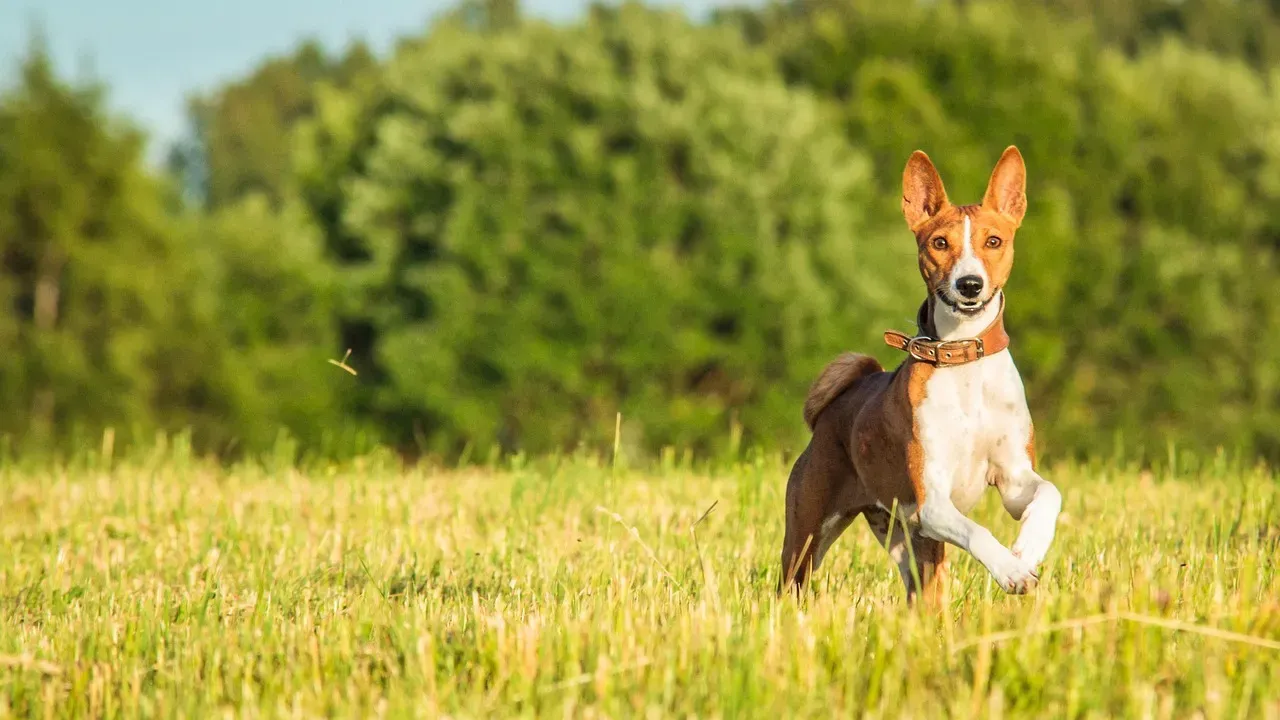
Basenjis are known for their cat-like personalities, being both independent and intelligent, and this breed is notoriously difficult to train due to their stubborn nature. They’re curious, easily bored, and require creative training techniques to keep them engaged. Think puzzle toys, scent games, and constantly switching up your approach.
Despite being a hound, the Basenji doesn’t bark but produces a distinctive yodel-like sound known as a “baroo”. They’re also meticulous self-groomers, spending considerable time on personal hygiene. Their high prey drive and curiosity can easily override recall commands, especially in stimulating environments.
Consistency is critical with Basenjis, along with early socialization. They bond deeply with one primary trainer, so whoever takes on that role needs to commit fully. These aren’t beginner dogs, but for someone who appreciates their unique personality, Basenjis offer fierce loyalty and endless entertainment.
The Jack Russell Terrier: Tiny Tornado of Tenacity
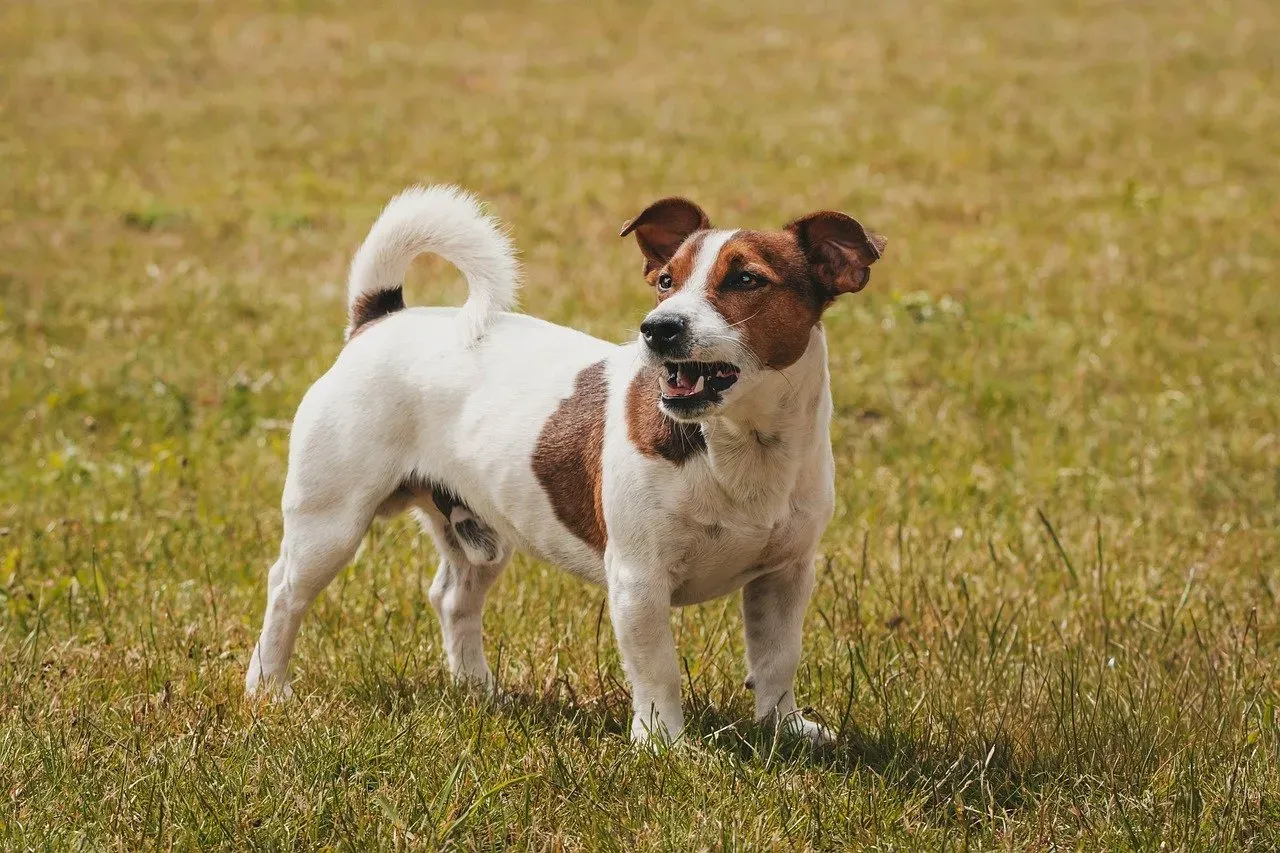
These energetic terrier breeds are as clever as they are stubborn, bred to hunt small prey like foxes, so it’s no surprise they often act like they’re on their own mission. Jack Russells pack enormous personality into a small frame. Their fearless nature and boundless energy mean they need structured routines and plenty of exercise to channel that intensity.
These little dynamos can be nippy around feet due to their herding instincts and may not be the best choice for households with very young children. Training requires firmness without harshness, and honestly, a sense of humor helps. They’re going to outsmart you sometimes, and that’s just part of the package.
Yet for all their challenges, Jack Russells are incredibly devoted to their families. They thrive when given jobs to do, whether that’s agility training, puzzle toys, or interactive games. Keep them mentally stimulated, and you’ll have a loyal sidekick who brings constant entertainment.
The Labrador Retriever: America’s Sweetheart for Good Reason
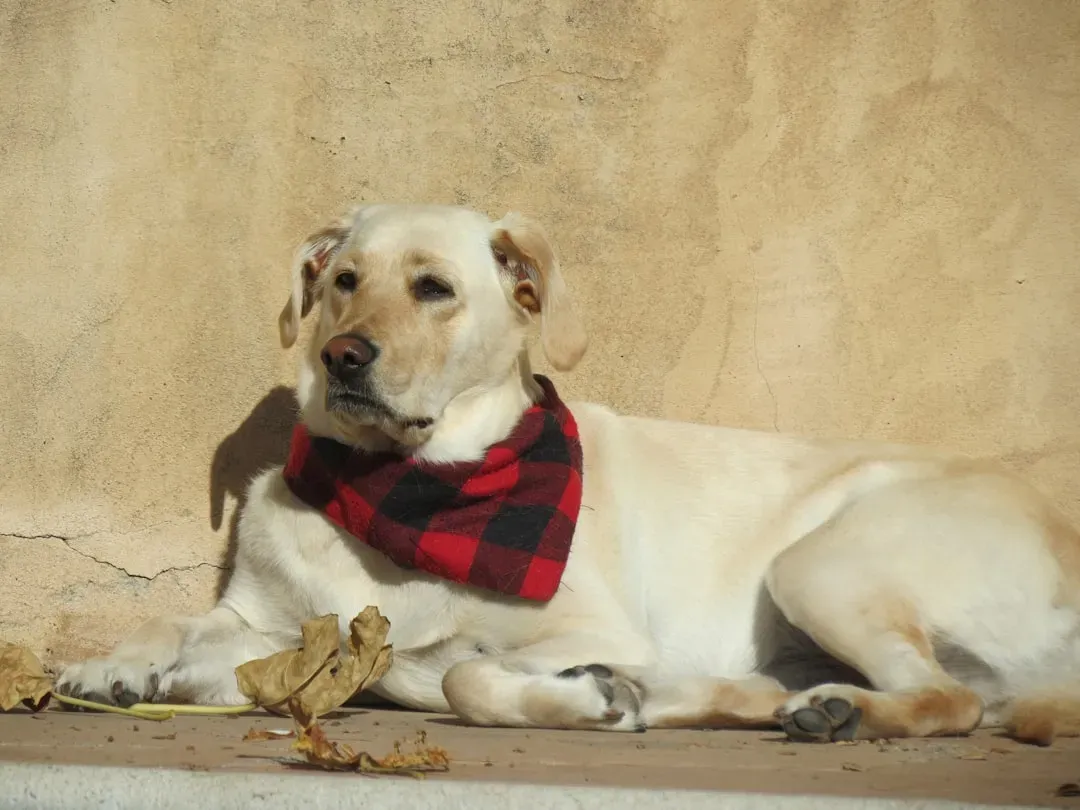
Known for their gentle temperament, Labs are friendly, playful, and great with kids, and they love being part of family activities, making training enjoyable even for beginners. There’s a reason Labradors have held the top spot in popularity for decades. Their eager-to-please attitude combined with intelligence makes them incredibly trainable.
Labs are dependable and social pups who are highly trainable and like to run and play. They’ll happily participate in whatever activity you have planned, whether that’s fetching balls at the park, swimming, or simply lounging on the couch after a good workout. Their patience with children is legendary.
Sure, they have high energy levels and need daily exercise, but that energy comes with enthusiasm rather than defiance. Labs want to make you happy, and that fundamental trait makes all the difference. They’re forgiving of training mistakes and bounce back quickly, making them perfect for first-time dog owners.
The Golden Retriever: Gentle Giants of Pure Love
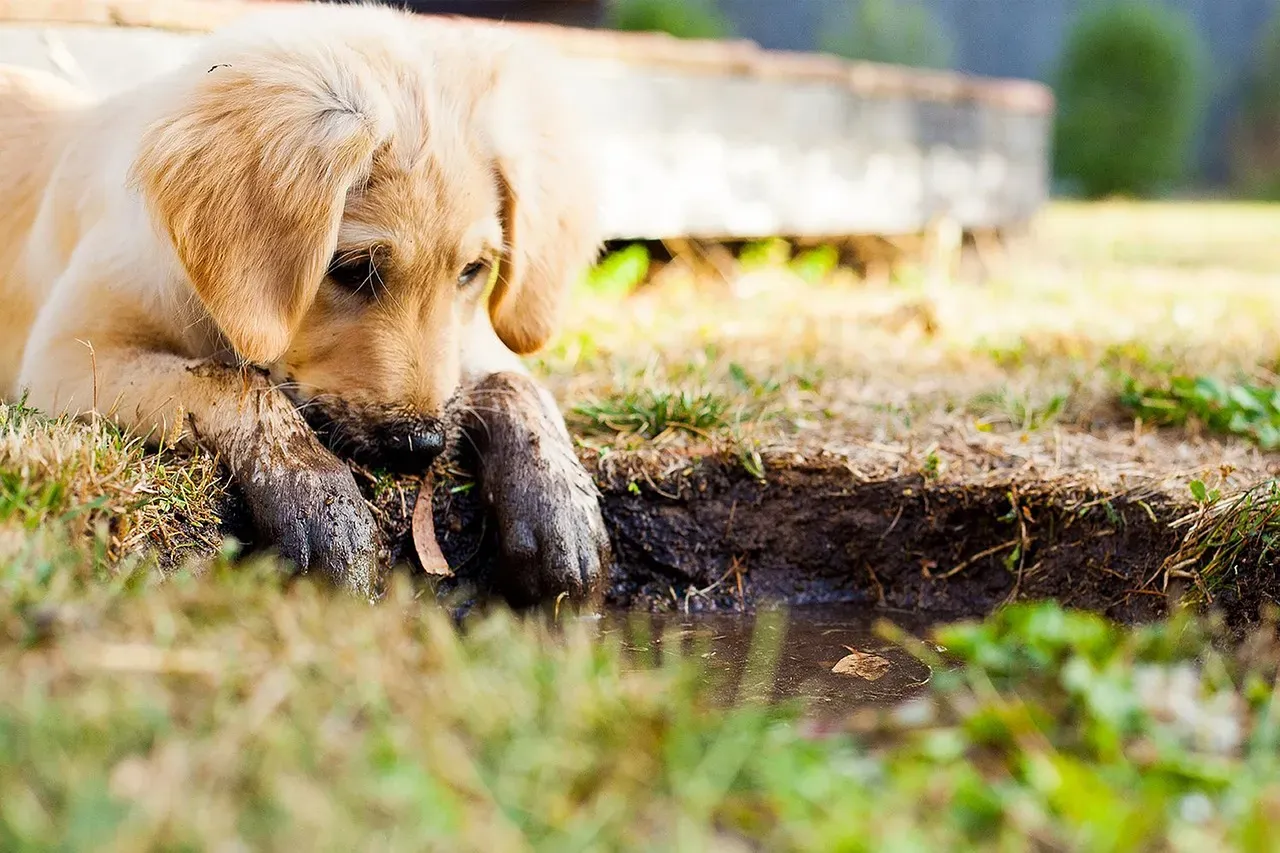
Calm, gentle, and endlessly affectionate, Golden Retrievers are the definition of a family dog as they’re intelligent, patient, and thrive when they’re part of the action. If Labs are America’s sweetheart, Golden Retrievers are the warm hug everyone needs. Their temperament is incredibly stable and predictable.
They are easy-going, affectionate and playful, but gentle with children, making them an ideal family dog. Goldens excel not just as family pets but as therapy dogs and service animals because of their empathetic nature and willingness to work. Training them feels less like work and more like bonding time.
These dogs genuinely enjoy learning new things and rarely show the stubborn streak that plagues challenging breeds. They’re quick learners who respond beautifully to positive reinforcement. Yes, they shed heavily and need regular grooming, but most owners agree the love they give back makes a little fur on the furniture totally worth it.
The Cavalier King Charles Spaniel: Lapdog Perfection
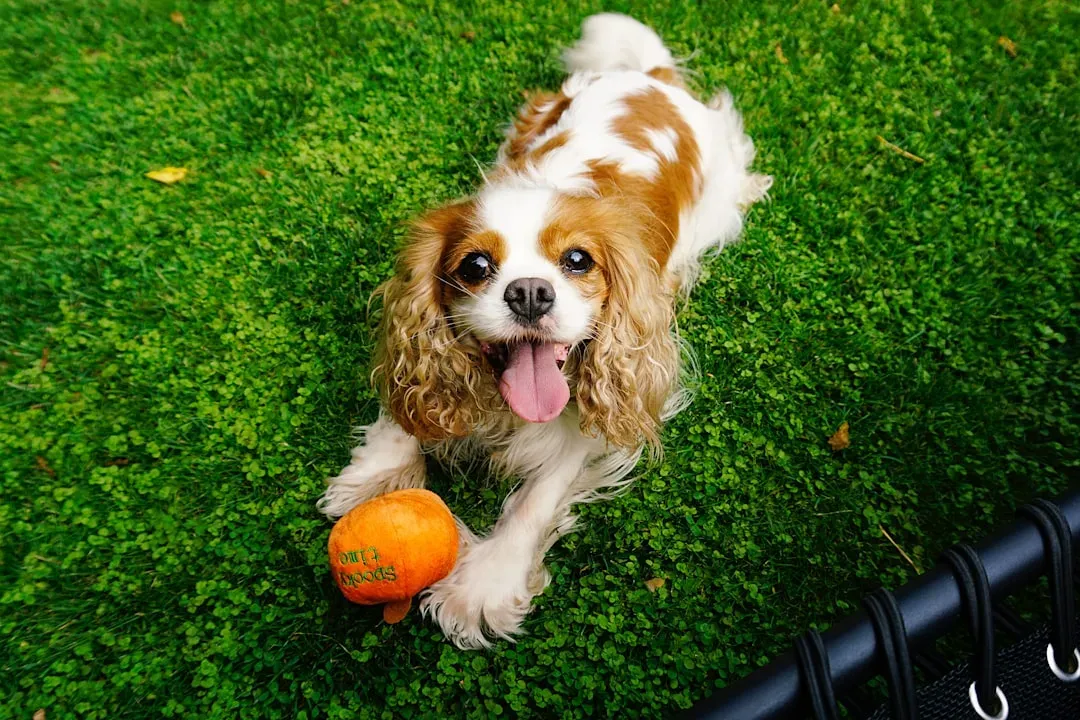
The Cavalier King Charles Spaniel is the definition of a companion dog with their soulful eyes and gentle nature, forming incredibly strong bonds with their families and famously good with children. These little spaniels are adaptable, affectionate, and just as happy cuddling on the sofa as playing fetch in the living room.
Their eagerness to please makes them a joy to train as Cavaliers learn quickly and don’t require intense exercise. They’re ideal for apartment living and do wonderfully with first-time dog owners. Their sweet, gentle temperament makes training straightforward and stress-free.
Cavaliers thrive on human companionship and don’t do well when left alone for long periods. They want to be wherever you are, soaking up attention and offering unconditional love in return. For families seeking a calm, trainable breed that’s wonderful with kids, you really can’t go wrong here.
The Poodle: Brains, Beauty, and Trainability
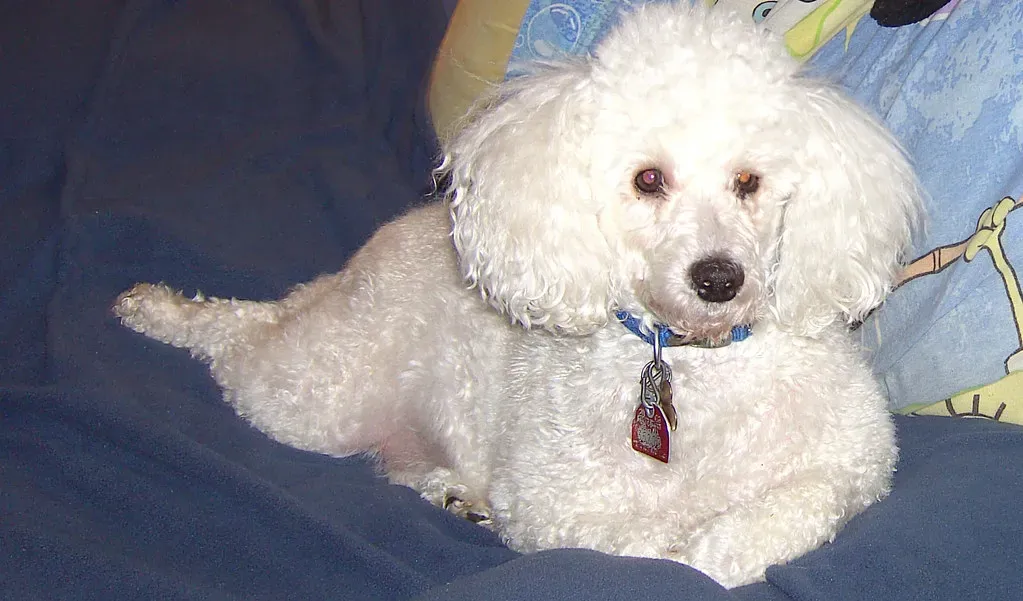
Known for their remarkable intelligence, Poodles are quick learners who love mental stimulation, and their hypoallergenic coat sheds very little, making them excellent for households with allergy concerns. Whether you choose Standard, Miniature, or Toy, you’re getting one of the smartest breeds around. Their intelligence translates directly to trainability.
Poodles excel in obedience, agility, and just about any canine sport you throw at them. They’re eager to please and genuinely enjoy the mental challenge of learning new commands. Their silly, kids-at-heart personality fits beautifully into family environments without the stubbornness that comes with some other intelligent breeds.
The grooming requirements are real, though. That gorgeous coat needs regular professional maintenance. Still, for families who can handle the grooming schedule, Poodles offer joyful companionship, impressive trainability, and hypoallergenic benefits that few other breeds can match.
The Newfoundland: Gentle Giants With Nanny Hearts
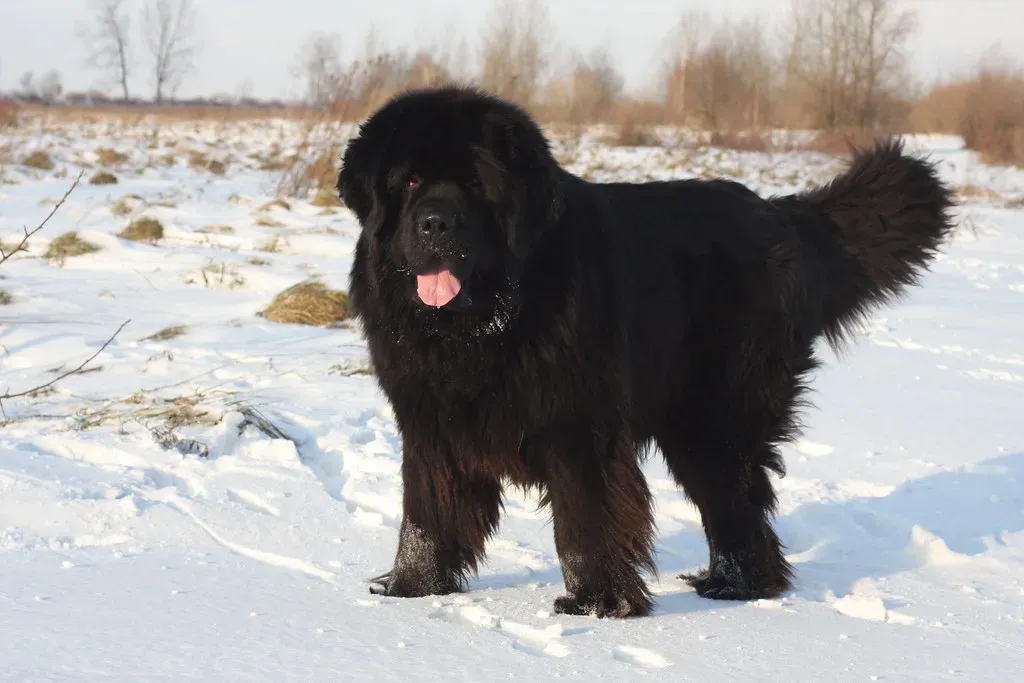
Newfies are 100-plus pounds of fur and drool, but people who are fans of the breed love the affectionate and good-natured temperament as they love kids and are easy to train. These massive dogs are incredibly gentle and patient, earning them the nickname “nanny dogs.” Their calm demeanor around children is remarkable.
Newfoundlands are a giant and gentle breed known for their incredible strength, sweet temperament, and excellent swimming abilities, originally bred to work alongside fishermen. That calm, stoic demeanor necessary for rescue work carries through to modern descendants. They’re naturally protective without being aggressive.
Despite their size, Newfoundlands are surprisingly easy to train. They’re sensitive to their owners’ emotions and respond well to gentle guidance. Sure, they drool and shed, and you’ll need space for a dog this large, but their devotion to family members, especially children, makes them absolute treasures in the right home.
Conclusion: Finding Your Perfect Match
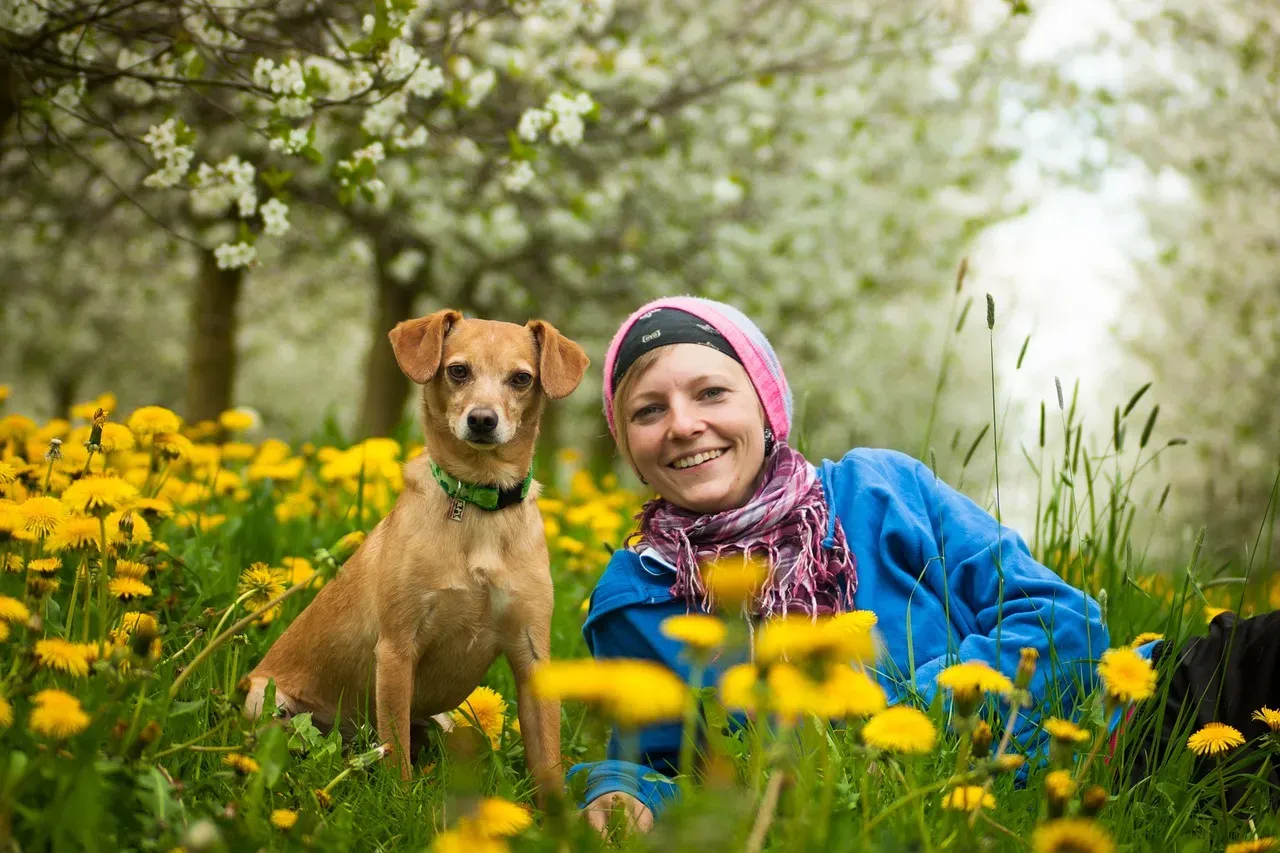
Choosing between challenging and easygoing breeds isn’t about finding the “best” dog. It’s about honest self-assessment. Do you have experience, time, and patience for a strong-willed breed that needs creative training approaches? Or would you prefer a companion whose natural inclination is to please and cooperate?
The challenging breeds aren’t bad dogs, they’re just dogs with specific traits that require experienced, committed owners. When properly trained and understood, breeds like Huskies and Basenjis become fiercely loyal companions who offer unique personalities and deep bonds.
Meanwhile, the joyful breeds bring immediate gratification, making them perfect for families, first-time owners, or anyone seeking that classic, heartwarming dog-human relationship. They forgive mistakes, adapt easily, and genuinely want to make you happy.
Whichever path you choose, remember that individual personality matters as much as breed. Spend time with dogs before committing, ask questions, and be honest about your lifestyle. The right match is out there waiting for you. What kind of dog parent do you want to be?


