

Ever wonder how your dog seems to know when someone’s at the door before you hear a thing? Or how they sniff out that treat you hid in your coat pocket from across the room? Dogs live in a sensory world we can barely imagine. While we rely heavily on sight, our canine companions navigate through life using a spectacular combination of senses that put ours to shame.
Here’s the thing: not all dogs experience the world the same way. Some breeds have been refined over centuries, selectively bred to maximize specific sensory talents. Science has finally caught up to what dog lovers have known all along. These remarkable animals possess abilities that border on the extraordinary.
The Bloodhound: Nature’s Most Powerful Nose
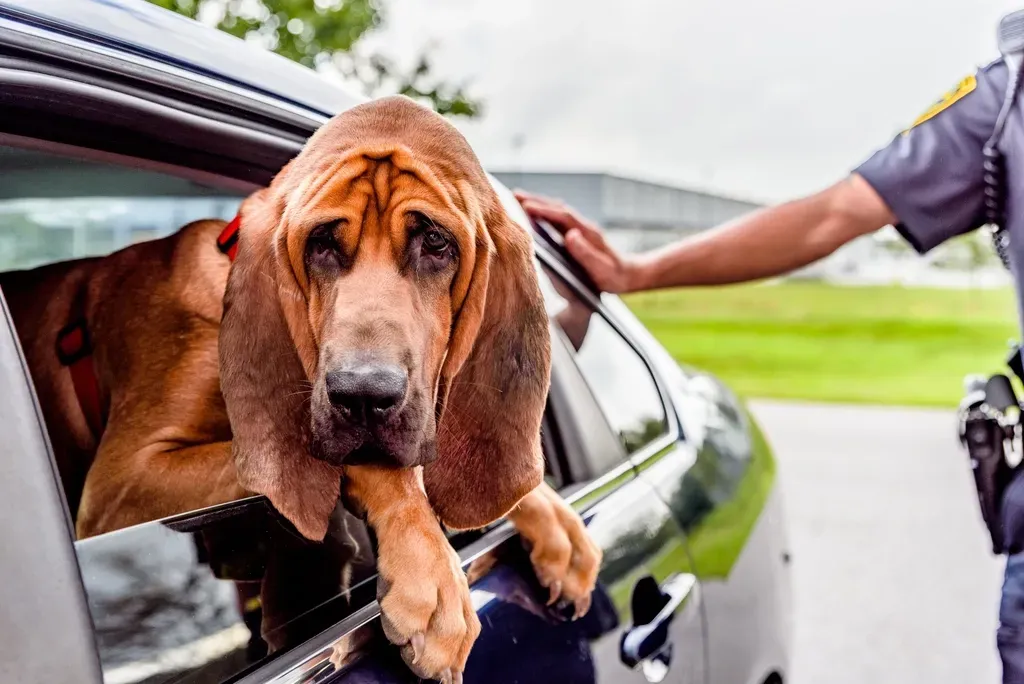
The Bloodhound possesses a sense of smell that can be up to 100 million times as sensitive as a human’s, with roughly 300 million scent receptors. Imagine being able to detect a single drop of blood in five quarts of water. That’s the kind of olfactory power we’re talking about.
Those droopy ears and wrinkled skin aren’t just for looks. They help trap scent particles and sweep them into the nostril area. Bloodhounds have been known to stick to a trail for more than 130 miles, a testament to their relentless determination once they lock onto a scent.
What makes this even more remarkable is that the bloodhound is so adept at scent tracking its trailing results is admissible evidence in a court of law. Their powerful noses can track scents that are up to 12 days old, navigating through contamination from other odors with precision that still baffles scientists.
When a Bloodhound picks up a scent, their entire world shifts. Once the bloodhound identifies the trail, it will not divert its attention despite being assailed by a multitude of other odors, only relenting when the dog finds the source of the scent or reaches the end of the trail.
The Beagle: Speed and Accuracy Combined
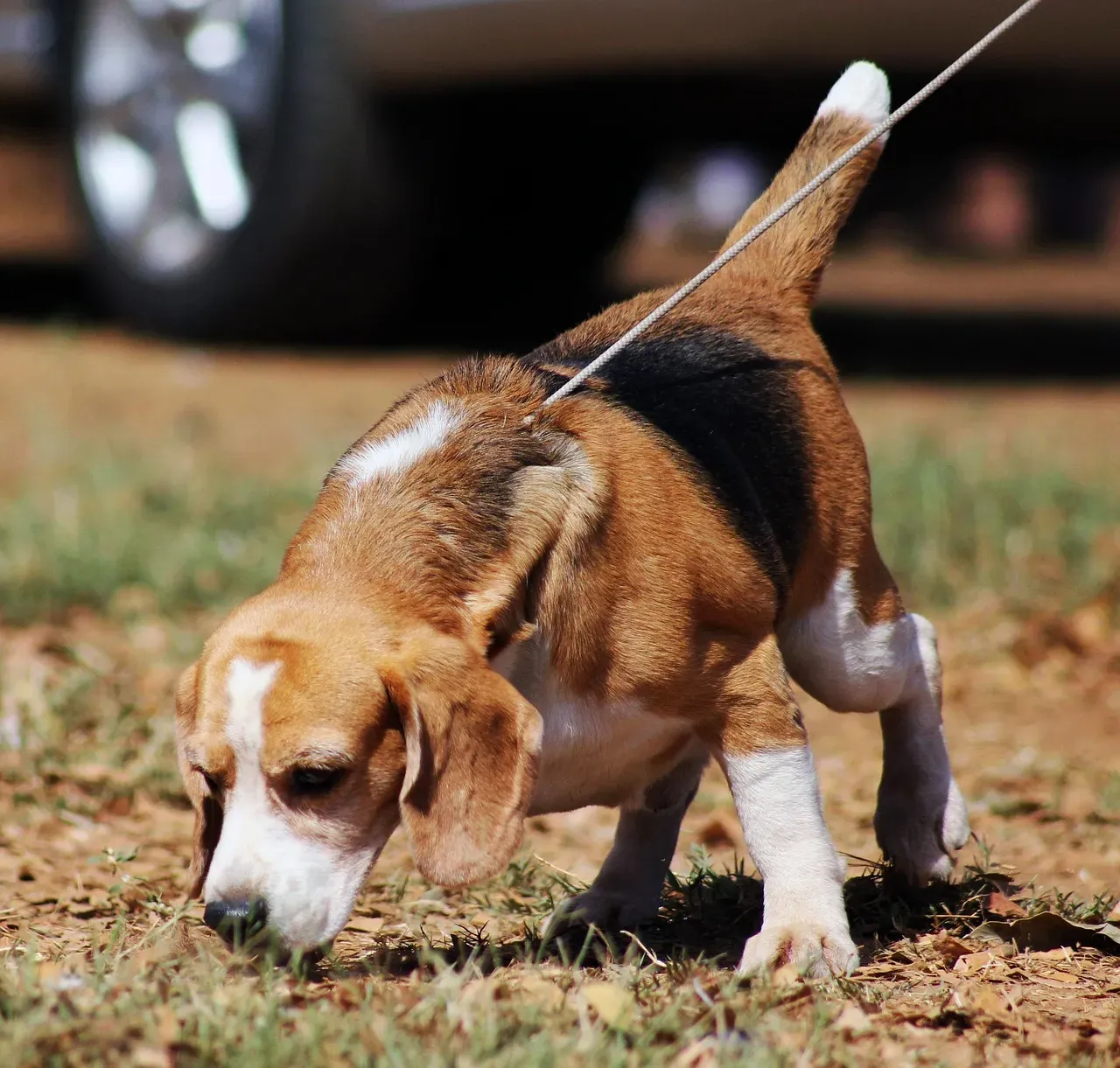
Don’t let their compact size fool you. Beagles have just as many scent receptors as the German Shepherd, roughly 225 million. Recent research reveals something unexpected: Beagles found hidden food quicker than border collies, basset/bloodhounds, golden retrievers, Labradors, and cocker spaniels.
The Beagle’s scenting ability makes them popular with the USDA’s Animal and Plant Health Inspection Service, which employs the dogs to detect contraband in airports, with Beagles who have been on the job for a while achieving a 90 percent success rate and recognizing nearly 50 distinct odors. That’s better than most airport security equipment.
Their versatility is impressive. These dogs follow both air and ground scent, switching between methods as needed. Think about it: they’re essentially running dual tracking systems simultaneously, something that would require multiple pieces of technology for humans to replicate.
The Beagle’s drive to follow scent is instinctual, bred into them over generations of hunting small game. They work methodically, their noses constantly processing streams of information that create a three-dimensional scent map of their environment.
Border Collie: Vision That Sees Everything
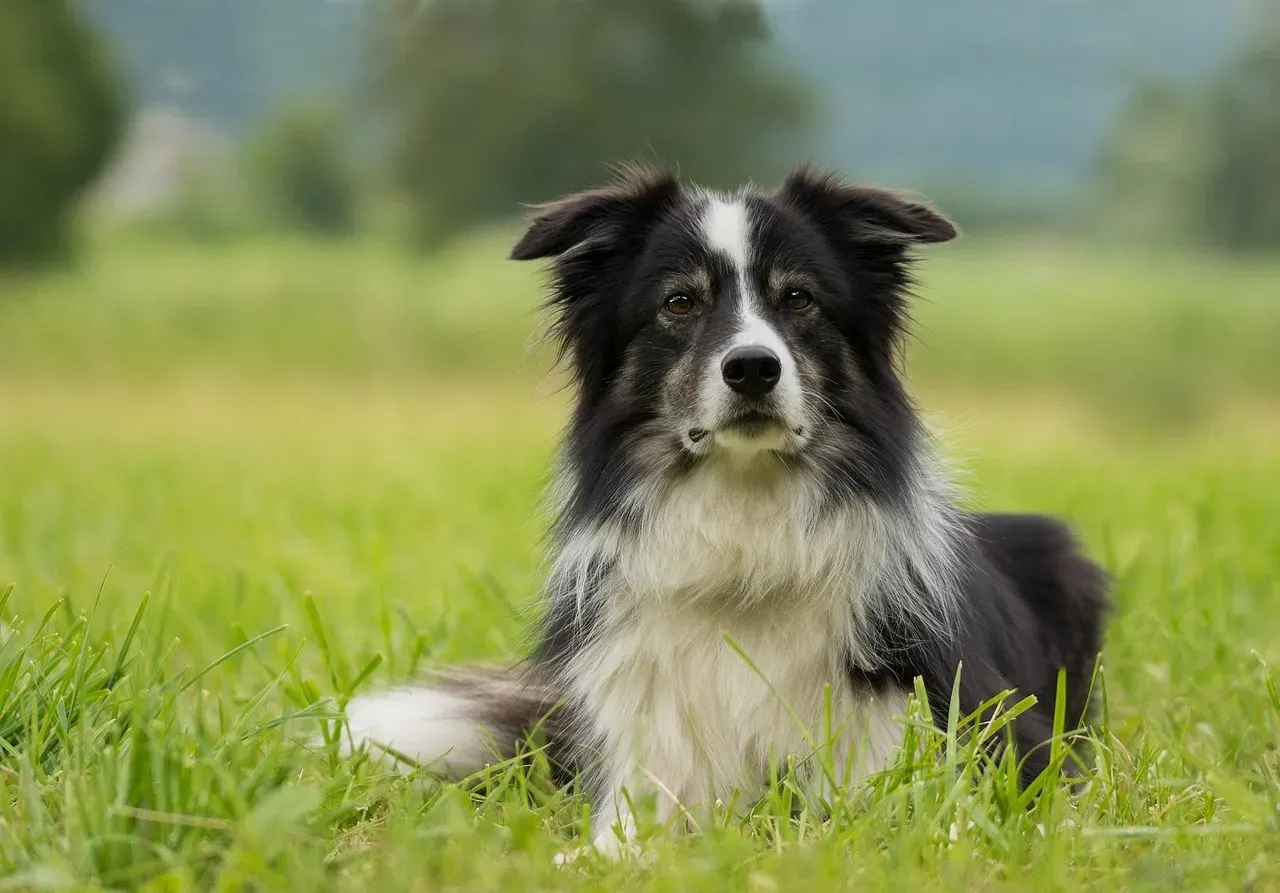
Border Collies have an astonishing 250-degree field of view, compared to the typical human range of 180 degrees. The rods in their eyes are orientated in a more horizontal fashion which means they can detect movement at distances up to 900 meters. That’s more than half a mile away.
What’s fascinating is that Border Collies’ eyes contain a high density of rod cells, which enhances their ability to detect movement, even in low light. This explains their legendary “eye” when herding sheep. They’re not staring intensely to be dramatic; they’re processing visual information at a level humans simply cannot match.
Interestingly, Border collies, selected for herding, reached higher success levels than golden retrievers, Hungarian/German vizslas and basset/bloodhounds, selected for hunting/olfaction tasks. Their superior vision gives them an edge even over breeds selected specifically for scent work.
This visual acuity comes with a tradeoff. With eyes this sensitive to movement it is easy to see how a Border Collie can easily become over stimulated in our busy world. Every flickering shadow, every bird in flight registers as important visual data demanding attention.
The German Shepherd: Multi-Sensory Master
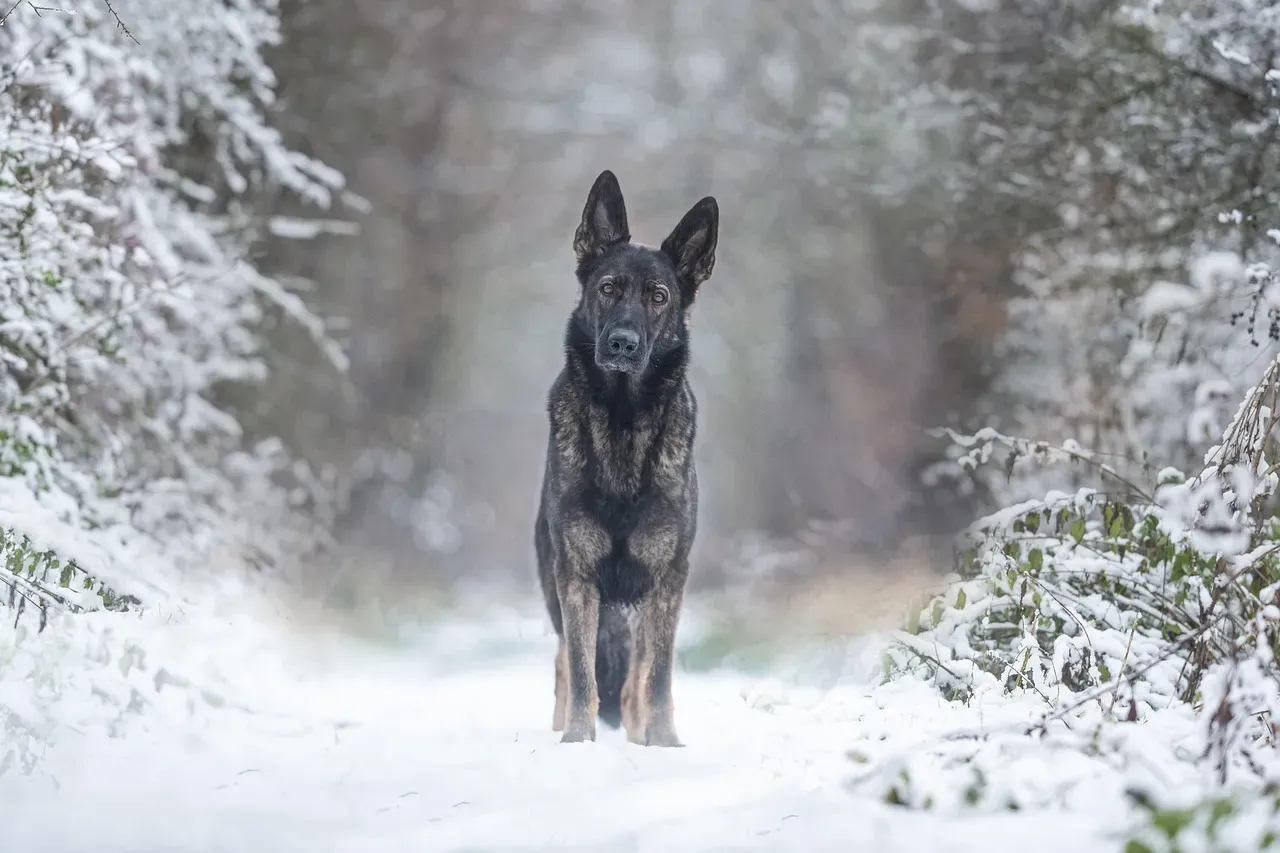
German Shepherds have 225 million scent receptor cells, placing them at the upper end of canine olfactory abilities. They can detect scents over a mile away on land, increasing to up to 10 miles if the wind and conditions are right.
Their hearing is equally impressive. A German Shepherd’s hearing is about 4 to 7 times greater than ours. The huge upright ears of German Shepherds can hear long distances, and this well-known herding breed is said to have 225 million scent receptors in their nose.
Research shows something remarkable about their emotional intelligence. Several recent studies have demonstrated that dogs detect body odors produced in humans under fear and happiness emotions, and these same emotions are reproduced in dogs once they detect them in humans. German Shepherds are particularly adept at this.
The German Shepherd can also follow scent trails that are one week old in the right environmental situations, and the part of the brain which processes smells is almost 40% larger in a German Shepherd than in a human. Their sensory abilities aren’t just physically impressive; their brains are literally structured differently to process this flood of information.
Labrador Retriever: The Disease Detector

Labrador Retrievers excel at all types of detection work because of their noses, and have even been trained to sniff out cancer from patients’ breath. This isn’t folklore. Multiple scientific studies have confirmed dogs can detect specific cancers with accuracy rates that rival medical testing equipment.
The Lab is the most popular breed in the United States and besides being a great companion dog, they are best known for their fine nose, with Labs found working in many scent-related jobs, from arson, drug, and bomb detection to search and rescue. Their versatility is unmatched.
What sets Labs apart isn’t just the physical capability but their temperament. They possess the patience and focus needed for medical detection work, remaining calm while analyzing subtle chemical signatures in breath, urine, or tissue samples. It’s one thing to have the nose; it’s another to have the personality to use it effectively in high-pressure situations.
Their friendly nature makes them ideal for medical settings where a less intimidating presence is crucial. They can work in hospitals, nursing homes, and research facilities without causing distress, all while performing detection work that could save lives.
Understanding and Supporting Your Dog’s Super Senses

Knowing your dog experiences the world so differently should change how you interact with them. That walk you’re rushing through? Your dog is reading an entire novel of scents you’ll never perceive. Those sounds that make them bark at “nothing” are real to them, picked up by ears that hear frequencies we cannot detect.
Here’s what matters: enrichment activities that engage these super senses aren’t luxuries but necessities. Scent work games, visual tracking exercises, and sound desensitization training all help your dog use their natural abilities in healthy ways. A bored dog with exceptional senses often becomes a destructive dog.
Many factors can affect a dog’s ability to smell, including age, sex, breed, disease, diet and environmental conditions, with performance and ability to learn new smells reducing as dogs grow older, and female dogs having a greater sense of smell than males. Regular veterinary checkups help ensure these precious senses stay sharp.
Understanding these abilities also means recognizing when they might be overwhelming. Dogs can be so distressed by everyday noises, like a vacuum cleaner or power drill, because they sound louder to dogs than to humans, plus dogs can hear high-pitched noises from these devices that we can’t detect. Patience and gradual exposure help them navigate our noisy human world.
The science keeps revealing new depths to canine sensory perception. We’re still discovering exactly what they’re capable of detecting and how they process this information. What seemed like magic to our ancestors is now understood as biology operating at levels that humble our own senses. Did you expect that? What do you think of these incredible abilities hiding behind those loyal eyes?


