
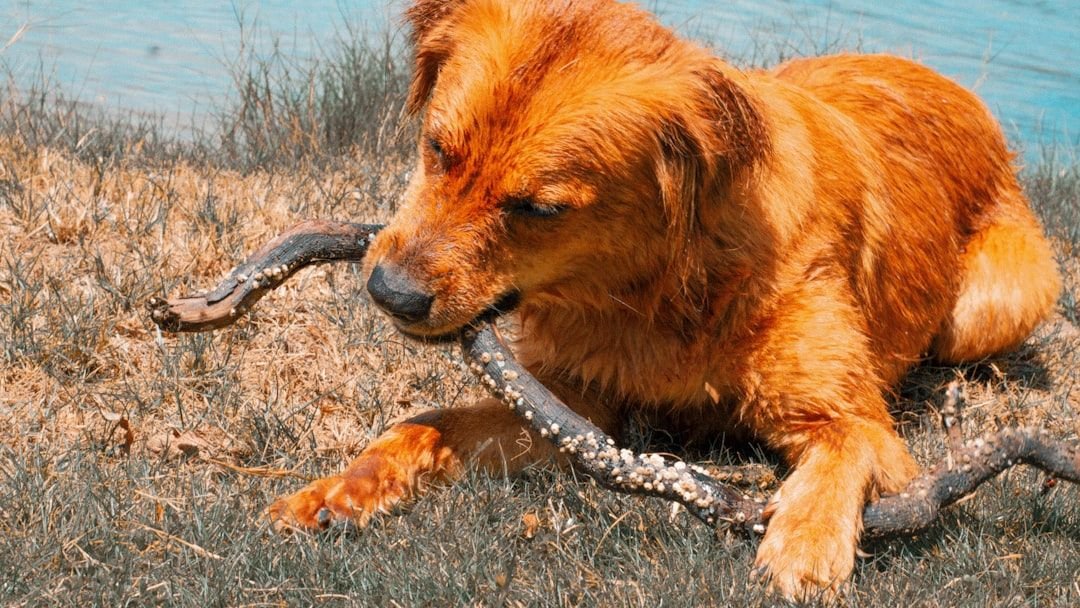
Picture this: it’s a golden, quiet evening, and you step outside with your dog trotting happily at your side. The tree line is close. The grass is tall. Something rustles in the brush, and your dog’s ears shoot straight up. For millions of dog owners living near forests, wetlands, mountains, or open countryside, this scene is everyday life. It’s beautiful, it’s peaceful, and honestly, it can also be dangerous in ways most people simply don’t expect.
Living in wildlife-prone areas means sharing your world with creatures that don’t follow rules, don’t read warning signs, and don’t care how much you love your dog. The good news? With the right knowledge and a few smart habits, you can keep your furry family member safe without giving up the wild beauty of where you live. Here’s what every dog owner in nature’s backyard truly needs to know.
Master the Leash and the Recall Command Before You Need Them
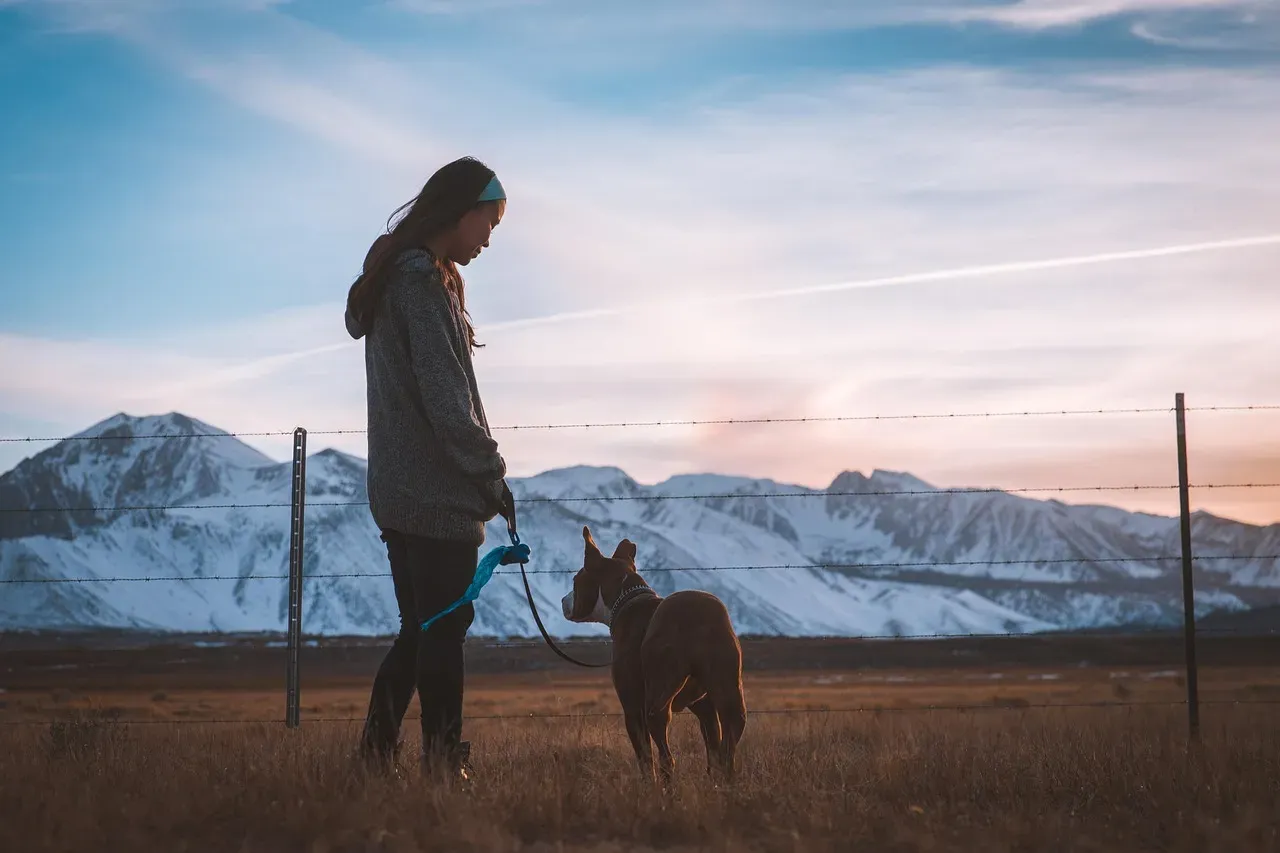
Let’s be real: a leash is your first and most reliable line of defense. Keeping your dog on a short, six-foot leash when walking on trails or visiting parks is one of the most effective ways leashes help protect dogs and their owners from wildlife attacks. It sounds so simple, yet so many of us underestimate it until something goes wrong.
The most important command your dog must follow in wildlife country is the recall. Whether you use the word “come,” “here,” or something else, your dog should immediately return to your side, even when distractions are present. Strong recall ensures that your dog will not chase deer and other wildlife or eat something poisonous. Think of it as the emergency brake your dog wears in its brain.
Recall training takes time and practice, so begin working with your dog well in advance of any wilderness trip or outdoor routine. Even a perfectly trained dog can be tempted by a darting squirrel or a coyote scent. Train now, not after something scary happens.
A leash protects your dog from hazards like cliffs, snakes, and rapidly moving rivers. Even if your dog is well-trained, leashing is essential in public natural areas. The wilderness doesn’t grade on a curve.
Know Your Local Wildlife Threats and Respect Their Schedules
Living in areas with abundant wildlife means more opportunities to connect with nature, but it also comes with an increased risk of encountering predators like mountain lions, bears, birds of prey, and coyotes. While these animals generally do not seek out interaction with humans, our pets could be seen as threats or as potential prey. That’s the honest truth, and it shouldn’t be sugar-coated.
Being extra cautious at dawn and dusk is critical, since most wildlife are most active during those hours. These twilight windows are when your dog is most vulnerable. I think of it like rush hour for predators. Everyone’s out, everyone’s hungry.
Dogs may be seen as predators by wildlife, and wild animals can be extremely protective if they have young nearby. Moose, elk, and deer can cause serious injuries to pets and humans in these situations. It’s not just the coyotes and mountain lions you have to worry about. A defensive moose or an elk protecting its calf is incredibly dangerous.
In bear and mountain lion country, keep your dog close to you at all times. Do not allow your dog to be unleashed out in front of you, as it could bring a bear or lion back to you. Your dog may feel brave. The bear will not care.
Never Let Food Outside Your Door Become a Wildlife Invitation

Here’s a mistake that trips up even the most well-meaning dog owners: leaving food outdoors. It sounds harmless, but it acts like a flashing neon sign to wildlife. Negative interactions with coyotes and people can arise in residential areas when homeowners leave garbage or pet food outside. Taking away accessible food can also reduce the likelihood of other wild animals, including bears, wandering onto your property.
Do not leave pet food unattended outside. Feed pets in your presence and immediately remove any uneaten food and food containers. It only takes one forgotten bowl to establish a habit in a curious, hungry animal. Once wildlife associates your yard with an easy meal, breaking that association is genuinely difficult.
When wild predators are hunting for food, free-roaming pets can look like prey. Since wildlife have also been known to enter yards, pets may not be safe even inside a fenced area. That last part surprises most people. A fence is a barrier, not a guarantee.
Never leave cats or dogs unattended outside after dark. If you must leave your pet outside, secure it in a fully enclosed kennel. Nighttime in a wildlife-prone area is a completely different world, and your dog should not be navigating it alone.
Guard Against Ticks, Parasites, and Wildlife-Borne Diseases
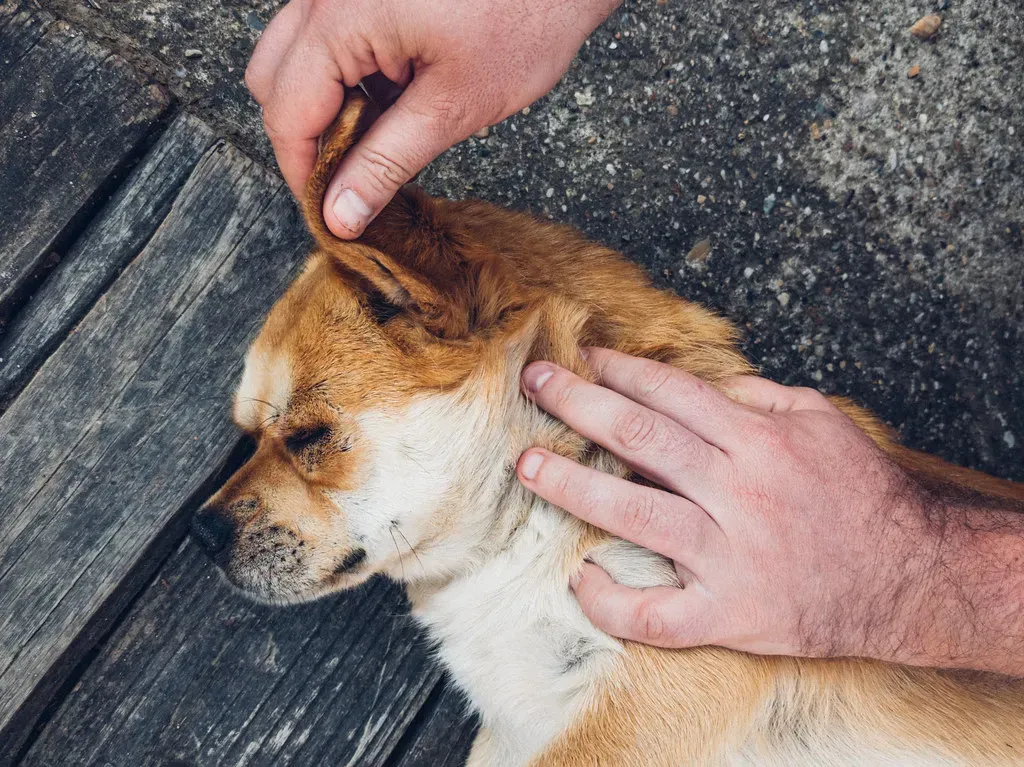
This one doesn’t get nearly enough attention, and it should. The danger from wildlife isn’t always a dramatic face-to-face encounter. Sometimes it’s invisible, crawling through your dog’s fur after a routine walk. Dogs are susceptible to many tick-borne diseases, such as Lyme disease, tick paralysis, and Rocky Mountain spotted fever, as well as secondary skin infections. Life-threatening anemia can also occur due to blood loss in cases of heavy tick infestations.
Coyotes and foxes are mobile predators that cover large territories, making them effective tick carriers. These animals often roam suburban neighborhoods, bringing ticks from wild areas into backyards, and their contact with other tick-hosting animals further perpetuates the spread. Even if your dog never meets a coyote face to face, a coyote may have already left something dangerous behind in your grass.
Ticks often hide in areas on a dog’s body that are warm and less exposed. Check under the collar, between the toes, around the ears, and under the tail. Also inspect the groin area, armpits, and around the eyes, as these spots have thinner skin and are harder for dogs to reach. Make this a ritual after every outdoor outing, even short ones.
A rabies vaccination can help protect your dog if they have a run-in with wildlife like raccoons. Many nuisance wildlife animals like raccoons, skunks, bats, armadillos, and coyotes carry rabies, which is a fatal disease. Keeping your dog’s vaccinations current is non-negotiable when you live this close to nature. Talk to your vet about what specific vaccines and preventatives make sense for your region.
Know What to Do During a Wildlife Encounter
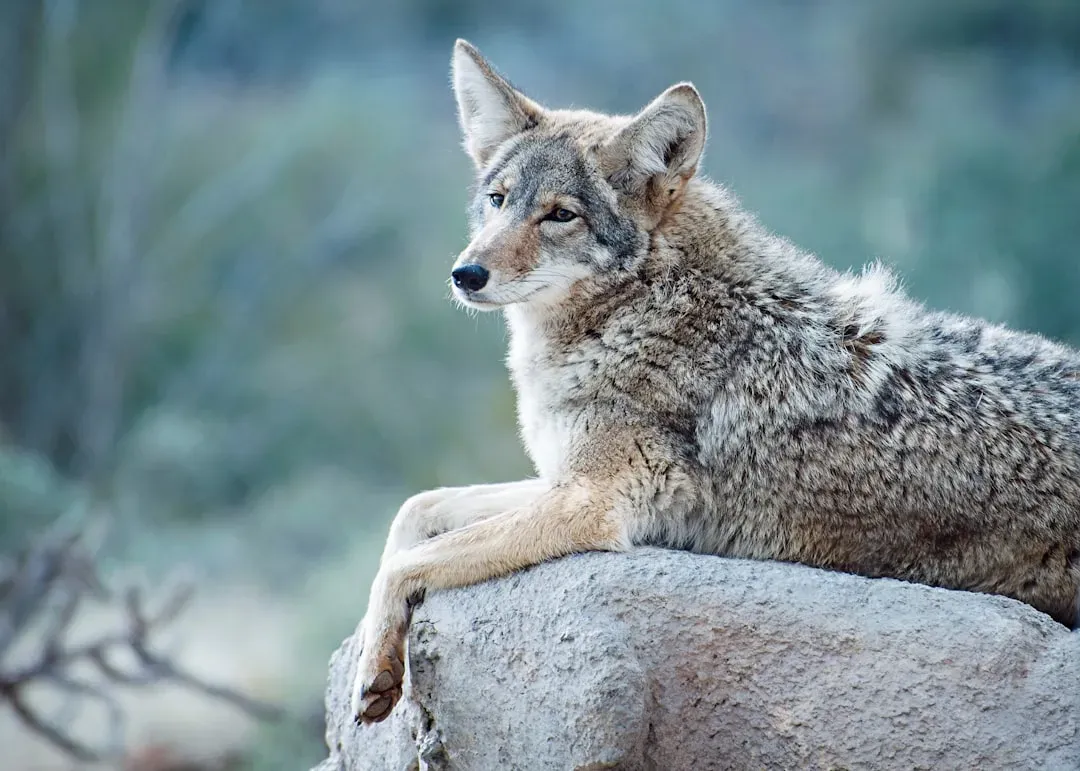
Even with every precaution in place, wildlife encounters still happen. Your reaction in that moment can make all the difference. Don’t let your dog get close to a coyote, but also don’t panic and run away if you see one. Doing so activates the innate chase response that helps predators catch prey. It’s much better to calmly walk away from the coyote without turning your back, if you can do so safely.
Make yourself look as big as possible by lifting your jacket, arms, or other objects. Talk in a loud, calm voice. Pick up children or small animals that may be with you, then slowly back away. It sounds counterintuitive to stay calm when your heart is pounding, but calm movements communicate confidence to most predators.
Bring your dog to the vet if they have been attacked or otherwise come into close contact with a wild animal. Even if it doesn’t seem like your dog has been bitten or injured, some problems can be difficult to spot or even invisible at first, including diseases and internal injuries. Don’t wait and hope for the best. Act fast.
If your pet is bitten or injured by wildlife, contact your veterinarian for follow-up care. Mammal bites should also be reported to your local county health department. This isn’t just about your dog’s safety, it’s about community safety too. Reporting wildlife encounters helps local authorities track potentially dangerous or sick animals in your area.
Conclusion: Wild Places Are Worth Protecting, And So Is Your Dog

Living alongside wildlife is one of the most grounding, humbling, and genuinely beautiful experiences a person can have. The chorus of crickets, the deer at the meadow’s edge, the hawk circling overhead. It’s remarkable, truly. Your dog loves it too, maybe even more than you do.
The five tips above aren’t about making you afraid of the outdoors. They’re about making you prepared for it. A solid recall command, leash discipline, smart food storage, tick prevention, and knowing how to respond in an encounter, these are the building blocks of a life lived confidently and safely in nature’s neighborhood.
Your dog trusts you completely with their safety. That trust is one of the most precious things in the world. So carry a leash, check for ticks, keep that food bowl inside, and know your local wildlife. The wild world is out there waiting, and with a little preparation, you and your dog can enjoy every single minute of it.
What’s the wildest wildlife encounter you and your dog have ever had? Share your story in the comments, because the more we share, the safer our whole community becomes.


