

Look, I get it. You love dogs. The wagging tails, the loyal eyes, the feeling of coming home to pure joy embodied in fur. But here’s something they don’t always mention in those heartwarming adoption videos: some dogs require an astonishing level of commitment that can leave even the most enthusiastic owner feeling drained, overwhelmed, and maybe just a little bit resentful when they’re brushing matted fur at midnight for the third time that week.
Choosing a dog isn’t just about falling for a cute face. It’s about understanding what you’re truly signing up for. Some breeds demand hours of daily exercise, relentless mental stimulation, and grooming routines that rival a spa day. Others? They’re content with leisurely strolls and a cozy spot on the couch. So let’s be real about which breeds fall into which category, and why it matters more than you might think.
Border Collie: The Workhorse That Never Clocks Out
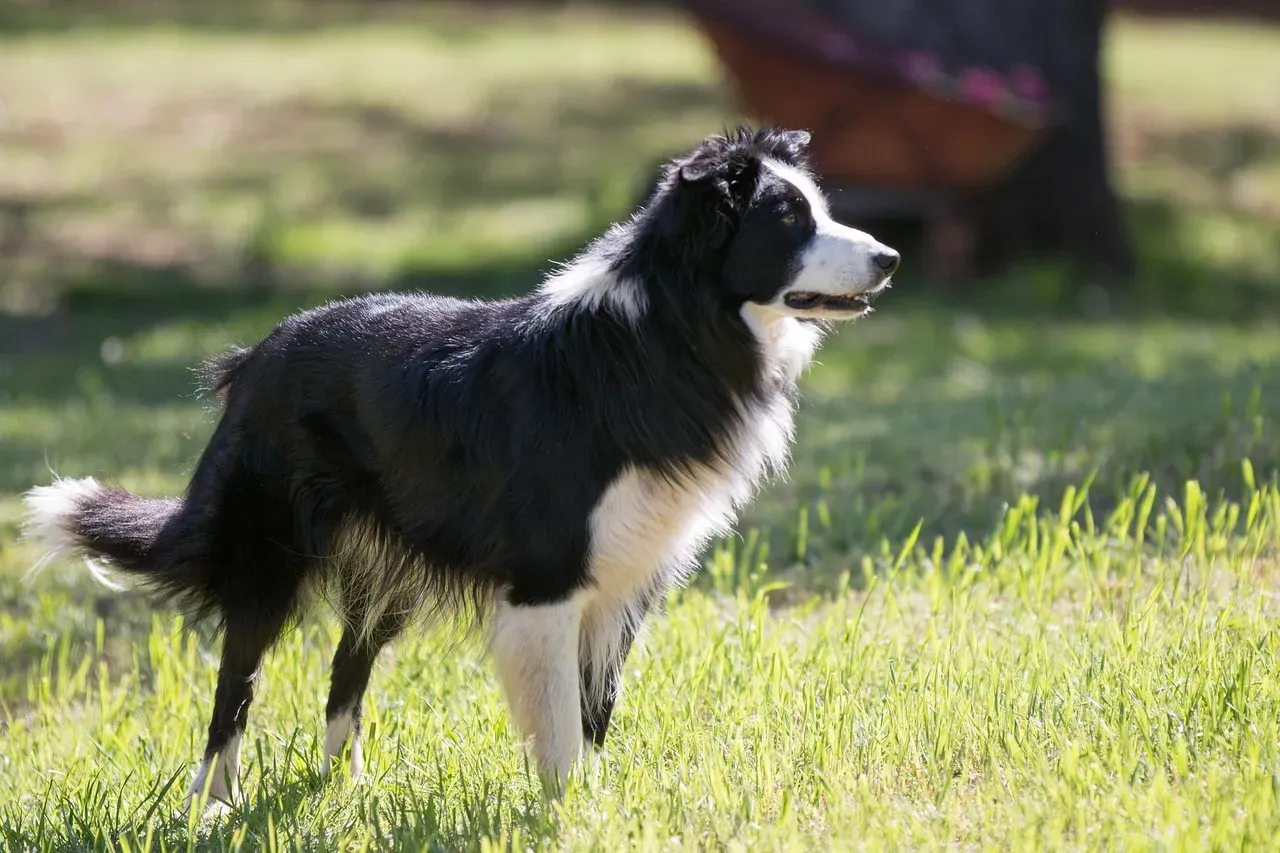
The Border Collie isn’t just intelligent. They’re frighteningly smart, the kind of dog that seems to read your mind before you’ve even finished the thought. They need multiple hours of high-intensity activity and problem-solving daily, thriving on agility, obedience, and herding work.
Imagine a toddler with endless energy, except this toddler can open doors, outsmart baby gates, and will literally herd your children if they don’t have a proper outlet. Without adequate stimulation, Border Collies become anxious, destructive, and downright miserable. They need a job, and if you don’t give them one, they’ll create their own, usually involving something you’d rather they didn’t dismantle.
These dogs were bred to work sheep for hours in the rugged hills of Scotland and England. That instinct doesn’t just vanish because they now live in suburbia. They’ll chase cars, nip at ankles, and pace relentlessly if their brilliant minds aren’t engaged.
Afghan Hound: Beauty With a High Price Tag
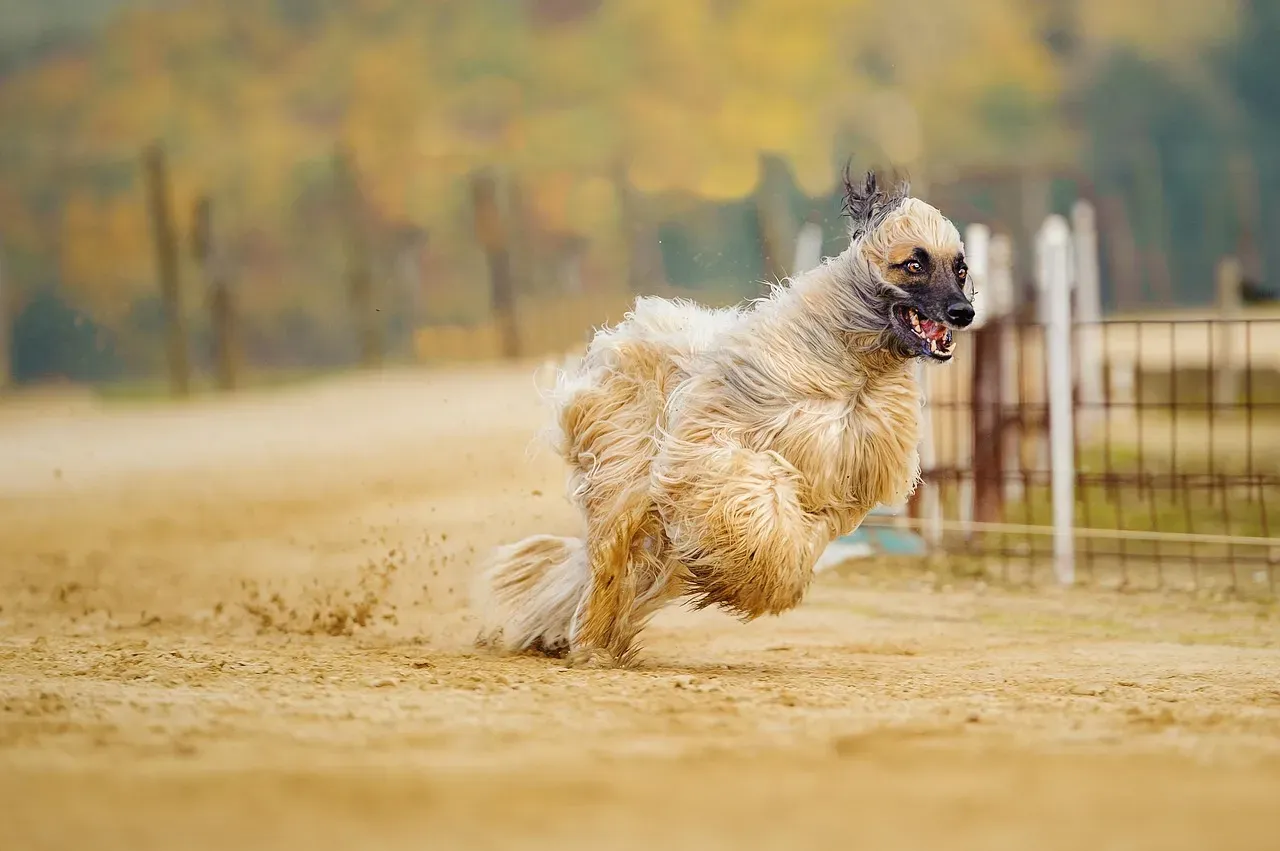
The Afghan Hound is known for its long, silky coat that flows gracefully as it moves, but maintaining that coat is a labor of love that can become tangled and dirty without regular grooming, requiring regular brushing and frequent bathing. This isn’t a quick brush before breakfast situation.
We’re talking about daily grooming sessions with a stiff bristle brush and metal comb, carefully working through tangles with your fingers to avoid damaging that delicate hair. Miss a few days and you’re dealing with painful mats that pull at their skin.
Afghan Hounds can be stubborn, requiring gentle and consistent training techniques, and they’re independent and aloof, not always eager to please. They march to their own drum, which means training requires patience most people underestimate. Honestly, if you don’t have time for this level of maintenance, you’re setting both yourself and the dog up for frustration.
Poodle: The Glamorous High-Maintenance Companion
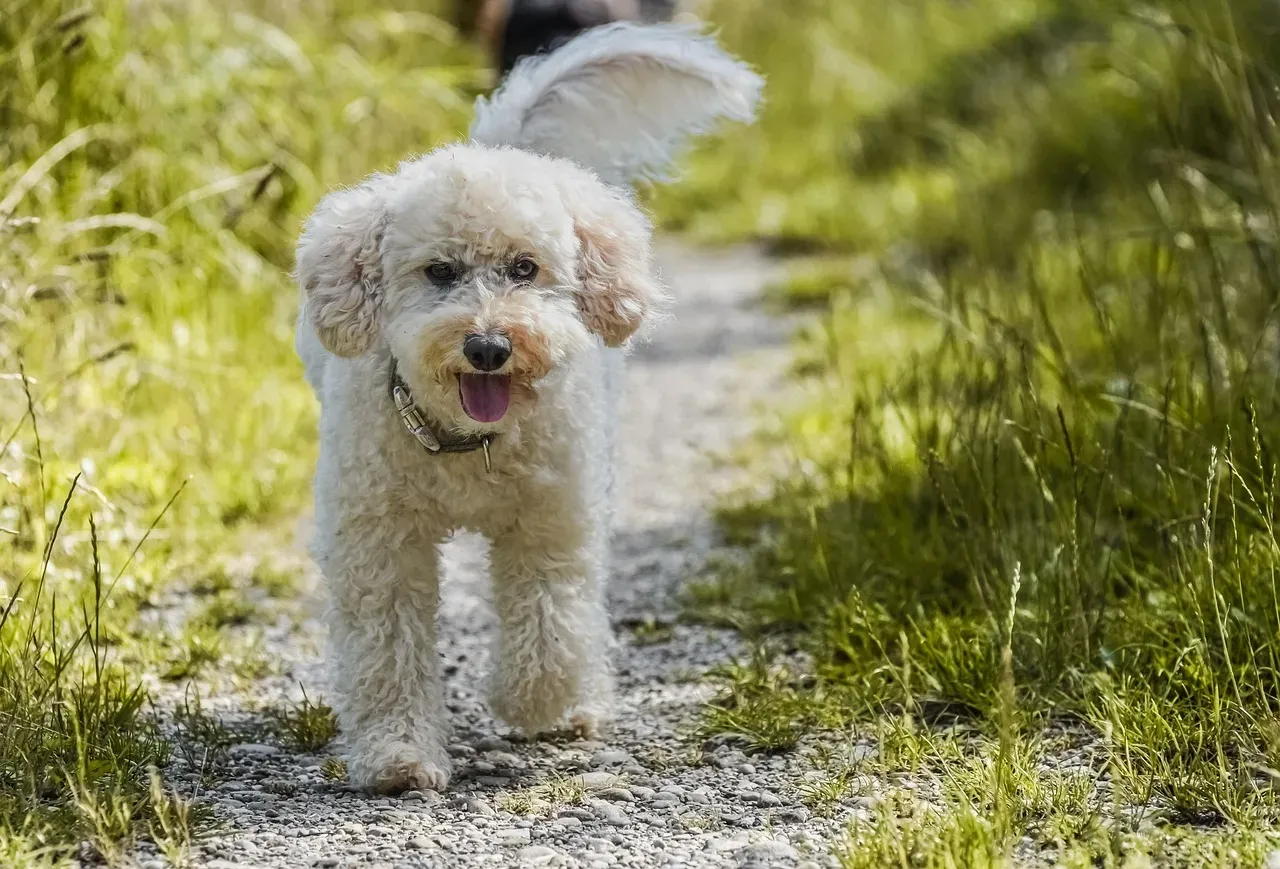
Poodles have curly coats that grow quickly and tangle easily, and without regular grooming, their fur can become matted and uncomfortable, with professional grooming recommended every four to six weeks. That’s not a suggestion. That’s a requirement if you want to avoid a tangled mess.
Beyond grooming, Poodles are incredibly smart and energetic. They need daily exercise for both physical and mental stimulation, which means puzzle toys, training sessions, and active play aren’t optional extras. They’re smart enough to get bored quickly, and a bored Poodle is a destructive Poodle.
What people don’t realize is that intelligence in a dog can be exhausting. Yes, they learn quickly, but that means they also need constant new challenges. It’s like having a gifted child who’s always three steps ahead and needs you to keep up.
Siberian Husky: The Escape Artist With Endless Energy
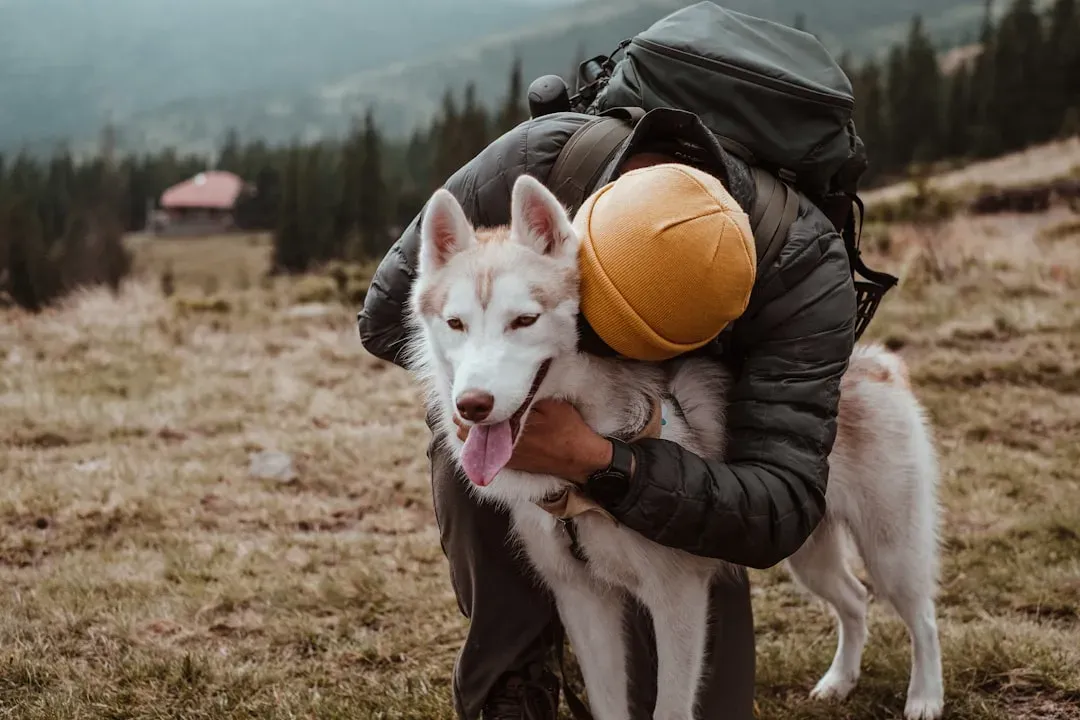
Huskies are high-energy dogs with a strong prey drive who shed heavily and have a reputation for being escape artists, requiring extensive physical activity and outdoor time while being often aloof and difficult to train. They’re stunning, no question. Those piercing blue eyes could melt anyone’s heart.
But here’s what happens after you bring one home: they need hours of vigorous exercise daily. Not a walk around the block. We’re talking running, hiking, or pulling activities that tap into their sled dog heritage. Breeds with double coats like Huskies shed heavily, especially during seasonal changes, which can lead to matting and excessive loose fur around the house, requiring regular brushing to manage shedding.
Then there’s the independence factor. Huskies are notorious for ignoring commands they find inconvenient. They’re not trying to be difficult; they were bred to make decisions on their own while pulling sleds across frozen tundra. That independence doesn’t translate well to living room obedience.
Australian Shepherd: The Velcro Dog That Demands Everything
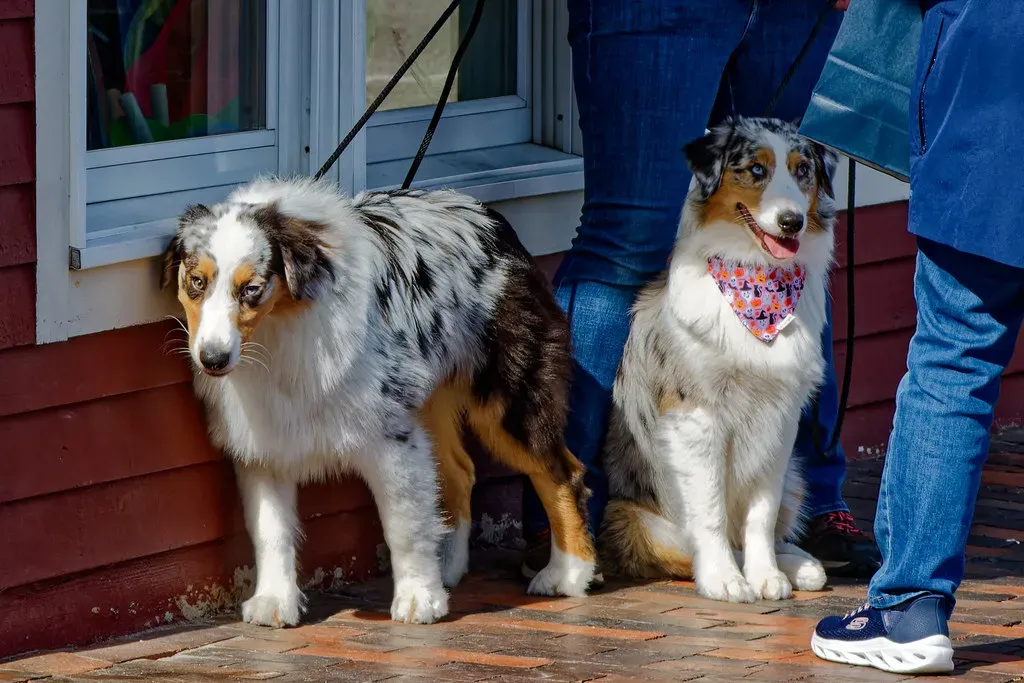
Australian Shepherds have unmatched energy and intelligence, needing rigorous mental and physical stimulation and becoming anxious without purpose or routine, demanding vigorous activity daily such as running or agility while requiring regular brushing and potentially suffering from separation anxiety. They bond deeply with their families, which sounds wonderful until you realize they dislike being alone.
This breed will follow you from room to room, constantly checking in, needing reassurance and engagement. If you work long hours or travel frequently, an Aussie will struggle immensely. Their herding instincts mean they might try to control the movements of children, other pets, or even guests.
The grooming isn’t as intensive as an Afghan Hound, but their dense coat still needs consistent attention. Combined with their exercise and mental stimulation requirements, Australian Shepherds are a full-time commitment wrapped in an adorable, energetic package.
French Bulldog: The Easy-Going City Dweller
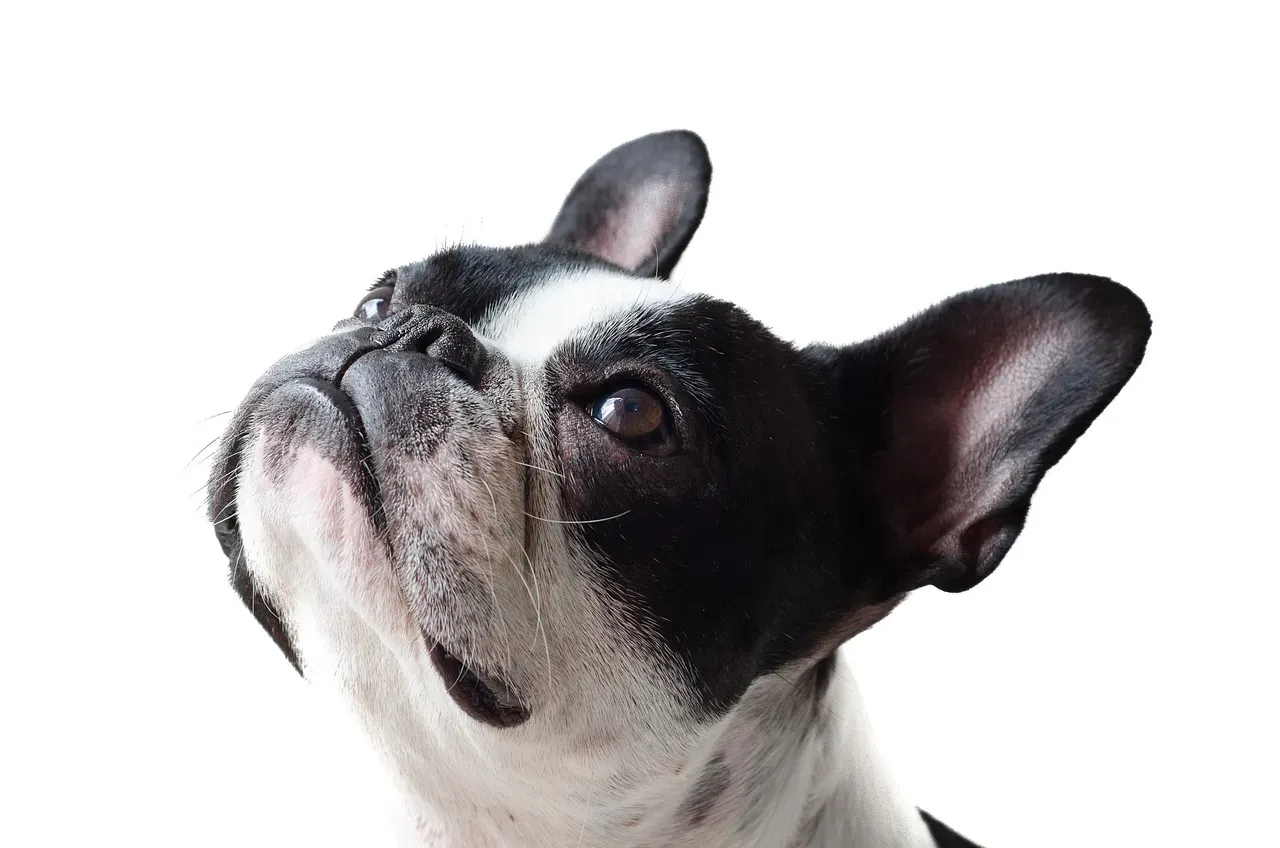
French Bulldogs are smart, adaptable, and playful, perfect for city living and content with a daily walk or short playtime, being minimal shedders who only need occasional baths and regular grooming. They’re the ultimate low-maintenance companion for someone who wants a dog without the marathon training sessions.
Frenchies have delightful personalities, alert enough to be surprisingly good watchdogs but relaxed enough to enjoy lazy afternoons. Their compact size makes them ideal for apartments or smaller homes. The short coat means you’re not dealing with endless fur everywhere or hours of brushing.
That said, they do have some health considerations due to their flat faces, so regular vet check-ups matter. But in terms of day-to-day care? They’re about as straightforward as it gets. A Frenchie won’t judge you for binge-watching TV all weekend.
Basset Hound: The Laid-Back Napper
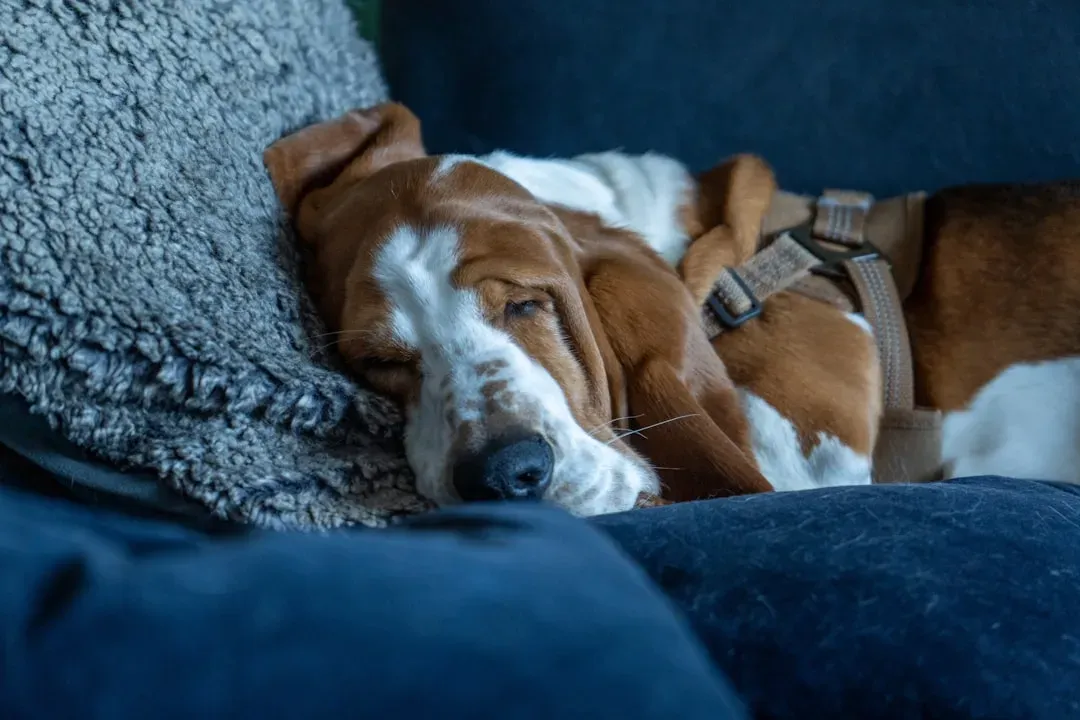
Basset Hounds are among the laziest dogs, so low-key and patient they seem almost indifferent about whether you’re home, though their undying loyalty proves otherwise, and they’re happy being in a smaller home by your side. These droopy-eared charmers move through life at their own leisurely pace.
Basset Hounds are widely considered low-maintenance because they love to laze the day away, being low-energy and not needing long walks, with a short walk around the block sufficing. Sure, their ears need weekly cleaning to prevent infections, but that’s a small price compared to the hours of grooming some breeds demand.
They’re gentle with kids, tolerant of other dogs, and perfectly content to spend most of the day sleeping in a sunny spot. If you want a dog that matches a relaxed lifestyle without guilt, the Basset Hound delivers.
Greyhound: The Surprising Couch Potato
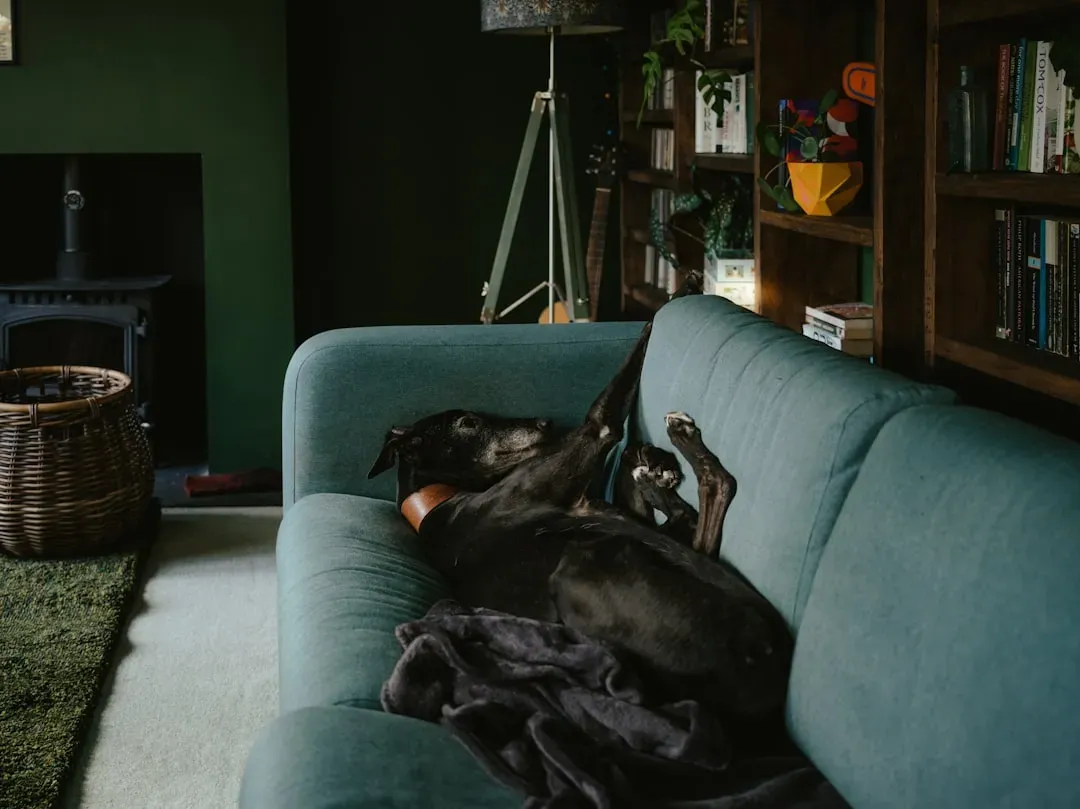
People hear Greyhound and think speed, racing, endless energy. Bred for speed, the Greyhound might seem like a surprise as a low-energy dog breed, but the reality is that these large dogs are quite lazy at home and are often referred to as couch potatoes. They’re sprinters, not marathoners.
Despite their racing reputation, Greyhounds are one of the most low-maintenance breeds around, known as couch potatoes who love lounging indoors and require only short walks to stay healthy, with sleek coats that shed very little. Grooming is practically effortless, and they don’t have that typical doggy smell.
They’re gentle, calm, and incredibly affectionate. After a brief run to stretch their legs, they’re more than happy to curl up and nap for hours. Honestly, if you told someone you adopted a retired racing Greyhound and they pictured chaos, they’d be shocked at how wrong they were.
Cavalier King Charles Spaniel: The Affectionate Adaptable
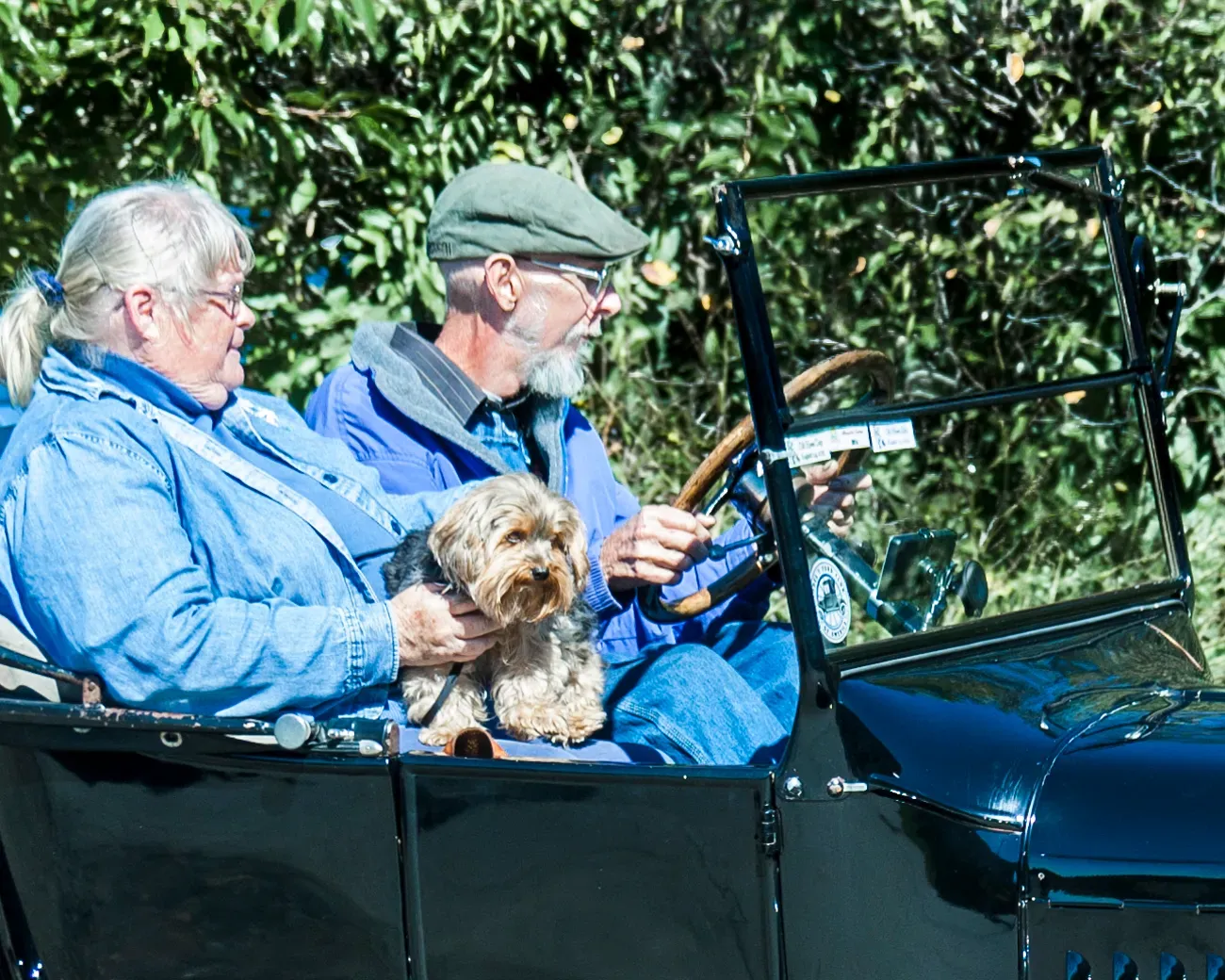
Cavalier King Charles Spaniels are low-maintenance dogs who like to cuddle, being friendly toward everyone they meet and needing their people to be happy. They’re small enough to take almost anywhere but sturdy enough not to feel fragile.
Cavaliers are gentle and affectionate dogs bred as companions for the aristocracy, with silky hair that can be easily maintained with regular brushing, occasional baths, and professional grooming every four to six weeks, being adaptable for both active owners and couch potatoes. That grooming schedule is manageable compared to high-maintenance breeds.
They do bond deeply and can develop separation anxiety if left alone too long, but for families or individuals who are home frequently, they’re absolutely wonderful. Their sweet temperament makes them excellent with children and other pets.
Bulldog: The Stocky Snuggle Bug
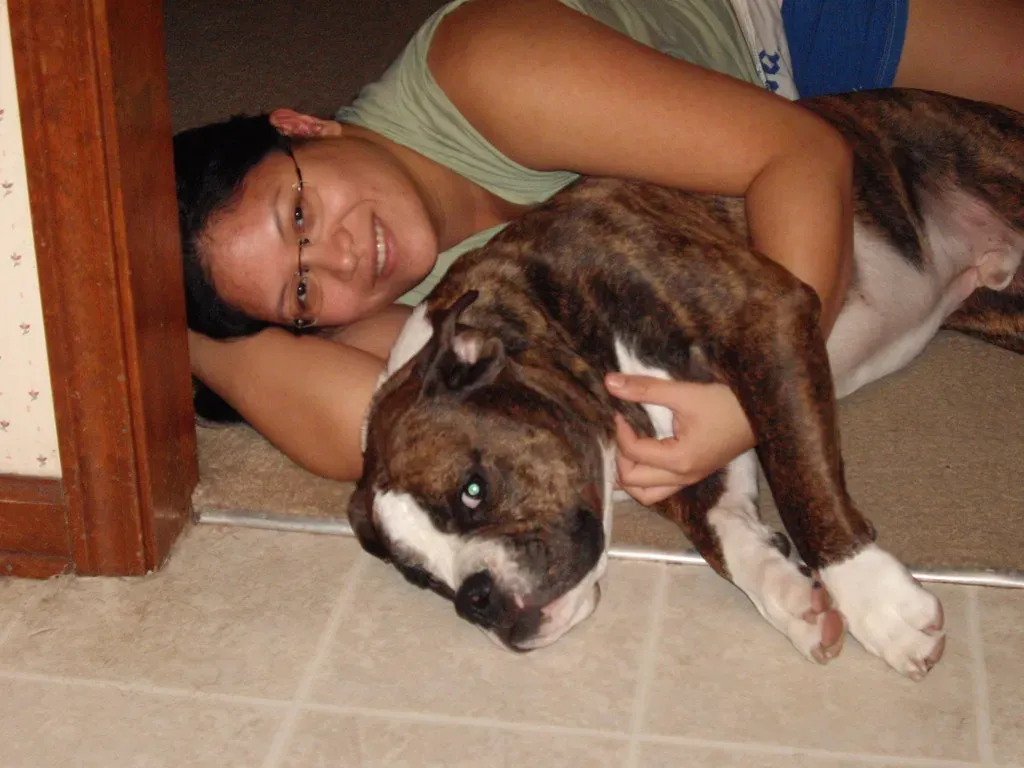
Bulldogs are buffy, fun-loving companions who are incredibly affectionate with their family members and terrific with children, being much more suited for the family couch than getting worked up. Their wrinkled faces and snorting sounds are endlessly endearing.
With their stocky build and easy-going nature, English Bulldogs are the epitome of low-energy dogs, needing a few short walks a day. They don’t demand hours at the dog park or intense training sessions. A leisurely stroll and some quality cuddle time? That’s their ideal day.
Yes, they have some health concerns due to their brachycephalic faces, so responsible breeding and regular vet care are important. But in terms of daily effort? Bulldogs are remarkably chill. They’re perfectly happy being lazy alongside you, no judgment for your own lack of motivation.
Conclusion: Matching Energy Levels Matters
Choosing between a high-maintenance and low-maintenance breed isn’t about one being better than the other. It’s about honest self-assessment. If you have the time, energy, and genuine enthusiasm for hours of exercise, grooming, and training, those demanding breeds can be incredibly rewarding. The bond you form through that shared effort is real and profound.
But if your lifestyle is more relaxed, or if you’re juggling work, family, and a hundred other responsibilities, there’s absolutely no shame in choosing a breed that fits more easily into your life. Low-maintenance doesn’t mean less love or companionship. It just means fewer hours spent grooming matted fur or desperately trying to tire out a dog who seems to have endless batteries.
The best dog for you is the one whose needs align with what you can realistically provide. Think about your daily routine, your energy levels, and your living situation. Be brutally honest. Your future dog will thank you for it, and you’ll avoid that exhausted resentment that creeps in when you’re overwhelmed.
So tell us, which type of breed sounds more like your speed? Are you team high-energy adventure buddy or team couch potato companion?


