
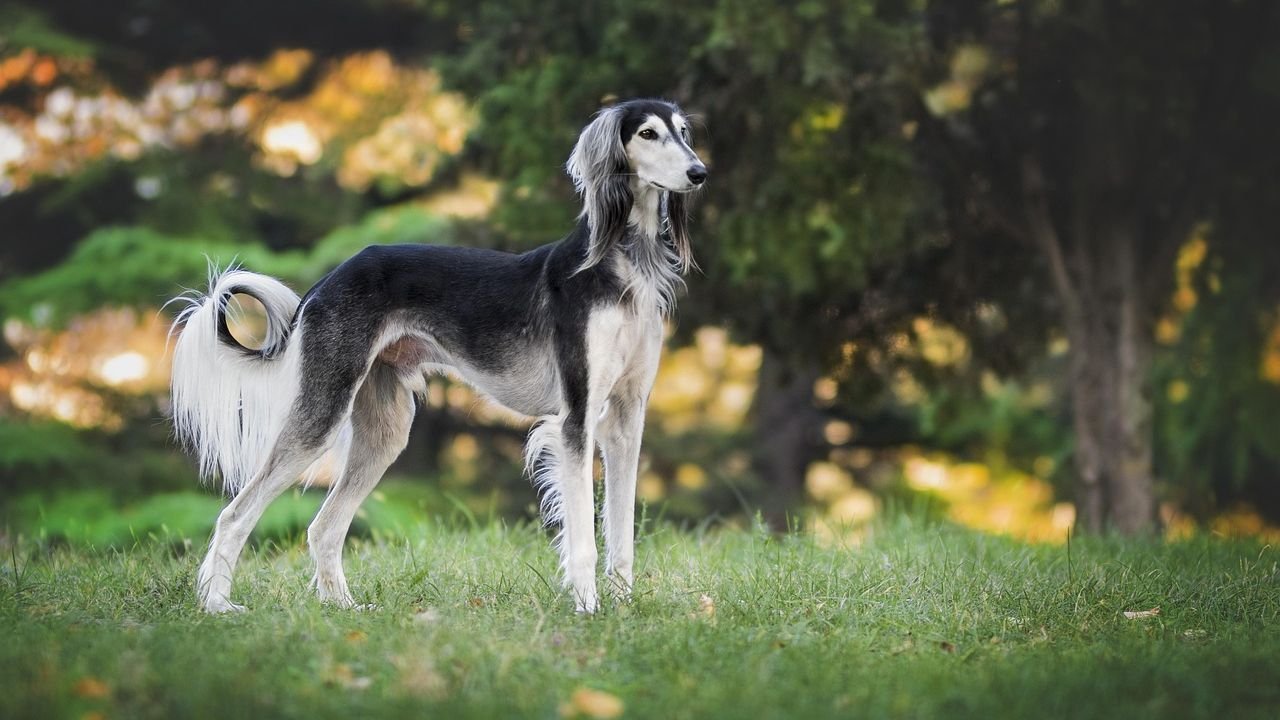
Have you noticed your furry companion acting a bit off lately? Maybe they’re snapping more, hiding in corners, or just not their usual bouncy self. Dogs have moods just like we do, and sometimes their grumpiness isn’t because they woke up on the wrong side of the dog bed. Here’s the thing, though: what if I told you that your dog’s crankiness might actually be your fault? Not in a mean way, of course. None of us want unhappy pups. Yet certain everyday mistakes we make as dog owners can unintentionally turn our cheerful companions into irritable little grouches.
Let’s be real, we all want those tail wags and happy barks. Think of this as your wake up call to some common slip ups that might be turning your sweet dog into a grump. The good news? These are fixable. So let’s dive in and figure out what might be bothering your four legged friend.
Inconsistent Rules and Routines
Dogs are creatures of habit. They actually crave predictability and structure in their daily lives. When rules change from one day to the next, dogs get confused and anxious. Think about it from their perspective: one day you allow them on the couch, the next day you scold them for the same behavior. It’s honestly confusing enough to make anyone cranky.
Changes in a dog’s daily routine can be disruptive and lead to mood changes, including shifts in working hours that reduce time spent with your dog or interrupt their feeding or walking schedules. Dogs thrive when they know what to expect. Feeding times, walk schedules, playtime, even bedtime should follow a predictable pattern. When everything feels like a guessing game, your dog becomes stressed, and stress breeds irritability.
Skipping Mental Stimulation and Physical Exercise
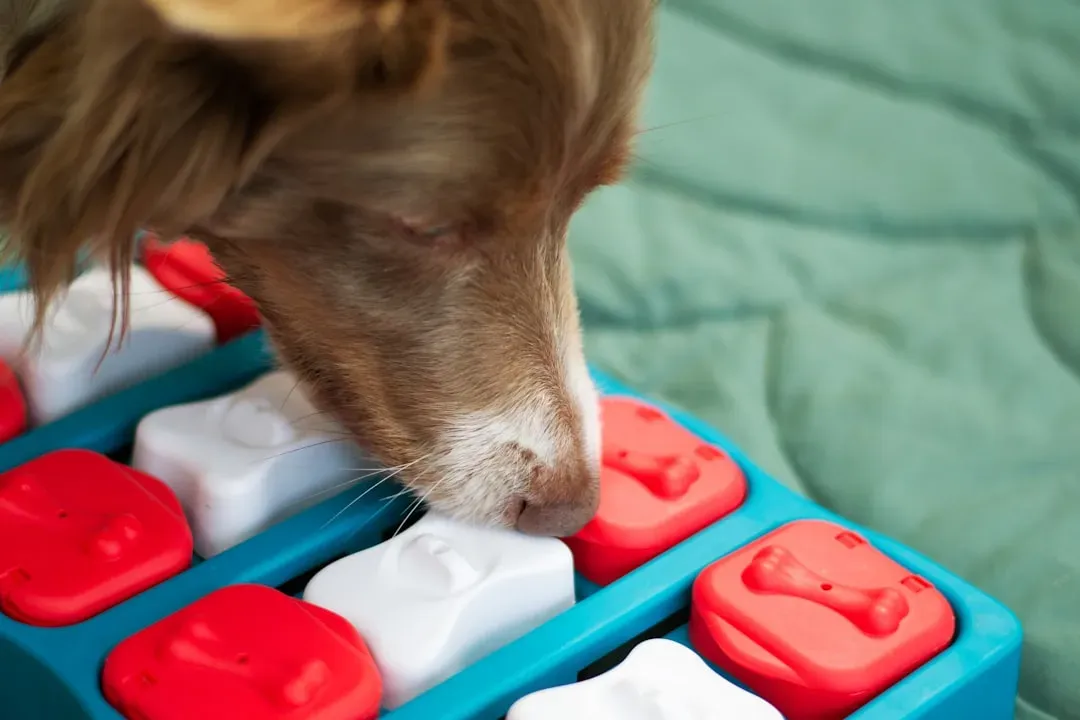
A bored dog is often a grumpy dog. A bored dog finds its own entertainment – like chewing your couch! Beyond the destructive behavior, though, lack of proper stimulation can genuinely affect your dog’s mood. Dogs weren’t meant to lounge around all day with nothing to do. Their brains need work just as much as their bodies need movement.
Dogs without appropriate outlets for their intelligence and energy may develop destructive or attention-seeking behaviors, with working breeds especially needing regular mental challenges to prevent behavioral issues. A quick five minute walk around the block isn’t enough for most breeds. Mix things up with sniff walks, puzzle feeders, training games, and good old fashioned playtime. When dogs don’t get that outlet for their natural energy and instincts, frustration builds up, and that frustration often shows up as grumpiness or even aggression.
Ignoring Pain or Health Issues

Experts say there is usually a medical reason for irritability in dogs – and one of the primary causes is pain or discomfort. Here’s something crucial: dogs are masters at hiding pain. In the wild, showing weakness could make them vulnerable, so they’ve evolved to tough it out. That means your grumpy dog might actually be a hurting dog.
Musculoskeletal issues – that is, issues related to a dog’s muscles or bones – are a common cause of pain in dogs, including injuries like sprains and fractures, orthopedic conditions like hip dysplasia, and joint pain associated with osteoarthritis. Even things like dental disease, ear infections, or itchy skin conditions can make your dog irritable. With senior dogs, try to avoid chalking up behavioral changes like grumpiness to old age, and have your veterinarian investigate to see if there is an underlying physical cause for your pet’s behavior. Don’t just assume they’re being difficult. Get them checked out by a vet first.
Overwhelming Them with Stress

A grumpy dog might also be a stressed-out dog, with a dog’s irritability becoming exceptionally high when they encounter several stressful events around the same time, which is called “trigger stacking.” Imagine having a rough morning, dealing with annoying coworkers all afternoon, then coming home to chaos. You’d snap too, right? Dogs experience the same accumulation of stress.
Environmental stressors in general can lead to irritability, especially when a dog’s normal routine has been disrupted by changes like a new job or welcoming a new pet to the family. Loud noises, new people constantly coming and going, another pet pestering them, or major changes like moving to a new home can all pile up. Your dog doesn’t have the ability to process or verbalize these stressors like we do. Instead, they become withdrawn, snappy, or just plain grumpy. Creating a quiet, safe space for your dog to retreat to can make a world of difference.
Punishing Instead of Teaching
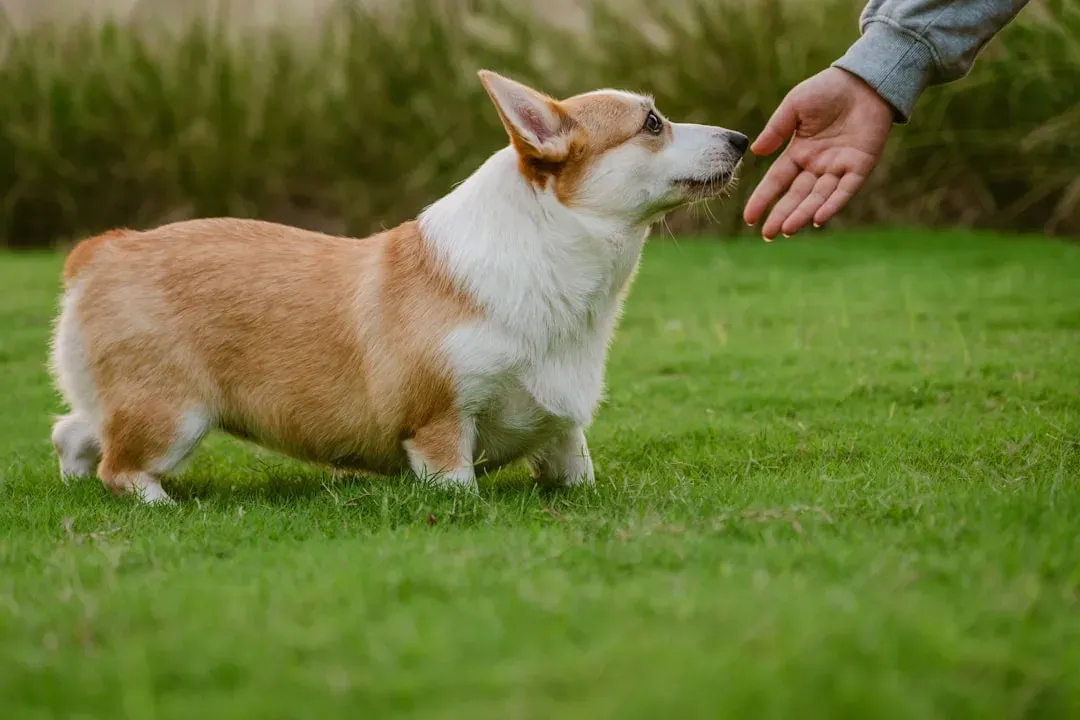
Yelling, jerking the leash, or scolding can break trust and make behavior worse. I know it sounds crazy, but harsh punishment doesn’t teach your dog anything except to fear you. When dogs are constantly yelled at or physically corrected, they become anxious, uncertain, and yes, grumpy. They don’t understand what you want from them, and that creates a tense, unhappy dog.
Focusing on punishing bad behaviour rather than rewarding good behaviour can lead to fear and anxiety in dogs. Instead of scolding when things go wrong, focus on rewarding the behaviors you actually want to see. Positive reinforcement builds confidence and trust. Dogs trained with kindness are generally happier, more relaxed, and way less grumpy than dogs who live in fear of making mistakes. It’s hard to say for sure, but I honestly think the shift from punishment to positive training methods is one of the biggest game changers for a dog’s emotional wellbeing.
Conclusion
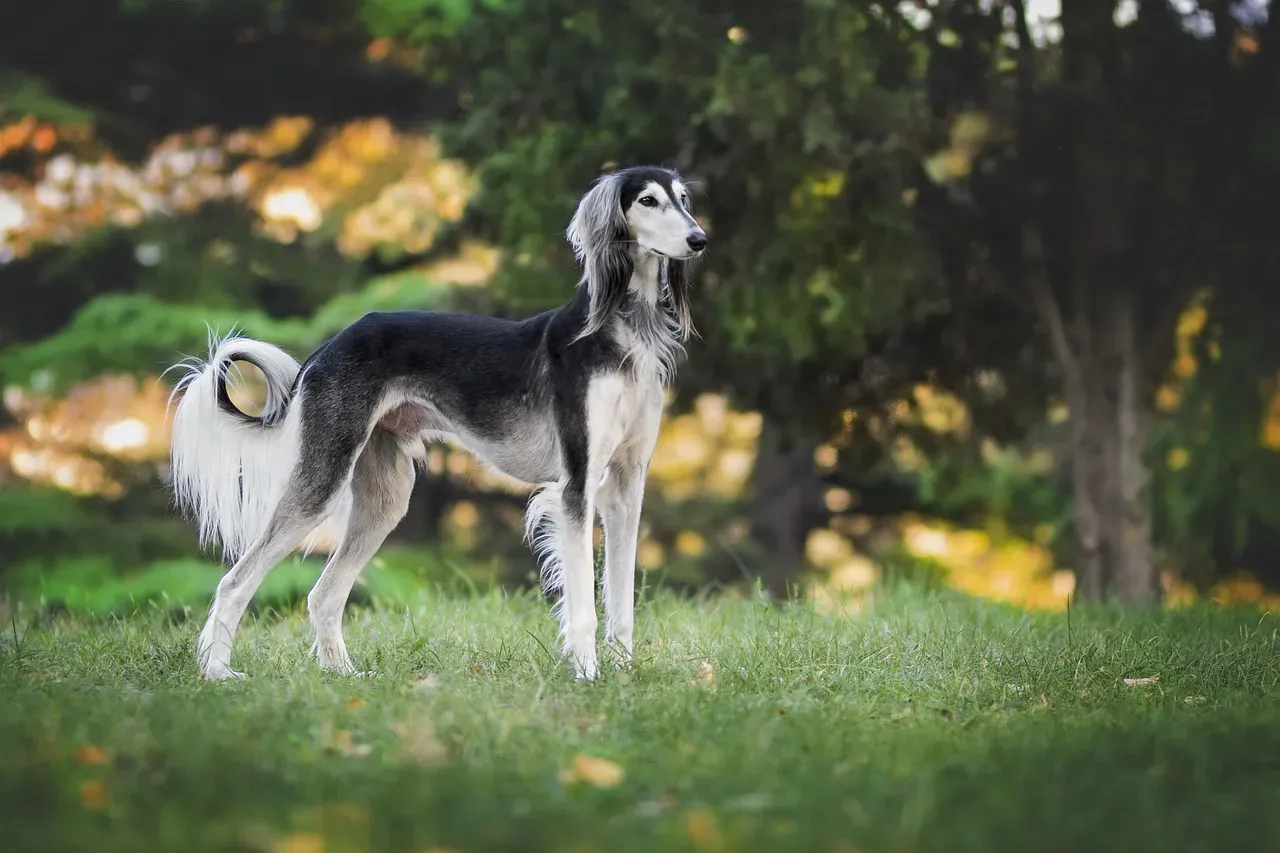
Your dog’s grumpiness isn’t just a personality quirk or something to brush off. More often than not, it’s a signal that something in their world needs adjusting. Whether it’s inconsistent routines stressing them out, lack of exercise boring them silly, unnoticed pain making every interaction uncomfortable, accumulated stressors overwhelming them, or harsh training methods breaking their spirit, these mistakes are all within your power to fix.
The beautiful thing about dogs is their resilience and their capacity to bounce back when their needs are met. Pay attention to what your dog is telling you through their behavior. Give them structure, stimulation, healthcare, a calm environment, and gentle guidance. You’ll likely see that grumpy demeanor melt away, replaced by the happy, tail wagging companion you know and love. What changes do you think your dog needs most? Tell us in the comments.


