
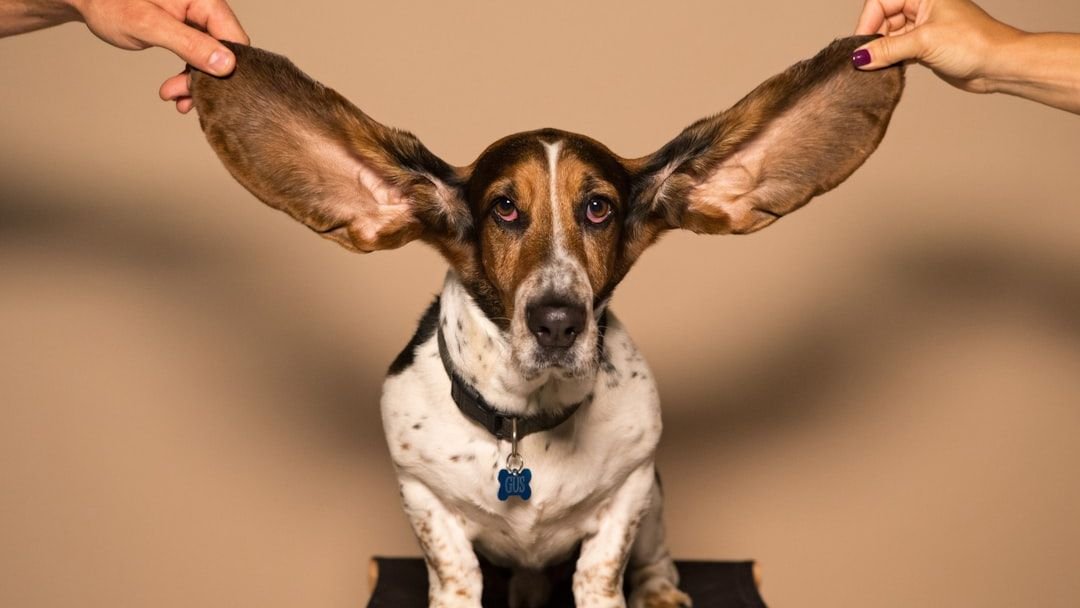
You love your dog. Of course you do. They’re your best friend, your shadow, maybe even your personal therapist after a rough day at work.
Touching them, petting them, showing them affection feels like the most natural thing in the world. Most dogs live for those belly rubs and ear scratches, right? Well, not quite. Here’s the thing that surprises so many dog parents: there are places on your dog’s body where frequent touching isn’t just unwelcome, it can actually cause stress, discomfort, or even fear over time.
Let’s be real. We sometimes touch our dogs in ways they’d rather we didn’t simply because we’re not paying attention to what they’re trying to tell us. That slight turn of the head, the tucked tail, the whale eye showing just a bit too much white? Those are all subtle signs your pup’s not thrilled. So let’s dive in.
The Paws
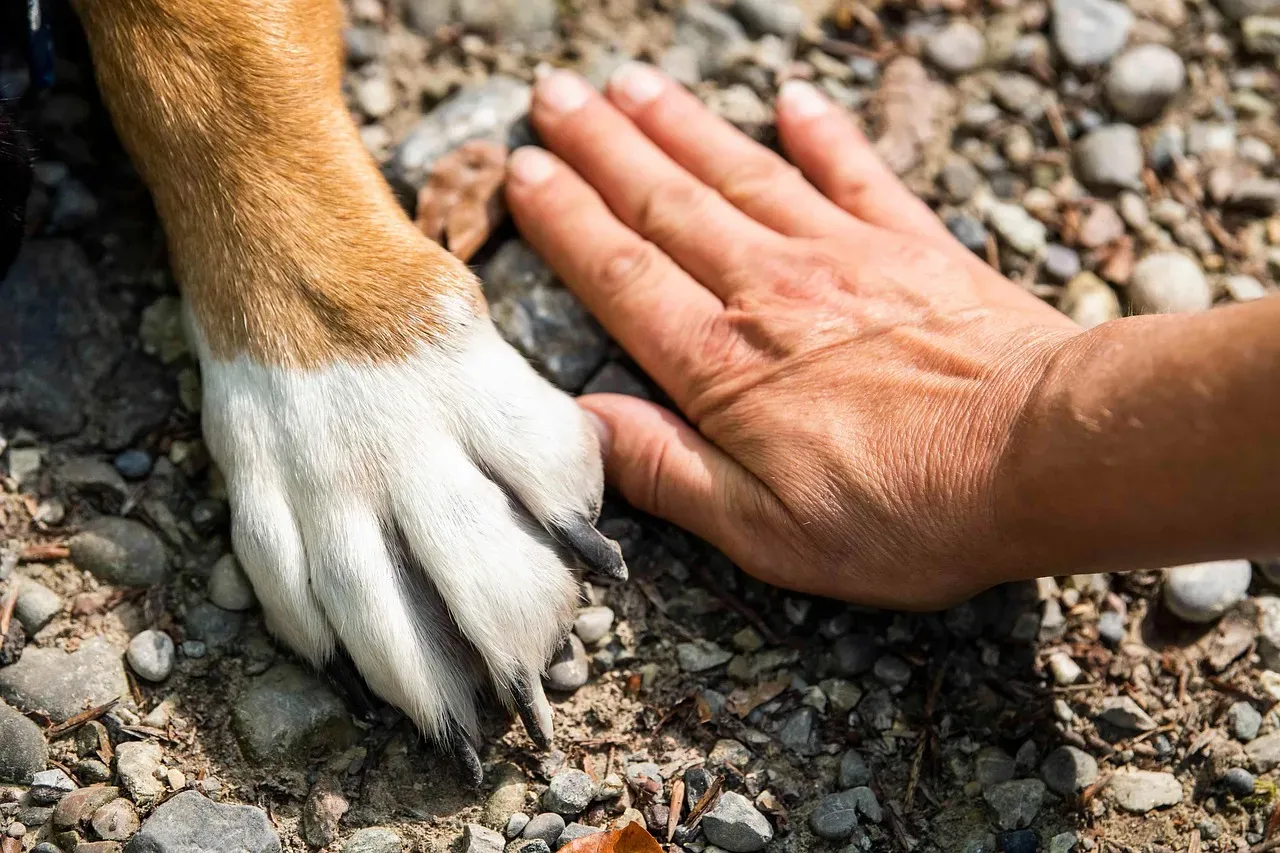
Dogs are notoriously sensitive about their paws, and there’s a good reason why handling them can feel uncomfortable or even ticklish to them. Think about it: paws are packed with nerve endings, and they’re constantly in contact with the ground, picking up textures, temperatures, and sensations we barely notice. When you grab or squeeze them frequently, it can be very painful, especially if they’ve had a past experience like having their nails cut too close to the quick.
Many dogs least enjoy having their paws handled, often stemming from a nail trim where someone accidentally cut too close to the quick and caused pain. Once that happens, the memory sticks. Your dog might pull away, tense up, or even growl the next time you reach for their foot.
If you need to handle your dog’s paws for grooming or health checks, keep sessions short and positive. The goal is to change their association from discomfort to excitement by using treats and gradual desensitization. Start slow, be patient, and always watch their body language.
The Tail
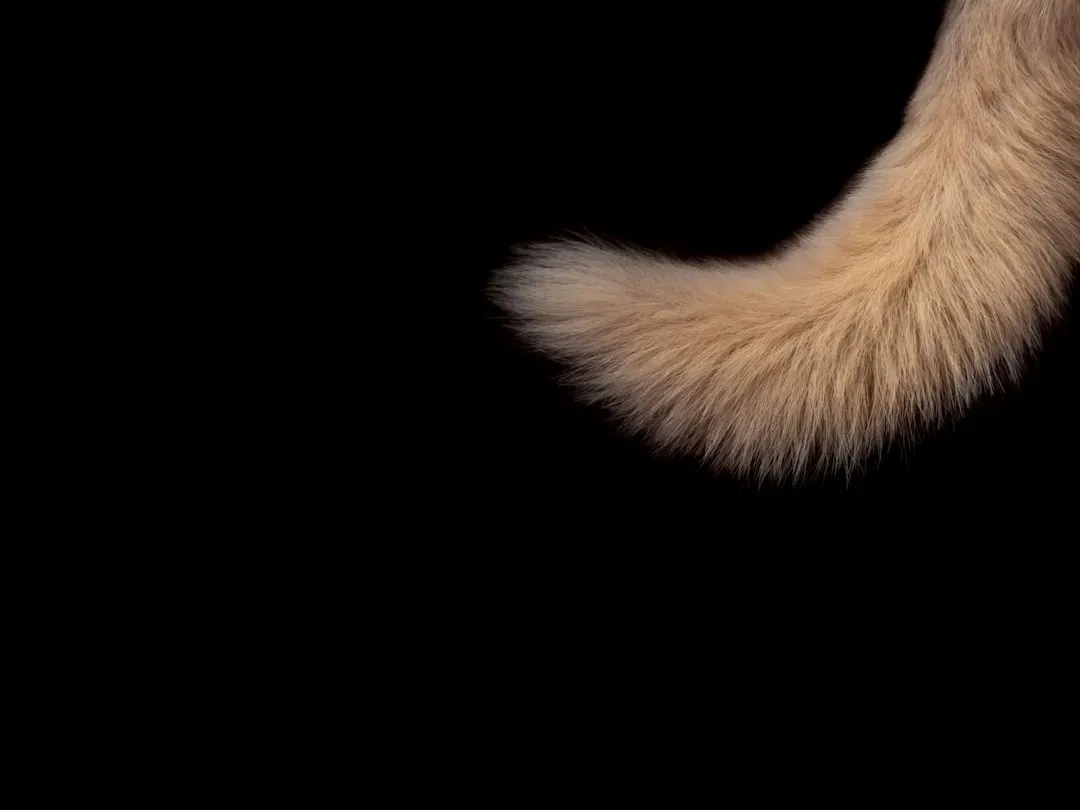
The tail is one area dogs almost always prefer you stay away from, and grabbing or touching it can be very painful and terrifying for your dog. It’s not just about discomfort, either. The tail plays an extremely important role in how your dog interacts with the world, communicating what they’re thinking and feeling. When you interfere with it, you’re essentially messing with their primary language tool.
Interfering with this critical body part might feel like someone suddenly took away your ability to speak, tied up your hands, and painfully grabbed a section of your spine. That’s not an exaggeration. The tail is an extension of the spine, filled with nerves and muscles that allow dogs to balance, steer, and express emotions.
I think it’s especially important to teach children this boundary early. Dogs may take aggressive action if someone grabs their tail aggressively, and even a dog that’s normally calm may have an instinctive or reflexive reaction when scared enough. It’s good practice to avoid touching your dog’s tail unless you suspect injury or need to check the surrounding areas.
The Ears
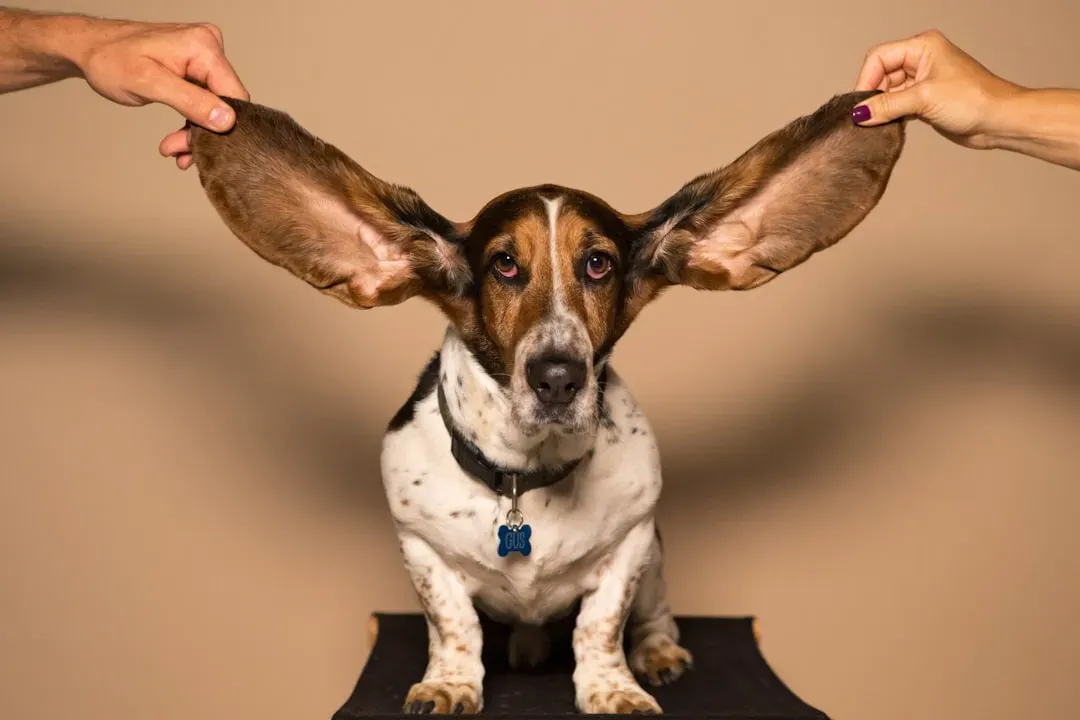
Ears are another surprisingly sensitive zone. Most dogs are sensitive about their ears, as sensitivities vary from dog to dog. While a gentle scratch behind the ear might be welcomed by some dogs, frequent tugging, pulling, or handling the inside of the ear can cause real problems.
Dogs might yelp or show discomfort when their ears are touched if they’re experiencing sensitivity or pain. An ear infection can be painful, especially if the ear is red, inflamed, moist, or has discharge. Honestly, if your dog suddenly starts avoiding ear contact, that’s a red flag worth checking out with your vet.
Children are often not taught the appropriate way to interact with dogs, making them vulnerable to rough handling like ear-pulling, which is likely to stress the dog. Repeated handling, even with good intentions, can irritate the delicate skin inside the ear canal and create a breeding ground for bacteria or yeast infections.
The Face and Muzzle
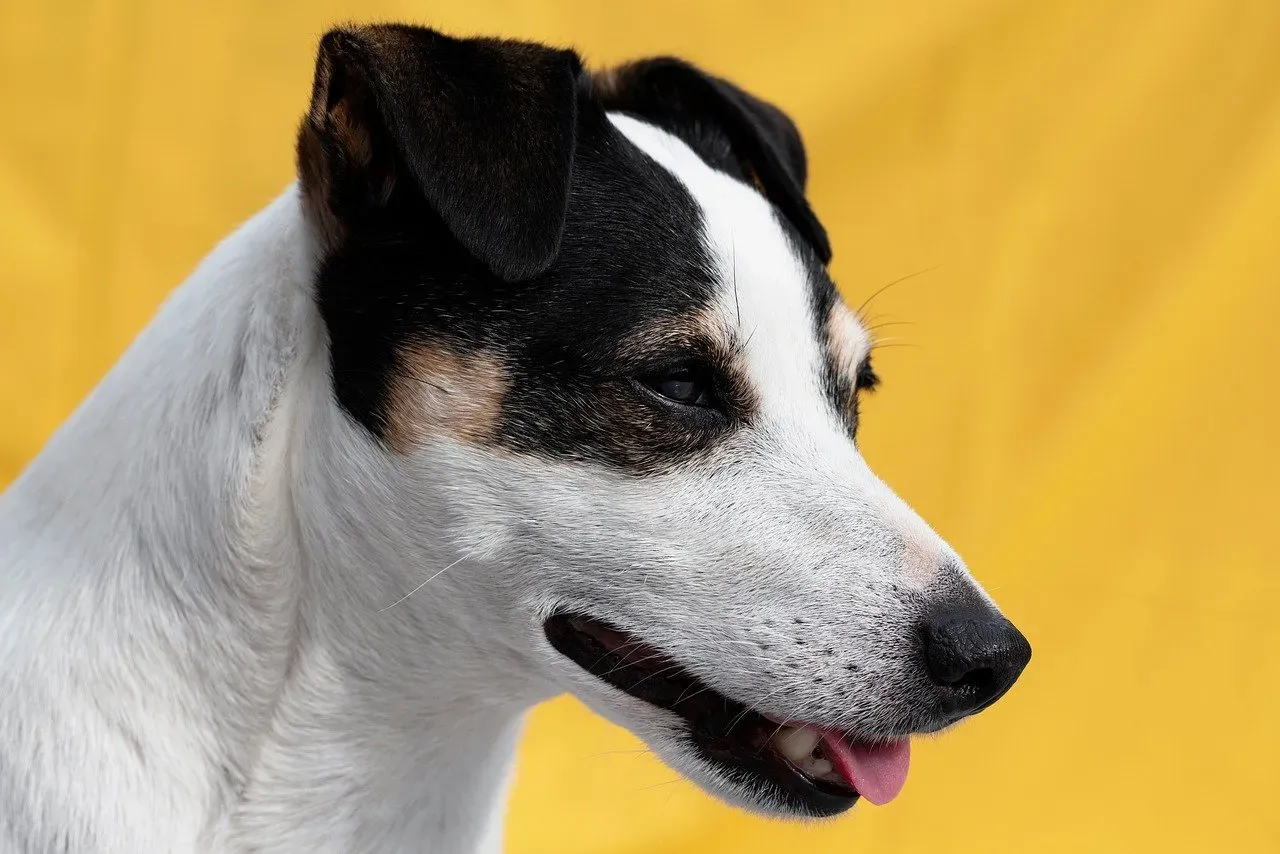
When training dogs to enjoy touch, it’s recommended to stay away from the head and face initially. The face, especially around the muzzle, eyes, and mouth, is packed with sensitive whiskers and nerve endings that help dogs sense their environment. Dogs use facial hairs and whiskers to detect changes in airflow, and these whiskers are so sensitive they can sense changes long before actually touching an object.
Frequent touching around the muzzle can feel invasive or threatening to a dog. It’s hard to say for sure, but many dogs simply don’t find it enjoyable. Take care when examining the inside of your dog’s mouth or brushing their teeth because these areas are so sensitive.
Watch for signs like lip licking, yawning, turning the head away, or whale eye. Signs of discomfort include becoming stiff or rigid, closing the mouth, avoiding eye contact, or moving away. These are your dog’s way of saying, “Please, not right now.”
The Belly (When They’re Not Asking)
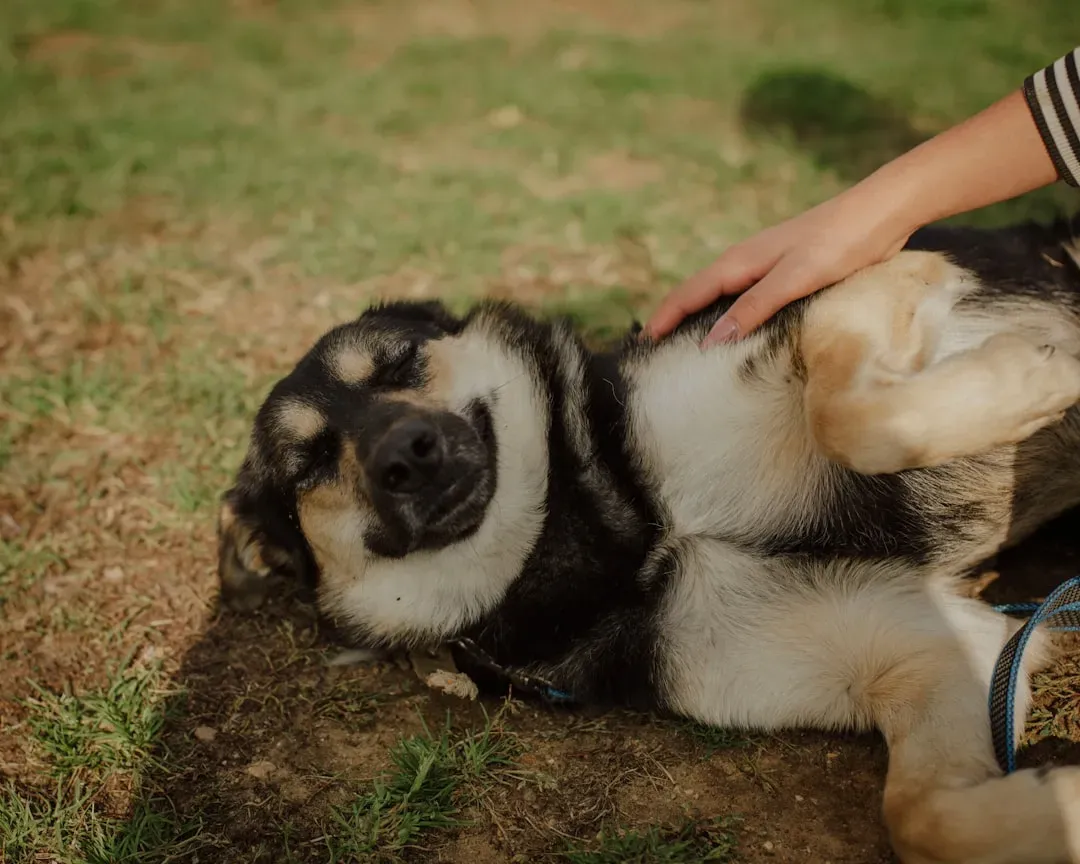
Here’s where things get tricky. Some dogs genuinely love belly rubs and will flop over with pure joy. Others? Not so much. If a dog wants a belly rub and leans down for petting, it’s appreciated, but if it’s a submissive gesture by a nervous dog, petting such a vulnerable area could only make them more anxious.
Most dogs are sensitive about their abdomen, and exposing the belly is often a sign of trust or submission, not necessarily an invitation to touch. If your dog’s anxiety is the cause of them rolling over, you’re likely to see their entire body much tenser, staring at you or a perceived threat, and licking their lips, which is a common sign of anxiety.
The key is reading context. Is your dog relaxed, wiggly, with a loose tail wag and soft eyes? Go ahead. Is their body tense, tail stiff, or are they avoiding eye contact? Step back. Respect their boundaries. They’ll let you know when they’re ready for that kind of affection.
Conclusion
It’s essential for your dog’s health that you can handle and inspect them, so rather than chasing and struggling, you can teach them to enjoy being touched with handling exercises. Touch is one of the most powerful ways we bond with our dogs, so getting it right matters.
One nail clipped too far or one painful tangle brushed through is all it takes for a dog to develop fears of body handling, and minor or major discomfort won’t magically go away or get better with time. The more we understand what makes our dogs uncomfortable, the more we can build trust and create a relationship based on respect, not just affection.
What do you think? Have you noticed your dog pulling away from certain types of touch? Tell us in the comments.


