
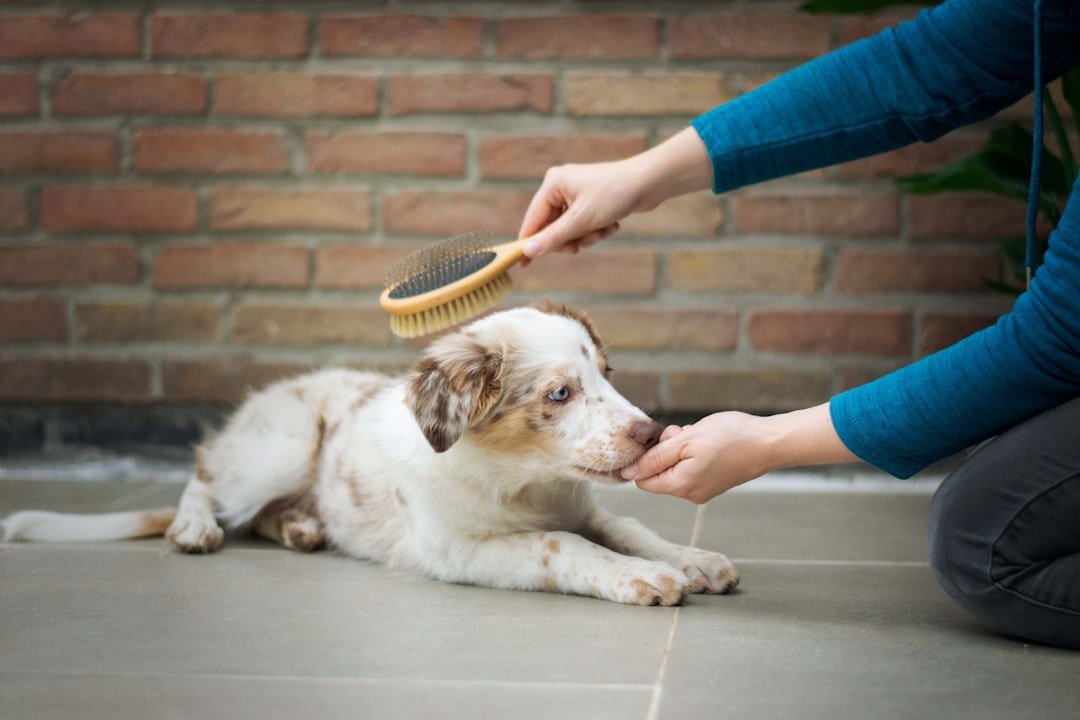
Puppies Mouth Everything: The Natural Instinct Behind Nipping (Image Credits: Unsplash)
Puppy nipping challenges countless new dog owners, yet consistent training transforms this instinctive habit into calm interactions.
Puppies Mouth Everything: The Natural Instinct Behind Nipping
Owners frequently discover that young dogs explore their surroundings using their mouths, a behavior akin to how human infants investigate with hands. This mouthing serves multiple purposes during early development. Puppies learn about textures, communicate during play, and alleviate teething discomfort through gentle gnawing.[1][2]
Nipping intensifies with specific triggers. Overexcitement from greetings or fast movements prompts sharp grabs at hands or clothing. Teething phases, typically around three to six months, amplify the urge as sore gums seek relief. Overtired pups often enter “zoomies,” where fatigue masquerades as boundless energy, leading to erratic mouthing. Recognizing these patterns allows owners to intervene proactively.
Avoid These Common Pitfalls That Reinforce Bad Habits
Many well-meaning owners inadvertently encourage nipping through reactive responses. Yelling or pushing the puppy away provides the attention it craves, turning correction into an exciting game. Quick retreats from a nip trigger the chase instinct, prolonging the behavior. Permitting “gentle” mouthing on skin confuses boundaries, as puppies lack the nuance to distinguish light from firm pressure.[1]
Punishment-based methods damage trust and escalate arousal. Harsh corrections heighten fear or frustration, potentially worsening bites over time. Instead, focus shifts to prevention and positive alternatives. Owners who stay composed model the calm demeanor they wish to instill.
Practical Steps to Interrupt Nipping in the Moment
Effective training hinges on immediate, neutral responses. When nipping occurs, owners freeze movement entirely to remove the fun element. This halts the interaction without dramatic flailing. Next, offer a suitable chew toy promptly, praising engagement with it enthusiastically.[3]
If redirection fails, implement a brief time-out. Calmly withdraw attention by stepping away or placing the puppy in a quiet space for 10 to 20 seconds. Resume play only upon settled behavior. Consistency proves key; every family member must apply the same protocol. Over days, puppies associate mouthing with session endings and toys with rewards.
- Freeze instantly to deny motion-based excitement.
- Redirect to a toy within seconds.
- Enforce a short time-out for persistent attempts.
- Praise toy use lavishly.
- Prevent access to hands during high-energy periods.
Long-Term Solutions for Bite Inhibition and Calm Habits
Beyond reactions, proactive measures build enduring skills. Provide ample chew toys designed for teething, rotating options to maintain interest. Schedule ample exercise and naps to curb overtired episodes. Short training sessions teaching “sit” or “leave it” instill impulse control.[4][5]
Expose puppies to gentle handling early, rewarding tolerance with treats. Enroll in puppy classes for socialization, where controlled play reinforces boundaries. Track progress weekly; most see marked improvement within two weeks of steady application. Patience yields a dog that communicates without teeth.
Key Takeaways
- Nipping stems from normal exploration but demands swift correction.
- Redirect and time-out outperform punishment every time.
- Consistency across household members accelerates results.
Puppy nipping fades with structured guidance, paving the way for a harmonious companionship. Early intervention spares future frustrations and strengthens bonds. What challenges have you faced with puppy mouthing? Share in the comments below.


