
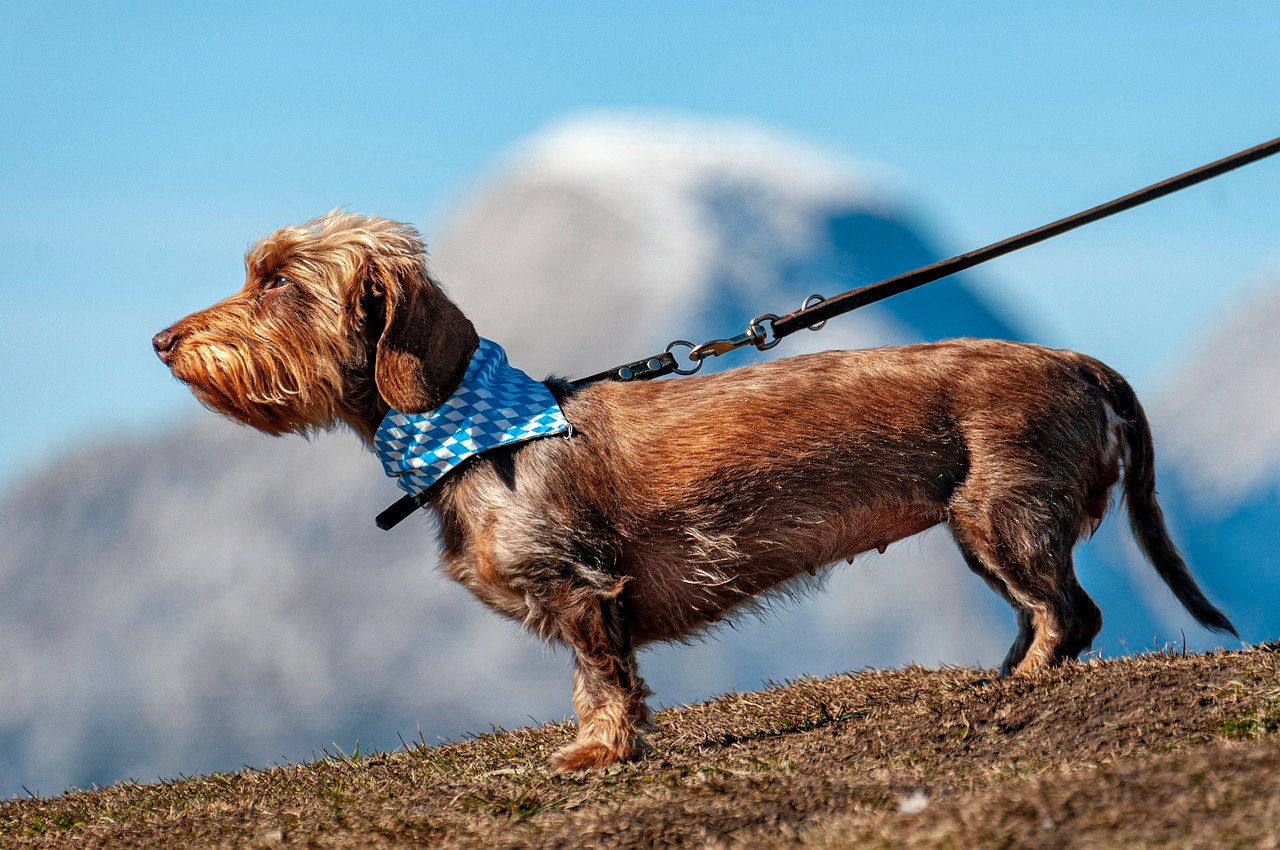
Have you ever been out for a walk, leash in hand, when your dog spots another furry friend up ahead? The excitement builds, the tail starts wagging, and before you know it, your pup is straining at the leash to say hello. It feels innocent, even heartwarming. But what if I told you that letting your dog greet others while on a leash could be an accident waiting to happen? Most people never realize the risks until something goes wrong—an awkward tangle, a sudden bark, or worse. Let’s pull back the curtain on why this common habit could actually be more dangerous than you think.
Leash Tension Sparks Unexpected Aggression
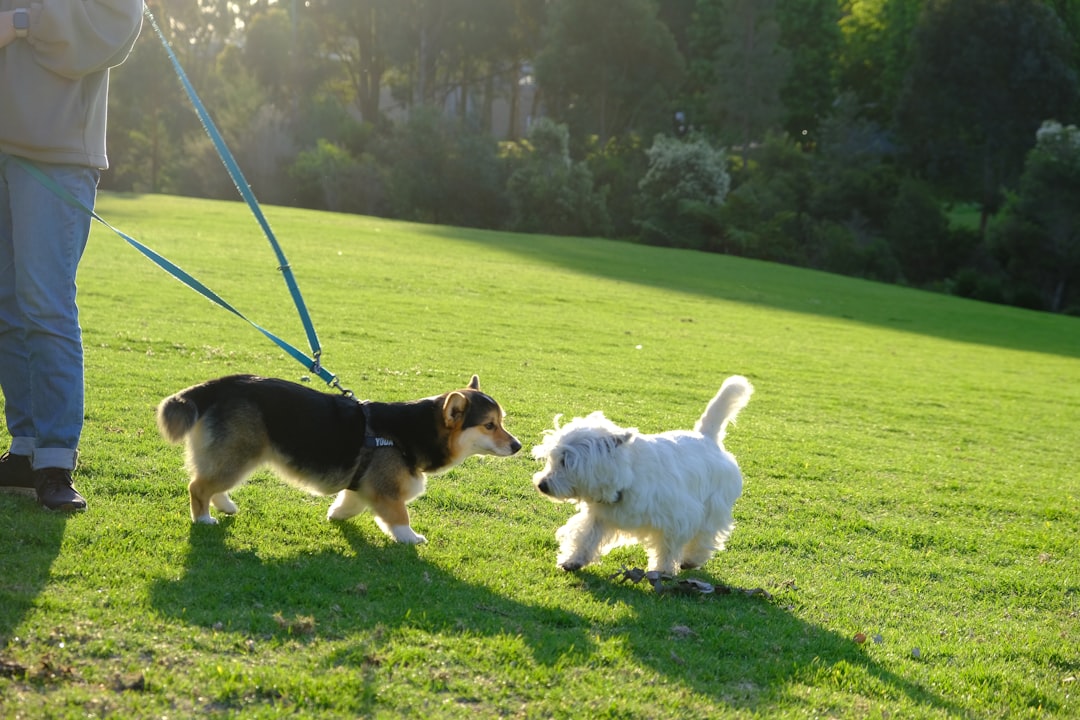
When dogs meet while tethered, the leash can become a source of stress. Imagine being pulled back by an invisible force while you’re trying to say hi to someone; it’s frustrating, right? That’s how your dog feels. Leash tension restricts their natural body language, making it difficult to approach calmly. Even a friendly pup can snap or snarl unexpectedly if they feel trapped. Many trainers call this “leash reactivity,” and it can turn a simple greeting into a snappy confrontation in seconds. The pressure from the leash signals to your dog that something might be wrong, making them more defensive. Over time, this can even teach your dog to associate other dogs with stress or danger instead of play and fun. So, while you might just see a wagging tail, your dog could be feeling anything but relaxed.
Body Language Gets Lost in Translation
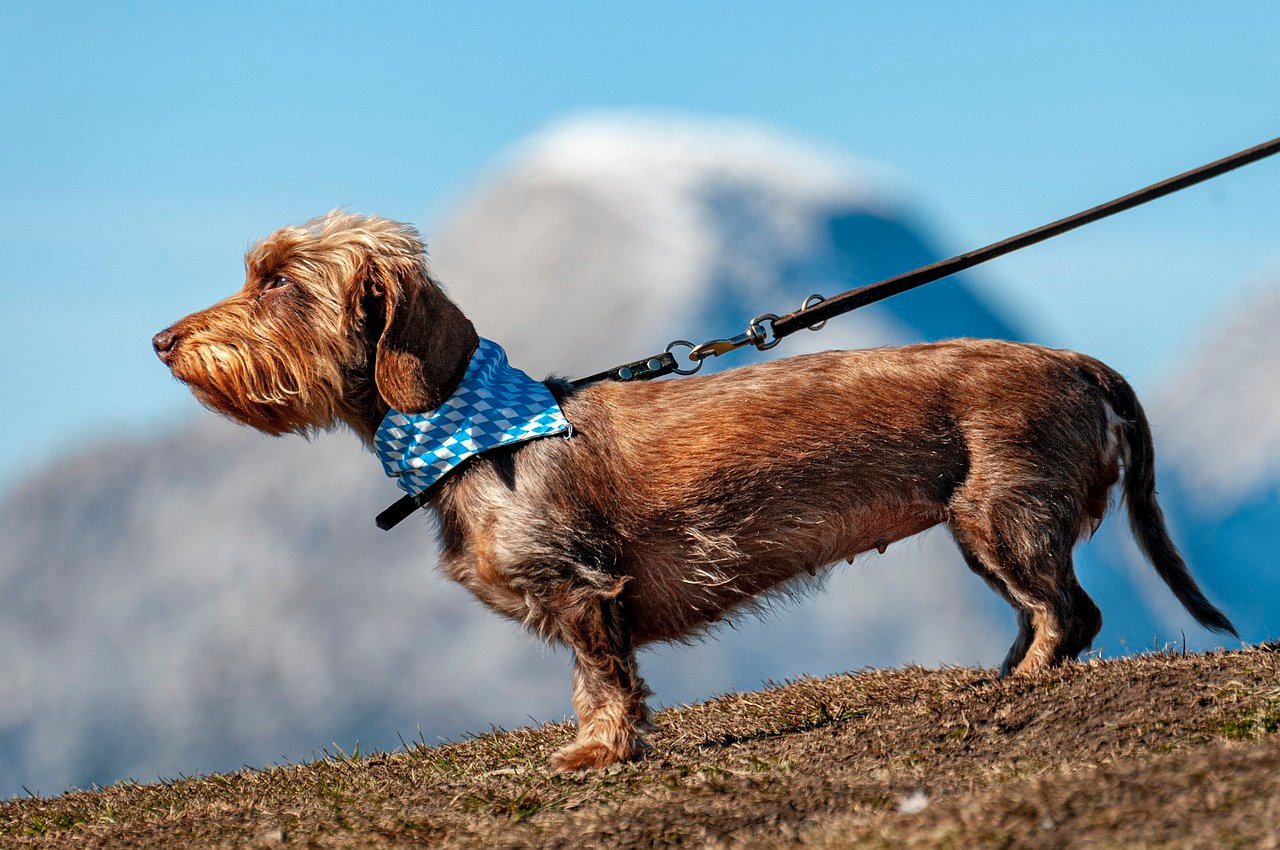
Dogs are masters at reading each other’s signals—ears back, tail up, a playful bow. But on a leash, all those signals get muddled. Your dog can’t move freely, and neither can the other dog. It’s like trying to have a conversation with your hands tied behind your back. This confusion can lead to misunderstandings and, sometimes, a scuffle. A friendly approach can quickly turn tense if one dog misreads the other’s intentions. Even the friendliest dogs can get their wires crossed without the freedom to communicate naturally. That’s why off-leash greetings, in safe, enclosed spaces, tend to go much smoother. On a leash, the risk of miscommunication skyrockets. It’s not about your dog being “bad”—it’s about them being unable to speak their language.
Risk of Tangled Leashes and Accidental Injury
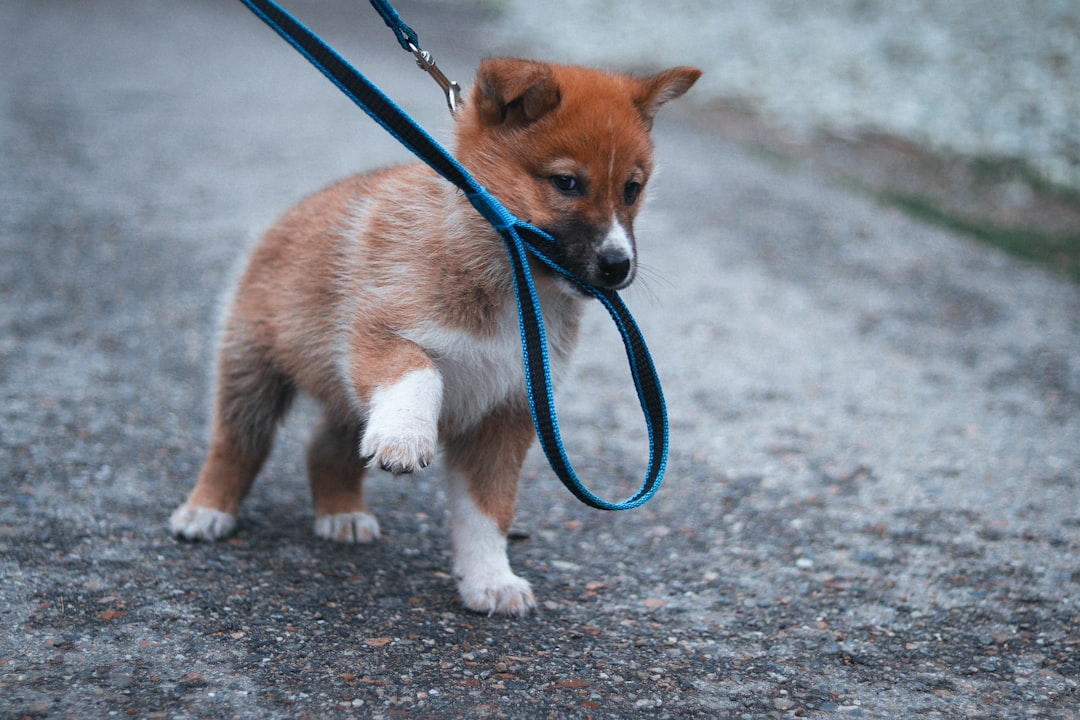
If you’ve ever found yourself in a jumble of leashes, you know it’s no joke. When two leashed dogs circle each other, those lines can twist and tangle in seconds. It’s easy to trip, stumble, or even fall—both for you and the dogs. In the worst cases, leashes can wrap around legs, causing bruises or burns. Imagine the chaos if a large dog and a small dog get tangled and panic. Injuries to paws, legs, or even necks aren’t uncommon. It’s not just a minor inconvenience; it can be downright dangerous. That moment of chaos can lead to frightened dogs and injured humans, turning a walk in the park into a trip to the vet. For everyone’s safety, it’s smart to keep those greetings short—or skip them altogether.
Not All Dogs Want to Say Hello
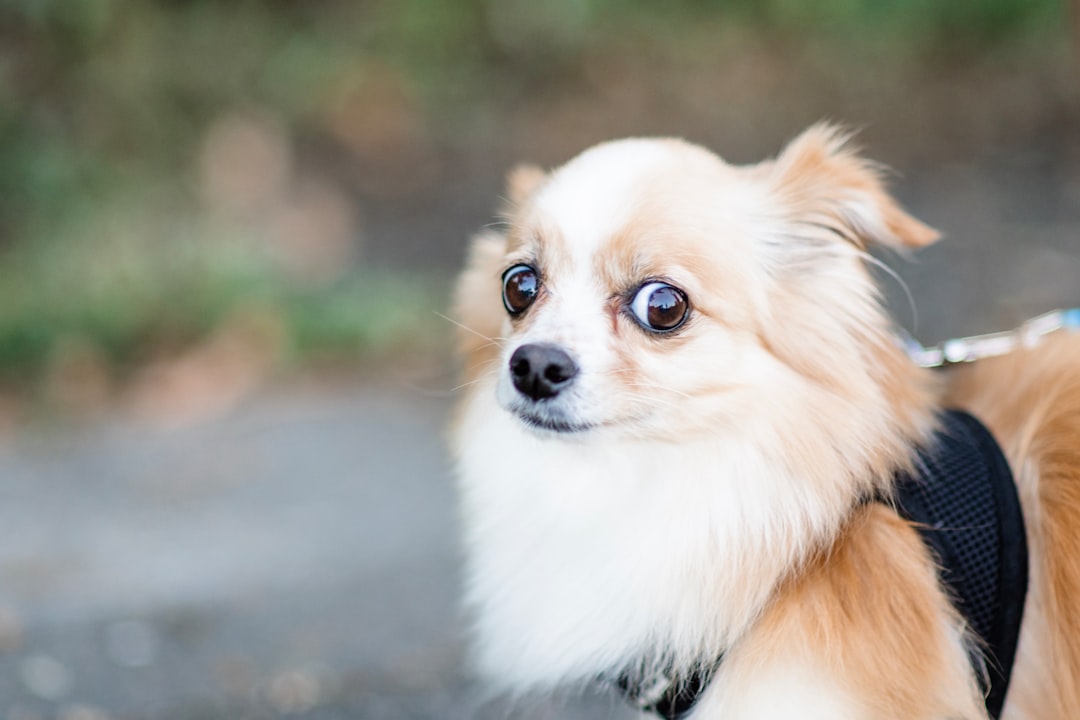
It’s easy to forget that, just like people, not every dog is a social butterfly. Some are shy, nervous, or recovering from bad experiences. When we let our dogs approach others on a leash, we’re making that decision for both dogs—without asking. Forcing an introverted or anxious dog into a greeting can be terrifying for them and could even spark defensive behavior. Some dogs may be in training, elderly, or simply having a bad day. Just because your dog is eager doesn’t mean the other dog is ready for a meet-and-greet. Respecting other dogs’ boundaries is not just polite; it’s essential for everyone’s peace of mind. You wouldn’t walk up and hug a stranger on the street—dogs deserve that same consideration.
Reinforces Bad Habits and Overexcitement
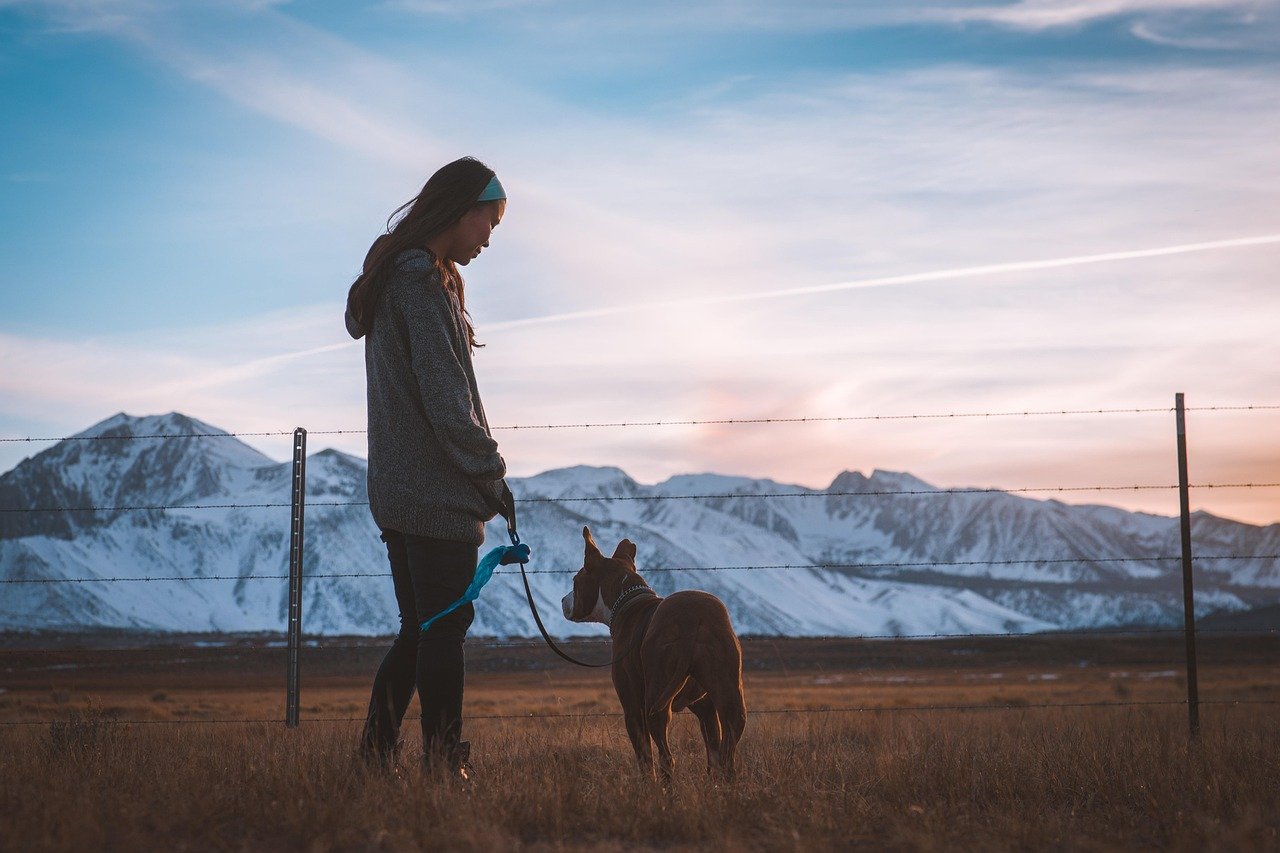
Every time your dog pulls toward another dog and gets to say hello, they’re learning that pulling works. This makes leash manners harder to teach and can lead to a dog that drags you toward every four-legged friend they see. Over time, your walks become a battle of wills, not a relaxing stroll. That constant excitement at the sight of other dogs also makes it harder for your pup to stay calm and focused in public. It’s a bit like letting a kid grab every candy bar in the checkout line—tempting, but not a recipe for good behavior. Consistency is key in training, and allowing leash greetings sends mixed signals. Do yourself (and your dog) a favor and keep those greetings to a minimum.
Potential Triggers and Unpredictable Situations
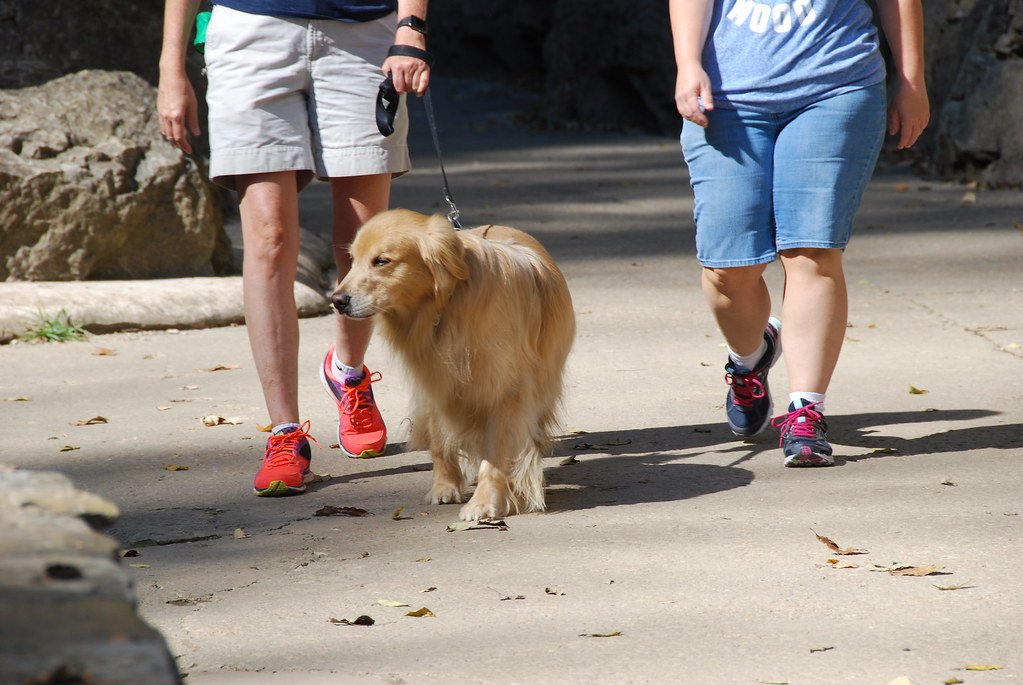
Out on a walk, you never know what the other dog might be dealing with. Maybe they’re recovering from surgery, feeling territorial, or simply not in the mood. There could even be triggers you can’t see—like fear of certain breeds, or past trauma. When dogs are forced into close quarters by leashes, there’s no easy escape if things go south. One wrong move and a peaceful stroll can turn into a full-blown dog fight. It’s like bumping into someone in a crowded elevator—sometimes, personal space is non-negotiable. By avoiding leash greetings, you’re protecting your dog, yourself, and the other dog from unpredictable reactions and avoidable stress.
Protects You and Others from Liability
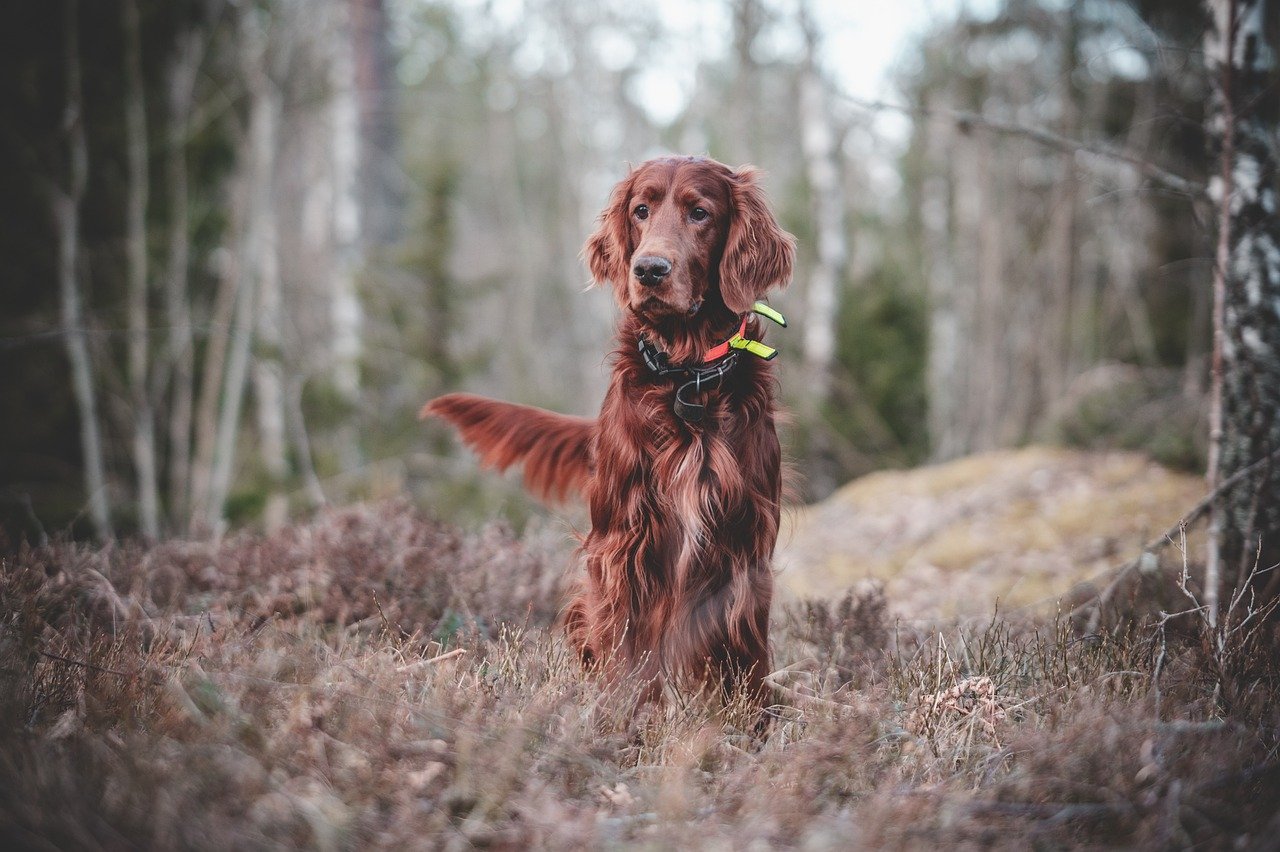
Believe it or not, if your dog causes injury to another dog or person during a leash greeting, you could be held responsible. Even the gentlest pup can act out of character if startled or cornered. Dog bites and scuffles can happen in an instant, and legal consequences aren’t just a distant possibility—they’re a real risk. Besides, nobody wants to be that person at the park apologizing for their dog’s bad day. Avoiding leash greetings helps keep everyone’s experience positive and reduces the chance of uncomfortable or costly incidents. It’s one less thing to worry about on your daily walk.
Promotes Calm, Focused Walks for Everyone
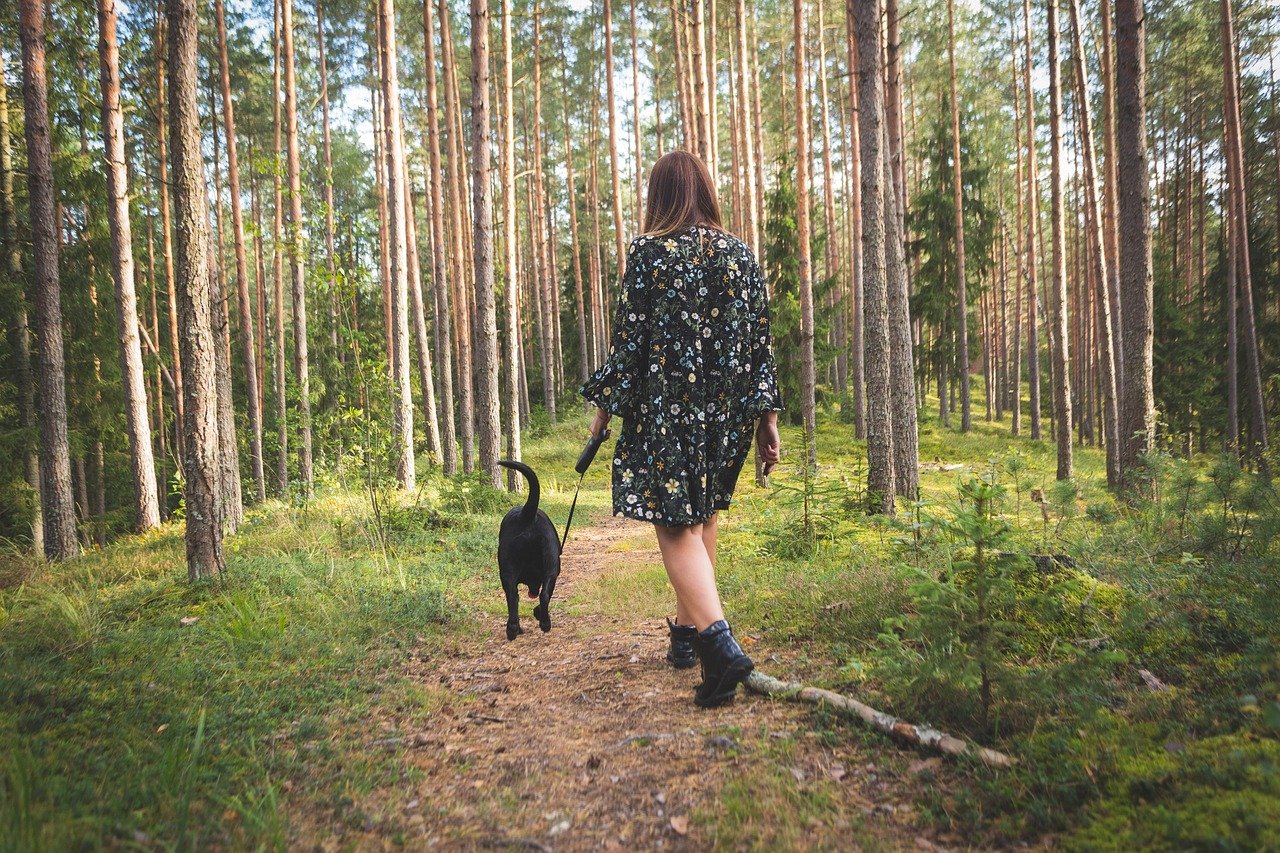
When you skip the leash greetings, your walks become more about you and your dog—and less about distractions. Your dog learns to focus on you, listen to commands, and enjoy the environment. This builds a stronger bond and makes every outing smoother. With fewer interruptions, walks become relaxing rather than stressful. You’ll find that your dog is calmer, more attentive, and less reactive over time. It’s a simple change that pays off in happier, healthier outings. Isn’t that what every dog owner wants?
What would your dog say if they could tell you how they really feel about leash greetings?


