
You know that sinking feeling when you’re not quite sure if a dog is just tired or genuinely uncomfortable? Maybe you’ve reached out to pet a pup and sensed something wasn’t right. That hesitation is your instinct talking, telling you to pay closer attention. Dogs are brilliant communicators, yet so many of us miss what they’re desperately trying to tell us. Understanding those warning signals isn’t just about safety. It’s about respecting our dogs, honoring their boundaries, and building trust that runs both ways.
The truth is, most dog bites don’t come out of nowhere. Dogs give warning signs nearly every single time before biting someone, and it’s incredibly rare for a dog to bite someone actually out of the blue. What looks sudden to us is often the final step in a long ladder of communication we simply didn’t notice. Let’s dive into the five key signs that tell you a dog is reaching their breaking point, so you can keep everyone safe and give your furry friend the respect they deserve.
That Frozen Stillness Before the Storm
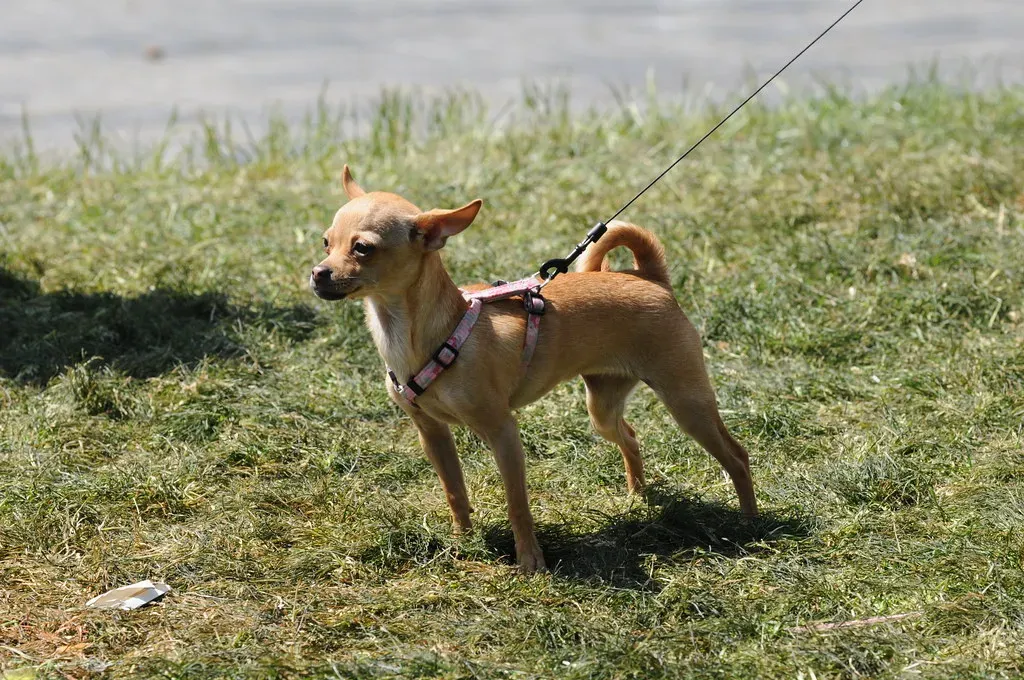
Ever notice how everything goes quiet right before something big happens? Dogs do the same thing. A sudden freeze in movement is one of the final warning signs a dog will bite. One moment they’re moving, breathing normally, and then suddenly they’re completely still, like someone hit pause on a remote control.
This isn’t your dog zoning out or taking a breather. Brief body freezing means the dog is still for one or two seconds before reacting or moving, and a longer body freeze occurs until the threat goes away or the dog decides to use fight or flight. Think of it like a spring coiling up tight before it releases. If you see this happen, back away slowly and give your dog space. This is their way of saying they’re done being patient.
The Whale Eye and Hard Stare
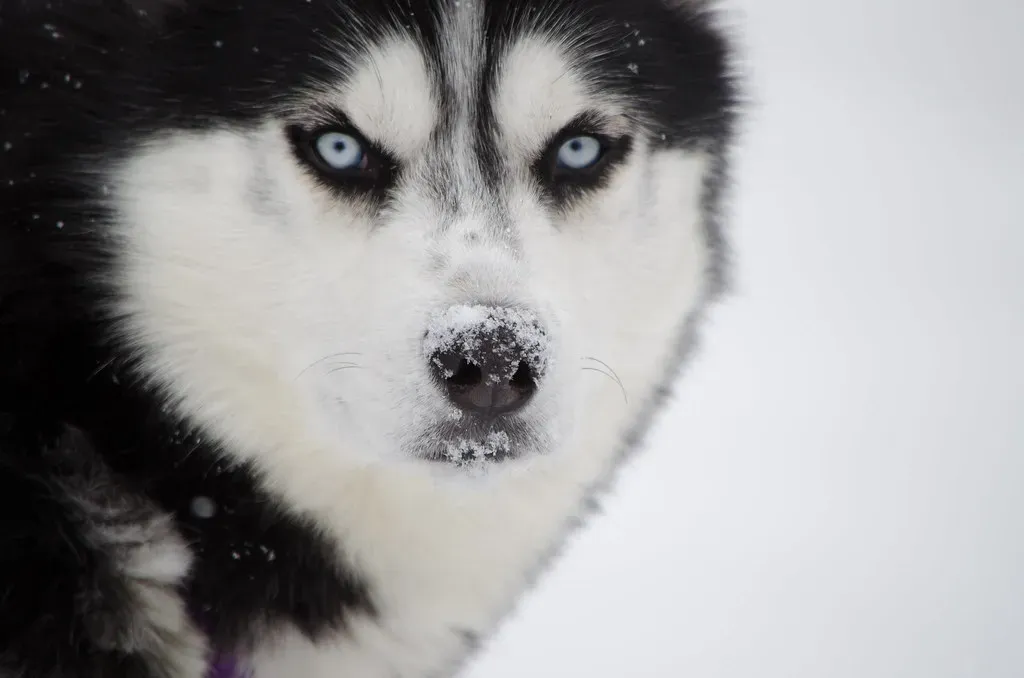
Dogs have this thing they do with their eyes that many people miss entirely. The whale eye is when you can see the whites of your dog’s eyes, usually because they’re looking at something without moving their head, and it’s often a sign of anxiety and discomfort. Picture a dog turning their head slightly away but keeping their gaze locked on what’s bothering them. That crescent of white around the eye looks like a little moon, hence the name.
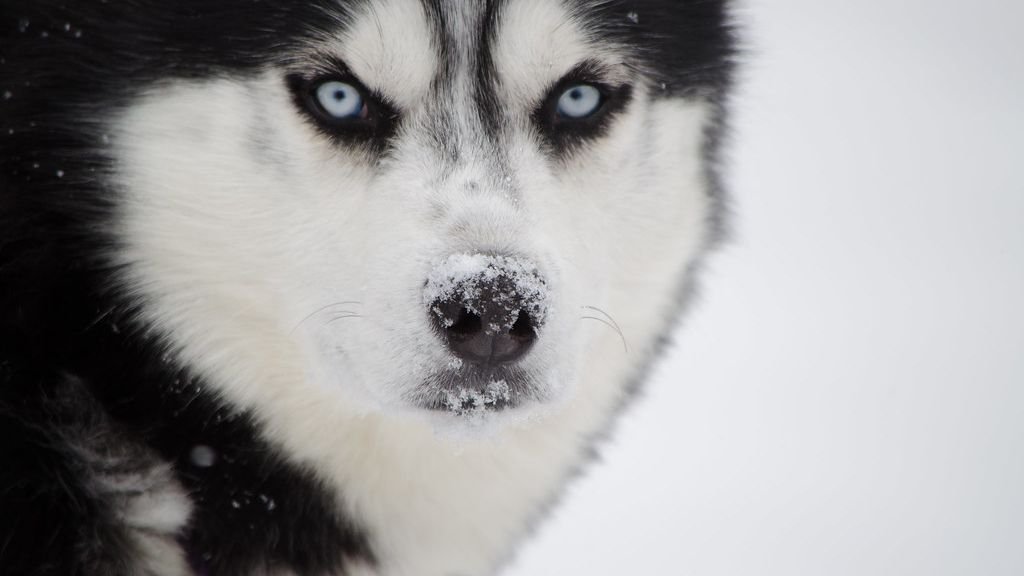
Hard eyes are intense and glassy, accompanied by large pupil dilation and significant facial or muzzle tension, with dogs often making direct, piercing eye contact with the person or animal they perceive as a threat. It’s that unblinking, laser-focused stare that makes the hair on your neck stand up. If your dog is giving you or someone else this look, something is seriously wrong. They’re not being stubborn or trying to dominate you, they’re scared or feeling threatened and letting you know a bite might be next.
Raised Hackles and Stiff Posture
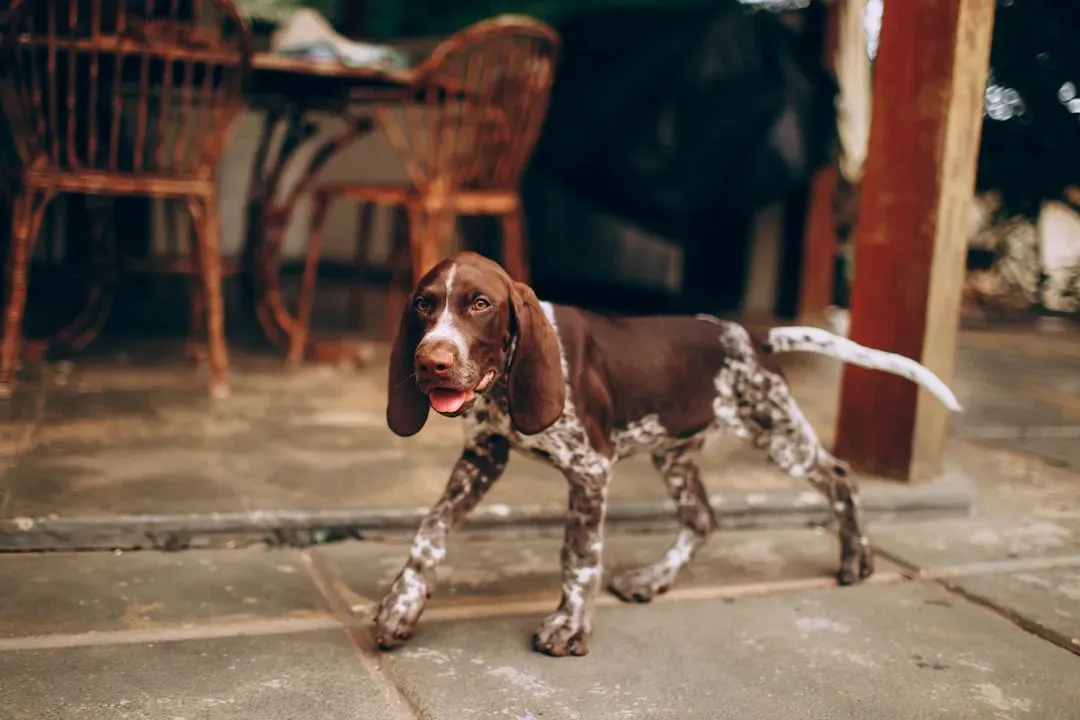
One of the most common dog bite signs is raised hackles, which means the hair along the back of the dog’s neck and spine is standing on end. It’s like when we get goosebumps during a scary movie, except for dogs it’s a visible red flag. When you pair raised hackles with a rigid, tense body, you’ve got a dog who’s ready to defend themselves.
A tense or stiff dog exhibits a rigid, confined posture with muscles that appear contracted, the neck often extended forward, and the tail sticking straight out and upward, signaling that the dog feels threatened and is on high alert. I know it’s tempting to keep trying to calm them down or reach toward them, but honestly, this is the moment to stop whatever you’re doing. Their whole body is screaming discomfort. Sometimes the best thing you can do for a stressed dog is simply let them be.
Growling, Snarling, and Showing Teeth
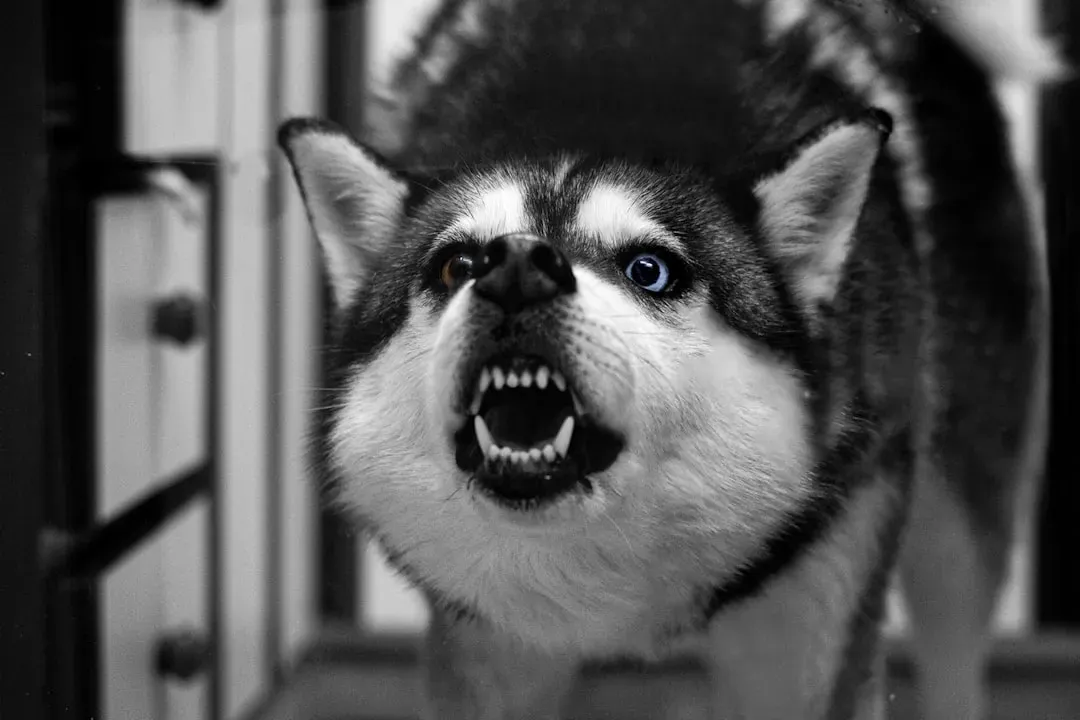
Here’s the thing about growling that drives me crazy when people get it wrong: growling is a gift. Growling means something, as your dog is trying to communicate with you, and if you punish a dog for growling he will eventually stop, meaning his next warning signal could be a snap or a bite. When your dog growls, they’re essentially saying, “Hey, I’m really not okay with this, please stop.”
A dog will often bark or growl very deeply and menacingly, which can be done by barking or growling aggressively, often accompanied by bared teeth. Snarling takes it up a notch, with lips curling back to reveal those canines in full display. This is not the time to test your dog’s patience or assume they’re bluffing. They’ve moved beyond subtle signals and are giving you the canine equivalent of shouting. Respect that boundary immediately.
Stress Signals You Might Be Missing
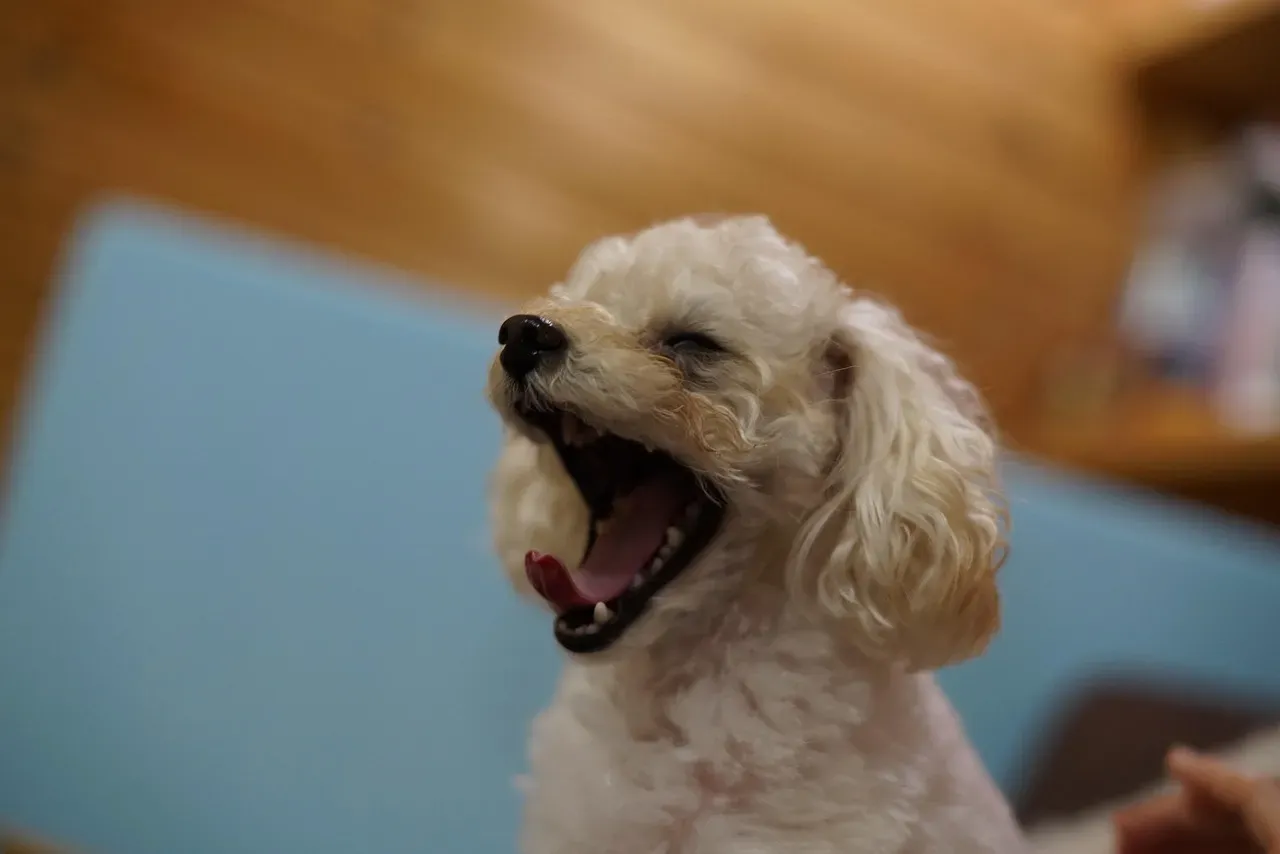
Before a dog ever gets to the point of freezing or growling, they usually try gentler ways to tell you they’re uncomfortable. Yawning, lip licking, or turning away are supplicating behaviors that can indicate a dog’s discomfort, even though they’re not the most common warning signs. When your dog yawns repeatedly but isn’t tired, or keeps licking their lips when there’s no food around, they’re stressed.
While dogs yawn when they are tired, they are much more likely to yawn when they are nervous, and lip licking is a very clear stress signal performed when a dog is nervous or experiencing fear, not always meaning a dog is hungry. Other signs include turning their head away, trying to walk away, or even those nervous yawns. Sudden changes in behavior, especially aggression, may signal an underlying health problem, as pain from dental disease, arthritis, ear infections, or other conditions can cause dogs to become more defensive or irritable. These early whispers are your chance to intervene before things escalate. Pay attention to them.
Conclusion
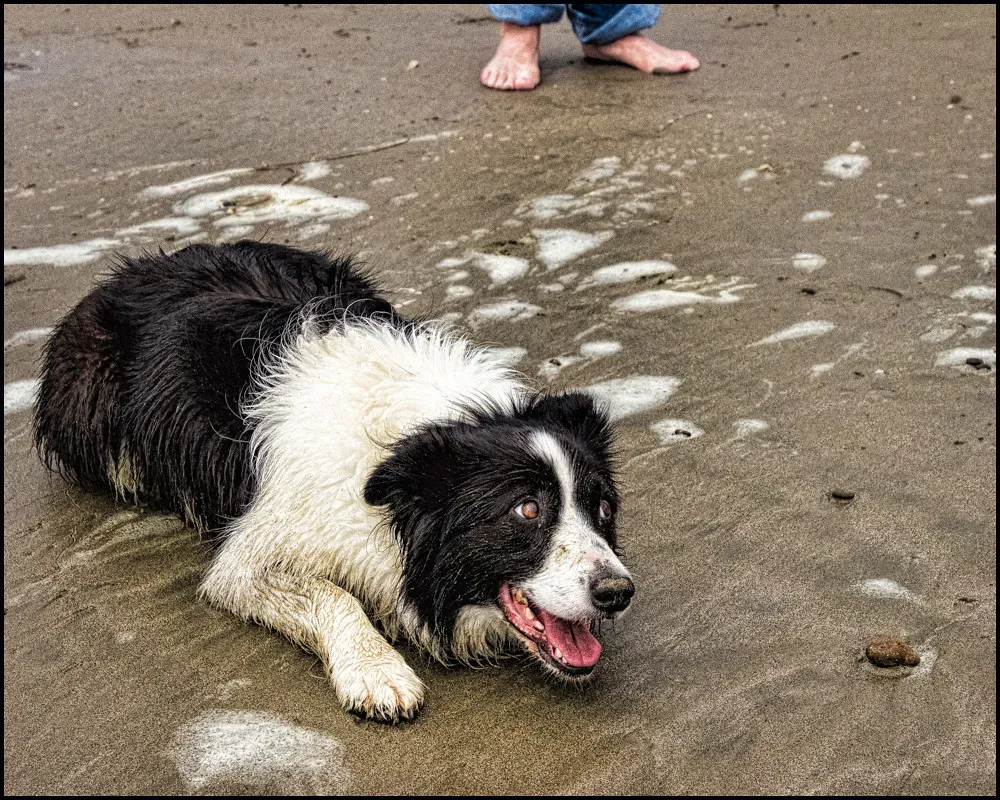
Learning to read your dog’s body language is one of the most loving things you can do. It’s not about fear or assuming your dog will bite, it’s about understanding that they’re constantly talking to us through their posture, expressions, and behaviors. When we miss those signals or ignore them, we’re essentially teaching our dogs that communication doesn’t work, and that’s when bites happen.
The five signs we’ve covered today are your roadmap to keeping everyone safe and respecting your dog’s boundaries. From that frozen stillness to the more obvious growls and snarls, each signal is a plea for space and understanding. Remember, dogs are usually trying their best to communicate with us, and they don’t want to bite any more than we want to be bitten. By learning this language, you’re not just protecting yourself, you’re giving your dog the gift of being truly heard. What warning signs have you noticed in your own pup? Share your experiences in the comments below, we’d love to hear your stories.


