
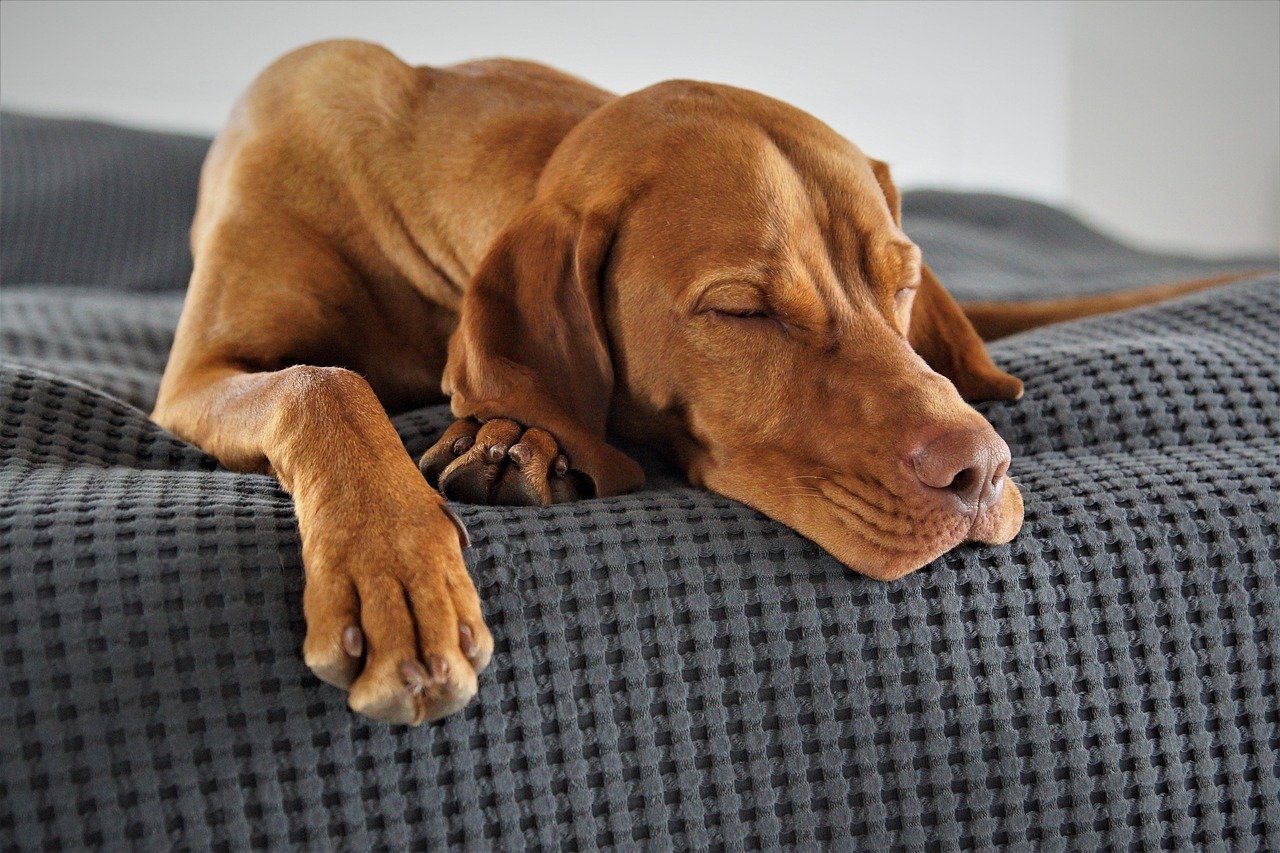
Ever had the sinking feeling that your dog isn’t as happy to see you as you’d like? Or maybe you’ve wondered if those big puppy eyes mean “I love you!”—or “I’m about to lose it!” Dogs are masters at reading us, but sometimes, we miss the signals they send back. Recognizing the difference between stress and relaxation in your dog isn’t just heartwarming—it’s crucial for their happiness and yours. Here’s how to tell if your furry friend is genuinely chill or silently stressed right by your side.
1. Stressed: Ears Pinned Back and Tail Tucked
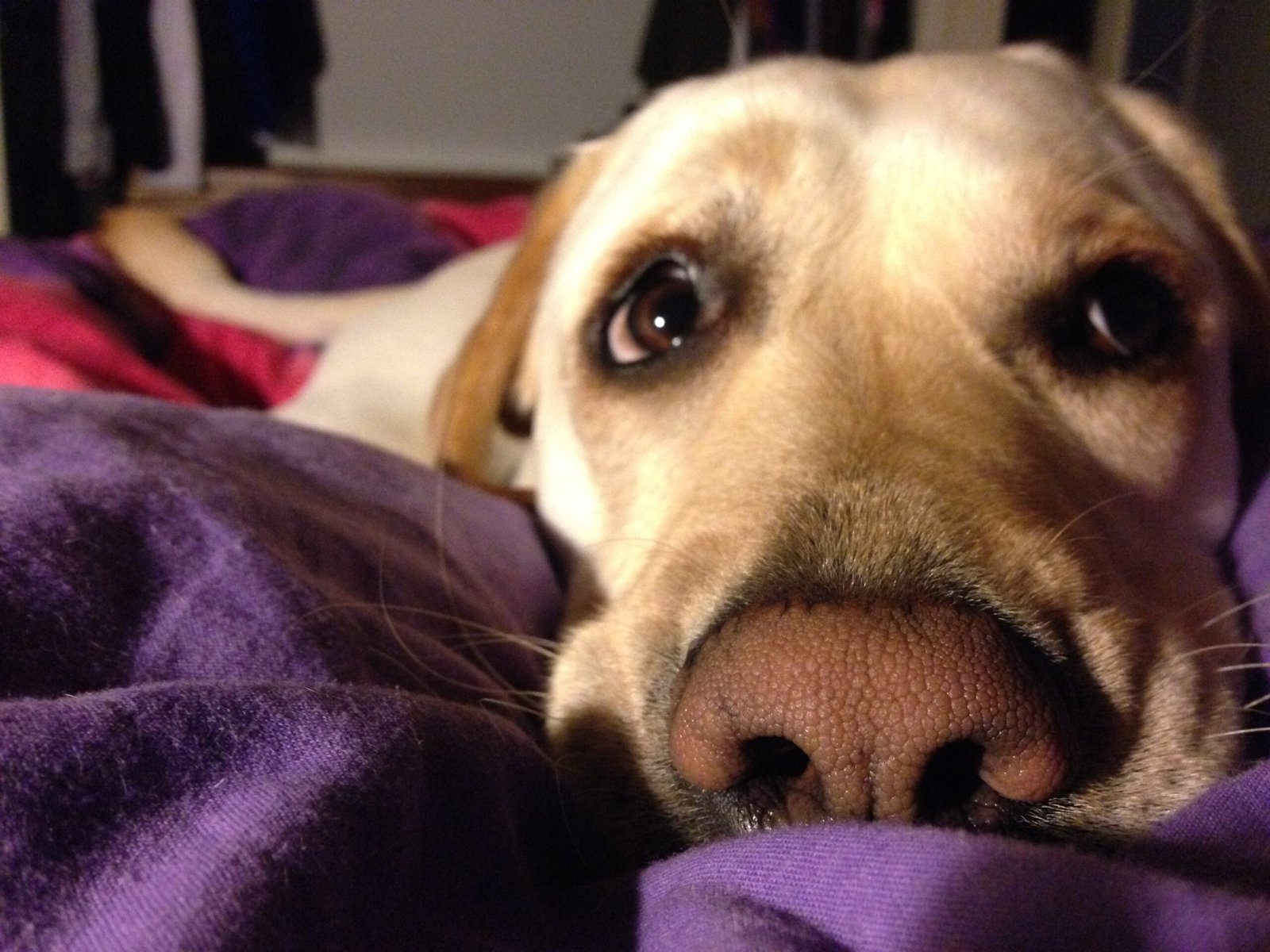
One of the clearest signs a dog is feeling uneasy is when their ears flatten against their head and their tail tucks tightly between their legs. This body language screams discomfort, even if your pup is otherwise quiet. Dogs instinctively do this to make themselves smaller and less noticeable—think of it as their way of hiding in plain sight.
Sometimes, you might notice this when you approach them after a scolding, or if you bring out something they dislike, like the vacuum cleaner. It’s a subtle plea for space or reassurance. If your dog’s posture looks shrunken and their tail is nowhere to be seen, it’s time to pause and check in with how they’re feeling.
2. Stressed: Excessive Panting or Drooling (When It’s Not Hot)
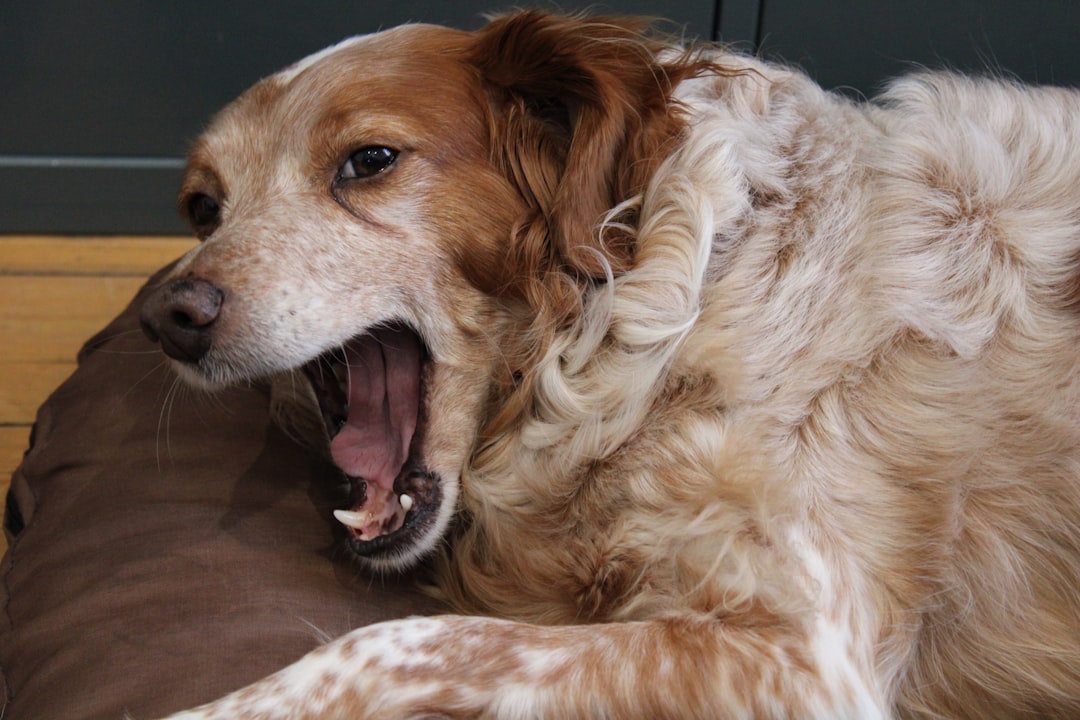
Panting after a run in the park? Totally normal. But rapid, shallow panting or sudden drooling when the environment isn’t hot can be a big red flag. Dogs use panting to cool off, but they also do it when they’re nervous, anxious, or scared.
Picture this: you’re at the vet’s office and your dog starts panting like they’ve just run a marathon, even though you just drove there. That’s classic stress in action. Likewise, slobber that appears from nowhere can signal that your dog is feeling overwhelmed or worried.
3. Stressed: Avoiding Eye Contact or Turning Away
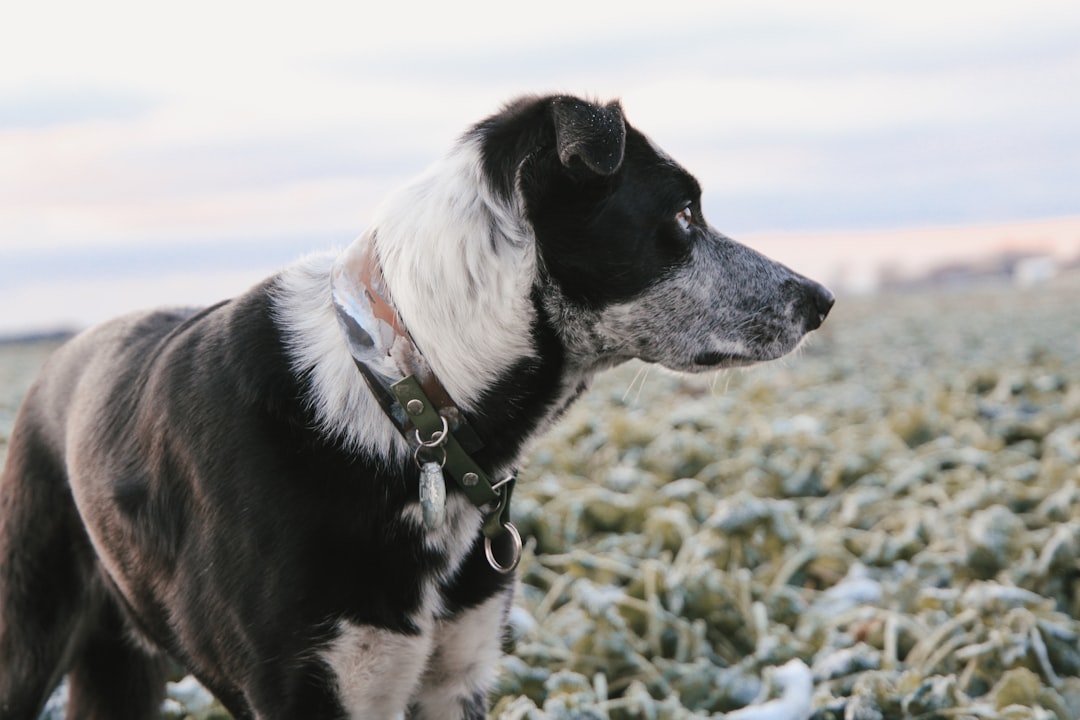
If your dog suddenly won’t meet your gaze or keeps turning their head away whenever you approach, they’re probably not playing hard to get—they’re trying to tell you they’re uncomfortable. Direct eye contact can feel threatening to dogs, especially when they’re feeling anxious.
This sign is easy to miss, especially because dogs are so expressive with their eyes. But if your usually affectionate pup is dodging your glance, it could mean they’re stressed by your presence or something happening around them. Imagine someone refusing to look you in the eye during a conversation—it just feels off.
4. Stressed: Yawning, Licking Lips, or Pacing
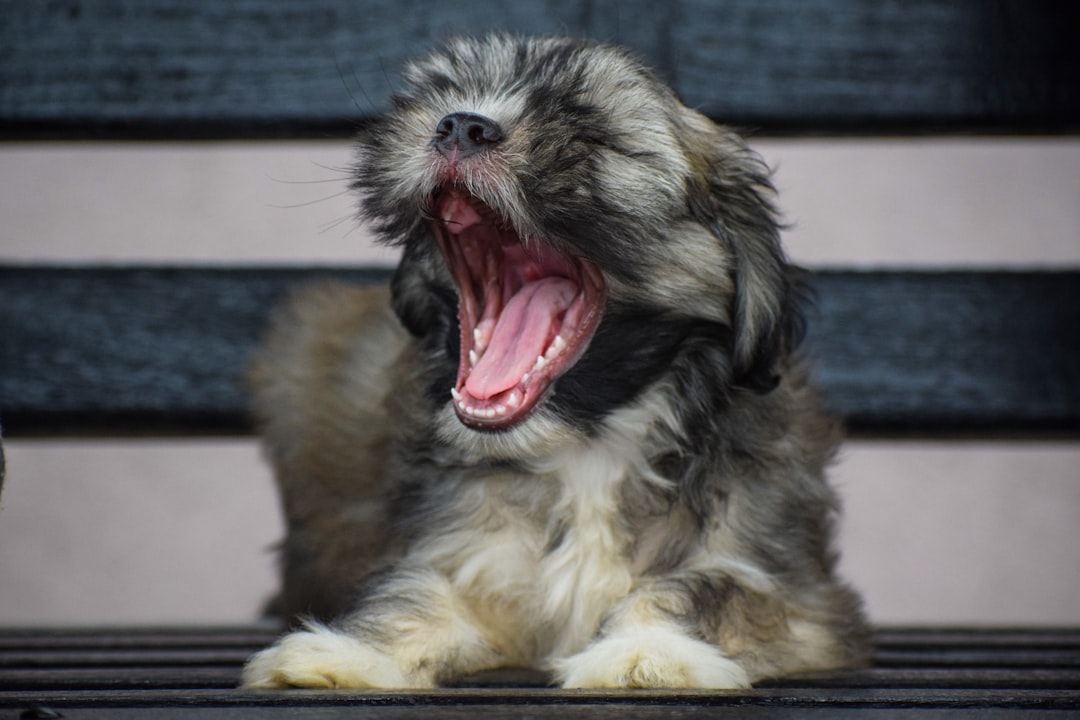
We yawn when we’re tired, but dogs often yawn when they’re nervous. If you see your dog yawning, licking their lips obsessively, or pacing around restlessly, it’s not boredom—it’s anxiety. These “calming signals” are ways dogs try to soothe themselves or de-escalate a situation.
For example, if your dog starts licking their lips or yawning repeatedly during a family gathering, they might be overwhelmed by the noise and commotion. Pacing, especially in circles or along a path, is another classic sign of canine stress.
5. Stressed: Hiding or Trying to Escape
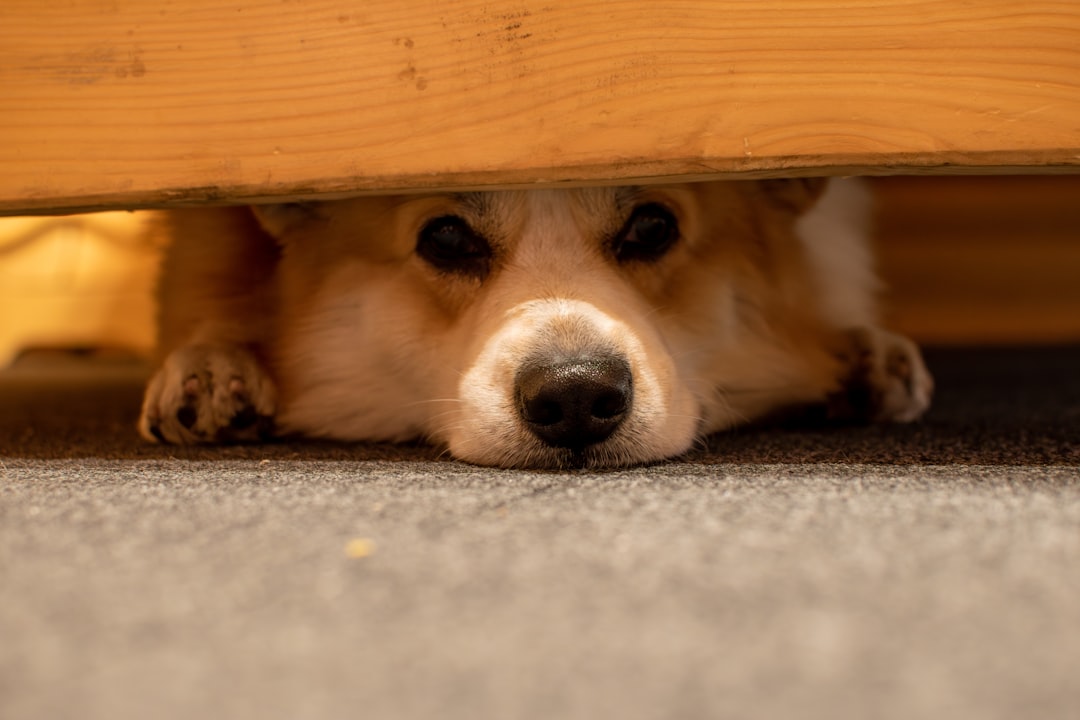
When dogs are truly stressed, they’ll often try to get away from the situation entirely. You might find your dog wedging themselves under the bed, behind furniture, or even scratching at the door to get out. This is their ultimate “I need a break” move.
It’s heartbreaking to see, but it’s also a clear message. If your dog is seeking solitude or actively trying to escape your presence, it’s time to slow down and give them the space they need. It’s not rejection—it’s self-preservation.
6. Relaxed: Loose, Wagging Tail and Soft Eyes
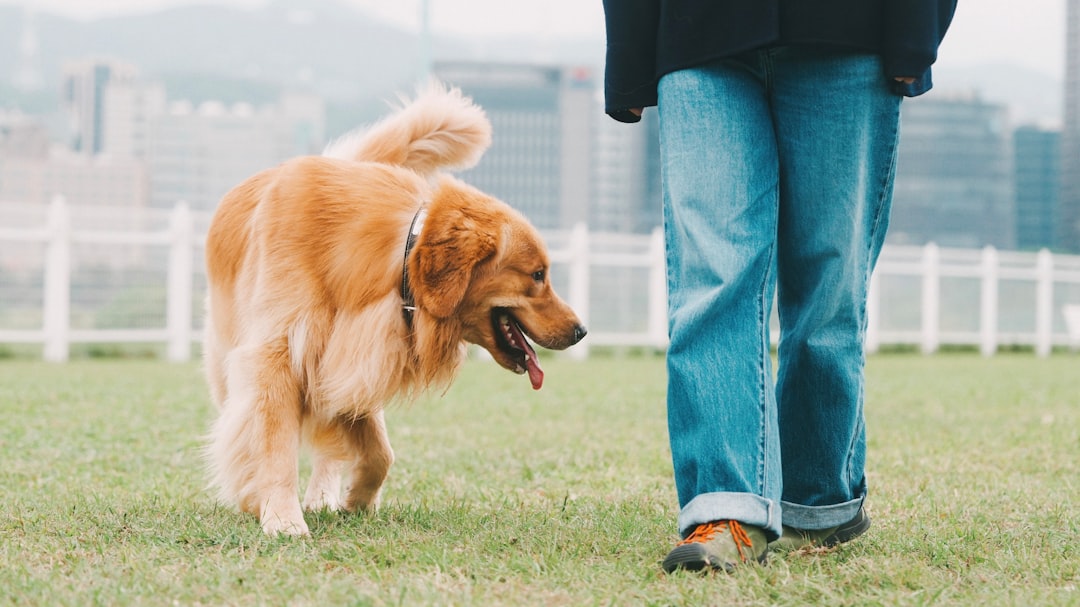
A truly relaxed dog wears their heart on their sleeve—or, more accurately, their tail. When your pup’s tail is wagging in a wide, slow arc, and their eyes are soft and blinky, you know you’ve got a happy camper. There’s nothing tense or sharp about their movements.
You might notice this when you come home after a long day, and your dog greets you with a whole-body wag and a gentle, goofy stare. This is the doggy equivalent of a warm hug—pure joy and comfort in your presence.
7. Relaxed: Sprawling Out or Lying Belly-Up
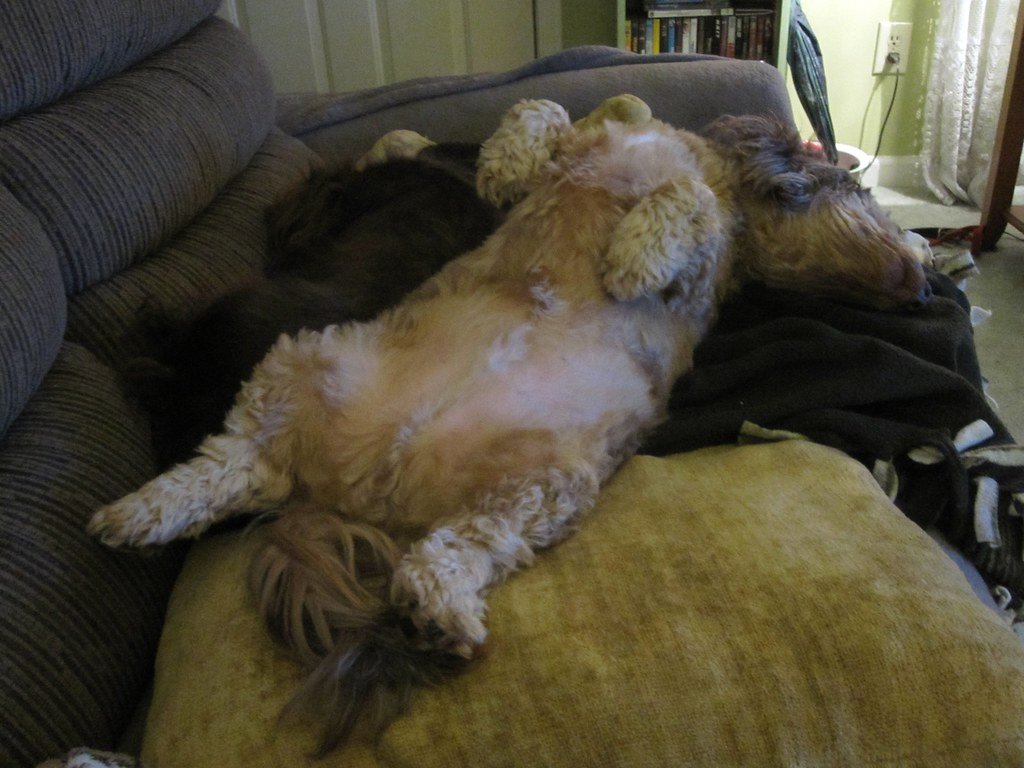
Relaxed dogs have zero problem showing vulnerability. If your pup flops over on their back, belly exposed, or sprawls out in the most ridiculous positions, they’re telling you loud and clear they trust you completely. This is their way of saying, “I feel safe here.”
It’s like when you fall asleep on the couch without a worry in the world. Dogs only do this when they’re comfortable and confident that nothing bad will happen while they’re off guard.
8. Relaxed: Calm Breathing and Gentle Sighs
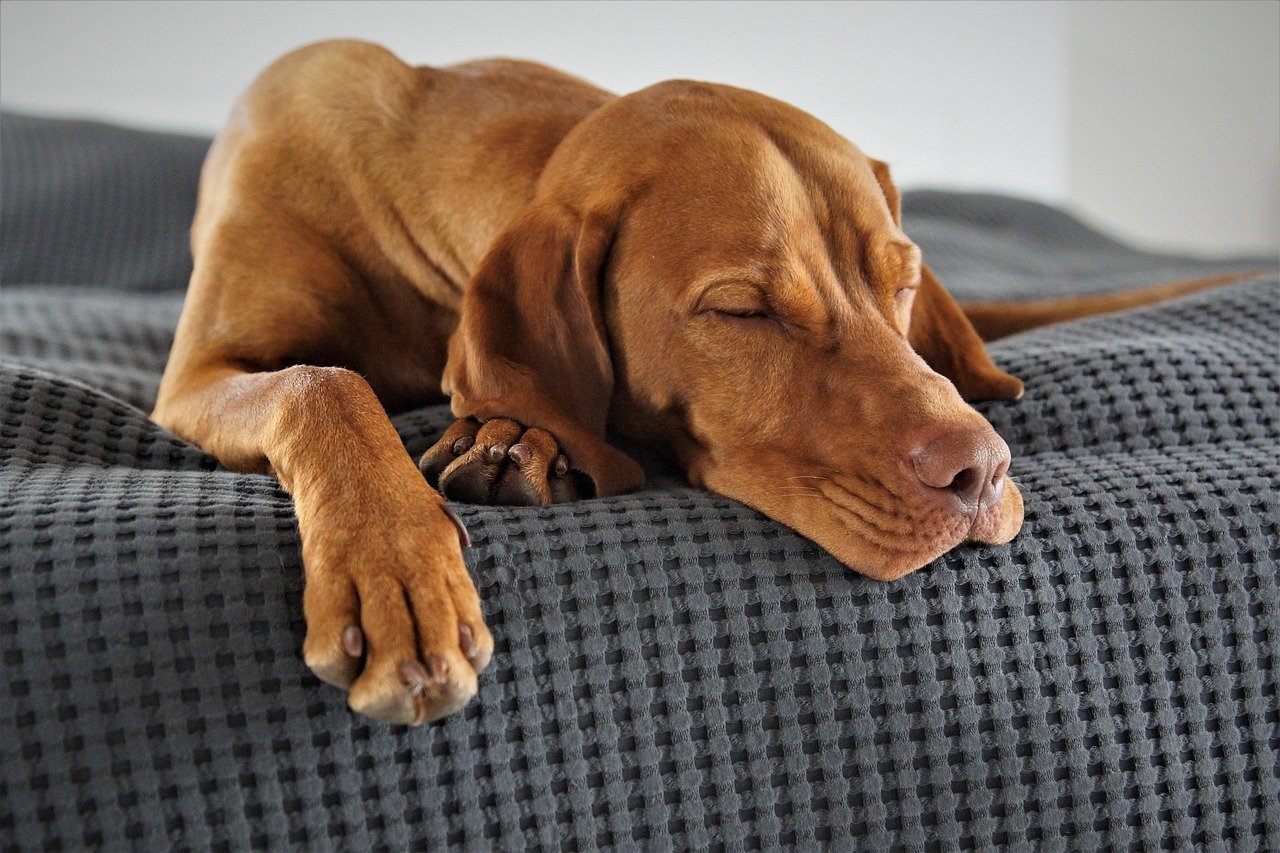
There’s something deeply soothing about a dog’s gentle sigh. When dogs are at ease, their breathing is slow and steady. You might even catch them letting out a long, contented exhale as they settle next to you.
This is the canine equivalent of taking off your shoes and sinking into the couch after a long day. If your dog is breathing calmly and lets out little sighs of satisfaction, you can rest easy—so can they.
9. Relaxed: Happy “Smile” and Playful Behavior
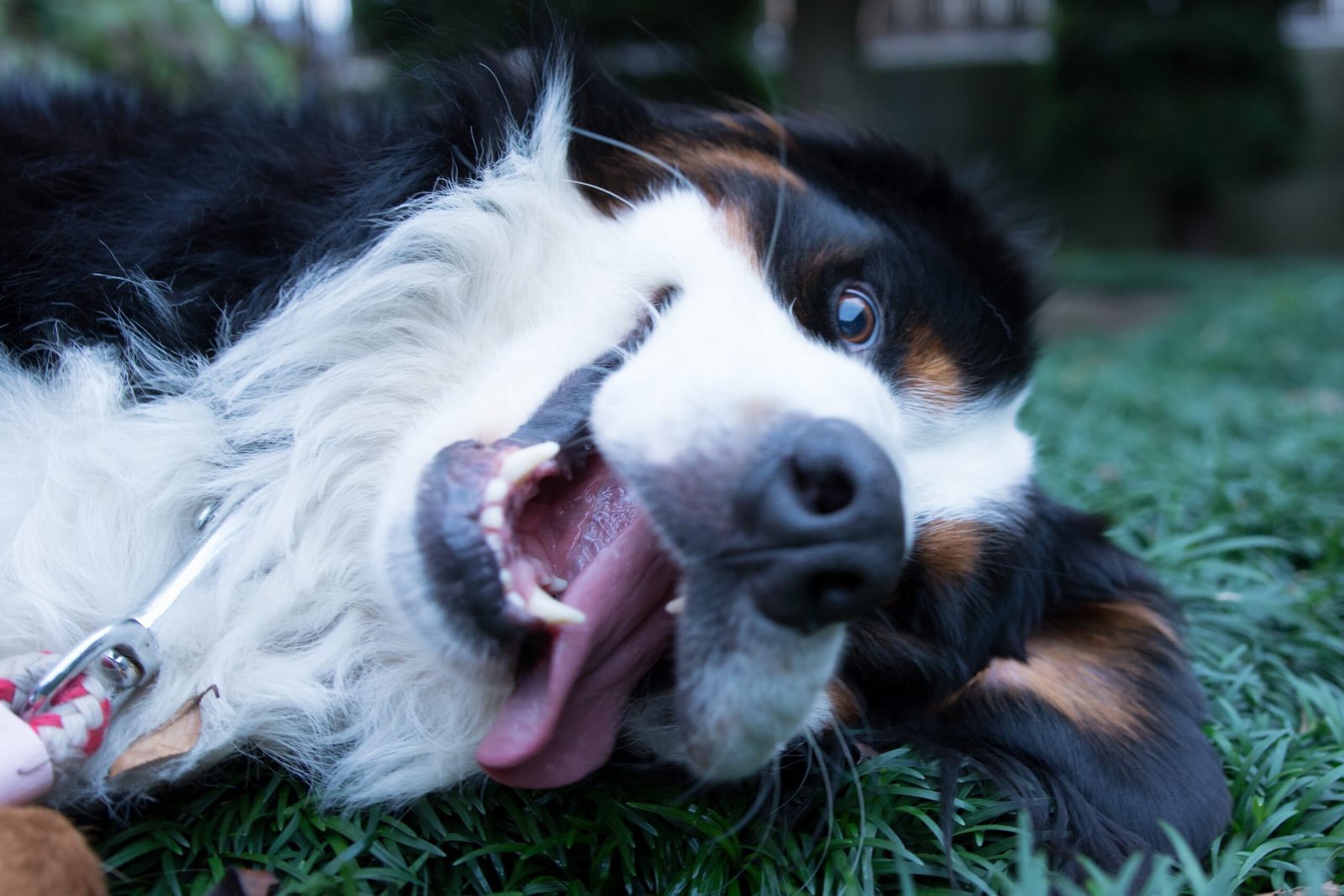
Some dogs actually look like they’re grinning when they’re relaxed. Their mouths hang open, their tongues loll out, and their faces are soft and welcoming. Combine that with play bows, gentle pawing, or bringing you toys, and you’ve got a dog who’s loving every minute with you.
Playful behavior is a sure sign of relaxation. If your dog invites you to play or chases their tail with reckless abandon, they’re not stressed—they’re having the time of their life.
10. Relaxed: Following You Around Without Clinginess
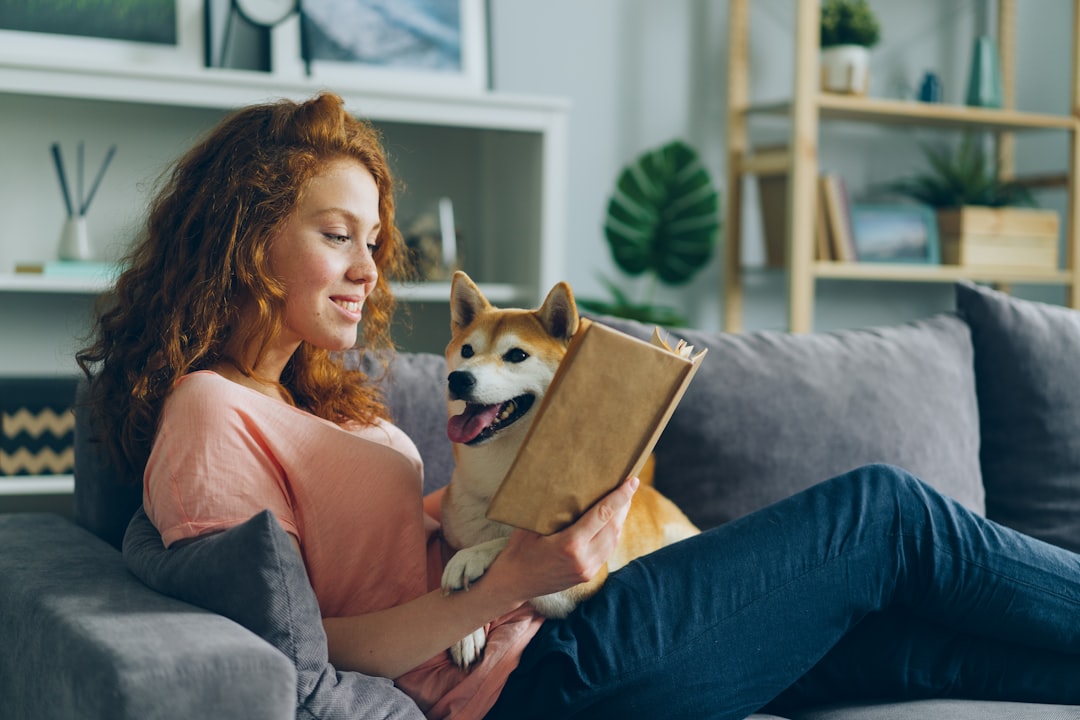
A relaxed dog may choose to be near you, but it won’t be out of desperation or anxiety. Instead of shadowing your every move with wide eyes, they’ll quietly settle in the same room, occasionally glancing over or laying their head in your lap.
It’s like having a friend who enjoys your company but doesn’t need constant reassurance. This calm companionship is a sign that your dog feels totally at peace in your presence.
That’s how you can tell if your dog is stressed or totally relaxed when they’re around you.


